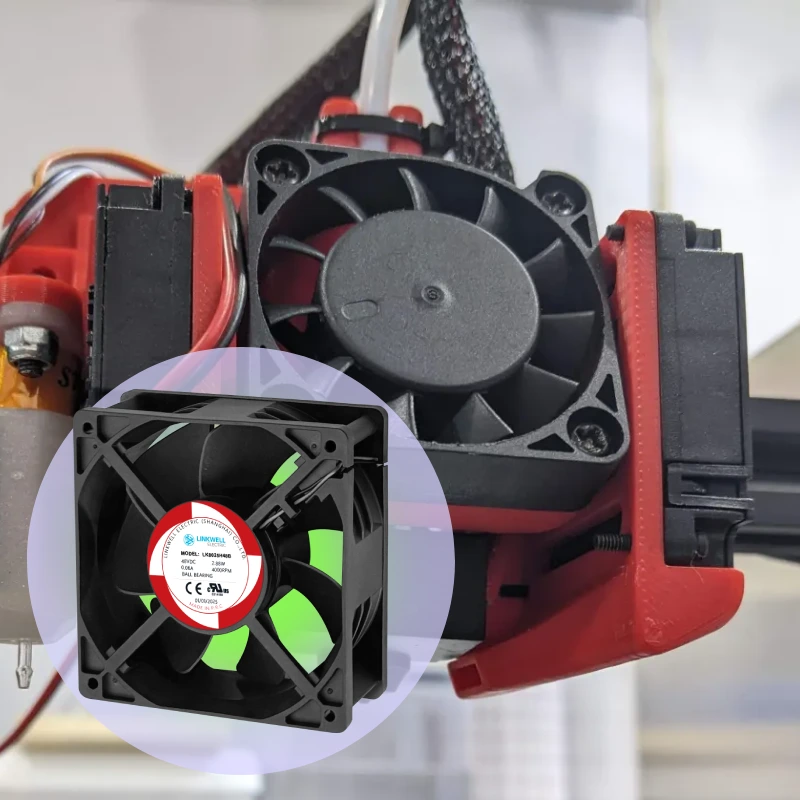
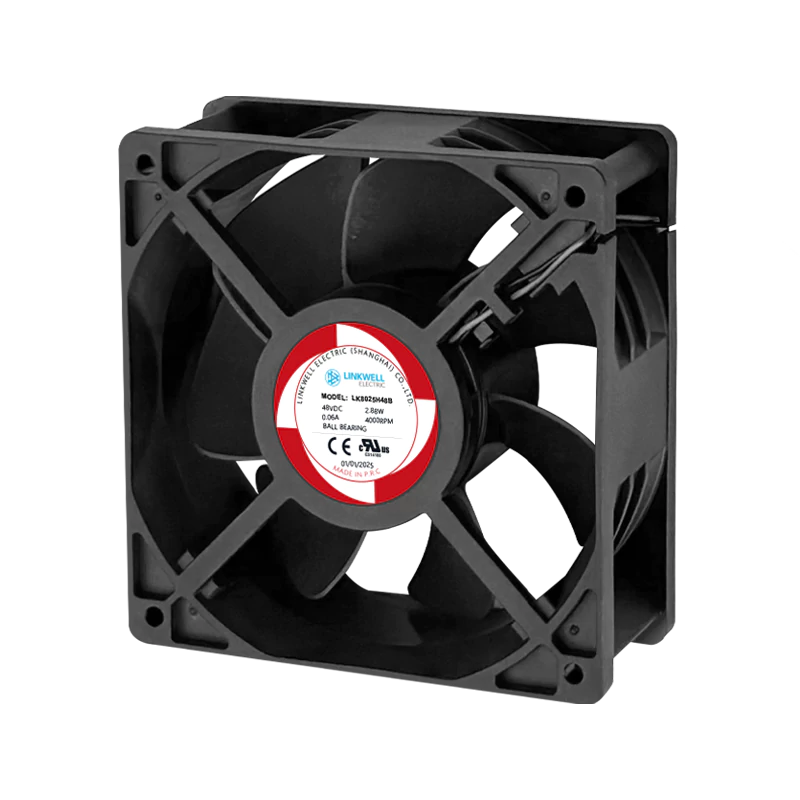
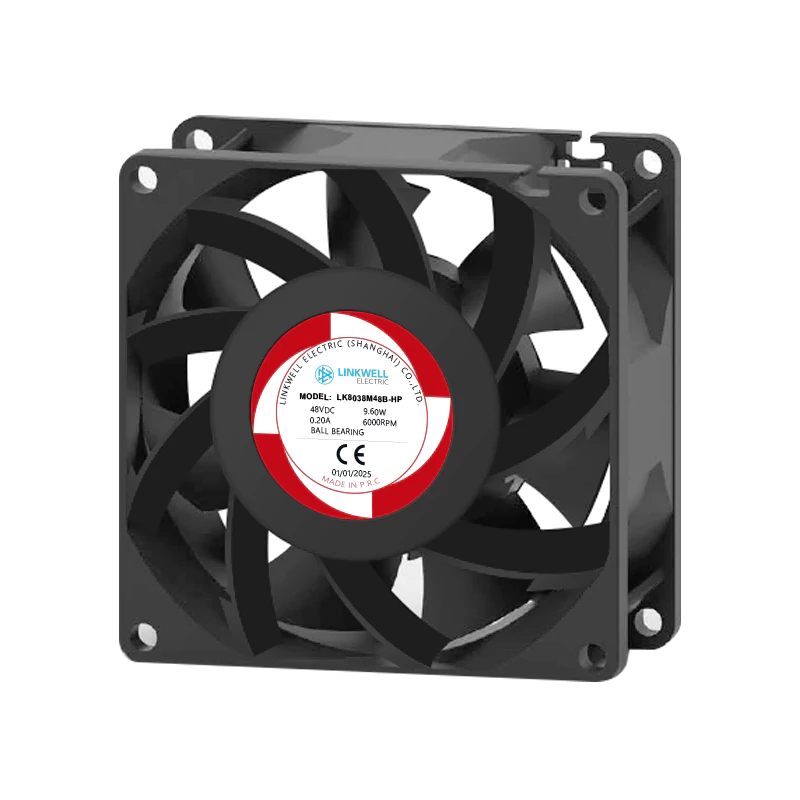
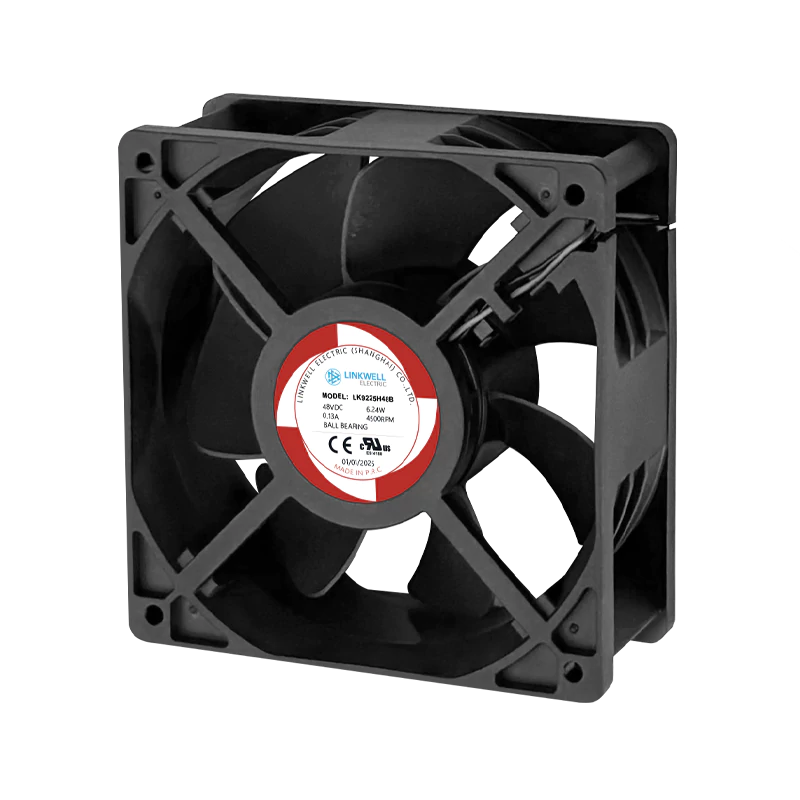
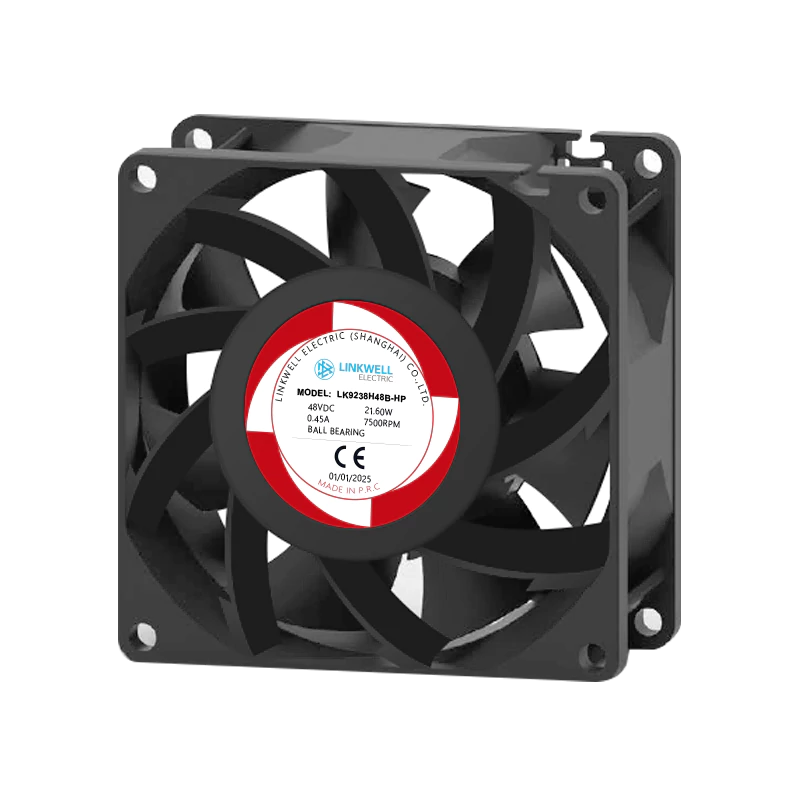
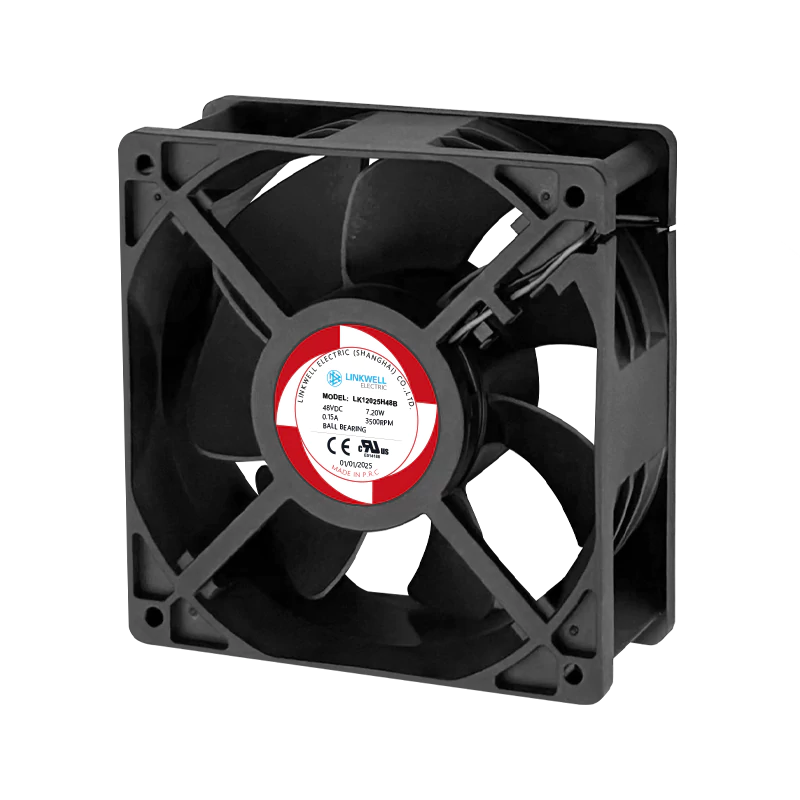
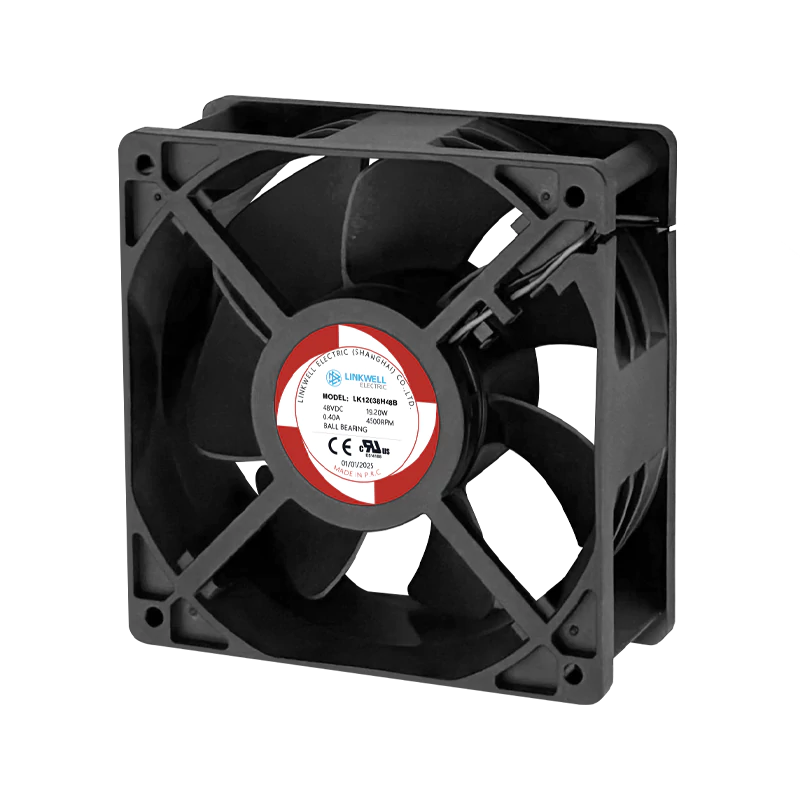
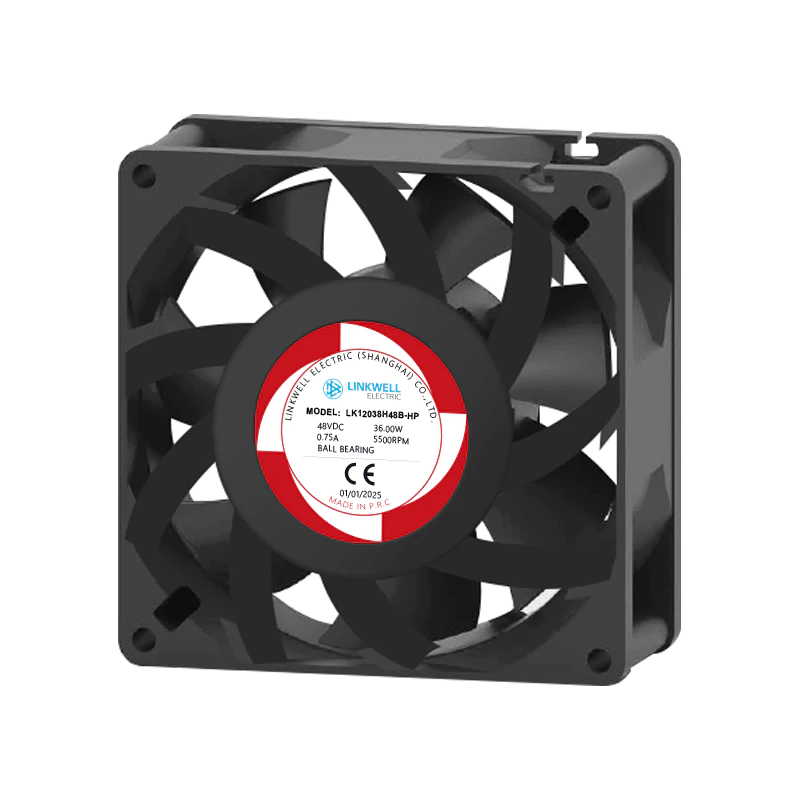
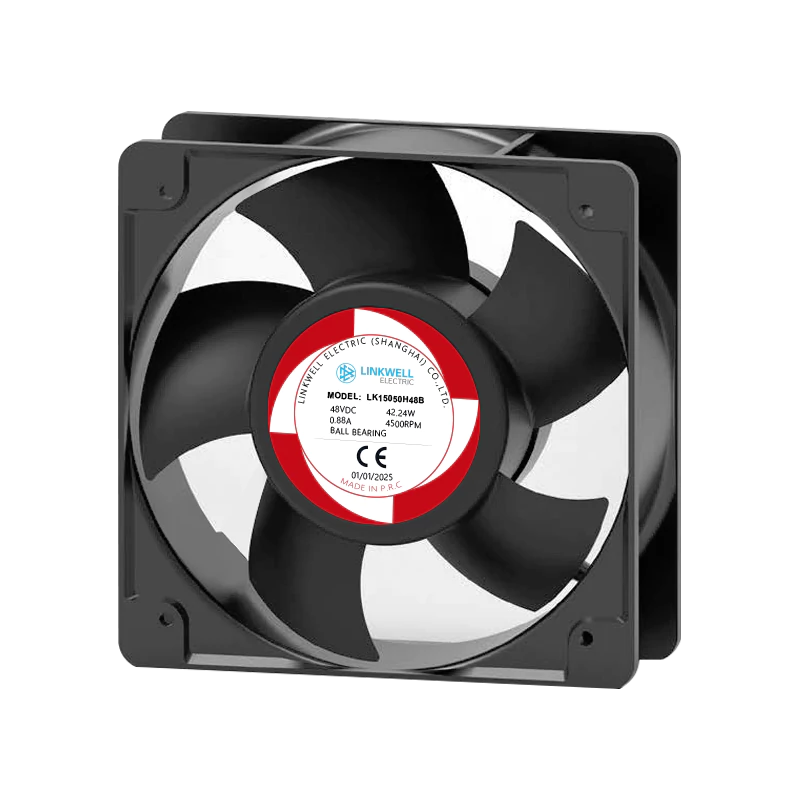
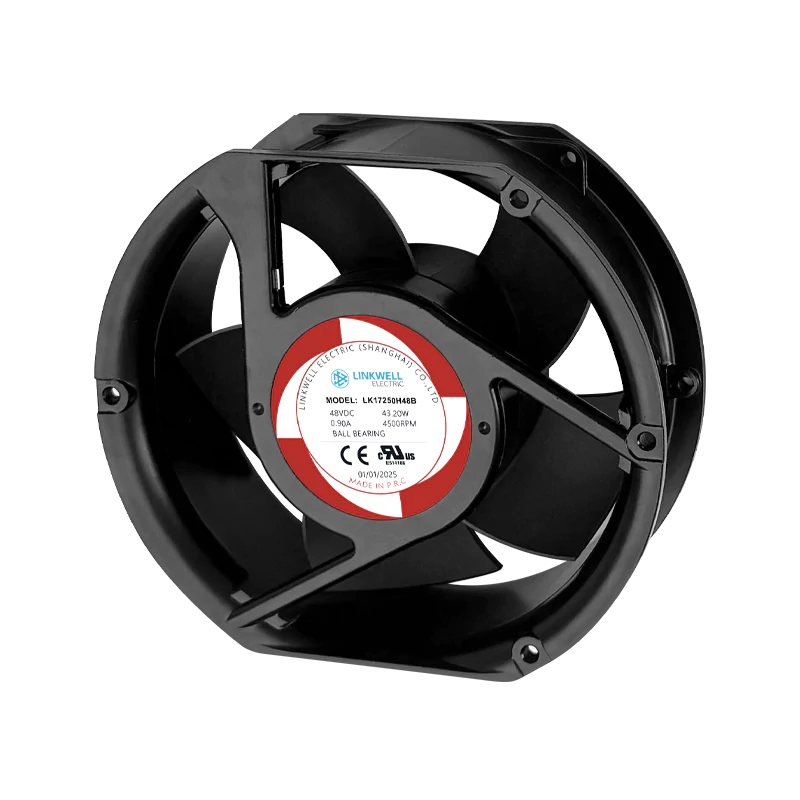
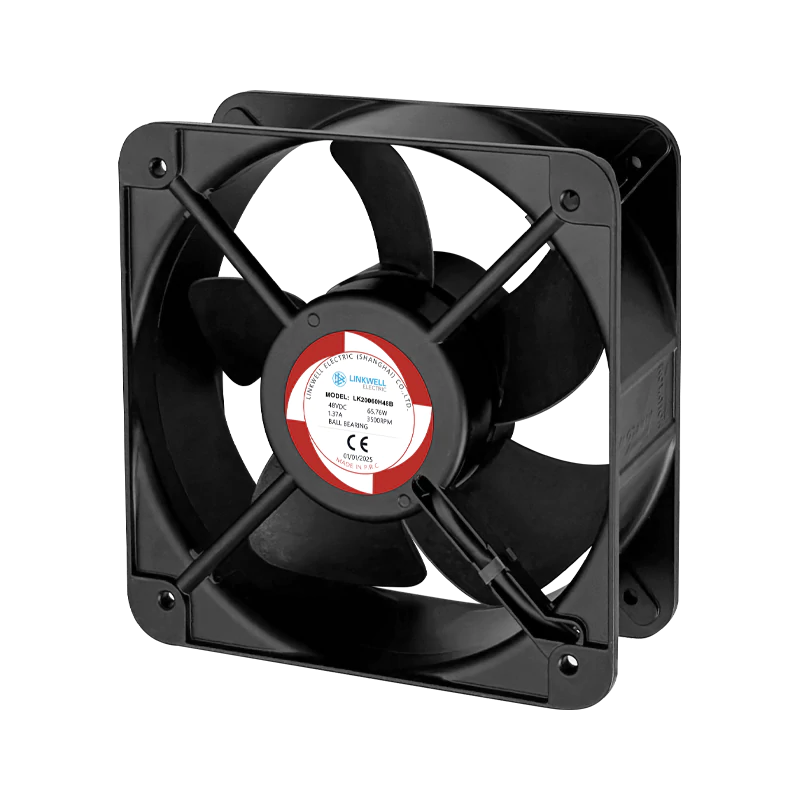
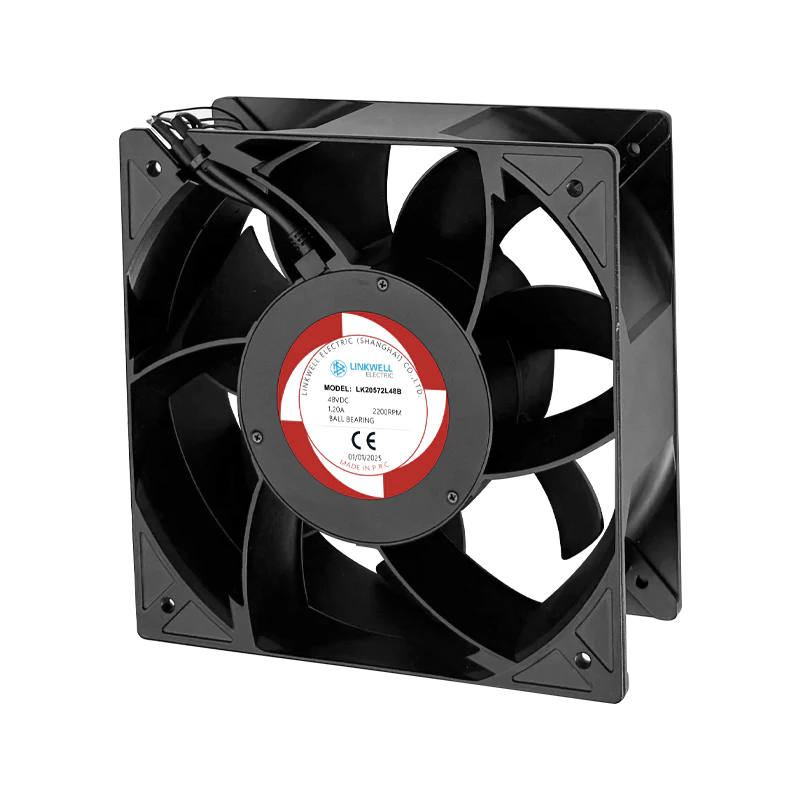
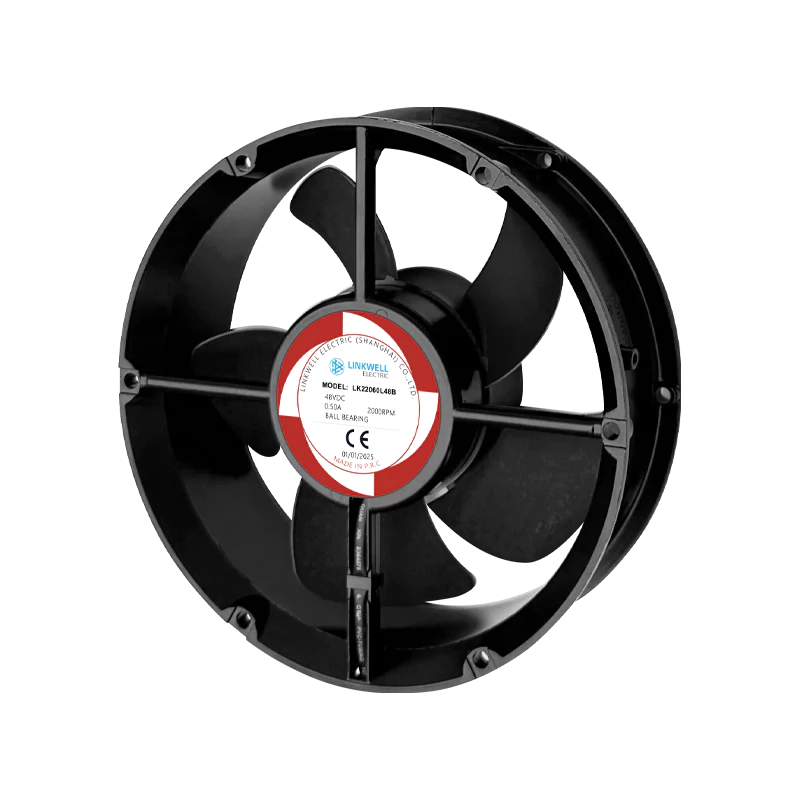
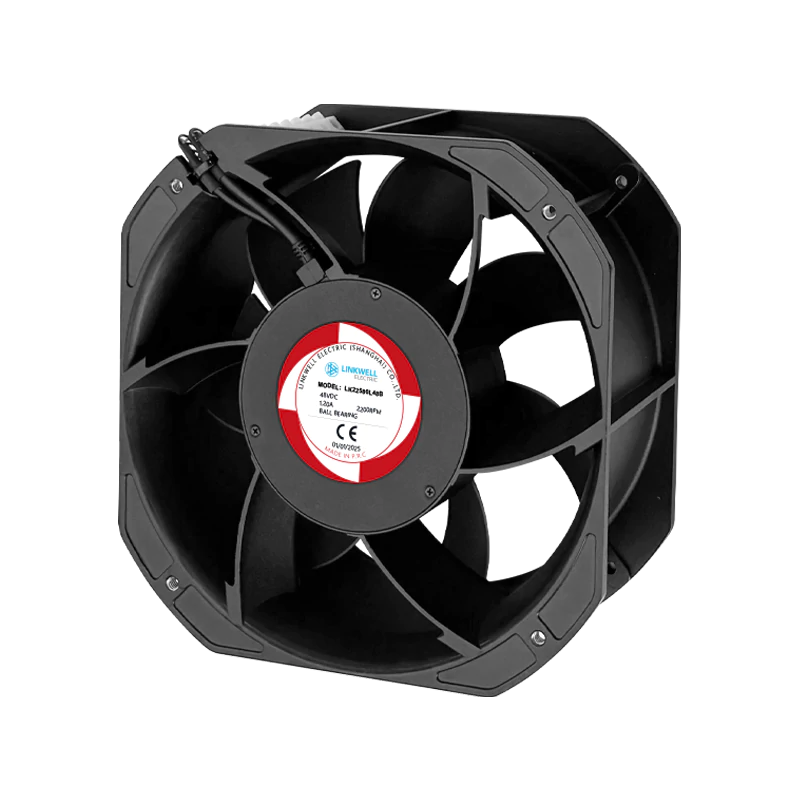
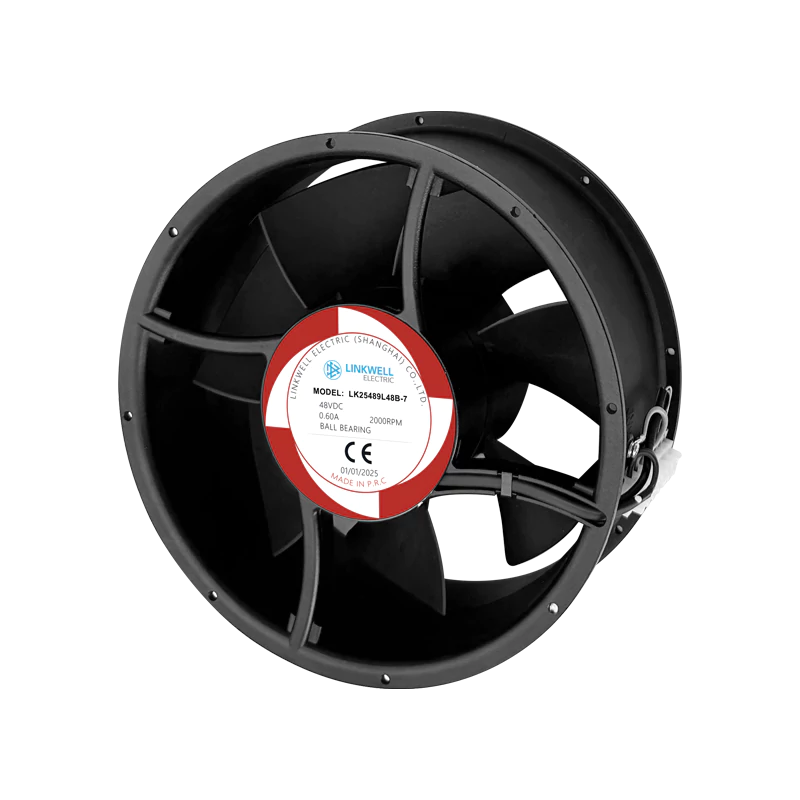
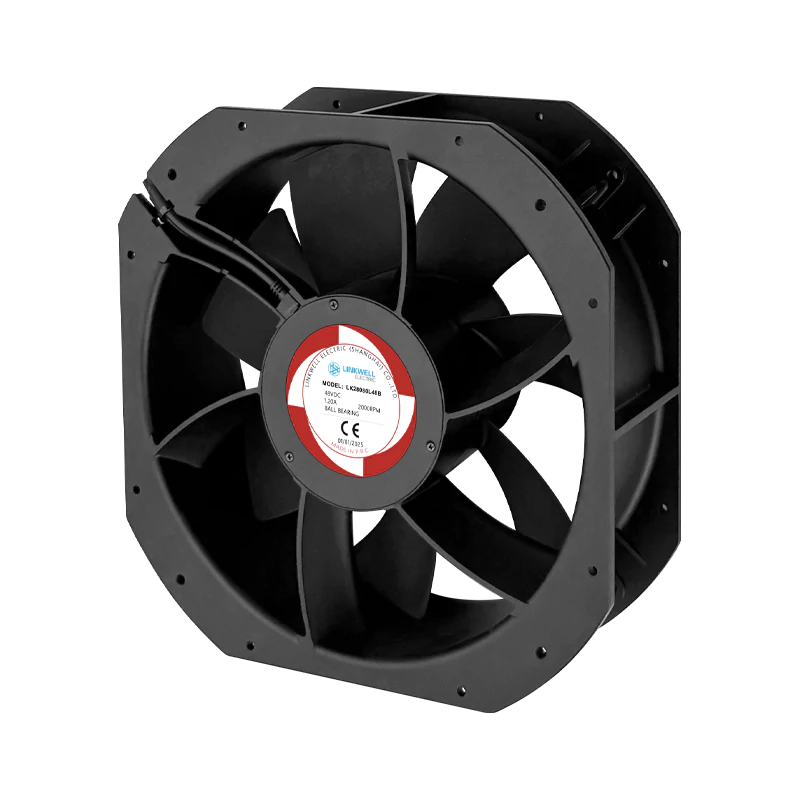
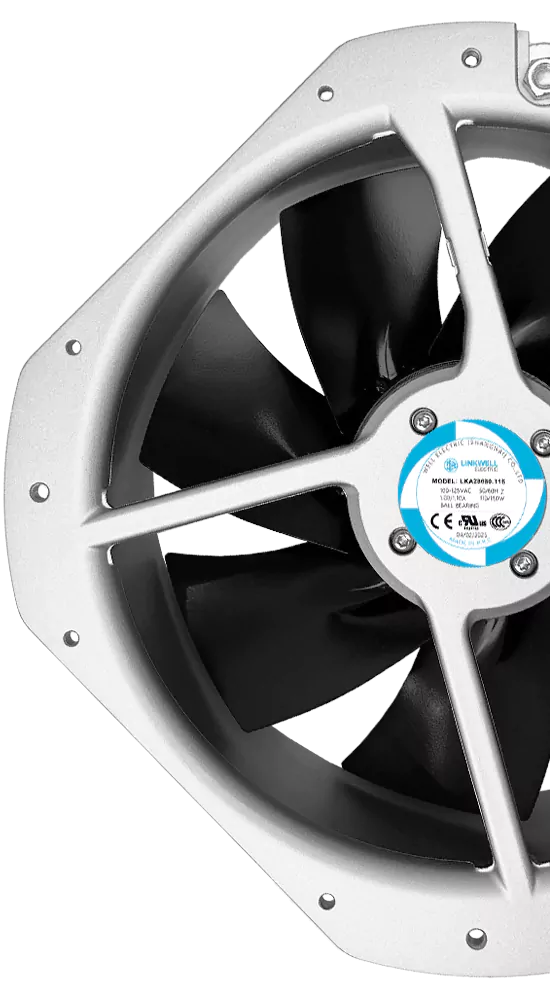
Eliminate warping, stringing, and poor overhangs with high-static pressure cooling. Dual ball bearing, long life, and full OEM customization for any 3D printer.
12V is the go-to voltage for countless applications — from desktop electronics to industrial automation. Our 12V brushless fans deliver reliability, efficiency, and precise thermal management.
PWM Intelligent Speed Control
Seamless firmware integration (M106/M107). Adjust cooling on the fly for different filaments: PLA needs 100%, ABS requires 30% — silent and efficient.
Dual Ball Bearing (70,000 hrs)
Rated for continuous operation at high temperatures. No oil leakage, longer lifespan than hydraulic/sleeve bearings. Ideal for 24/7 print farms.
Low Noise, High Static Pressure
Aerodynamic blade design minimizes turbulence while delivering high pressure through narrow duct nozzles. Achieve crisp overhangs without noise complaints.
Full Customization
From connector type (ZH, PH, XH) to cable length (150mm~1000mm), custom label with your brand, and voltage trimming. We support small batch OEM.
3D Printer Cooling Fan Your brand, your specifications
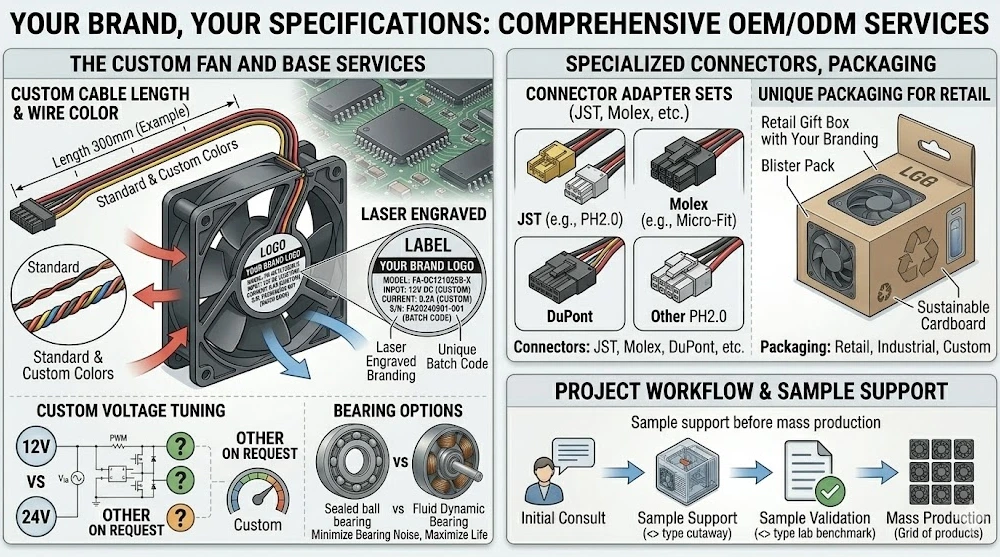
As a manufacturer, we provide full OEM/ODM services: laser engraved label, custom voltage tuning (12V/24V/others), connector adapter sets, and even unique packaging for retail. Provide a sample drawing and we’ll match it.
Custom cable length & wire color
Connector: JST, Molex, DuPont, PH2.0, etc.
Voltage: 12V, 24V, other on request
Label with your brand + batch code
Sample support before mass production
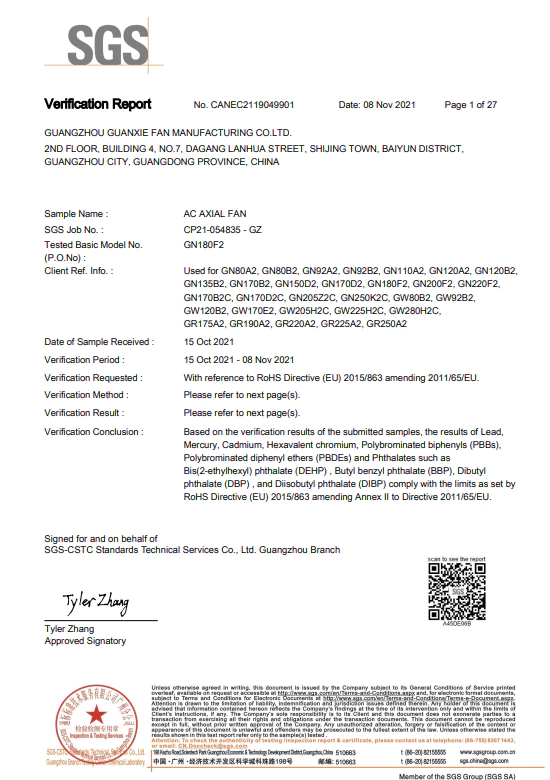
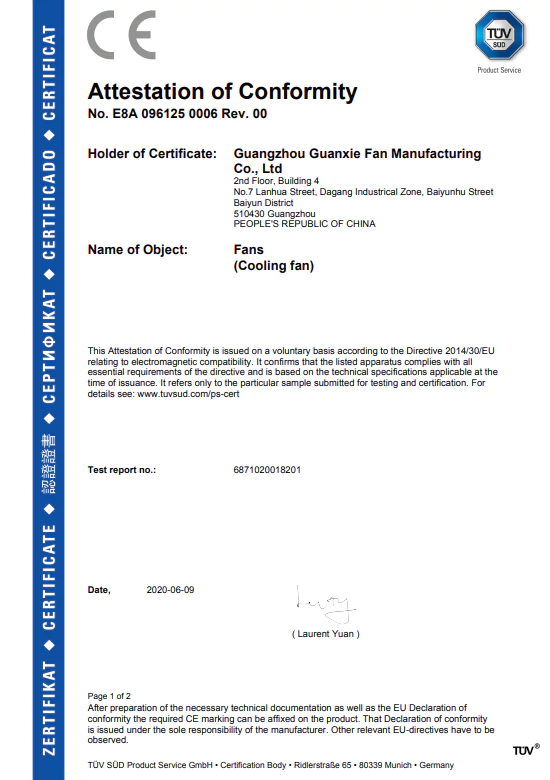
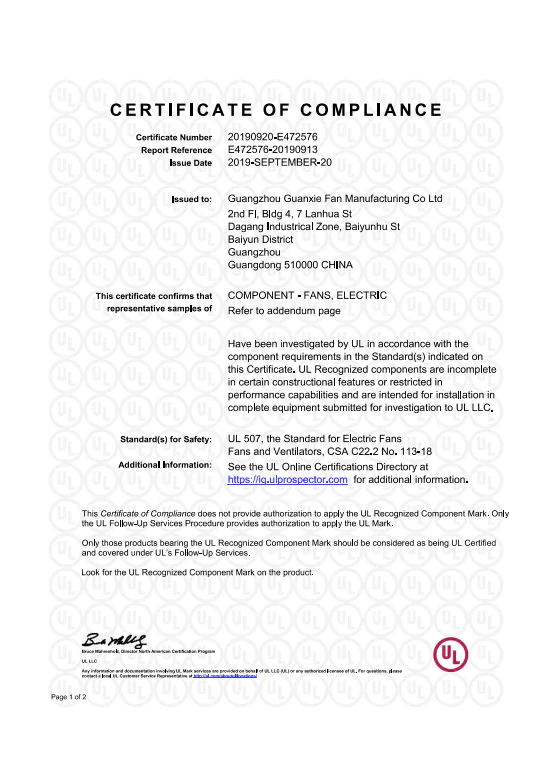
Certifications of 3D Printer Cooling Fan
FAQ 3D Printer Cooling Fan
How to choose 12V vs 24V?
Check your 3D printer mainboard voltage. Most Ender 3, Prusa, CR-10 use 24V; older printers may use 12V. Wrong voltage will damage the fan — our labeling clearly marks voltage.
Do these fans really support PWM?
Yes, our 4-wire versions are fully compatible with Marlin, Klipper, and RepRap firmware. Use M106 P S for speed control.
What’s the MOQ for custom connector/label?
MOQ for full customization (cable, logo, packaging) starts from 200 pcs. Engineering sample orders available from 10 pcs for evaluation.
What type of fan is best for a 3D printer?
For most applications, a centrifugal (blower) fan is better for part cooling because it provides higher static pressure, making it more effective with ducts and nozzles. Axial fans are typically used for general airflow or electronics cooling.
What size cooling fan should I choose?
It depends on your printer design and available space:
50mm: compact printers and hotend cooling
75mm–97mm: balanced airflow for part cooling
120mm: larger systems or enclosure ventilation
Always confirm mounting space and airflow direction before selection.
What size cooling fan should I choose?
It depends on your printer design and available space:
50mm: compact printers and hotend cooling
75mm–97mm: balanced airflow for part cooling
120mm: larger systems or enclosure ventilation
Always confirm mounting space and airflow direction before selection.
Ready to Solve Your Cooling Challenge
WhatsApp us
Contact Us
Curious how LINKWELL’s cooling solutions can address your business challenges? Let’s connect and discuss your needs.