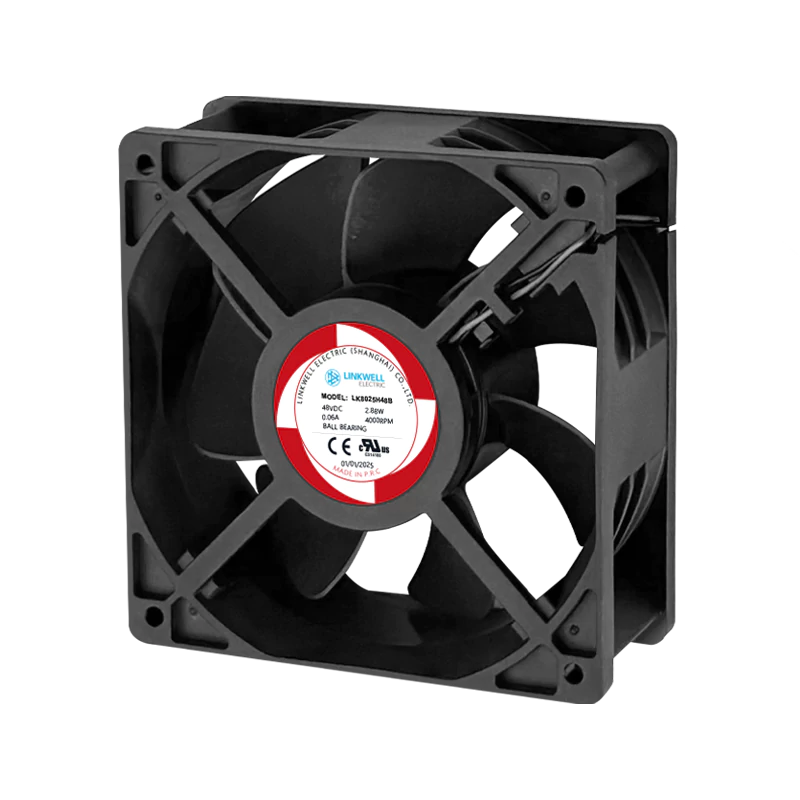
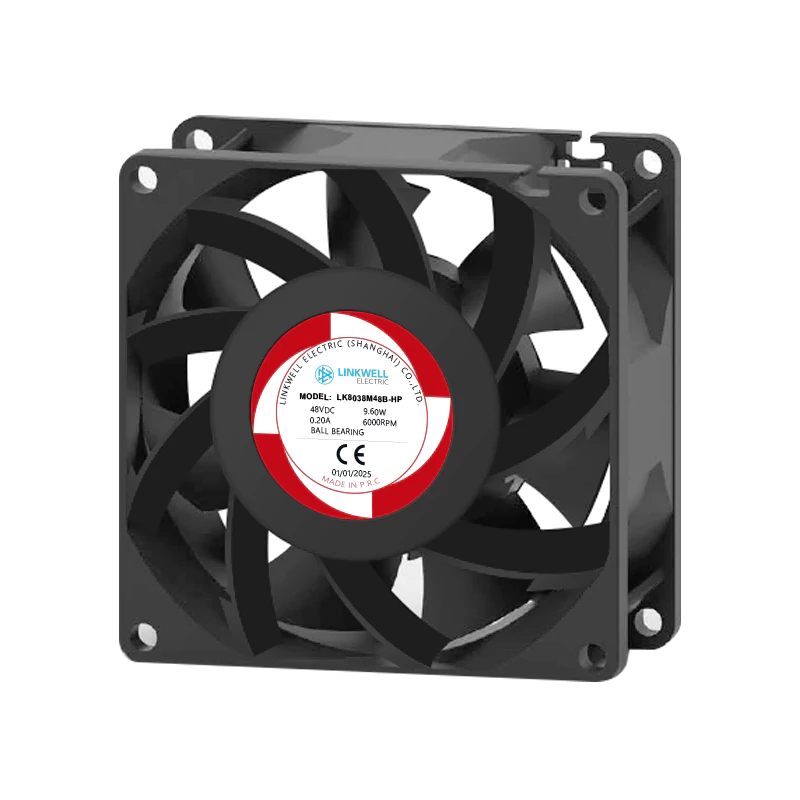
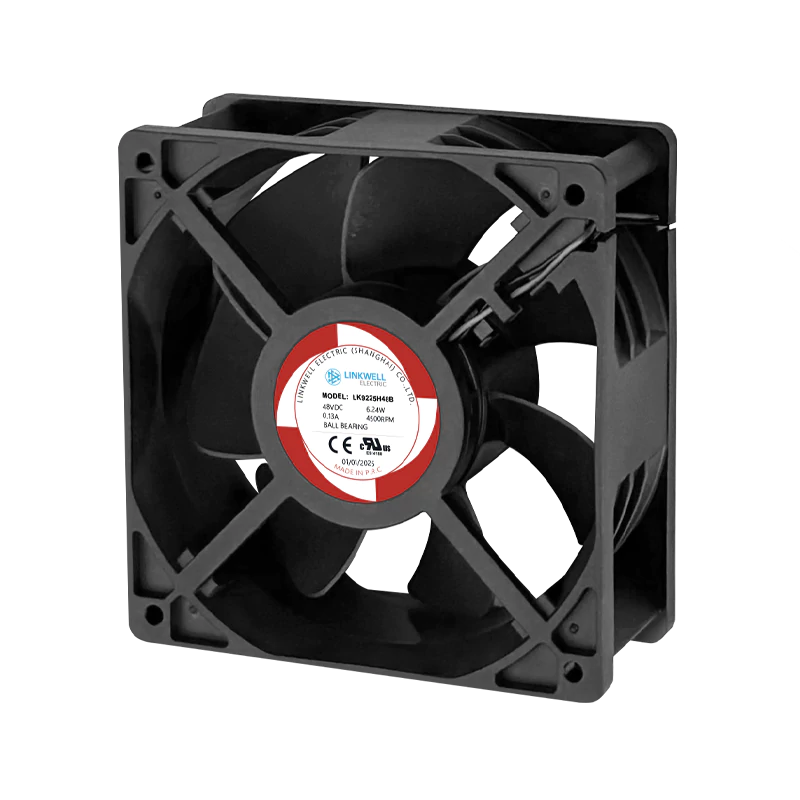
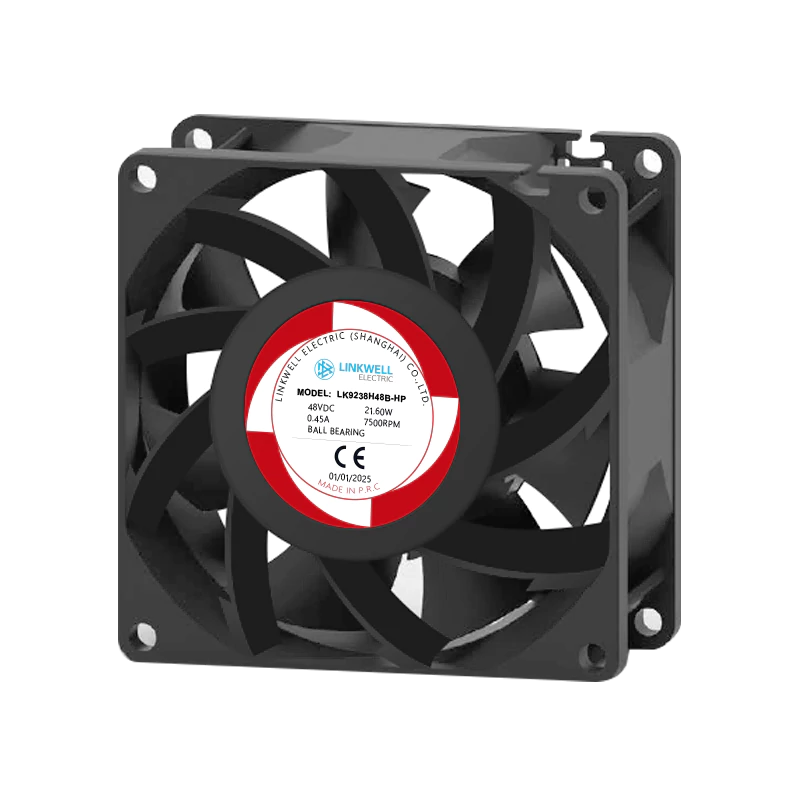
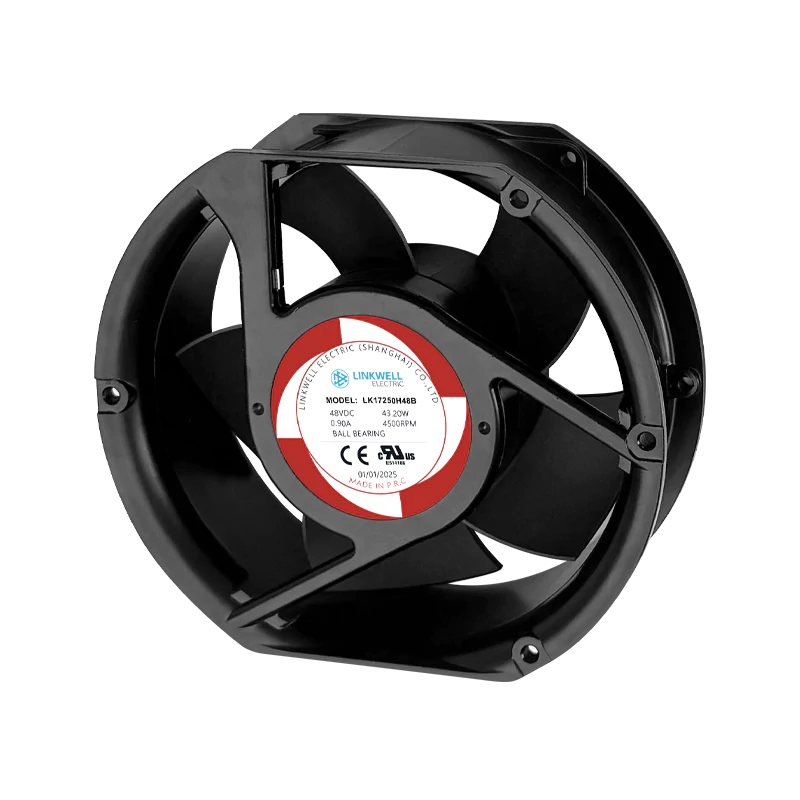
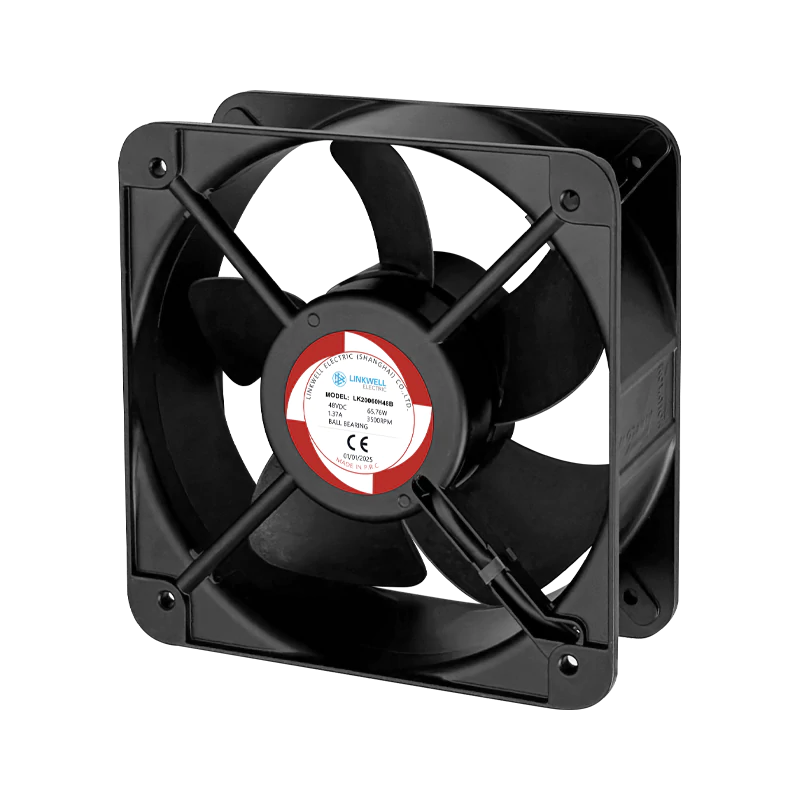
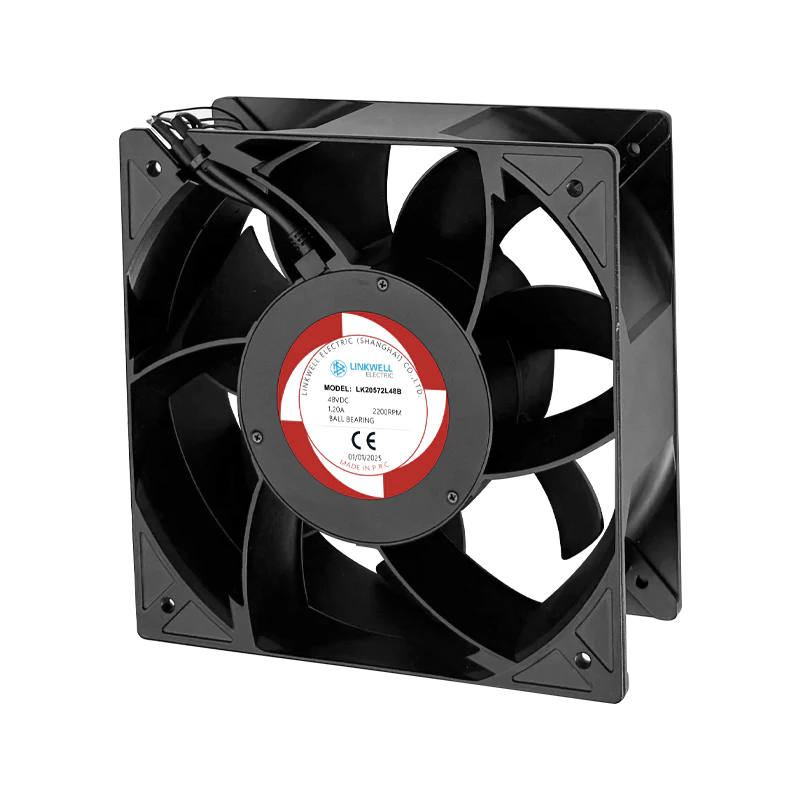
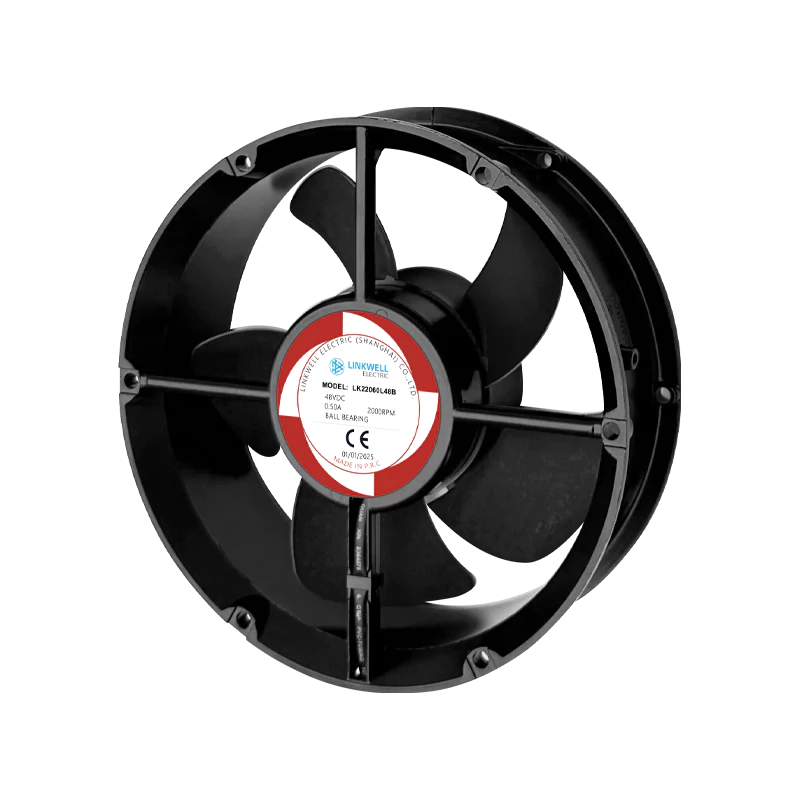
The Trusted Source for Durable Cooling Fans

4 Pin PWM Fan Intelligent Speed Control Cooling

Engineered for PC manufacturers, system integrators, and server engineers. Precision PWM control enables dynamic speed adjustment based on thermal demand — reducing noise, extending lifespan, and optimizing energy efficiency.

60K hrs

MTBF @ 40°C

ISO 9001

Certified Facility

100%

Speed Tested

4 pin pwm fan

What is a 4 Pin PWM Fan?

Understanding the technology that enables intelligent thermal management for modern electronics.

Pulse Width Modulation

Unlike traditional voltage-controlled fans, PWM fans receive a constant 12V supply. Speed is controlled via a separate PWM signal (25kHz typical) that pulses the power to the motor. This allows precise speed control from 0% to 100% without voltage drop issues.

Tachometer Feedback

The third wire (tachometer) provides real-time RPM feedback to the system controller. This enables closed-loop control, allowing motherboards and fan controllers to verify actual fan speed against target speed — critical for server and industrial applications.

Superior Noise Control

PWM fans maintain smooth, quiet operation across the entire speed range. Traditional voltage-controlled fans can produce audible humming at reduced voltages. PWM eliminates this, making them ideal for noise-sensitive environments like recording studios, medical devices, and premium workstations.
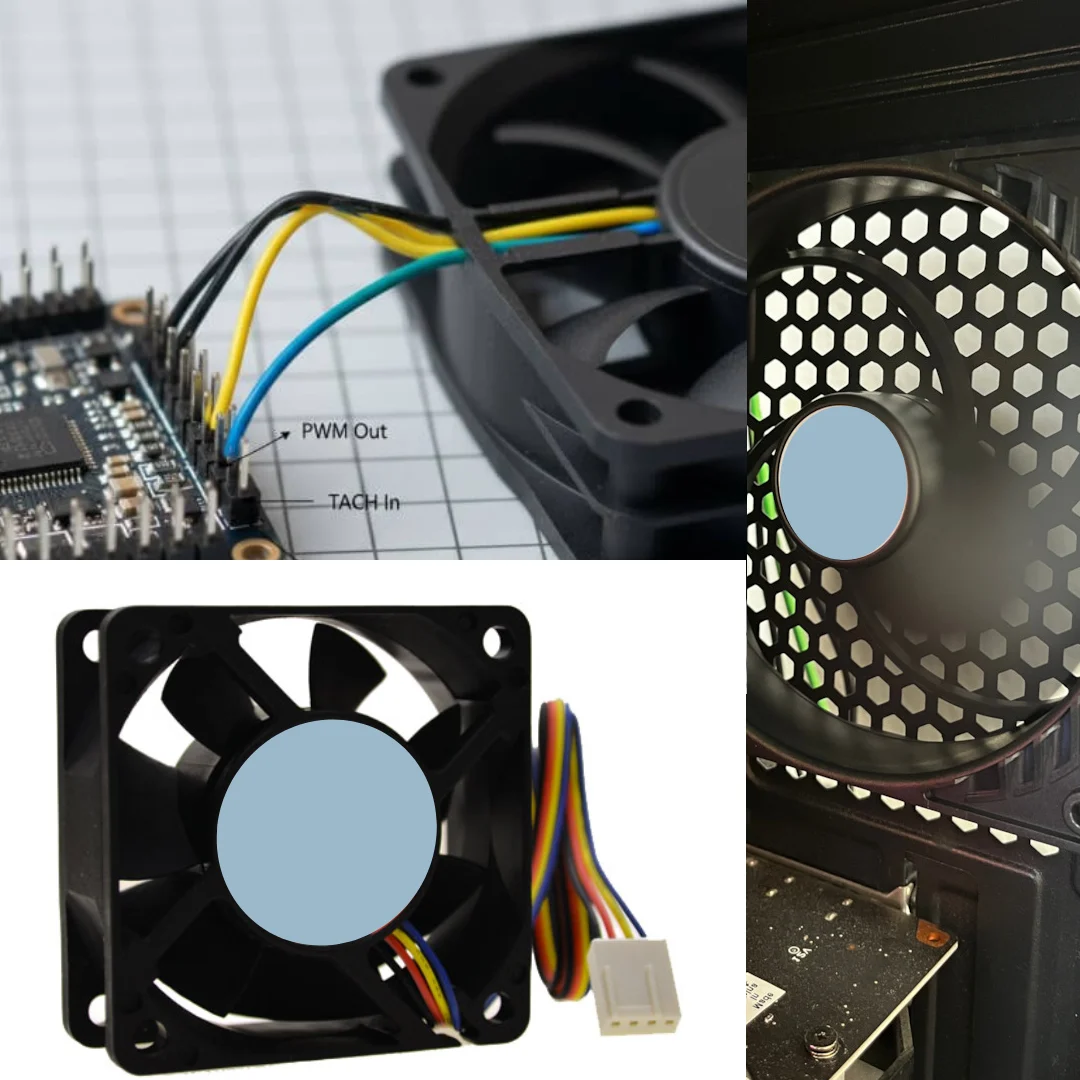
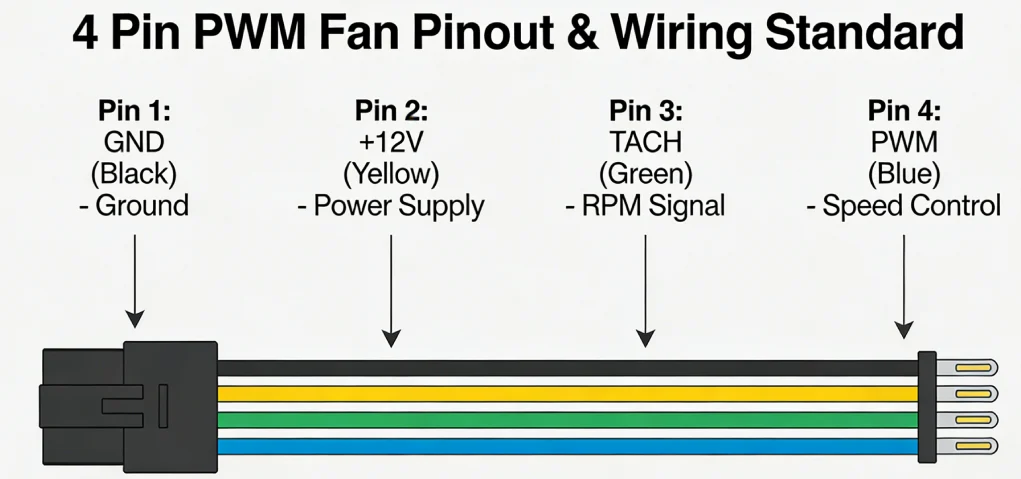
4 Pin PWM Fan Pinout & Wiring Standard

Industry-standard connector pinout (compatible with motherboard headers, fan controllers, and server backplanes).

4 pin pwm fan pinout & wiring standard
Pin Signal Wire Color Description
Pin 1 GND Black Ground
Pin 2 +12V Yellow Power Supply
Pin 3 TACH Green RPM Signal
Pin 4 PWM Blue Speed Control

Note: Standard 4-pin fan header spacing: 2.54mm. Compatible with all modern motherboards, server chassis, and PWM fan controllers.

Fan

Model

Size

(mm)

Voltage

(VAC)

Power

(W)

Speed

(RPM)

Airflow

(CFM)

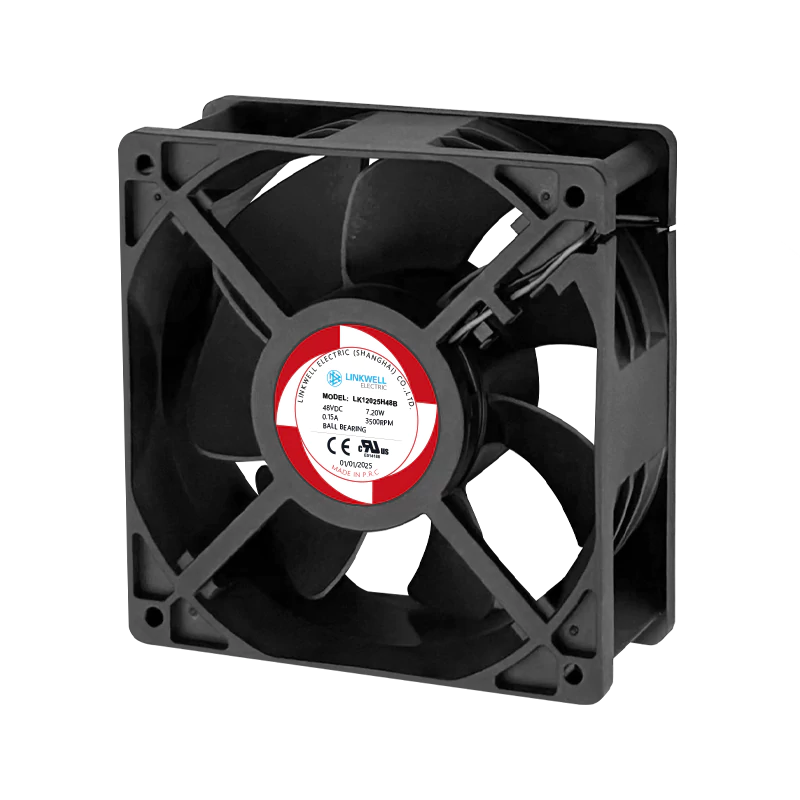
80×80×25
12, 24, 48
0.96 – 3.00
2500 – 4000
26.67 – 44.05
80×80×38
12, 24, 48
2.88 – 21.60
4000 – 8000
46.54 – 102.23
92×92×25
12, 24, 48
1.56 – 6.24
2500 – 4500
38.12 – 73.2
92×92×38
12, 24, 48
3.24 – 21.60
4000 – 7500
67.27 – 126.12
120×120×25
12, 24, 48
1.80 – 7.20
2000 – 3500
60.23 – 105.4
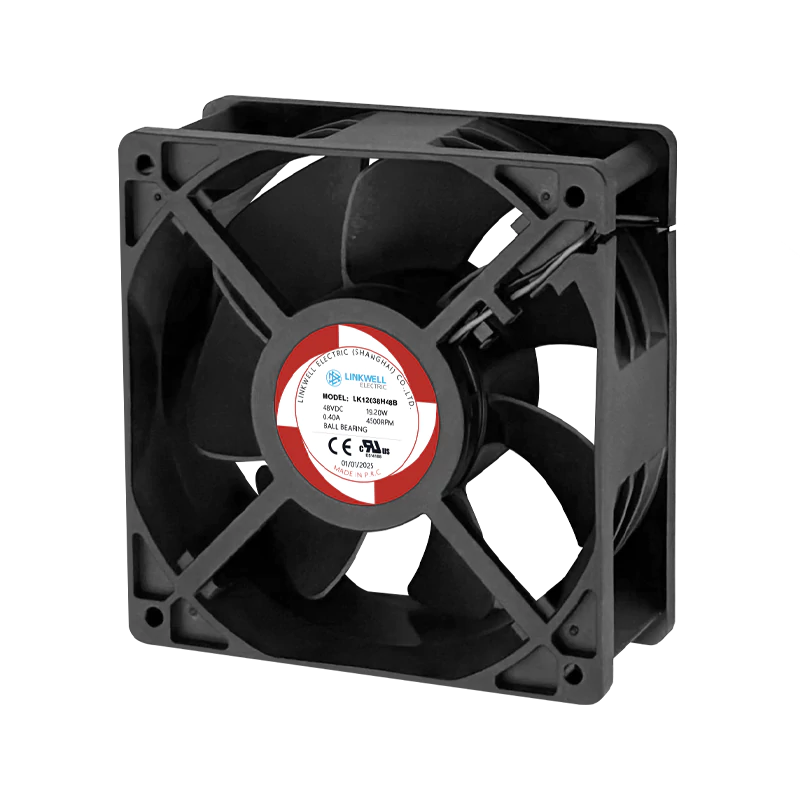
120×120×38
12, 24, 48
3.60 – 19.20
2500 – 4500
95.54 – 171.7
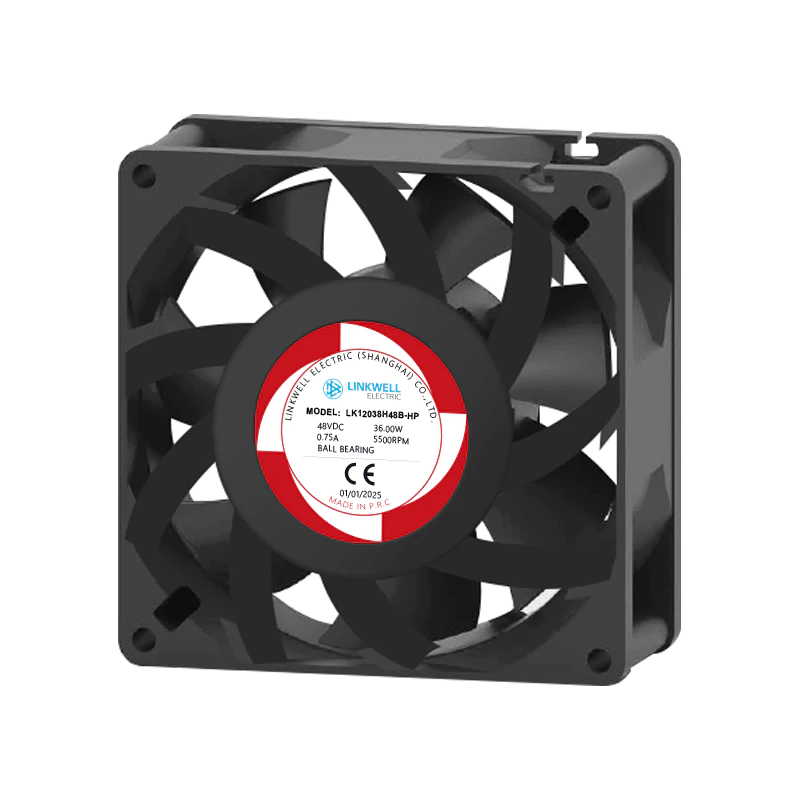
120×120×38
12, 24, 48
9.60 – 36.00
3500 – 5500
155.64 – 244.57
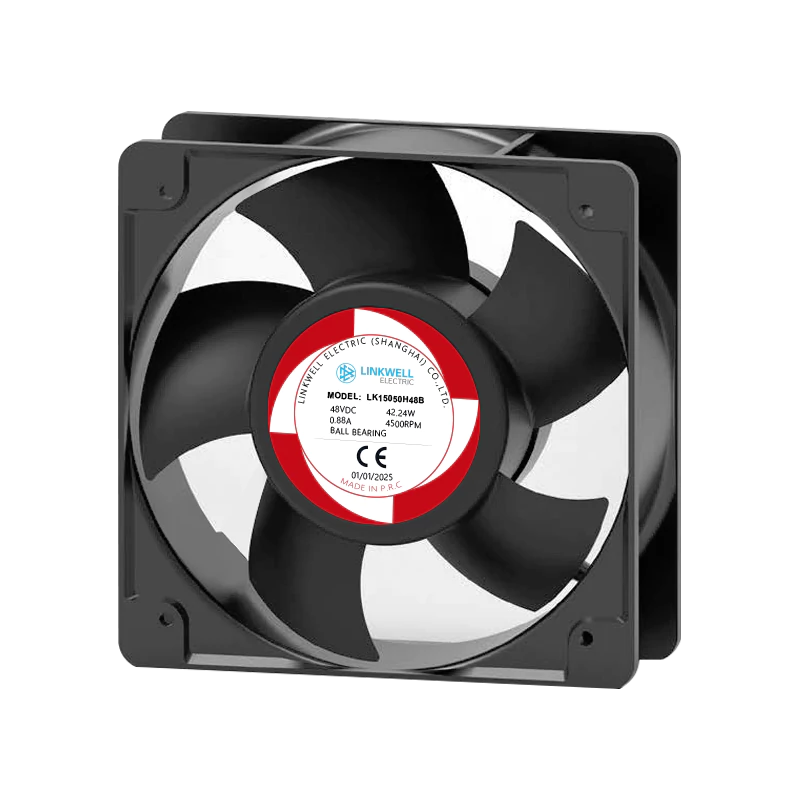
150×150×50
12, 24, 48
13.20 – 42.24
3000 – 4500
220.94 – 311.41
172×150×51
12, 24, 48
14.40 – 43.20
3000 – 4500
215.64 – 306.42
172×150×51
24, 48
156 – 245
6500 – 8000
490 – 605
200×200×60
12, 24, 48
25.80 – 65.76
2500 – 3500
380.17 – 532.24
205×205×72
12, 24, 48
57.6 – 120.0
2200 – 3300
531.3 – 798.3
220×60
12, 24, 48
24.0 – 57.6
2000 – 3000
396.7 – 581.0
225×225×80
12, 24, 48
57.6 – 120
2200 – 3300
533.5 – 806.0
254×89
12, 24, 48
19.2 – 96
2000 – 3000
628.3 – 970.1
280×280×80
12, 24, 48
57.6 – 168.0
2000 – 3000
790.1 – 1209.1

*Customizable: 3-wire, 4-wire PWM, tachometer, speed controller, waterproof IP68, and 24v dc fan motor options.

Applications — Where Precision PWM Cooling Matters

Servers & Data Centers

Dynamic fan speed based on CPU/GPU load reduces power consumption and extends component life in 24/7 operations.

Gaming PCs & Workstations

Quiet operation at idle, full cooling under load. PWM allows customizable fan curves for optimal balance of noise and thermals.

Medical & Laboratory Equipment

Precise temperature control with minimal acoustic noise — critical for MRI machines, analyzers, and patient monitors.

Industrial Automation

PLC cabinets, motor drives, and embedded systems benefit from remote speed monitoring and closed-loop control.

B2B Services: Built for System Integrators & OEMs

Custom Cable Assemblies

Custom lead lengths, connector types (Molex, JST, terminal blocks), and sleeving options.

Custom PWM Curves

Pre-programmed speed profiles for specific thermal requirements. Customizable start-up duty cycle.

Bulk Pricing & Supply Chain

Volume discounts at 100, 500, 1000+ units. Safety stock programs and JIT delivery available.

3 Pin vs 4 Pin Fan — Why Choose PWM?

Understanding the difference helps engineers select the right solution for their thermal management needs.

Feature 3 Pin Fan (Voltage Control) 4 Pin PWM Fan
Speed Control Method Voltage reduction (7V, 5V, etc.) PWM signal (constant 12V, variable duty cycle)
Speed Range Limited (minimum voltage ~5V, often stalls below) Wide (0–100%, full stop capability)
Noise at Low Speed Possible humming or clicking Smooth, silent operation
RPM Monitoring Yes (tachometer on pin 3) Yes (tachometer on pin 3)
Start-up Reliability May fail to start at low voltage Always receives full 12V for reliable start
Best For Simple on/off or fixed speed applications Dynamic thermal management, quiet operation, servers

Quality Assurance & Reliability Testing

100% Speed & PWM Response Test

Every fan undergoes full-range PWM duty cycle testing to ensure linear speed response and tachometer accuracy.

Burn-in Testing

48-hour continuous operation at 60°C ambient to validate long-term reliability.

Electrical Safety

Insulation resistance, dielectric strength, and locked rotor protection tested per UL standards.

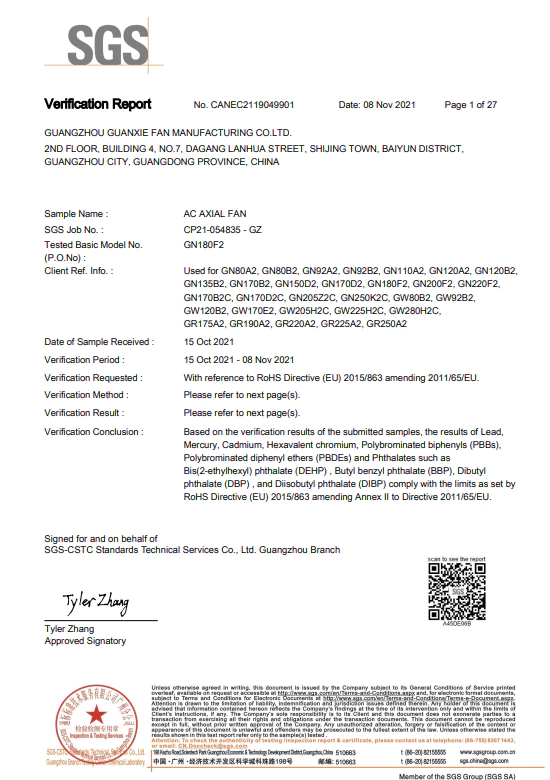
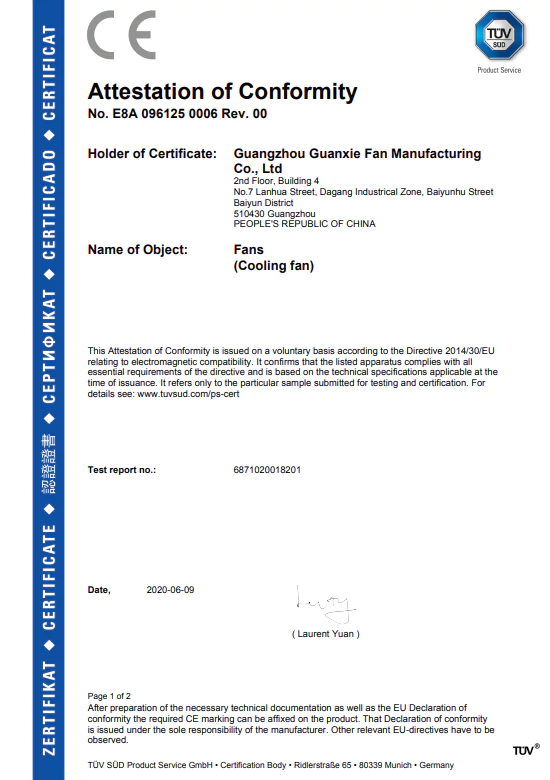
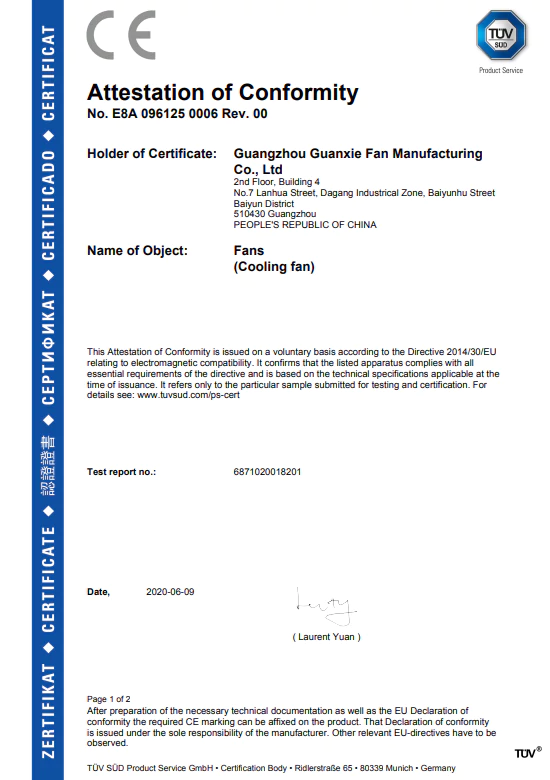
Certifications of 4 Pin PWM Fan

FAQ of 4 Pin PWM Fan

Can 3-pin fans plug into 4-pin headers?

Yes. A 3-pin fan can physically plug into a 4-pin header. It will run normally, but the fan speed will be controlled by voltage only, not PWM. The fourth pin remains unused.

Generally, yes. A 4-pin fan header is designed for PWM control. The fourth pin carries the PWM signal, while the fan receives constant 12V. However, the system BIOS or controller must support PWM to use variable speed features.

Yes. Most 4-pin fans can operate on voltage control if connected to a 3-pin header, but speed control will be less precise, and low-speed performance may be limited.

4-pin PWM fans allow precise, wide-range speed control without reducing voltage. This results in quieter operation at low speeds, more efficient cooling, and better thermal management for sensitive industrial systems.

Yes, but all fans will follow the same PWM signal. For independent speed control, each fan should connect to a separate header or use a PWM fan controller.

Ready to Solve Your Cooling Challenge

linkwell cooling fan 1
Linkwell electric logo footer
Contact Us

Curious how LINKWELL’s cooling solutions can address your business challenges? Let’s connect and discuss your needs.