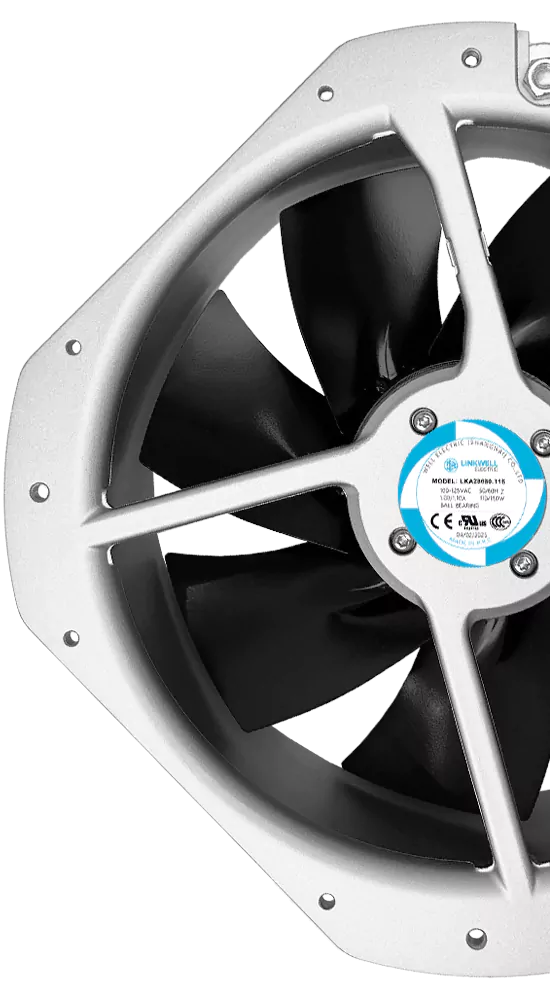
You might wonder what is a dc fan and why it matters for your cooling needs. A DC fan uses direct current to move air and keep your devices or spaces cool. Today, these fans stand out because they save energy, run quietly, and let you control airflow with ease. As energy costs rise, you want solutions that work smarter. That’s where fanacdc comes in, offering advanced DC fan technology trusted by industries everywhere.
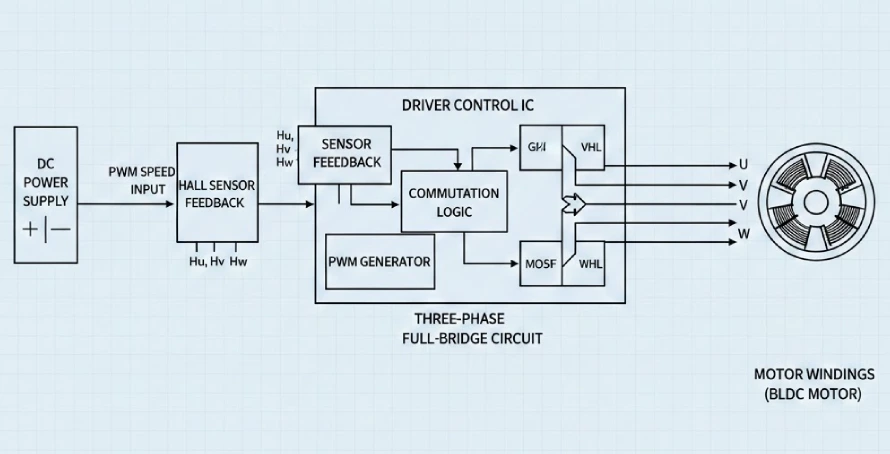
Brushless DC Motor (Bldc) Control Principle Block Diagram
Key Takeaways
- DC fans use direct current to operate, making them energy-efficient and capable of reducing power consumption by up to 70% compared to AC fans.
- These fans run quietly, with noise levels as low as 20-35 dB, making them ideal for sensitive environments like bedrooms and offices.
- Smart features like precise speed control and real-time monitoring allow users to customize airflow, enhancing comfort and protecting electronics.
- DC fans have a long lifespan, lasting between 50,000 to 100,000 hours, which means less maintenance and more reliable cooling.
- Fanacdc offers custom solutions to meet specific cooling needs, ensuring you find the right fan for any application.
What Is a DC Fan
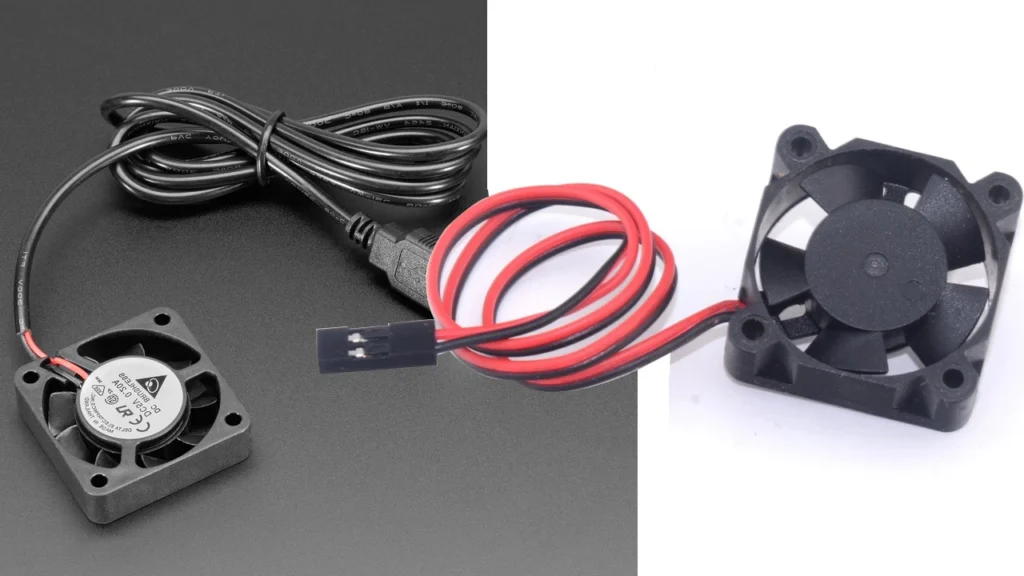
DC Fan Definition
If you want to know what is a dc fan, you are not alone. A DC fan is a type of cooling device that runs on direct current electricity. You will find these fans in many modern devices and machines. They use low-voltage power, usually 12V, 24V, or 48V, to spin their blades and move air. This helps keep electronics, equipment, and even rooms at the right temperature.
When you look at what is a dc fan from a brand like fanacdc, you see more than just a simple fan. These fans use advanced brushless motor technology. That means they last longer, run quieter, and use less energy. You get smart features like speed control and real-time monitoring. This makes them perfect for places where you need precise airflow, such as server racks, telecom gear, or automation systems.
You might wonder how direct current fans compare to regular fans you see at home. Most household fans use AC, or alternating current. DC fans, on the other hand, give you better control, use less power, and make less noise. That’s why industries choose them for critical cooling needs.
Here’s a quick look at the main differences:
| Feature | DC Fans | AC Fans |
|---|---|---|
| Type of Current | Direct Current (DC) | Alternating Current (AC) |
| Power Consumption | Up to 70% more efficient | Higher power consumption |
| Airflow Consistency | Variable airflow | Constant, even airflow |
| Noise Level | Quieter operation | Louder operation |
| Lifespan | 15-20 years or more | 5-10 years |
| Speed Control | Excellent controllability (PWM options) | Limited speed options |
| Applications | Ideal for electronics, HVAC, etc. | Common in household appliances, HVAC, etc. |
So, when you ask what is a dc fan, you are really asking about a smart, energy-saving solution that fits today’s technology.
How a DC Fan Works
You might be curious about what happens inside a DC fan when you turn it on. The process starts when you supply direct current to the fan. This electricity creates a magnetic field inside the motor. The field interacts with permanent magnets on the rotor, making it spin. As the rotor turns, it moves the fan blades. The shape and angle of these blades decide how much air the fan can push.
Direct current fans use brushless motors. This design means there are no parts rubbing together, so the fan runs smoothly and quietly. You get less wear and tear, which means your fan lasts longer. The smart electronics inside let you control the speed with signals like PWM (pulse-width modulation). You can adjust airflow to match your needs, whether you want a gentle breeze or strong cooling.
If you choose a fanacdc product, you get even more. Their fans come with features like real-time monitoring, alarms, and custom settings. You can trust them to keep your equipment safe and cool, even in tough conditions.
In short, what is a dc fan? It’s a modern, reliable, and efficient way to keep things cool, designed for the demands of today’s world.
Decoding DC Fan Specifications & Driver ICs
| Parameter | Typical Specification | Engineering Significance & Design Impact |
|---|---|---|
| Control Signal | PWM, 5V or 12V Logic, 25 kHz | PWM Frequency: Must be supersonic (>20-25 kHz) to avoid audible noise. Linearity: The relationship between duty cycle and RPM may not be perfectly linear, especially at extremes—critical for precise thermal management algorithms. |
| Tachometer (Tach) Output | Open-collector/drain output, 2 or 4 pulses per revolution (PPR). | Provides real-time RPM feedback (RPM = (Tach Frequency * 60) / PPR). Essential for closed-loop monitoring to detect fan failure (locked rotor, stall) and trigger system alerts. |
| Locked-Rotor & Stall Protection | Auto-restart: Periodic retry. Latch-off: Permanent shutdown until power recycle. | A critical safety feature. Auto-restart is for non-critical apps where a temporary blockage may clear. Latch-off is for failsafe scenarios where continuous failure could cause overheating damage. |
| Start-up / Inrush Current | 1.5A – 3.0A (peak, momentary) | Can be 3-10 times the steady-state current. Impacts power supply sizing and may cause voltage dips in shared circuits. High-quality drivers include soft-start to limit this surge. |
| Driver IC & MOSFET Configuration | Integrated: Single IC with embedded FETs. Discrete: Controller IC with external power MOSFETs. | Integrated designs are compact and cost-optimized. Discrete MOSFETs typically offer lower RDS(on), better heat dissipation, and higher current capability, leading to enhanced durability in demanding conditions. |
| Voltage Range (Operating) | e.g., 9V – 14V DC (for a 12V fan) | The range over which the fan will operate. A wider range (e.g., 5-13.8V for a 12V fan) indicates robust design and better performance in systems with voltage fluctuations or long cable runs. |
| Acoustics: Noise vs. RPM | Noise level (dBA) specified at various voltages or PWM % | Noise is not constant. It’s crucial to check the acoustic profile at your target operating point. Aerodynamically optimized blades reduce turbulent noise, especially at higher airflow settings. |
| Bearing Type & MTBF | Sleeve: ~40,000 hrs Ball: ~60,000+ hrs (at specified temp, e.g., 40°C) | The Mean Time Between Failures rating is temperature-dependent. Ball bearings offer longer life, especially in high-temp or horizontal mounting orientations. Sleeve bearings may be quieter at lower cost. |
DC Fan type
| Ategory | Type | Key Features & Control Method | Typical Use Cases |
| By Wiring | 2-Wire | Simplest; Power (PWR) & Ground (GND). Speed controlled by varying average DC voltage. | Basic cooling where variable speed isn’t needed. |
| 3-Wire | Adds a Tachometer (TACH) wire for speed feedback. Speed still controlled by varying voltage. | Applications requiring fan speed monitoring (e.g., to detect failures). | |
| 4-Wire (PWM) | Adds a PWM Control wire for precise speed adjustment. Speed is set by a digital pulse signal, separate from power. | PCs, servers, and systems requiring dynamic, efficient cooling. | |
| By Design | Axial Fan | Airflow parallel to the motor shaft. High airflow, moderate pressure. Common and straightforward design. | General case cooling, electronics enclosures, and PC cases. |
| Blower / Centrifugal Fan | Air drawn in axially and expelled 90° outward. Creates higher static pressure. | Cooling specific components (like CPUs/GPUs) or in space-constrained devices like laptops. |
DC Fan Components
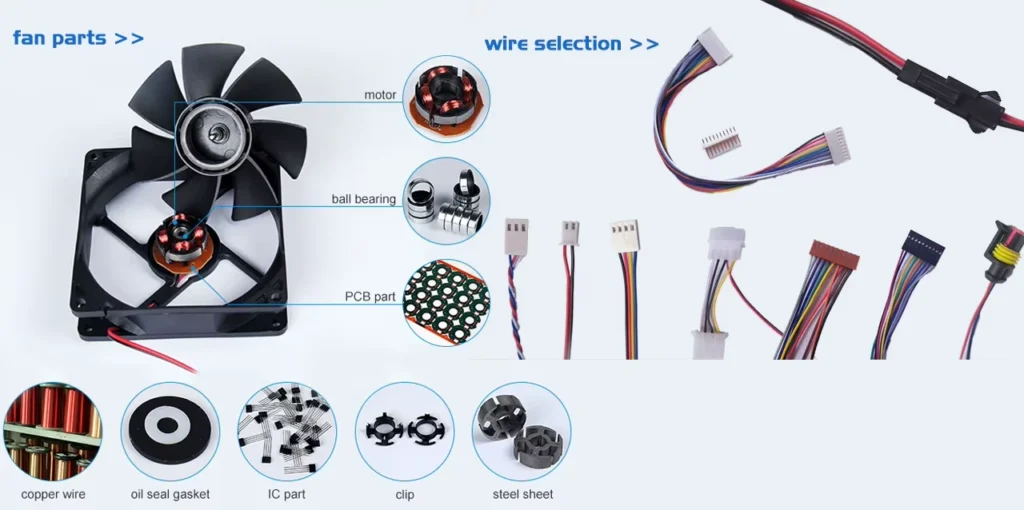
When you look inside a DC fan, you find several smart parts working together to keep things cool. Each part has a special job. Let’s break down what makes these fans so reliable and efficient.
| Component | Description |
|---|---|
| High-Efficiency Brushless Motor | Delivers strong airflow, low power use, and long-lasting reliability. |
| Low-Noise Aerodynamic Blade Design | Moves air powerfully while staying quiet, perfect for sensitive spaces. |
| Smart Speed Control & Monitoring | Lets you adjust speed and check cooling status in real time. |
| Extended-Life Bearings & Thermal Management | Keeps the fan running smoothly for years, even under heavy use. |
| High-Precision Motor & Rotor Balancing | Reduces vibration, making airflow steady and extending the fan’s life. |
Brushless Motor Technology
You get a big advantage with brushless motors. These motors skip the old-fashioned brushes, so there’s less friction and almost no wear. That means your fan can run for over 50,000 hours without trouble. Brushless motors also use energy wisely, turning more electricity into spinning power. You’ll notice less noise and fewer vibrations, which is great if you need a quiet workspace. The solid-state design means fewer moving parts, so you don’t have to worry about constant maintenance. Electronic controls let you set the speed just right for your needs.
Fan Blades and Design
Fan blades do more than just spin. Their shape, angle, and material all matter. A smart blade design pushes more air with less effort. If the blades have the right pitch angle, you get strong airflow without wasting energy. Lightweight materials like aluminum help the fan use less power, while plastics can keep things quiet and resist rust. The design also cuts down on turbulence, so you hear less noise when the fan runs. You get a cooler space without the extra hum.
Controller and Speed Control
You control how fast your DC fan spins. Some fans use a simple voltage change to adjust speed. Others use a PWM (pulse-width modulation) signal for even finer control. With PWM, you can set the fan to run slower or faster, depending on how much cooling you need. This helps you save energy and keep things at the perfect temperature. Many fans also have built-in alarms and monitors, so you always know if your system is running smoothly.
Power Supply Options
You have options when it comes to powering your DC fan. Most fans run on 12V, 24V, or 48V direct current. You need to match the fan to the right voltage for safe operation. If you only have AC power, you can use an AC-DC converter to make it work. Some advanced setups use special modules for automatic speed control. Just make sure you wire everything correctly, and your fan will keep running strong.
Fan Advantages with fanacdc
Energy Efficiency
You want to save power and cut down on bills. DC fans from fanacdc help you do just that. These fans use direct current and smart motor design to deliver strong airflow while using much less electricity. You can see up to 70% less power usage compared to traditional AC fans. That means you get cool air and keep more money in your pocket. If you care about energy efficiency, DC fans are a smart choice for your home or business.
- DC fans can reduce power usage by up to 70% compared to AC fans.
- You can lower your utility bills by switching to DC fans.
- DC ceiling fans use up to 70% less power than AC fans.
Quiet Operation
Nobody likes a noisy fan. With fanacdc DC fans, you get a peaceful environment. These fans run at noise levels as low as 20-35 dB, which is quieter than most AC fans. The brushless motor design means less friction and less sound. You can work, relax, or sleep without the hum and buzz of old-fashioned fans.
| Fan Type | Decibel Level (dB) |
|---|---|
| DC Fans | 20-35 dB |
| AC Fans | Higher levels |
Intelligent Control Features
You get more control with fanacdc DC fans. These fans come with smart features like precise speed control, real-time monitoring, and alarms. You can adjust the airflow to match your needs, whether you want a gentle breeze or strong cooling. The fans operate at high frequencies, so you barely hear them. Smart controls make it easy to keep your electronics safe and your space comfortable.
| Feature | Benefit |
|---|---|
| Precise Speed Control | Lets you manage temperature accurately for your devices. |
| Energy Efficiency | Cuts down power use by giving you only the airflow you need. |
| Reduced Operating Noise | Runs quietly, even at high speeds. |
Reliability and Longevity
You want a fan that lasts. DC fans from fanacdc are built for long life and steady performance. Most brushless DC fans run for 50,000 to 100,000 hours, which means years of trouble-free cooling. The design uses high-quality bearings and solid construction. You get reliable cooling even in tough conditions like high temperatures or dusty environments. Less maintenance means you spend less time worrying and more time enjoying cool air.
- Average lifespan: 50,000 to 100,000 hours of continuous use.
- Reliable operation thanks to strong bearings and stable voltage.
- Works well in different temperatures, humidity, and dust levels.
DC Fan Applications
Industrial and Electronic Uses
You see DC fans everywhere in the industrial world. They keep electronics, machines, and sensitive equipment cool. If you work with computers, servers, or telecom gear, you rely on these fans for steady air circulation. DC fans also play a big role in automotive systems, medical devices, and data centers. You want your equipment to last, so you need cooling that works around the clock.
Here’s a quick look at where DC fans make a difference:
| Industry | Applications |
|---|---|
| Electronics | Computers, servers, telecom equipment |
| Automotive | Engine cooling, radiators, AC systems |
| Medical Devices | MRI machines, medical ventilators |
| Servers | Data centers, server rooms |
Fanacdc designs cooling solutions for all these industries. You get products that handle heat, dust, and tough conditions. Your systems stay reliable and safe.
Home and Office Cooling
You want comfort at home and work. DC fans help you stay cool without high energy bills. These fans use up to 70% less power than AC fans. You can adjust the speed for just the right breeze. They run quietly, so you can focus or sleep without noise. The advanced design means less maintenance and a longer lifespan.
Here’s why you’ll love DC fans for your space:
- Lower energy costs
- Quiet operation (as low as 15 dB)
- Variable speed for custom comfort
- Durable and reliable
- Smooth, low-vibration performance
You get efficient air movement and a peaceful environment.
Custom Solutions by fanacdc
Every project is unique. Fanacdc offers custom DC fans to fit your needs. You can choose from axial, centrifugal, inline duct, or box fans. You pick the speed control method—voltage, current, temperature, PWM, or resistance. Need fans for outdoor use? Fanacdc builds water-resistant and dust-proof models. All products meet international safety standards, so you stay compliant.
You can use these fans in homes, offices, factories, or outdoors. Fanacdc works with you to create the perfect cooling solution for any challenge.
FAQ
How to install dc fan
You can install a DC fan with just a few steps. First, check the voltage rating on your fan and match it to your power supply. Mount the fan in the desired location, making sure the airflow direction fits your needs. Connect the wires from the fan to the power source, following the color codes in the manual. Secure all connections and turn on the power. If your fan has smart controls, set up the speed and monitoring features. Always double-check your wiring for safety.
How does a dc fan work
A DC fan works by turning electrical energy into motion. When you supply power, the fan’s motor creates a magnetic field. This field interacts with permanent magnets, causing the rotor and blades to spin. The process follows basic electromagnetic principles, like the ampere right-hand rule. Here’s a quick look at the main parts and their roles:
| Component | Description |
|---|---|
| DC Motor | Uses magnets and electronic controls to drive the fan. |
| Rotor | Spins the blades to move air. |
| Stator | Holds the wiring and sensors for smooth operation. |
| Working Principle | Changes electricity into motion, making the fan blades rotate. |
You get smooth, quiet operation and reliable cooling.
Can a dc fan run on ac
You can run a DC fan on AC power, but you need a converter. The converter changes AC to DC so your fan works safely. There are two main types: linear and switching. Linear converters are simple and affordable, but they waste more energy as heat. Switching converters are more efficient and work well for devices like fans, computers, and telecom equipment.
How to connect dc fan to ac power
To connect a DC fan to AC power, use an AC-DC converter. Plug the converter into your AC outlet, then connect the fan’s wires to the converter’s DC output. Make sure the voltage matches your fan’s rating. Switching converters are best for high-efficiency operation in places like data centers or industrial setups.
How to control dc fan speed
You have several ways to control the speed of a DC fan. The most popular methods are pulse width modulation (PWM) and voltage regulation. PWM lets you adjust speed based on cooling needs, saving energy and reducing noise. Voltage regulation changes the fan’s speed by altering the voltage. Some fans use thermal sensors or adaptive systems for automatic speed changes. These methods help you manage heat and extend the life of your devices.
| Method | Advantages |
|---|---|
| Pulse Width Modulation | Saves energy and gives you dynamic speed control. |
| Voltage Regulation | Lets you set different speeds for comfort and noise control. |
How to tell if a fan is ac or dc
You can spot the difference by checking the label on your fan. Look for “AC motor” or “DC motor.” DC fans usually run at 12 or 24 volts and may have more than three speed settings. AC fans often use 120 volts and have simpler controls. DC fans tend to be quieter and come with advanced remotes. You can also check the user manual or search the product online for more details.
Conclusion
You now know what a DC fan is and why it matters for your cooling needs. DC fans use direct current to move air efficiently. You get quiet operation, smart speed control, and long-lasting performance. These fans work well in homes, offices, factories, and even in tough industrial environments.
If you want to save energy and lower your bills, DC fans are a smart choice. You can enjoy a peaceful space because these fans run quietly. You also get more control over airflow, which helps protect your electronics and keeps your space comfortable. With fanacdc, you get advanced features like real-time monitoring, alarms, and custom options for any project.
Here’s a quick recap of why DC fans stand out:
- Energy Efficiency: Use up to 70% less power than AC fans.
- Quiet Operation: Enjoy noise levels as low as 15 dB.
- Smart Controls: Adjust speed and monitor performance easily.
- Long Service Life: Fans last up to 100,000 hours.
- Custom Solutions: Get the right fan for any application.
You can trust fanacdc for your cooling needs. The brand brings over 20 years of experience and a strong focus on quality. You get products that meet international safety standards and work in many industries, from electronics to telecom.
Ready to upgrade your cooling system? Visit fanacdc’s website to explore the full range of DC fans. You will find the perfect solution for your home, office, or business. Stay cool, save energy, and enjoy peace of mind with fanacdc.
You’ve seen how DC fans convert electrical energy into airflow, keeping your devices cool and safe. These fans stand out for their energy efficiency, quiet operation, and long-lasting durability. You can use them in electronics, homes, or industrial settings. If you want reliable cooling, fanacdc offers smart solutions with advanced features and customization.
- Save up to 70% on power bills
- Enjoy quieter spaces
- Trust fans built for tough environments
| Trend Description | Implication for Industries |
|---|---|
| Energy-efficient cooling | Lower costs, better sustainability |
| Smart technology | Easier control, improved performance |
| Custom solutions | Perfect fit for every need |
Ready to upgrade your cooling? DC fans from fanacdc help you stay comfortable and efficient.
FAQ
How do you install a DC fan?
You start by checking the voltage on your fan. Mount the fan where you want it. Connect the wires to the power source. Secure everything. Turn on the power. If your fan has smart controls, set them up. Always follow the manual for safety.
How does a DC fan work?
A DC fan uses direct current to spin its blades. The motor creates a magnetic field. This field makes the rotor turn. The blades move air. You get smooth, quiet airflow. These fans use brushless motors for better efficiency and longer life.
Can you run a DC fan on AC power?
You can run a DC fan on AC power if you use an AC-DC converter. The converter changes AC to DC. Make sure the voltage matches your fan. This setup keeps your fan safe and working well.
How do you control the speed of DC fans?
You control the speed of DC fans with PWM signals or by changing the voltage. Some fans have built-in smart controls. You can adjust the airflow for comfort or cooling. This helps you save energy and improve efficiency.
How can you tell if a fan is AC or DC?
Check the label on your fan. DC fans usually show 12V, 24V, or 48V. AC fans use higher voltages like 120V. DC fans often have more speed options and run quieter. You can also look in the manual for details.