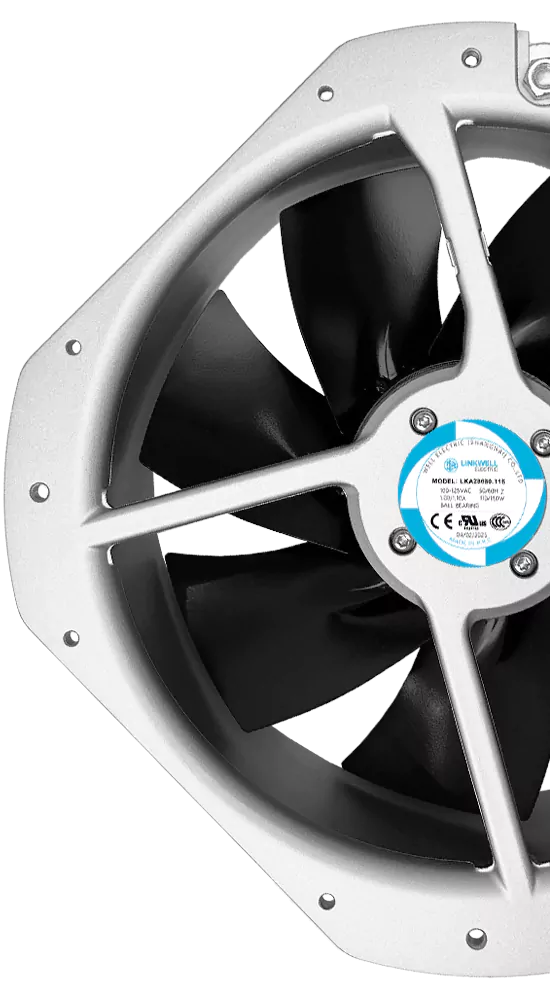
Are Metal Blade Fans Better Than Plastic for control cabinets? The answer really depends on what you need. When you pick a fan blade material, you shape how well your control cabinet stays cool and reliable. Take a look at these points from industry studies:
- Metal blades push stronger airflow with their rigid build, great for bigger cabinets.
- Plastic blades feel lighter, making them quieter and easier for softer airflow.
- Metal blades last longer, especially outdoors or in tough spots.
- Plastic blades can wear out faster, especially under UV light.
Fanacdc’s cooling solutions show you how the right choice can boost your system’s performance.
Key Takeaways
- Metal fan blades provide strong airflow and durability, making them ideal for large or industrial control cabinets.
- Plastic fan blades are lightweight and quieter, perfect for smaller cabinets or noise-sensitive environments.
- Consider your budget: metal blades cost more upfront but last longer, while plastic blades are cheaper but may need more frequent replacement.
- Evaluate your environment: metal blades handle high temperatures well, while plastic blades resist corrosion in humid areas.
- Always check your cabinet’s needs before choosing a fan blade to ensure optimal performance and efficiency.
Are Metal Blade Fans Better Than Plastic for Control Cabinets
Key Differences in Performance
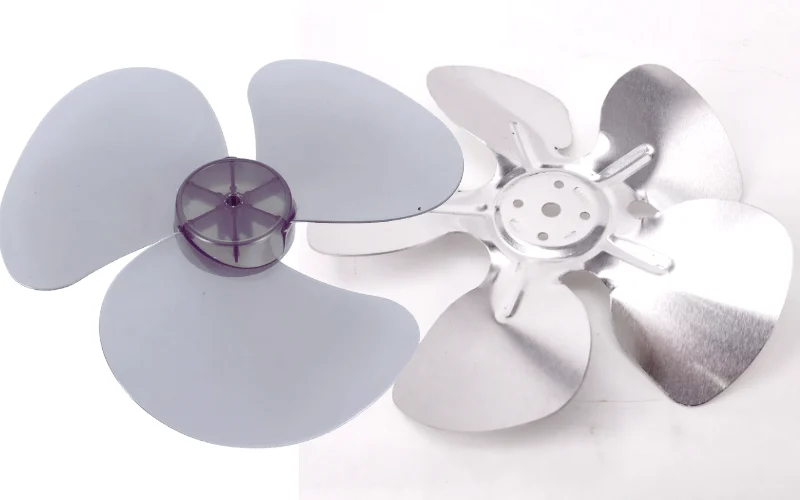
When you ask, “are metal blade fans better than plastic,” you’re really looking for the best fit for your control cabinet. The answer depends on what you want from your cooling system. Metal fan blades and plastic fan blades each bring their own strengths to the table. Let’s break down the main differences so you can see which fan blade materials suit your needs.
Here’s a quick comparison to help you decide:
| Feature | Metal Blades | Plastic Blades |
|---|---|---|
| Endurance and Lifespan | Long lifespan, ideal for heavy industrial use. | Generally shorter lifespan compared to metal. |
| Airflow Delivery | More inflexible, can achieve faster rotation for better airflow. | Less airflow efficiency compared to metal. |
| Resistance to High Temperatures | Designed for high temperatures, do not melt or warp. | Can lose shape in high heat. |
| Noise | Creates more noise due to harder structure. | Quieter operation, ideal for noise-sensitive environments. |
| Weight | Heavier, which may strain the fan motor. | Lighter, reducing load on the motor and enhancing energy efficiency. |
| Corrosion Resistance | Risk of rust and corrosion if not treated. | Resistant to corrosion, suitable for humid environments. |
| Cost | Higher manufacturing and purchase costs. | Lower cost, more budget-friendly option. |
If you need strong airflow and durability, metal fan blades stand out. You’ll find these in fanacdc’s centrifugal fans, which deliver high static pressure and stable performance for tough environments. Metal blades handle heat and heavy use, making them a top choice for industrial control cabinets.
Plastic fan blades offer a lighter touch. They run quieter and put less strain on the motor. You’ll see these in fanacdc’s AC Fans and DC Fans, especially where noise matters or you want to save on energy. Plastic blades resist corrosion, so they work well in humid or chemical-heavy spaces.
Application Scenarios for Each Material
You might wonder where each fan blade material fits best. Let’s look at some real-world scenarios:
- Metal blades work great in large control cabinets, factories, and places with high temperatures. If you need fans that last and push strong airflow, metal is your go-to. Steel fans provide durability for industrial ventilation, and you’ll see them in fanacdc’s centrifugal fan lineup.
- Plastic blades shine in smaller cabinets, telecom racks, and environments where quiet operation matters. If your space is sensitive to noise or you want a fan that’s easy on the motor, plastic blades make sense. They’re also resistant to chemicals, so they’re perfect for humid or corrosive settings.
Tip: If you’re setting up a control cabinet in a noisy office or a telecom room, plastic fan blades can help keep things quiet and efficient.
When you compare fan blade materials, think about your priorities. Are metal blade fans better than plastic for your application? If you need endurance and airflow, metal wins. If you want quiet, lightweight, and budget-friendly cooling, plastic is the answer. Fanacdc’s product range covers both options, so you can match the right fan blade material to your control cabinet’s needs.
Are metal blade fans better than plastic in every situation? Not always. You need to weigh your environment, airflow demands, and budget. Fanacdc’s AC Fans, DC Fans, and Centrifugal Fans give you plenty of choices, whether you want metal fan blades for rugged use or plastic fan blades for quiet efficiency.
Are metal blade fans better than plastic for control cabinets? You decide based on your setup. Metal fan blades deliver strong performance and durability. Plastic fan blades offer quiet operation and energy savings. Both fan blade materials have a place in modern control cabinets, and fanacdc helps you find the perfect match.
Pros and Cons of Metal Blades in Industrial Fans
Metal Fan Blades: Durability and Strength
When you look at the pros and cons of metal blades, durability stands out as a major advantage. Metal fan blades can handle tough conditions inside control cabinets. You might see these blades in fanacdc’s centrifugal fans, where strong airflow and high static pressure are needed. Metal fan blades resist bending and warping, even when temperatures rise or the fan runs for hours. You get a longer service life, which means less downtime and fewer replacements.
Here are some pros of metal fan blades you should know:
- High durability in harsh environments
- Great for high static pressure applications
- Strong resistance to corrosion with proper coatings
- Reliable performance in industrial settings
If you need a fan that lasts and keeps working, metal fan blades make sense. You can trust them to keep your control cabinet cool, even when things get tough.
Metal Fan Blades: Noise and Vibration
Now, let’s talk about the cons of metal fan blades. You might notice more noise and vibration compared to plastic blades. The rigid structure of metal fan blades creates a louder sound when the fan spins fast. In control cabinets, this can be a concern if you want a quiet workspace. Vibration can also affect sensitive equipment nearby.
Here’s a quick table to show how metal fan blades compare to plastic blades in terms of noise and vibration:
| Feature | Metal Fan Blades | Plastic Fan Blades |
|---|---|---|
| Noise Level | Higher | Lower |
| Vibration | More noticeable | Less noticeable |
Tip: If you need maximum durability and airflow, metal fan blades are a solid choice. If noise matters more, you might want to look at plastic options.
You should weigh the pros and cons of metal blades before making a decision. Metal fan blades offer durability and strength, but you need to consider noise and vibration in your control cabinet environment.
Pros and Cons of Plastic Fan Blades
Plastic Fan Blades: Lightweight and Quiet
You might wonder why so many control cabinets use plastic fan blades. The answer often comes down to their lightweight design. When you choose this ceiling fan blade material, you make installation easier. You can lift and fit the fan without much effort. The lighter weight also means less strain on the motor. That helps your system run more efficiently and saves energy over time.
Plastic fan blades work quietly. You notice less noise, especially compared to metal blades. If you have a control cabinet in an office or a telecom room, you want a fan that doesn’t distract you. The advantages of plastic ceiling fan blades include smooth airflow and reduced vibration. You get a peaceful environment and steady cooling.
Here’s a quick look at the pros of plastic fan blades:
| Feature | Plastic Fan Blades |
|---|---|
| Weight | Light |
| Noise | Low |
| Corrosion | Resistant |
| Installation | Easy |
Tip: If you need a quiet workspace, plastic fan blades are a smart choice.
Plastic Fan Blades: Cost and Maintenance
Plastic fan blades help you save money. This ceiling fan blade material costs less to produce. You pay less up front, which is great if you have a tight budget. The advantages of plastic ceiling fan blades also show up in long-term savings. You spend less on energy because the motor works with less effort.
Maintenance is simple. You don’t need to worry about rust or corrosion. You can clean the blades with a soft cloth. If you spot dust, just wipe it away. Maintenance for plastic fan blades usually means checking for cracks or wear. You don’t need special tools or chemicals. Most control cabinets with plastic fan blades need only basic maintenance every few months.
Plastic fan blades fit well in places where you want low noise and easy upkeep. The cons of plastic fan blades include possible wear in high heat or direct sunlight. You should check the blades during regular maintenance to catch any problems early.
Note: Regular maintenance keeps your control cabinet running smoothly and extends the life of your plastic fan blades.
Airflow and Cooling Efficiency in Control Cabinets
Metal Fan Blades: High Airflow and Static Pressure
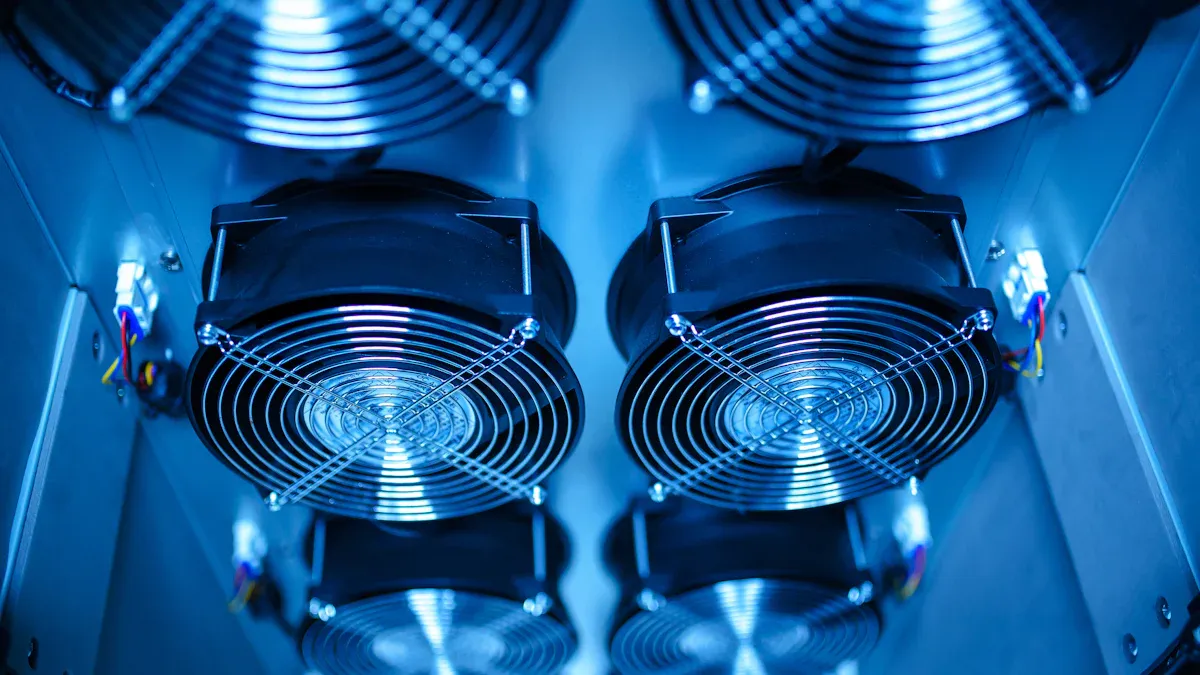
If you want strong cooling in your control cabinet, metal fan blades stand out. These blades push optimal airflow, especially when you need to move air through tight spaces or high-resistance environments. You’ll notice that metal blades work best in fanacdc’s centrifugal fans, which are built for tough jobs. Metal blades can handle high static pressure, so they keep your cabinet cool even when airflow delivery faces obstacles.
Take a look at how metal blades perform:
- Metal fan blades last about 10 to 15 years, giving you reliable efficiency over time.
- Both metal and plastic designs can cut energy consumption by 10-20% compared to older models.
- Metal blades stay strong in high temperatures, so you don’t have to worry about warping.
Here’s a quick table showing airflow and static pressure ratings for metal blades:
| CFM Range | Static Pressure (in. wg) |
|---|---|
| 350-737 | 0 – 13.3 |
If your control cabinet is compact or has lots of filters, metal blades keep the air moving. You get optimal airflow and steady cooling, which means your equipment stays safe.
Plastic Fan Blades: Efficiency at Low Speeds
Plastic fan blades offer a different kind of efficiency. You’ll find these blades in fanacdc’s AC fans, where quiet operation and energy efficiency matter most. Plastic blades weigh less, so they put less strain on the motor. That means you use less power and get smoother airflow, especially at low speeds.
Here’s why plastic blades work well:
- They cost less, so you save money upfront.
- The lightweight design boosts efficiency and reduces vibration.
- Plastic blades resist corrosion, making them perfect for moist or polluted environments.
Check out this table comparing energy consumption at low speeds:
| Feature | Plastic Blades | Metal Blades |
|---|---|---|
| Motor Power | Smaller motor power | Larger motor power |
| Starting Current | Lower starting current | Larger starting current |
| Weight | Light in weight | Heavier |
| Wind Noise | Less wind noise | Less wind noise |
| Durability | Shorter service life | Higher durability |
| Vibration | Low vibration | Higher vibration |
If you need a fan for a small control cabinet or a noise-sensitive area, plastic blades deliver efficiency and quiet cooling. You get optimal airflow without sacrificing energy efficiency.
Tip: Choose metal blades for high-resistance or compact cabinets needing powerful airflow. Pick plastic blades for low-speed, quiet, and energy-efficient cooling.
Installation and Longevity Considerations
Handling and Service Life of Metal Blades
When you choose metal fan blades for your control cabinet, you get a product built for strength and long-term reliability. Metal blades can last for years, even in tough industrial settings. You might notice that installation takes a bit more effort. Here’s what you should keep in mind:
- Wiring and Electrical Connections: You need to make sure all wiring is secure. Loose wires can cause problems like flickering or even electrical hazards.
- Mounting and Support Structures: Metal blades are heavier. You must check that the mounting brackets and cabinet structure can handle the weight. This step helps prevent wobbling or detachment.
- Balancing the Fan: If the fan isn’t balanced, you’ll hear more noise and see faster wear. Adjusting the blade pitch or adding small weights can help.
Metal blades resist warping and corrosion, especially when coated. You’ll find that fanacdc’s centrifugal fans use these blades for high static pressure and stable airflow. With proper installation and regular checks, metal blades can deliver a service life of 10 to 15 years. That means less downtime and fewer replacements for your system.
Plastic Blades: Ease of Installation
Plastic fan blades make installation simple. You can lift and fit them easily because they weigh less. You don’t need heavy-duty brackets or extra support. Most plastic blades snap into place or use basic screws. You save time and effort during setup.
Here’s a quick table comparing installation and longevity:
| Feature | Metal Blades | Plastic Blades |
|---|---|---|
| Weight | Heavy | Light |
| Installation Effort | Higher | Lower |
| Service Life | 10-15 years | 5-10 years |
| Maintenance | Occasional checks | Basic cleaning |
Plastic blades resist corrosion and don’t rust. You only need to clean them and check for cracks. Fanacdc’s AC and DC fans use high-grade engineering plastics, so you get durability and easy maintenance. If you want a quick install and less hassle, plastic blades are a smart choice.
Tip: Always follow the manufacturer’s guidelines for installation and maintenance. This helps you get the best performance and longest life from your fan blades.
Cost, Safety, and Environmental Impact
Price Comparison: Metal vs. Plastic
When you shop for fan blades, price often drives your decision. Metal blades usually cost more upfront. You pay for the strength, durability, and longer lifespan. If you need a fan for a heavy-duty control cabinet, metal blades make sense. They last longer, so you replace them less often. That can save you money over time.
Plastic blades come with a lower price tag. You spend less at the start, which helps if you have a tight budget or need to outfit many cabinets. These blades work well in lighter-duty settings. You might see them in fanacdc’s AC and DC fans, where cost-effectiveness matters. If you want to keep costs down and still get reliable cooling, plastic blades offer a smart solution.
Here’s a quick table to help you compare:
| Feature | Metal Fan Blades | Plastic Fan Blades |
|---|---|---|
| Initial Cost | Higher | Lower |
| Replacement | Less frequent | More frequent |
| Lifespan | Longer | Shorter |
Tip: If you want long-term savings, metal blades pay off. If you need a budget-friendly fix, plastic blades fit the bill.
Safety and Environmental Aspects
Safety matters when you choose fan blades for your control cabinet. Metal blades resist high temperatures and don’t melt or deform. You get peace of mind in hot environments. Fanacdc’s products meet UL, CE, and RoHS standards, so you know they’re safe and reliable.
Plastic blades stay cool to the touch and don’t conduct electricity. That lowers the risk of accidental shocks. They also resist corrosion, which helps in humid or chemical-heavy spaces. You’ll find these features in fanacdc’s AC and DC fans.
Let’s talk about the environment. Metal blades, like aluminum and steel, recycle easily. You can process them without losing quality. The recycling system for metals works well, so old blades don’t end up in landfills. However, making metal blades uses a lot of energy.
Plastic blades weigh less and help save energy during use. But they take a long time to break down. If you toss them out, they can release harmful chemicals. Recycling plastic blades isn’t as simple. The infrastructure just isn’t there yet.
Note: Fanacdc’s commitment to international standards means you get products that balance safety and environmental responsibility.
If you care about the planet, metal blades offer better recyclability. If you want energy savings during operation, plastic blades help. You decide what matters most for your control cabinet.
Conclusion
You’ve learned a lot about metal and plastic fan blades for control cabinets. Let’s wrap things up and help you make a smart choice.
Metal blades give you strength and long life. You get powerful airflow, which works well in big or tough cabinets. These blades handle heat and rough conditions. You might pay more at first, but you save money over time because they last longer.
Plastic blades feel lighter and run quieter. You install them easily and enjoy lower noise. These blades resist corrosion and cost less. If you want a budget-friendly option for a small or noise-sensitive cabinet, plastic blades make sense.
Here’s a quick decision guide:
| Scenario | Best Choice |
|---|---|
| High airflow, tough environment | Metal Blades |
| Quiet, small cabinet | Plastic Blades |
| Budget constraints | Plastic Blades |
| High temperature | Metal Blades |
| Humid or chemical area | Plastic Blades |
Tip: Always check your cabinet’s needs before you pick a fan blade. Think about airflow, noise, cost, and the environment.
Fanacdc gives you reliable cooling solutions. You can find AC Fans, DC Fans, and Centrifugal Fans with both metal and plastic blades. If you’re not sure which blade fits your setup, reach out to fanacdc or talk to a technical expert. You get support and advice for every project.
Ready to upgrade your control cabinet cooling? Explore fanacdc’s product range and power up your system with the right fan blade. Your equipment will thank you!
Choosing the right fan blade for your control cabinet comes down to what matters most for your setup. Here’s a quick look:
| Material | Advantages | Disadvantages |
|---|---|---|
| Metal | Stronger, longer-lasting | Heavier, noisier |
| Plastic | Lightweight, cost-effective | Less durable |
If you need power and durability, go with metal. For quiet and budget-friendly cooling, plastic works well. Think about your airflow, noise, and budget needs. Not sure? Reach out to fanacdc for expert advice and explore their reliable product range for the best fit.
FAQ
What’s the main reason to pick metal fan blades for my control cabinet?
You should choose metal blades if you need strong airflow and long-lasting durability. They handle heat and tough conditions well. Metal blades work best in large or industrial cabinets.
Are plastic fan blades safe for use in humid or chemical-heavy environments?
Yes! Plastic blades resist corrosion and moisture. You can use them in humid or chemical-heavy spaces without worrying about rust. They’re a smart choice for these conditions.
How often should I check or replace fan blades in my control cabinet?
Check your fan blades every few months. Look for cracks, dust, or signs of wear. Replace them if you see damage or if airflow drops. Regular checks keep your system running smoothly.
Can I switch from plastic to metal blades (or vice versa) in my existing fan?
Sometimes you can, but you need to match the blade size and motor strength. Check your fan’s manual or ask fanacdc’s support team for advice before making changes.
Which fan blade material is quieter for office or telecom cabinets?
Plastic blades run quieter than metal ones. If you want a peaceful workspace or need to reduce noise, go with plastic fan blades.