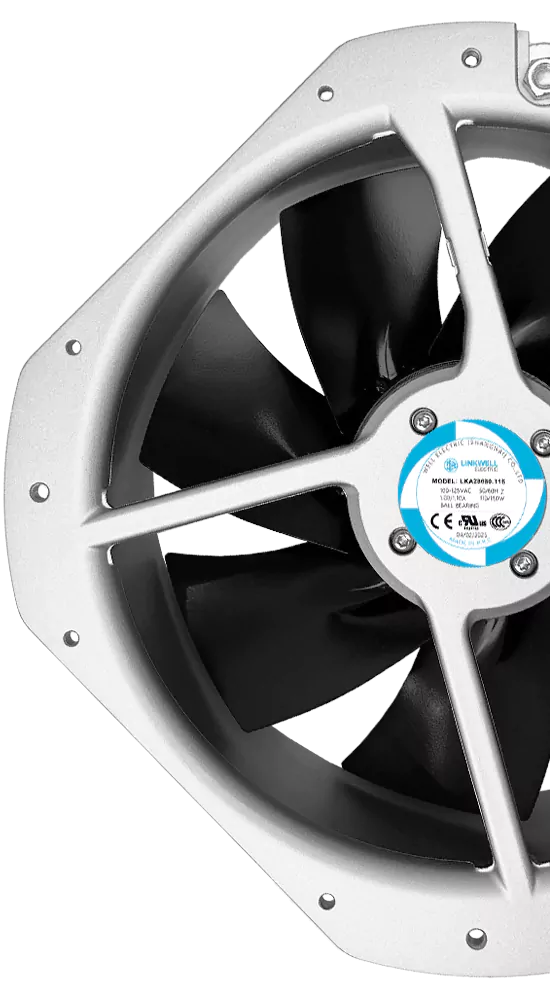
A seat ventilation system makes your drive cooler and more comfortable. You probably notice how car seats now offer more than just padding. In recent years, more people want seats that keep them fresh, especially during long trips or hot days. You see new features like smart climate control and AI-driven cooling.
These upgrades help fight driver fatigue and make comfort a top priority when you shop for cars. Advanced fan technology, including DC, AC, EC, and centrifugal fans, powers these systems. Brands like fanacdc lead the way in creating high-performance solutions for modern vehicles.
Key Takeaways
- Seat ventilation systems use fans to keep you cool and dry while driving.
- Ventilated seats reduce sweat and improve comfort on hot days.
- DC fans are energy-efficient and quiet, while AC fans offer strong airflow.
- Smart controls and perforated materials enhance the cooling effect.
- Advanced fan technology ensures reliable and long-lasting performance.
What Is a Seat Ventilation System
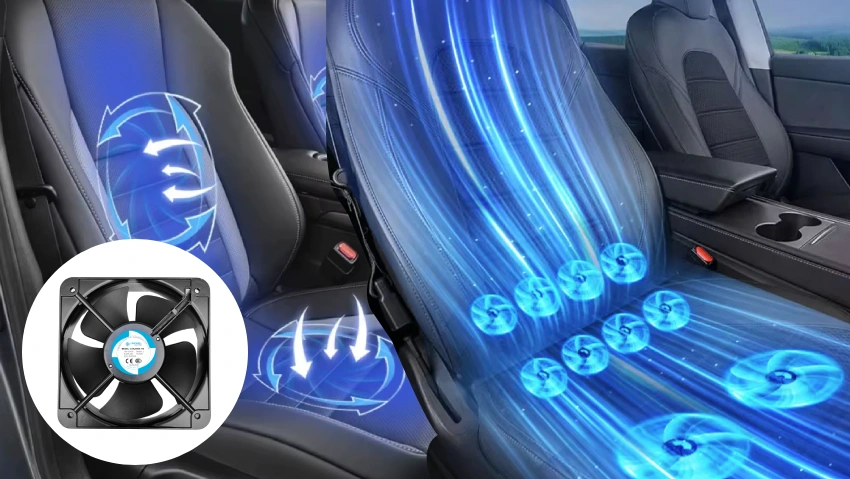
You might wonder what makes your seat feel cooler on a hot day. A seat ventilation system uses built-in fans and smart airflow channels to keep you comfortable. This system pulls air from inside your car and moves it through the seat’s surface. You feel fresh, even when the sun beats down. Many modern vehicles now offer seat ventilation as a standard or optional feature. You get more than just a breeze—these systems help reduce sweat and keep your clothes dry. If you care about comfort, health, and driving experience, you’ll notice how much difference a seat ventilation system can make.
Seat Ventilation vs. Air Conditioned Seats
You may hear people talk about seat ventilation and air conditioned seats like they’re the same thing. They actually work in different ways. Seat ventilation uses fans to move air through tiny holes in the seat. You feel airflow against your body, which helps cool you down. Air conditioned seats go a step further. They use cooling elements, such as thermoelectric devices, to lower the temperature of the air before it reaches you. Some luxury cars combine both systems, giving you the best of both worlds.
Let’s break it down:
| Feature | Seat Ventilation | Air Conditioned Seats |
|---|---|---|
| Cooling Method | Moves air with fans | Cools air before moving it |
| Sensation | Feels like a gentle breeze | Feels like chilled air |
| Technology | DC, AC, EC, or centrifugal fans | Fans plus cooling modules |
| Common Vehicles | Sedans, SUVs, trucks | Luxury models, high-end SUVs |
| Health Benefits | Reduces sweat, keeps you dry | Lowers seat temperature, prevents overheating |
You might ask, how do air conditioned seats work? They use a combination of fans and cooling modules to chill the air before it flows through the seat. If you want to know how do cooled seats work, you’ll find that cooled seats often use both ventilation and cooling elements for maximum comfort.
Key Features of Ventilated Seats
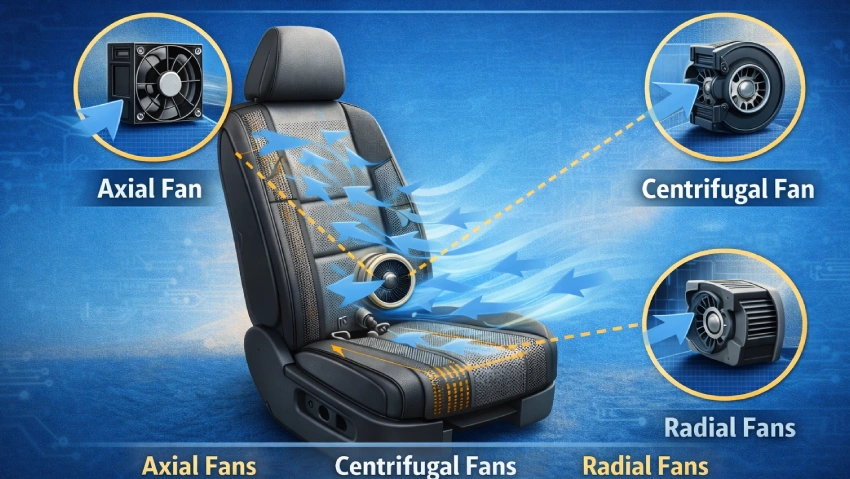
When you look at ventilated seats, you’ll notice several features that set them apart. Most systems rely on fan-based technology. Small fans or blowers sit inside the seat and push air through perforated upholstery. You get a steady stream of airflow that helps keep you cool. Some cars use axial fans because they fit easily into tight spaces. Others use centrifugal blowers for stronger air movement.
You’ll also find hybrid systems in many high-end vehicles. These combine seat ventilation with heating or massage functions. For example, Tesla’s Model S integrates seat heaters with the ventilation system. You get comfort all year round, whether you want warmth in winter or cooling in summer.
Here are the most common features you’ll find in ventilated seats:
- Fan-based systems that use compact fans or blowers to move air through the seat
- Hybrid systems that combine ventilation with heating or massage for extra comfort
- Perforated upholstery that lets air flow directly to your body
- Smart controls that let you adjust airflow intensity
- Quiet operation so you don’t hear the fans while you drive
You might see ventilated seats in sedans, SUVs, and even trucks. These seats help you stay comfortable during long drives or in hot weather. If you want a car seat cooling system that works well, look for models with advanced fan technology. Brands like fanacdc design fans that deliver strong airflow, low noise, and reliable performance. You’ll enjoy cooled seats that make every trip more pleasant.
How Do Ventilated Seats Work
System Architecture and Airflow
You might wonder what happens inside your car seat when you turn on seat ventilation. The seat ventilation system uses a clever design to move air right where you need it. Small fans sit inside the seat cushion and backrest. These fans pull air from the cabin and push it through a network of ducts. The air travels through tiny holes in the seat’s surface, reaching your body and helping you stay cool.
The airflow process works like this:
- You activate seat ventilation using a button or touchscreen.
- Built-in fans start spinning, drawing air from inside the car.
- Air moves through ducts hidden in the seat foam.
- The air exits through perforated upholstery, creating a gentle breeze.
You feel the difference almost instantly. The system keeps sweat away and helps you stay comfortable, even on long drives. If you ask, “how do ventilated seats work,” you’ll find that the secret is in the way air moves through the seat’s layers.
Main Components: Fans, Ducts, and Perforated Upholstery
Let’s break down the main parts of seat ventilation. Each component plays a key role in keeping you cool.
- Fans: These are the heart of the seat ventilation system. You’ll find DC, AC, EC, and centrifugal fans inside modern seats. DC fans offer quiet operation and precise speed control. AC fans deliver strong airflow and work well in tough conditions. EC fans save energy and run smoothly. Centrifugal fans push air with extra force, perfect for seats with thick padding.
- Ducts: Flexible channels guide air from the fans to the seat surface. The layout of these ducts affects how evenly air spreads across the seat. Good duct design means you get consistent cooling, no matter where you sit.
- Perforated Upholstery: The seat’s surface uses special materials with tiny holes. You’ll see mesh, perforated leather, and different perforation styles. Mesh lets air flow freely and absorbs moisture. Perforated leather balances comfort and durability, especially when paired with active cooling. Larger perforations, like 3/8-inch round holes, boost airflow. Smaller holes work better in colder climates. Mesh feels soft and breathable, while leather stands up to sunlight and wear.
Here’s a quick table showing how upholstery materials impact airflow:
| Material | Airflow Efficiency | Comfort | Durability |
|---|---|---|---|
| Mesh | High | Soft | Moderate |
| Perforated Leather | Moderate | Smooth | High |
| Large Perforations | Maximum | Varies | Depends |
| Small Perforations | Lower | Cozy | High |
Automakers test these components for durability. Mercedes-Benz uses proprietary seat ventilation in their S-Class, showing high reliability. Hyundai Mobis ran pilot programs with fleet operators to confirm their systems last under heavy use. You get a seat ventilation system that stands up to daily wear and keeps working for years.
The Role of fanacdc Fans in Seat Ventilation
You might ask what makes seat ventilation so effective in today’s cars. The answer often comes down to fan technology. Brands like fanacdc design fans that power seat ventilation systems in vehicles around the world. These fans use advanced engineering to deliver strong airflow, low noise, and long-lasting performance.
Fanacdc offers several types of fans for seat ventilation:
- DC Fans: These fans use brushless motors for quiet, efficient cooling. You get precise speed control and minimal energy use. DC fans work well in seats that need gentle, adjustable airflow.
- AC Fans: Built for durability, AC fans provide steady airflow and handle tough environments. They’re easy to install and maintain.
- EC Fans: EC fans combine AC and DC technology. You get energy savings up to 70% and smooth, variable speed control. These fans run quietly and help lower your car’s power consumption.
- Centrifugal Fans: If your seat has thick foam or needs extra airflow, centrifugal fans deliver high static pressure. They push air through dense materials, making sure you feel the cooling effect.
Fanacdc fans stand out for their reliability. You’ll find features like smart speed control, extended-life bearings, and advanced thermal management. These fans keep working even in high temperatures or humid conditions. You enjoy seat ventilation that’s efficient, quiet, and built to last.
Tip: If you want the best seat ventilation, look for cars that use advanced fan technology. Fanacdc fans help create a comfortable ride, whether you’re stuck in traffic or cruising on the highway.
Seat ventilation makes every drive more enjoyable. You stay cool, dry, and focused. The right fan technology ensures your seat ventilation system works efficiently and quietly, giving you comfort you can count on.
Fan Technologies for Seat Ventilation Systems
DC Fans vs. AC Fans in Ventilated Seats
When you look at seat ventilation, the type of fan inside your seat matters a lot. DC fans and AC fans each bring something different to the table. DC fans use less power, so you save energy and keep your car’s battery healthy. You also get quieter operation, which means you won’t hear a constant hum while you drive. AC fans, on the other hand, deliver strong airflow and work well in tough environments. They’re easy to install and maintain, but they tend to use more electricity and make more noise.
Here’s a quick breakdown:
- DC fans are more energy-efficient, helping you lower electricity bills.
- DC fans offer variable speed settings for adjustable airflow.
- DC fans operate quietly, perfect for noise-sensitive spaces.
- AC fans use more energy and can be noisier.
- AC fans provide steady airflow and are simple to set up.
If you want a peaceful ride with efficient cooling, DC fans are a smart choice for seat ventilation. AC fans work best when you need robust airflow and durability.
EC and Centrifugal Fans for Advanced Seat Ventilation
You might see EC and centrifugal fans in high-end ventilated seats. EC fans combine the best of AC and DC technology. You get up to 70% energy savings and smooth, variable speed control. These fans run quietly and help reduce your car’s overall power consumption. Centrifugal fans push air with extra force, making them ideal for seats with thick padding or complex shapes. They deliver high static pressure, so you feel the cooling effect even through dense materials.
Advanced seat ventilation systems often use sensors to monitor humidity and temperature. These systems adjust airflow automatically, keeping you comfortable without wasting energy. In electric vehicles, efficient seat ventilation can cut climate control energy use by up to 40%. Studies show ventilated seats can reduce air conditioning power by 7% while maintaining comfort.
Choosing the Right Fan for Comfort and Efficiency
Picking the right fan for seat ventilation isn’t just about airflow. You need to think about comfort, energy use, and how the fan fits into your car’s design. Here’s a table to help you compare important criteria:
| Criteria | Description |
|---|---|
| Airflow Rate (CFM) | Aim for 0.5–1.0 CFM per fan for effective cooling. |
| Fan Speed Settings | Multi-speed options let you adjust for personal comfort. |
| Installation Method | Plug-and-play or hardwired systems affect setup and stability. |
| Material Breathability | Perforated materials boost airflow; eco-leather with micro-perforations works well. |
| Occupant Compatibility | Fans should not cause discomfort for users of all sizes. |
| Power Draw | Keep it between 5–10 watts to avoid battery drain. |
| Control Interface | Choose from buttons, remotes, or smartphone apps for convenience. |
You also want to consider multi-zone control, smart integration, and the type of upholstery. Centrifugal blowers give stronger airflow but may be noisier than axial fans. Perforated leather feels breathable but needs regular care. Synthetic fabrics are easier to clean.
When you choose the right fan, you get seat ventilation that keeps you cool, saves energy, and fits your lifestyle. Whether you prefer ventilated seats or air conditioned seats, fan technology makes a big difference in your driving experience.
Benefits of Seat Ventilation
Comfort and Health Advantages
You know how uncomfortable it feels when your back sticks to the seat on a hot day. With seat ventilation, you get a steady flow of air that keeps you cool and dry. This system does more than just make you feel good. It helps protect your skin and keeps you from overheating, especially in warm climates. Here’s what you can expect:
- Reduces the risk of overheating in the seat area, so you avoid discomfort and skin irritation.
- Increases air circulation, which helps keep your body cool and dry. This is great for your skin health.
- Prevents stains on your seats by stopping sweat before it soaks in.
- Gives you supreme comfort, even when the temperature outside climbs.
- Lets you control your own seat temperature, which is something regular air conditioned seats can’t always do.
You get personalized comfort every time you drive. The seat ventilation system works quietly in the background, making sure you stay fresh and focused.
Enhanced Driving Experience with Ventilated Seats
Long drives can make anyone tired, but ventilated seats help you stay alert. When air moves through the seat surface, your body temperature stays lower. This cooling effect means you feel less tired, even after hours on the road. Studies show that drivers using ventilated seats report 25% less fatigue during long trips. That’s a big difference when you want to arrive feeling your best.
Cooled seats also make your ride more enjoyable. You don’t have to worry about sweat or sticky clothes. The cooling effect is gentle but noticeable, especially compared to air conditioned seats that sometimes blow cold air unevenly. Most drivers say they love the comfort of cooled seats, though some mention that the cooling effect can feel mild in certain models. Still, seat ventilation remains a top feature for anyone who values comfort and convenience.
Tip: If you want a smoother, more comfortable ride, look for cars with seat ventilation. You’ll notice the difference on every trip.
The Future of Seat Ventilation
Integration with Smart Climate Control
You’re seeing cars get smarter every year, and seat ventilation is no exception. Automakers now blend seat cooling with advanced climate control systems. You don’t just turn on a fan; your car can sense when you’re sitting down and adjust the airflow automatically. Miniaturized fan units make seats quieter, so you barely notice them working. Smart sensors detect your presence and even measure moisture, tweaking the cooling to match your needs. AI and machine learning step in to learn your preferences. Over time, your car remembers how cool you like your seat and sets it for you before you even ask.
Here’s what’s trending in new vehicles:
- Miniaturized fans for quieter operation
- Smart sensors that detect when you’re in the seat
- Automatic adjustment of ventilation based on moisture and temperature
- AI-powered climate control that learns your habits
You get a personalized experience every time you drive. The seat ventilation system works with the rest of your car’s climate tech, making sure you stay comfortable without lifting a finger.
Innovations from Brands Like fanacdc
You might wonder what’s next for seat cooling. The market for seat ventilation is growing fast. Experts predict it will jump from USD 6.06 billion in 2025 to USD 10.08 billion by 2032, with a steady annual growth rate. Electric vehicles and self-driving cars push brands to create seats that do more than just keep you cool. For example, Chevrolet’s Bolt EUV uses ventilated seats to keep you dry in hot weather. Ford adds moisture-sensing tech to adjust cooling on the fly. Tesla experiments with liquid-infused chairs that heat and cool without electricity, aiming for better energy efficiency.
Brands like fanacdc lead the way with high-performance fans that power these new systems. You see innovations like:
- Energy-saving fan designs that cut power use by up to 70%
- Advanced materials such as “3mesh” for better breathability and efficiency
- Smart speed control and extended-life bearings for longer-lasting comfort
- Eco-friendly production, using recycled materials and designing parts for easy recycling
Manufacturers now focus on making seats more sustainable. They avoid harmful substances, use recycled materials, and design parts for easy disassembly. The goal is to treat old cars as sources of reusable materials, supporting a circular economy. You benefit from seats that are not only comfortable but also better for the planet.
Tip: If you want a car that keeps you cool and helps the environment, look for models with smart seat ventilation and eco-friendly features. Brands like fanacdc are setting new standards for comfort and sustainability.
Conclusion
You’ve learned a lot about how a seat ventilation system can change your driving experience. These systems keep you cool, dry, and comfortable, even when the weather gets hot. You don’t have to worry about sticky seats or feeling tired on long trips. The right fan technology makes all the difference. DC, AC, EC, and centrifugal fans from brands like fanacdc deliver strong airflow, quiet operation, and reliable performance.
If you want the best comfort, pay attention to the type of fan in your seat. DC fans give you energy savings and quiet cooling. AC fans offer durability and steady airflow. EC fans help you save power and enjoy smooth speed control. Centrifugal fans push air through thick padding, so you always feel the cooling effect.
Tip: When you shop for a new car or upgrade your seats, check the fan technology and system design. You’ll get better comfort and efficiency.
Here’s a quick checklist to help you choose:
- Look for seats with advanced fan technology.
- Check for smart controls and multi-speed options.
- Pick materials that boost airflow, like perforated leather or mesh.
- Ask about energy-saving features and long-lasting performance.
You can explore fanacdc’s product range for high-performance solutions. Their fans support smart climate control, energy savings, and long service life. If you want a seat ventilation system that works well and lasts, fanacdc offers options for every need.
A comfortable ride starts with the right seat ventilation system. Make your next trip cooler and more enjoyable!
You now know how seat ventilation systems work and why they matter for your comfort. Advanced fan technologies, like those from fanacdc, bring you quiet, efficient, and reliable cooling. Take a look at what makes these systems stand out:
| Key Aspect | Description |
|---|---|
| Market Maturity | High consumer expectations and well-developed options |
| Luxury Focus | Premium comfort in high-end vehicles |
| Technological Adoption | Energy-efficient, smart ventilation systems |
| Aftermarket Growth | Easy upgrades and retrofits |
| Consumer Preferences | Demand for eco-friendly, efficient solutions |
| Innovation | Smart controls and better user experience |
When you pick the right fan, you get better airflow and less maintenance. Here’s why fan selection matters:
- The type of fan affects how well air moves through your seat.
- Motor and bearing choices decide how long your system lasts and how often you need to service it.
If you want a seat that keeps you cool and lasts, check out fanacdc’s range of high-performance fans.
FAQ
How do I know if my car has ventilated seats?
You can check your car’s manual or look for a seat icon with wavy lines on your dashboard or seat controls. If you feel air moving through the seat when you turn it on, you have ventilated seats.
Can I add seat ventilation to my current car?
Yes, you can! Many aftermarket kits let you upgrade your seats. You may need professional installation for the best results. Make sure the kit matches your seat type and car model.
Do ventilated seats use a lot of power?
No, ventilated seats use very little power. Most systems draw only 5–10 watts per seat. You won’t notice a big impact on your car’s battery or fuel efficiency.
Are ventilated seats hard to maintain?
Not at all. Just keep the seat surface clean and free of debris. Vacuum the perforations gently. If you notice weak airflow, check for blockages or consult your dealer.
What’s the difference between ventilated and cooled seats?
Ventilated seats move air through the seat using fans. Cooled seats chill the air before it reaches you. Both keep you comfortable, but cooled seats feel colder because they use extra cooling elements.