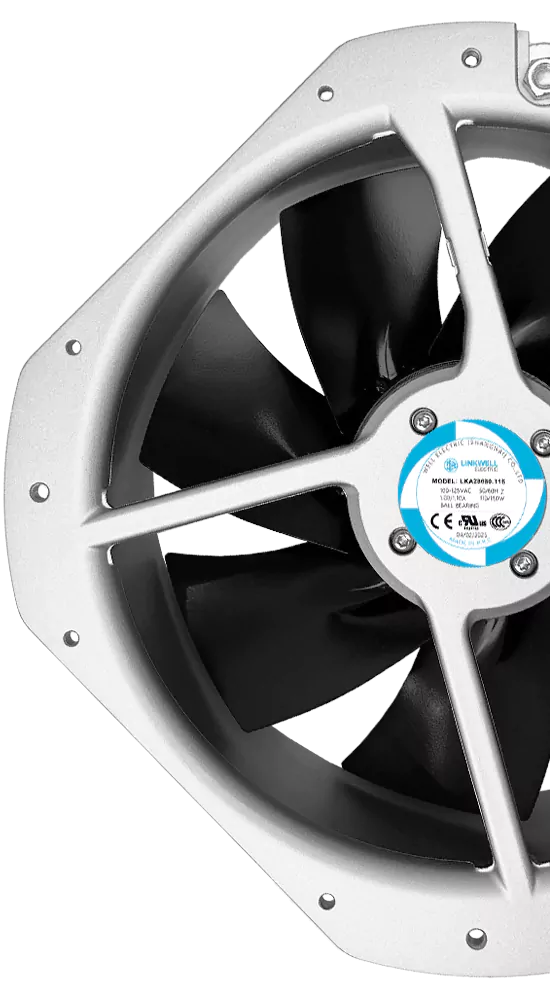
Imagine your critical equipment stops working because a fan breaks down. That can cost thousands every hour. Have you ever thought about how the material of the blades affects that risk?
The blades are the heart of a fan. Their material shapes airflow, durability, and energy efficiency. Metal Blade Fans vs Plastic is a big question. Metal blades usually offer more reliability, but plastic blades can shine in certain situations. The right choice can lower your maintenance costs and keep your equipment running longer.
Key Takeaways
- Metal blade fans offer superior durability and reliability, making them ideal for high-temperature and demanding environments.
- Plastic blade fans are lightweight and quieter, perfect for office or home use where noise reduction is important.
- Consider the total cost of ownership, including maintenance and energy use, not just the initial price when choosing fan blades.
- Match the fan blade material to your specific environment to avoid downtime and ensure optimal performance.
- Always assess your airflow needs and application requirements to select the best fan for your critical equipment.
What Is Critical Equipment?
Defining Critical Equipment
You probably hear the term “critical equipment” a lot in industrial settings. But what does it really mean? Critical equipment includes machines and systems that keep your operations running. If one of these stops, everything else can grind to a halt. You might see these machines in factories, farms, or construction sites.
Here’s a quick look at the types of machinery often considered critical:
| Type of Machinery | Description |
|---|---|
| Heavy Machinery | Large production line equipment, CNC machines, cranes, and excavators for tough jobs. |
| Industrial Automation Equipment | Robots, automated lines, and sensors that boost speed and accuracy in manufacturing. |
| Engineering Machinery | Rollers and forklifts used for building and moving materials. |
| Agricultural Machinery | Tractors and harvesters that make farming faster and easier. |
| General Machinery | Pumps and compressors used in many industries. |
| Basic Machinery Components | Bearings and hydraulic parts that keep everything moving smoothly. |
Not all equipment is equally important. Some machines, if they fail, can shut down an entire plant or cause safety risks. Others might only slow things down a bit. You can think of criticality levels like this:
| Criticality Level | Description |
|---|---|
| A | Stops the whole plant, affects safety, or costs a lot to fix. |
| B | Reduces capacity but can be bypassed for a while. |
| C | Comfort items like HVAC. |
| D | No impact because of backups or not being part of the main process. |
When you know which machines are critical, you can focus your maintenance and inspections where they matter most.
Why Fan Reliability Matters
You rely on your equipment to work every day. If a fan fails, you might face more than just a warm control cabinet. Downtime can cost a lot, especially if you run a busy production line. High machine uptime means you get the most out of your assets and keep costs down.
Here’s why reliable fans matter for your critical equipment:
- You avoid sudden breakdowns that can stop production.
- You save money by reducing emergency repairs and lost output.
- You keep your products safe from spoilage or damage, especially in processes like baking or cooling.
- You can plan maintenance instead of reacting to problems.
A single fan failure can lead to big problems. For example, if a fan stops during a baking process, the temperature might drop, causing product spoilage and extra downtime for repairs. By keeping your fans in top shape and monitoring their condition, you help your whole operation run smoother.
Metal Blade Fans vs Plastic – Key Differences
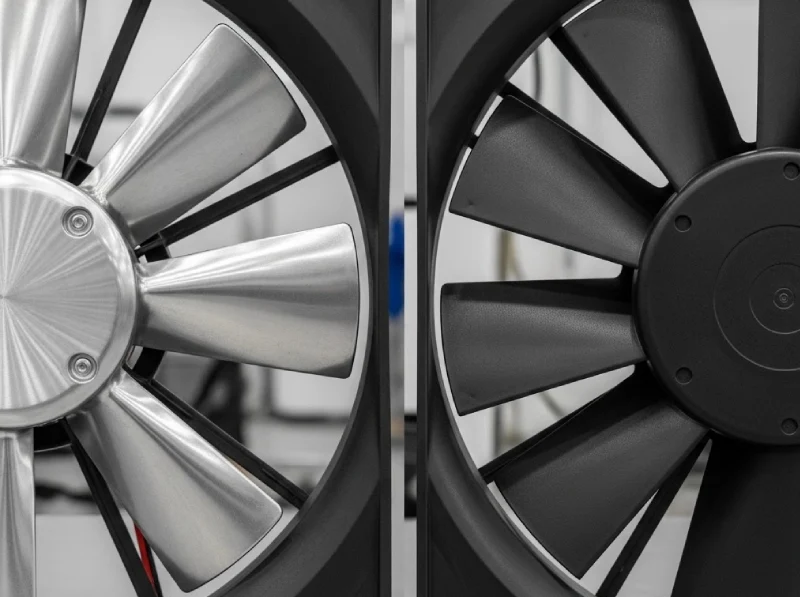
Choosing between metal blade fans vs plastic can feel tricky. You want the best for your critical equipment. Let’s break down the differences so you can make a smart decision. This section gives you a detailed comparison of blades, covering durability, airflow, noise, weight, cost, and environmental resistance. You’ll also see how fanacdc’s metal exhaust fans and plastic exhaust fans fit into real-world applications.
Durability of Metal Fan Blades
You need blades that last. Metal blade fans vs plastic often come down to durability. Metal fan blades stand up to extreme temperatures and humidity. They resist deformation and keep their shape even when your equipment runs hot or faces tough conditions. Metal exhaust fans are built for high performance and superior durability. You can rely on them in demanding environments like factories or power plants.
Here’s a quick look at how metal fan blades perform:
- Metal blades withstand extreme temperatures and humidity.
- They handle variable and higher static pressures and airflow.
- Metal exhaust fans are appropriate for larger fan sizes.
- You get robust airflow and cooling efficiency, even in harsh conditions.
- Metal inline fans deliver exceptional performance in air circulation and humidity control.
If you need durability and longevity, metal blade fans are your best bet. They offer superior durability and keep your equipment running longer.
Durability of Plastic Fan Blades
Plastic exhaust fans have their place, especially when you want lightweight blades. Plastic blades usually last 5 to 10 years in industrial settings. Under normal conditions, axial fan blades can reach up to 15 years, but harsh environments shorten their lifespan. Plastic blades resist corrosion better than metal, making them ideal for areas with chemicals or moisture.
However, plastic blades face challenges:
- Polymers react with oxygen and moisture, leading to structural changes.
- UV radiation can break down the surface coating.
- Water molecules invade the polymer structure, increasing the risk of degradation.
Plastic exhaust fans work well in moderate environments. You get quieter operation and less vibration, which is perfect for offices or bedrooms. If you need blades for smaller diameters or less demanding applications, plastic blade fans offer a cost-effective solution.
Airflow and Performance Comparison
Airflow matters. You want blades that move air efficiently. Metal blade fans vs plastic show clear differences in airflow and cooling efficiency. Metal exhaust fans generate robust airflow and maintain their shape at high RPMs. You get high performance and stable cooling, even when your equipment runs nonstop.
Plastic exhaust fans are lighter and more flexible. They optimize airflow for moderate cooling needs. You get smooth and quieter rotation, but plastic blades may not handle high static pressure as well as metal. If you need high performance and robust airflow, metal blade fans are the way to go.
Let’s look at fanacdc’s products:
- The Centrifugal Fan uses metal blades for stable airflow and high static pressure. It’s perfect for HVAC systems and power plants.
- AC Fans from fanacdc feature plastic blades for quieter operation and energy savings. They work well in control cabinets and telecom equipment.
Noise and Vibration
Noise can be a big deal. Metal blade fans vs plastic differ in how much noise and vibration they produce. Metal exhaust fans, being heavier and more rigid, can create loud noise due to vibration, especially at higher speeds. This is acceptable in industrial settings where performance matters more than quiet.
Plastic exhaust fans are lighter and better balanced. You get quieter operation and less vibration. The flexible nature of plastic blades allows for smoother rotation. If you need a fan for a quiet environment, plastic blade fans are a smart choice.
Here’s a quick summary:
- Metal blades: More noise and vibration, best for commercial or industrial use.
- Plastic blades: Quieter and smoother, ideal for offices or bedrooms.
Weight and Energy Efficiency
Weight affects installation and energy use. Plastic blades are significantly lighter than metal. You can install plastic exhaust fans easily and reduce the load on the motor. This leads to potential energy savings. Metal blades are heavier, which can enhance stability and reduce vibration in some applications.
If you want efficiency and easy handling, plastic blade fans are a good option. Metal exhaust fans offer stability and durability, but they require more energy to run.
Cost and Maintenance
Cost is always a factor. Metal blade fans vs plastic show a clear difference in price. Metal fan blades generally cost $200-$1,000+ more than plastic blades. You pay more upfront for metal exhaust fans, but you get durability and longevity. Maintenance is easier with metal blades because they resist deformation and last longer.
Plastic exhaust fans have lower initial costs. You save money at the start, but you may need to replace blades more often. Maintenance can be higher if you use plastic blades in harsh environments.
Here’s a detailed comparison table to help you decide:
| Feature | Metal Blade Fans | Plastic Blade Fans |
|---|---|---|
| Durability | High, withstands extremes | Moderate, shorter lifespan |
| Airflow | Robust, high performance | Moderate, quieter |
| Noise | Louder, more vibration | Quieter, less vibration |
| Weight | Heavy, stable | Light, energy efficient |
| Cost | Higher upfront | Lower upfront |
| Environmental Resistance | Susceptible to corrosion | Resistant to chemicals |
| Application | Large, industrial fans | Smaller, office fans |
| Longevity | Long-lasting | 5-10 years |
You can see how metal blade fans vs plastic stack up. Metal exhaust fans give you durability and longevity. Plastic exhaust fans offer energy efficiency and quieter operation. Fanacdc’s Centrifugal Fan and AC Fans show how both materials fit different needs.
Tip: Always match the blade material to your environment and performance needs. If you need high performance and superior durability, metal blade fans are the best choice. For quieter, cost-sensitive applications, plastic blade fans work well.
Application Guide – Choosing the Right Fan Blade
When to Use Metal Fan Blades
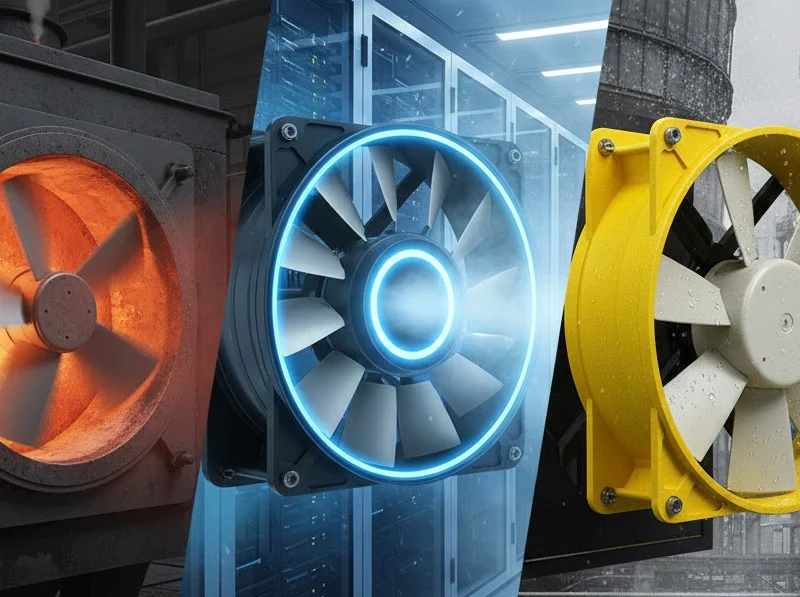
You want blades that can handle tough jobs. Metal exhaust fans shine in high-temperature environments and heavy-duty applications. If your equipment faces extreme heat, abrasive materials, or needs robust airflow, metal exhaust fans deliver unmatched durability and performance. You see these blades in factories, power plants, and places where reliability matters most.
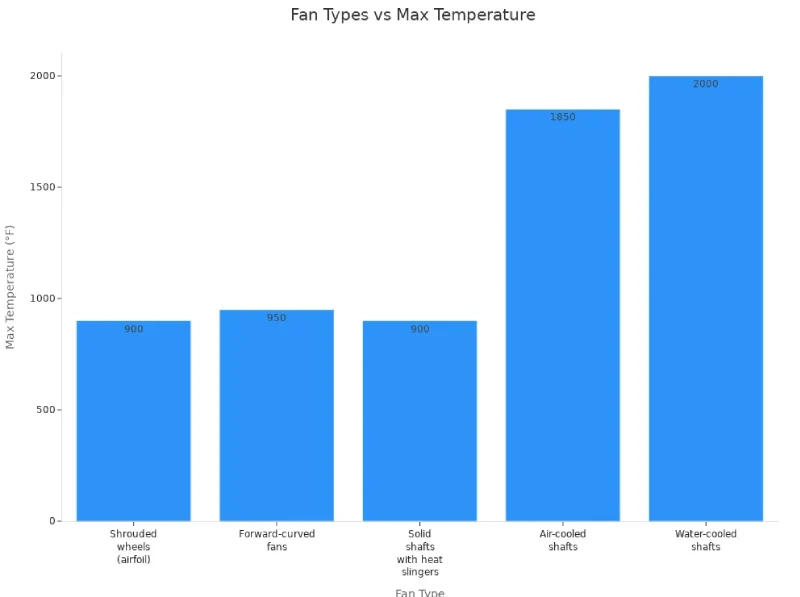
Check out this table for high-temperature fan options:
| Fan Type | Maximum Temperature Capability | Cooling Method |
|---|---|---|
| Shrouded wheels (airfoil) | 900°F (482°C) | N/A |
| Forward-curved fans | Higher than 900°F (482°C) | N/A |
| Solid shafts with heat slingers | Up to 900°F (482°C) | N/A |
| Air-cooled shafts | 900°F to 1,850°F (482°F to 1,010°C) | N/A |
| Water-cooled shafts | Above 1,850°F (above 1,010°C) | N/A |
You should also look for features like abrasion-resistant steel, vibration isolators, and specialty finishes. Metal exhaust fans from fanacdc’s Industrial Cooling Fan line offer these options, giving you reliable blades for demanding environments.
When Plastic Fan Blades Are Suitable
Plastic exhaust fans work well in places where you need quiet operation and lightweight blades. You see these blades in offices, telecom rooms, and consumer electronics. Plastic fan blades reduce strain on the motor, leading to lower energy use. You get smooth airflow and less noise, which is perfect for noise-sensitive spaces.
Here’s a quick checklist for choosing plastic exhaust fans:
- You need lightweight blades for easy installation.
- You want quieter performance for offices or bedrooms.
- You require corrosion resistance in humid or chemical-heavy environments.
- You have cost-sensitive projects or small-scale ventilation needs.
| Application Type | Advantages of Plastic Fan Blades |
|---|---|
| Small-scale ventilation systems | Affordable, lightweight, moisture-resistant |
| Consumer electronics cooling fans | Cost-effective, easy to manufacture |
| Residential HVAC systems | Suitable for environments with minimal exposure to extremes |
| Light commercial applications | Reinforced plastics offer improved durability and performance |
Fanacdc’s DC Fan line gives you flexible options for plastic exhaust fans, balancing airflow and energy efficiency.
Environmental and Safety Considerations
You need blades that match your environment. Metal exhaust fans made from stainless steel or aluminum alloys resist corrosion in harsh conditions. These blades last longer and keep performance steady. Plastic exhaust fans, especially those made from composite plastics, handle moisture and chemicals well.
| Material Type | Key Features |
|---|---|
| Stainless Steel | Provides effective corrosion protection in harsh environments. |
| Aluminum Alloys | Resistant to rapid deterioration in humid or saltwater conditions. |
| Composite Plastics | Durable against moisture and chemicals, e.g., polypropylene. |
Tip: Always check for corrosion resistance and specialty coatings if your equipment faces humidity or chemicals. Fanacdc’s Industrial Cooling Fan and DC Fan lines offer blades with the right materials for your needs.
Decision Guide:
- Identify your airflow and cooling needs.
- Choose metal exhaust fans for high temperatures, abrasion, and reliability.
- Pick plastic exhaust fans for quiet, lightweight, and cost-sensitive applications.
- Match blade material to environmental risks like corrosion or chemical exposure.
- Select fanacdc’s Industrial Cooling Fan or DC Fan lines for tailored solutions.
Fan Design, Manufacturing, and Total Cost
Impact of Blade Design on Airflow
You might not realize how much blade design affects airflow and efficiency. The shape, pitch, and material of blades play a huge role in how well your fan moves air. If you use flat blades, you need higher speeds to get enough airflow. Curved blades create smoother airflow and cut down on turbulence. Airfoil blades push air with less energy, making them the most efficient. The thickness and curvature of blades also matter. When you choose metal exhaust fans with optimized blade shapes, you get better airflow and less energy loss. Proper blade design means your exhaust system works harder for you without wasting power.
Tip: Always look for blades with airfoil or curved designs if you want maximum airflow and efficiency.
Manufacturing Quality and Reliability
Quality matters when you depend on your exhaust system. High-quality blades produce most of the thrust in engines and fans. If the shape is off, you lose efficiency and performance. You want blades made from strong materials like aluminum or stainless steel for durability. Fanacdc uses advanced engineering and strict quality control to make sure every blade meets high standards. Check out this table to see how fanacdc ensures reliability:
| Quality Assurance Measure | Description |
|---|---|
| Extended Service Life | Fans run up to 70,000 hours, so you change them less. |
| High-Quality, Durable Construction | Strong, flame-retardant materials for safety. |
| Energy-Efficient Speed Control | PWM technology saves power and cuts costs. |
| Reliable Operation | Fans work in harsh conditions without trouble. |
When you pick metal exhaust fans from fanacdc, you get blades that last and perform well, even in tough environments.
Total Cost of Ownership
You probably think about price first, but total cost goes way beyond that. You need to consider energy use, maintenance, and how often you replace blades. Metal exhaust fans may cost more upfront, but their durability means fewer replacements and less downtime. Energy-efficient fans lower your bills and reduce maintenance needs. If you invest in high-quality blades, you save money over time. You avoid emergency repairs and keep your exhaust system running smoothly.
Note: Always look at the big picture. The right blades give you better airflow, durability, and long-term savings.
Conclusion
You’ve learned a lot about metal blade fans and plastic fans. Now, you can make a well informed decision for your critical equipment. Metal blades give you durability and reliability. You can count on them when your equipment faces high temperatures or tough environments. Plastic blades offer quiet operation and lighter weight. They work well in offices, telecom rooms, and places where noise matters.
Let’s recap the main points:
- Metal blades last longer and handle extreme conditions.
- Plastic blades are lighter, quieter, and resist corrosion.
- You should match the blade material to your environment and performance needs.
- Consider the total cost, not just the price tag. Think about maintenance, energy use, and how often you replace blades.
If you want maximum reliability and high-temperature tolerance, metal blades are your best choice. For lightweight, cost-sensitive, or low-noise needs, plastic blades may be ideal.
You don’t have to decide alone. Fanacdc offers expert guidance and customized solutions. You can reach out for technical support or project advice. Their website has detailed product options and FAQs. You can explore AC fans, DC fans, and centrifugal fans that fit your needs.
Ready to choose the right fan for your equipment? Visit fanacdc.com to get started. You’ll find cooling solutions that keep your operations running smoothly and efficiently.
Tip: Always assess your specific requirements before making a purchase. The right choice helps you avoid downtime and saves money in the long run.
You want the best fan for your equipment. Metal blades give you reliability and handle high temperatures. Plastic blades work well when you need something light, quiet, or cost-effective. Check out this table to help you decide:
| Decision Point | Description |
|---|---|
| Material Strength | Handles stress and keeps your fan running longer. |
| Corrosion Resistance | Lasts in tough environments. |
| Compatibility | Fits your system easily. |
| Durability Ratings | Stays strong in industrial conditions. |
| Maintenance Impact | Less maintenance means more uptime. |
Think about your needs. Reach out to fanacdc for expert advice and find fans that fit your project. Visit their website for more options and support.
FAQ
What makes metal blade fans better for critical equipment?
You get more durability and reliability from metal blade fans. These fans handle high temperatures and tough environments. If you want your equipment to keep running, metal fans are a smart choice for industrial ventilation and heavy-duty cooling.
Are plastic fans good for office or home ventilation?
Yes! Plastic fans work well in offices and homes. These fans run quietly and use less energy. You can install them easily for everyday ventilation needs. If you want a lightweight fan, plastic fans are a great option.
How do I choose the right fan for my ventilation system?
Start by checking your airflow needs. Think about the size of your space and the type of equipment. Metal fans fit high-demand ventilation jobs. Plastic fans suit smaller or quieter spaces. Always match the fan to your ventilation requirements.
Do fans with plastic blades last as long as metal ones?
Plastic fans usually have a shorter lifespan than metal fans. You might need to replace plastic fans more often, especially in harsh ventilation environments. For long-term use, metal fans offer better durability and performance.
Can I use the same fans for both cooling and ventilation?
You can! Many fans work for both cooling and ventilation. Just make sure the fan matches your system’s airflow and pressure needs. Some fans, like those from fanacdc, are designed for flexible use in different ventilation setups.