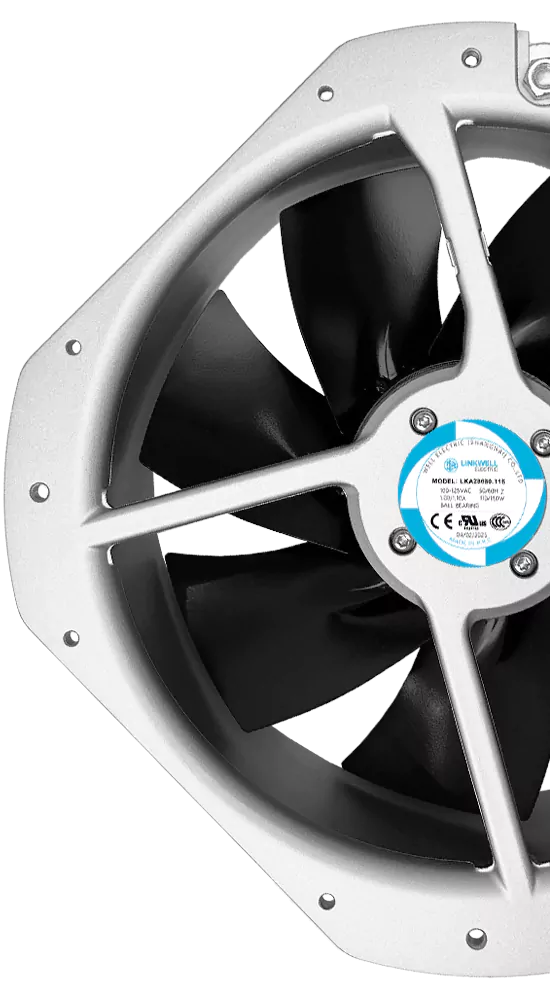
You might wonder which fan bearing works best for cooling systems. The right choice makes a huge difference—bearing failures account for 40% of cooling system breakdowns in major industries. Linkwell leads with innovative solutions and reliable fan technology, always keeping you ahead of the curve.
Key Takeaways
- Choosing the right fan bearing is crucial for cooling system performance. It can significantly reduce breakdowns and improve airflow.
- Ball bearings offer longer lifespans and better reliability than sleeve bearings, making them ideal for high-demand applications.
- Fluid dynamic bearings provide ultra-quiet operation and durability, perfect for environments where noise reduction is essential.
Why Fan Bearing Choice Matters
Bearing Impact on Cooling Performance
You might not realize how much the right bearing affects your cooling system’s performance. When you choose a fan bearing made from advanced materials like fluorocarbon or PTFE, you get reduced friction and steady lubrication. This means lower bearing temperatures and better airflow. Ventilation systems boost airflow and drop ambient temperatures, which is key for enclosed machinery. Fans direct air exactly where you need it, helping manage heat and improving cooling efficiency.
- Bearings play a huge role in how well your fan moves air and keeps temperatures down.
- Oil-jet cooling in ball bearings shows that air-oil distribution changes temperature inside the bearing. More oil means cooler bearings and better performance.
- If you want consistent cooling, you need bearings that can handle the demands of your application.
Linkwell’s Computer Chassis Fan, Axial fan, and DC Fan products use high-quality bearings to maximize cooling performance. You get reliable airflow and stable temperatures, even in tough environments.
Tip: Always check the bearing type when you select a fan for your system. It can make or break your cooling performance.
Fan Service Life and Reliability
Bearings don’t just affect performance—they determine how long your fan lasts. Different bearing types offer different lifespans and reliability. Here’s a quick look:
| Bearing Type | Average Lifespan (hours) |
|---|---|
| Sleeve Bearing | 30,000 |
| Hydraulic Bearing | 40,000 |
| 1 Ball Bearing | 40,000 |
| 2 Ball Bearing | 50,000 – 100,000 |
Ball bearing fans usually last 50% longer than sleeve bearing fans at temperatures between 25º-60º C. At higher temperatures, ball bearing fans keep running while sleeve bearings fail. Sleeve bearings work best in low-temperature settings but struggle in high-demand applications due to fixed lubricant capacity.
Linkwell fans use premium bearings to ensure long service life and reliable performance. You get fewer breakdowns and less maintenance, which saves you time and money.
Fan Bearing Types Overview
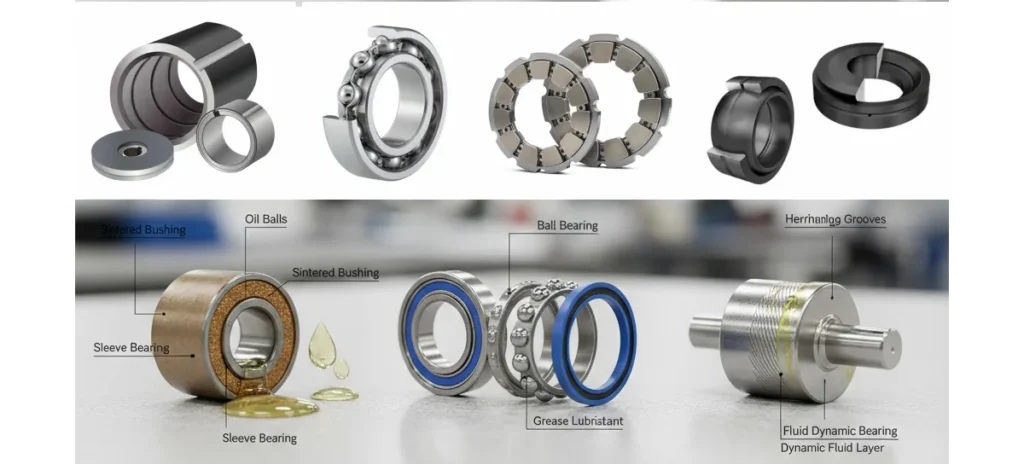
When you look at cooling fans, you’ll find several fan bearing types. Each one brings something different to the table. Let’s break down the main bearing types you’ll see in Linkwell fans and where they fit best.
Sleeve Bearings
You’ll often see sleeve bearings in budget-friendly or low-noise fans. These bearing types use a simple design with a lubricated sleeve around the shaft. You get quiet operation and low cost. Sleeve bearings work well in horizontal positions and cooler environments. Linkwell uses sleeve bearings in some DC fans and cabinet exhaust fans where you want silent running and steady airflow.
Note: If you need a fan for light-duty or office use, sleeve bearings might be your best pick.
Ball Bearings
Ball bearings stand out as the most popular choice for industrial and high-performance fans. These bearing types use tiny steel balls to reduce friction and handle higher temperatures. You get longer service life and better reliability. Ball bearings work in any orientation, so you can mount your fan however you want. Linkwell’s computer chassis fans, axial fans, and many DC fans use ball bearings for tough jobs and 24/7 operation.
- Ball bearings shine in telecom, automation, and energy storage applications.
- You’ll notice less noise over time compared to sleeve bearings.
Fluid Dynamic Bearings
Fluid dynamic bearings use a thin layer of oil and special grooves to keep the shaft floating. This design gives you ultra-quiet operation and a longer lifespan than sleeve bearings. You’ll see these bearing types in Linkwell’s advanced PWM fans and high-end DC fans. If you want the best mix of silence and durability, fluid dynamic bearings are a smart choice.
Hybrid Ceramic and Magnetic Bearings
Some Linkwell fans use hybrid ceramic or magnetic bearing types. Hybrid ceramic bearings combine steel and ceramic balls for less friction and more heat resistance. Magnetic bearings use magnetic fields to support the shaft, so there’s almost no wear. You get top-notch performance, super-long life, and almost silent running. These bearing types work best in demanding environments where you can’t afford downtime.
Choosing the right fan bearing types helps you match your cooling needs with the perfect Linkwell product.
Pros and Cons of Bearing Types
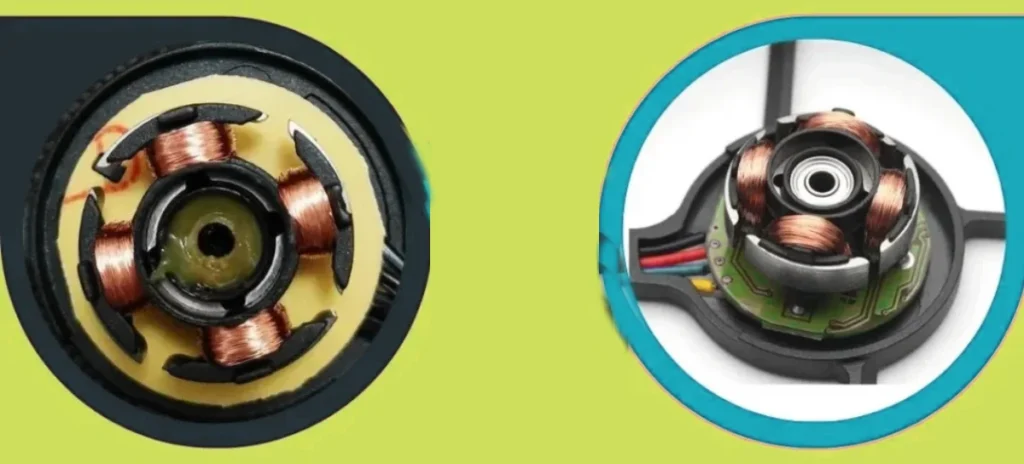
Choosing the right bearing for your cooling system can feel overwhelming. Each type brings its own strengths and trade-offs. Let’s break down what you can expect from sleeve bearing fans, ball bearing fans, and fluid dynamic or advanced bearings.
Sleeve Bearing Pros and Cons
Sleeve bearing fans are popular for their simplicity and quiet operation, especially when new. You might pick them if you want a budget-friendly solution for low to moderate workloads.
Pros:
- Lower initial cost makes them attractive for projects where you need to save money.
- Quiet operation at first, especially at lower speeds.
- Simple design means fewer moving parts.
Cons:
- Shorter lifespan compared to other bearings. As these fans age, they tend to get louder more quickly. The lubricant inside wears out faster, which leads to more noise and less efficiency.
- Best used in horizontal positions. If you mount them vertically, you may notice a drop in performance over time.
- Not ideal for high-temperature environments. They can generate more heat, which may lead to earlier replacement.
Note: Sleeve bearing fans start off quiet, but you’ll notice the noise level rises as they age. At higher speeds, they are quieter than some mixed bearing types, but their shorter lifespan means you’ll hear them get louder sooner.
| Feature | Sleeve Bearing Fans |
|---|---|
| Cost | Low |
| Noise (new) | Low |
| Noise (aged) | Increases quickly |
| Orientation | Best horizontal |
| Lifespan | Shorter |
Ball Bearing Pros and Cons
Ball bearing fans are the workhorses of the cooling world. You’ll see them in places where reliability and flexibility matter most.
Pros:
- Longer lifespan. Ball bearing fans keep running strong, even in high-temperature environments.
- Work well in any orientation. You can mount them however you need—sideways, upside down, or upright.
- Consistent noise level. While they might start off a bit louder than sleeve bearing fans, they don’t get much noisier as they age.
Cons:
- Higher upfront cost. You pay more at the start, but you get better durability and lower maintenance in the long run.
| Bearing Type | High Temperature Performance |
|---|---|
| Sleeve Bearings | Limited |
| Ball Bearings | Better resistance |
Tip: If you need a fan for 24/7 operation or a tough environment, ball bearing fans are a smart investment. They offer better value over time because you won’t need to replace them as often.
Fluid Dynamic and Advanced Bearings
Fluid dynamic bearings and advanced types like hybrid ceramic or magnetic bearings take performance to the next level. You’ll find these in high-end fans where silence and longevity are top priorities.
Pros:
- Ultra-quiet operation. Fluid dynamic bearings create a thin oil film that cuts down on vibration and noise. You get a fan that stays quiet, even after years of use.
- High damping ability. These bearings absorb vibrations, which helps your fan run smoothly and quietly.
- Longer lifespan than sleeve bearing fans. They also handle higher temperatures better.
- Advanced options like hybrid ceramic bearings reduce rolling resistance and boost efficiency. Magnetic bearings almost eliminate wear, giving you a fan that can last for years with minimal noise.
Cons:
- Higher cost. You pay more for these bearings, but you get top-tier performance and reliability.
- Fluid dynamic bearings operate at lower noise levels than traditional sleeve or ball bearings, and their noise doesn’t increase much over time.
- Hybrid ceramic and magnetic bearings help prevent overheating and system failures. They keep your cooling system reliable and efficient, even in demanding conditions.
If you want the quietest, most reliable fan for your critical systems, fluid dynamic or advanced bearings are the way to go.
| Feature | Fluid Dynamic/Advanced Bearings |
|---|---|
| Cost | High |
| Noise | Ultra-low, stays consistent |
| Orientation | Any |
| Lifespan | Longest |
| Vibration | Minimal |
When you compare these bearing types, think about what matters most for your application. Do you want low upfront cost, long service life, or the quietest operation? The right choice helps your cooling system run better, last longer, and stay quiet.
Fan Service Life and Maintenance
Factors Affecting Bearing Longevity
You want your fan to last as long as possible. The type of bearing you choose makes a big difference in fan service life. Bearings set the lifetime, stability, and maintenance costs for your cooling system. Environmental conditions like humidity and temperature also play a huge role. If your fan runs in a hot or damp place, bearings wear out faster. The design of the fan system matters too. A well-designed bearing and motor structure help your fan run smoothly and avoid breakdowns.
Improper installation can shorten bearing lifetime. If you load the bearing unevenly or let contaminants like water get inside, you risk early failure. Quality lubrication keeps bearings working longer. Check out this table for common installation mistakes and their impact:
| Factor | Impact on Longevity |
|---|---|
| Eccentric loading | Causes ductile and brittle fractures |
| Abnormal bearing loads | Leads to premature wear and failure |
| Quality of lubrication | Affects degradation of bearing materials |
| Contaminants (e.g., water ingress) | Exacerbates wear and reduces lifespan |
Extending Fan Service Life with Linkwell Fans
You can boost fan service life with the right maintenance. Different bearings need different care. Here’s a quick guide:
| Bearing Type | Maintenance Practice |
|---|---|
| Non-Sealed Bearings | Apply 1–2 drops of synthetic oil every 1–2 years; avoid generic oils with abrasive additives. |
| Wipe excess oil gently to prevent dust attraction. | |
| Sealed Bearings | No lubrication needed; replace if grinding/clicking noises occur. |
| Magnetic Levitation Bearings | Maintenance-free; ensure proper shaft alignment during installation to maintain efficiency. |
Linkwell fans use premium bearings like dual ball bearings and advanced sleeve bearings. These bearings reduce noise and extend the lifetime of your fan. You get stable performance even when your fan runs nonstop. Linkwell’s robust design helps your fan achieve a longer life span, so you spend less time on maintenance and more time enjoying reliable cooling.
Tip: Choose a fan with the right bearing and follow proper maintenance steps. You’ll get the most out of your fan and keep your cooling system running strong.
Choosing the Right Bearing for Your Application
Matching Bearing Types to Linkwell Products
You want your cooling system to run smoothly, so matching the right bearing to your application is key. Each Linkwell fan model pairs best with certain bearing types. Here’s a quick guide to help you decide:
| Bearing Type | Best Matched Applications |
|---|---|
| Sleeve Bearings | Small fans for offices or telecom cabinets |
| Ball Bearings | Electrical enclosure fans needing versatile use |
| Roller Bearings | Large industrial fans and split pillow block designs |
| Fluid Dynamic Bearings | Advanced fan filter units needing silent operation and long life |
If you work in a high-humidity or dusty environment, sealed or shielded bearings protect against contamination. For extra durability, choose corrosion-resistant materials like stainless steel or ceramic.
Orientation matters, too. Check out how different bearings perform:
| Bearing Type | Suitable Orientation | Performance Characteristics |
|---|---|---|
| Ball Bearings | Vertical | Enhanced durability, handles increased loads effectively. |
| Sleeve Bearings | Horizontal | Cost-effective, supports weight of rotating components well. |
Practical Selection Tips
Picking the right fan bearing doesn’t have to be complicated. Start by thinking about your environment, cooling needs, and budget. Here are some tips to make your choice easier:
- Assess your cooling requirements. Some systems need more airflow or run hotter than others.
- Consider noise levels. Offices and quiet spaces benefit from fluid dynamic bearings.
- Think about mounting orientation. Ball bearings work well in any position, while sleeve bearings prefer horizontal mounting.
- For harsh or dirty environments, sealed bearings or metal shields help keep contaminants out and maintain efficiency.
| Factor | Description |
|---|---|
| Cooling Needs | Match the bearing to your system’s thermal demands. |
| Budget Considerations | Balance cost with expected lifespan and performance. |
| Noise Levels | Choose bearings that keep your fan quiet where silence matters. |
Linkwell offers full customization for OEM and ODM clients. You can request minor tweaks or complete product tailoring. Every fan undergoes finished product inspection, so you get quality and reliability every time.
Tip: If you’re unsure which bearing fits your needs, reach out to Linkwell’s team for expert advice and custom solutions.
Conclusion
You’ve seen how the right bearing can make or break your cooling system. When you compare fan bearing types, you notice each one brings unique strengths. Sleeve bearings work well for fixed-orientation, low-cost projects. Ball bearings offer shock tolerance and flexibility in mounting. Fluid dynamic bearings give you quiet operation and long life. Here’s a quick table to help you remember:
| Bearing Type | Application | Key Characteristics |
|---|---|---|
| Sleeve | Fixed-orientation, low-cost | Cost-effective, suitable for low-stress applications |
| Ball | Shock tolerance, orientation flexibility | Higher durability, versatile in various orientations |
| FDB | Low noise, long life | Best for quiet operation and longevity |
You want your fan to last, so always check the bearing claims in datasheets. Prototype with real temperature and PWM profiles. Think about total cost of ownership, not just the upfront price. If you’re designing a system, talk to bearing and thermal experts early. Use vendor test reports to guide your choices. Compare technologies and life claims across manufacturers.
Choosing the right bearing means you get reliable cooling, less noise, and fewer breakdowns. Linkwell’s fans use advanced bearing technology to deliver efficiency and durability. You can customize your fan for your environment and application. If you need help, Linkwell’s team is ready to support you.
Tip: Match your bearing to your cooling needs, and your fan will keep your system running strong for years.
You’ve seen how each fan bearing type affects cooling performance and service life. Sleeve bearings offer quiet operation and low cost, while ball bearings give you durability and flexible mounting. Fluid dynamic bearings keep your fan silent and reliable for years. Linkwell’s fan solutions use advanced bearings to boost efficiency and reduce downtime.
If you need help choosing the right fan, Linkwell’s technical team provides free consultations and complete system design. Check out this table to see why customers reach out for tailored cooling solutions:
| Service Type | Details |
|---|---|
| AC Fans | Optional voltages, airflow range, noise levels, suitable for various applications. |
| DC Fans | Intelligent speed regulation, built-in fault detection, suitable for precision applications. |
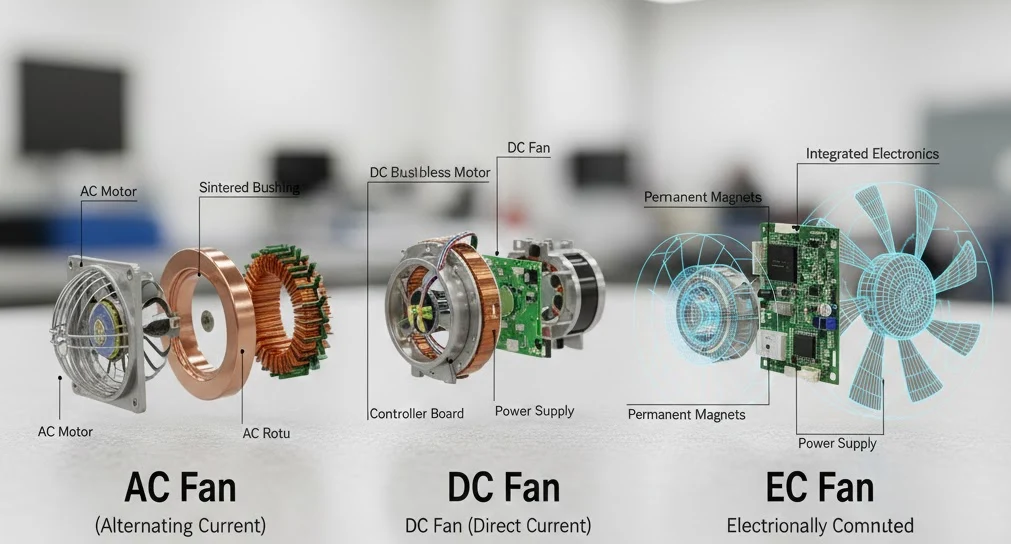
| EC Fans | Multi-voltage support, high efficiency, suitable for data centers and smart buildings. |
| Special Customization Services | Options for size, material, function, and certification customization. |
| Technical Support | Free consultations, system design services, installation guidance, and lifelong support. |
You can rely on Linkwell’s fan expertise for your industrial control panels, telecom stations, CNC machines, and energy systems. Their team has twenty years of experience and offers rapid support. Explore Linkwell’s fan product range for cooling solutions that fit your needs.
FAQ
Can I upgrade my fan bearing for better performance?
Yes, you can upgrade your fan bearing. Choose a type that matches your cooling needs and installation. Watch a fan bearing types video for step-by-step help.
How often should I replace fan bearings?
You should check your fan every year. Replace bearings if you hear grinding, see wobbling, or notice less airflow.
What are signs of a failing fan bearing?
Look for unusual noise, vibration, or overheating. If your fan slows down or stops, the bearing may need attention.