




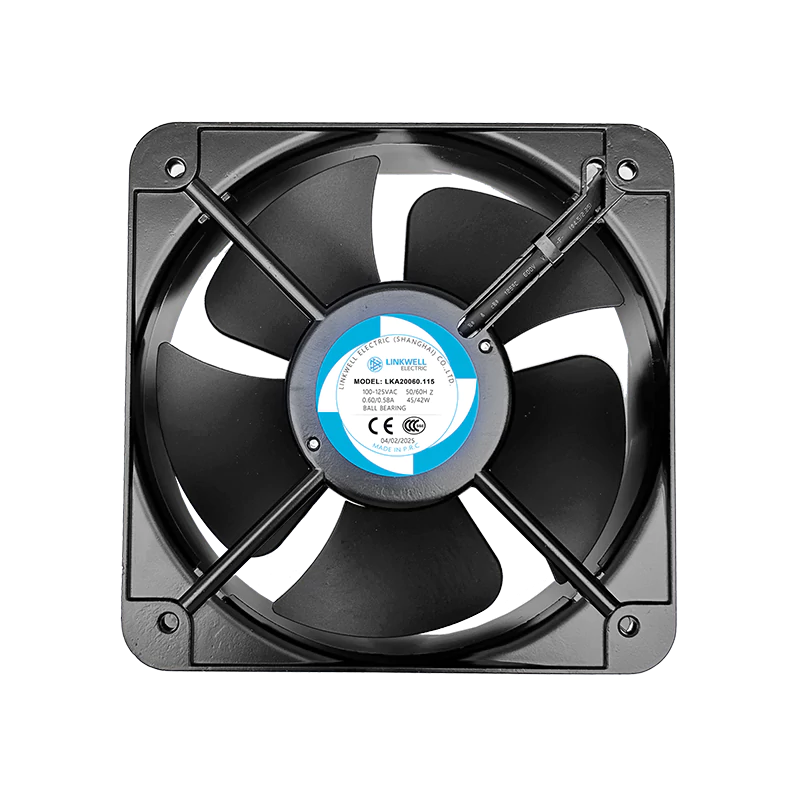
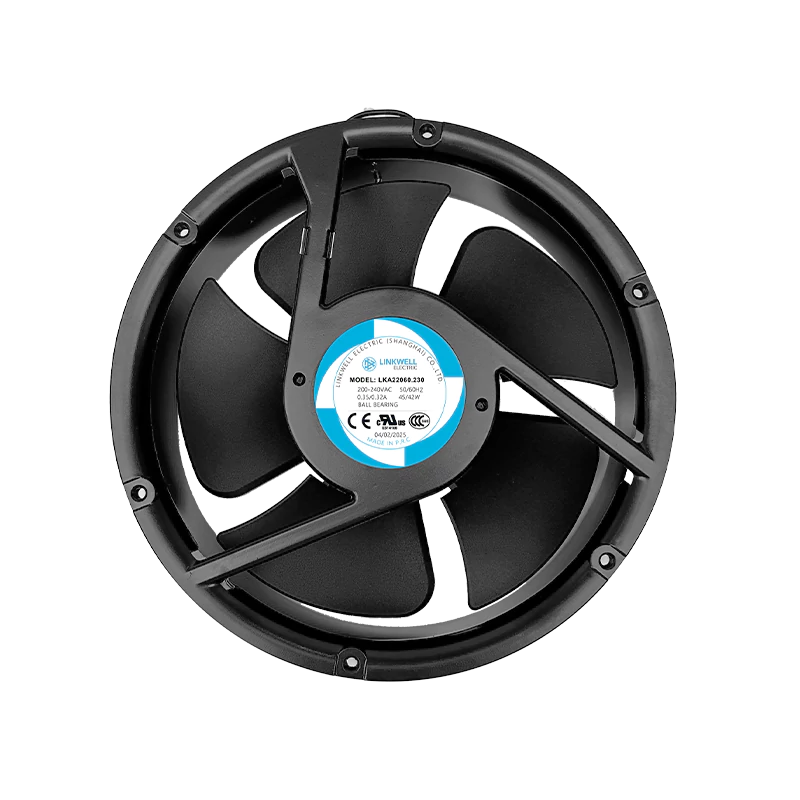
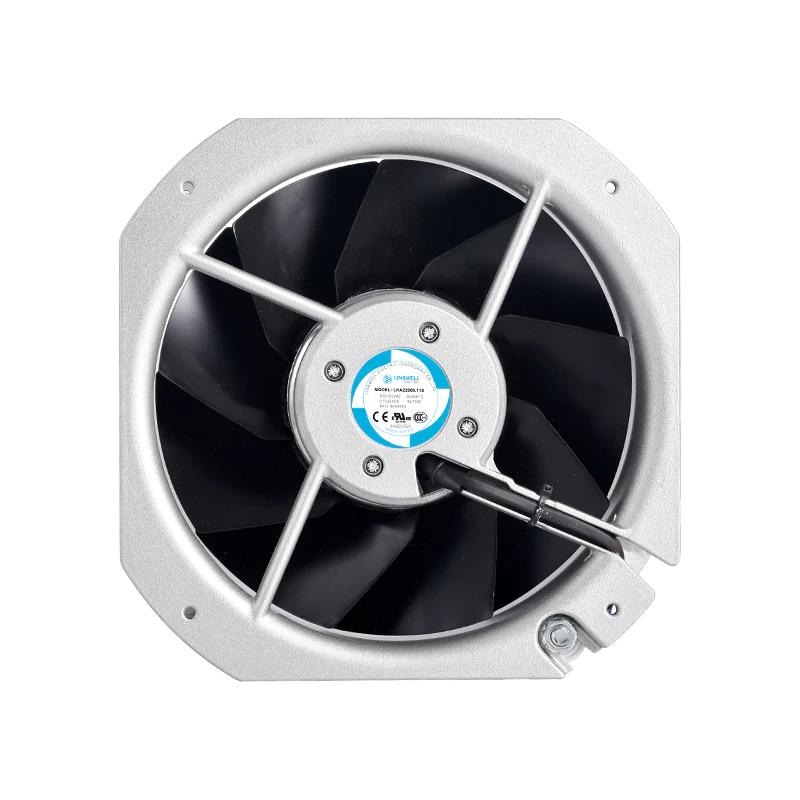
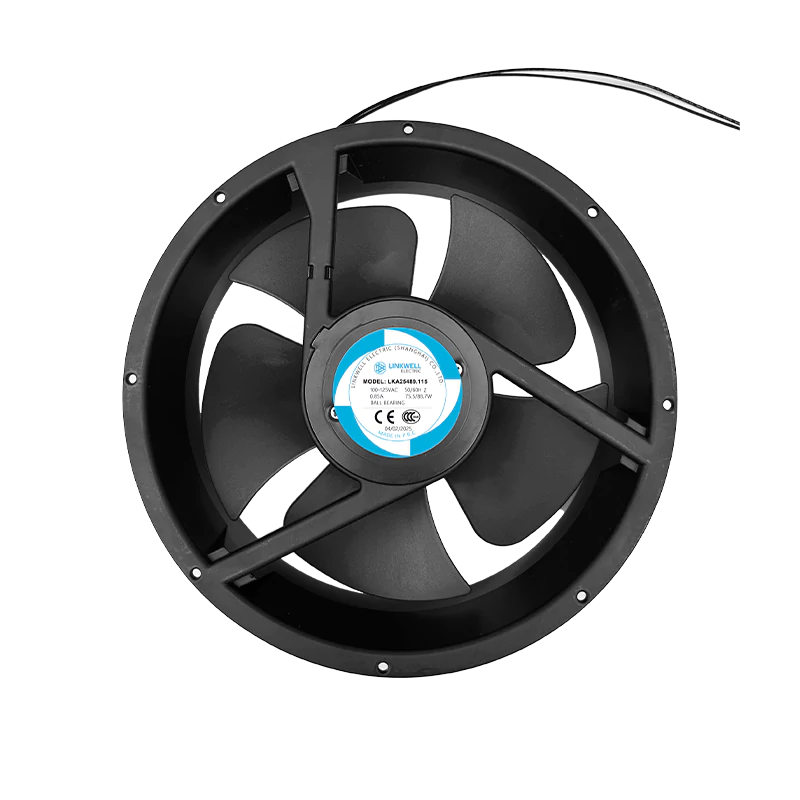
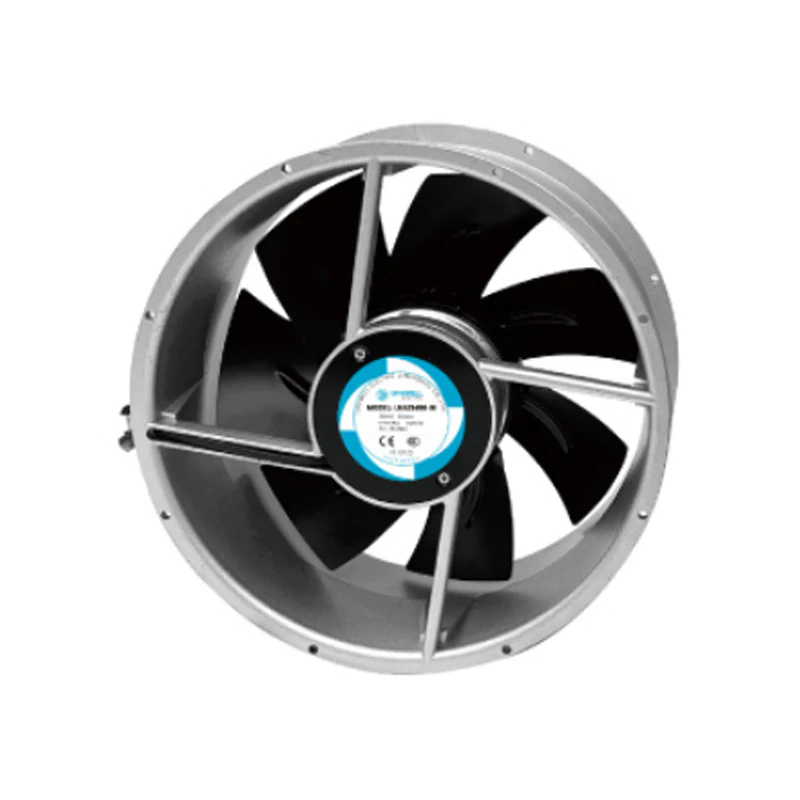
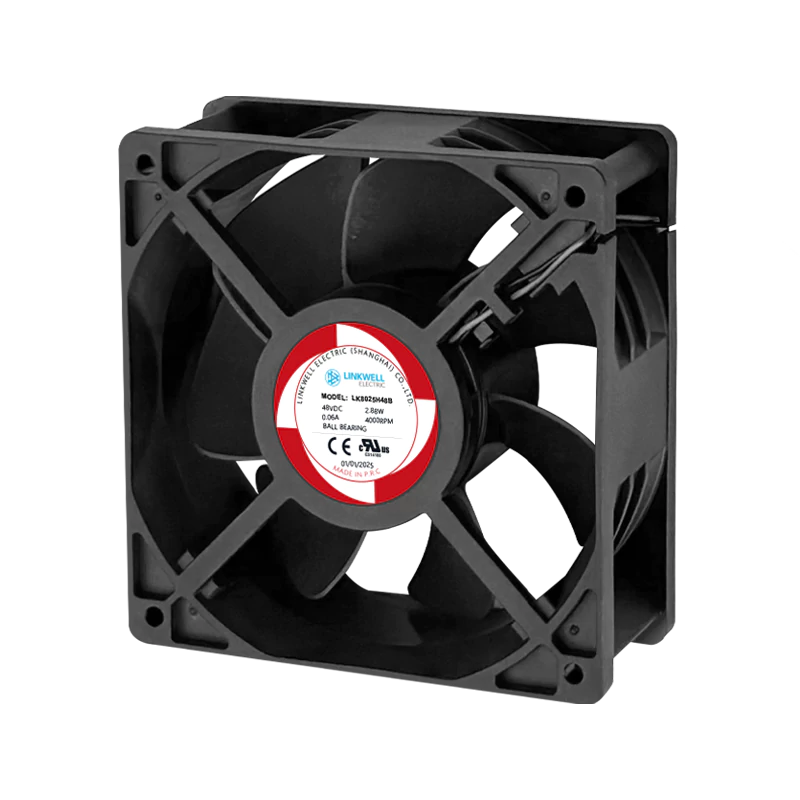
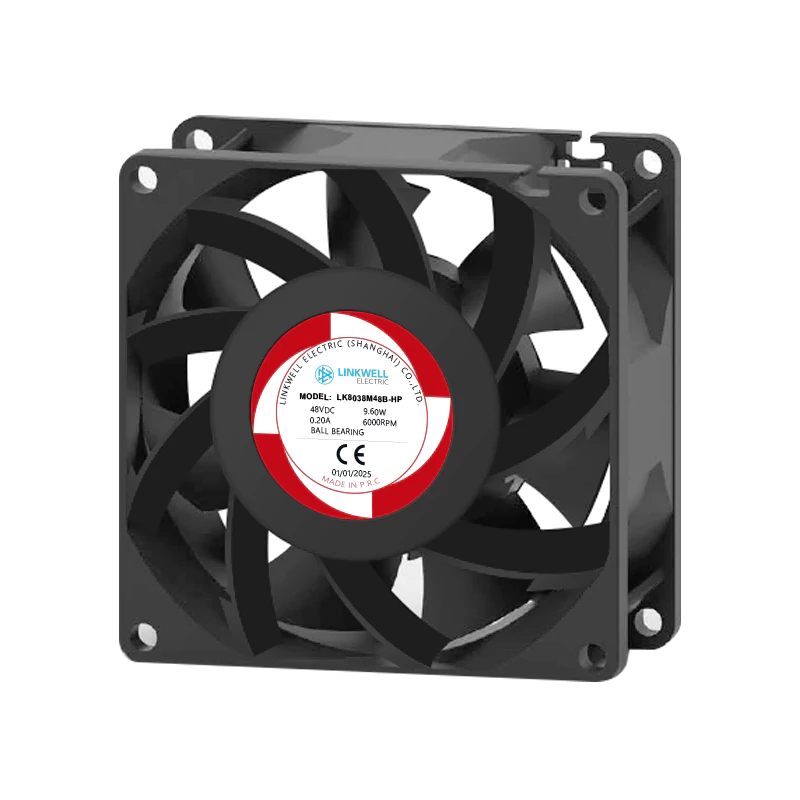
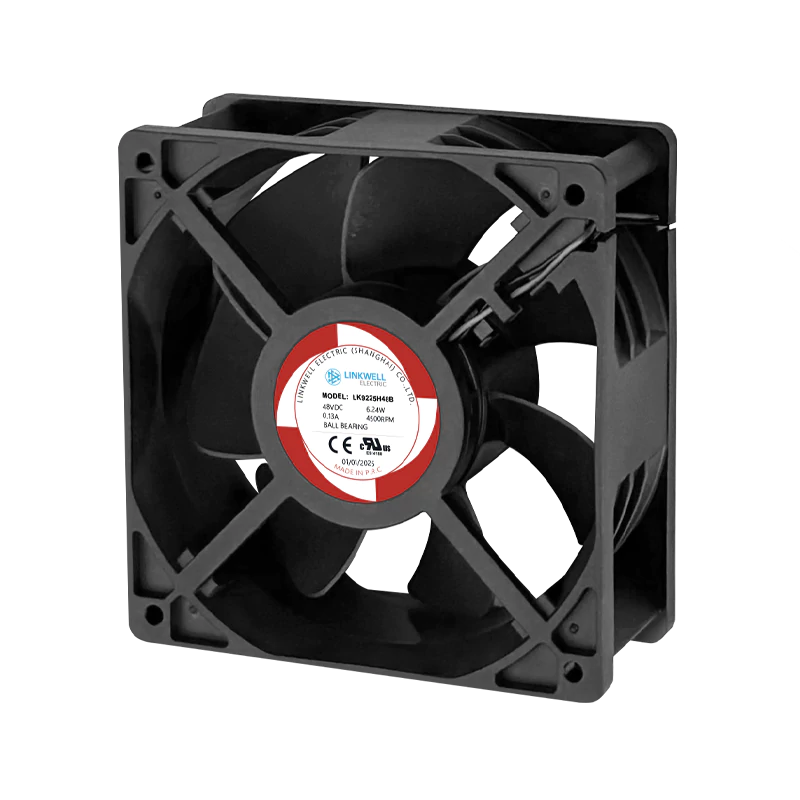
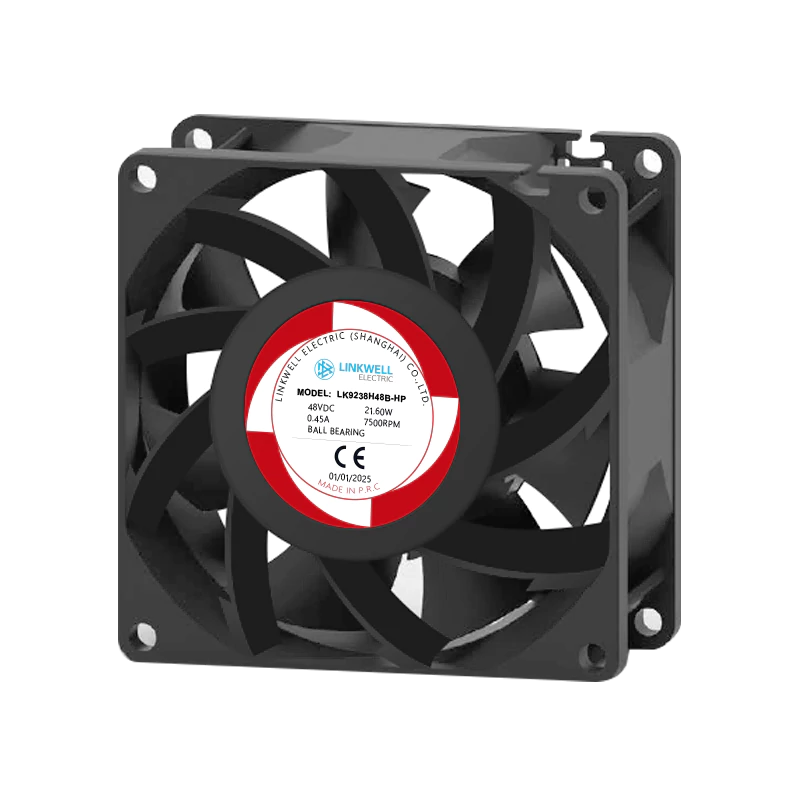
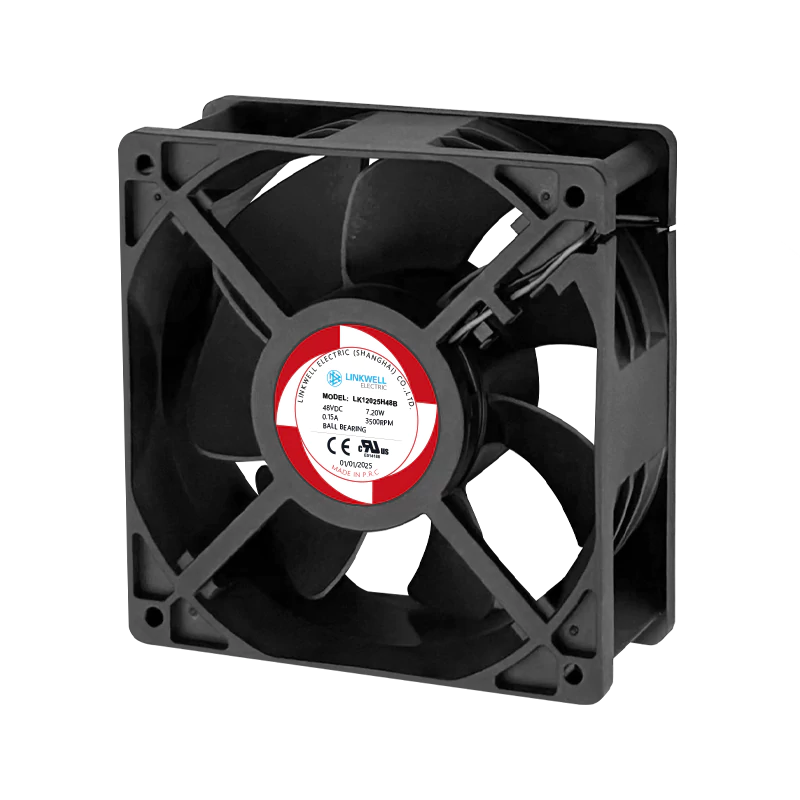
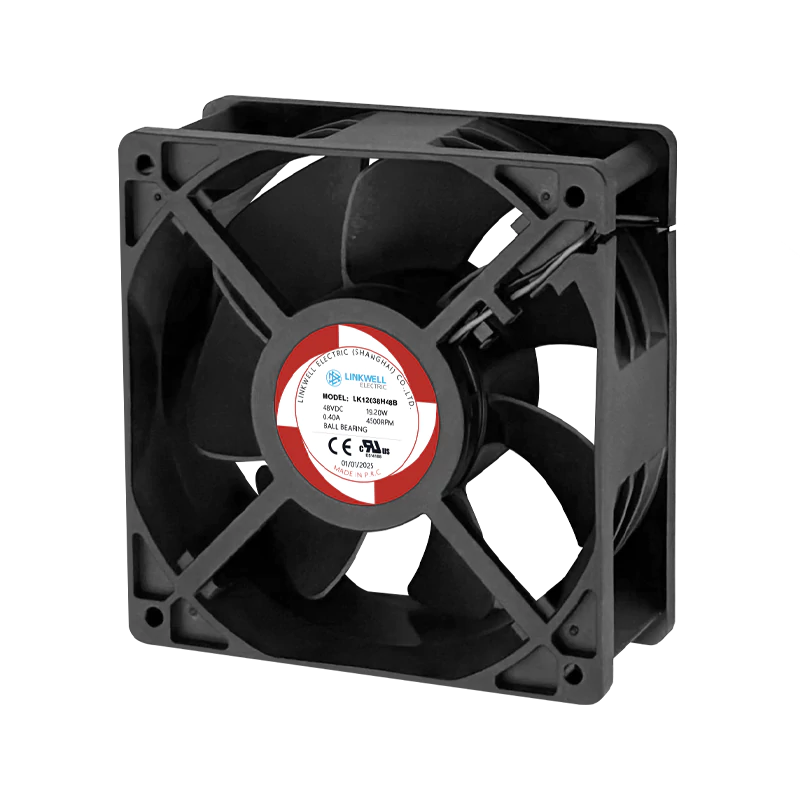
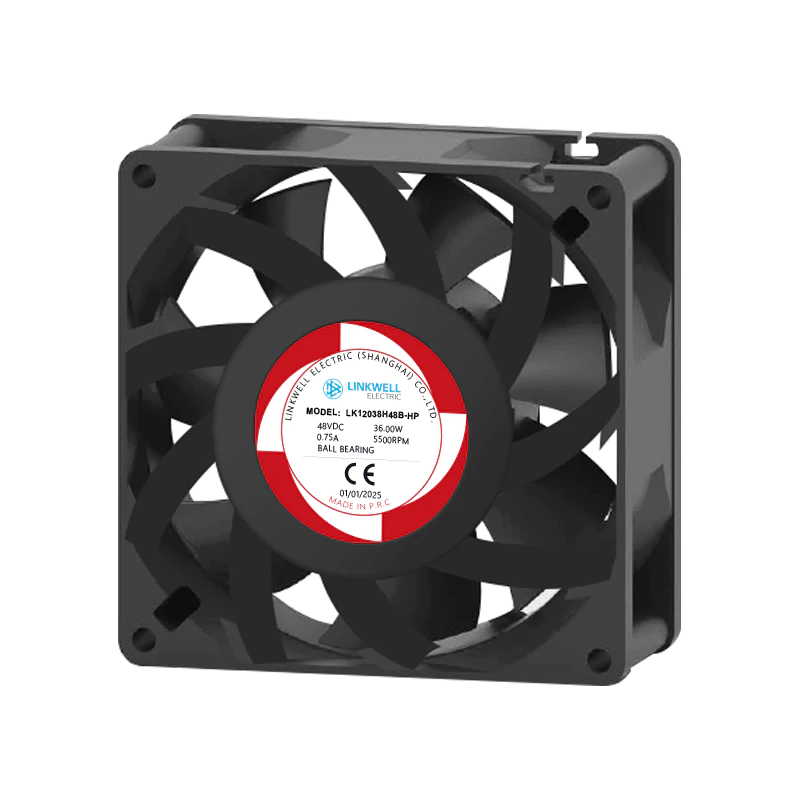
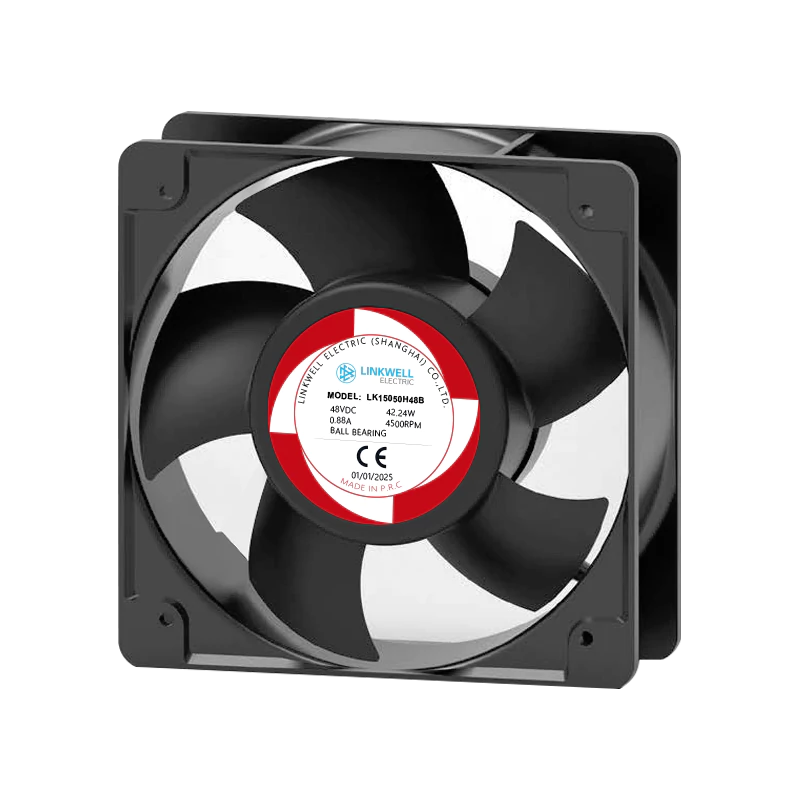
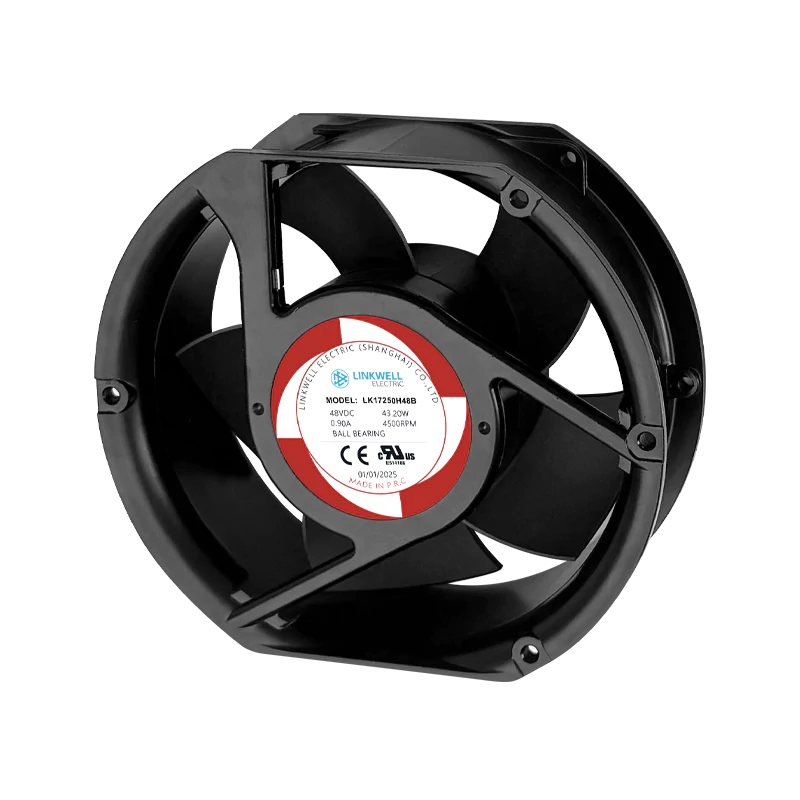
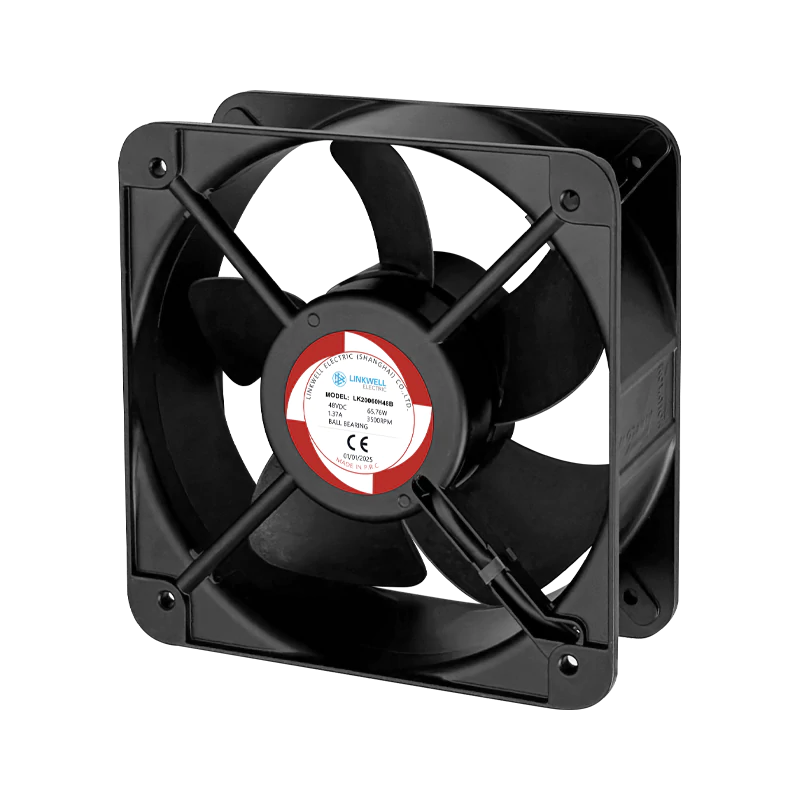
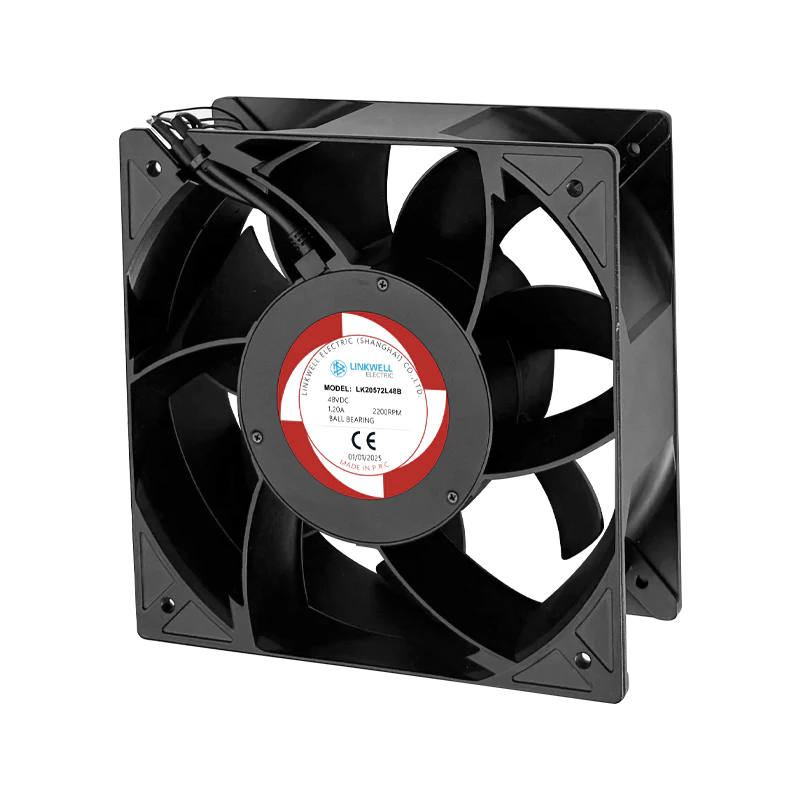
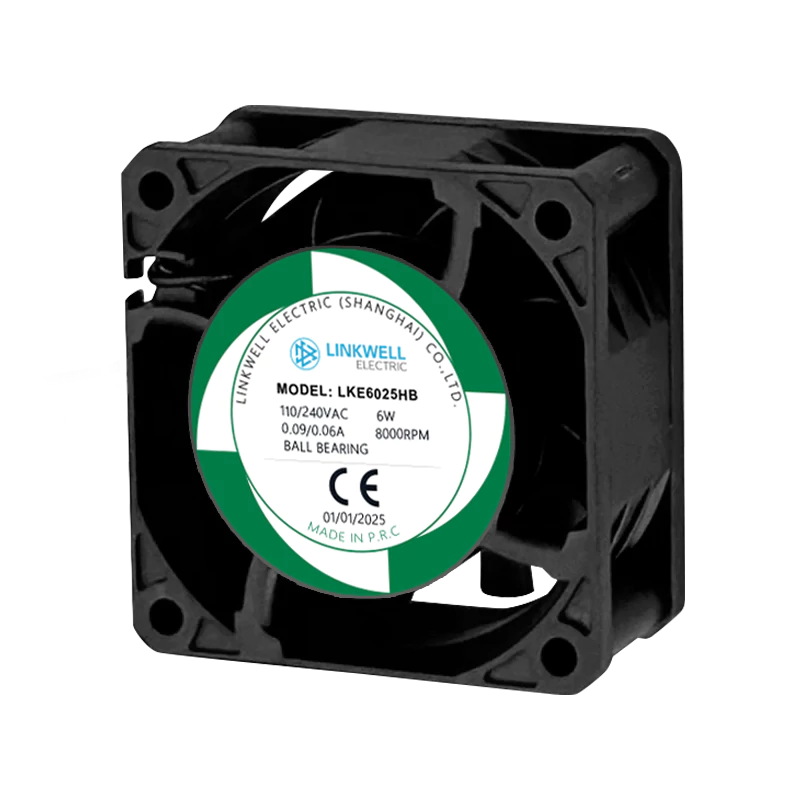
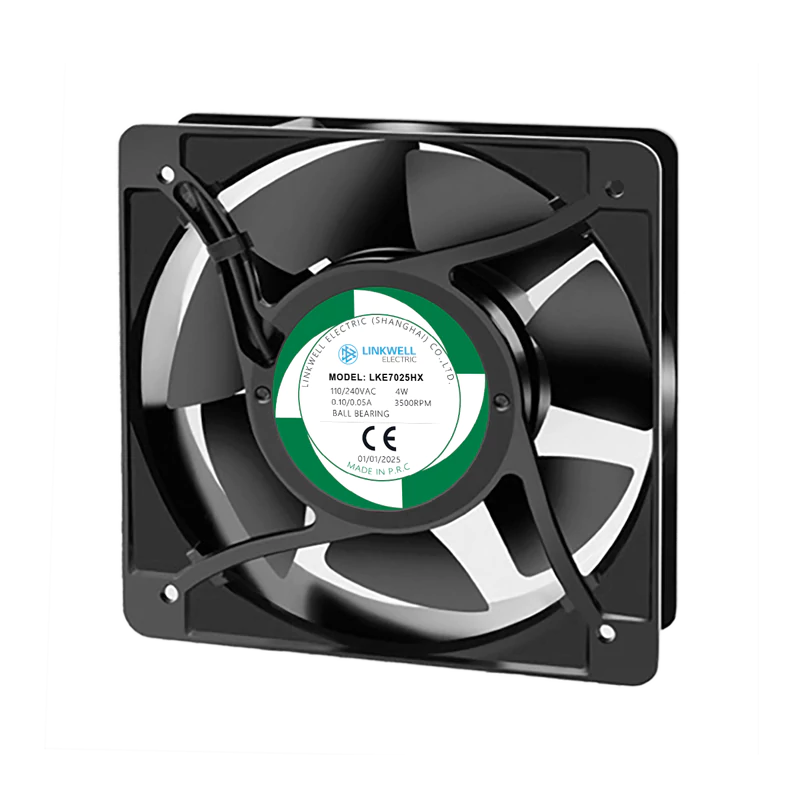
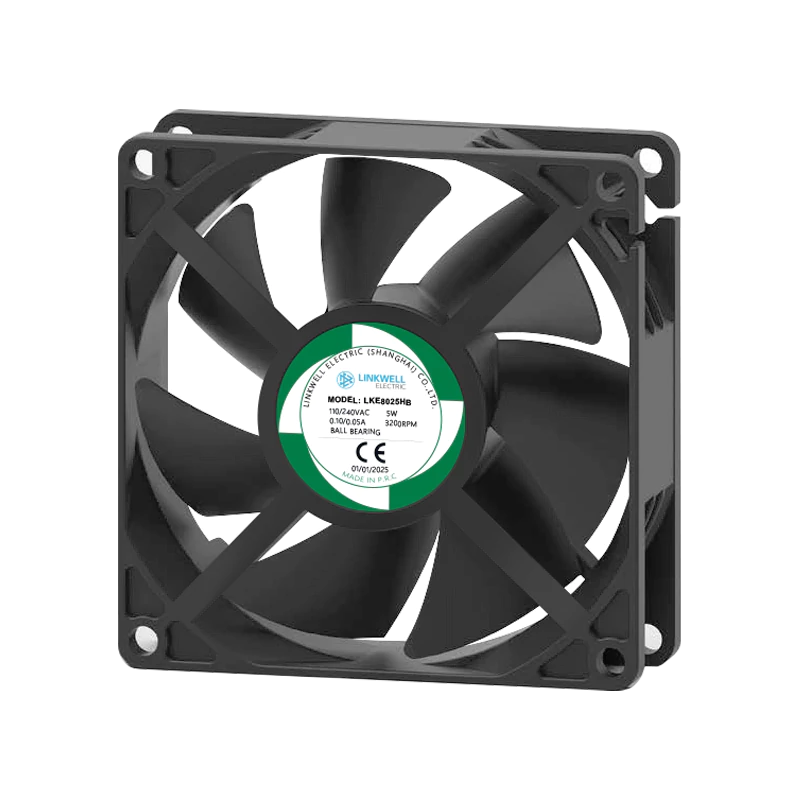
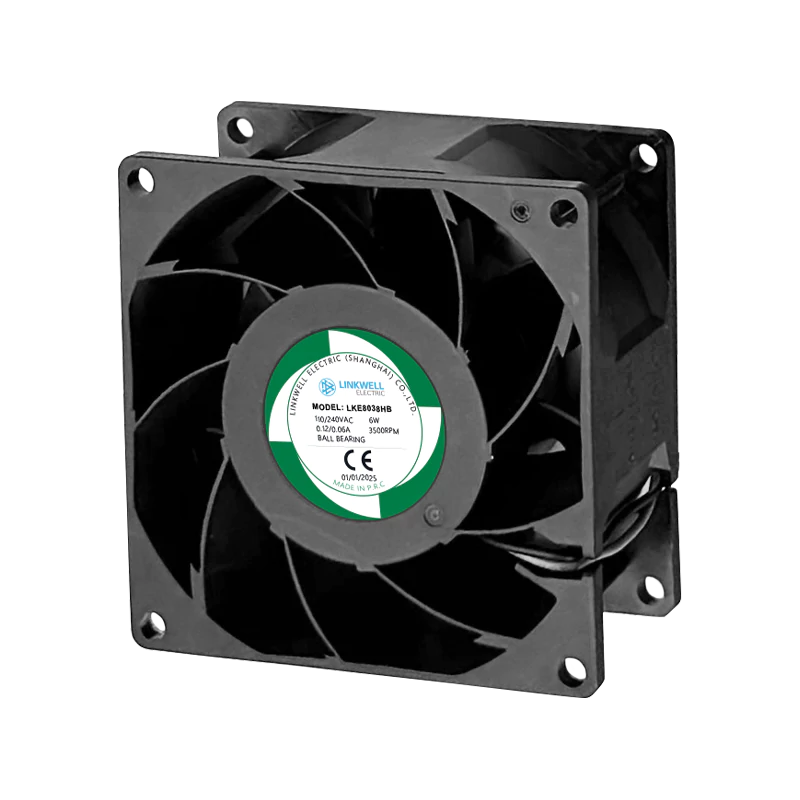
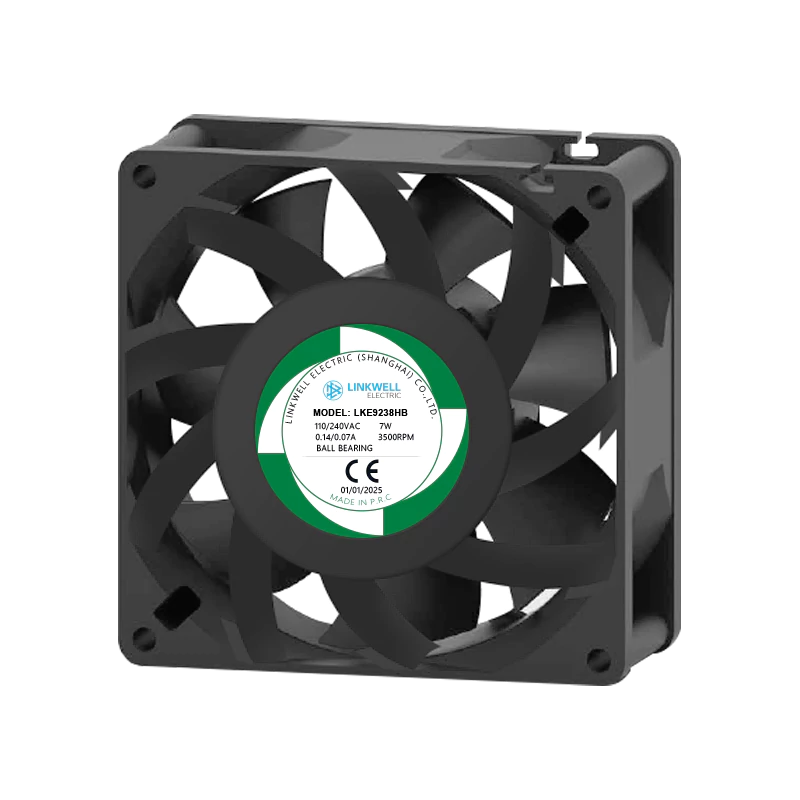
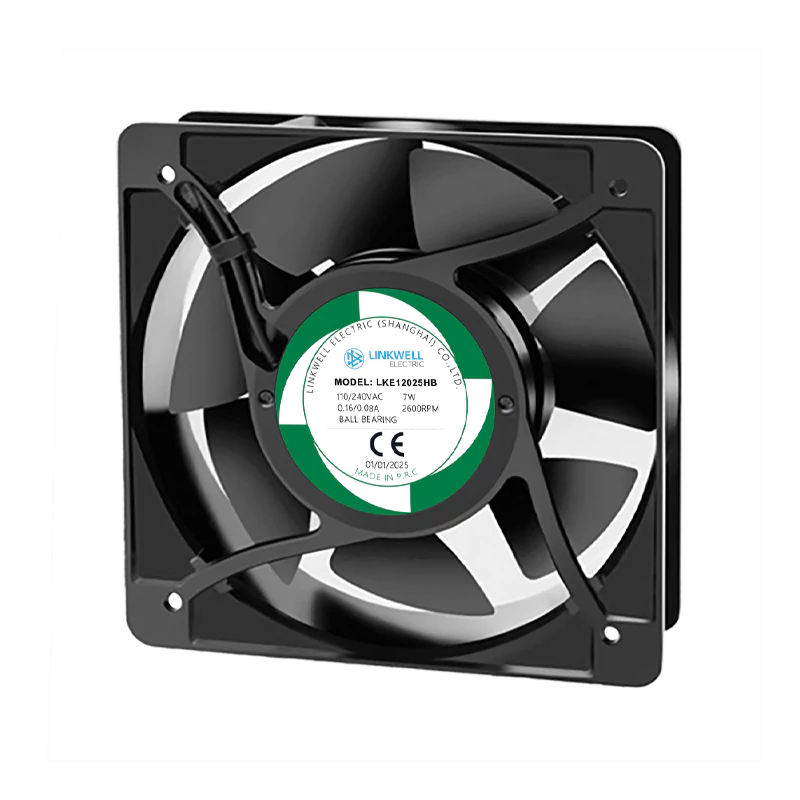
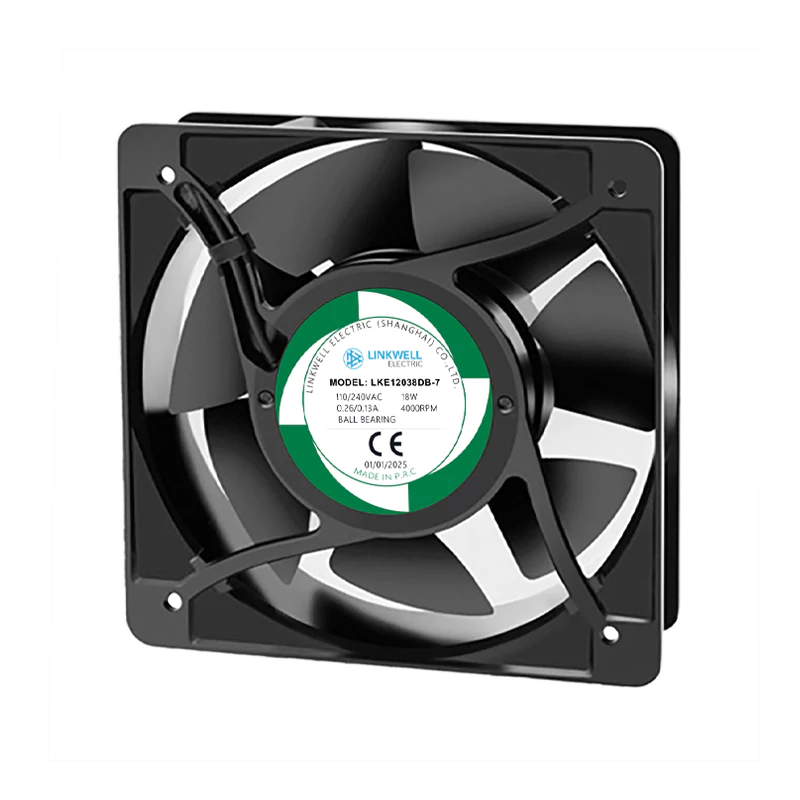
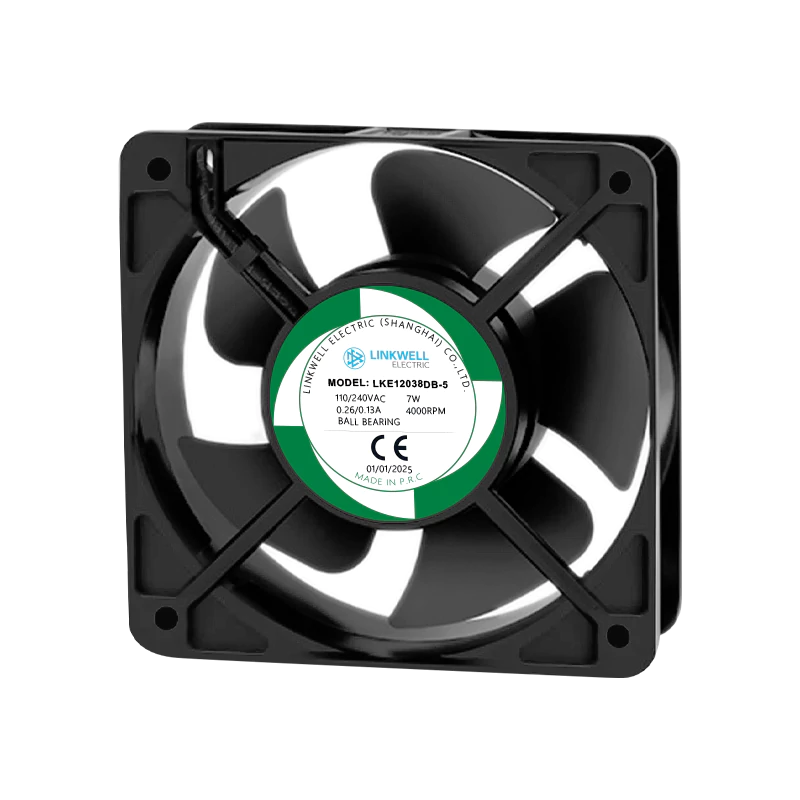
The Trusted Source for Durable Cooling Fans

Low Voltage Fan DC & EC for Modern Electronics

Safe, efficient, and intelligent cooling for 12V, 24V and 48V systems. PWM control, tachometer output, and IP68 protection in ultra-compact packages.
Lifespan
0
Cool Number
0
Certified
0
low voltage fan

What is a Low Voltage Fan?

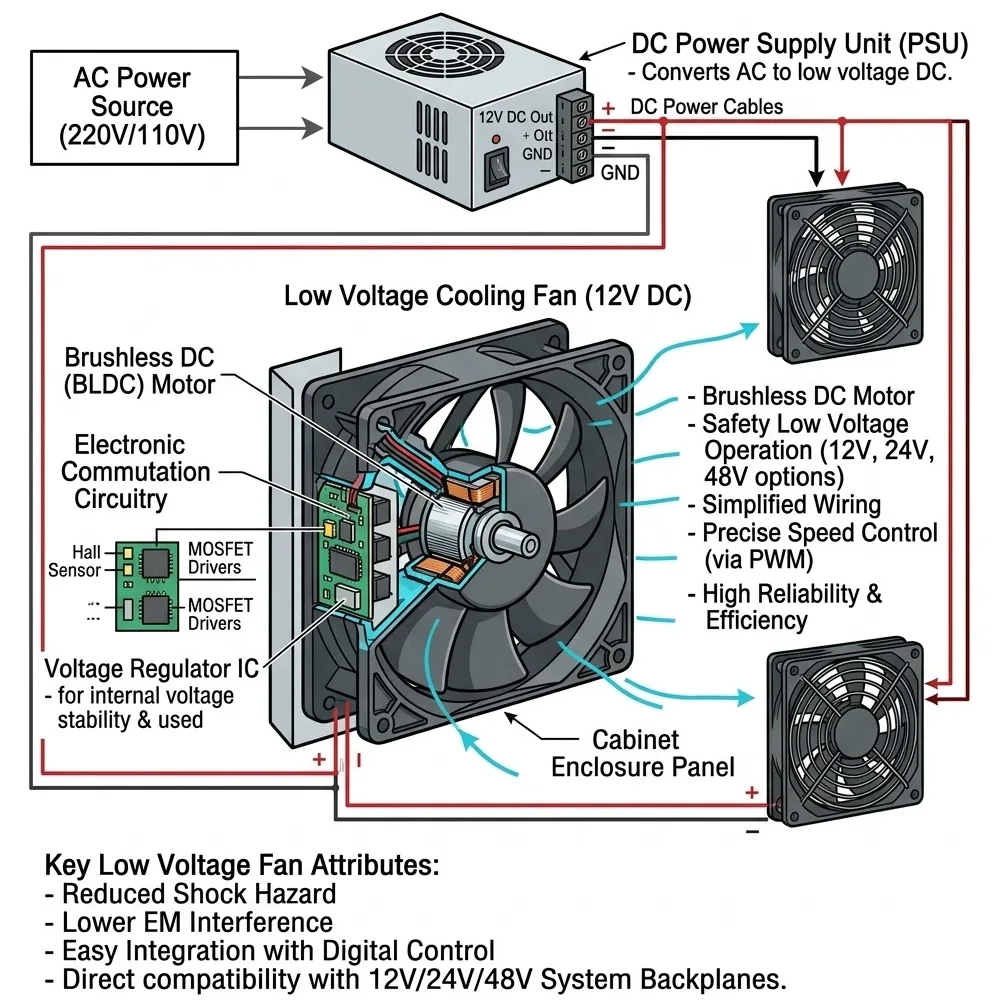
A low voltage fan operates at ≤60V DC (typically 5V, 12V, 24V, 48V) – the safety extra‑low voltage (SELV) range. Unlike AC fans, they offer precision speed control, low EMI, and direct battery compatibility. LINKWELL low voltage DC and EC fans are the top choice for electronics, automation, and e‑mobility.

Our Low Voltage Fan Families

All DC and EC fans inherently support low‑voltage operation. Choose the right platform for your application.

12V DC Fans

We utilize proprietary automated assembly lines, including custom machinery for processes, ensuring consistency and high-volume output.

IP54 / IP68
 

24V DC Fans

Industrial standard: robotics, control cabinets, AGV. High static pressure up to 18 mmH₂O, dual ball bearing, 50,000 hr @40°C.

locked rotor alarm

48V DC / EC Fans

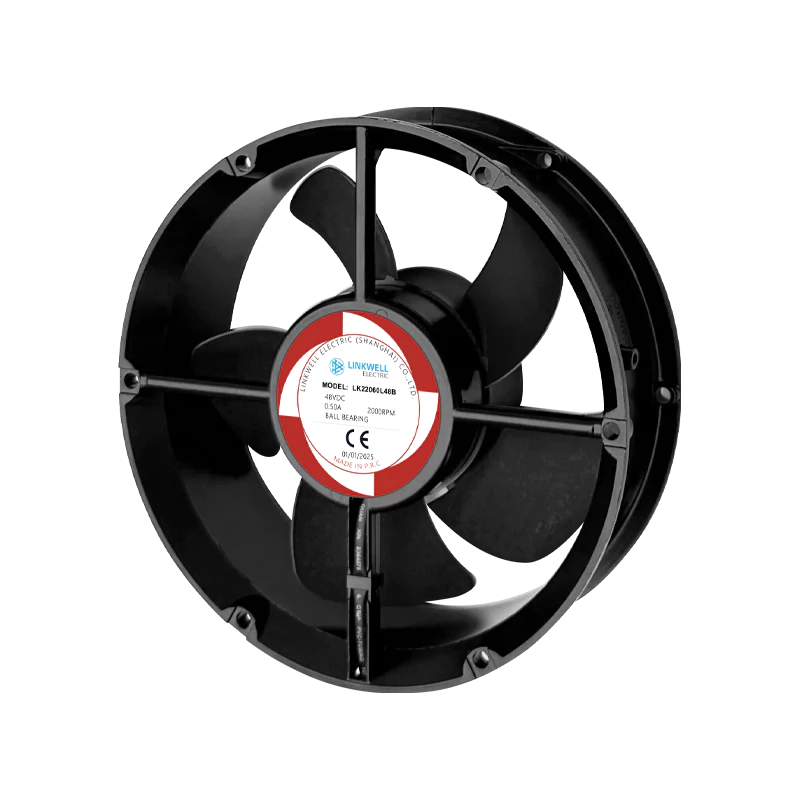
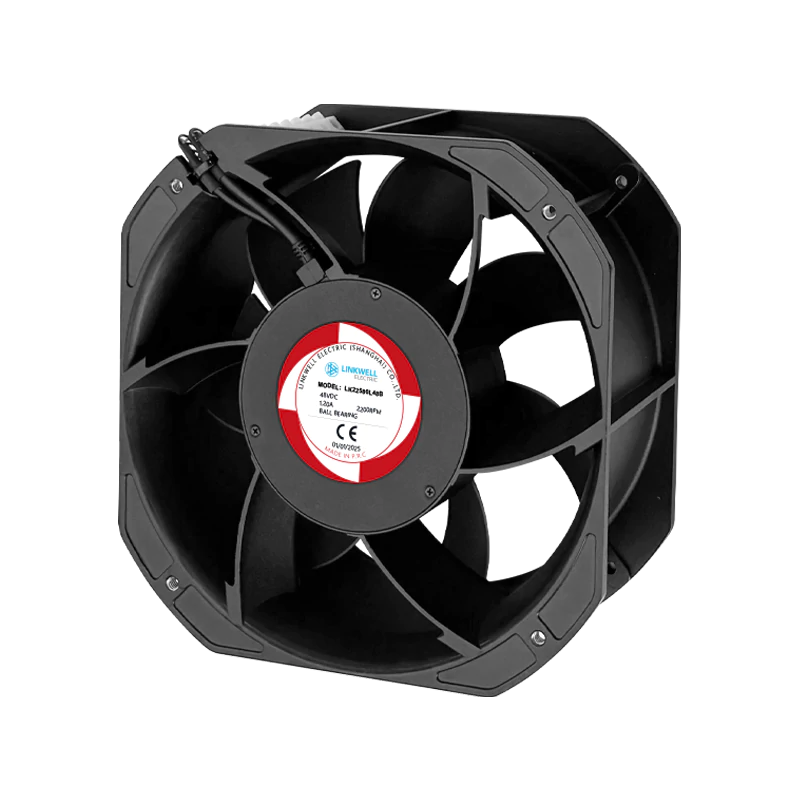
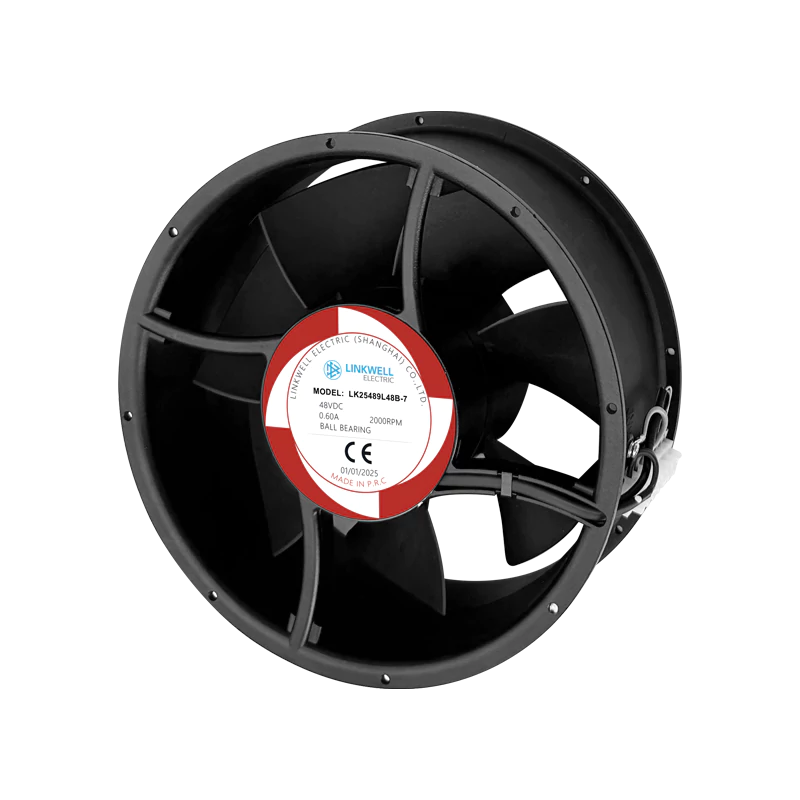
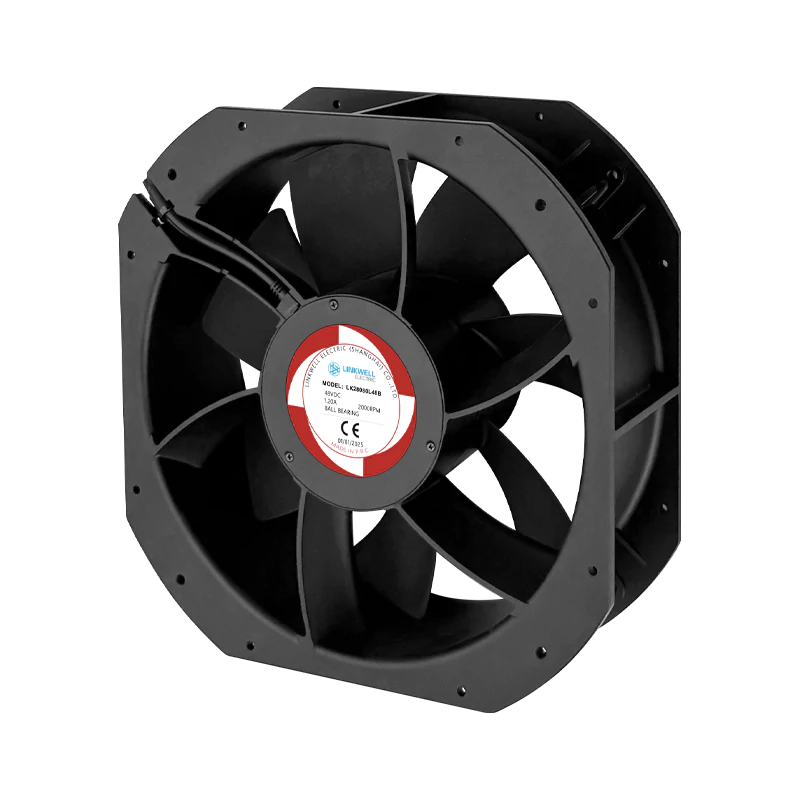
Telecom & data center ready. EC version consumes 75% less power, 0‑10V/PWM control, ideal for 48V rack cooling.

80Plus efficiency

80-280mm

Size Range

110 V / 220 V

Voltage

–30°C ~ 80°C

Operation Temperature

50,000 hour

Service Life

Fan

Model

Size

(mm)

Voltage

(VAC)

Power

(W)

Speed

(RPM)

Airflow

(CFM)

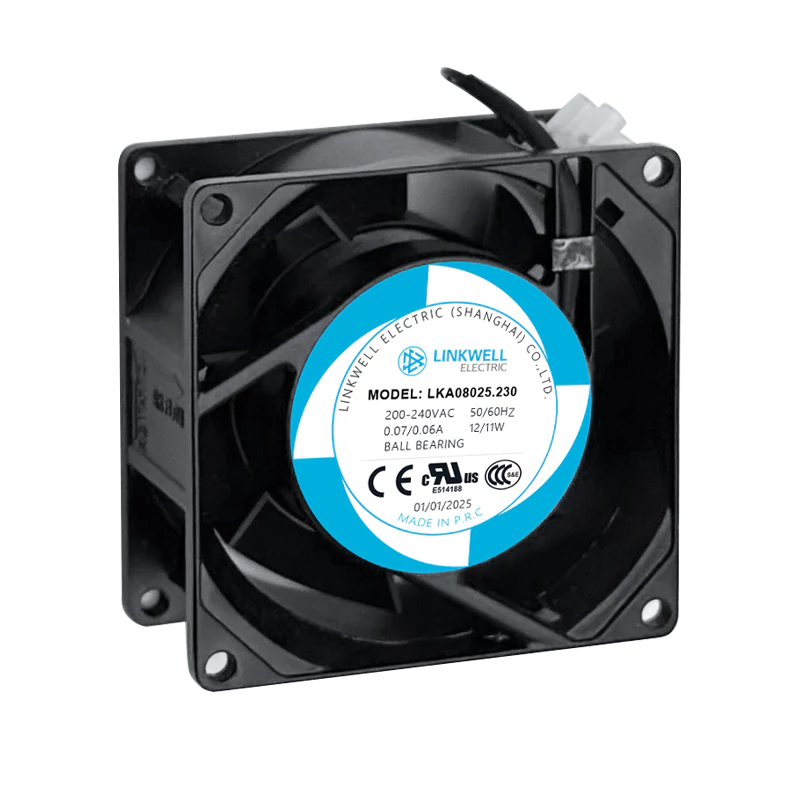
80×80×25
110, 220
12/11
2500/2800
16.5/18.2
80×80×38
110, 220
13/12
2300/2500
47.6/56.1
92×92×25
110, 220
12/11
2350/2700
42.2/52.7
110×110×25
110, 220
12/11
2000/2200
41/45
120×120×25
110, 220
12/11
1800/2000
45/52.8
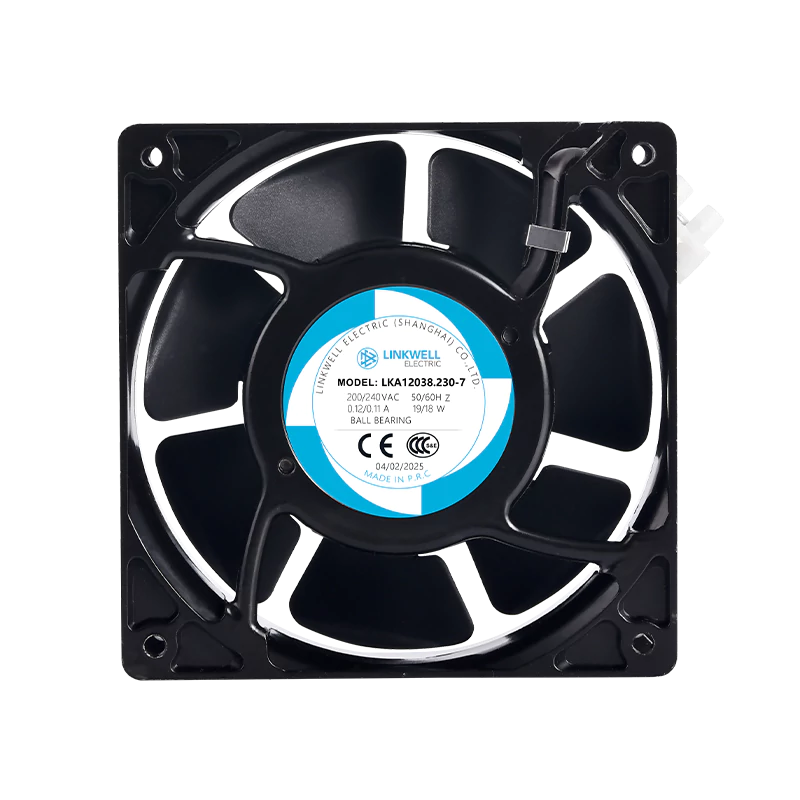
120×120×38
110, 220
19/18
2600/2900
77/82
120×120×38
110, 220
19/18
2500/2700
80/88
135×135×38
110, 220
20/18
2600/2800
86/95
150×150×51
110, 220
30/28
2700/3000
150/160
150×150×51
110, 220
32/30
2500/2600
175/185
172×150×38
220
30/29
2800/3300
184/225
172×150×51
110, 220
30/28
2700/3000
150/160
172×150×51
110, 220
32/30
2500/2600
175/185
172×172×52
220
40/39
2700/3200
233/281
172×162×55
110, 220
37/35
2800/3100
175/190
180×180×60
110, 220
42/40
2700/3000
260/290
202×202×60
110, 220
45/42
2600/2700
320/330
205×205×72
110, 220
60/80
2800/3200
630/680
220×60
110, 220
45/42
2600/2700
320/330
220×220×60
220
61/77
2550/2780
585/649
225×225×80
110, 220
55/65
2600/2800
500/545
254×89
110, 220
50/70
2550/2450
492/433
254×254×90
220
86/104
2660/3000
860/1003
280×280×80
110, 220
110/150
2550/2700
1015/1050

DC Fan Series

Fan

Model

Size

(mm)

Voltage

(VAC)

Power

(W)

Speed

(RPM)

Airflow

(CFM)

80×80×25
12, 24, 48
0.96 – 3.00
2500 – 4000
26.67 – 44.05
80×80×38
12, 24, 48
2.88 – 21.60
4000 – 8000
46.54 – 102.23
92×92×25
12, 24, 48
1.56 – 6.24
2500 – 4500
38.12 – 73.2
92×92×38
12, 24, 48
3.24 – 21.60
4000 – 7500
67.27 – 126.12
120×120×25
12, 24, 48
1.80 – 7.20
2000 – 3500
60.23 – 105.4
120×120×38
12, 24, 48
3.60 – 19.20
2500 – 4500
95.54 – 171.7
120×120×38
12, 24, 48
9.60 – 36.00
3500 – 5500
155.64 – 244.57
150×150×50
12, 24, 48
13.20 – 42.24
3000 – 4500
220.94 – 311.41
172×150×51
12, 24, 48
14.40 – 43.20
3000 – 4500
215.64 – 306.42
172×150×51
24, 48
156 – 245
6500 – 8000
490 – 605
200×200×60
12, 24, 48
25.80 – 65.76
2500 – 3500
380.17 – 532.24
205×205×72
12, 24, 48
57.6 – 120.0
2200 – 3300
531.3 – 798.3
220×60
12, 24, 48
24.0 – 57.6
2000 – 3000
396.7 – 581.0
225×225×80
12, 24, 48
57.6 – 120
2200 – 3300
533.5 – 806.0
254×89
12, 24, 48
19.2 – 96
2000 – 3000
628.3 – 970.1
280×280×80
12, 24, 48
57.6 – 168.0
2000 – 3000
790.1 – 1209.1

Fan

Model

Size

(mm)

Voltage

(VAC)

Power

(W)

Speed

(RPM)

Airflow

(CFM)

60×60×25
110~240
2, 4, 6
4000, 6000, 8000
14.1~28.7
70×70×25
110~240
2, 3, 4
2500, 3000, 3500
21.6~29.9
80×80×25
110~240
3, 4, 5
2400, 2800, 3200
26.3~35.2
80×80×38
110~240
3, 4, 6
2500, 3000, 3500
29.7~44.2
92×92×25
110~240
3, 5, 6
2000, 2500, 2800
30.1~42.1
92×92×38
110~240
4, 5, 7
2500, 3000, 3500
50.1~71.0
120×120×25
110~240
3, 4, 7
1800, 2200, 2600
55.6~79.6
120×120×38
110~240
6, 8, 12, 18
2500, 3000, 3500, 4000
110.7~170.6
120×120×38
110~240
6, 8, 12, 18
2500, 3000, 3500, 4000
79.3~125.0
150×150×51
110~240
16, 22, 35
2500, 3000, 3500
182.2~258.1
172×150×51
110~240
16, 22, 35
2500, 3000, 3500
177.4~253.9
172×51
110~240
16, 22, 35
2500, 3000, 3500
179.6~254.8
200×200×60
110~240
25, 45
2000, 2500
392.8~493.3
205×205×72
110~240
60, 95, 145
2500, 3000, 3600
602.7~851.7
220×60
110~240
25, 45
2000, 2500
396.6~490.8
225×225×80
110~240
60, 95, 145
2500, 3000, 3600
619.2~869.5
254×89
110/120~220/240
110, 115, 145
2000, 2500, 3200
628.3~981.6
280×280×80
110~240
45, 75, 145
2000, 2500, 3200
790.1~1225.7

Key Technologies in Low Voltage Fans

All DC and EC fans inherently support low‑voltage operation. Choose the right platform for your application.

PWM control

4‑wire PWM allows infinite speed variation without losing torque. Ideal for thermostatic regulation.

Tachometer output

FG / RD signals for real‑time speed monitoring and failure detection.

IP68 protection

Fully sealed against dust/water for outdoor or wash‑down environments.

Soft‑start & reverse polarity

Built‑in protection for 24/7 operation in critical automation.

Low Voltage Fan Applications

low voltage fans in telecom 48v racks applications

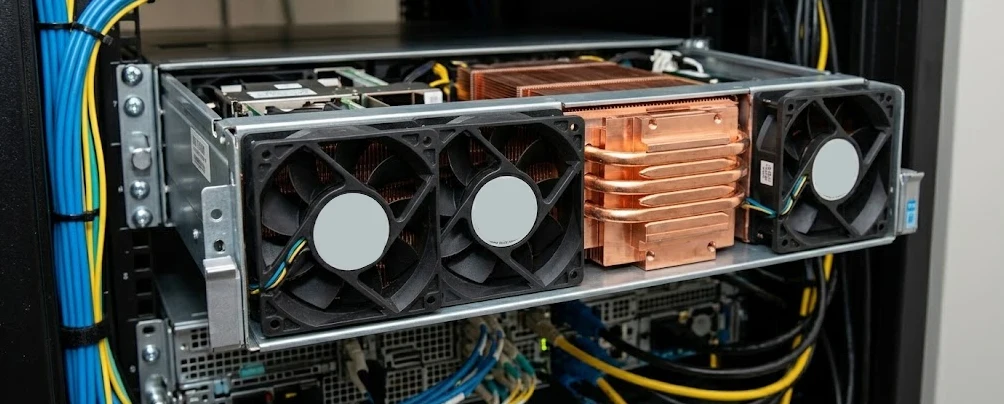
Telecom 48V racks

LINKWELL 48V DC/EC fans deliver reliable cooling for telecom shelters and server racks. With PWM control and IP68 protection, they ensure continuous operation in 48V infrastructure while reducing energy consumption by up to 75%.
low voltage fans in robotics & agvs applications

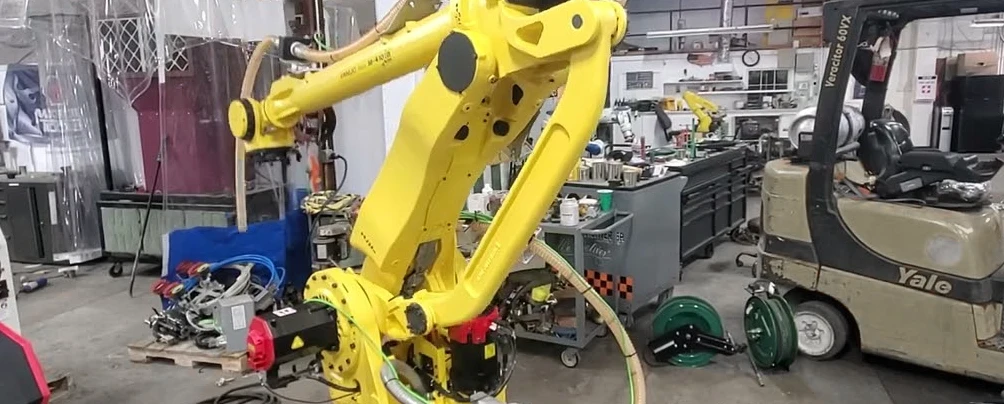
Robotics & AGV

Our 24V DC fans provide precision cooling for robotic controllers and AGV battery packs. Compact design with high static pressure, tachometer output, and 50,000-hour lifespan ensures dependable performance in dynamic automation environments.
low voltage fans in pc industrial computer applications

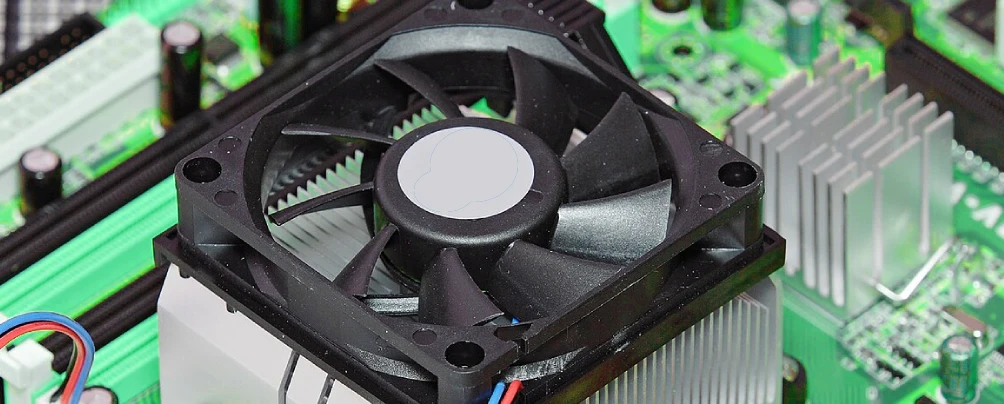
PC / industrial computer

LINKWELL 12V fans offer silent, efficient cooling for industrial PCs and workstations. Available with PWM speed control and ultra-thin profiles (10-25mm), they maintain optimal temperatures for processors and sensitive electronics 24/7.
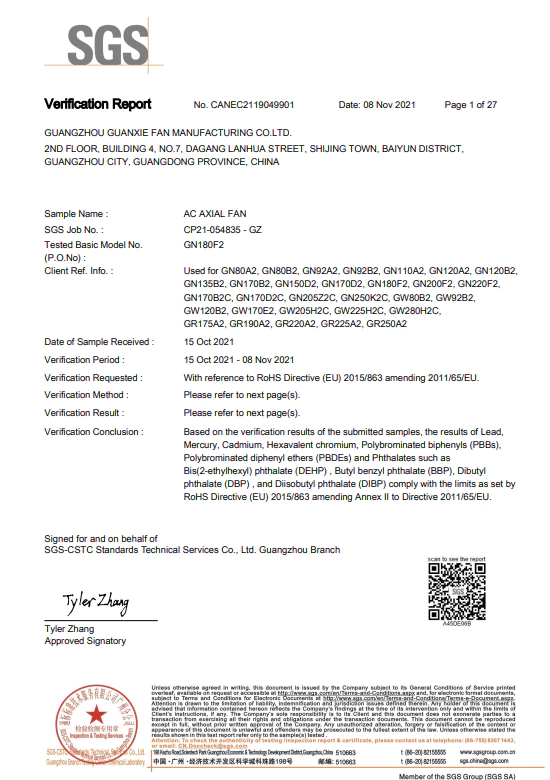
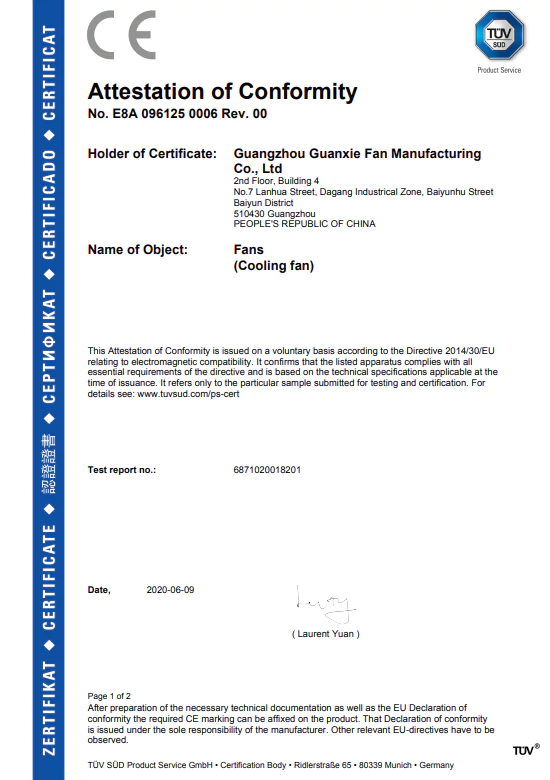
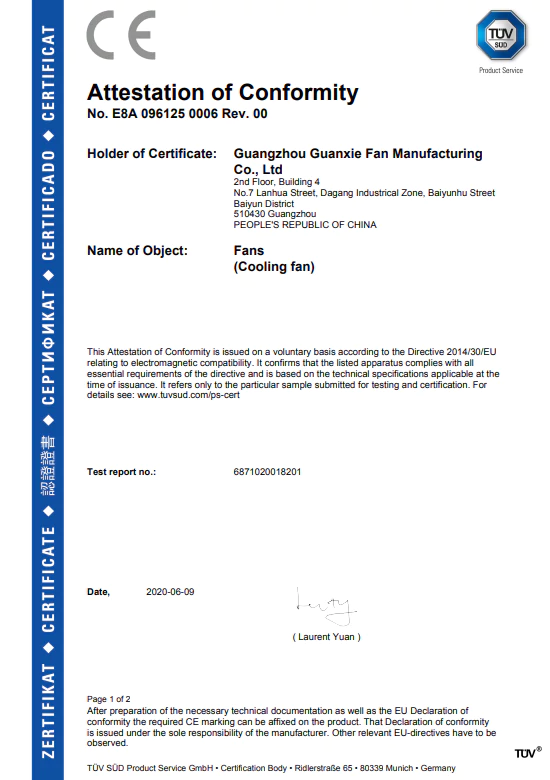
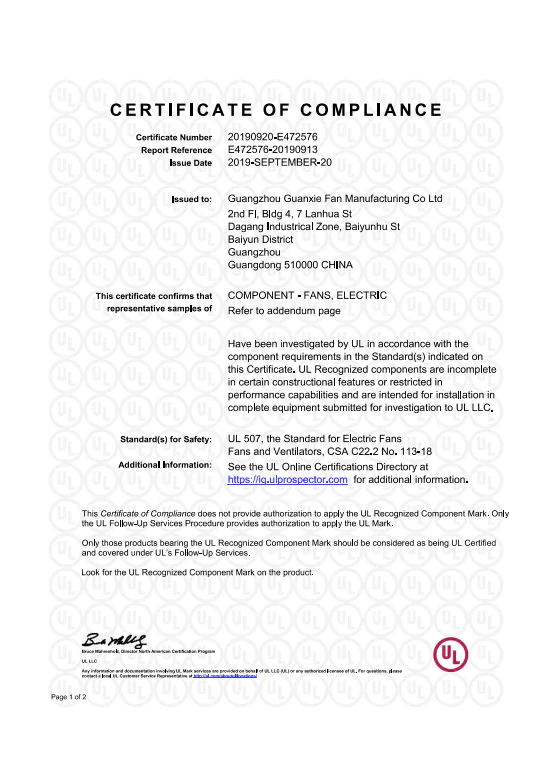
Certifications of Low Voltage Fans

FAQ of Low Voltage Fans

What's the difference between 12V, 24V, and 48V fans?

The voltage determines application: 12V fans suit computers and automotive; 24V fans dominate industrial controls and robotics; 48V fans are standard in telecom and servers. Higher voltage generally means lower current for the same power, reducing wiring losses.

No, never. Applying double voltage will overheat the motor and destroy it immediately. Always match the rated voltage. Some EC fans accept wide voltage ranges (e.g., 18-30V), but always check the specification label first.

Speed can be controlled via PWM (pulse width modulation) signal, variable DC voltage, or built-in potentiometer. PWM is most efficient and precise, maintaining torque across the speed range. Our fans support standard 25kHz PWM frequency.

PWM (pulse width modulation) rapidly switches power on and off to control fan speed. It maintains torque even at low speeds, reduces noise, and saves energy. Essential for applications requiring variable cooling based on temperature.

Tachometer output provides real-time speed feedback. FG (frequency generator) reports actual RPM; RD (rotation detector) alarms when fan stops. Critical for critical systems like servers and medical equipment where failure must be detected immediately.

Quality brushless DC fans last 50,000 to 70,000 hours at 40°C (about 5-8 years continuous operation). Lifespan depends on bearing type (ball vs. sleeve), operating temperature, and duty cycle. LINKWELL fans use dual ball bearings for maximum reliability.

Standard fans are IP54 (dust-protected), while our industrial series offers IP68 fully sealed against dust and continuous water immersion. IP68 is ideal for outdoor telecom, food processing, and wash-down environments.

Ready to Solve Your Cooling Challenge

Contact our engineering and sales team for specifications, pricing, or a custom solution discussion.

linkwell cooling fan 1
Linkwell electric logo footer
Contact Us

Curious how LINKWELL’s cooling solutions can address your business challenges? Let’s connect and discuss your needs.