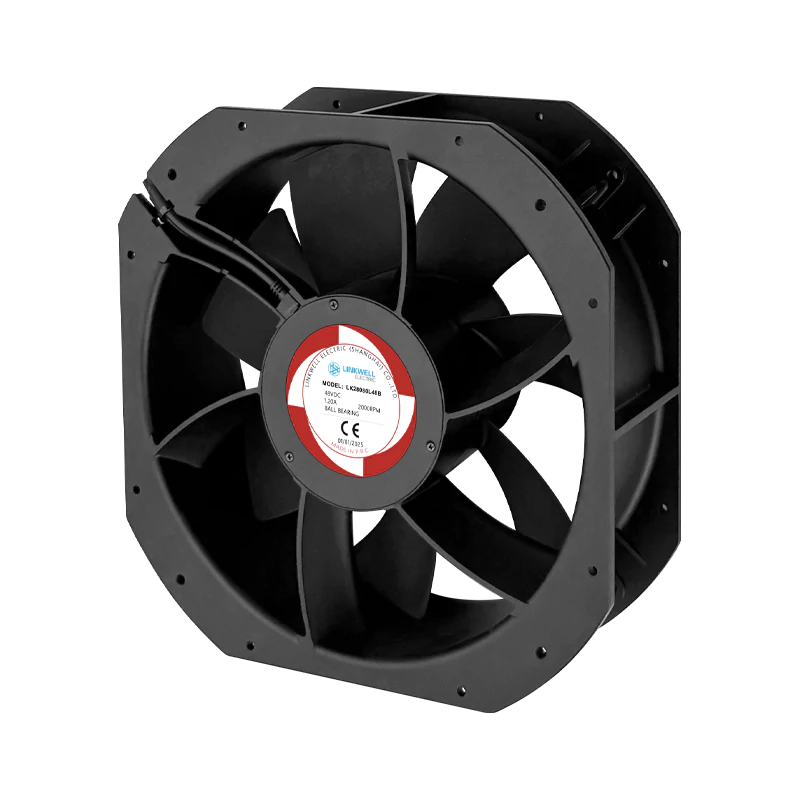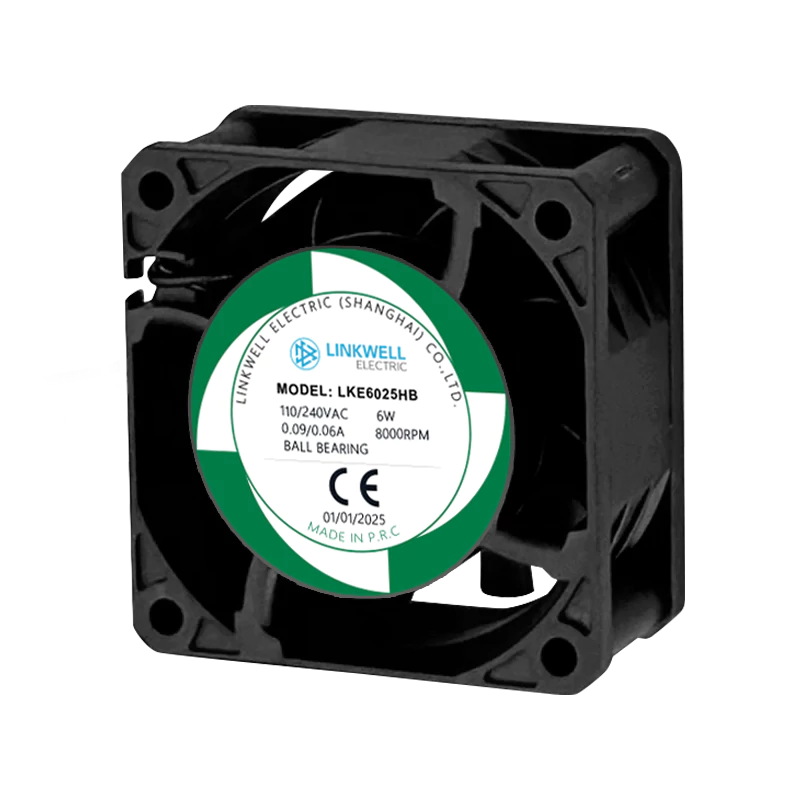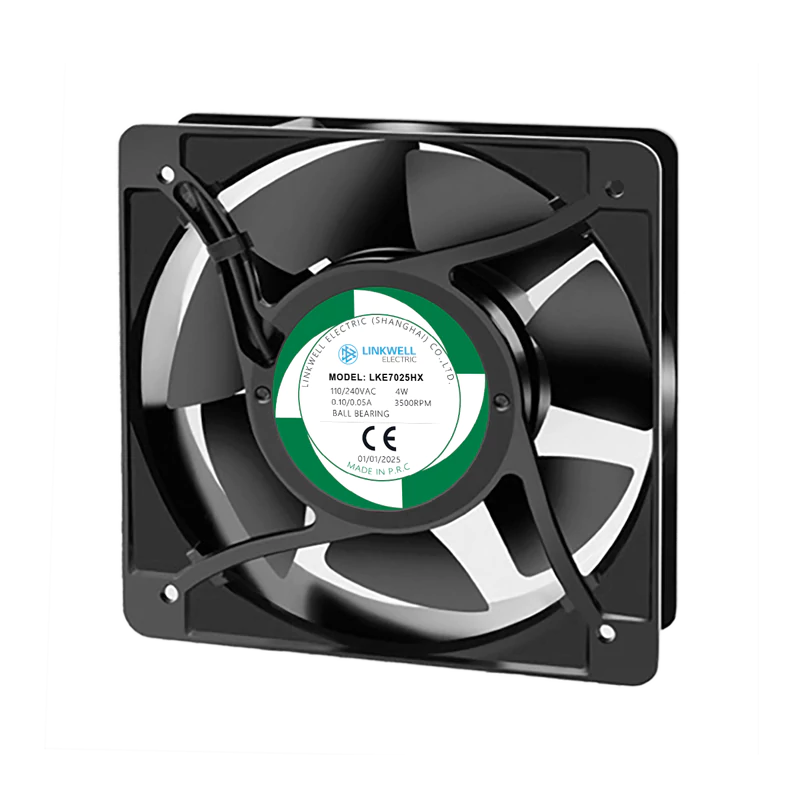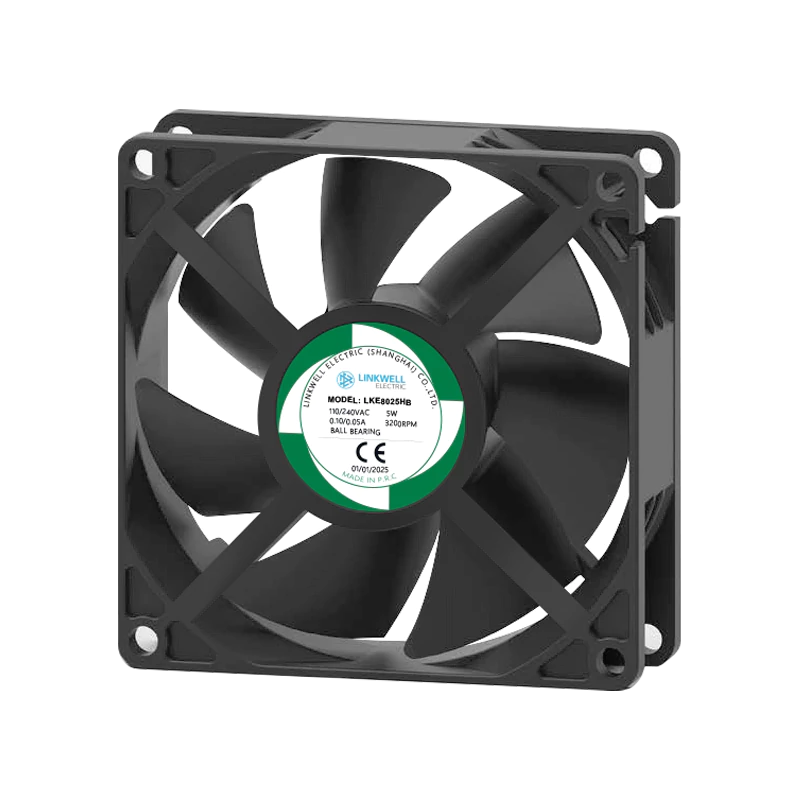





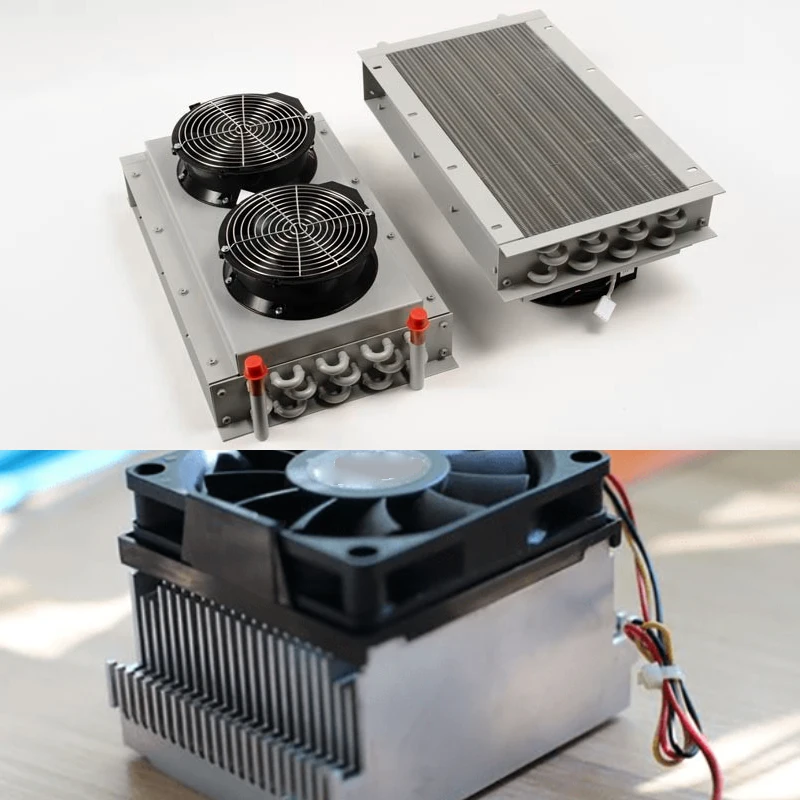
Cooling Fans & Heatsinks Automation
75%
less energy (EC vs AC)
50k hrs
continuous MTBF
IP68
protection option


Why fans & heatsinks must be co-engineered
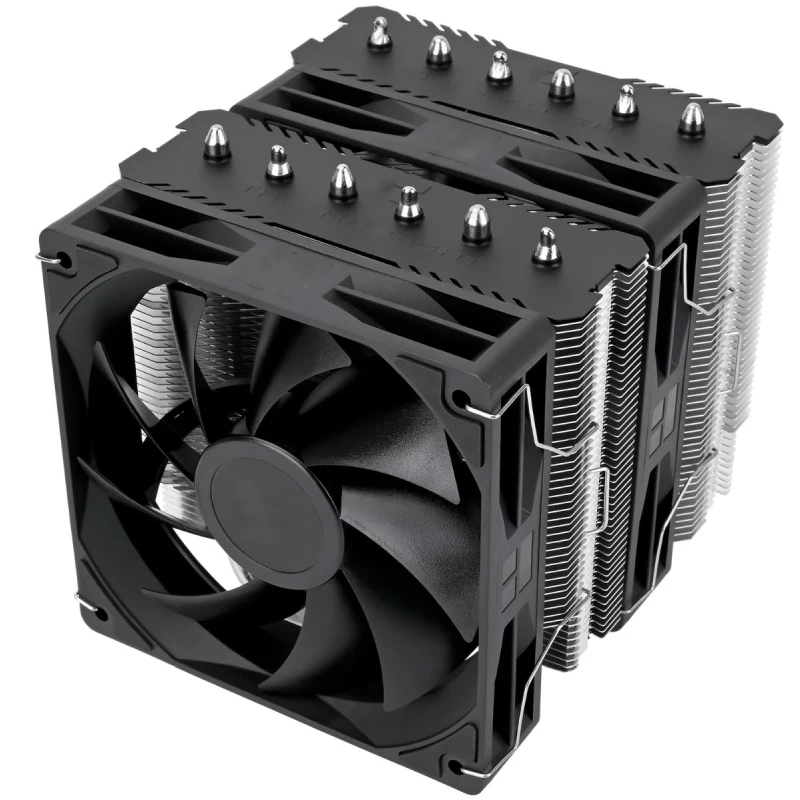
In modern automation, a high-performance heatsink alone is ineffective without optimal forced convection. LINKWELL’s fans are parametrized to match your heatsink’s fin density, bypass ratio, and static pressure requirements. The result: up to 40% better thermal resistance (Rth) compared to off-the-shelf mismatched units.
- Heatsink fin channels optimized for 60mm / 80mm / 120mm fans
- PWM speed profile alignment with variable load automation cycles
- Pre-validation via CFD simulation (fan + heatsink assembly)
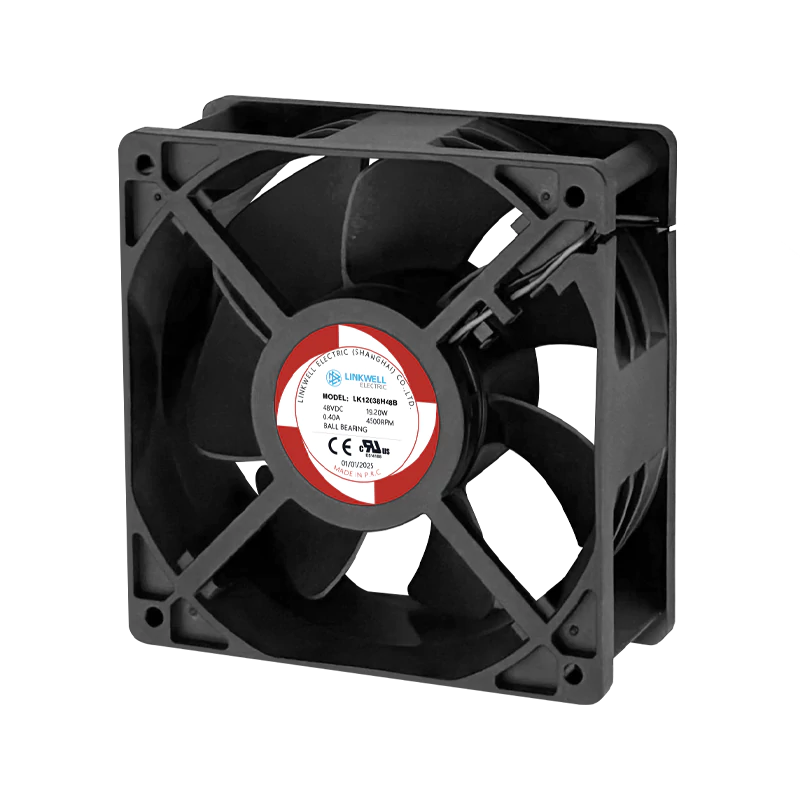
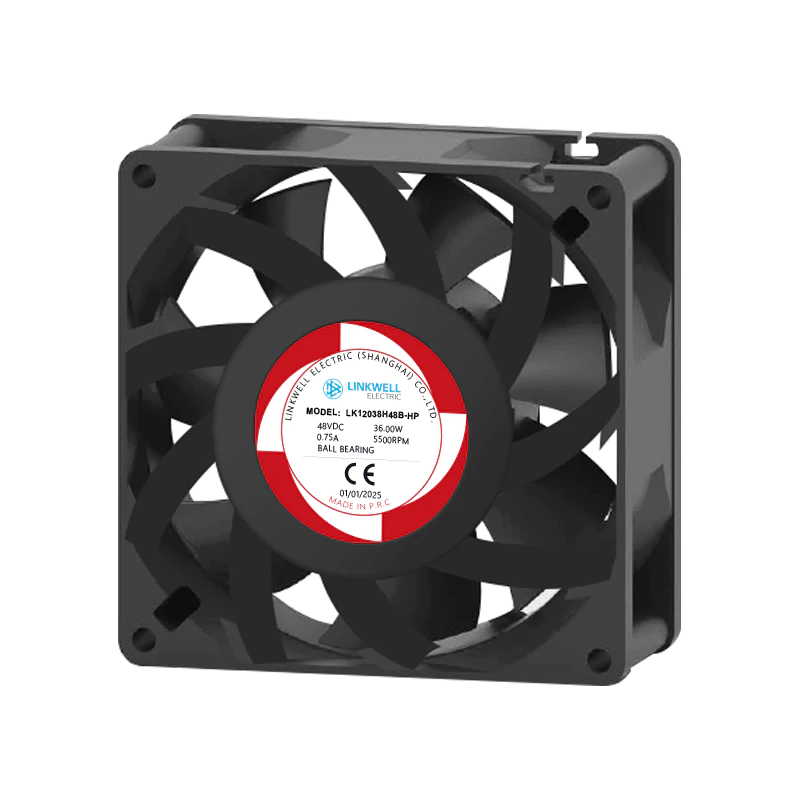
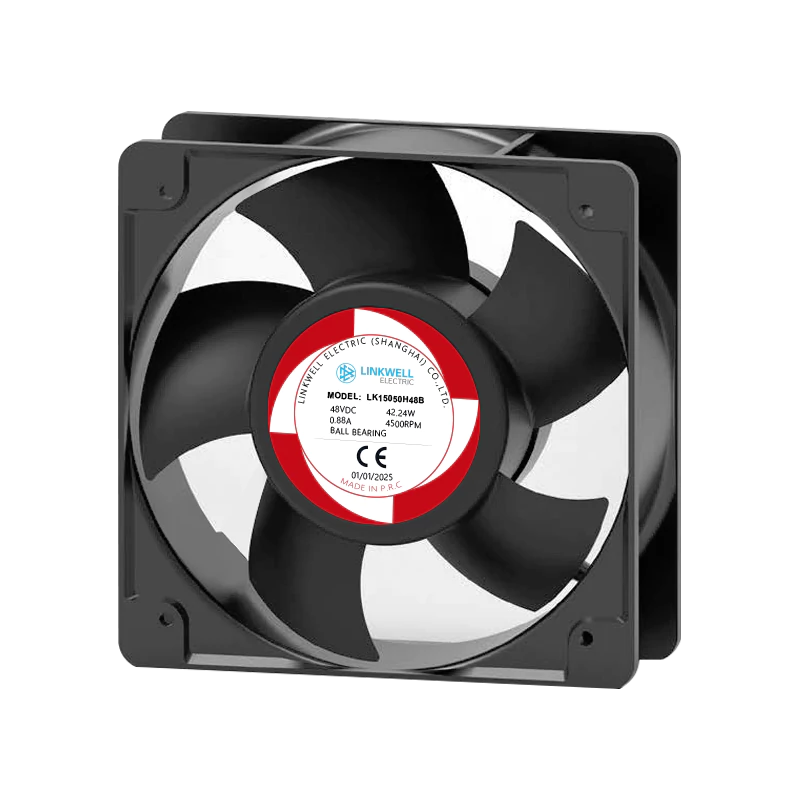
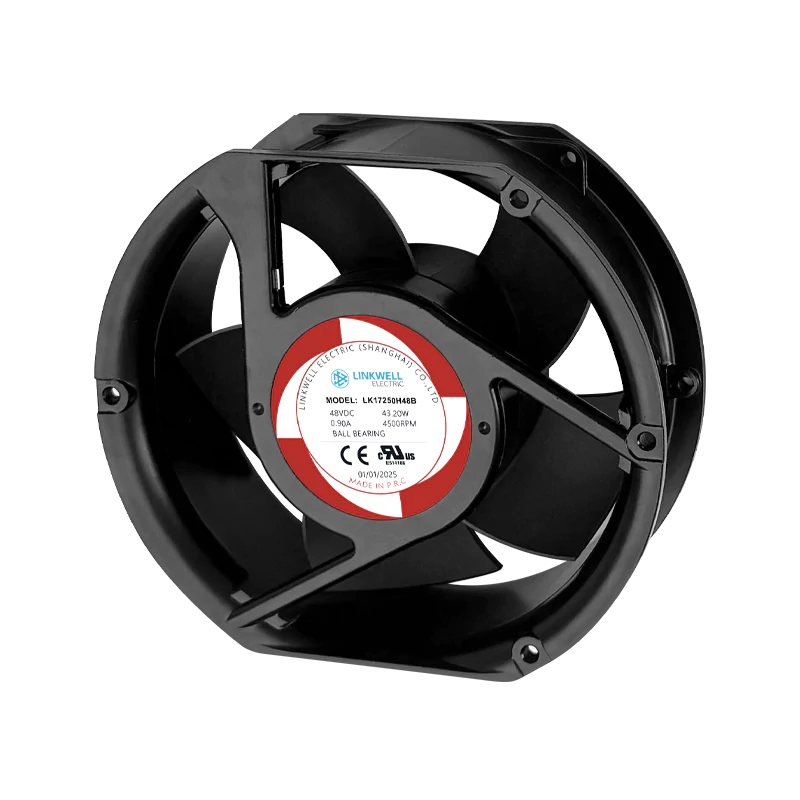
Our Cooling Fan Product Range
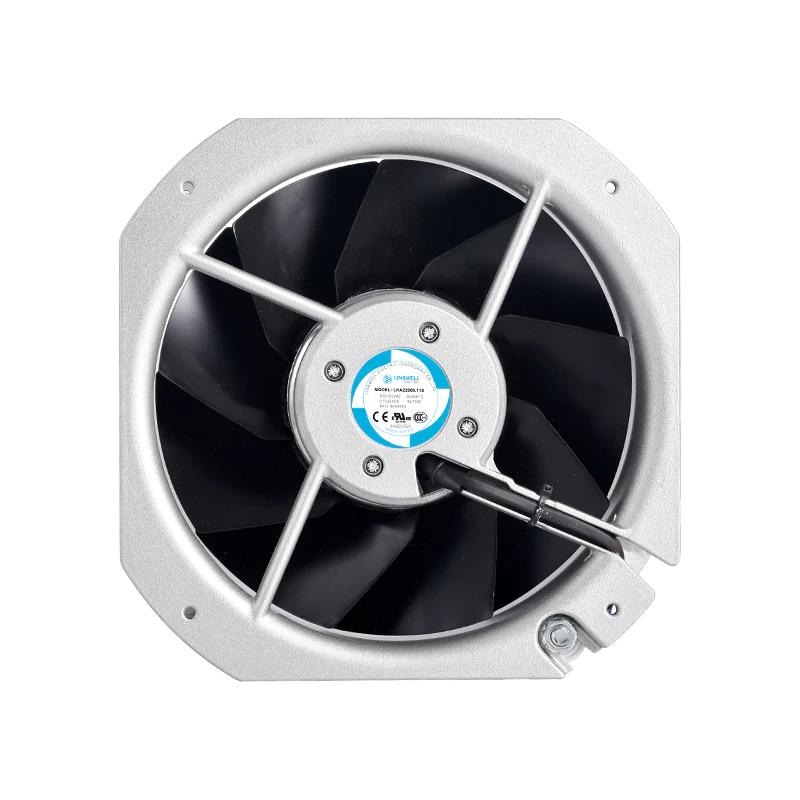
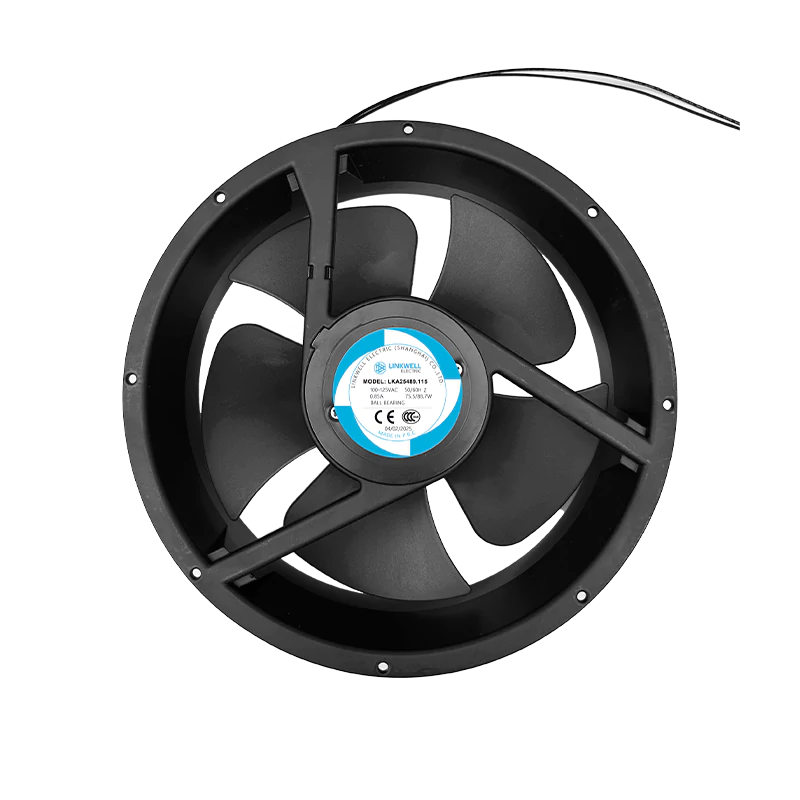
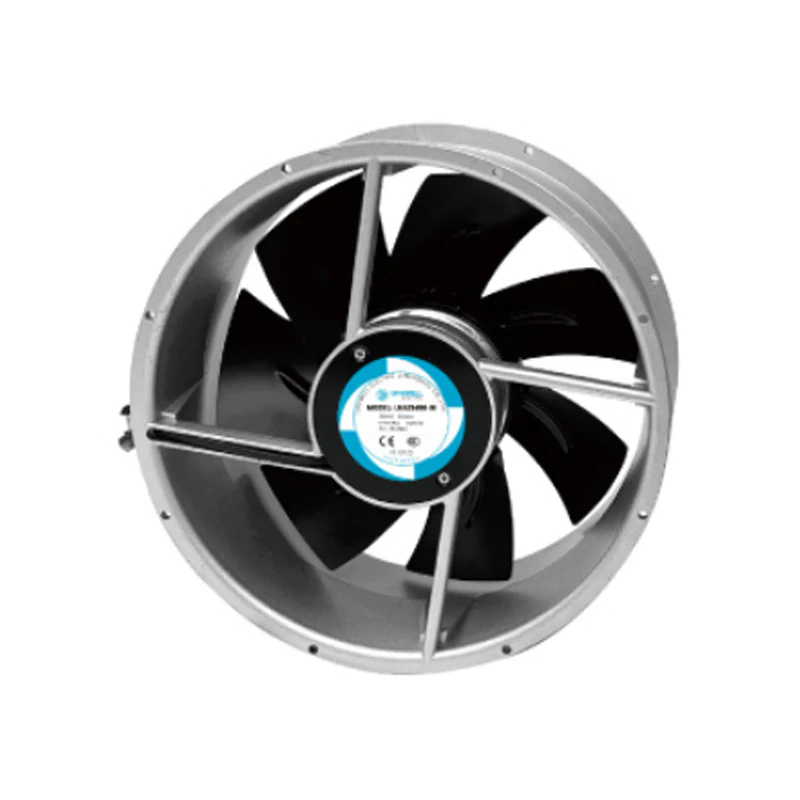
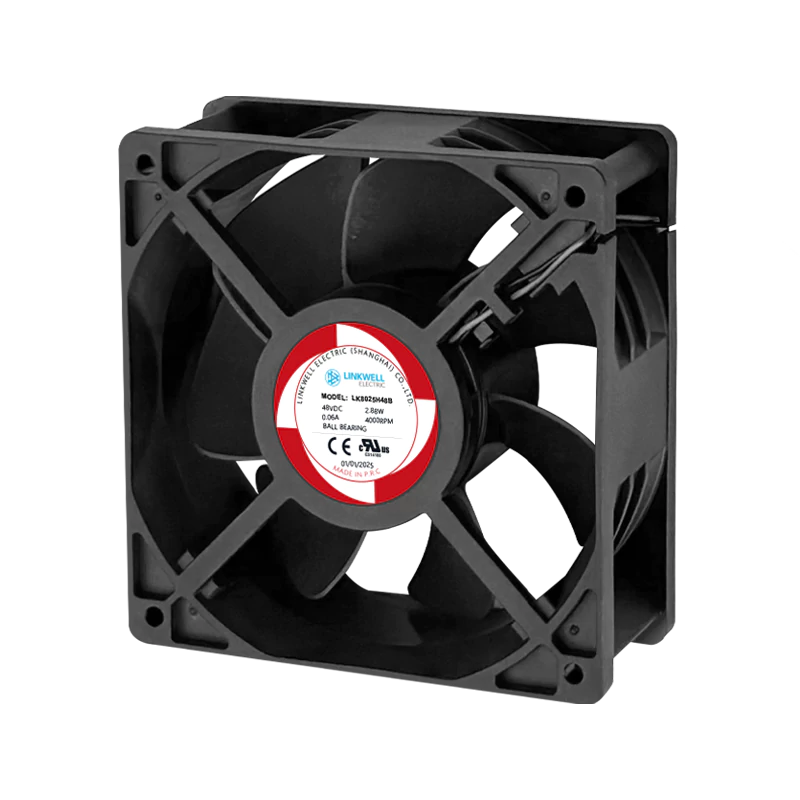
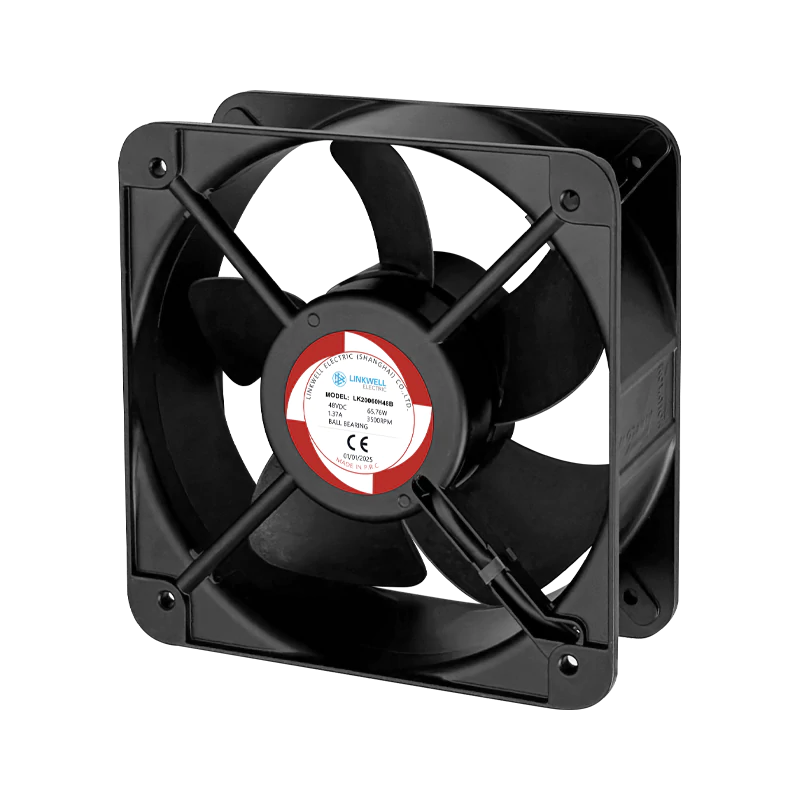
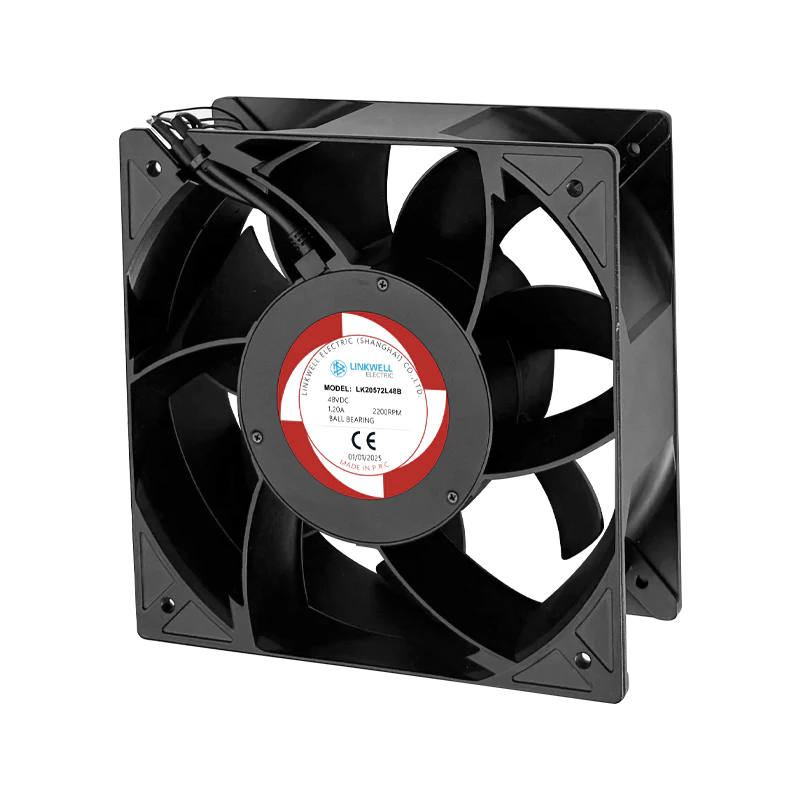
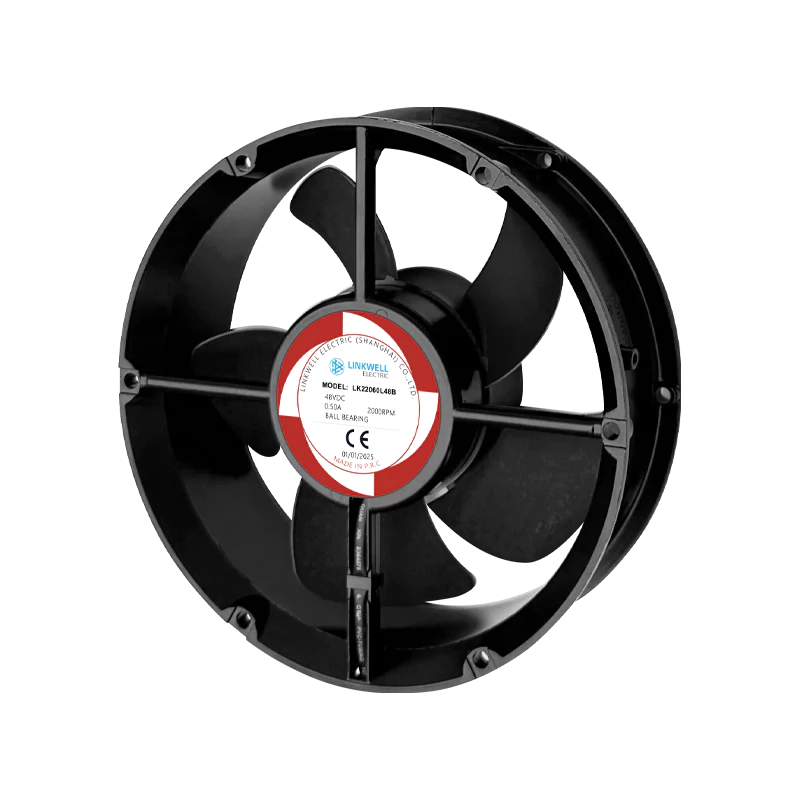
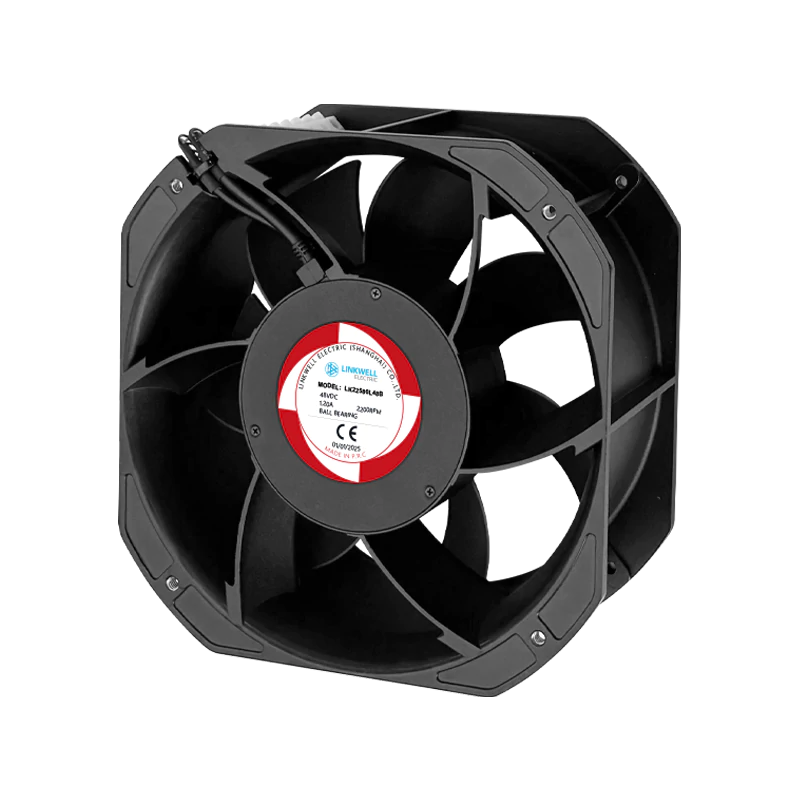
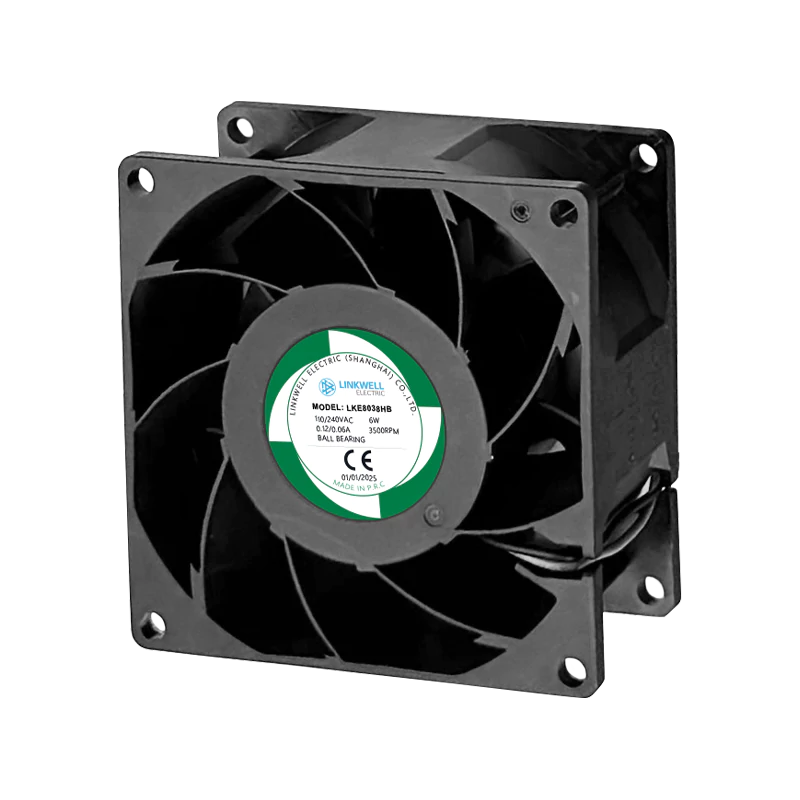
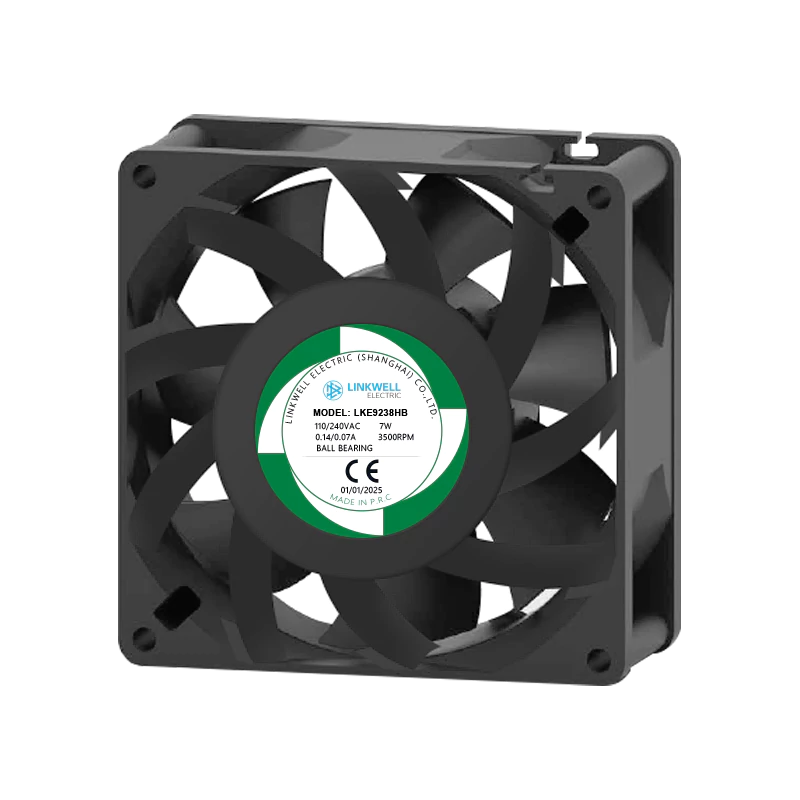
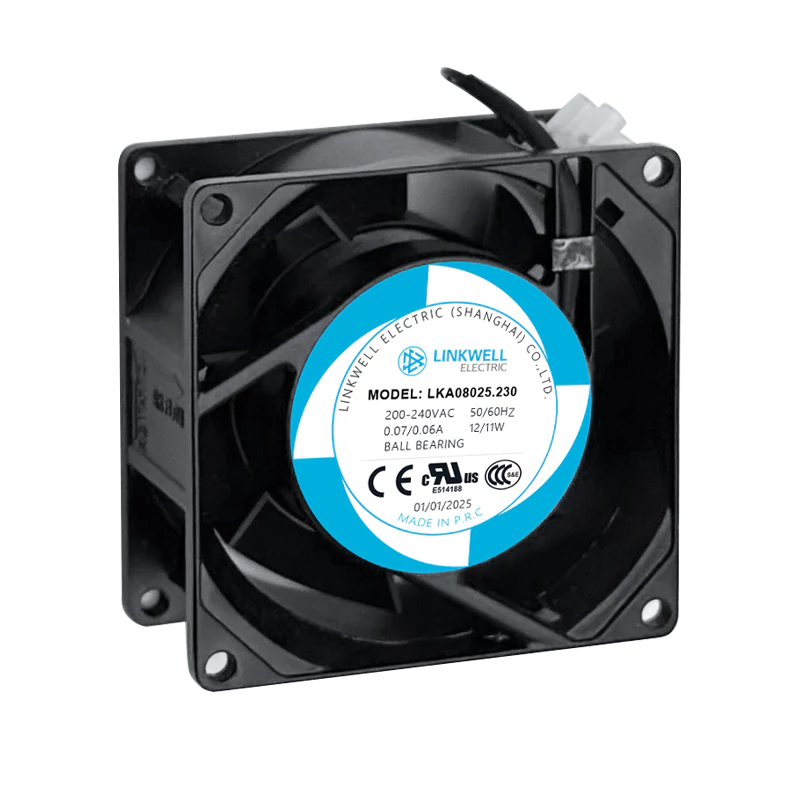
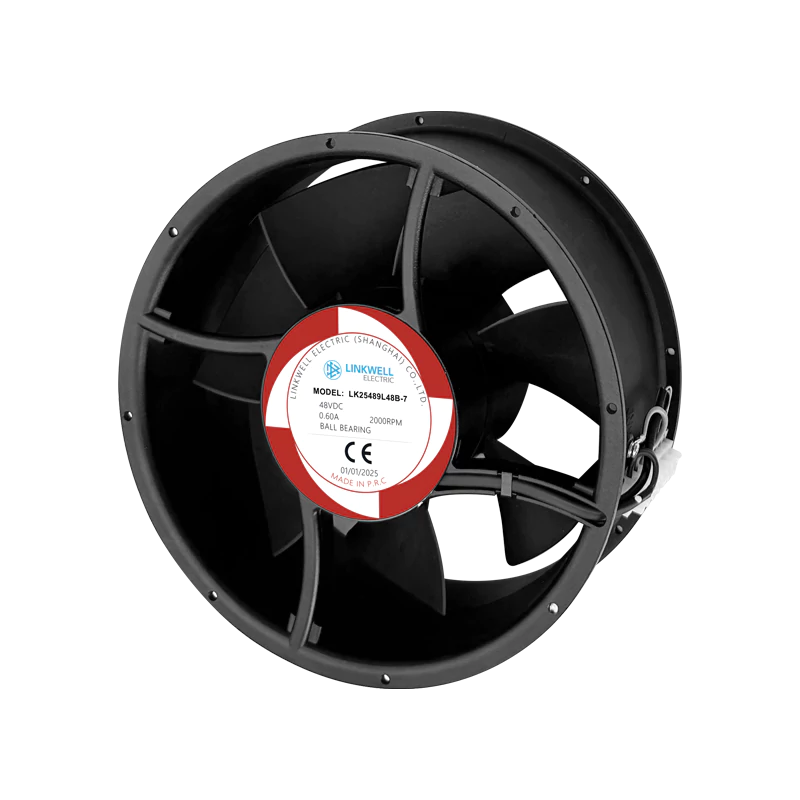
LINKWELL offers complete cooling solutions: robust AC fans for 50,000+ hour industrial durability, high-speed DC fans up to 22,000 RPM with PWM control, and ultra-efficient EC fans reducing energy consumption by 75%. All are engineered with IP68 protection options for automation, telecom, and inverter applications demanding reliable performance.
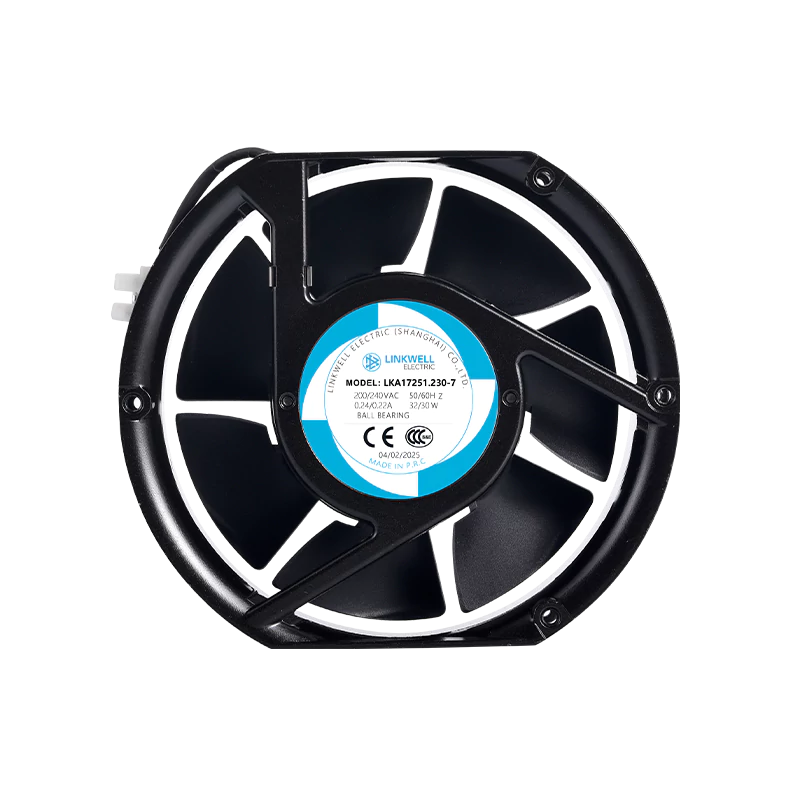
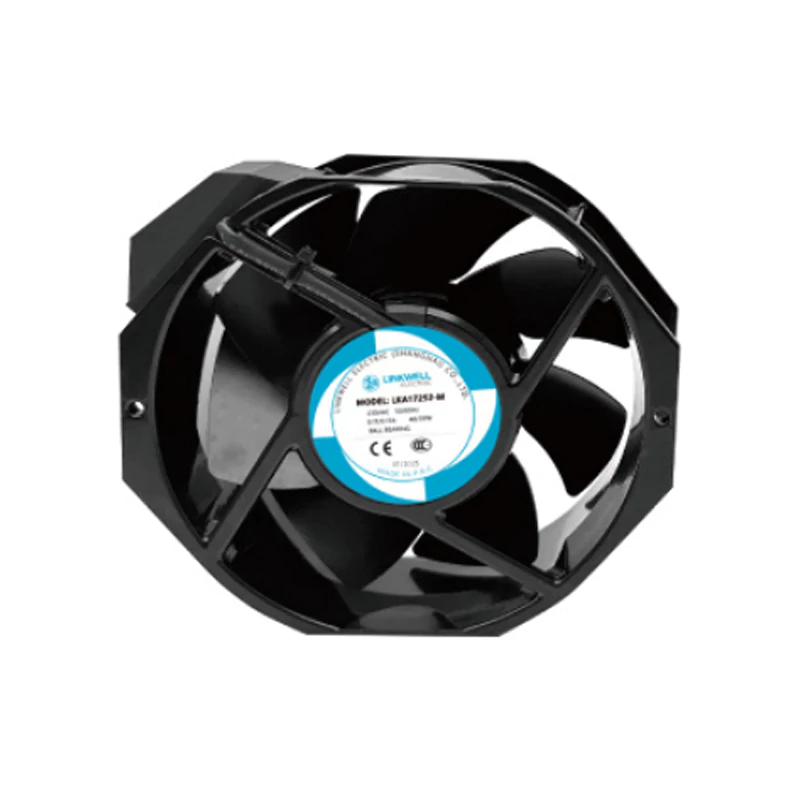
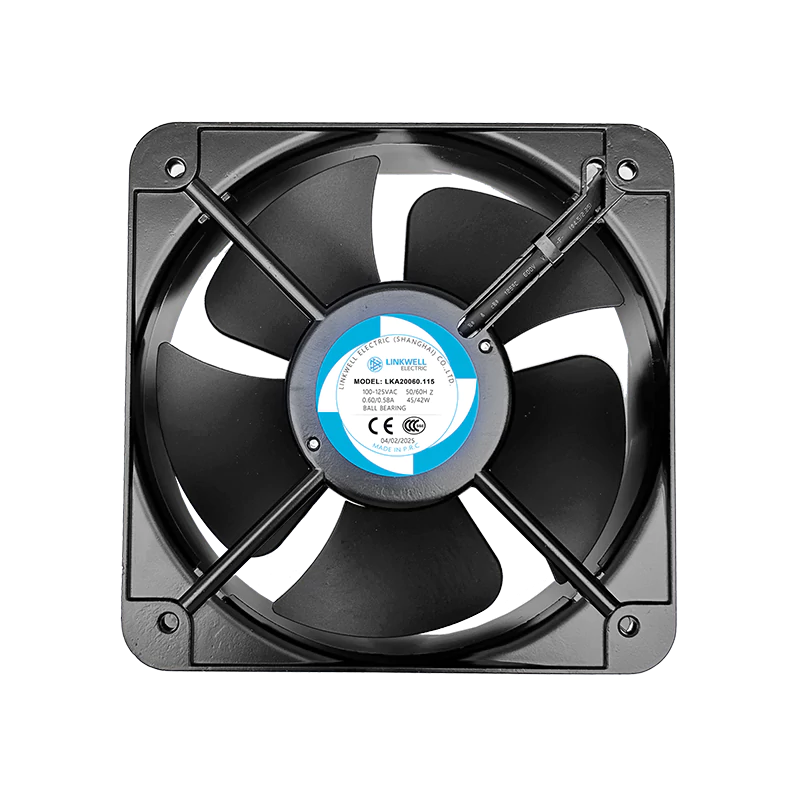
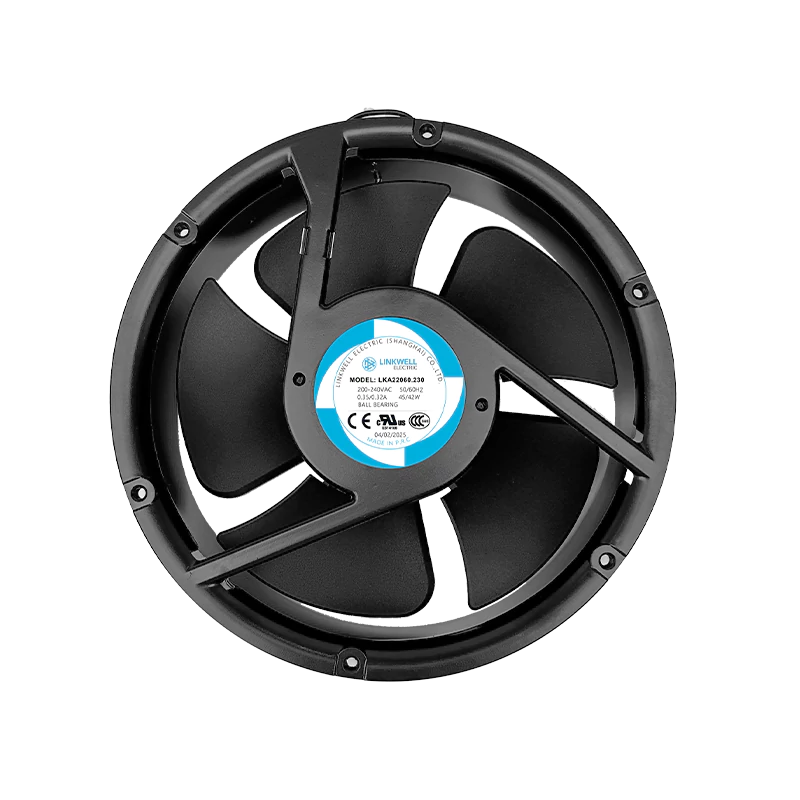
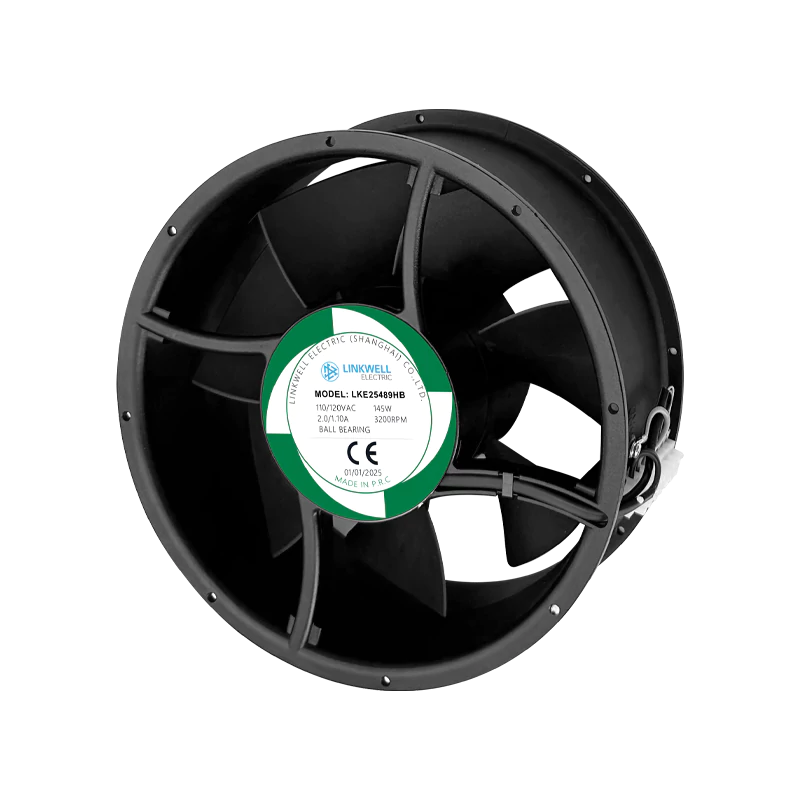
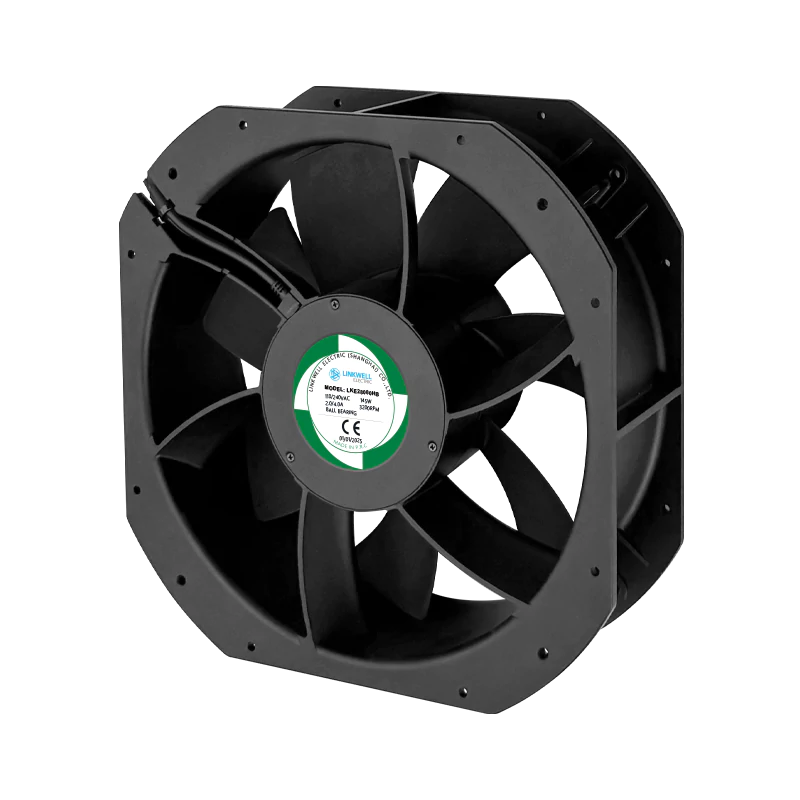
AC Fans · Rugged
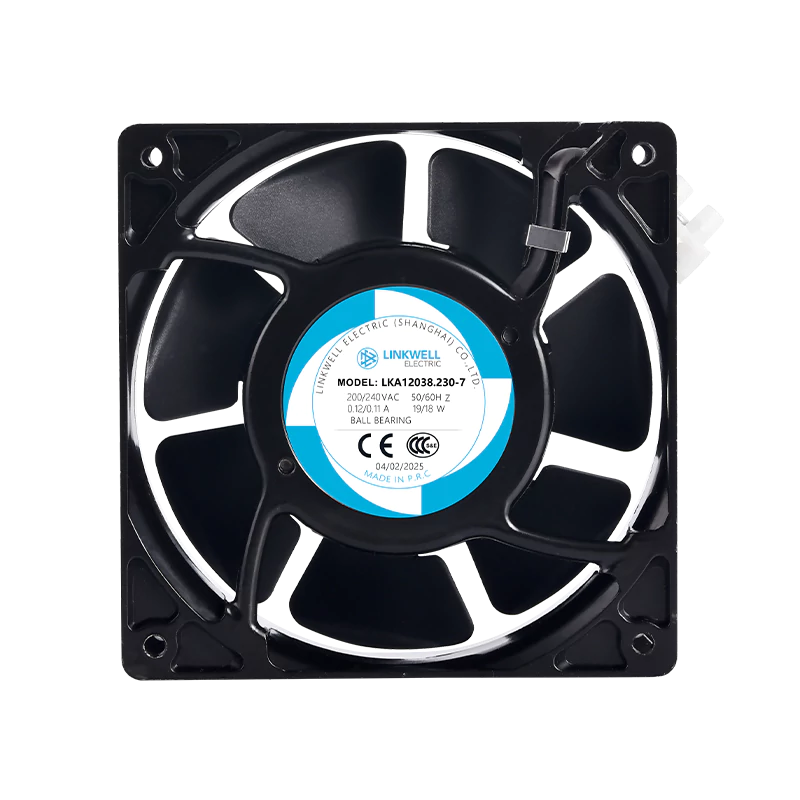
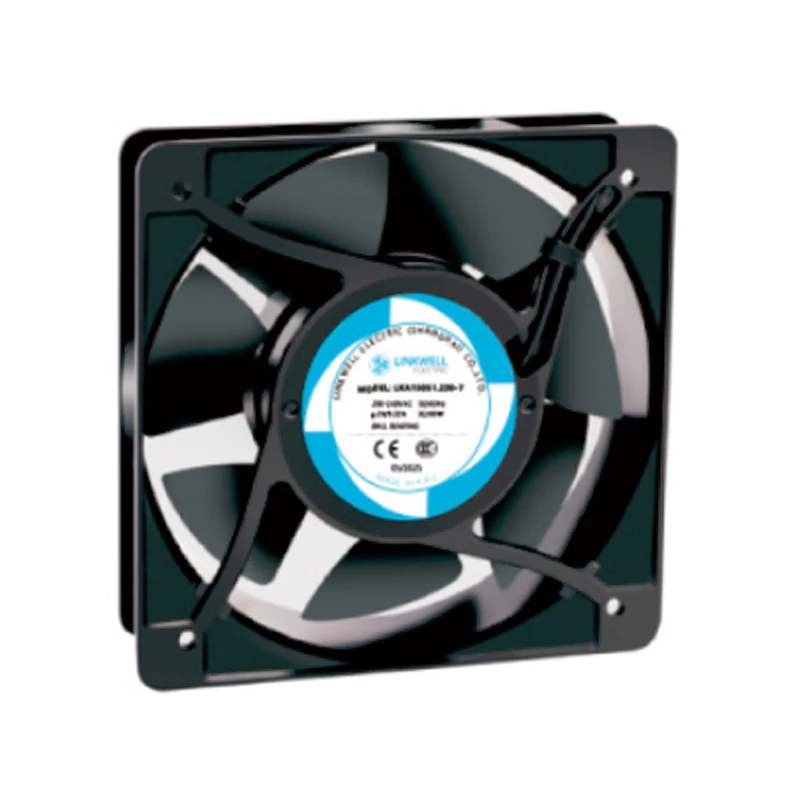
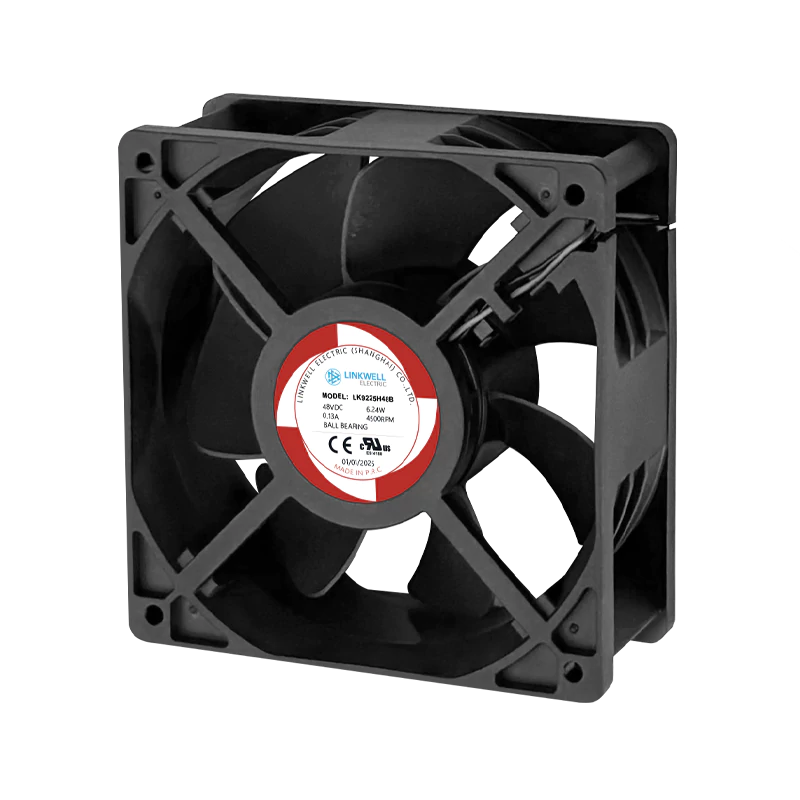
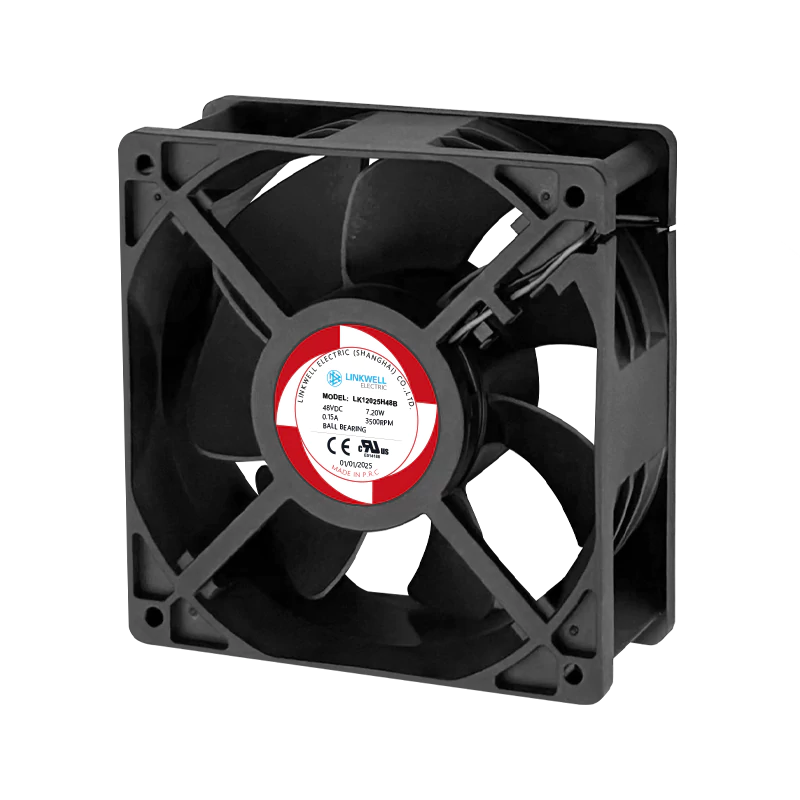
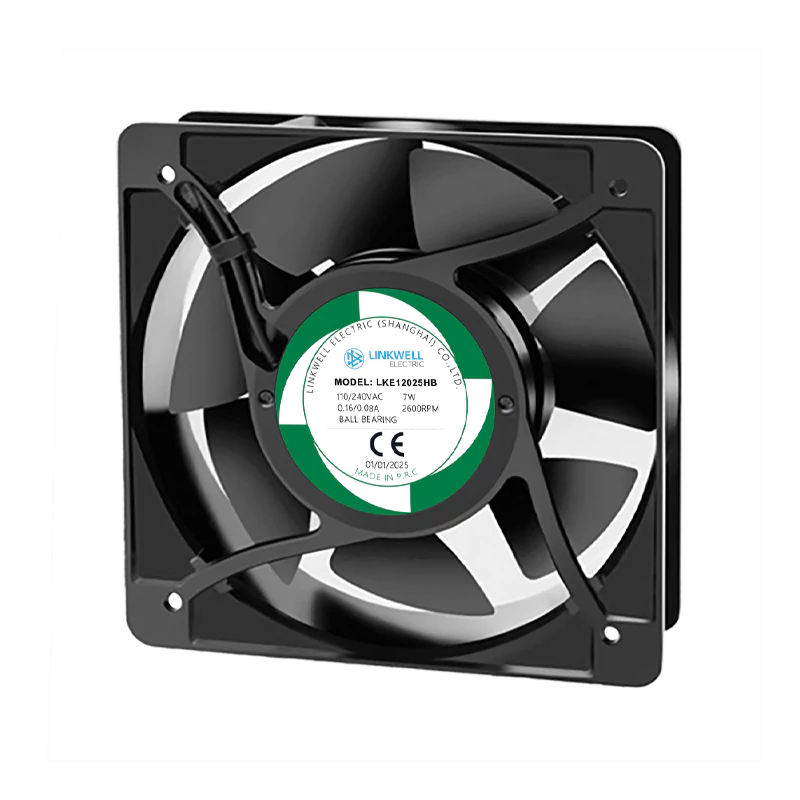
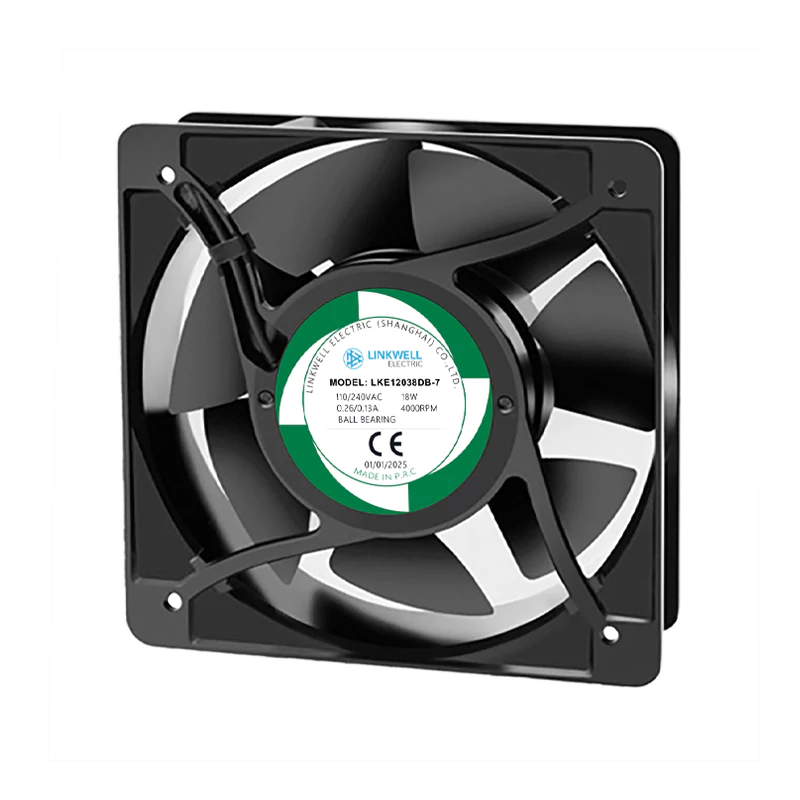
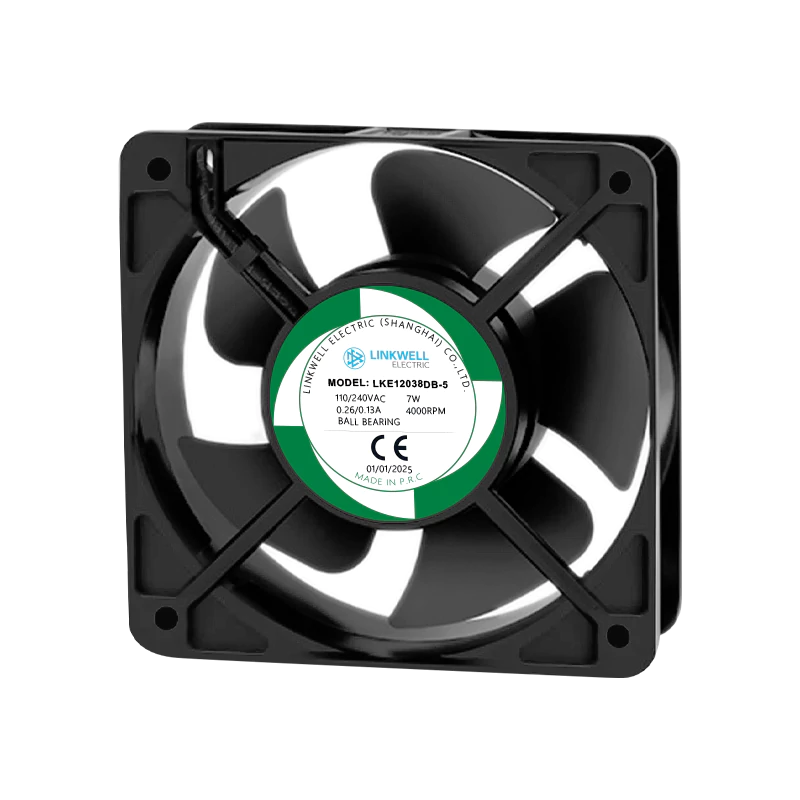
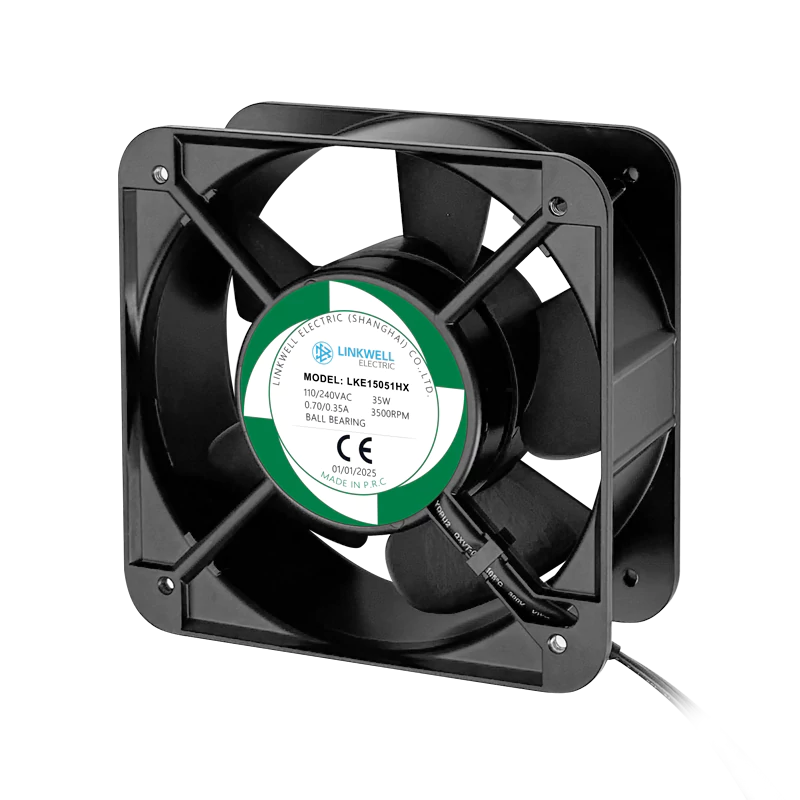
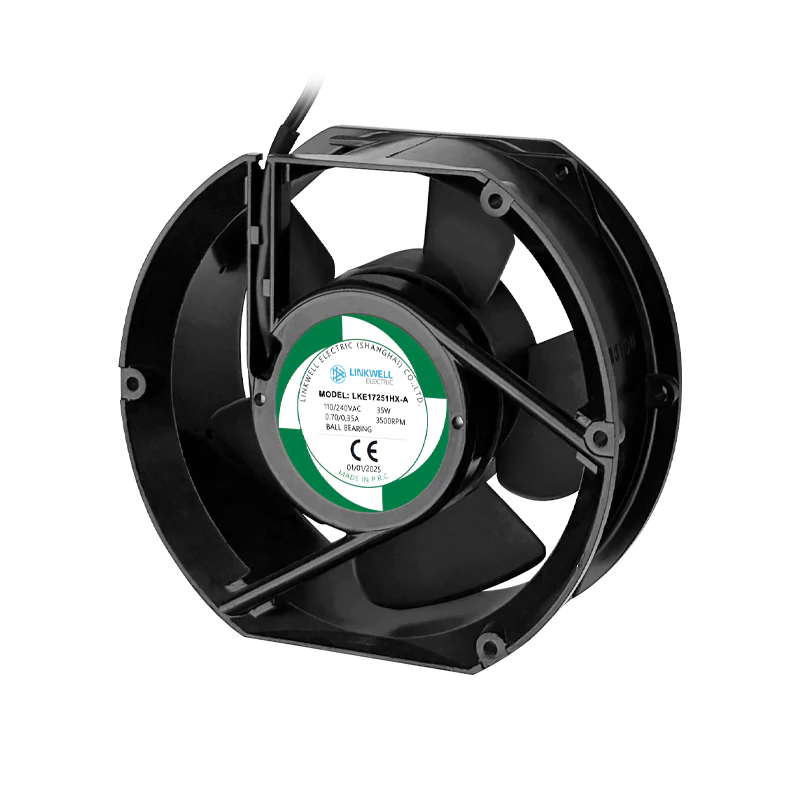
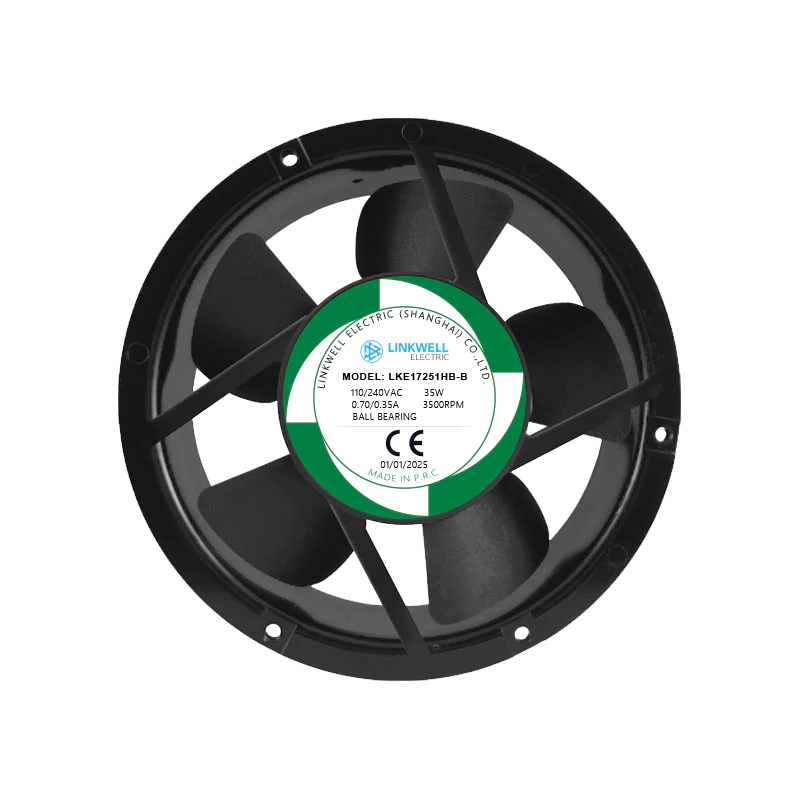
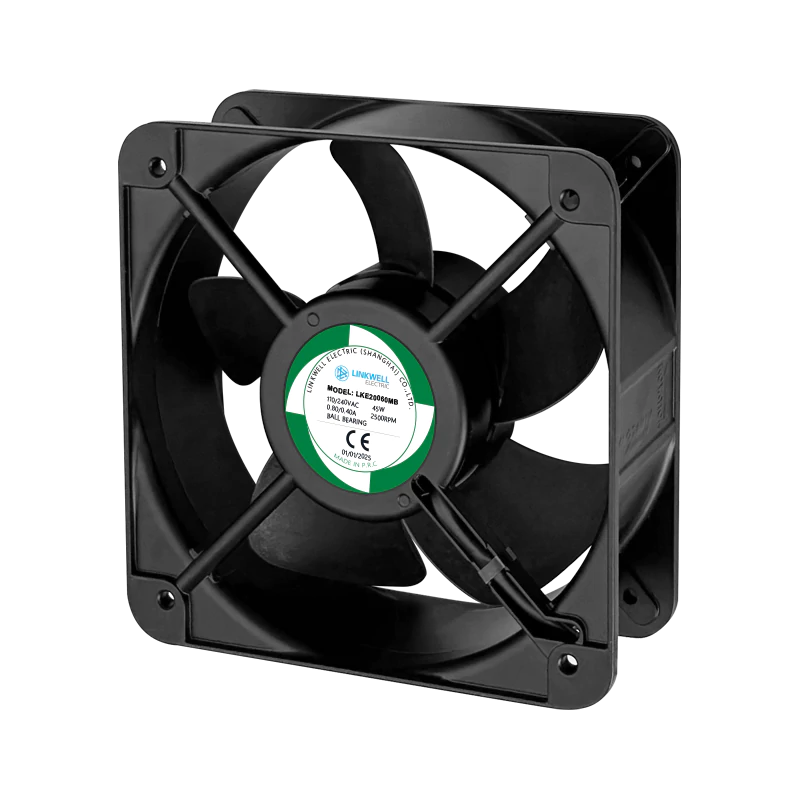
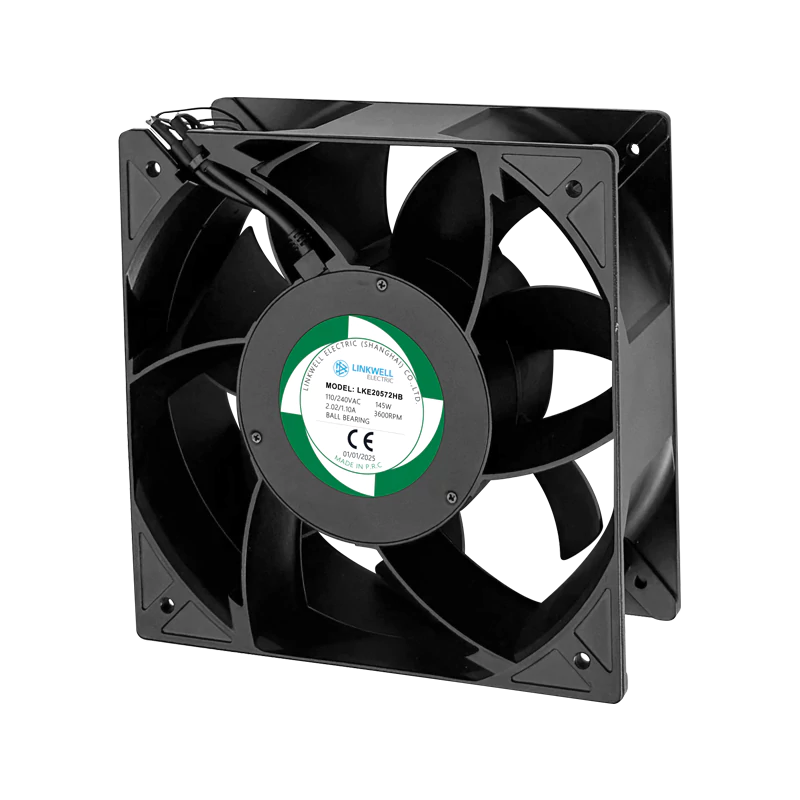
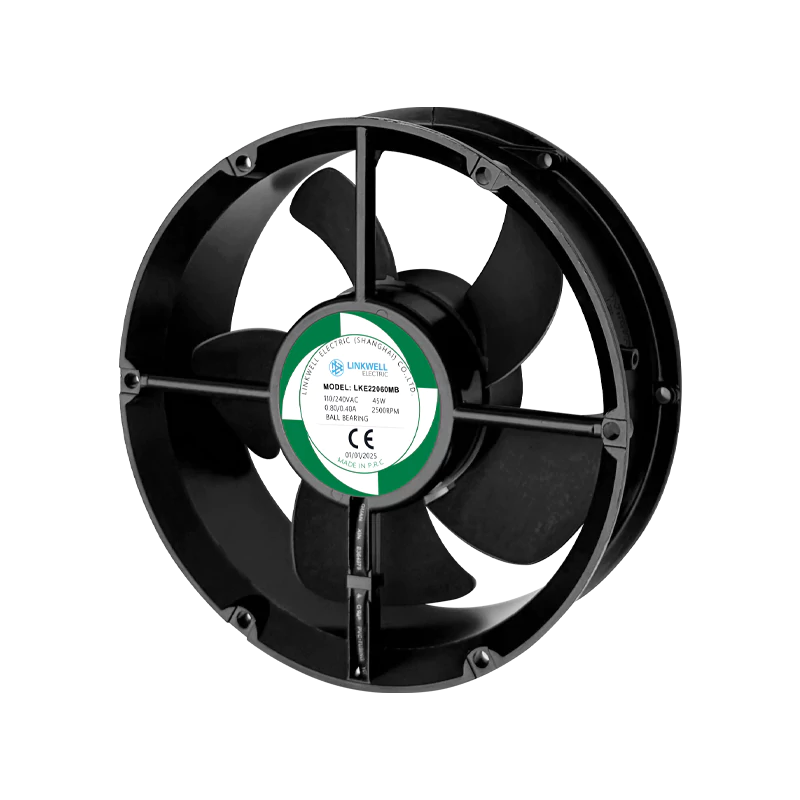
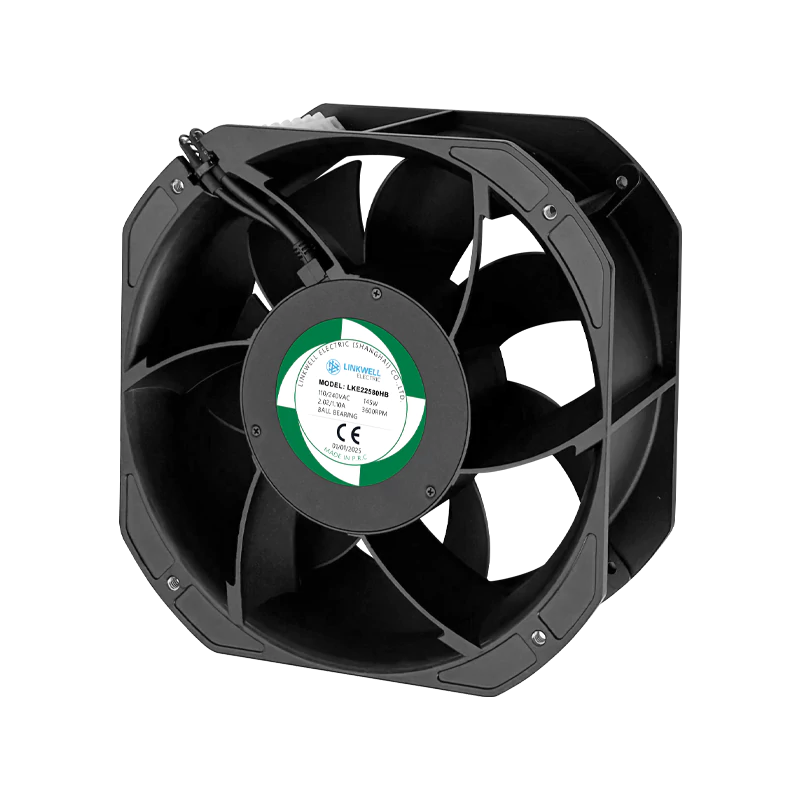
230V / 115V, sleeve/ball bearing. 50,000h continuous. Optimized for industrial cabinet heatsinks (extruded alu). High torque, stable 50/60Hz operation.
DC Fans · High Speed
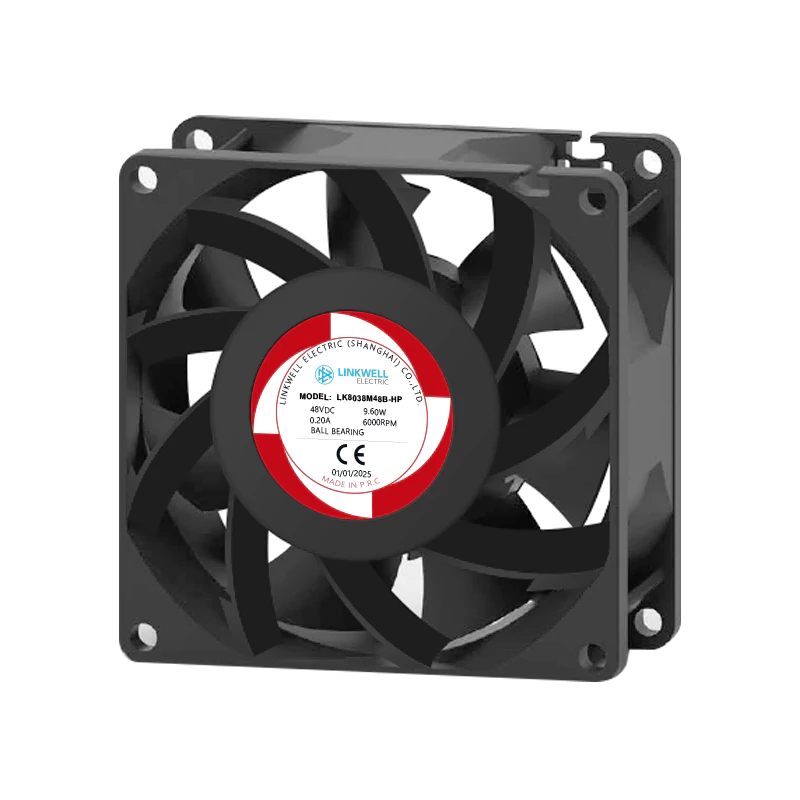
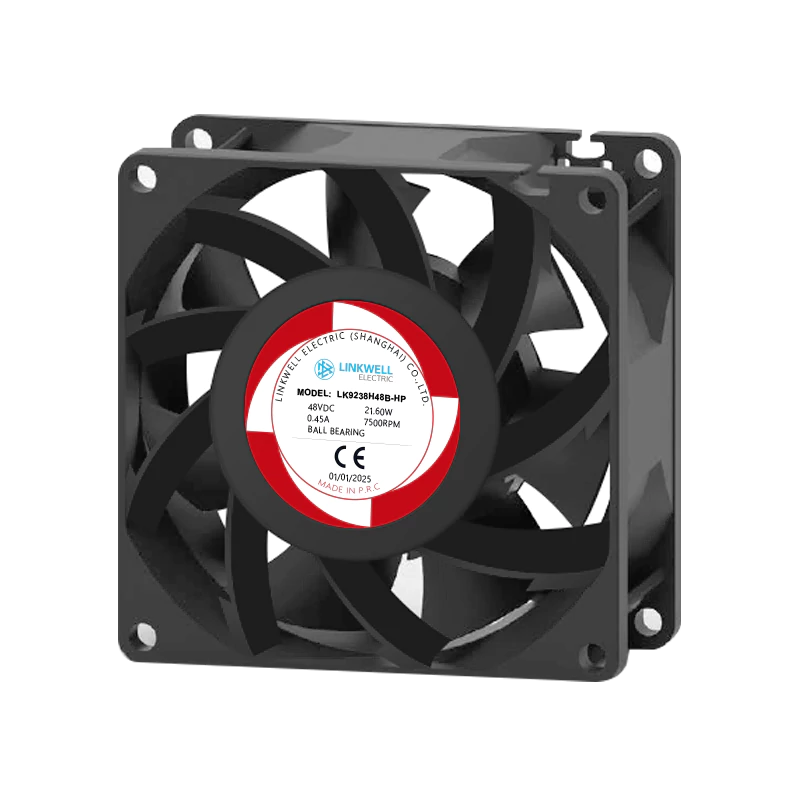
12V / 24V / 48V, up to 22,000 RPM. Ideal for dense server heatsinks & compact automation. Tachometer / PWM / locked rotor output available.
EC Fans · Ultra Efficiency
Built-in commutation, <2W standby. 75% less power. Perfect for variable torque loads; match your heatsink C/w curve with 0-10V / PWM control.
Heatsink co-design service: we recommend fin pitch, base thickness and orientation to maximize our fan’s airflow. Let’s simulate your assembly.
Cooling Fans & Heatsinks Automation Applications
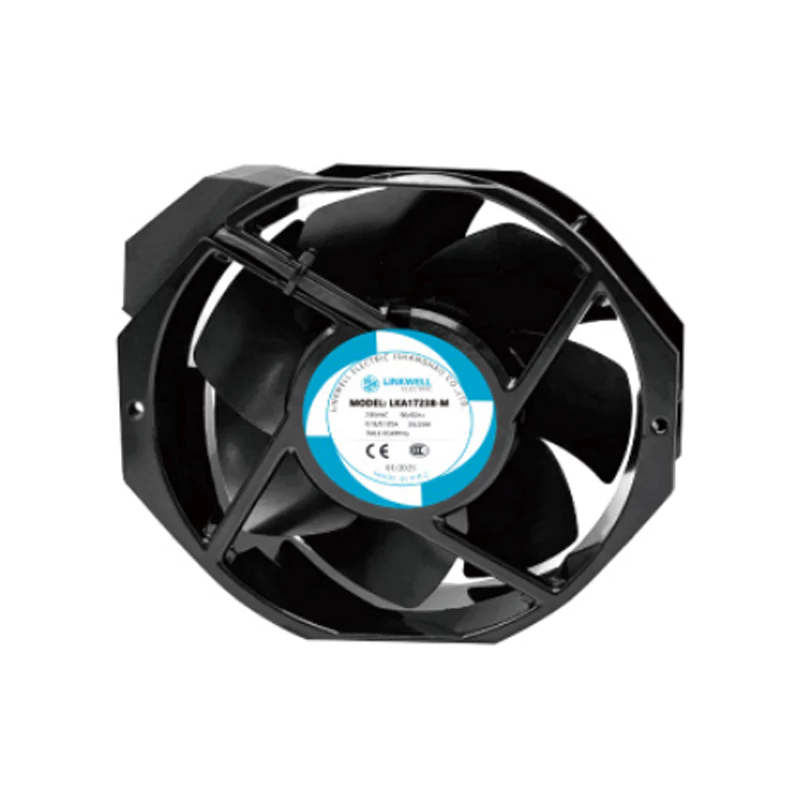
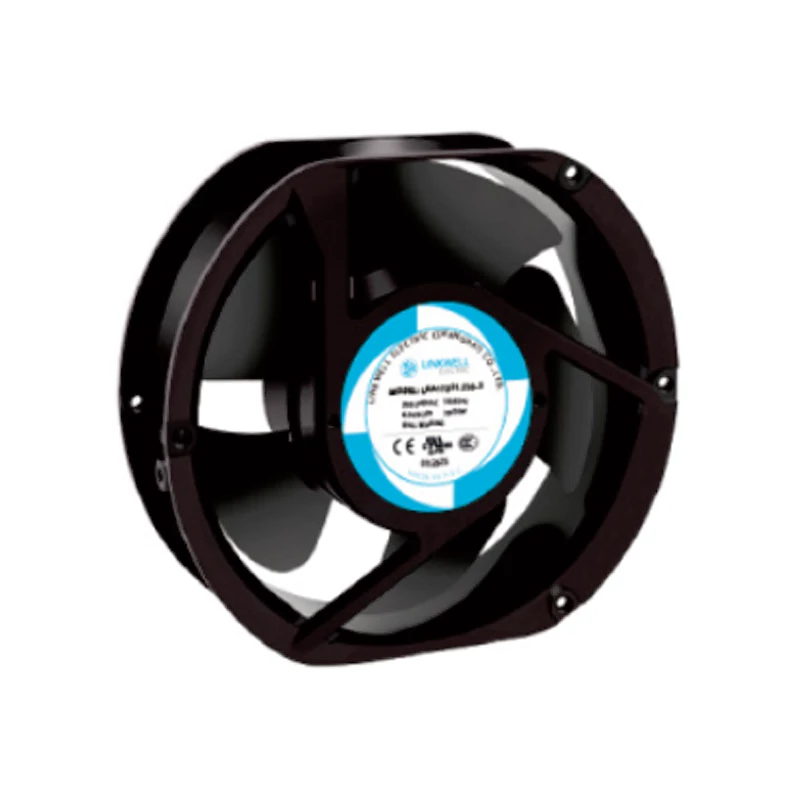
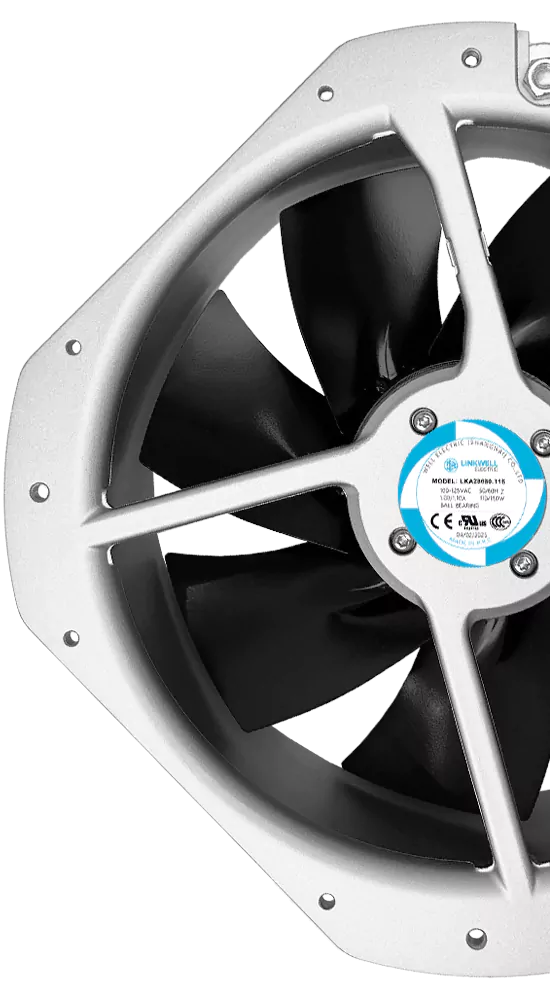
AC cooling fans are widely used in HVAC systems, electrical cabinets, control panels, and industrial equipment to ensure stable heat dissipation during continuous operation.

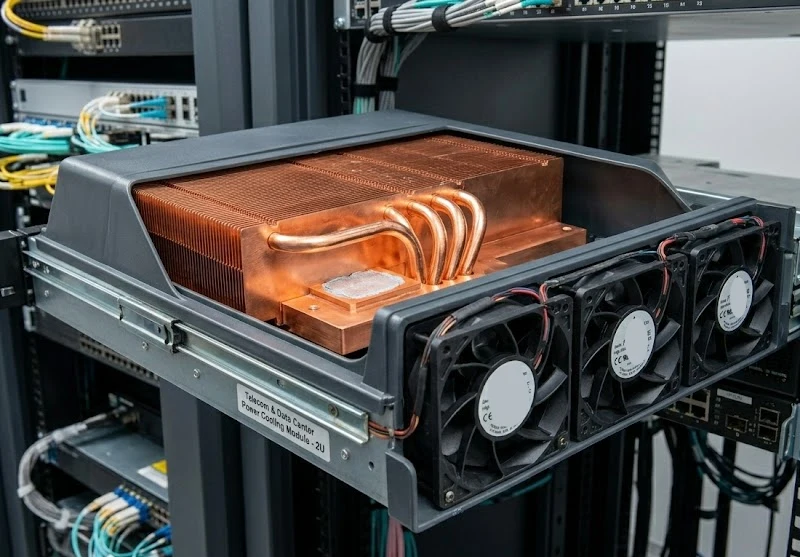
Server racks & telecom
High static pressure fans (DC/EC) for 1U/2U heatsinks. Redundant cooling with hot-swap capability.
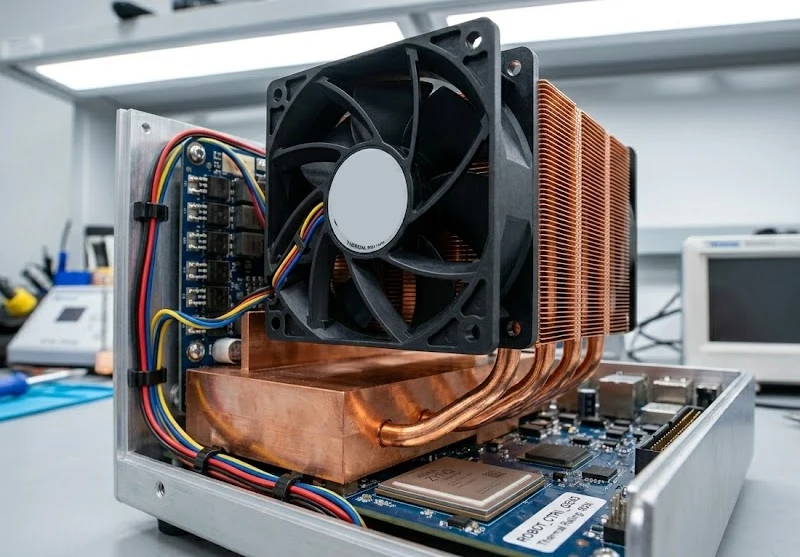
Robotic controllers
Compact DC fans with PWM for dynamic heat loads. Directly mounted to IGBT heatsinks, IP54 protected.
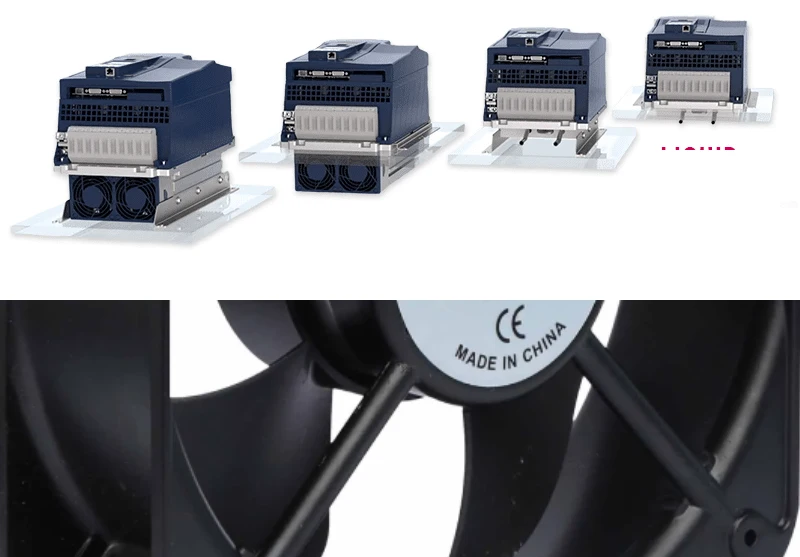
Inverter & VFD cooling
EC fans with 0-10V input, regulate airflow matching inverter load. Extended life 70,000h.
Our Cooling Fan Product Range
LINKWELL offers complete cooling solutions: robust AC fans for 50,000+ hour industrial durability, high-speed DC fans up to 22,000 RPM with PWM control, and ultra-efficient EC fans reducing energy consumption by 75%. All engineered with IP68 protection options for automation, telecom, and inverter applications demanding reliable performance.
| Fan type | Size (mm) | Max. static pressure | Airflow (CFM) | Typical heatsink L x W (mm) | Fin gap optimal (mm) |
|---|---|---|---|---|---|
| AC 115V | 120x38 | 9.2 mmH₂O | 115 | 150x150 | 3.5 - 4.5 |
| DC 24V | 80x25 | 12.5 mmH₂O | 68 | 100x100 | 2.2 - 3.2 |
| EC 230V | 92x38 | 8.9 mmH₂O | 82 | 120x120 | 3.0 - 4.0 |
| DC high speed | 60x25 | 18.3 mmH₂O | 45 | 80x80 | 1.8 - 2.5 |
| Centrifugal (blower) | 175x69 | 300 Pa | 140 | custom duct | n/a (ducted) |
80-280mm
Size Range
110 V / 220 V
Voltage
–30°C ~ 80°C
Operation Temperature
50,000 hour
Service Life
Fan
Model
Size
(mm)
Voltage
(VAC)
Power
(W)
Speed
(RPM)
Airflow
(CFM)
DC Fan Series
Fan
Model
Size
(mm)
Voltage
(VAC)
Power
(W)
Speed
(RPM)
Airflow
(CFM)
Fan
Model
Size
(mm)
Voltage
(VAC)
Power
(W)
Speed
(RPM)
Airflow
(CFM)
Certifications of Cooling Fans & Heatsinks Automation


Advanced thermal integration: technical deep dive
Selecting the correct fan for a finned heatsink requires understanding the system impedance curve. LINKWELL provides full fan curve data including P-Q (pressure vs flow) for every model. For automation grade, we recommend using our EC/DC series with tachometric output to monitor actual fan speed and detect blockages. Combining with a ducted hood over the heatsink can reduce bypass and increase effective flow rate by 20-30%. Our engineering team routinely assists customers in determining the optimal mounting distance (standoff) between fan and heatsink to reduce turbulence noise while maintaining static pressure recovery.
Heatsink optimization: fin thickness, height, and pitch directly affect the required fan operating point. For example, a high fin density (1.5mm pitch) requires a fan capable of generating >10mmH₂O; our DC brushless 80×80 can deliver 13.5mmH₂O. For low profile automation (1U, 2U), we recommend our 40×20 or 60×15 ultra-thin DC fans with dual ball bearing and IP58 protection. All our fans are tested with reference heatsinks to provide validated thermal resistance data (C/W) for various flow rates. This data is available in our “thermal kit” for automation designers.
Additionally, we offer pre-assembled fan-heatsink modules for volume projects: the fan is mounted using anti-vibration pins, ensuring no fretting corrosion and extended MTBF. Over 15 automation tier-1 suppliers have adopted our co-engineered units for robotics servo drives and CNC controllers. We also supply extruded aluminum heatsinks (if needed) as part of a turnkey cooling solution — ask for our partner network.
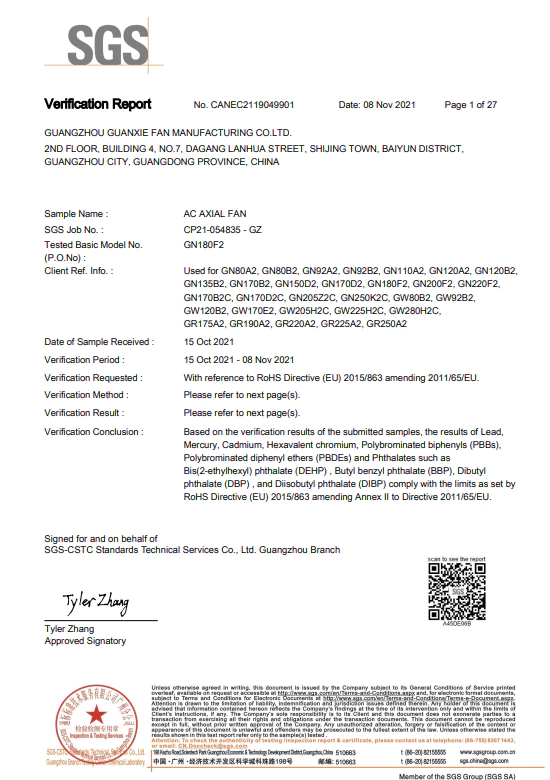
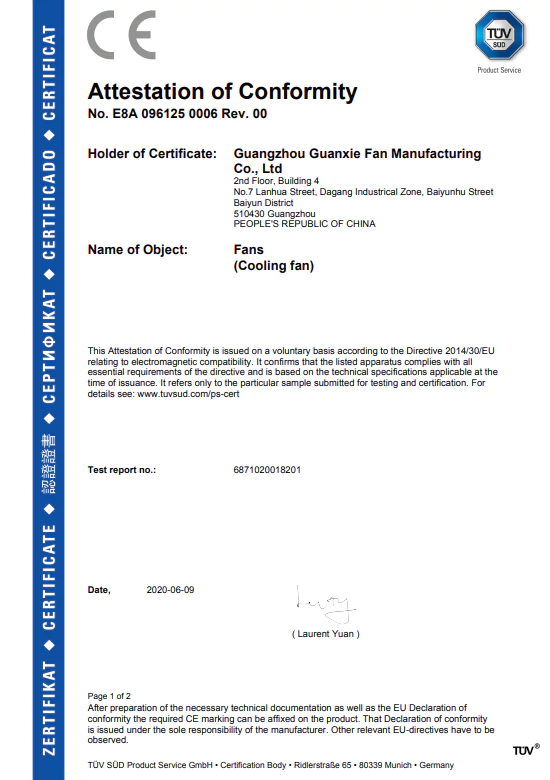
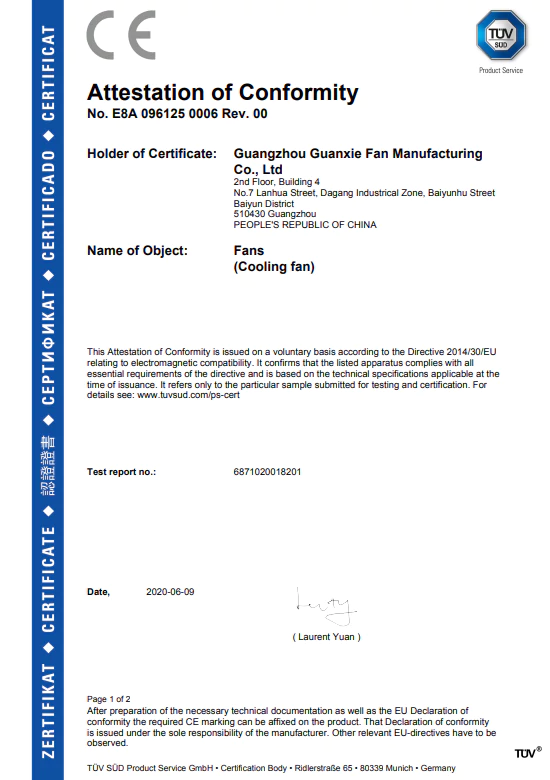
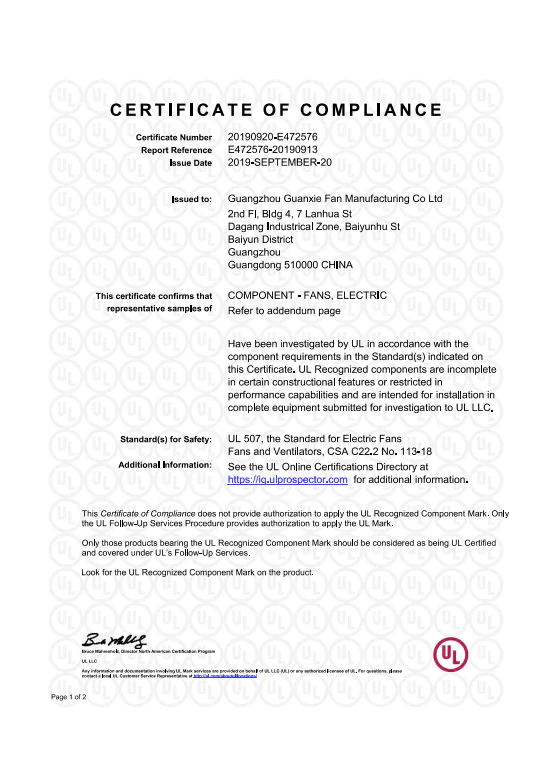
Energy compliance: our EC fans meet ErP 2025 directives, and we provide Declarations of Conformity for CE/UL/RoHS. For functional safety, many automation customers require locked rotor alarm or soft-start capabilities, which are standard options on our DC/EC fans.
FAQ of Cooling Fans & Heatsinks Automation
How does automation improve the assembly quality of cooling fan and heatsink modules?
Automation utilizes robotic precision to ensure consistent torque during mounting and perfectly uniform application of thermal interface materials. This eliminates human error, minimizes air gaps between components, and guarantees that every integrated module meets strict thermal resistance standards for high-performance industrial applications.
Can your automated lines handle custom AC/DC/EC fan specifications for specific heatsinks?
Yes, our flexible automation systems are programmable to accommodate various fan dimensions and motor types. By integrating CNC-controlled processing, we can precisely align custom fan frames with complex heatsink fin geometries, ensuring optimized airflow paths and maximum heat dissipation efficiency for bespoke thermal solutions.
What role does AI play in the automated testing of these thermal modules?
Our factory employs AI-driven optical inspection and acoustic sensors to monitor vibration and noise levels automatically. This real-time data analysis identifies micro-defects in bearing alignment or fin bonding that manual inspection might miss, ensuring 100% reliability for mission-critical EV charging and server infrastructure.
How does automated heatsink skiving and bonding enhance overall cooling performance?
Automated skiving creates high-density fin structures from solid metal blocks, significantly increasing the surface area. When combined with automated vacuum brazing or soldering, it ensures a superior metallic bond with the fan base, drastically reducing thermal impedance compared to traditional manual assembly methods.
Does automation help in reducing the lead time for high-volume AC fan orders?
Our fully automated production lines operate 24/7 with high-speed winding and balancing machines, significantly shortening manufacturing cycles. This increased throughput allows us to provide rapid delivery for large-scale data center projects while maintaining the competitive pricing and precision required by global OEMs.
Ready to Solve Your Cooling Challenge
Contact our engineering and sales team for specifications, pricing, or a custom solution discussion.