Axial fans take the lead in the global market, holding over 38% of the share, while AC fans follow with more than 31%. Choosing the right fan boosts energy efficiency and helps equipment last longer. Many companies trust fanacdc for factory-direct solutions and custom designs that fit unique industrial needs.
Key Takeaways
Understand the different types of industrial cooling fans, including AC, DC, EC, centrifugal, and axial fans, to choose the best fit for your needs.
Selecting the right fan can improve energy efficiency and extend the lifespan of your equipment, leading to cost savings.
Consider factors like performance efficiency, size, noise levels, and durability when choosing an industrial fan for your application.
Custom solutions from manufacturers like fanacdc can provide tailored fans that meet specific industrial requirements, enhancing performance.
Energy-efficient fans can reduce power consumption by up to 70%, supporting both budget and sustainability goals.
Types of Industrial Cooling Fans Overview
Main Types and Their Functions
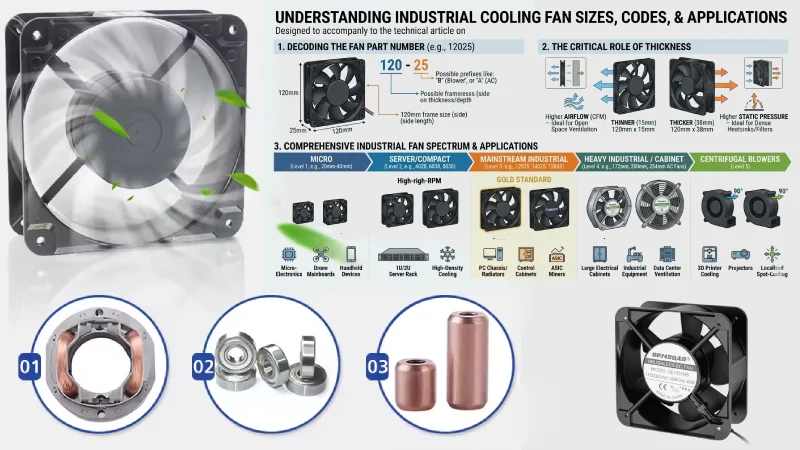
Industrial environments rely on several types of industrial cooling fans to keep equipment safe and efficient. Each type serves a unique purpose, and understanding these differences helps users select the right solution for their needs. Here’s a quick look at the main industrial fan types and what they do best:
High static pressure, noise reduction, ducted airflow
HVAC, cleanrooms, dust collection, spot cooling
Axial Fans
High-volume, low-pressure airflow, compact design
Device ventilation, densely packed electronics
Portable/Specialized Fans
Flexible, targeted cooling, easy to move
Temporary setups, maintenance, spot cooling
AC fans, like those from fanacdc, deliver reliable performance in tough industrial settings. They offer strong airflow and long service life, making them a favorite for factories and telecom sites. DC fans stand out for their energy efficiency and precise speed control. These fans work well in electronics and automation, where stable temperatures matter most.
EC fans combine the best of both worlds. They use advanced motor technology to save energy and allow for smart speed adjustments. Many companies choose EC fans for their ability to cut power costs by up to 30% compared to traditional models. Centrifugal fans shine in high-pressure environments. Their design lets them push air through ducts and filters, making them ideal for HVAC and cleanroom applications. Axial fans move large amounts of air at low pressure. Their compact structure fits well in tight spaces, such as server racks or device enclosures.
Portable and specialized fans fill unique roles. They provide flexible cooling for temporary setups or maintenance tasks. These fans are easy to move and set up wherever extra airflow is needed.
fanacdc offers all these types of industrial cooling fans, with a focus on customization. Their engineering team helps customers match the right fan to each application, whether it’s a standard model or a custom-built solution. This approach ensures every industrial project gets the most effective and efficient cooling possible.
How Industrial Fans Work
Industrial fans play a key role in keeping temperatures stable and equipment safe. They work by moving air across hot surfaces, which helps carry heat away and maintain safe operating conditions. The basic principle is simple: the fan’s blades spin, pulling cooler air in and pushing warmer air out.
Different types of industrial cooling fans use different mechanisms to move air:
Axial fans move air along the axis of the fan, much like a propeller. They create high airflow at low pressure, which works well for ventilating devices or cooling densely packed electronics.
Centrifugal fans draw air into the center and then push it out at a 90-degree angle. This design creates higher pressure, making these fans perfect for ducted systems or places with airflow resistance.
Here’s a quick comparison of how axial and centrifugal fans operate:
Feature
Axial Fans
Centrifugal Fans
Airflow Direction
Moves air along the axis
Expels air at 90 degrees from the intake
Pressure Capabilities
Lower pressure, high airflow
Higher pressure, suitable for ducted systems
Best Use
Open spaces, device cooling
Ductwork, HVAC, high-resistance environments
Modern industrial fans, especially EC and DC models, use advanced motors for better efficiency and control. EC motors, for example, use electronic commutation and permanent magnets. This design allows for precise speed adjustments and reduces energy use. These fans can convert up to 85% of electrical energy into airflow, helping companies save on power bills.
Industrial cooling fans must handle tough conditions. They often run for long hours, face high temperatures, and work in dusty or humid environments. fanacdc designs its fans with these challenges in mind. Their products feature robust materials, IP-rated protection, and advanced engineering to ensure reliable performance.
Note: Energy-efficient fans from fanacdc can reduce power usage by up to 70% compared to older models. This not only saves money but also supports sustainability goals.
cooling fans
AC Industrial Fans by fanacdc
Features and Benefits
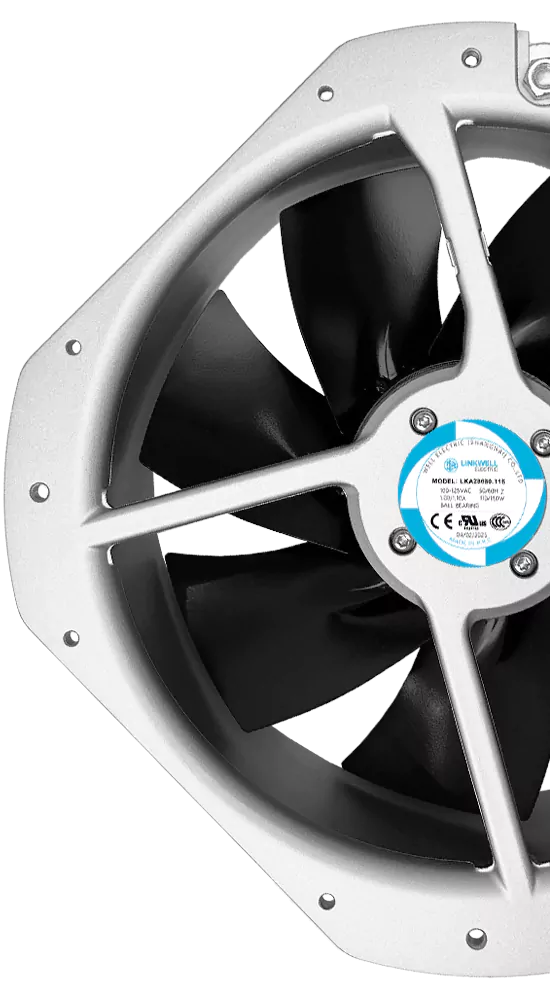
AC industrial fans from fanacdc stand out for their durability and reliability. They are built to handle tough industrial environments, running for thousands of hours without losing performance. These fans use strong materials and advanced engineering to keep equipment safe and cool, even in high-heat or dusty conditions.
Here’s a quick look at the certifications and standards these industrial fans meet:
Certification/Standard
Description
ISO 9001
Quality management system standard
ISO 14001
Environmental management system standard
UL
Underwriters Laboratories safety certification
CE
European Conformity marking for safety and health
RoHS
Restriction of Hazardous Substances compliance
TÜV
Technical Inspection Association compliance
EMC
Electromagnetic Compatibility certification
fanacdc’s 140mm models deliver strong airflow and quiet operation. Their unique blade design reduces backpressure and boosts efficiency. These features make them a smart choice for high-density setups like server racks. The company uses advanced aerodynamic designs and composite materials to save energy and improve performance. Strict quality control ensures every fan lasts, even in demanding industrial settings.
Customization is a big part of the fanacdc experience. Clients can work with experts to design fans with special sizes, mounting options, or performance curves. fanacdc also adjusts voltage and IP ratings to fit unique project needs. This flexibility helps industrial clients get the right solution for any environment, from tight cabinets to wet outdoor spaces. Technical support and 24/7 after-sales service keep systems running smoothly.
Applications
AC industrial fans play a key role in many sectors. They help with ventilation, equipment cooling, and exhaust of fumes or gases. You’ll find these fans in manufacturing, chemical processing, textile, food processing, electronics, glass, automotive, agriculture, data centers, and commercial buildings.
Common uses include:
Keeping machines and electronics at safe temperatures
Removing heat, smoke, or dust from work areas
Controlling humidity and drying materials
Supporting safe and comfortable working conditions
Drum fans are often used for large spaces or spot cooling in factories and warehouses. Their power and mobility make them a favorite for temporary setups or maintenance work.
When companies choose fanacdc, they get more than just industrial fans. They receive reliable products, expert support, and the peace of mind that comes from working with a trusted manufacturer. That’s one of the biggest industrial fan benefits for any business.
DC Industrial Fans for Precision Cooling
Key Features
DC industrial fans deliver precision cooling where it matters most. These fans stand out for their energy-efficient operation, advanced speed control, and quiet performance. Many engineers choose DC models because they can adjust fan speed to match real-time temperature changes. This flexibility keeps equipment safe and helps save energy.
Here’s a quick look at the key energy efficiency metrics for DC industrial fans:
Metric
Description
Power Consumption
DC fans can achieve energy savings of up to 70% compared to AC fans.
Airflow Performance
Actual airflow often reaches about half of the fan’s maximum output.
Noise Levels
DC fans are designed to minimize noise while maintaining efficiency.
Speed control plays a big role in how these industrial fans work. With features like PWM (pulse-width modulation), users can fine-tune the fan’s speed. Lower speeds mean less noise and fewer vibrations. This not only makes the workspace quieter but also extends the fan’s lifespan. DC fans can adapt quickly to changing demands, which gives operators more control over their systems.
fanacdc’s DC fan product line stands out in the market. The company uses strong R&D capabilities and self-designed molds to create reliable, high-performance industrial fans. Every model goes through comprehensive testing, so users get consistent results and detailed reliability reports.
Use Cases
DC industrial fans support a wide range of industries and applications. They provide targeted cooling for electronics, automotive, medical devices, and server rooms. Here’s a quick overview:
Industry
Applications
Electronics
Computers, servers, telecommunication gear
Automotive
Engine cooling, radiators, air conditioning
Medical Devices
MRI machines, medical ventilators
Servers
Data centers, server rooms
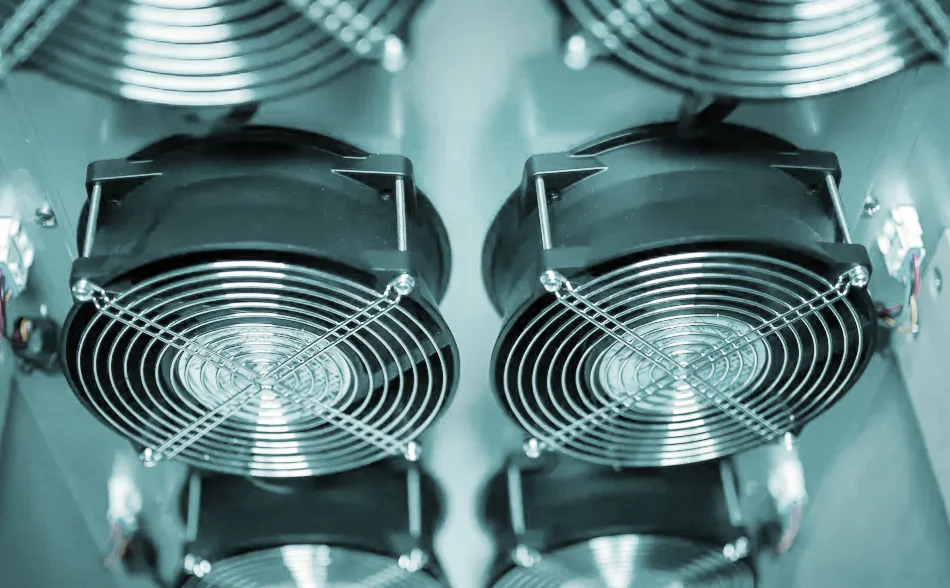
Operators use axial fans in server cabinets to expel hot air and draw in cool air. Centrifugal fans create airflow through centrifugal force, which works well for many cooling setups. Specialized DC fans, including waterproof and dustproof models, keep working even in harsh environments.
Drum fans with DC motors provide targeted cooling for maintenance areas or temporary setups. These fans are easy to move and set up, so they fit well in industrial spaces that need flexible solutions.
fanacdc’s industrial fans help companies achieve energy-efficient operation and reliable performance. Their products support electronics, automation, and other critical sectors where precise cooling makes a difference.
EC Fans and Types of Centrifugal Fans
EC Fan Advantages
EC fans have become a favorite in industrial cooling because they save energy and offer smart control features. These fans use advanced motors that adjust speed based on cooling needs. Companies see lower power bills and longer equipment life. EC fans from fanacdc can cut energy consumption by up to 70%. They also last longer since they have fewer parts that wear out.
Here’s a quick look at what makes EC fans stand out:
Advantage
Description
Energy Savings
Cuts energy use by up to 70%, leading to big cost savings.
Intelligent Control
Adjusts performance for best efficiency in different industrial settings.
Durability
High-quality materials and fewer wear parts mean less maintenance.
EC fans work well with smart building systems. They use features like PWM for variable speed, FG for real-time feedback, and RD for monitoring fan status. These tools help operators keep cooling systems running smoothly and spot problems early.
Note: EC fans deliver accurate speed control and improved comfort. They help maintain stable temperatures in factories, server rooms, and other industrial spaces.
Centrifugal Fan Types and Functions
Centrifugal fans play a key role in many industrial processes. Their design lets them push air through ducts and filters, making them ideal for tough environments. There are several types, each with unique strengths:
Backward curved fans: Blades curve away from the rotation. These fans offer high efficiency and stable operation. They work best in HVAC systems and industrial ventilation.
Forward curved fans: Blades curve in the direction of rotation. These fans provide high airflow at low pressure. They fit well in compact systems and air handling units.
Radial fans: Blades extend straight out from the hub. These fans are tough and handle dirty air or dust. They are common in dust collection and process ventilation.
Airfoil fans: Blades have a special shape that reduces turbulence and noise. These fans are popular in commercial HVAC systems.
Type of Centrifugal Fan
Common Industrial Uses
Reason for Use / Suitability
Forward-curved centrifugal fan
Compact systems needing large air volume at low pressure
Short blades enable high volume airflow, ideal for tight spaces
Backward-curved centrifugal fan
Medium to high-pressure ventilation and exhaust
Longer blades improve efficiency and handle higher pressure
Radial (straight-blade) centrifugal fan
Dust collection, process ventilation
Paddle-style impellers excel in dirty air environments
Industrial plants use centrifugal fans for ventilation, exhaust, and fume extraction. These fans help keep air clean in labs, factories, and cleanrooms. They also support cooling and drying systems, air pollution control, and sewage aeration.
fanacdc offers a wide range of centrifugal fans. Their team can customize fans for connectorization, wire options, filters, guards, noise optimization, and special coatings. Clients can request custom labeling, packaging, and kitting. This flexibility ensures every industrial project gets the right fan for its needs.
Choosing the Right Types of Industrial Fans
Selection Criteria
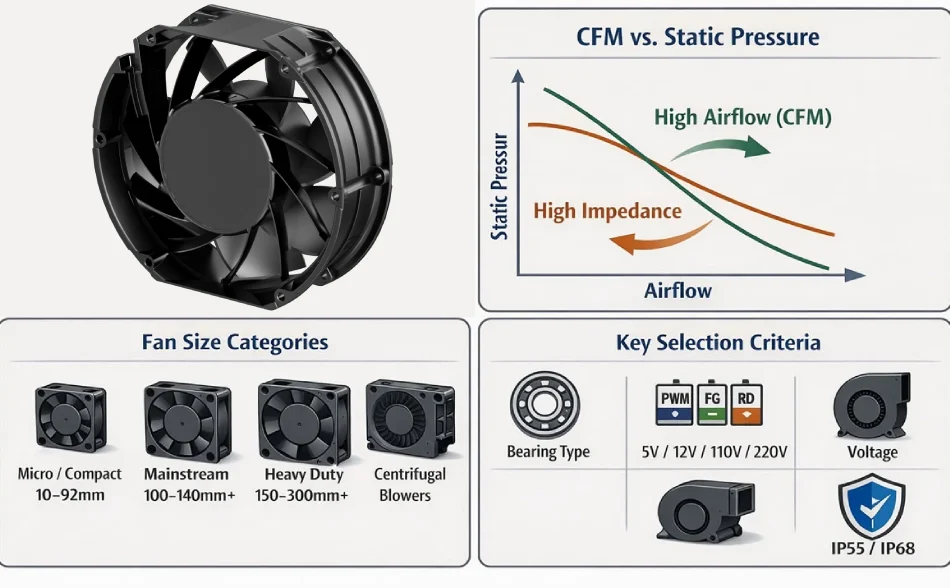
Selecting the right industrial cooling fan can make a big difference in workplace cooling and equipment temperature control. Industrial managers often look at several factors before making a choice. Here’s a simple checklist to help match the fan to the application:
Performance efficiency: Fans must deliver reliable airflow for improved air circulation.
Size: The fan should fit the space and meet ventilation needs.
Noise levels: Quiet fans support enhanced employee comfort, especially in busy areas.
Energy consumption: Lower energy use means cost savings and greener operations.
Durability: Fans must withstand harsh industrial environments.
Airflow direction: Choose the right type for targeted cooling or broad ventilation.
Manufacturer support: Reliable support ensures smooth operation.
Industrial ventilation systems often require fans with specific airflow and static pressure ratings. The table below shows how key factors influence fan selection:
Factor
Description
Airflow (CFM)
Matches ventilation with cooling needs for various uses for industrial fans.
Static Pressure
Handles resistance in ductwork or filters.
Noise Level (dBA)
Supports silent operation and enhanced employee comfort.
Voltage Requirements
Ensures compatibility with industrial power sources.
Size and Form Factor
Fits design constraints and tight spaces.
Choosing the right fan helps optimize energy use and keeps equipment running safely. Industrial buyers should always consider these criteria for the best results.
Custom Solutions from fanacdc
fanacdc offers custom solutions for industrial clients who need specialized fans. Their engineering team provides project customization, technical support, and fast lead times. Industrial buyers benefit from factory-direct pricing, which lowers costs and speeds up delivery.
fanacdc’s OEM and ODM services cover everything from requirement evaluation to design optimization. Clients receive guidance on product selection, installation, and troubleshooting. The company also offers sales training and after-sales support, making it easy to integrate fans into industrial ventilation systems.
Customization options include airflow, pressure, size, materials, and voltage. This flexibility allows fanacdc to design fans for uses for industrial fans in HVAC, automation, telecom, and energy systems. Their global export experience and strict quality control ensure reliable performance in demanding environments.
Purchasing directly from fanacdc means buyers get efficient energy solutions and quick responses. Industrial projects benefit from improved air circulation and enhanced employee comfort. The right fan choice supports workplace cooling and keeps equipment temperature control steady.
Note: fanacdc’s factory-direct supply and strong engineering support help industrial clients achieve energy savings and reliable cooling.
Choosing the right industrial cooling fan makes a big difference in performance and reliability. The table below highlights how axial and centrifugal fans serve different industrial needs:
Differentiating Factor
Axial Fans
Centrifugal Fans
Applications
Heat exchange, HVAC, cooling towers
Ventilation, air duct exhaust
Air Delivering Capacity
100–500,000 ft³/min
500–125,000 ft³/min
Size
Compact
Bulky
Selecting the right fan helps extend equipment life, boost efficiency, and maintain safety. Fanacdc stands out with engineering-driven customization, rapid support, and factory-direct service. Their tailored solutions keep operations running smoothly. For reliable cooling, companies can trust fanacdc to deliver the perfect fit.
FAQ
What is the main difference between axial and centrifugal fans?
Axial fans move air straight through the fan, like a propeller. Centrifugal fans pull air in and push it out at a 90-degree angle. Axial fans work best for open spaces. Centrifugal fans handle ducts and higher pressure.
How do I choose the right industrial cooling fan?
Start by checking airflow needs, space, and noise limits. Think about the environment and power supply. fanacdc’s team can help match the right fan to your project. They offer custom solutions for unique requirements.
Can industrial fans from fanacdc be customized?
Yes! fanacdc offers custom sizes, voltages, airflow, and protection ratings. Their engineers work with clients to design fans for special applications. Custom labeling and packaging are also available.
Why should companies consider energy-efficient fans?
Energy-efficient fans lower power bills and reduce heat. They help equipment last longer and support green goals. EC and DC fans from fanacdc can cut energy use by up to 70%.