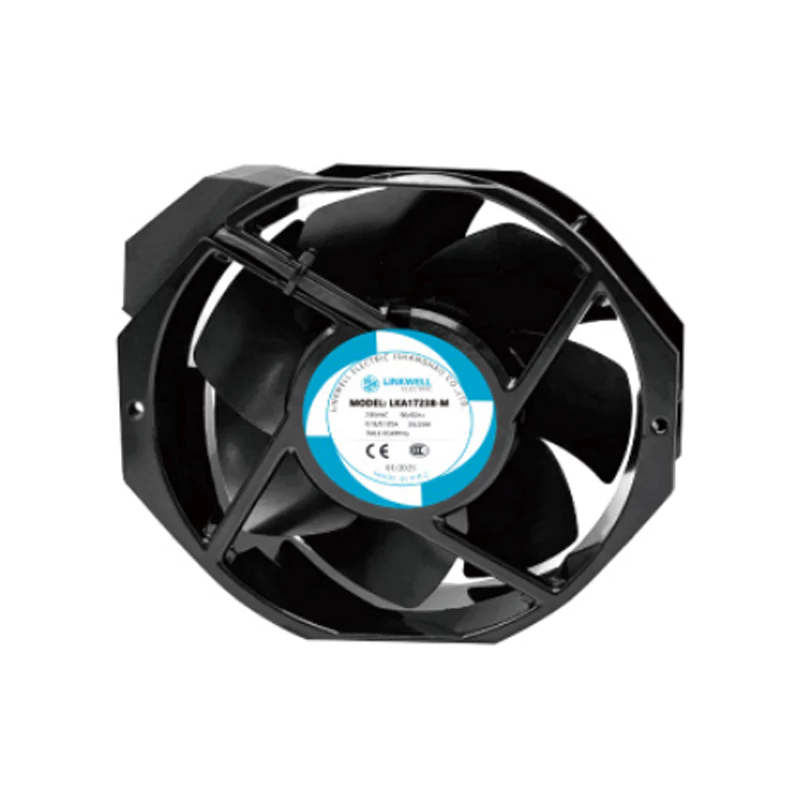
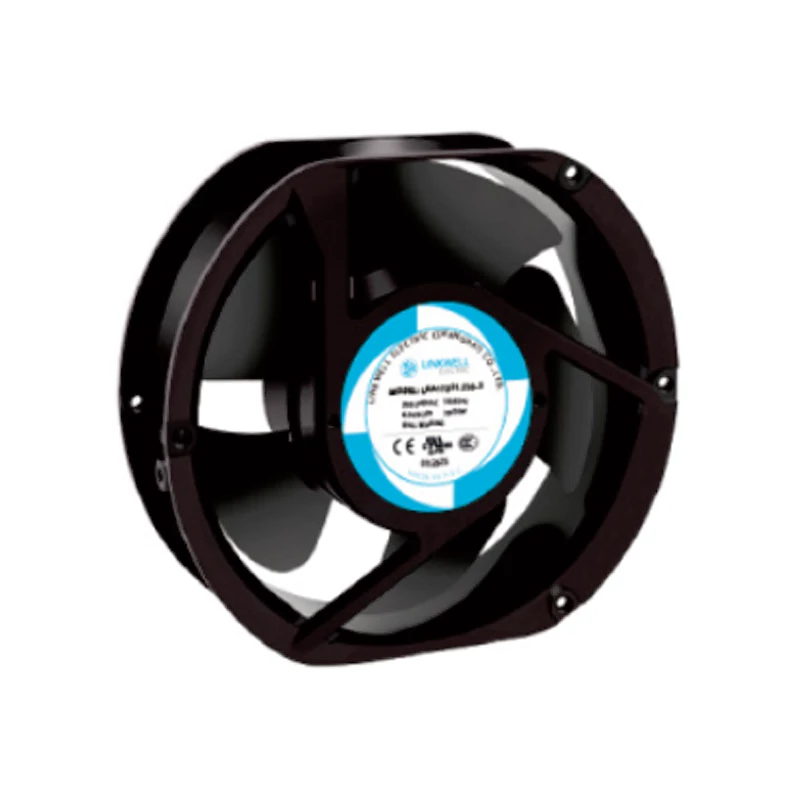
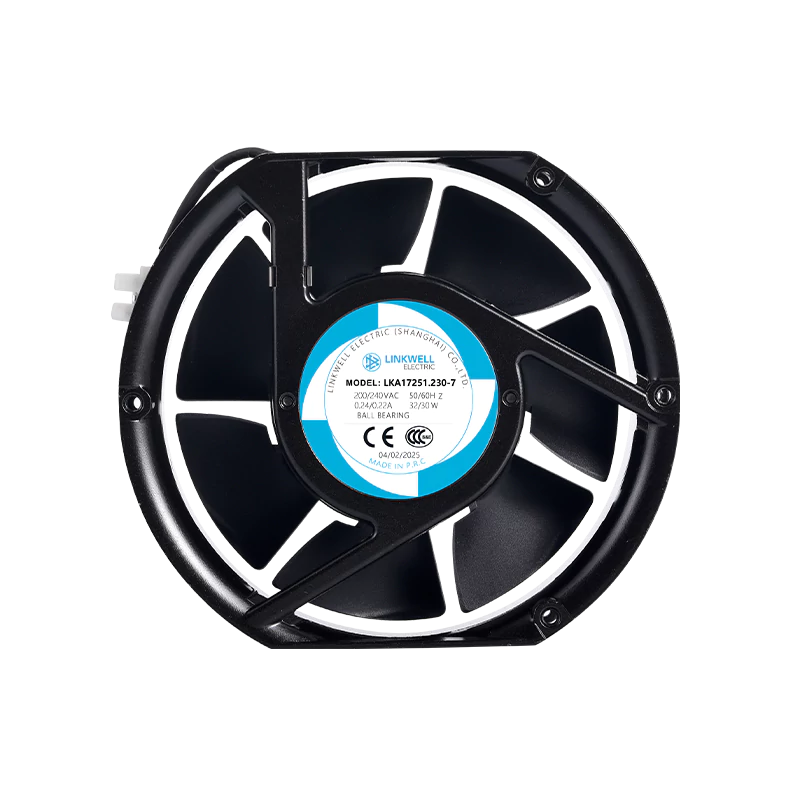
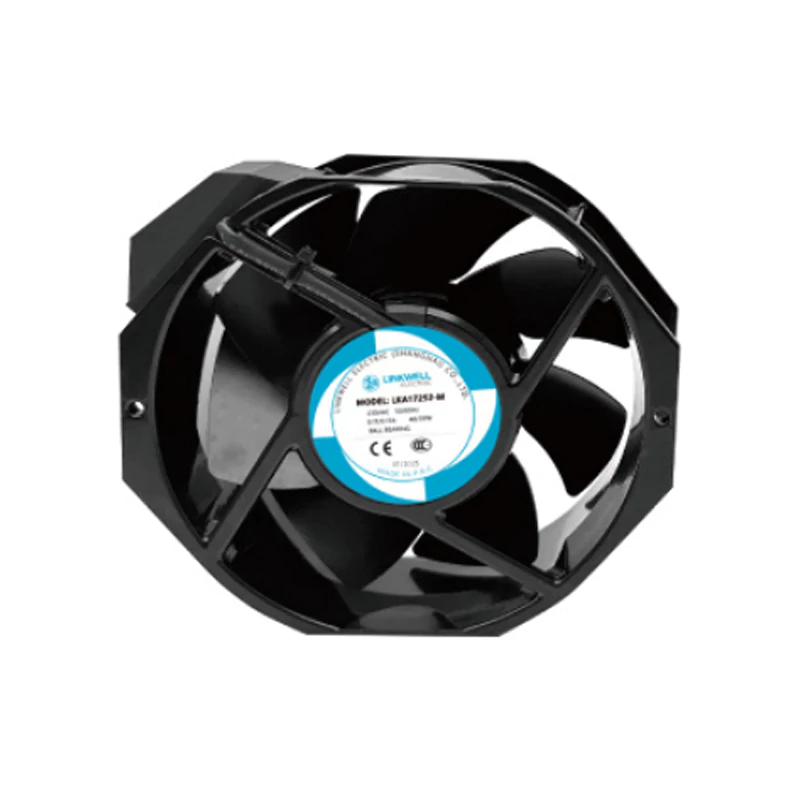
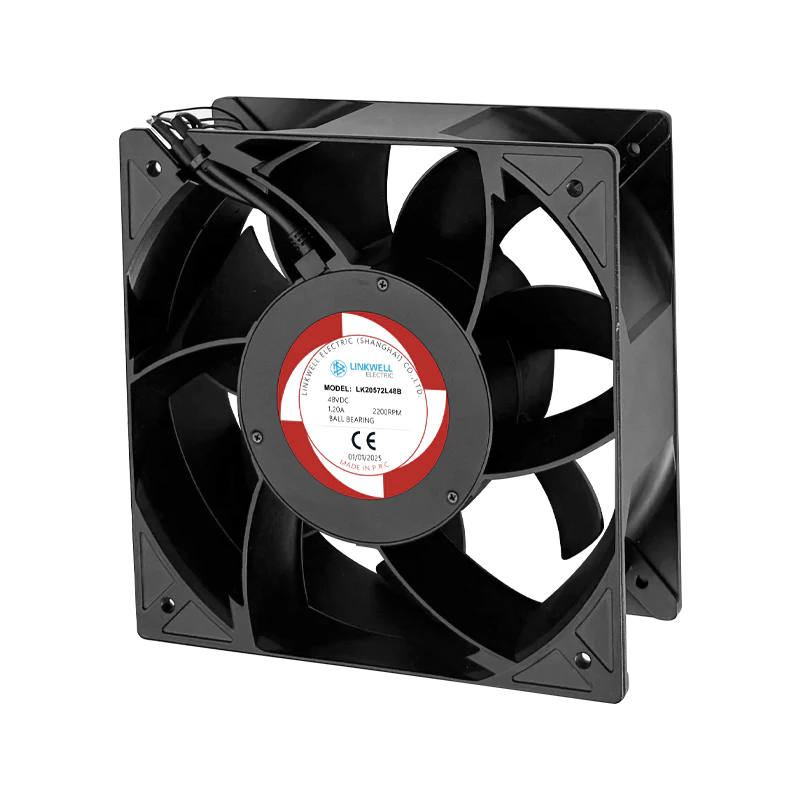
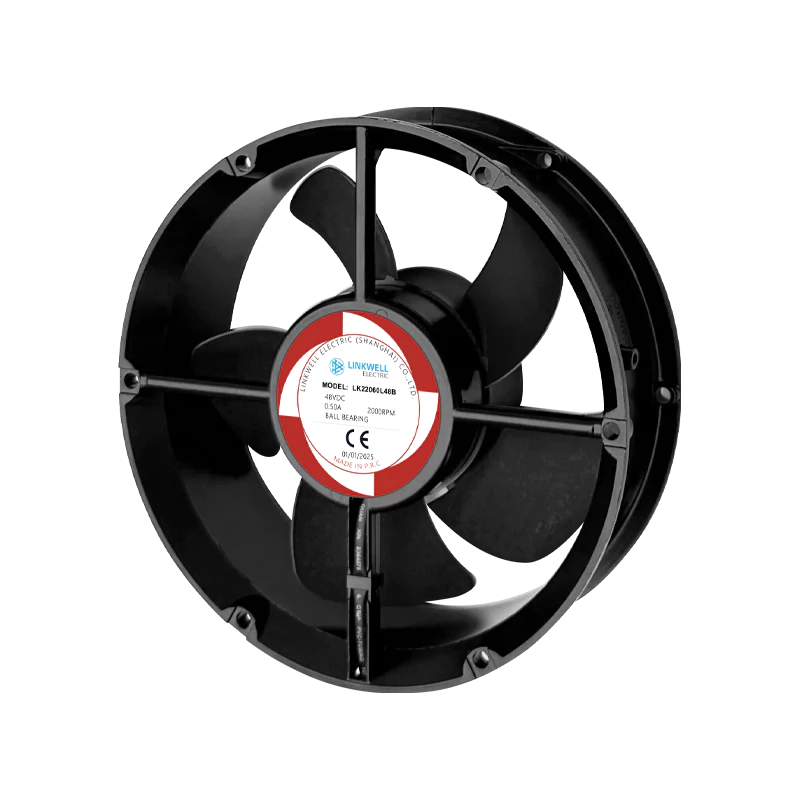
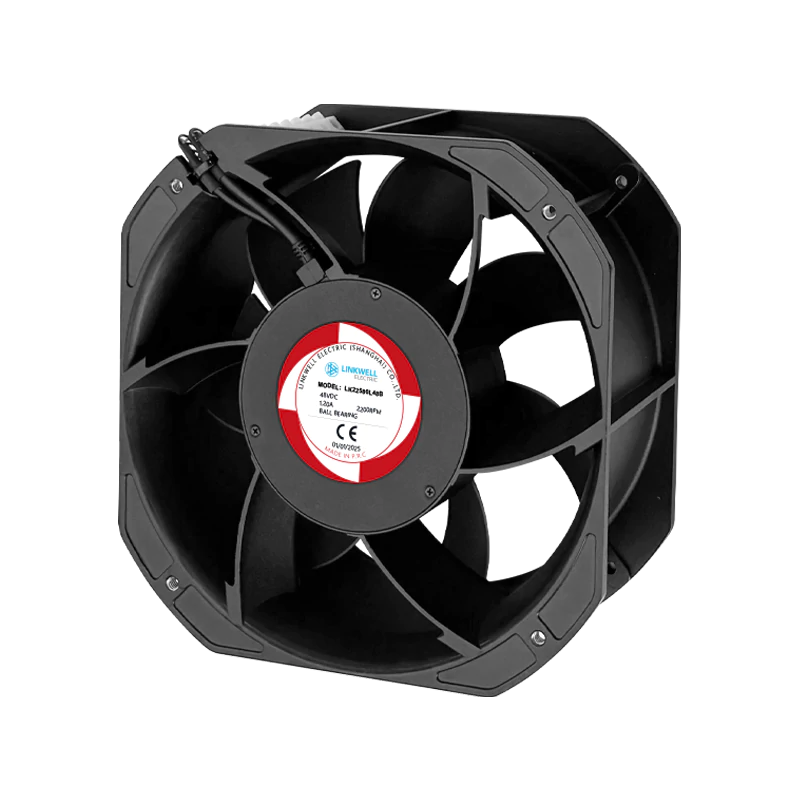
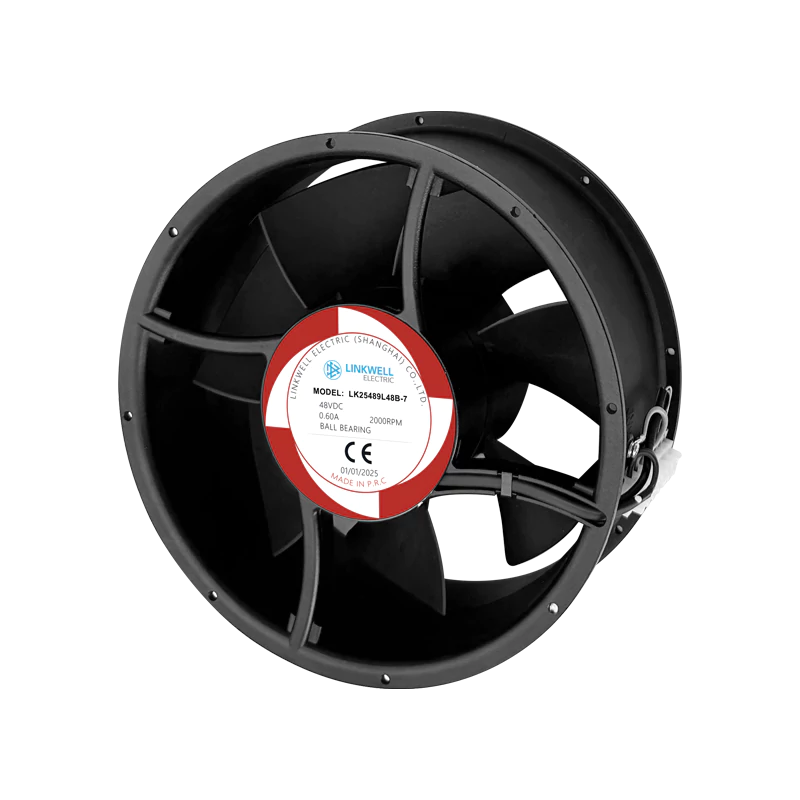
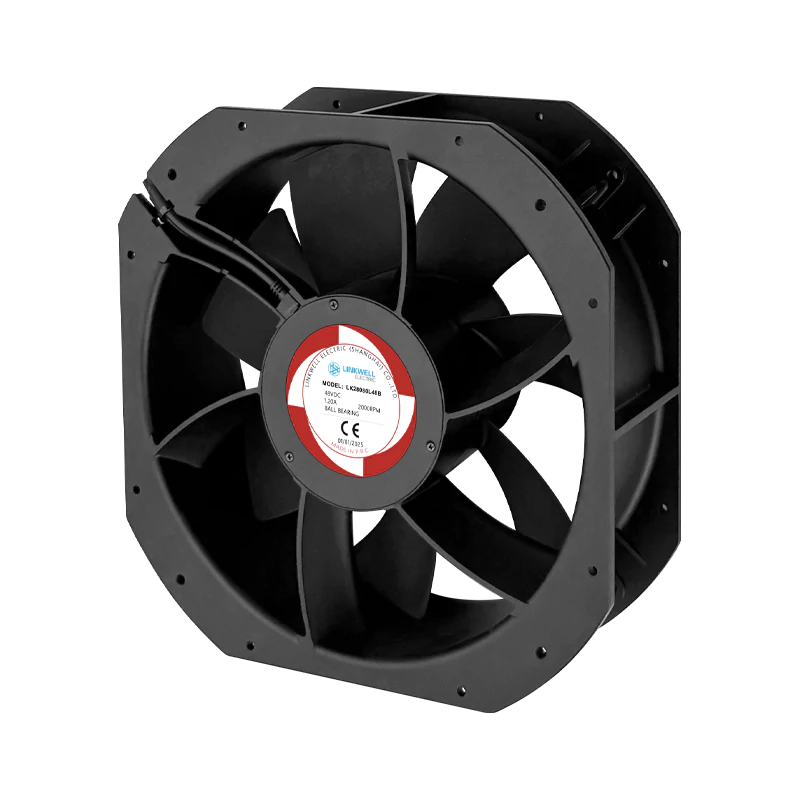
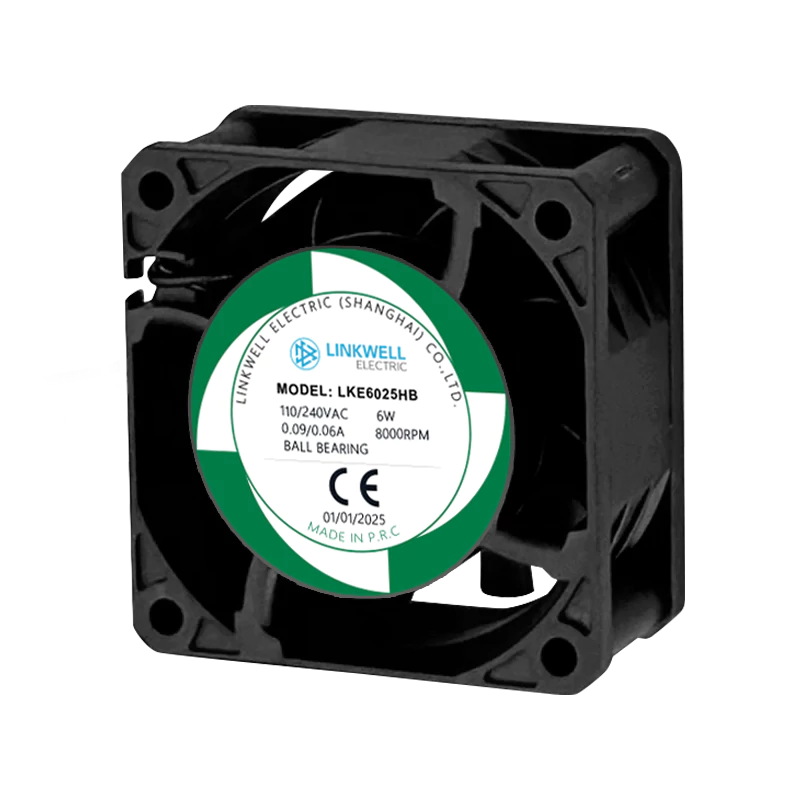
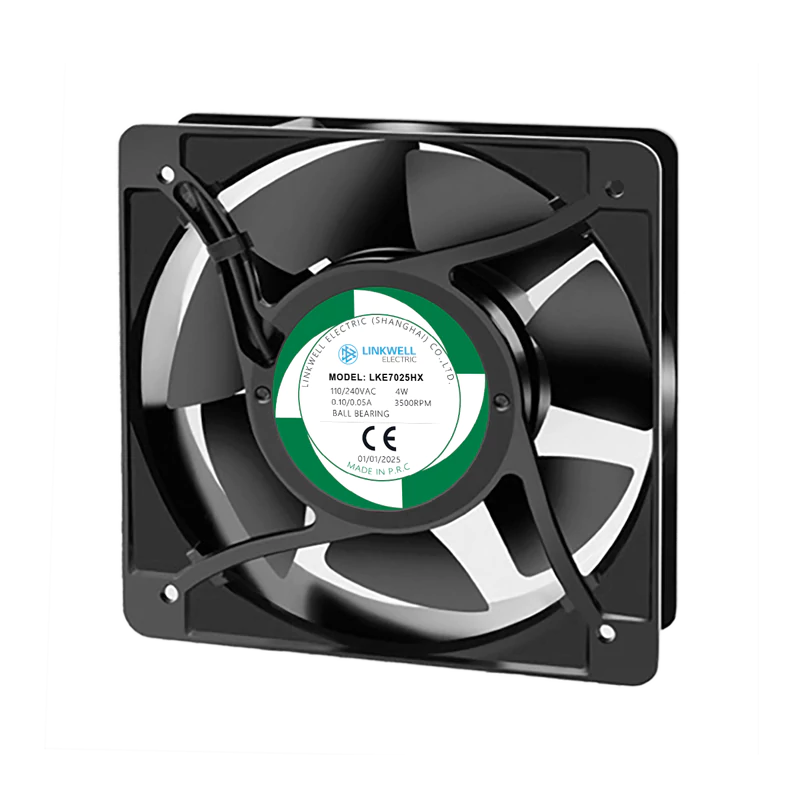
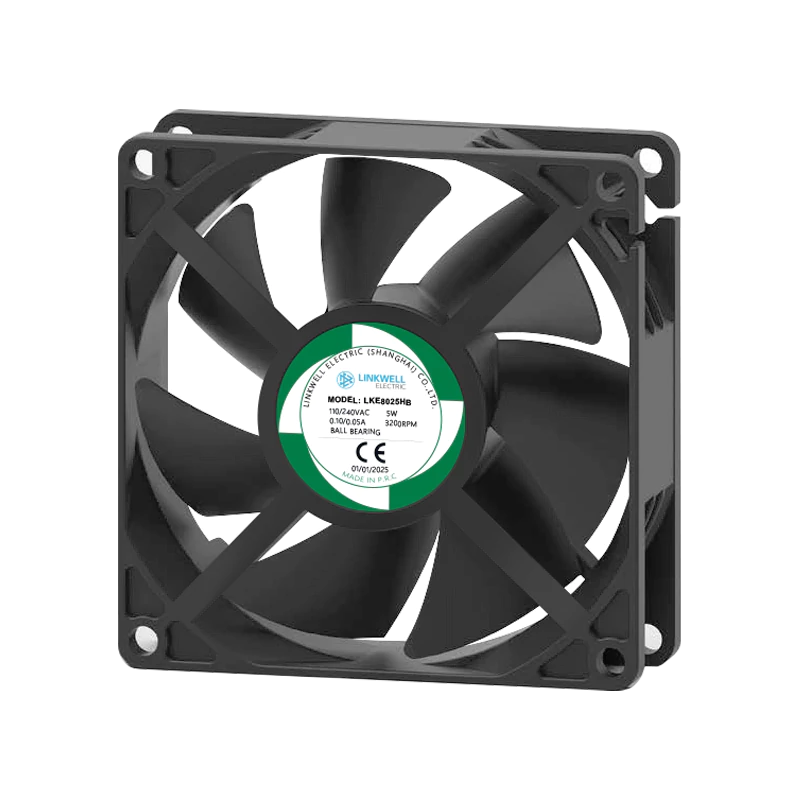
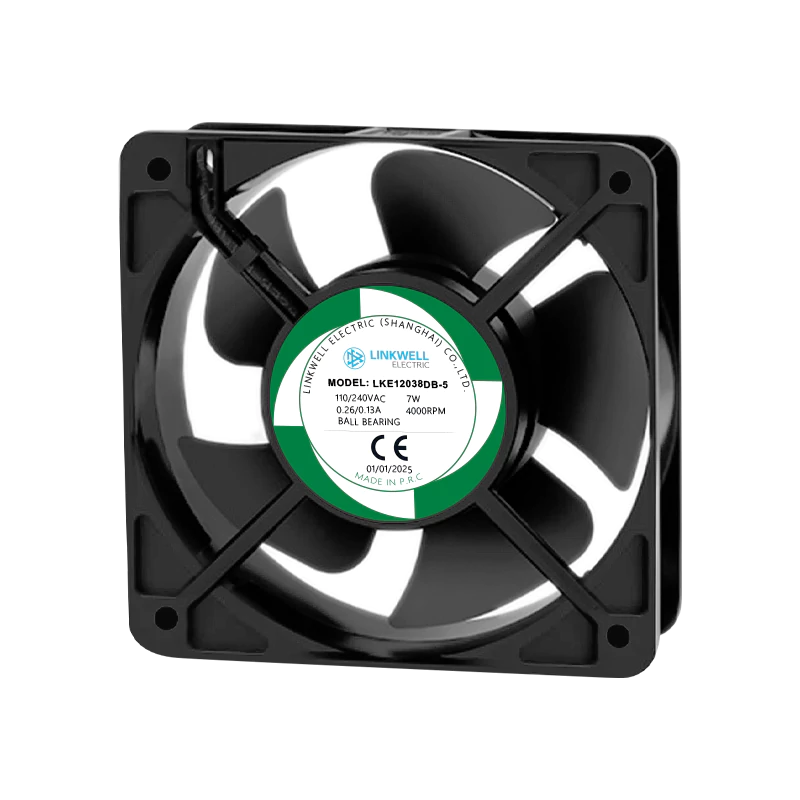
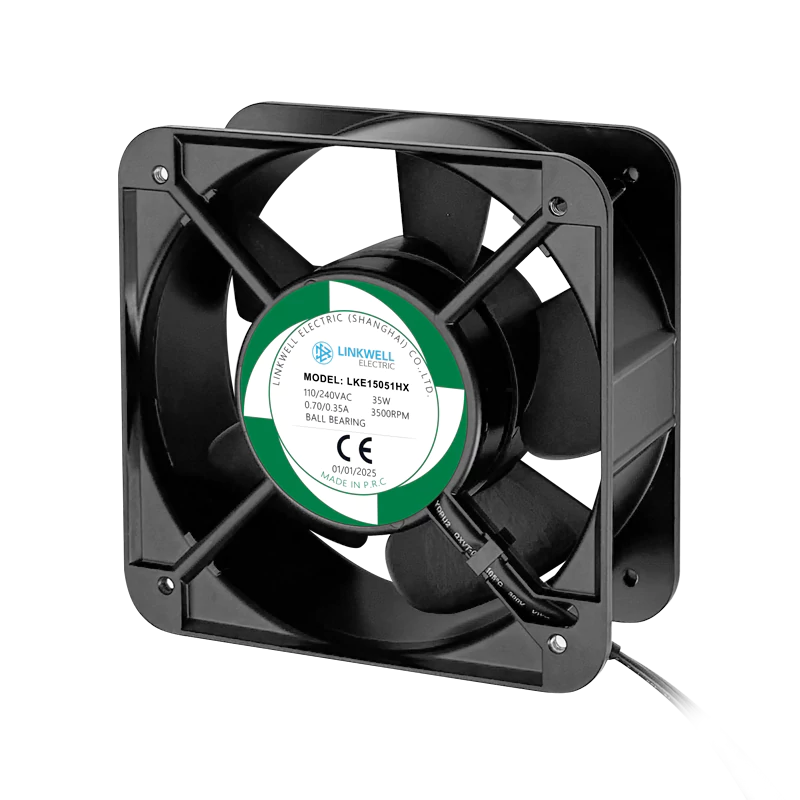
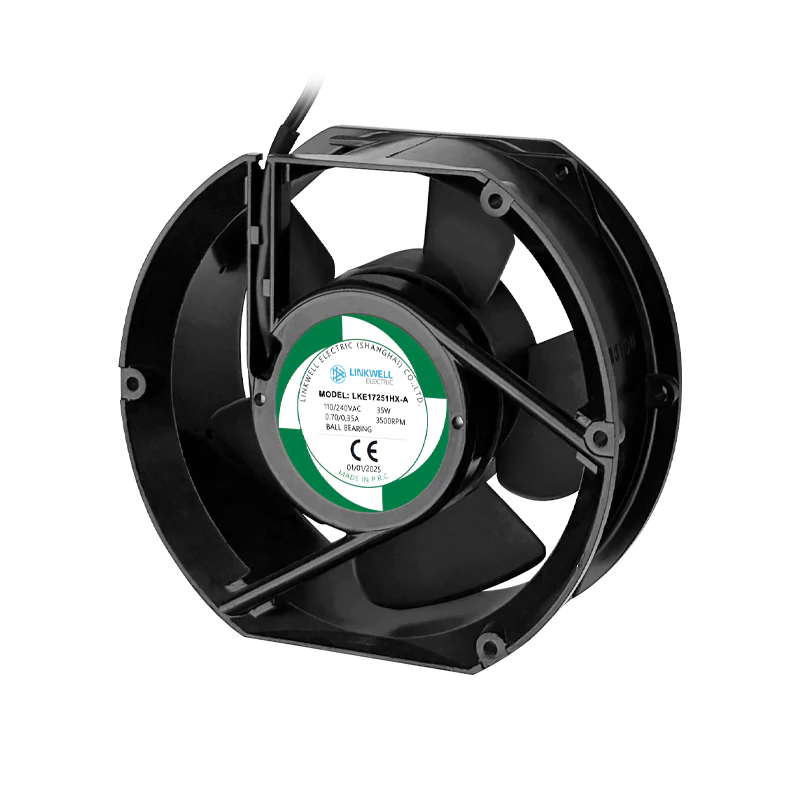
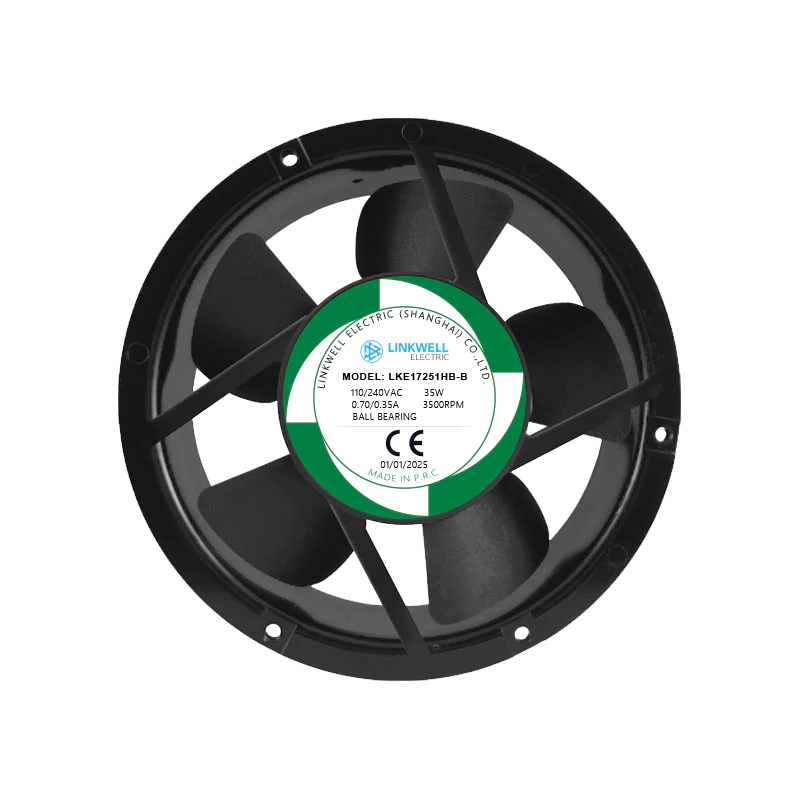
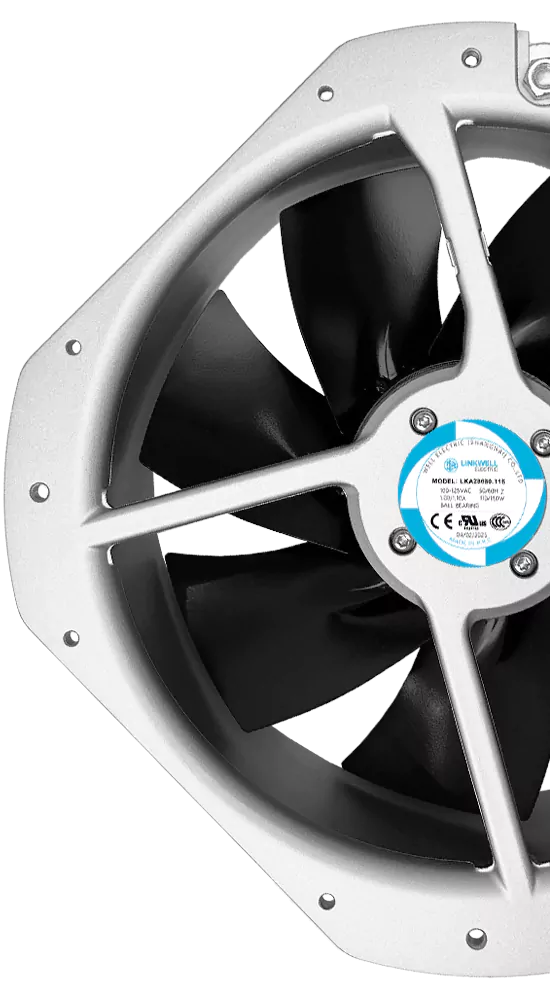
The Trusted Source for Durable Cooling Fans

Cooling Solutions for Data Centers AC/DC/EC Fans Manufacture

From server fans to liquid cooling — reduce PUE, eliminate hotspots, and maximize hardware lifespan with proven thermal strategies.

At Linkwell, we offer free technical support, product customization, factory-direct pricing, rapid shipping, and cost-effective solutions—helping you finalize your data center cooling choices.

cooling solutions for data centers

Why Data Center Cooling Is Non‑Negotiable

Overheating is the #1 enemy of uptime. Every degree matters for performance and total cost of ownership.

50% of failures

More than half of IT equipment malfunctions are directly linked to excessive heat. Proper cooling extends component life by years.

10°C = 50% shorter life

Every 10°C rise above recommended range cuts electronic lifespan in half. Don't let poor thermal design kill your ROI.

30–40% of energy

Cooling accounts for up to 40% of total data center power draw. Smart solutions slash electricity bills dramatically.

Data Center Cooling Technologies: Full Spectrum

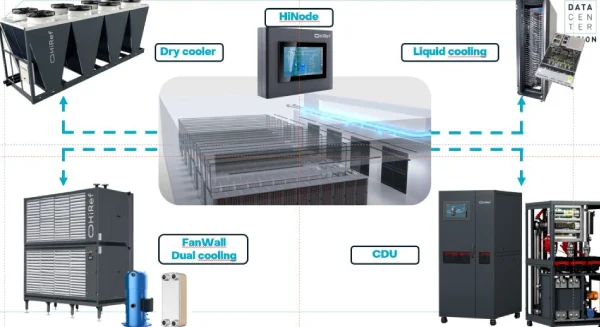
No one-size-fits-all. Compare air, liquid, and free cooling to match your rack density and climate.

Air Cooling

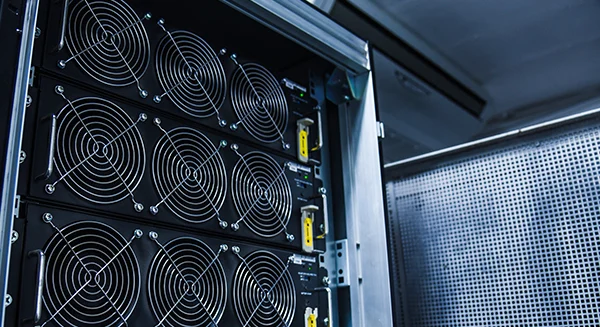
Best for: traditional & mixed density (2–6 kW/rack). Uses fans, CRAC/CRAH units, and hot/cold aisle containment. Low upfront cost, mature ecosystem.

energy efficient cooling solutions for data centers

Liquid Cooling

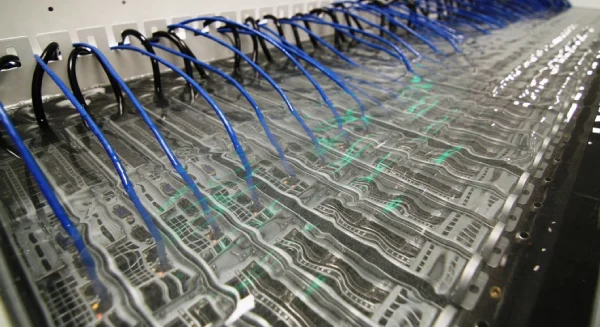
Best for: high-performance computing, AI clusters (10–50+ kW/rack). Cold plate or immersion. Achieves PUE below 1.1.

energy efficient cooling solutions for data centers

Free Cooling

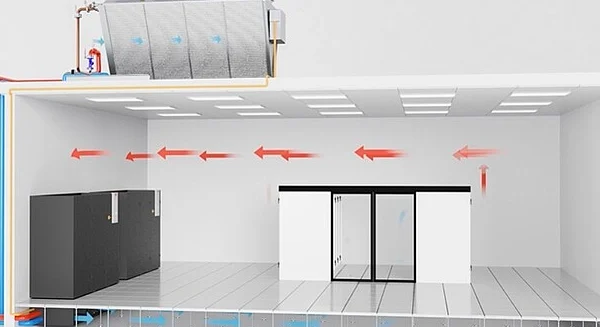
Uses outside air or water when ambient conditions permit. Airside/economizers reduce chiller runtime. Perfect for temperate climates.

energy efficient cooling solutions for data centers

Hybrid Solutions

Combine air + liquid + free cooling. Modern data centers adopt hybrid to balance cost, density, and sustainability goals. Maximum flexibility & future-proof

energy efficient cooling solutions for data centers

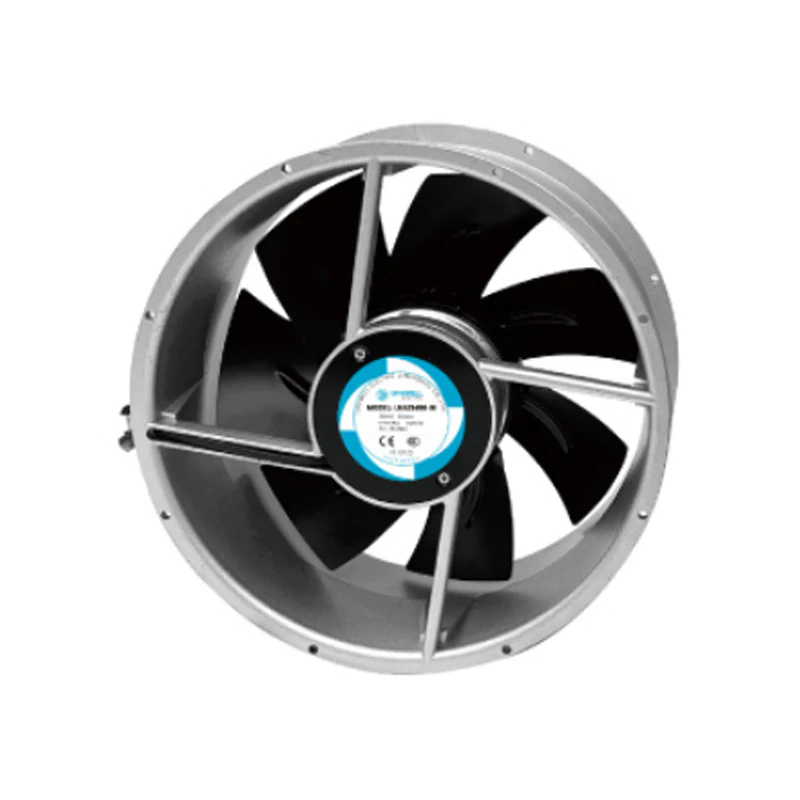
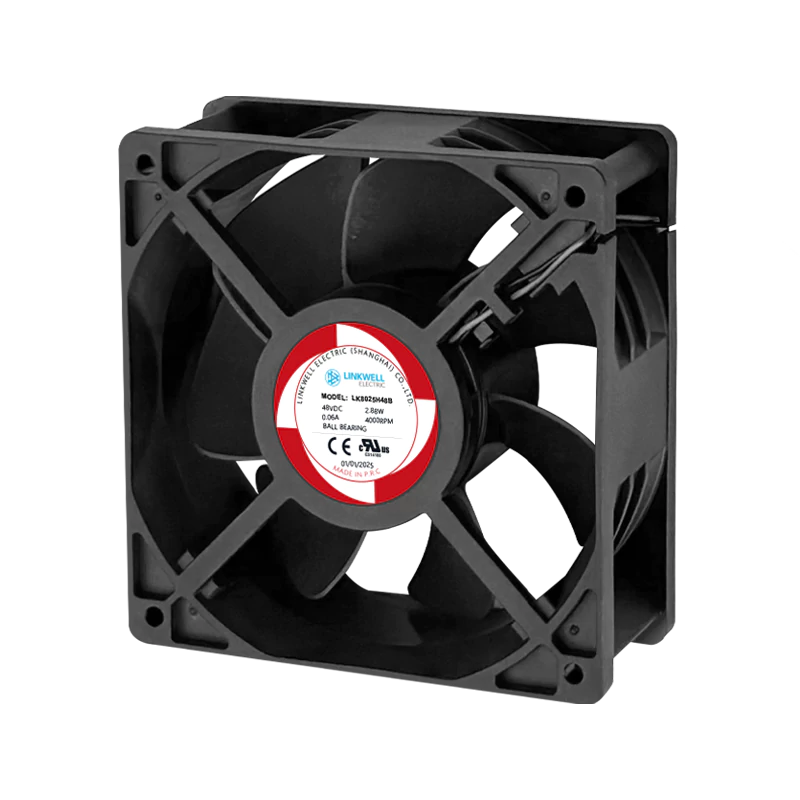
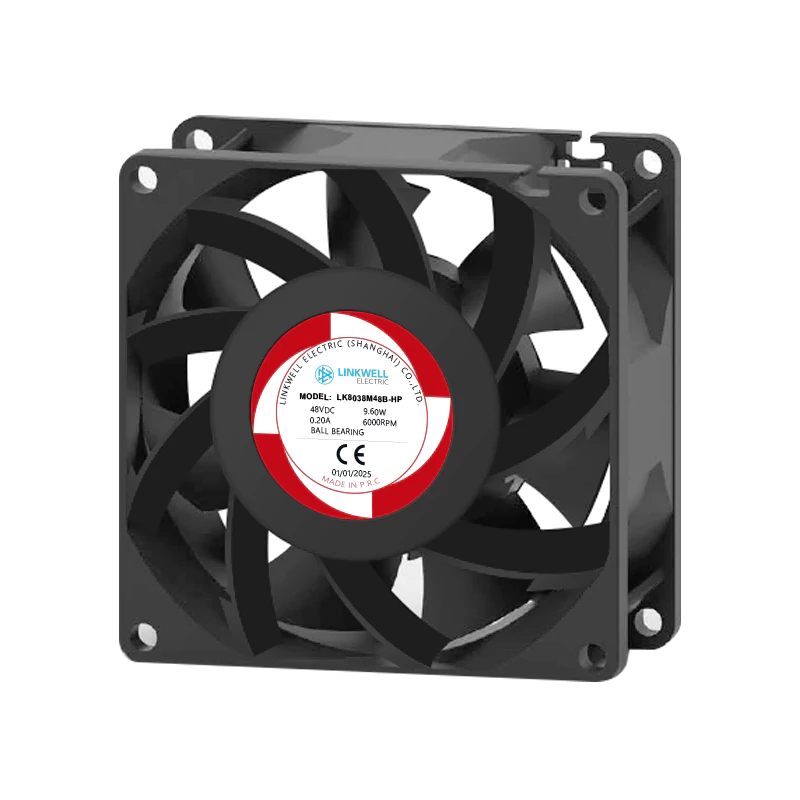
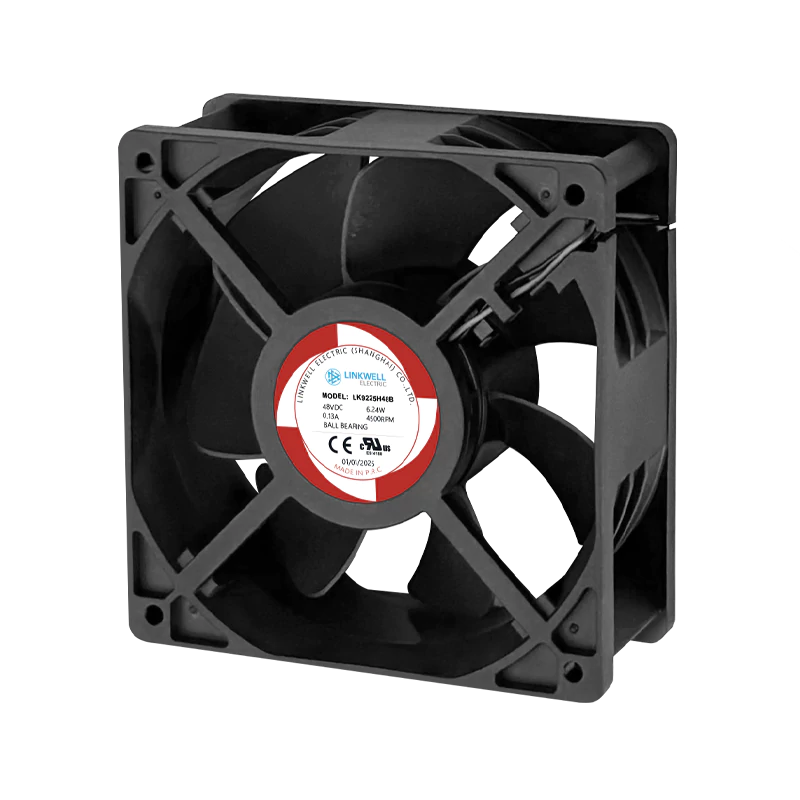
Fans: The Workhorse of Data Center Thermal Management

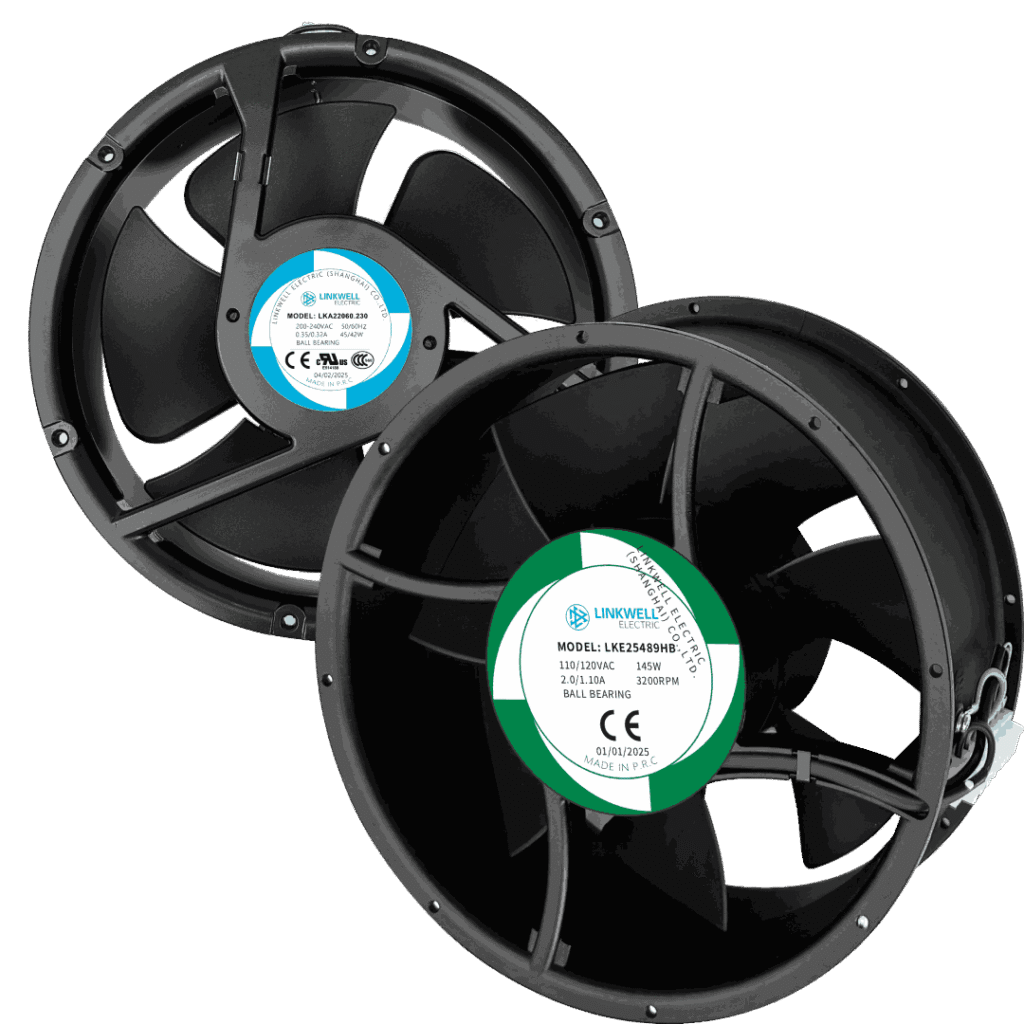
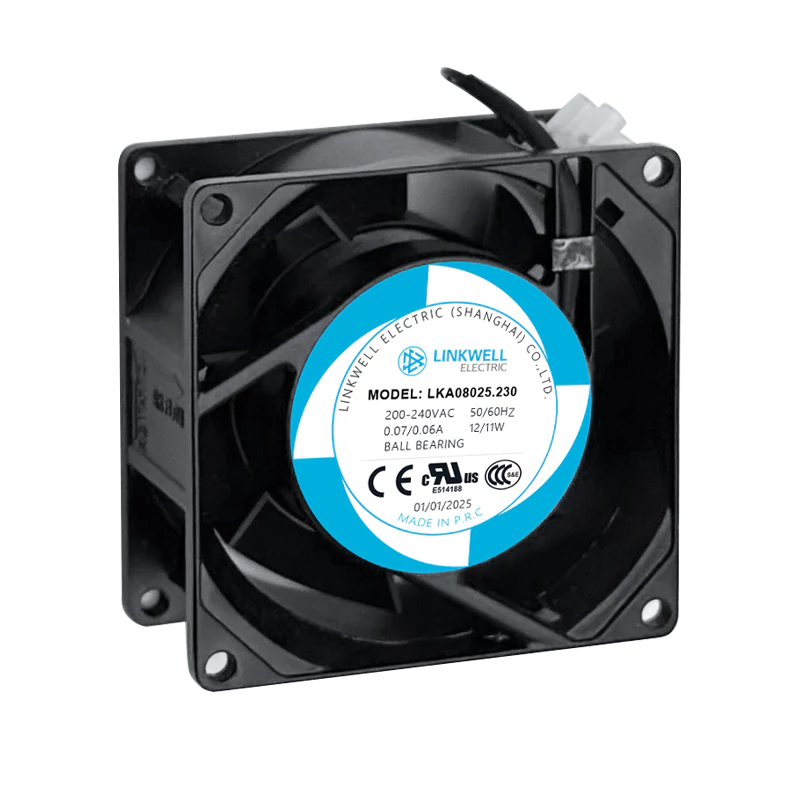
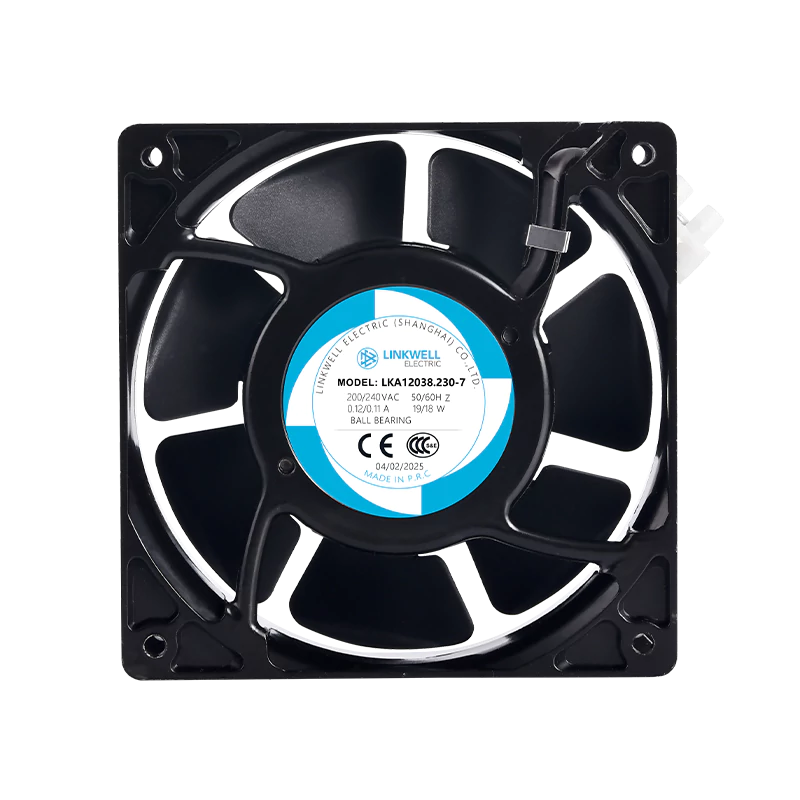
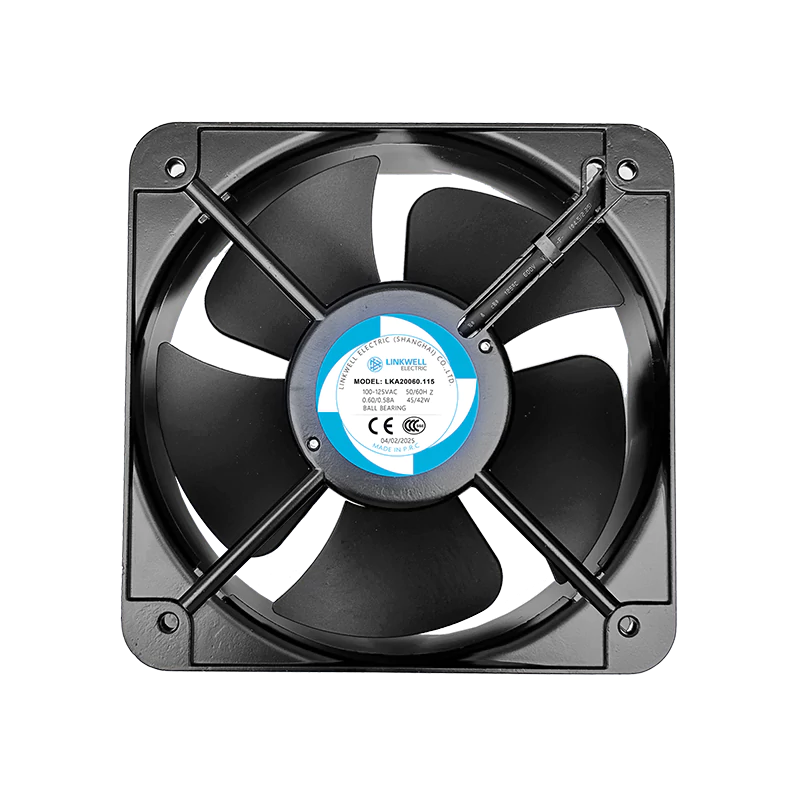
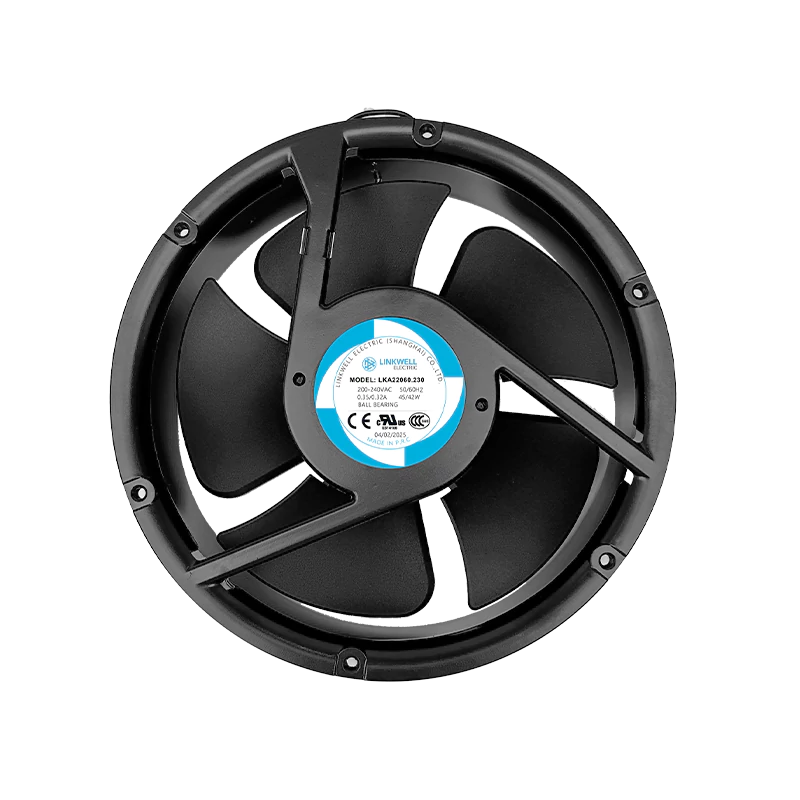
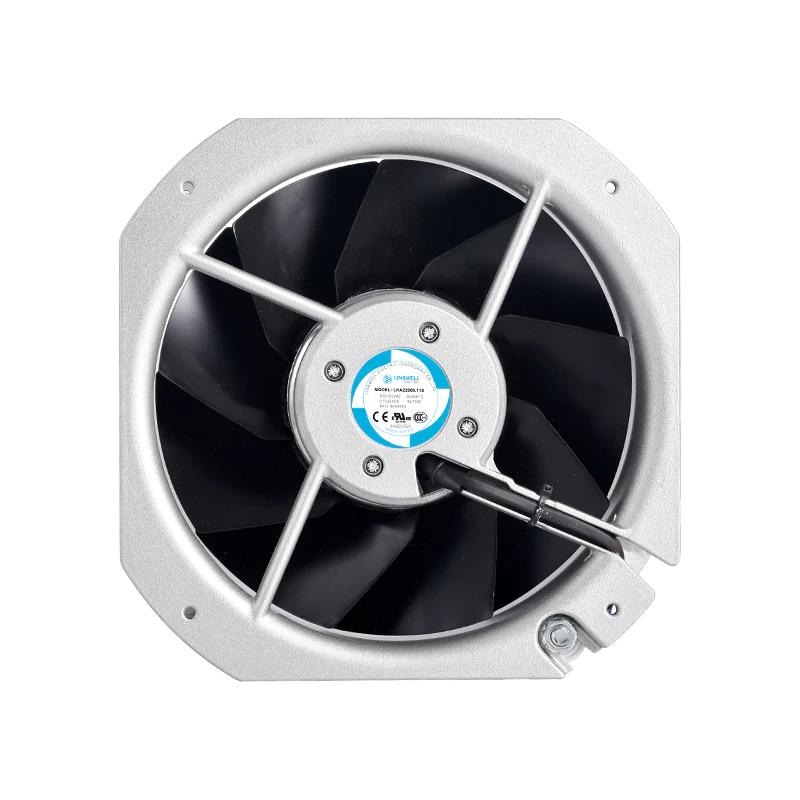
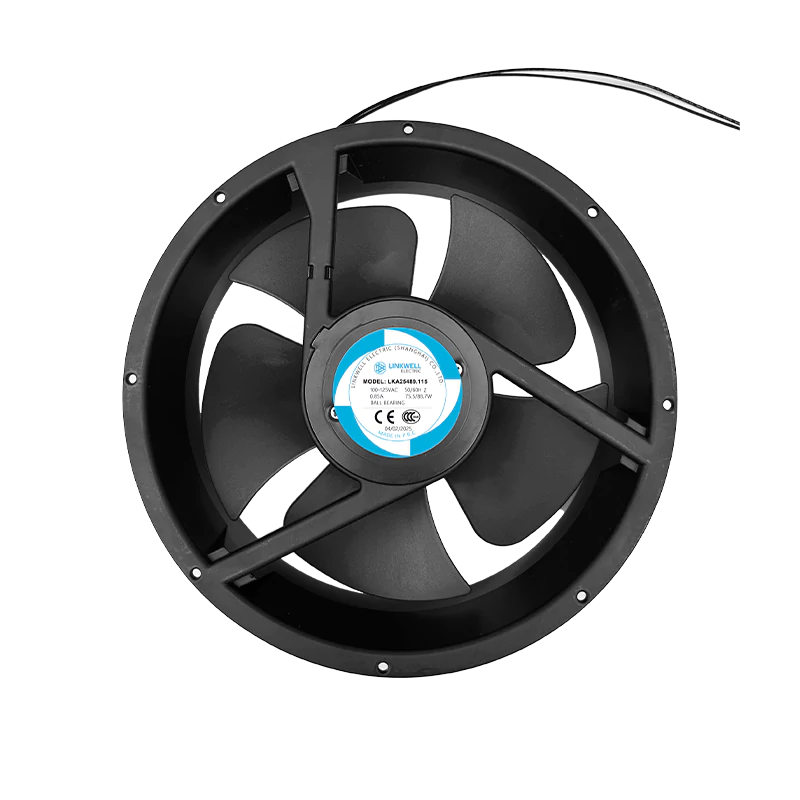
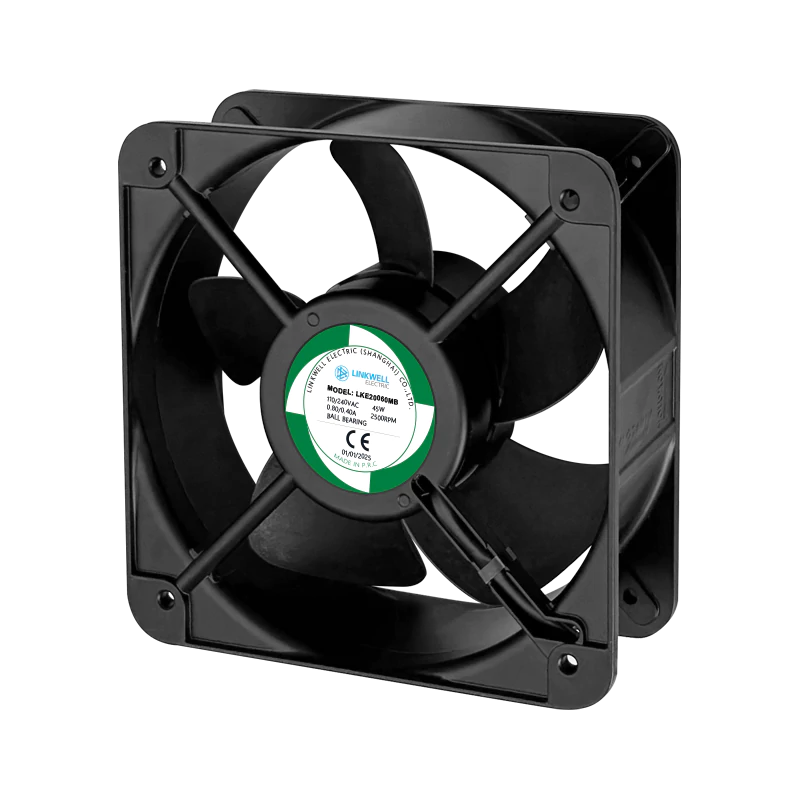
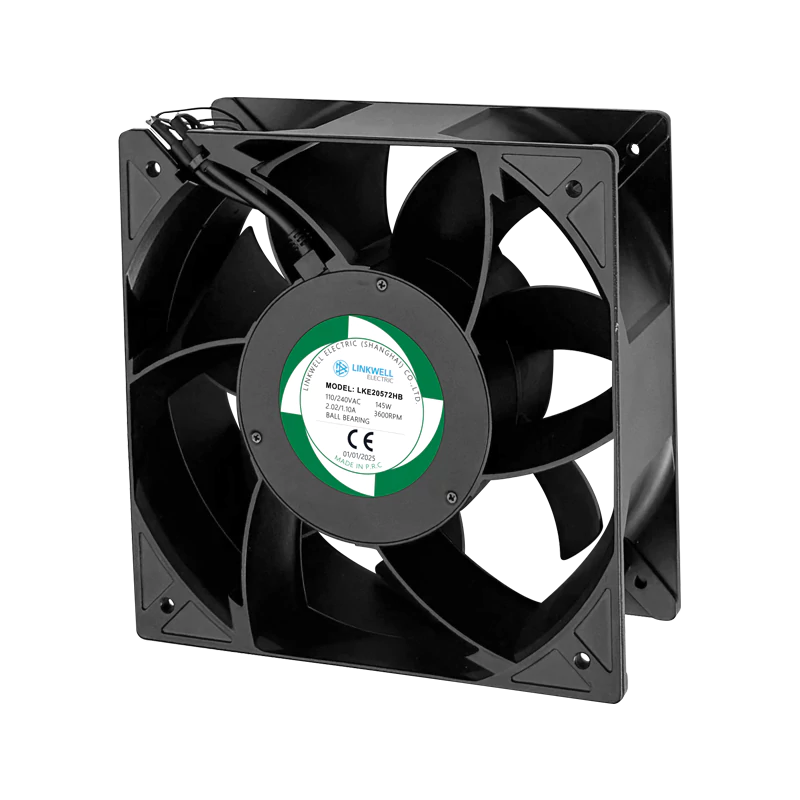
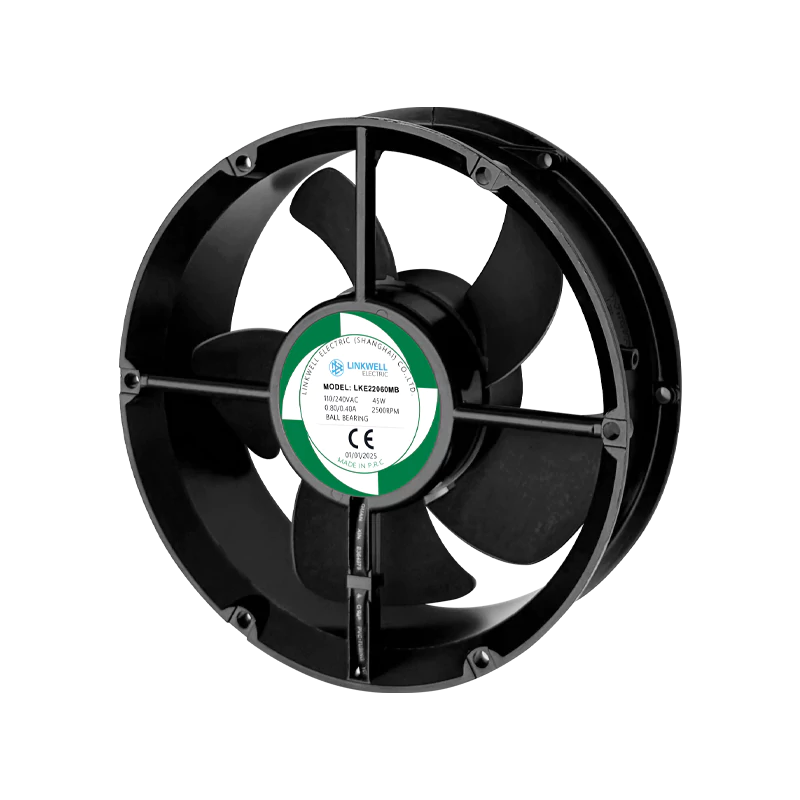
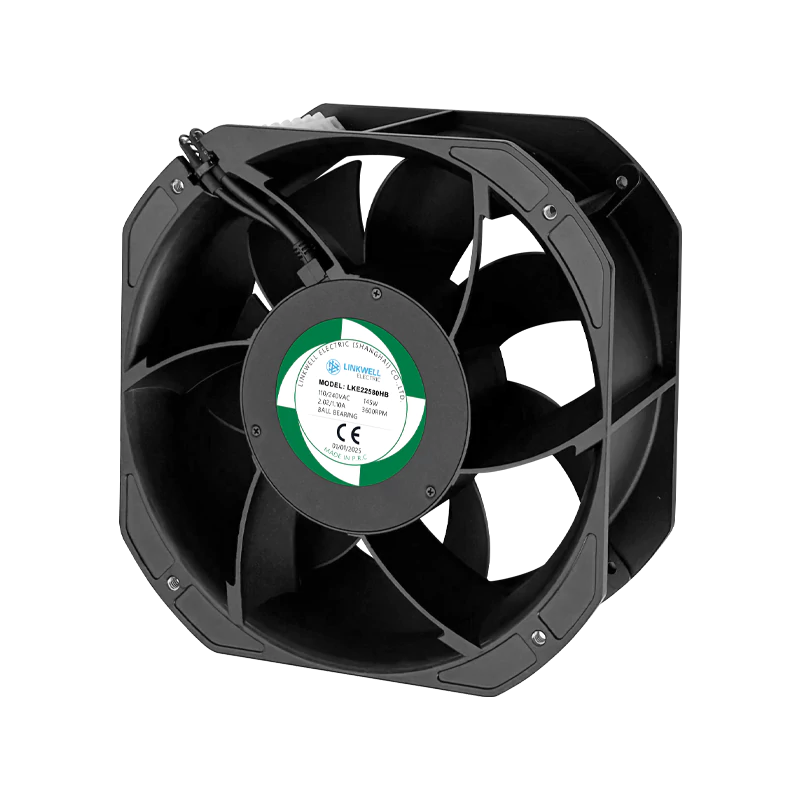
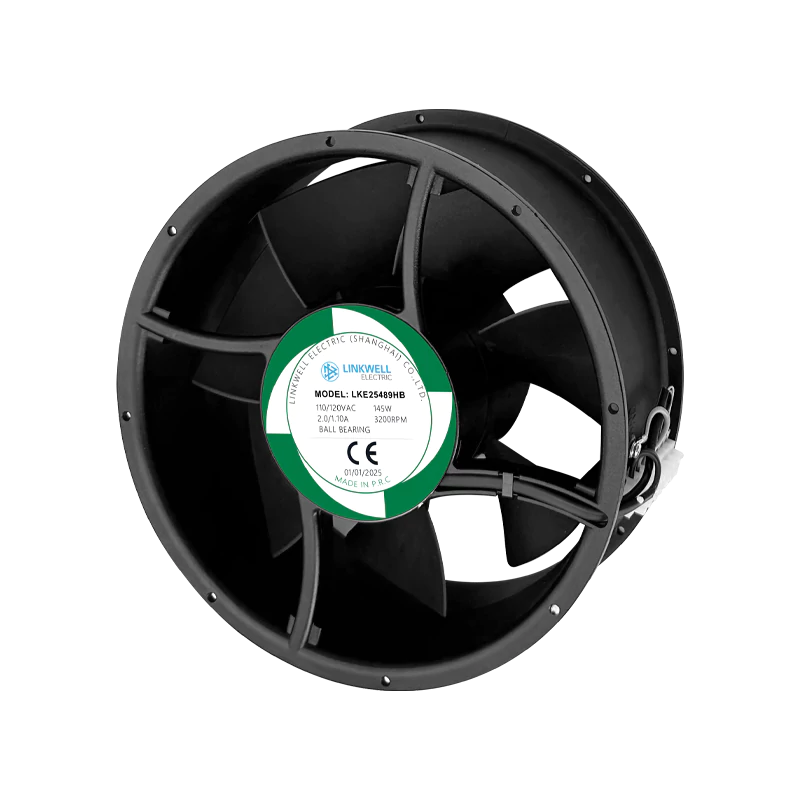
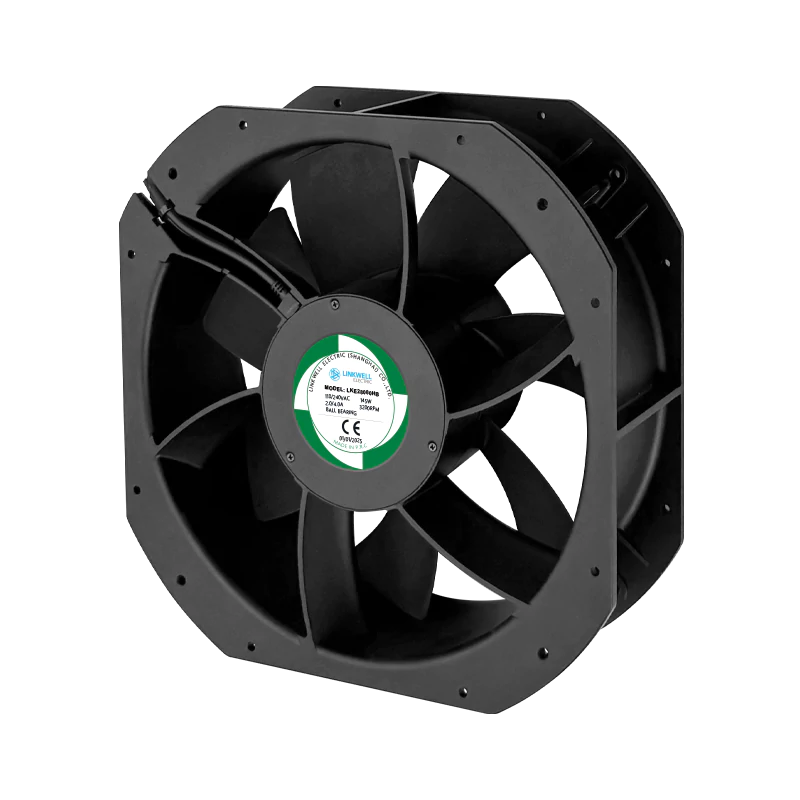
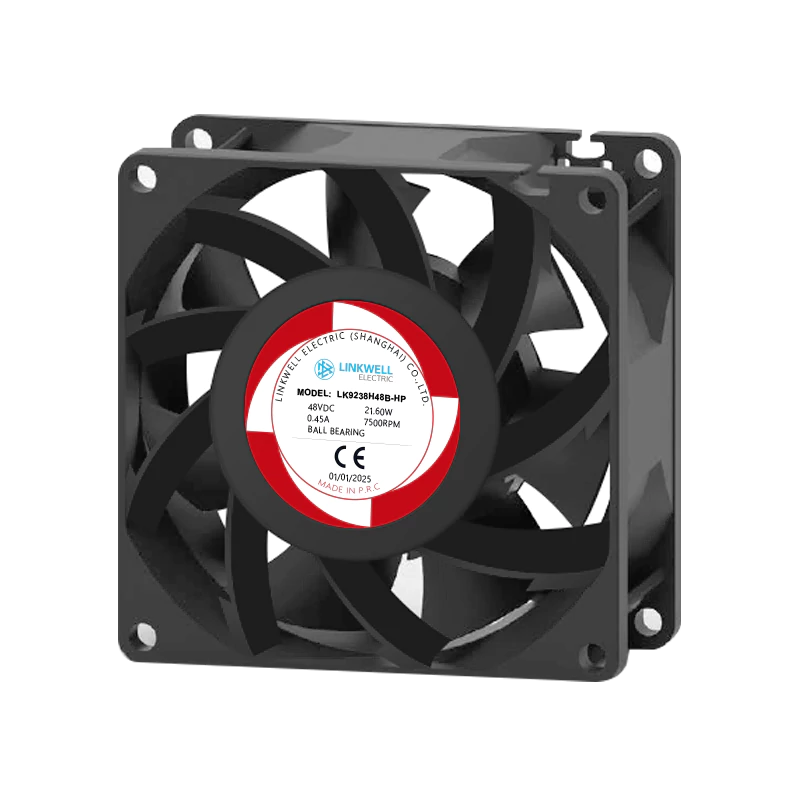
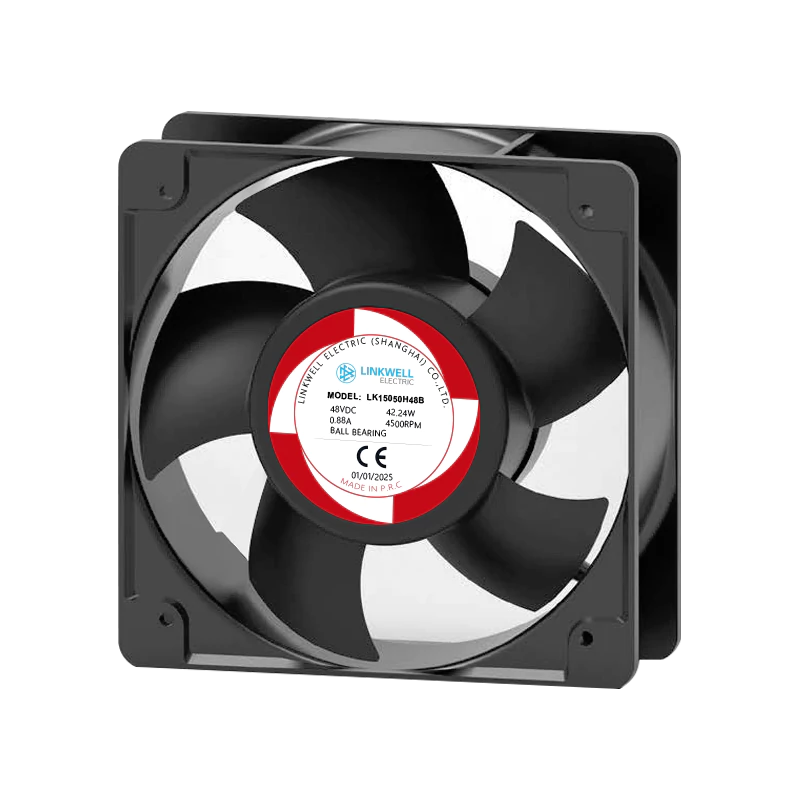
From server chassis to rear doors, fans deliver targeted airflow. High static pressure, PWM control, and long-life bearings are mission-critical.

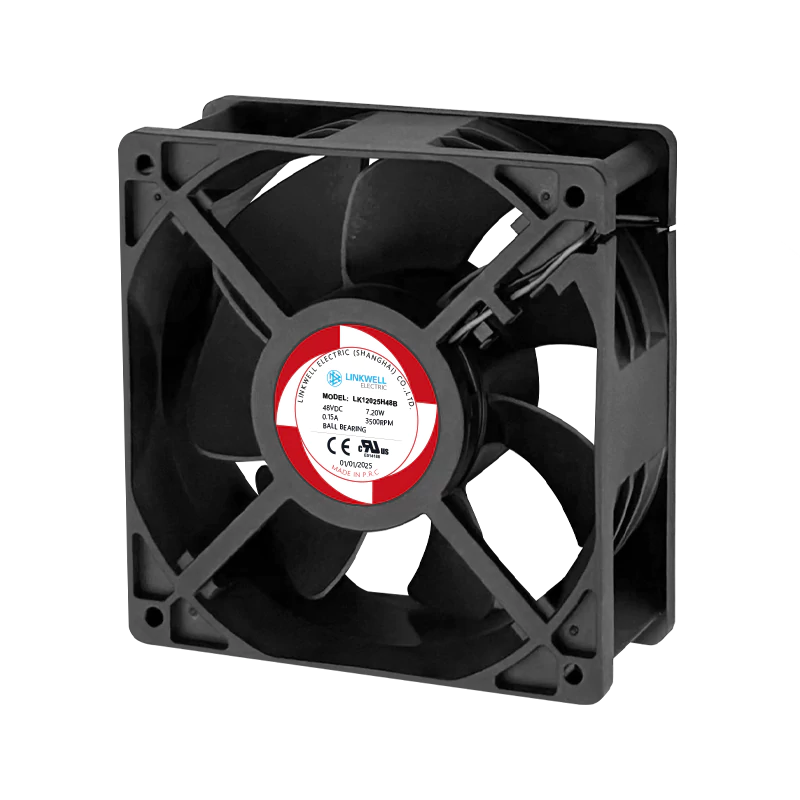
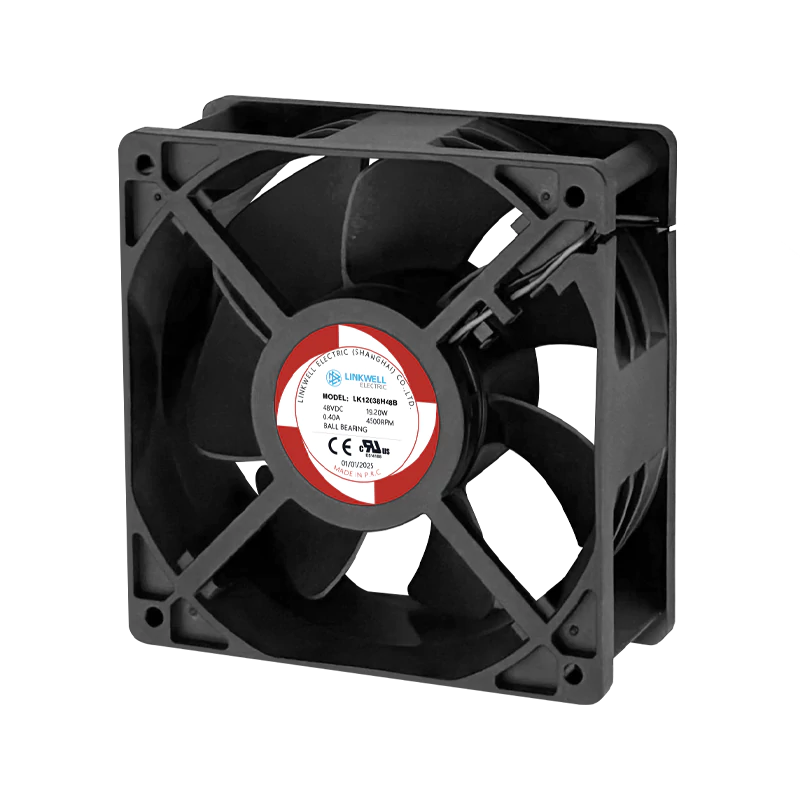
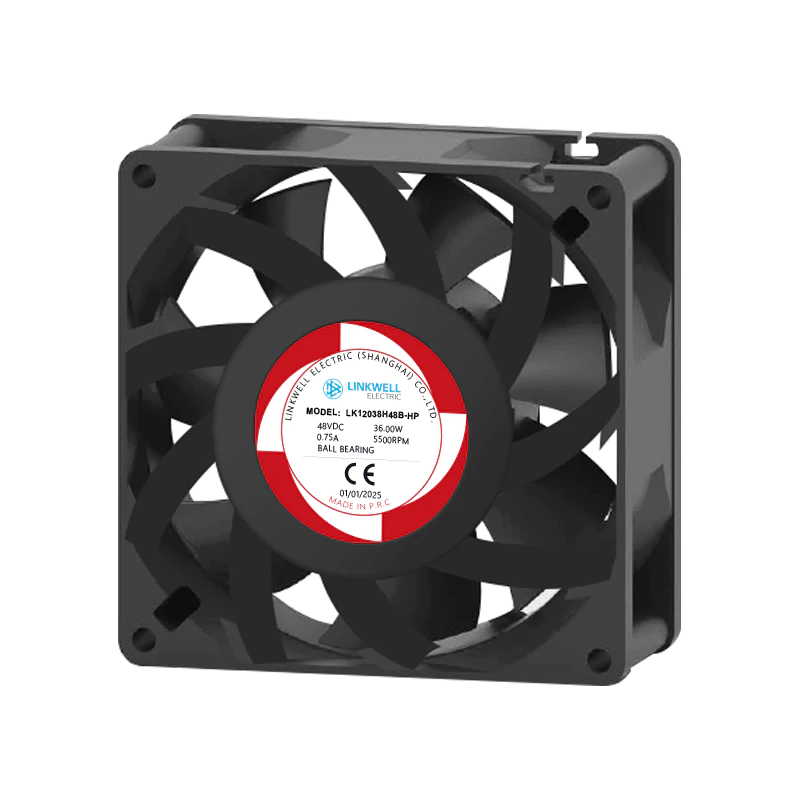
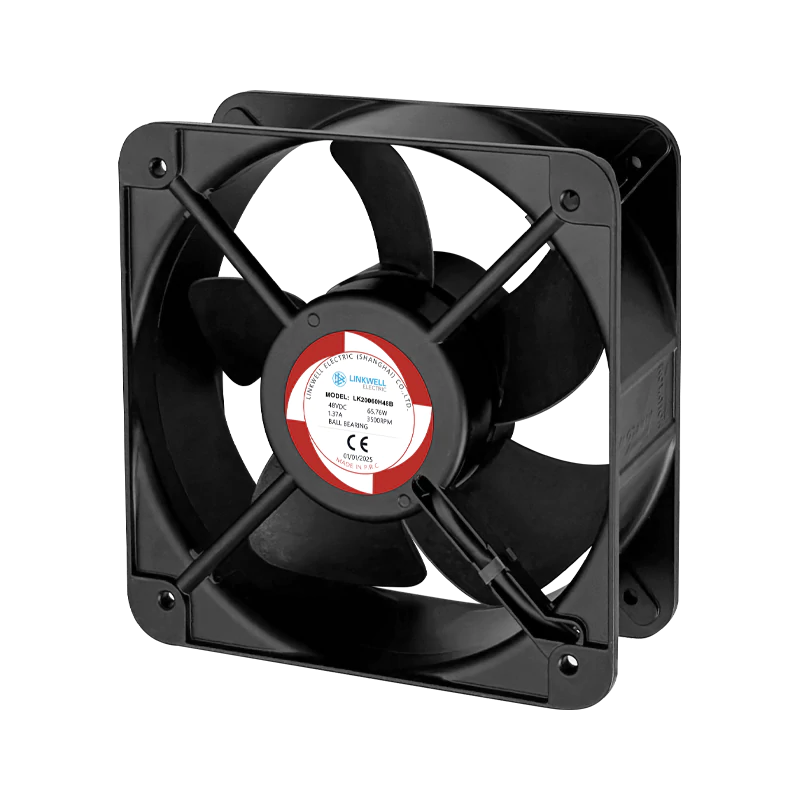
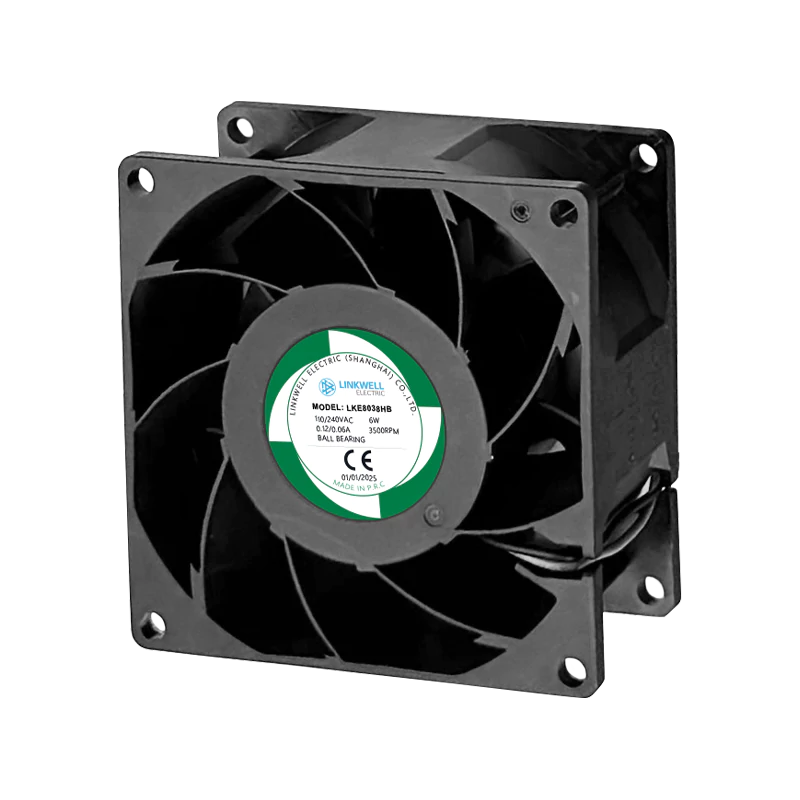
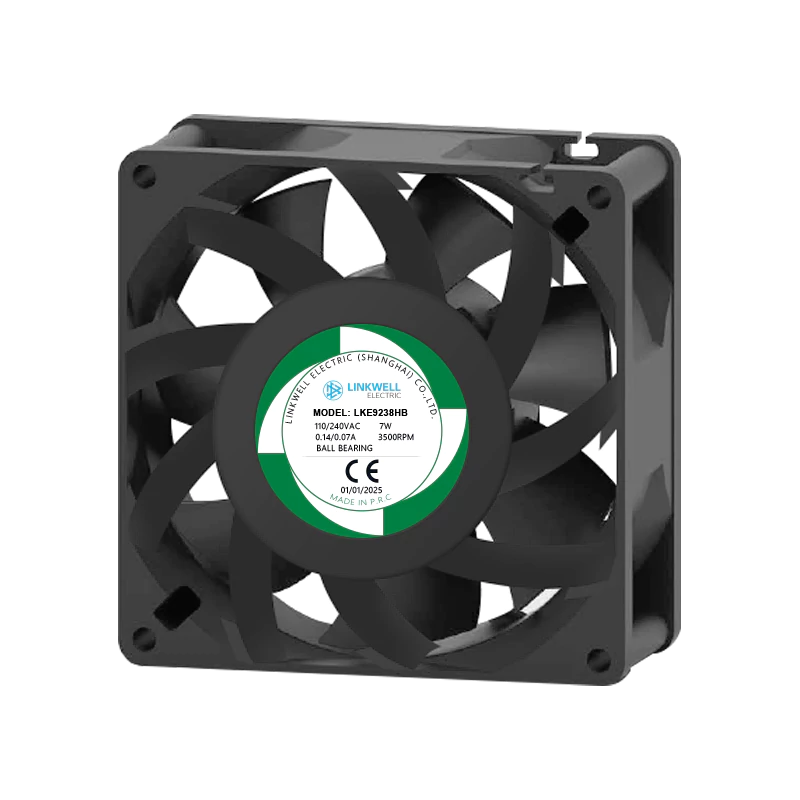
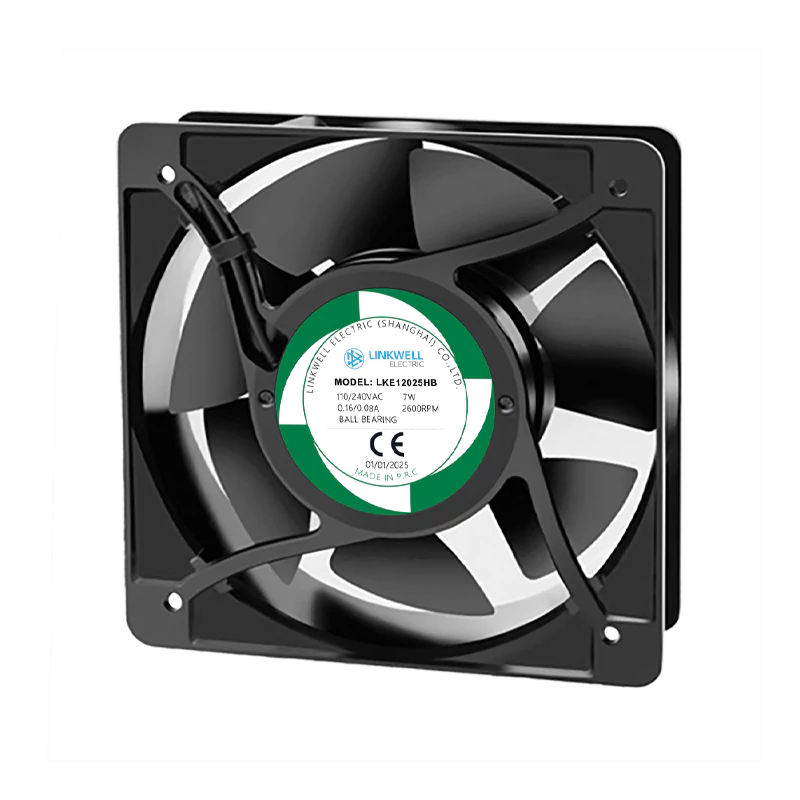
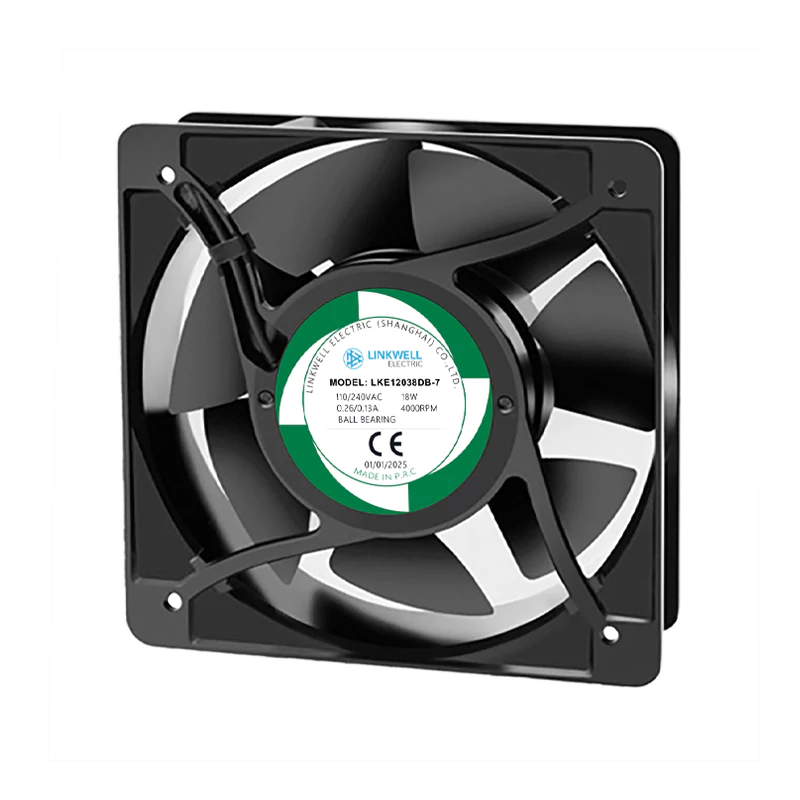
We specialize in the production of cooling fans; our factory in China features five production lines with a monthly capacity of 50,000 units.

Fan

Model

Size

(mm)

Voltage

(VAC)

Power

(W)

Speed

(RPM)

Airflow

(CFM)

80×80×25
110, 220
12/11
2500/2800
16.5/18.2
80×80×38
110, 220
13/12
2300/2500
47.6/56.1
92×92×25
110, 220
12/11
2350/2700
42.2/52.7
110×110×25
110, 220
12/11
2000/2200
41/45
120×120×25
110, 220
12/11
1800/2000
45/52.8
120×120×38
110, 220
19/18
2600/2900
77/82
120×120×38
110, 220
19/18
2500/2700
80/88
135×135×38
110, 220
20/18
2600/2800
86/95
150×150×51
110, 220
30/28
2700/3000
150/160
150×150×51
110, 220
32/30
2500/2600
175/185
172×150×38
220
30/29
2800/3300
184/225
172×150×51
110, 220
30/28
2700/3000
150/160
172×150×51
110, 220
32/30
2500/2600
175/185
172×172×52
220
40/39
2700/3200
233/281
172×162×55
110, 220
37/35
2800/3100
175/190
180×180×60
110, 220
42/40
2700/3000
260/290
202×202×60
110, 220
45/42
2600/2700
320/330
205×205×72
110, 220
60/80
2800/3200
630/680
220×60
110, 220
45/42
2600/2700
320/330
220×220×60
220
61/77
2550/2780
585/649
225×225×80
110, 220
55/65
2600/2800
500/545
254×89
110, 220
50/70
2550/2450
492/433
254×254×90
220
86/104
2660/3000
860/1003
280×280×80
110, 220
110/150
2550/2700
1015/1050

Fan

Model

Size

(mm)

Voltage

(VAC)

Power

(W)

Speed

(RPM)

Airflow

(CFM)

80×80×25
12, 24, 48
0.96 – 3.00
2500 – 4000
26.67 – 44.05
80×80×38
12, 24, 48
2.88 – 21.60
4000 – 8000
46.54 – 102.23
92×92×25
12, 24, 48
1.56 – 6.24
2500 – 4500
38.12 – 73.2
92×92×38
12, 24, 48
3.24 – 21.60
4000 – 7500
67.27 – 126.12
120×120×25
12, 24, 48
1.80 – 7.20
2000 – 3500
60.23 – 105.4
120×120×38
12, 24, 48
3.60 – 19.20
2500 – 4500
95.54 – 171.7
120×120×38
12, 24, 48
9.60 – 36.00
3500 – 5500
155.64 – 244.57
150×150×50
12, 24, 48
13.20 – 42.24
3000 – 4500
220.94 – 311.41
172×150×51
12, 24, 48
14.40 – 43.20
3000 – 4500
215.64 – 306.42
172×150×51
24, 48
156 – 245
6500 – 8000
490 – 605
200×200×60
12, 24, 48
25.80 – 65.76
2500 – 3500
380.17 – 532.24
205×205×72
12, 24, 48
57.6 – 120.0
2200 – 3300
531.3 – 798.3
220×60
12, 24, 48
24.0 – 57.6
2000 – 3000
396.7 – 581.0
225×225×80
12, 24, 48
57.6 – 120
2200 – 3300
533.5 – 806.0
254×89
12, 24, 48
19.2 – 96
2000 – 3000
628.3 – 970.1
280×280×80
12, 24, 48
57.6 – 168.0
2000 – 3000
790.1 – 1209.1

Fan

Model

Size

(mm)

Voltage

(VAC)

Power

(W)

Speed

(RPM)

Airflow

(CFM)

60×60×25
110~240
2, 4, 6
4000, 6000, 8000
14.1~28.7
70×70×25
110~240
2, 3, 4
2500, 3000, 3500
21.6~29.9
80×80×25
110~240
3, 4, 5
2400, 2800, 3200
26.3~35.2
80×80×38
110~240
3, 4, 6
2500, 3000, 3500
29.7~44.2
92×92×25
110~240
3, 5, 6
2000, 2500, 2800
30.1~42.1
92×92×38
110~240
4, 5, 7
2500, 3000, 3500
50.1~71.0
120×120×25
110~240
3, 4, 7
1800, 2200, 2600
55.6~79.6
120×120×38
110~240
6, 8, 12, 18
2500, 3000, 3500, 4000
110.7~170.6
120×120×38
110~240
6, 8, 12, 18
2500, 3000, 3500, 4000
79.3~125.0
150×150×51
110~240
16, 22, 35
2500, 3000, 3500
182.2~258.1
172×150×51
110~240
16, 22, 35
2500, 3000, 3500
177.4~253.9
172×51
110~240
16, 22, 35
2500, 3000, 3500
179.6~254.8
200×200×60
110~240
25, 45
2000, 2500
392.8~493.3
205×205×72
110~240
60, 95, 145
2500, 3000, 3600
602.7~851.7
220×60
110~240
25, 45
2000, 2500
396.6~490.8
225×225×80
110~240
60, 95, 145
2500, 3000, 3600
619.2~869.5
254×89
110/120~220/240
110, 115, 145
2000, 2500, 3200
628.3~981.6
280×280×80
110~240
45, 75, 145
2000, 2500, 3200
790.1~1225.7

PWM Control

Dynamically adjust fan speed based on temperature sensors. Cut noise and power by 40% at partial loads.

Ball Bearing vs Sleeve

Dual ball bearings deliver 80,000+ hours MTBF — critical for 24/7 data center operation.

EC Fan Advantage

Electronically commutated fans reduce energy up to 70% vs AC, plus integrated speed control.

Why Data Center Cooling Is Non‑Negotiable

Get the right airflow — prevent hot spots without overspending.

Efficient cooling starts with understanding how much airflow your server rack actually needs. Oversizing wastes energy, while undersizing leads to overheating and reduced equipment lifespan.
Quick Formula (CFM)

Required CFM = (Total Heat Load in Watts × 3.16) / ΔT (°F)

This simplified formula assumes standard air density at sea level and is suitable for quick engineering estimates.

  • Watts = total IT load inside the rack
  • ΔT (°F) = allowable temperature rise between intake and exhaust air

👉 Example:
If your rack load is 5 kW (5000 W) and ΔT is 20°F:
CFM = (5000 × 3.16) / 20 = 790 CFM

Rack Load Estimated CFM Needed Recommended Fan Configuration
2 kW 320–400 CFM 2–3 high-speed 120mm fans
5 kW 800–1000 CFM 4× 120mm fans or 2× 172mm high-flow fans
8–10 kW 1400–1800 CFM Fan wall + airflow containment; consider liquid-assisted cooling

1. Airflow + Static Pressure

Many buyers focus only on CFM, but static pressure is equally critical.

Server racks often have airflow resistance due to:

  • Dense cable routing
  • Perforated rack doors
  • Dust filters
  • High-performance CPUs and heat sinks

👉 Choose high static pressure axial fans or centrifugal fans for stable airflow performance.

2. Industrial-Grade Fan Reliability

For continuous operation (24/7 environments), look for:

  • Dual ball bearing design
  • Long lifespan (50,000+ hours)
  • Stable performance under high temperature
  • Metal frame or reinforced housing

👉 Industrial AC, DC, or EC cooling fans are recommended for server rack applications.

3. Scalable Cooling Design

As your IT load grows, your cooling system should scale easily.

Best practices:

  • Modular fan configuration (easy expansion)
  • Fan wall systems for high-density racks
  • Compatibility with rack-mounted cooling units

Proven PUE Reduction Strategies

Lower PUE = lower operational costs + greener reputation. Real tactics from industry.

Strategy Expected PUE Reduction Implementation Difficulty
Hot/Cold aisle containment 0.05 – 0.15 Medium
Replace AC fans with EC fans (fan trays, CRAC) 0.03 – 0.08 Low
Variable Air Volume (VAV) control 0.10 – 0.20 Medium
Raise supply air temperature setpoint 0.05 – 0.10 Low
Free cooling / economizer integration 0.15 – 0.30 High
Partial liquid cooling for high-density zones 0.20 – 0.40 High

Why Data Center Cooling Is Non‑Negotiable

Overheating is the #1 enemy of uptime. Every degree matters for performance and total cost of ownership.

Cloud Provider (8kW/rack)

Challenge: Frequent thermal alarms in high-density zone. Solution: High-static pressure PWM fans + rear-door fan arrays. Result: Hotspots eliminated, average temp dropped from 32°C → 26°C, no throttling events.

University HPC Cluster

Challenge: 15 kW/rack GPU nodes, AC struggling. Solution: Hybrid: cold plate liquid cooling for GPUs + EC fan wall. Result: PUE 1.12, fan noise reduced by 60%.

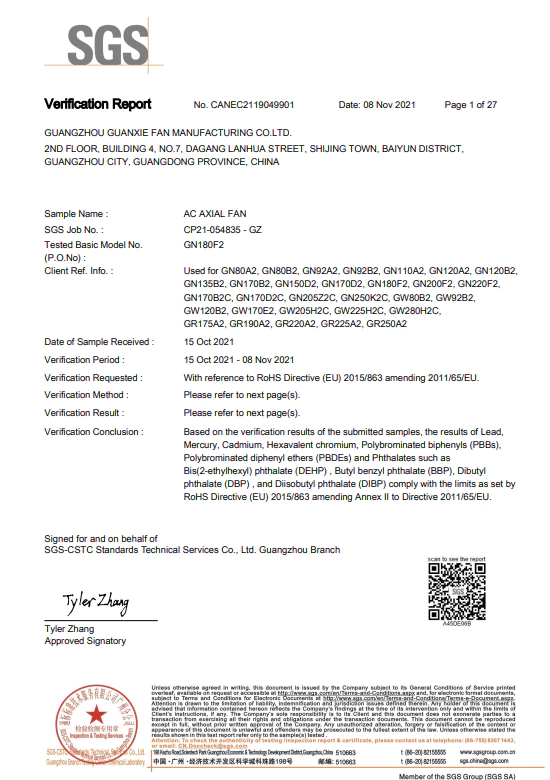
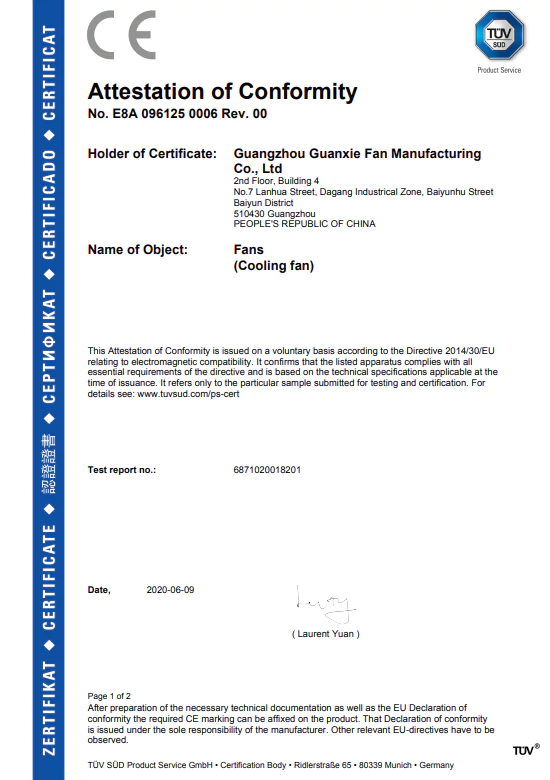
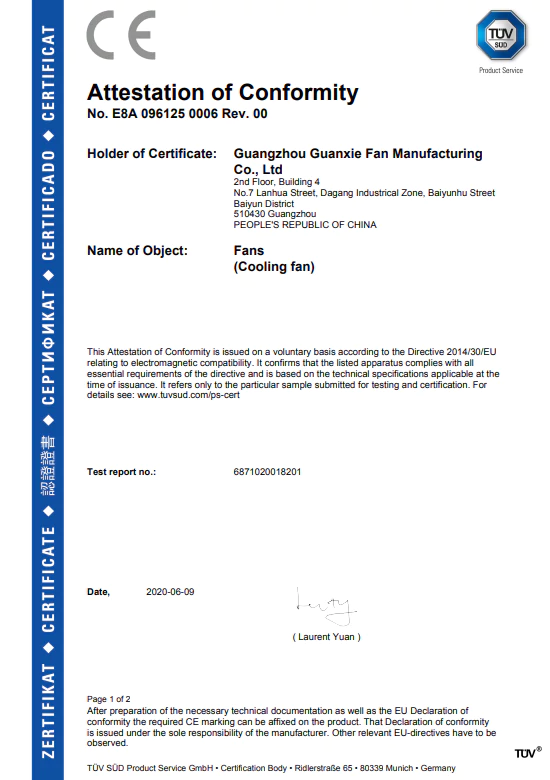
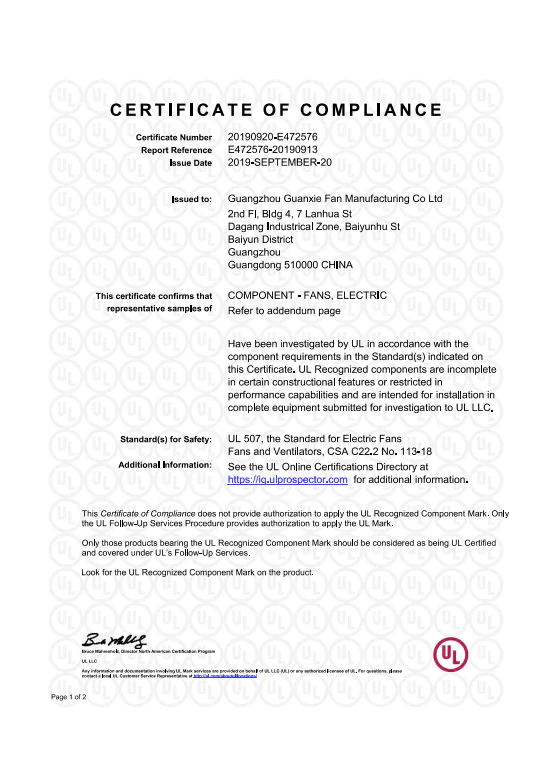
Quality Assurance – Certified Cooling Fan Manufacturer

FAQ of Cooling Solutions for Data Centers

What is the most common cooling method for data centers?

Air cooling remains dominant (CRAC/CRAH + fan-assisted racks). However, liquid cooling is rapidly growing for high-density AI and HPC workloads.
A good baseline: 160–200 CFM per 1kW of IT load. For a 6kW rack, aim for 1000–1200 CFM total airflow through the cabinet.

DC fans (especially with PWM) are superior: variable speed control, lower energy use, and less noise. AC fans are simpler but fixed-speed.

1.2 or lower is excellent for modern facilities. Legacy data centers often range 1.5–1.8. Every 0.1 PUE reduction equals ~7% energy saving.
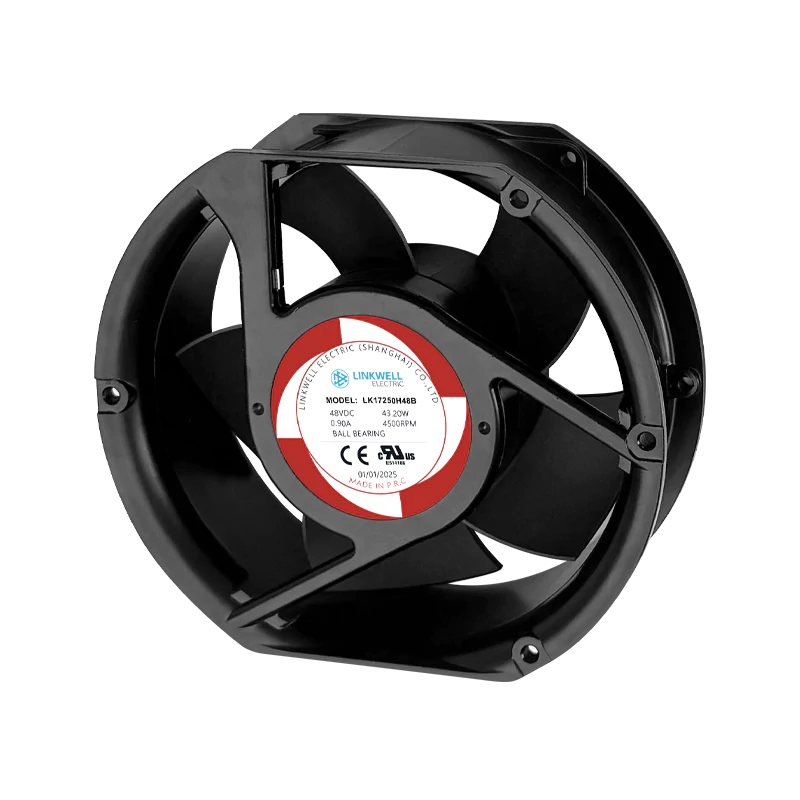
Premium ball-bearing fans last 60k–80k hours (7–9 years continuous). Monitor tachometer signals and replace proactively if noise/vibration rises.

Modern dielectric fluid or cold plate systems include leak detection and quick-disconnect fittings. Very safe for well-planned deployments.

Ready to Solve Your Cooling Challenge

oem cooling fan manufacturer · odm cooling fan manufacturer · china 12v dc cooling fan manufacturer · waterproof cooling fan · high quality cooling fan manufacturer

linkwell cooling fan 1
Linkwell electric logo footer
Contact Us

Curious how LINKWELL’s cooling solutions can address your business challenges? Let’s connect and discuss your needs.