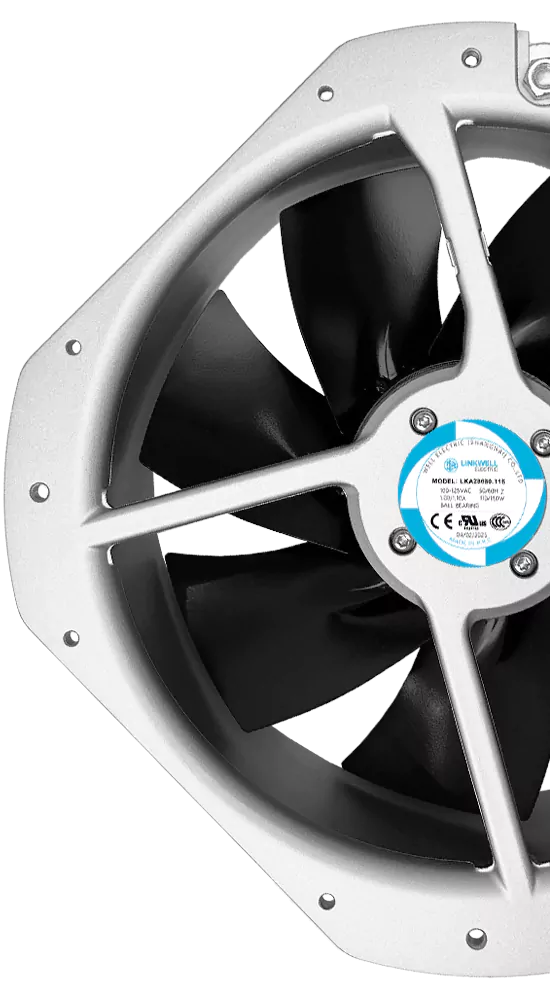
If you’re wondering what are the best cooling solutions for data centers in 2026, you need to look for options that deliver energy efficiency, scalability, and sustainability. Cooling now takes up 30-40% of a data center’s power use, as shown below:
| Statistic | Value |
|---|---|
| Cooling energy proportion | 30-40% of total use |
| Average PUE | 1.56 |
| Leading data centers PUE | as low as 1.09 |
High-density data centers face significant cooling challenges due to the intense heat generated by densely packed servers. Traditional cooling methods often fall short, necessitating advanced thermal management solutions to maintain optimal operating conditions and prevent hardware failures.
The rapid rise of AI, cloud, and high-density racks means you need smarter cooling. That’s where fanacdc and its Cooling Solutions for Data Centers lead the way.
Key Takeaways
- Cooling systems account for 30-40% of a data center’s total energy use. Efficient cooling can significantly lower energy costs.
- High-density racks generate more heat, making advanced cooling solutions essential to prevent equipment failures and hot spots.
- Liquid cooling is becoming popular for high-density environments due to its efficiency in heat removal, despite higher initial costs.
- Hybrid cooling systems combine air and liquid methods, offering flexibility and efficiency for varying workloads.
- Free cooling methods can drastically reduce energy consumption and costs, especially in cooler climates, by utilizing outside air.
Why Data Center Cooling Matters
High-Density Rack Cooling
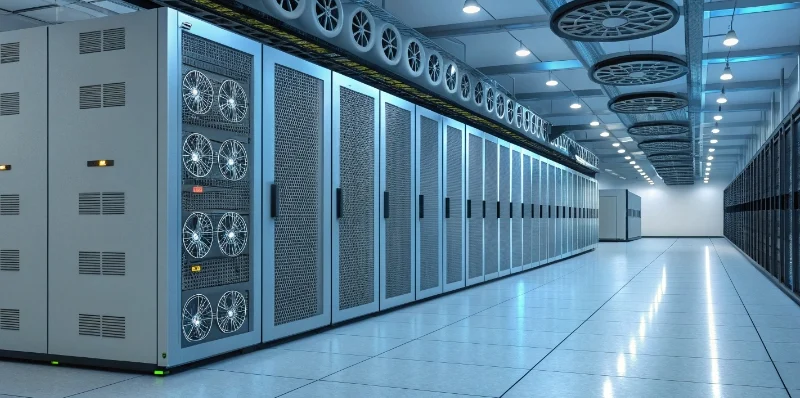
You see more high-density racks in data centers every year. AI and cloud workloads push servers closer together, which means more heat in less space. Managing this heat becomes a big challenge. If you don’t have the right data center cooling, you risk hot spots and equipment failures. Here’s what you face with high-density rack deployments:
- Heat builds up fast because servers sit close together.
- Poor airflow management increases the risk of equipment failure.
- Traditional air cooling systems struggle at rack densities around 70 kilowatts.
- Complex server layouts make it tough to distribute cooling evenly.
- Environmental concerns grow with water usage in some cooling methods.
- Retrofitting older data centers with advanced cooling can be tricky.
You need advanced cooling solutions to keep temperatures steady and protect your hardware. fanacdc offers reliable cooling technologies that help you manage these challenges and keep your data center running smoothly.
Risks of Poor Cooling
If you don’t pay attention to data center cooling, you put your equipment at risk. Servers need specific temperature ranges to work well. Running them too hot can void warranties and lead to failures. Check out the risks below:
| Risk Type | Consequence |
|---|---|
| Overheating | Equipment failure and operational disruptions due to exceeding temperature limits. |
| Single Point of Failure | Significant operational impact from a failure in cooling infrastructure. |
| Hot Spots | Areas of excessive heat leading to potential equipment damage. |
Heat wears down sensitive components like CPUs and hard drives. Excessive temperatures can cause system crashes and data loss. Cooling systems play a critical role in keeping your data center safe and reliable.
Energy and Cost Impact
Data center cooling uses a lot of energy. Cooling systems can account for 30% to 40% of total energy consumption in many facilities. If you use inefficient cooling practices, you waste energy and drive up costs. Overcooling areas that don’t need it wastes energy. Poor airflow management makes things worse. Uptime Institute found that 61% of airflow in legacy sites isn’t properly used, leading to wasted energy. Modern cooling systems can cut energy costs by up to 40%. fanacdc’s solutions help you optimize energy use, lower your bills, and keep your data center efficient.
What Are the Best Cooling Solutions for Data Centers?
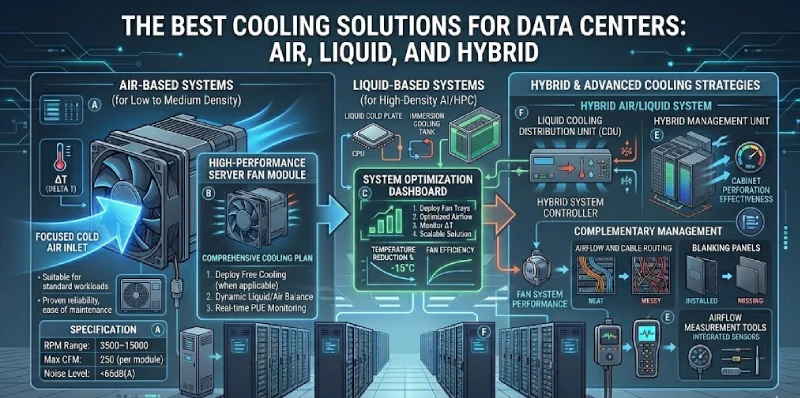
When you ask what are the best cooling solutions for data centers, you need to look at the latest trends and how each method fits your needs. The market keeps changing fast. In 2026, you see more data centers using advanced data center cooling technologies to handle higher power densities and stricter energy targets. Let’s break down the main solutions you’ll find today.
Air Cooling Systems Overview
Air cooling remains the most common answer when you wonder what are the best cooling solutions for data centers. You probably know these systems well. They use fans, air conditioners, and raised floors to move cool air through server racks. This method works best for low to medium-density setups. It’s simple and easy to maintain.
But as your data center grows, air cooling starts to struggle. Traditional air cooling systems use a lot of energy to keep things cool. They often waste energy because they can’t target hot spots very well. As rack power density rises, you may notice uneven temperatures and airflow problems. These issues can lead to higher costs and more risk for your equipment.
The industry now moves toward more energy-efficient data center cooling technologies. Modern solutions, like those from fanacdc, use high-performance fans with smart controls. These fans help you manage airflow better and cut down on wasted energy. Still, if you run high-density racks or want to lower your carbon footprint, you might need to look beyond air cooling.
Liquid Cooling Technologies
Liquid cooling is quickly becoming a top choice for high-density data centers. If you’re asking what are the best cooling solutions for data centers with heavy AI or cloud workloads, liquid cooling stands out. This method uses water or special fluids to absorb heat directly from servers. It’s much more efficient than air at moving heat away from your equipment.
Here’s a quick look at the pros and cons:
| Advantages of Liquid Cooling | Limitations of Liquid Cooling |
|---|---|
| Improved energy efficiency through reduced reliance on fans and effective heat transfer. | Higher initial investment required for installation and specialized equipment. |
| Allows for higher rack density by efficiently removing heat at the source. | Maintenance requires specialized knowledge and training. |
| Can reduce operational costs in high-density environments. | Integration complexity with existing air-cooled infrastructure. |
| Supports higher performance levels within the same power budget. | Potential downtime risk if not properly maintained or installed. |
You’ll see liquid cooling in over 38% of new high-density installations. This trend shows that more data centers trust liquid solutions to handle the heat from powerful servers. You do need to plan for special maintenance and training. You also need to think about how to fit liquid systems into your current setup. With fanacdc’s Cooling Solutions for Data Centers, you get support for both air and liquid cooling, so you can choose what works best for your needs.
Tip: Maintenance for liquid cooling means you’ll need to check for leaks and manage fluids. Make sure your team knows how to handle these systems safely.
Hybrid Cooling Approaches
Hybrid cooling gives you the best of both worlds. If you’re not sure what are the best cooling solutions for data centers with mixed workloads, hybrid systems might be your answer. These solutions combine air and liquid cooling to match different rack densities and changing needs.
You can start with air cooling for most racks and add liquid cooling for the hottest spots. This approach helps you scale up as your data center grows. Hybrid systems also let you balance performance and efficiency, so you don’t waste energy.
Some common hybrid setups include:
- Chilled water with rear door heat exchangers (RDHXs) and coolant distribution units (CDUs)
- Air-side economizers paired with direct-to-chip liquid cooling and CDUs
- Packaged DX CRAC units with modular pods
Hybrid solutions from fanacdc let you adapt quickly. You can add more cooling power where you need it, without overhauling your whole system. This flexibility makes hybrid cooling a smart choice for many modern data centers.
Free Cooling Methods
Free cooling is a game-changer if you want to cut costs and help the environment. When you ask what are the best cooling solutions for data centers in cooler climates, free cooling often tops the list. These systems use outside air or water to cool your servers, so you don’t rely as much on energy-hungry compressors.
Here’s what you gain with free cooling:
- Lower energy use by taking advantage of ambient air or water
- Reduced utility bills, freeing up money for other upgrades
- Short payback period, often three to five years
- Fewer carbon emissions and less use of harmful refrigerants
- Less need for potable water, especially in dry regions
- Ability to capture rainwater and reduce pressure on city water supplies
A data center in Sweden cut its energy use by 40% after switching to free cooling for half the year. If you want to meet climate goals and follow new rules, free cooling helps you get there. fanacdc’s Cooling Solutions for Data Centers support free cooling integration, so you can boost efficiency and sustainability.
Note: Free cooling works best in places with cool climates or low humidity. Always check your local weather before choosing this method.
When you decide what are the best cooling solutions for data centers, you need to match the method to your needs. Think about your rack density, energy goals, and future growth. You might start with air cooling, then add liquid or hybrid systems as your demands change. Free cooling can help you save money and protect the planet. With fanacdc’s advanced data center cooling technologies, you get flexible, scalable solutions that grow with you.
Data Center Cooling Systems by fanacdc
Advanced Fan Technologies
You want your data center cooling systems to run quietly, efficiently, and reliably. fanacdc uses advanced fan technologies to make this happen. Their fans use brushless DC motors, which means you get quiet operation and precise speed control. The aerodynamic blade design and optimized blade count help you save up to 15% more energy compared to standard fans. You also get less noise, which is great for sensitive electronics and automation. fanacdc builds every fan with durable materials and strict quality control, so you know your cooling will last.
| Component | fanacdc Technology and Features | Distinguishing Advantages Compared to Competitors |
|---|---|---|
| Motor | Brushless DC motors in DC fan blades | Quiet operation and precise speed control |
| Blade | Aerodynamic design, composite materials, optimized blade count and pitch | 15% energy savings, enhanced efficiency, quiet operation |
| Bearing | Durable materials, brushless motor technology | Reduced maintenance, longer lifespan |
fanacdc’s products carry certifications like UL, CE, and RoHS. These show you that your data center cooling systems meet global safety and reliability standards.
Modular and Scalable Solutions
Your data center grows and changes. You need cooling that can keep up. fanacdc offers modular and scalable data center cooling systems. You can add or adjust units as your needs change. This flexibility means you don’t have to overhaul your whole setup when your workload increases. Modular systems also let you make quick adjustments or repairs without shutting everything down.
- You can expand cooling as your data center grows.
- You only invest in what you need, when you need it.
- Modular designs help you get the most out of your current infrastructure.
This approach keeps your data center cooling systems efficient and ready for the future.
Energy-Efficient EC Fans
If you want to cut costs and lower your carbon footprint, energy-efficient EC fans are the way to go. fanacdc’s EC fans use brushless DC motors and variable speed control. This lets you match cooling output to real-time demand. You can save up to 80% on power compared to traditional AC fans. Lower energy use means lower bills and a greener data center.
- EC fans optimize airflow and reduce energy waste.
- Variable speed control means you only use as much cooling as you need.
- Less energy use means less heat and a smaller carbon footprint.
You get reliable cooling and big savings with these advanced fans.
Customization and Support
Every data center is different. fanacdc gives you options to customize your data center cooling systems. You can choose the size, voltage, airflow direction, and speed curves that fit your setup. Need a quick prototype? fanacdc offers rapid engineering and short lead times. Their fans can handle dust, moisture, and extreme temperatures, so you get reliable cooling even in tough environments.
| Feature | Description |
|---|---|
| Tailored Size, Voltage & Performance Tuning | Custom fan dimensions, voltage, airflow, and speed curves |
| Rapid Prototyping & Short Lead-Time | Fast engineering and flexible production |
| Harsh-Environment Protection | Dust, moisture, and temperature resistance |
| Technical Support | Help with selection, installation, and troubleshooting |
You also get technical support from start to finish. fanacdc helps you pick the right cooling, install it, and keep it running smoothly.
Optimizing Data Center Cooling
Hot/Cold Aisle Containment
You want your data center to run cool and efficient. Hot/cold aisle containment is one of the best ways to boost cooling. This method separates cold air from hot air, so they do not mix. When you keep cold aisles sealed, your cooling systems work better and use less energy. You can save 15–20% on cooling energy just by using this setup. Here’s how you can get started:
- Add barriers or enclosures around your cold aisles.
- Make sure all barriers are sealed tight to stop air leaks.
- Adjust your cooling to match the new airflow patterns.
This approach lets you raise supply air temperatures and lower energy consumption. You also get better control over temperature and humidity, which keeps your servers safe.
Airflow Management
Good airflow management is key to cooling success. You need to guide cool air where it is needed and move hot air out fast. Try these tips:
- Use blanking panels to block empty rack spaces.
- Place directional perforated tiles to direct cool air.
- Keep aisles clear of clutter for smooth airflow.
You should also check the orientation of your servers and monitor the kilowatt draw per cabinet. This helps you match airflow to your real needs. Chimney structures can help hot air escape, keeping temperature and humidity stable. With fanacdc’s modular fan configurations and advanced controls, you can fine-tune airflow management for every rack. This means you get the right cooling at the right spot, every time.
| Best Practice | Description |
|---|---|
| Airflow Management | Directs cool air and removes hot air efficiently. |
| Aisle Containment | Keeps cold and hot air separate for better cooling. |
| Equipment Placement | Arranges servers for optimal airflow and cooling. |
| Monitoring | Tracks temperature and humidity for quick adjustments. |
Integration with Liquid and Free Cooling
You can take your cooling to the next level by adding liquid and free cooling. Liquid cooling uses water’s great heat transfer abilities to pull heat away from your servers. This method lowers energy consumption and keeps temperature and humidity steady, even with high computing loads. Free cooling uses outside air or water to cool your data center, cutting down on energy use and costs. In cooler climates, free cooling can run for much of the year, giving you big savings.
Hybrid cooling systems combine air, liquid, and free cooling for top efficiency. You get the flexibility of air cooling, the power of liquid cooling, and the cost savings of free cooling. With fanacdc’s advanced solutions, you can mix and match these methods to fit your needs. This keeps your data center cool, efficient, and ready for the future.
Tip: Always monitor temperature and humidity closely when you use free cooling. This helps you avoid sudden changes that could harm your equipment.
Choosing the Right Data Center Cooling Solution
Selecting the right cooling solution for your data center can feel overwhelming. You want to keep your servers safe, your energy bills low, and your setup ready for whatever comes next. Let’s break down what you need to know for different types of data centers.
Small and Medium Data Centers
If you run a small or medium data center, you have several cooling options. You want something simple, reliable, and easy to expand. Here’s a quick look at common choices:
| Cooling Solution | Advantages | Limitations |
|---|---|---|
| CRAC | Easy to install and operate. No need for big water pipes. Good for upgrades. | Lower cooling capacity. Uses more energy. Needs regular maintenance. |
| CRAH | More energy efficient. Handles bigger loads. Fewer moving parts. | Needs chilled water pipes. Works best with raised floors. |
| Thermal Wall | High cooling power. Saves floor space. Flexible layouts. | Needs special corridors. More complex setup. Higher upfront cost. |
| RDHx | Cools right at the rack. Improves airflow. | Higher cost. Uses more fan power. Needs extra liquid systems. |
You should measure your airflow and heat loads before you choose. If you’re not sure, fanacdc can help you find the best fit for your space and budget.
High-Density and AI Workloads
High-density racks and AI workloads create a lot of heat. You need advanced cooling to keep up. Here’s how these needs compare:
| Aspect | High-Density Workloads | AI-Driven Workloads |
|---|---|---|
| Rack Density | Moderate | Higher |
| Utilization | Variable | Consistent High |
| Cooling Method | Air Cooling | Liquid Cooling |
| Thermal Monitoring | Basic | Advanced |
For high-density setups, you might start with air cooling and add liquid cooling as your needs grow. AI workloads often need liquid cooling from the start. You should also use advanced thermal monitoring to track airflow and temperature. This keeps your equipment safe and your cooling efficient.
Future-Proofing with Scalable Systems
You want your data center to grow with your business. Scalable cooling systems make this easy. Look for these features:
- Liquid cooling for high-density racks.
- Hybrid systems that mix air and liquid cooling.
- Two-phase immersion cooling for top efficiency.
- Modular designs that let you add more cooling as you expand.
Tip: Always plan for future upgrades. Measure your airflow and cooling needs now, but leave room to grow. fanacdc offers modular and customizable solutions that adapt as your data center changes.
Not sure where to start? Reach out to fanacdc for expert advice and a cooling solution built just for you.
Choosing the right cooling solution keeps your data center efficient, reliable, and ready for growth. You want energy savings, lower costs, and peace of mind. Advanced options like liquid and hybrid cooling can cut energy use by up to 40% and adapt as your needs change.
“You can’t just slap a cooling system in and expect the room to be at the temperature needed to run the equipment.”
With fanacdc, you get customizable, high-performance cooling built for your unique setup. Take time to assess your needs and talk with experts to find your best fit.
FAQ
What is the most common cooling method for data centers?
You usually see air cooling as the top choice. It uses fans and air conditioners to move cool air through racks. This method works well for most small and medium data centers.
How often should you replace data center fans?
You should check your fans every year. High-quality fans can last 7 to 9 years. If you hear strange noises or feel vibrations, it’s time to swap them out.
Is liquid cooling safe for my data center?
Yes, liquid cooling is safe when you install it right. Modern systems have leak detection and quick-disconnect fittings. You just need to train your team and follow safety steps.
What is a good PUE target for energy efficiency?
You want a PUE of 1.2 or lower. This number means your data center uses energy wisely. Lower PUE scores show you have an efficient setup.
How do you know if your cooling system is working well?
You should monitor temperature and humidity. If your servers stay cool and you don’t see hot spots, your system works well. Use sensors and check readings often.