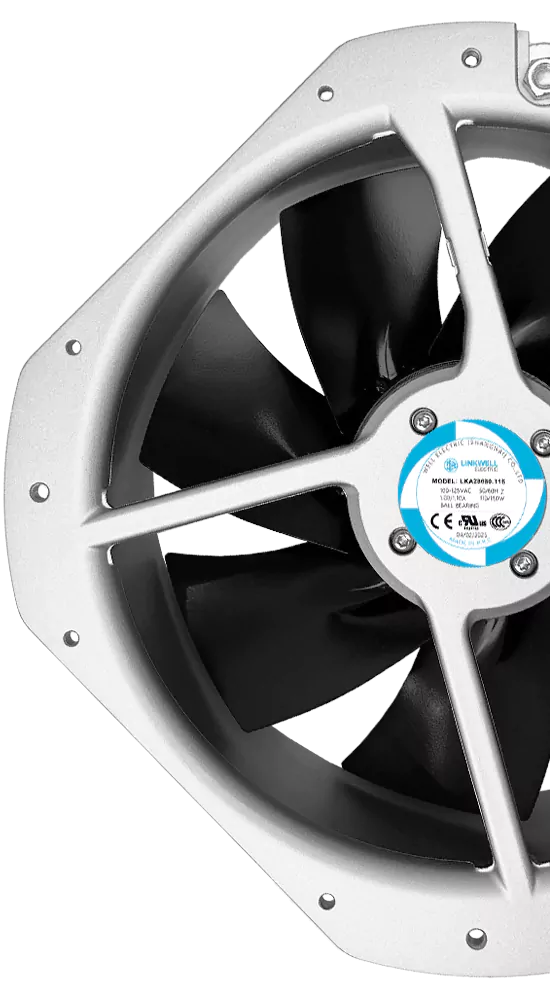
Most people think an exhaust fan is simply a device that moves air out of a space. That’s only part of the story.
What Is an Exhaust Fan? In real industrial applications, an exhaust fan is better understood as a pressure management tool. It works by creating a negative pressure zone inside an enclosure or system, forcing hot air, moisture, or harmful gases to move out in a controlled direction.
This difference matters. In many systems—especially electrical cabinets or sealed housings—random airflow doesn’t solve the problem. What you actually need is controlled extraction: pulling heat away from where it accumulates.
In fact, in most cabinet cooling projects we’ve worked on, removing hot air is far more effective than trying to push cool air in. If heat is not actively extracted, it simply circulates and builds up around critical components.
What Is an Exhaust Fan? How Does an Exhaust Fan Work?
At a basic level, exhaust fans rely on two physical principles:
hot air rises, and air moves from high pressure to low pressure.
By creating a pressure difference, the fan pulls hot air out and allows cooler air to enter from intake openings. But in real systems, this process is rarely as simple as it sounds.
Why Static Pressure Matters More Than You Think
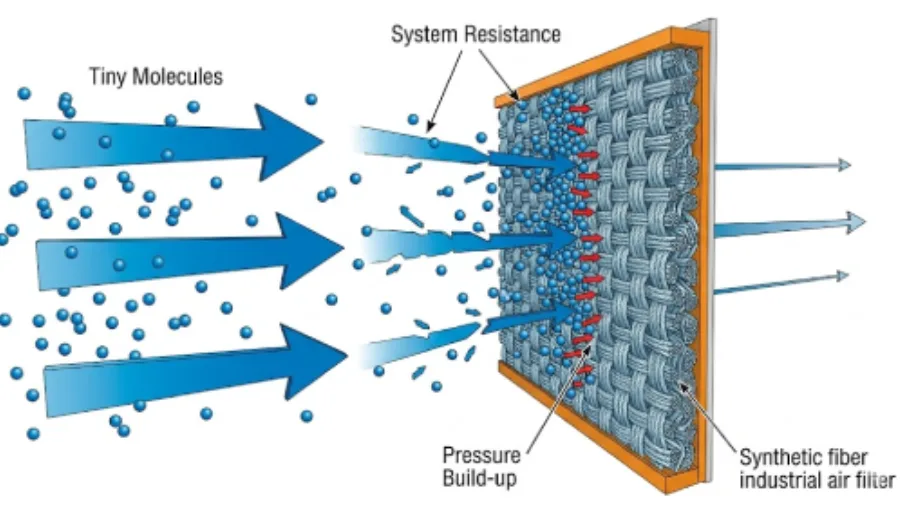
In theory, airflow looks straightforward. In practice, resistance changes everything.
Filters, protective grills, narrow vents, and internal structures all create resistance. When that happens, many standard fans—especially low-pressure axial types—struggle to maintain airflow.
We’ve seen this repeatedly in field installations. Once a filter accumulates around 30% dust, airflow from an axial fan can drop by more than 50%, even though the fan is still running at full speed. From the outside, everything looks normal. Inside, heat continues to build.
This is why understanding static pressure is critical. A fan that cannot overcome resistance is not cooling—it’s just spinning.
Centrifugal vs Axial Exhaust Fans: Choosing the Right Tool
One of the most common mistakes is selecting the wrong type of fan for the job.
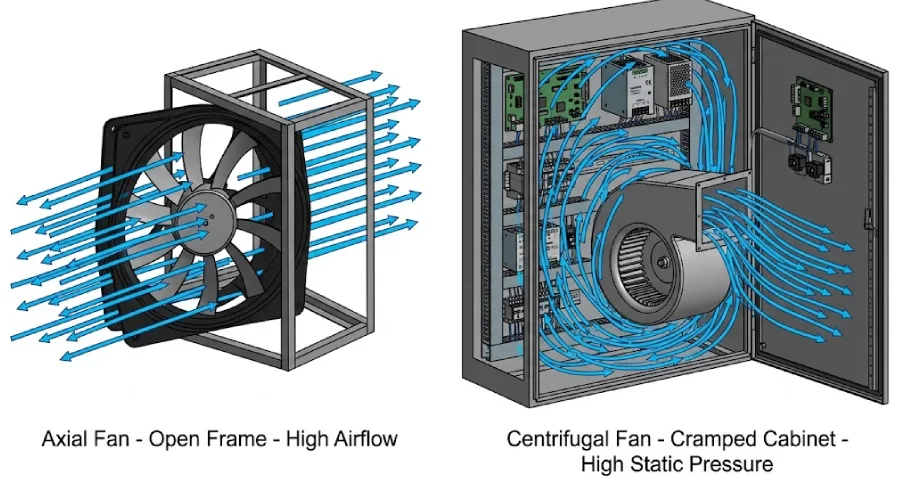
Axial Fans
Axial fans move large volumes of air in open environments with minimal resistance. They are simple, cost-effective, and widely used where airflow paths are unobstructed.
Centrifugal Fans
Centrifugal fans are designed to overcome resistance. They generate higher static pressure, allowing them to maintain stable airflow even when filters, ducts, or restricted outlets are present.
In high-resistance environments—such as filtered electrical cabinets or compact enclosures—a centrifugal fan is often the only solution that performs reliably.
We often see systems fail not because the fan is too small, but because the fan type is mismatched to the application.
The 3 Core Roles of Exhaust Fans in Industrial Systems
Thermal Management
Exhaust fans actively remove heat from critical components such as inverters, PLC systems, and power supplies. Without proper heat extraction, internal temperatures rise quickly, leading to reduced performance or unexpected shutdowns.
Extending Equipment Lifespan
Temperature has a direct impact on electronic components. According to the Arrhenius equation, even a small increase in operating temperature can significantly shorten component lifespan. By stabilizing internal temperatures, exhaust fans help extend the service life of the entire system.
Controlled Airflow Direction
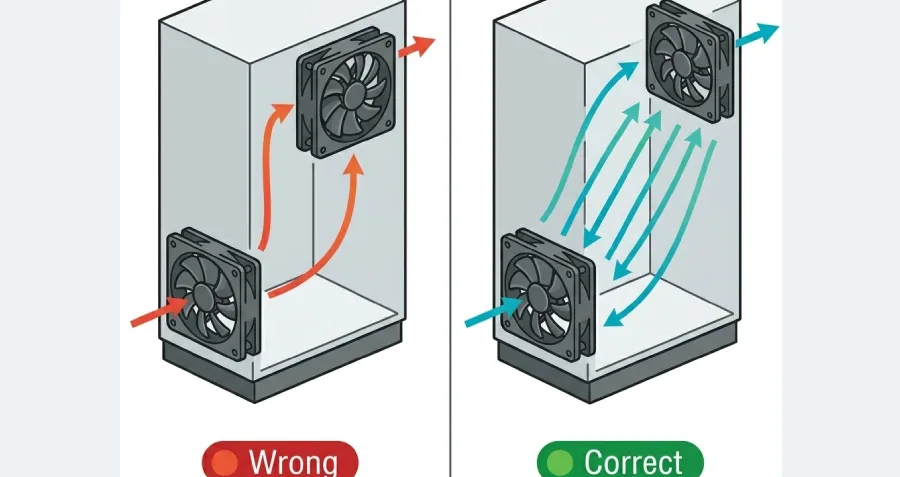
Effective cooling is not just about moving air—it’s about guiding it. When intake and exhaust are properly designed, airflow follows a defined path, often creating a “chimney effect” that continuously removes rising heat from inside the enclosure.
How to Choose the Right Exhaust Fan for Your Application
Choosing the right exhaust fan is not about picking the biggest model. It’s about matching the fan to your system conditions.
Airflow vs Static Pressure
Many buyers focus only on airflow (CFM or m³/h). In reality, airflow alone is misleading. If your system has resistance—filters, grills, or tight spaces—you need a fan that can maintain performance under pressure.
Power Type: AC, DC, or EC
- AC fans are cost-effective and suitable for simple applications.
- DC fans offer better control and safer low-voltage operation, especially in sensitive systems.
- EC fans combine efficiency with intelligent speed control, making them ideal for energy-conscious and high-performance applications.
Environmental Protection
In industrial environments, dust and moisture are constant challenges. Choosing the right IP rating ensures the fan continues to operate reliably under real working conditions.
Typical Industrial Applications
Electrical Cabinets
Electrical cabinets often include dense filters and limited airflow space. This creates high resistance, requiring fans that can maintain pressure and ensure consistent heat removal.
Telecom Enclosures
Telecom systems operate continuously, often in outdoor or semi-sealed environments. Reliability, efficiency, and stable airflow are critical for long-term performance.
Inverter and Drive Cooling
Inverters generate concentrated heat in specific areas. Effective exhaust design helps remove this heat quickly, preventing localized overheating.
Common Mistakes: Why Your Exhaust Fan Isn’t Working
In many cases, the problem is not the fan itself—it’s how it’s applied.
- Underestimating resistance
As filters clog over time, airflow drops significantly. Without proper fan selection, cooling performance degrades quickly. - Airflow short-circuiting
When intake and exhaust are placed too close together, air exits before it reaches heat-generating components. The system moves air, but not where it’s needed. - Wrong fan type
Using an axial fan in a high-resistance environment is one of the most common issues we encounter. The fan runs, but it cannot overcome system resistance.
Why Exhaust Fan Selection Is Not About Power
It’s a common assumption that a larger or more powerful fan will solve cooling problems. In reality, that approach often leads to inefficiency or failure.
Effective cooling depends on the balance between:
- Airflow
- Static pressure
- System design
A properly matched fan will outperform a larger, mismatched one every time.
Need Help Choosing the Right Exhaust Fan?
If you’re not sure whether your current system has too much resistance—or whether you’re using the right fan type—it’s worth evaluating before problems occur.
Tell us about your application, and we can help you:
- Analyze airflow and resistance conditions
- Recommend the right fan type (axial, centrifugal, or EC)
- Optimize your cooling design for long-term reliability
Choosing the right exhaust fan early can prevent overheating, reduce maintenance issues, and extend the life of your equipment.
FAQ
What is the difference between an exhaust fan and a ventilation fan?
An exhaust fan is designed to remove air from a space, creating negative pressure that pulls heat, moisture, or fumes out. A ventilation fan, on the other hand, focuses more on circulating or supplying fresh air.
In industrial systems, this difference is critical. If heat is not actively extracted, it tends to accumulate around components rather than being removed.
Why is my exhaust fan running but not cooling effectively?
In many cases, the issue is not the fan—it’s system resistance or airflow design.
Based on our field experience, once filters begin to clog, airflow can drop significantly even though the fan is still operating. Another common issue is airflow short-circuiting, where air exits before reaching hot components.
Should I choose a higher airflow (CFM) fan for better cooling?
Not necessarily. Airflow alone does not guarantee effective cooling.
If your system includes filters, narrow vents, or enclosed spaces, you need a fan that can maintain airflow under resistance. Otherwise, even a high-CFM fan may fail in real conditions.
When should I use a centrifugal exhaust fan instead of an axial fan?
You should consider a centrifugal fan when your system has noticeable resistance, such as filters, ducts, or restricted airflow paths.
Conclusion
Centrifugal exhaust fans and axial fans are both essential tools, but they solve different problems. For industrial cooling, the goal is not just to move air, but to maintain thermal stability under real-world conditions like high resistance and dust accumulation.
A well-matched fan ensures your equipment stays cool, runs efficiently, and lasts longer. Choosing the right fan today means fewer maintenance headaches and lower operational costs tomorrow.
Wait! Are You Choosing Based Only on Airflow? If you are currently evaluating fans for a project, don’t risk your equipment’s lifespan on free-air data alone. Let LINKWELL help you analyze your system’s static pressure and find the exact solution for your environment.