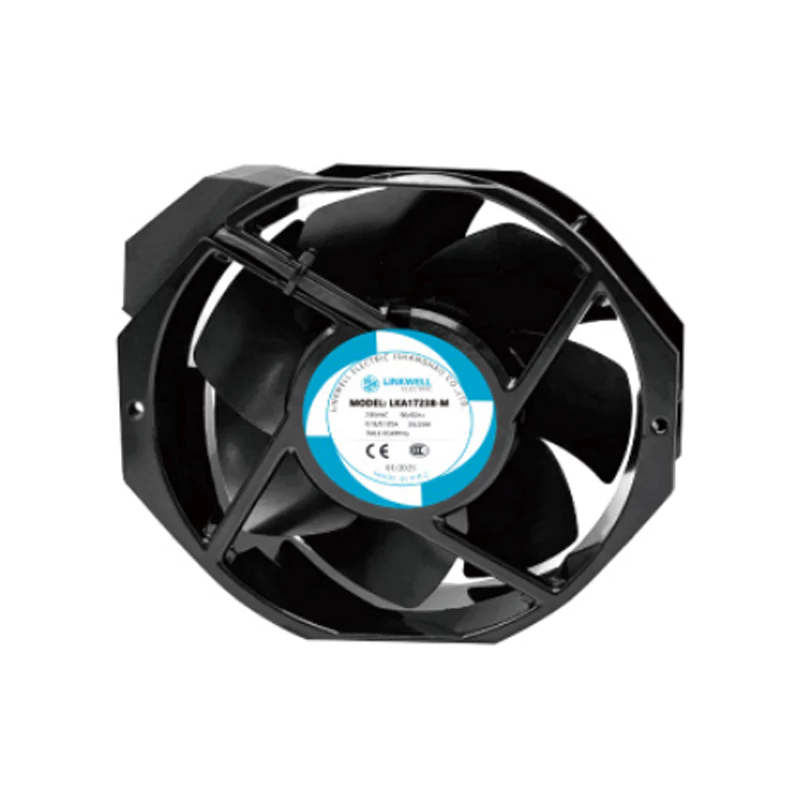
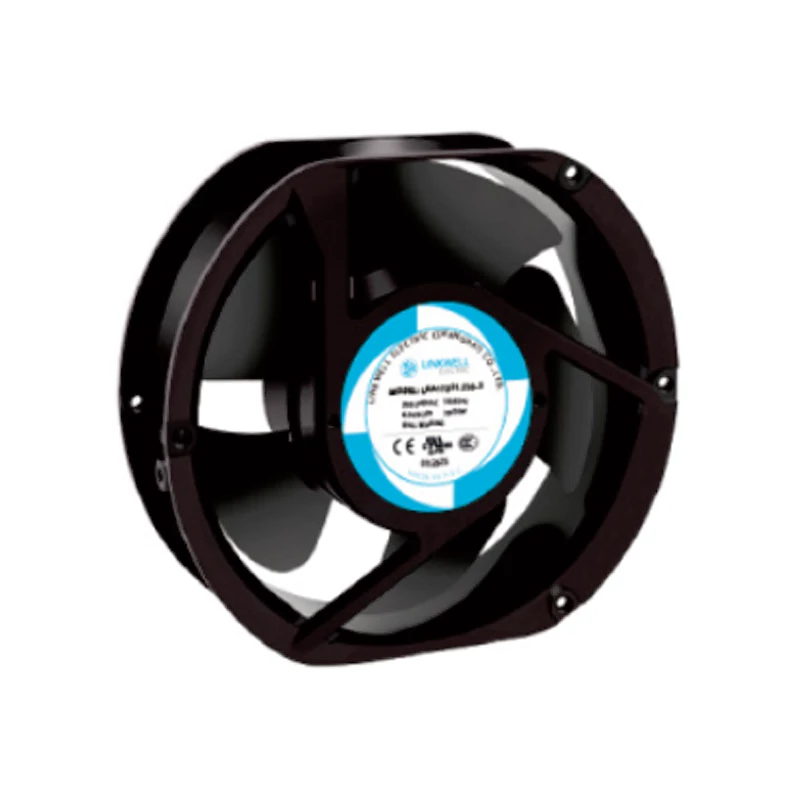
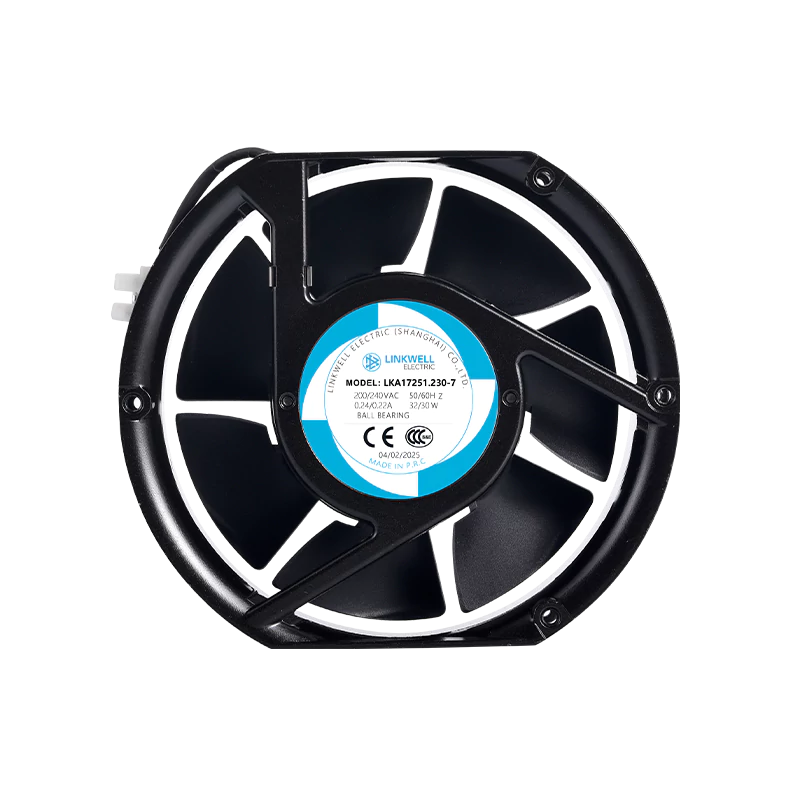
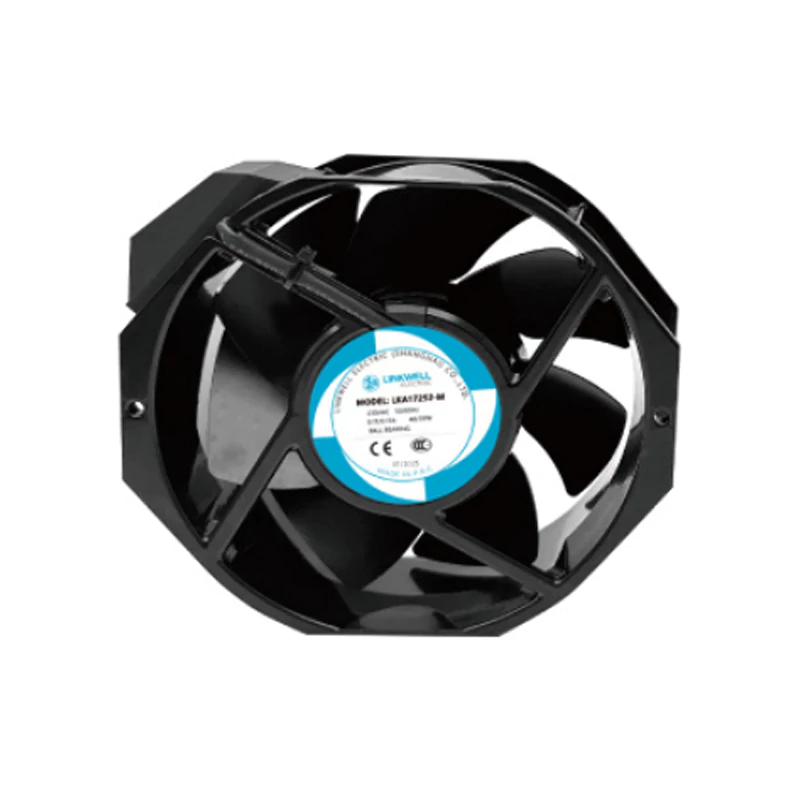
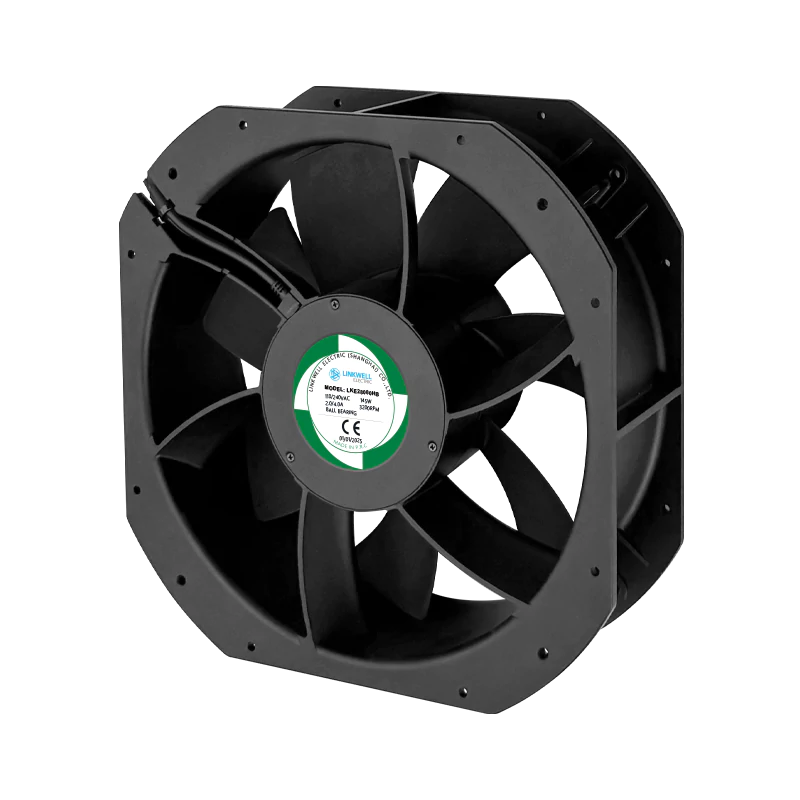
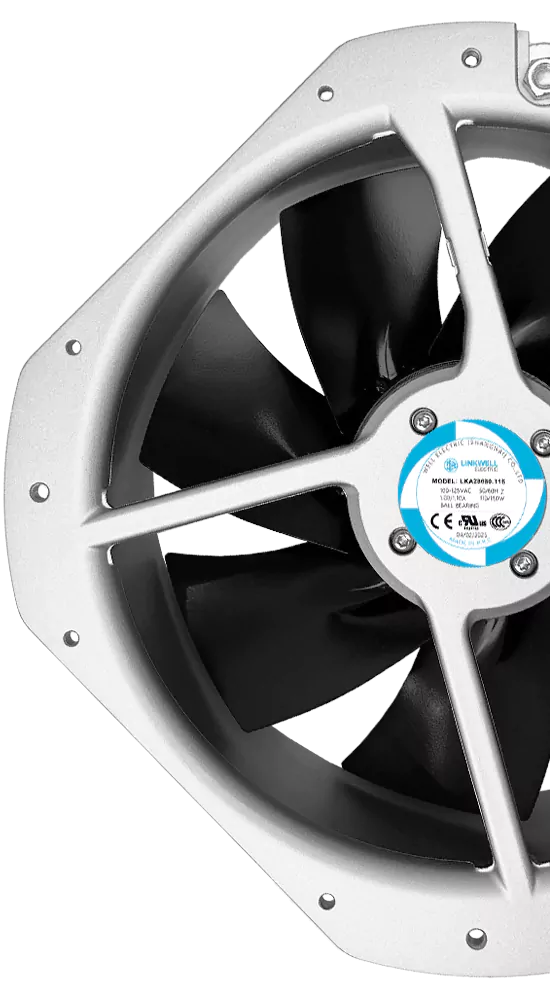
Industrial Axial Fans for Reliable Equipment Cooling
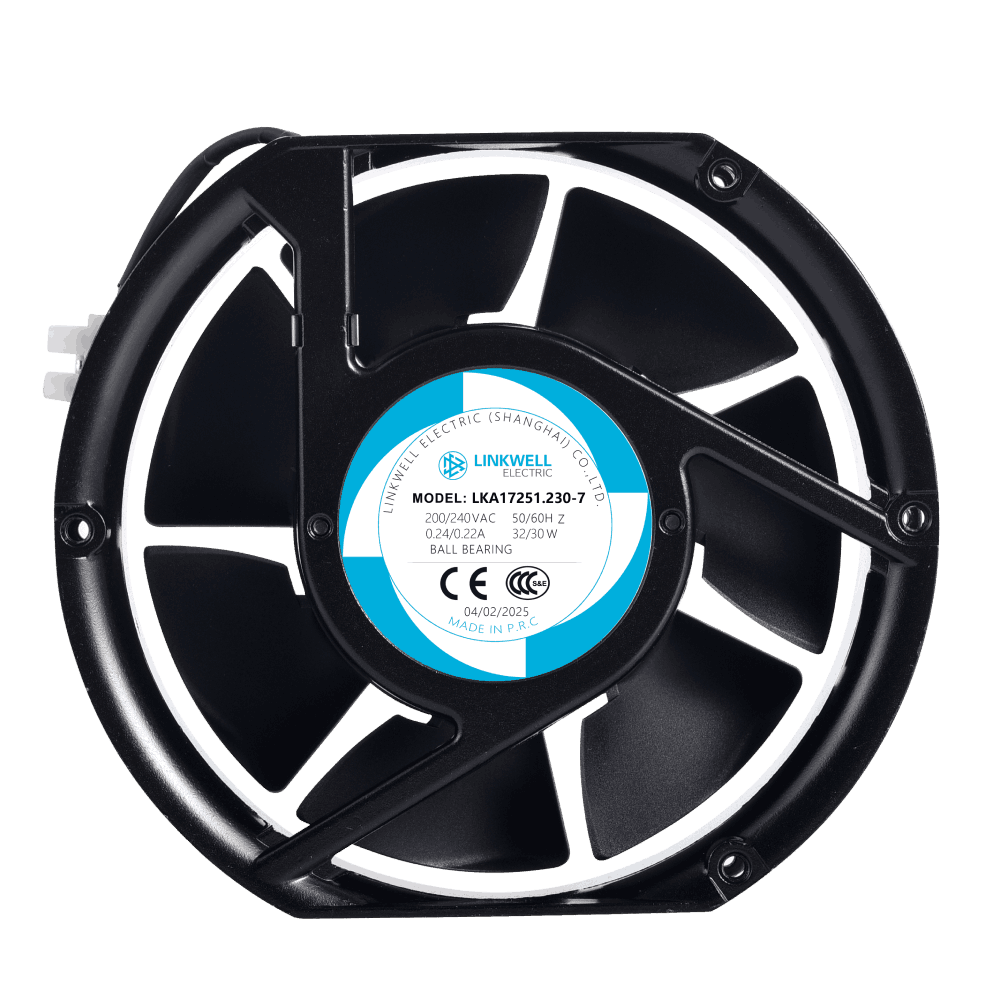
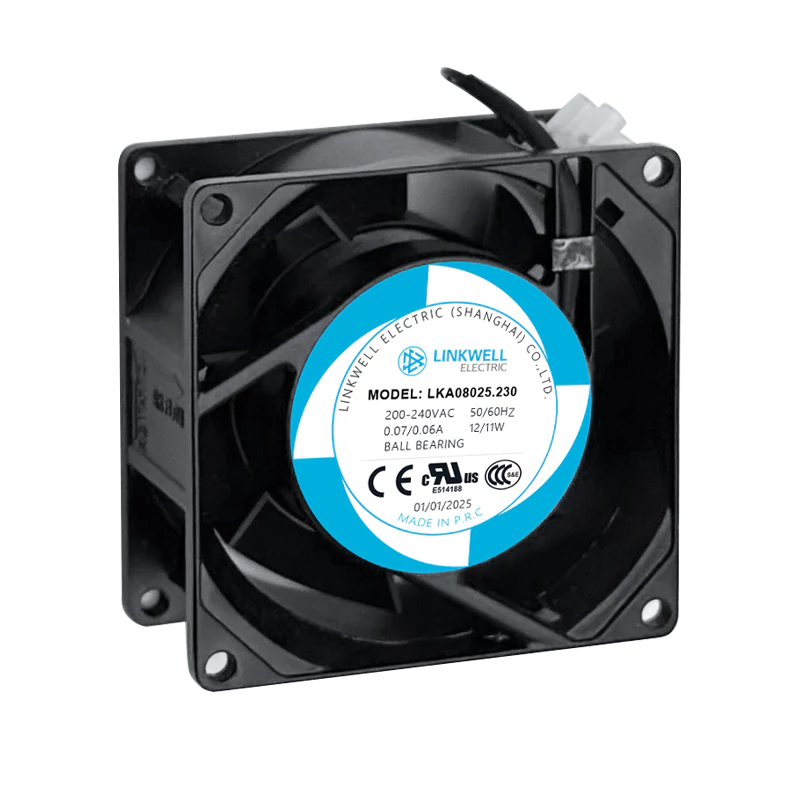
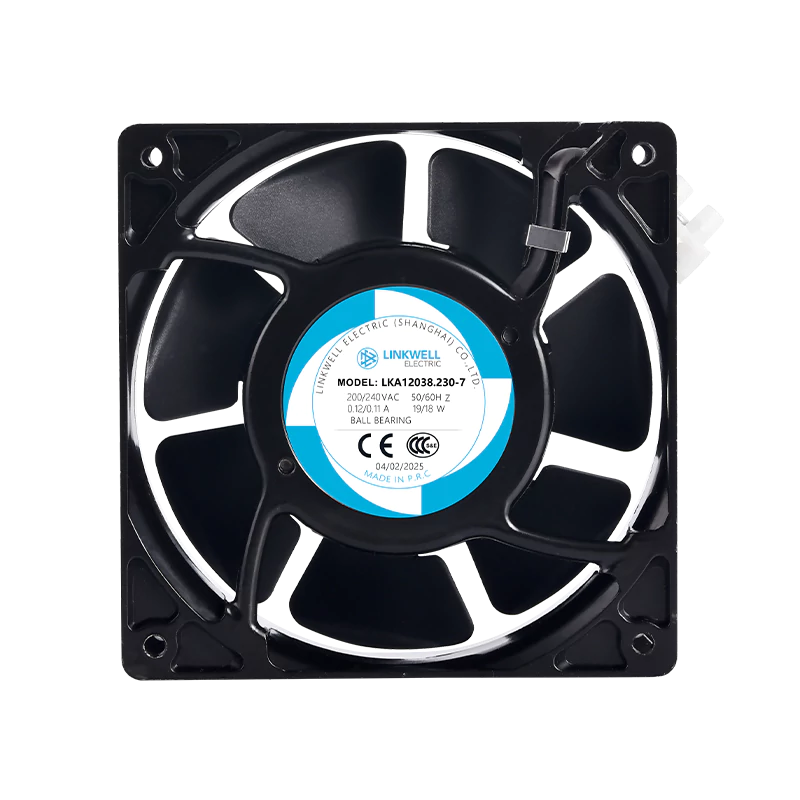
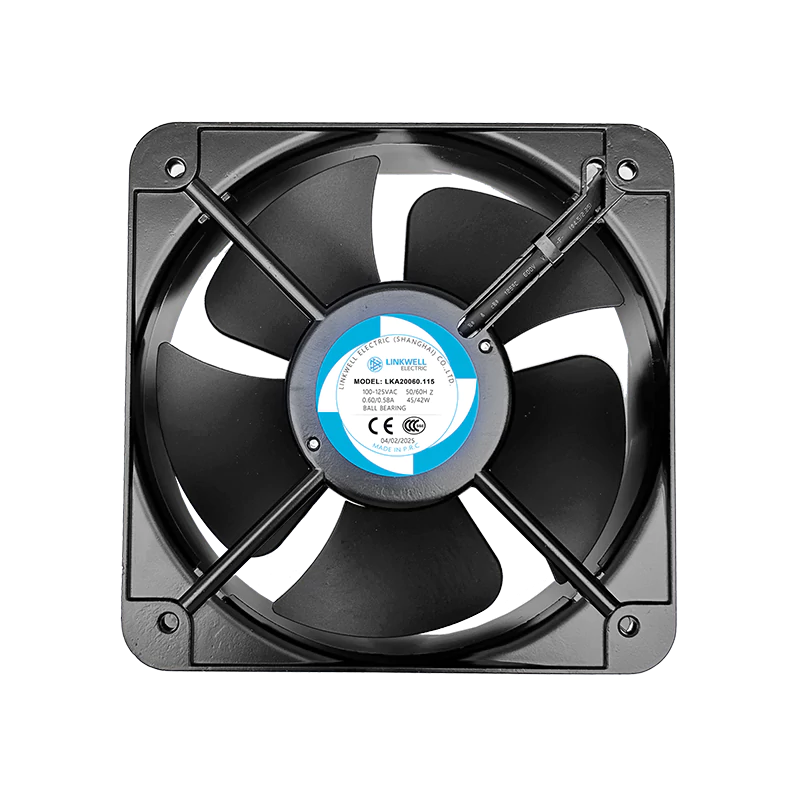
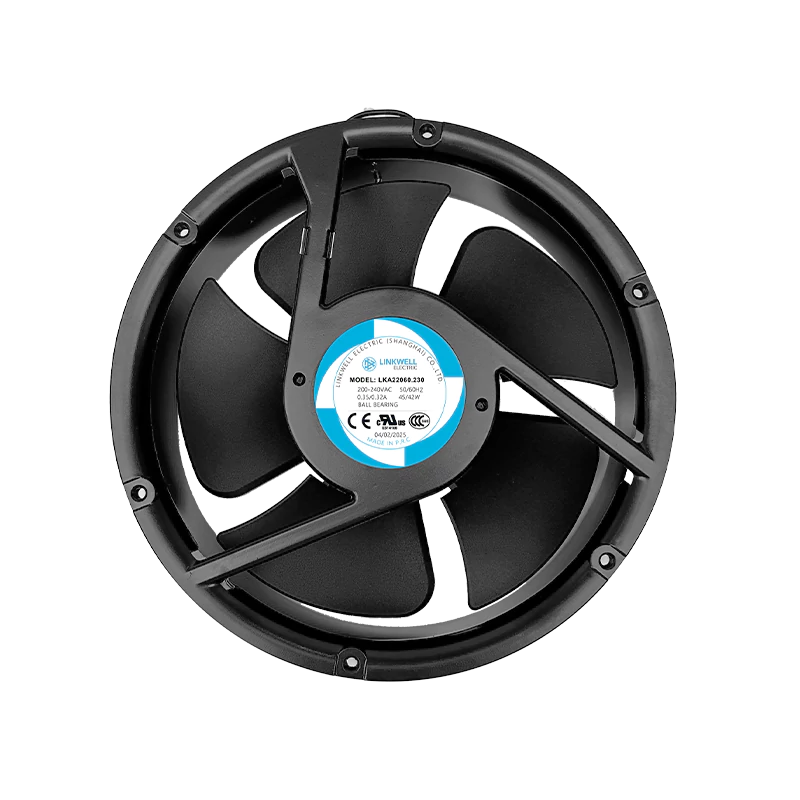
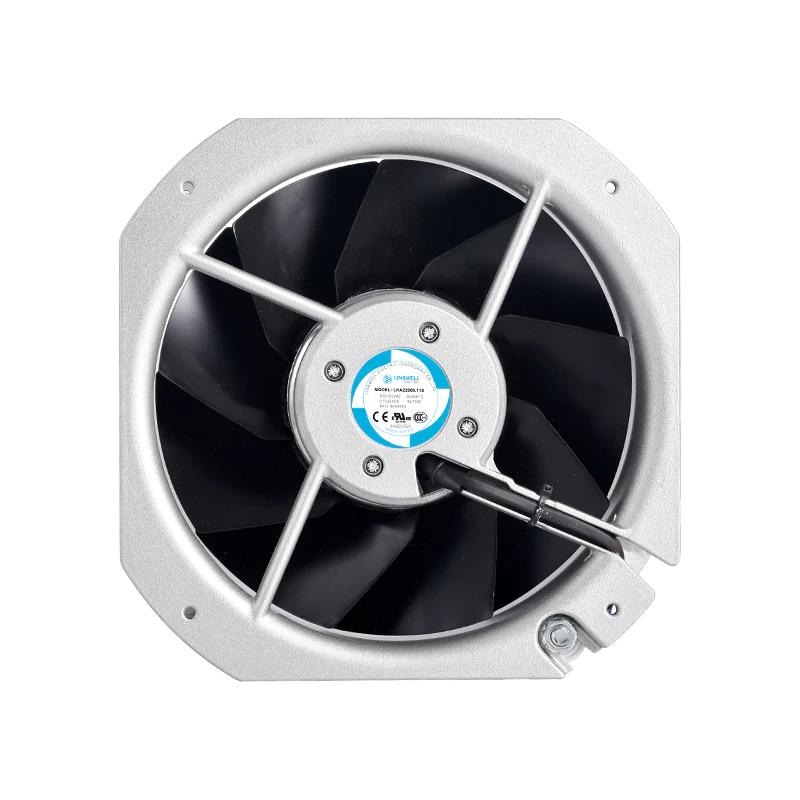
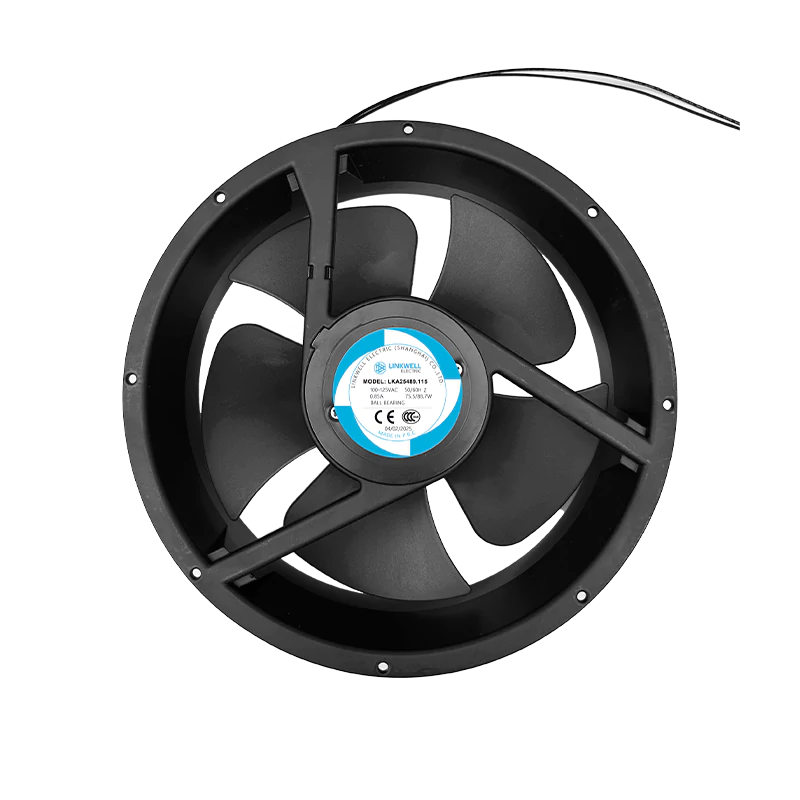
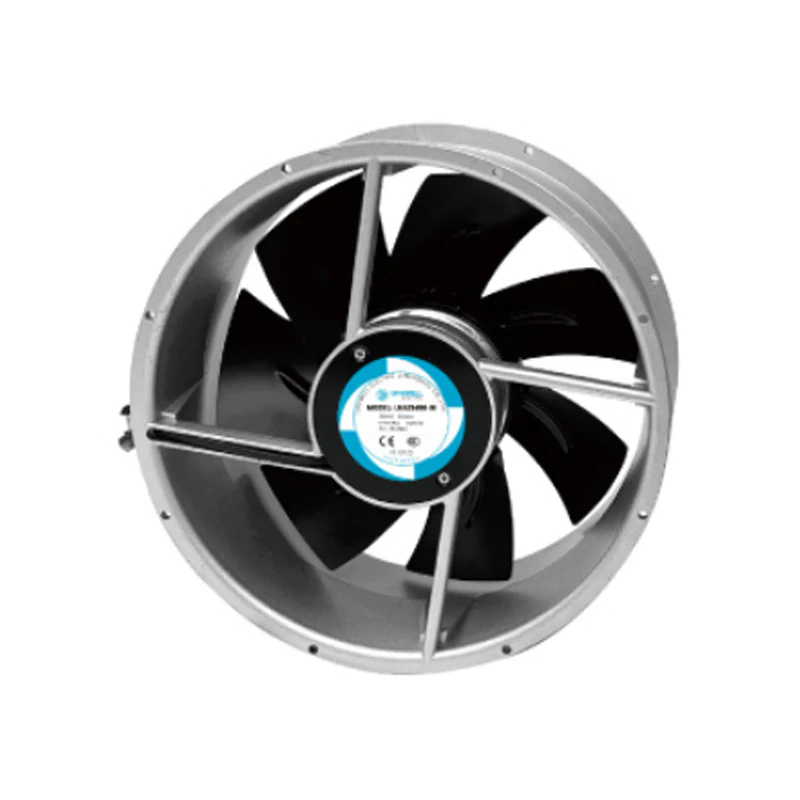
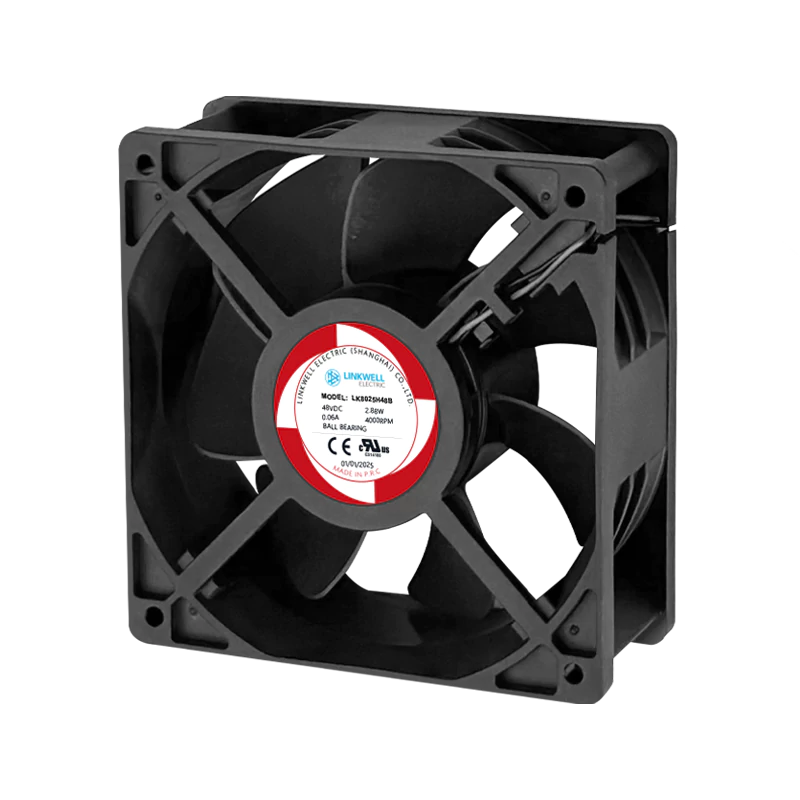
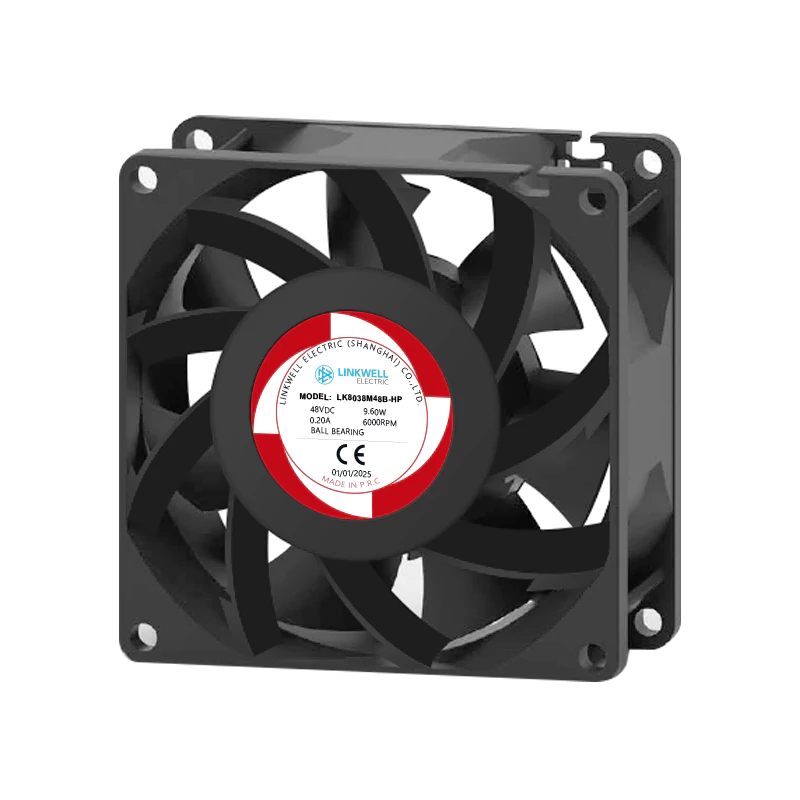
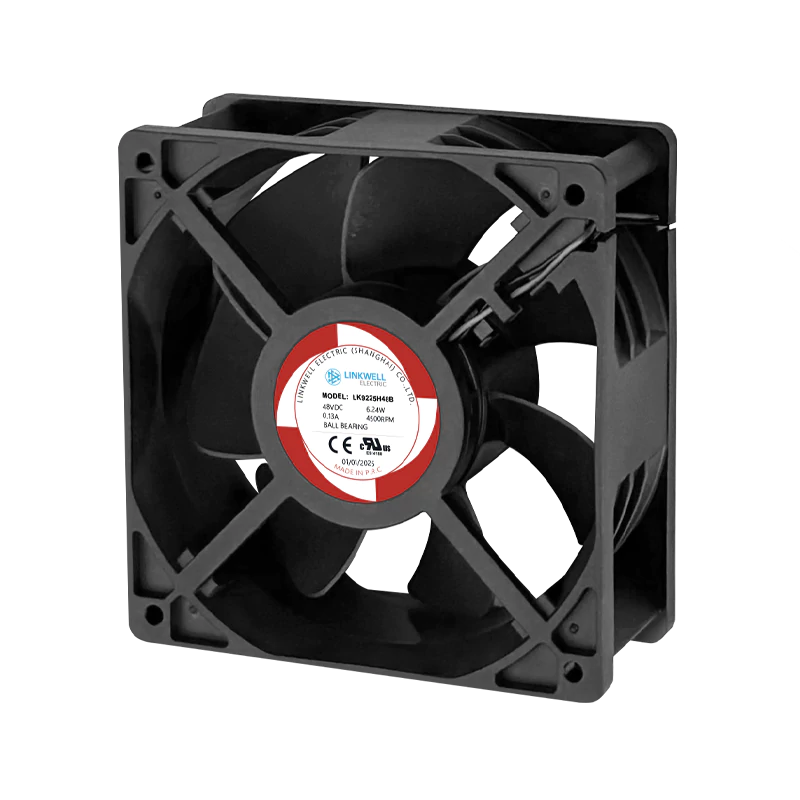
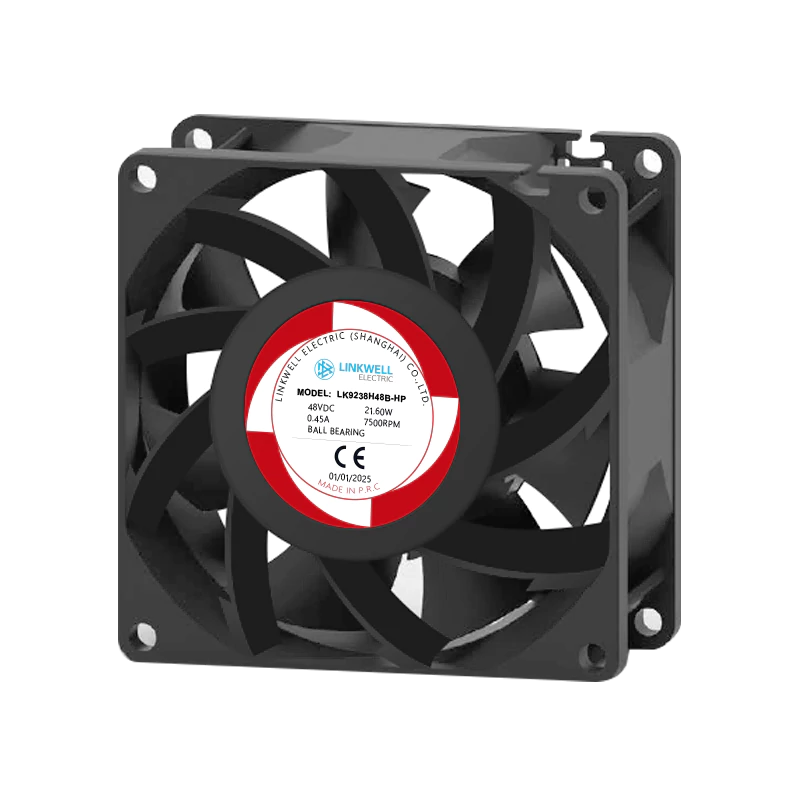
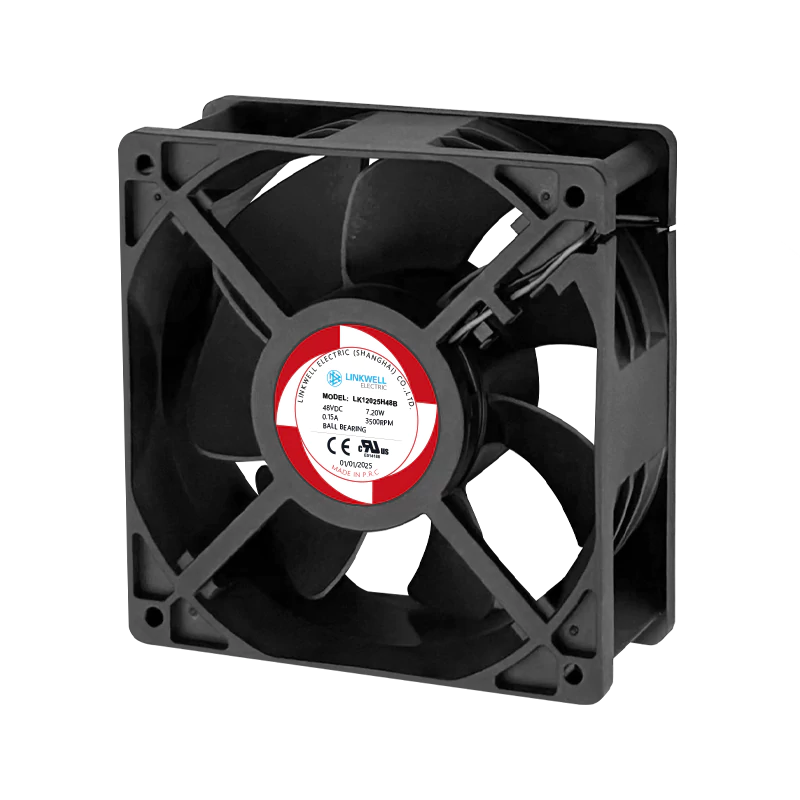
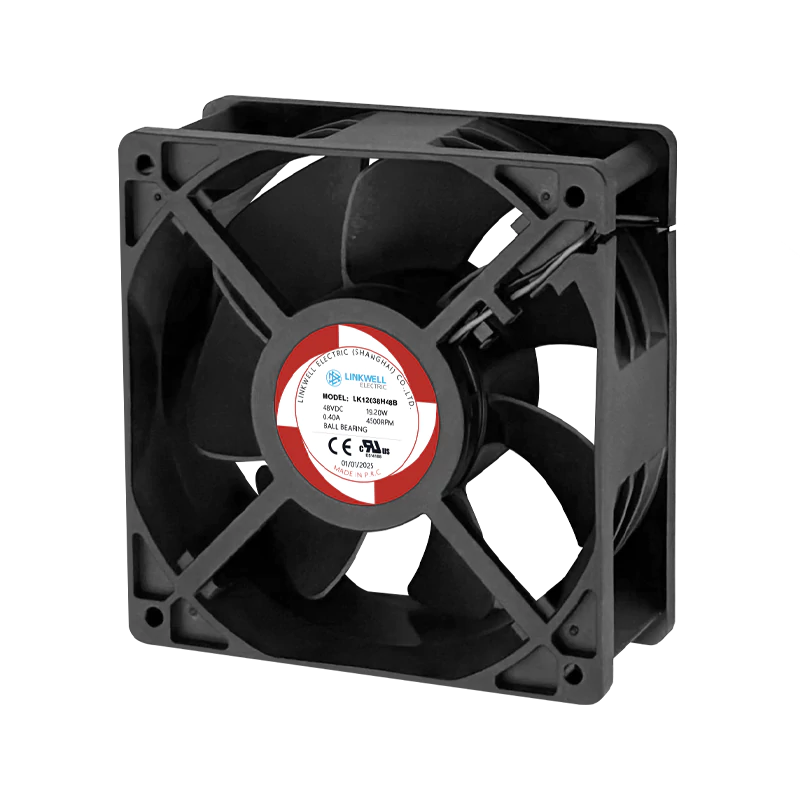
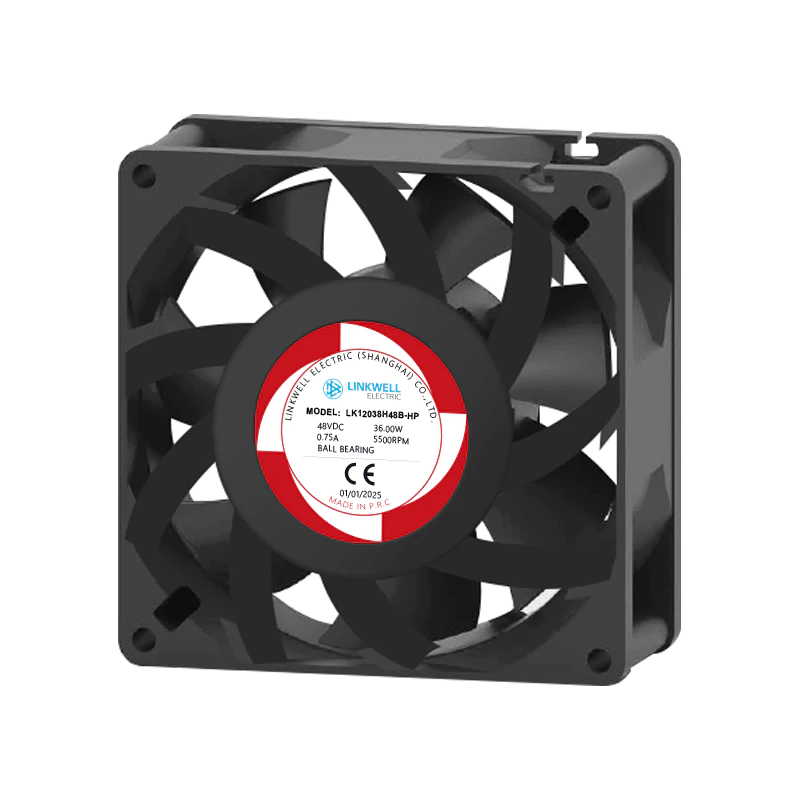
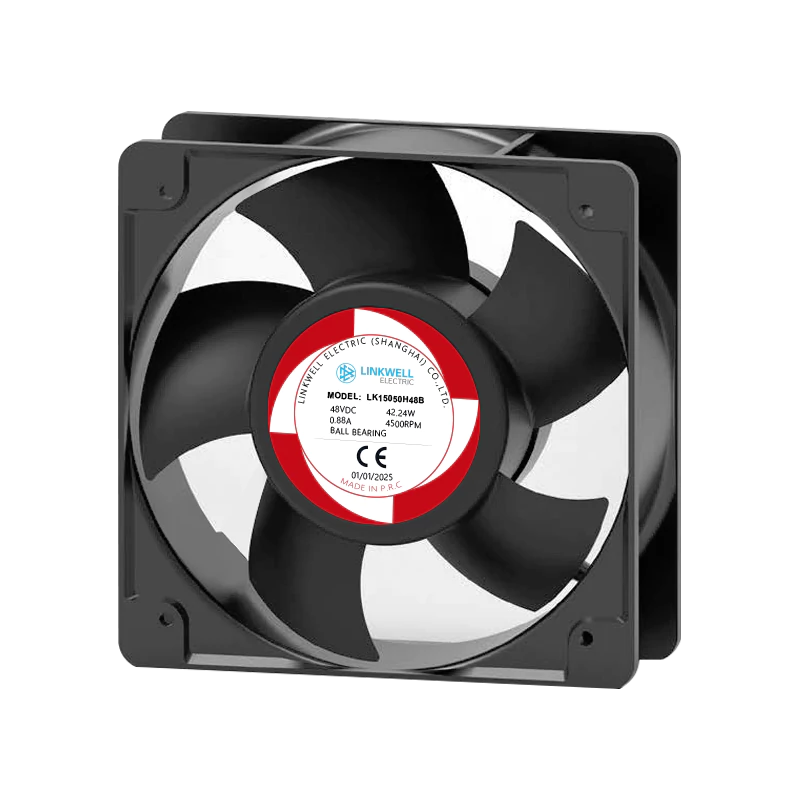
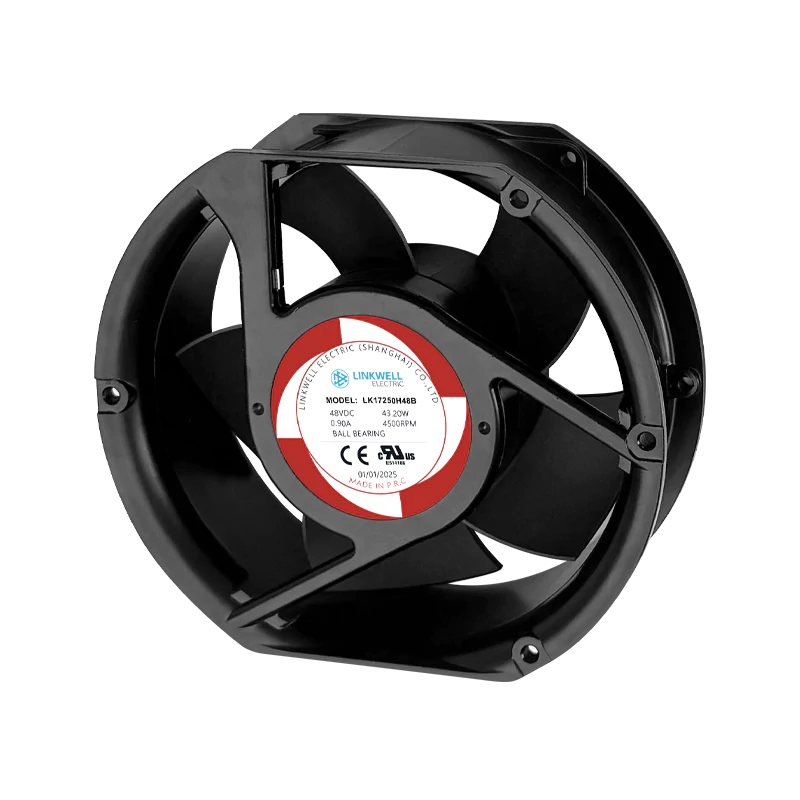
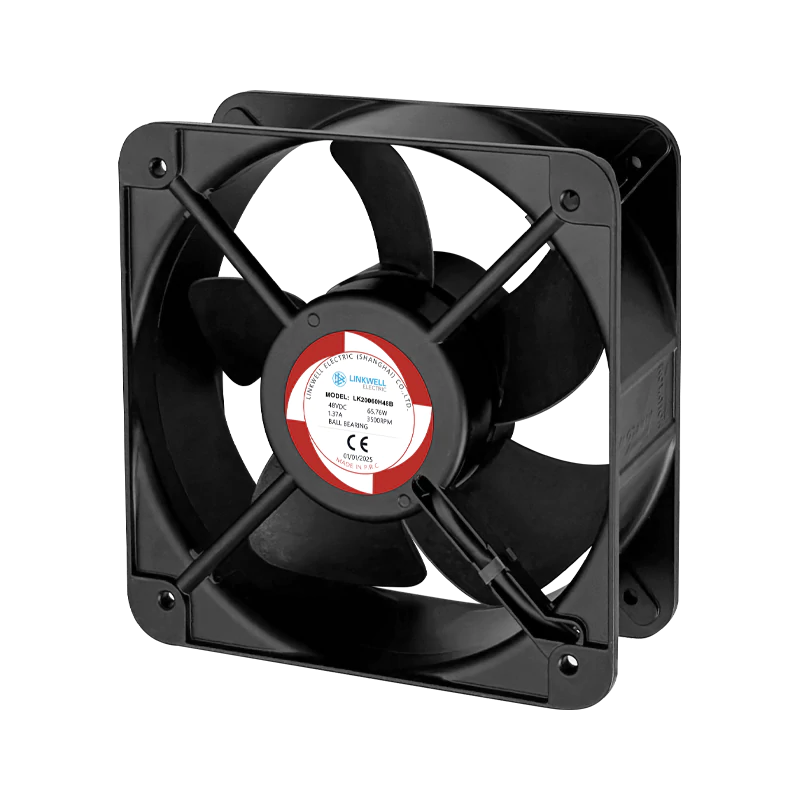
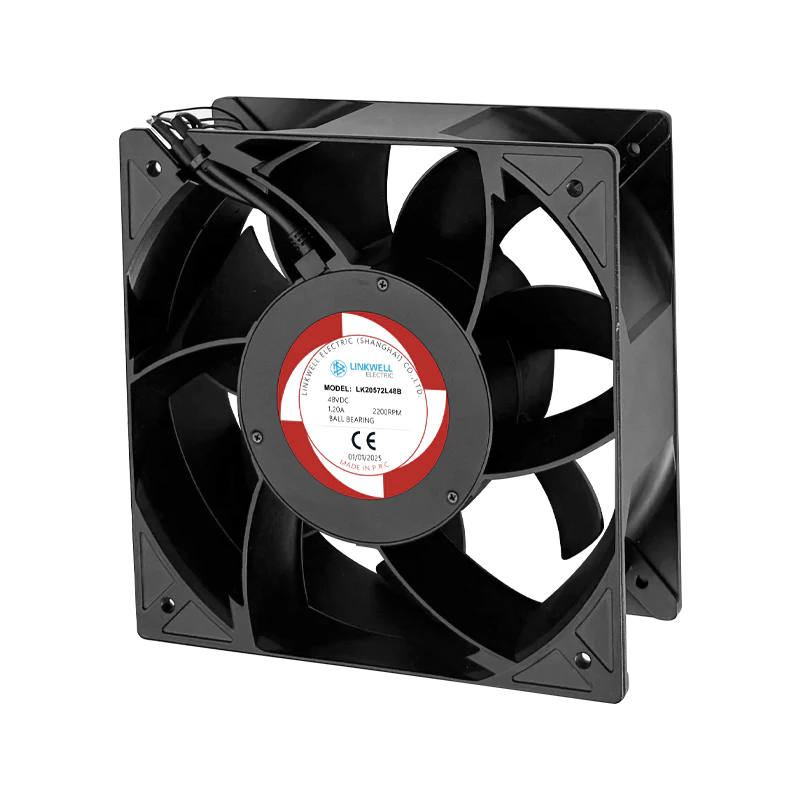
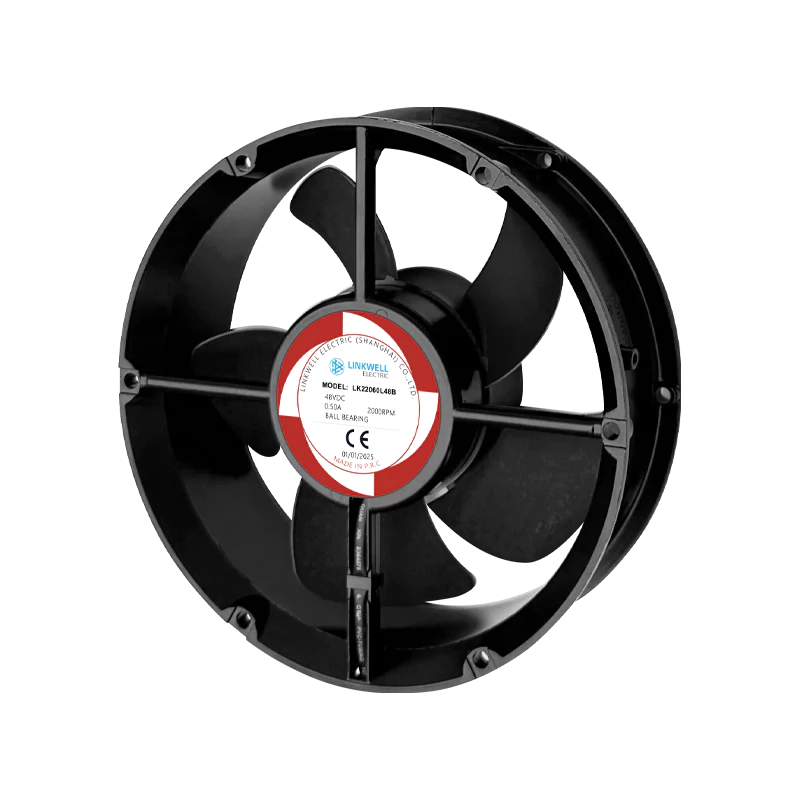
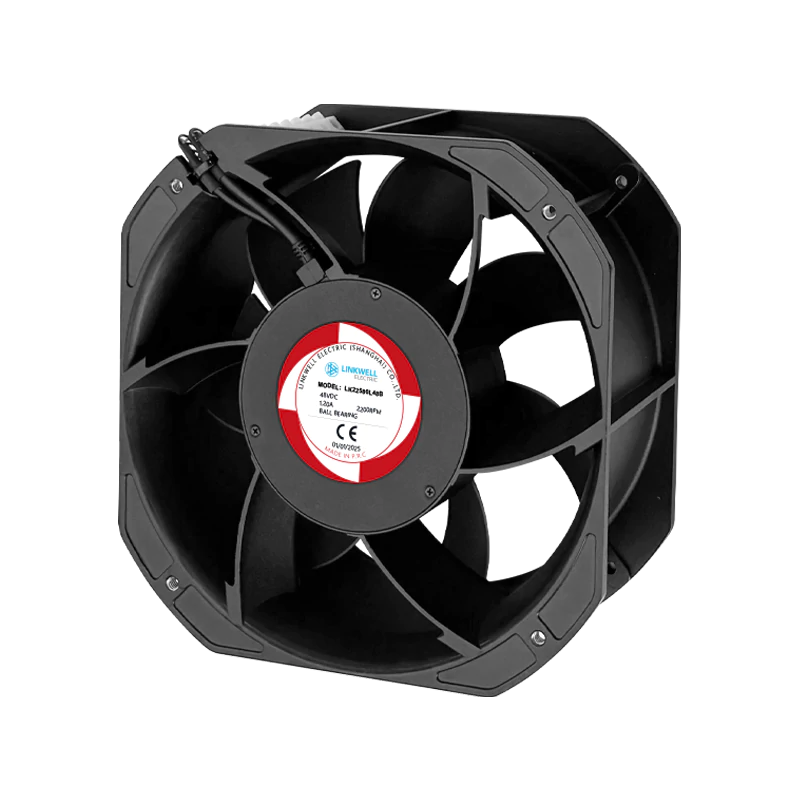
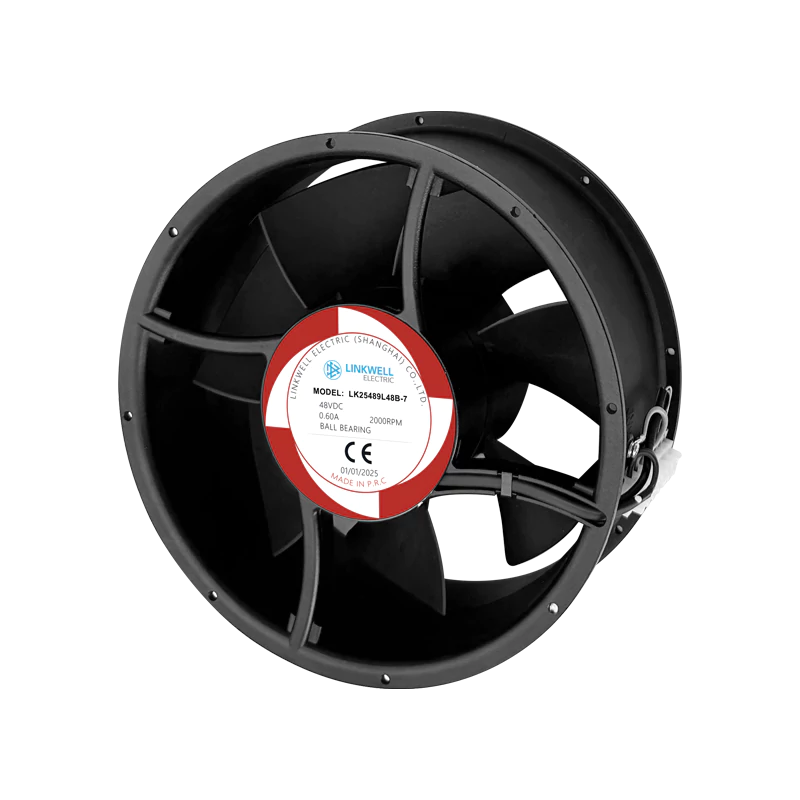
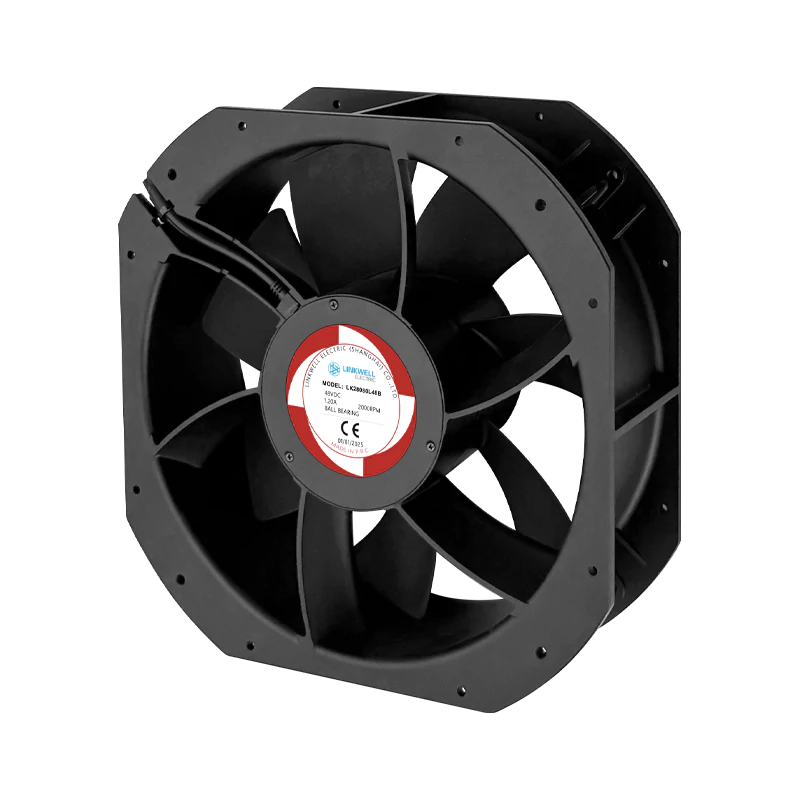
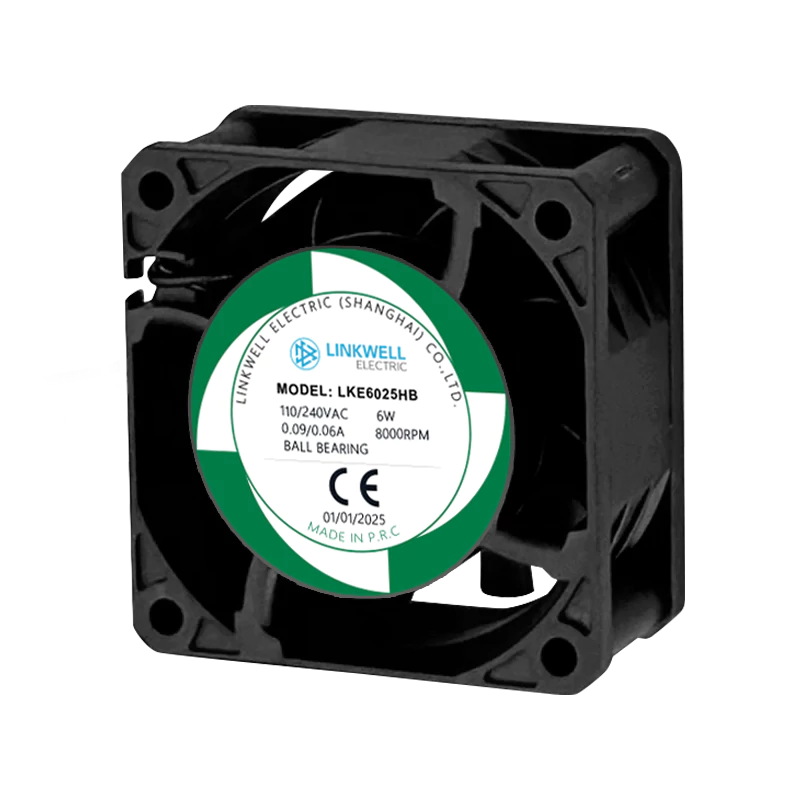
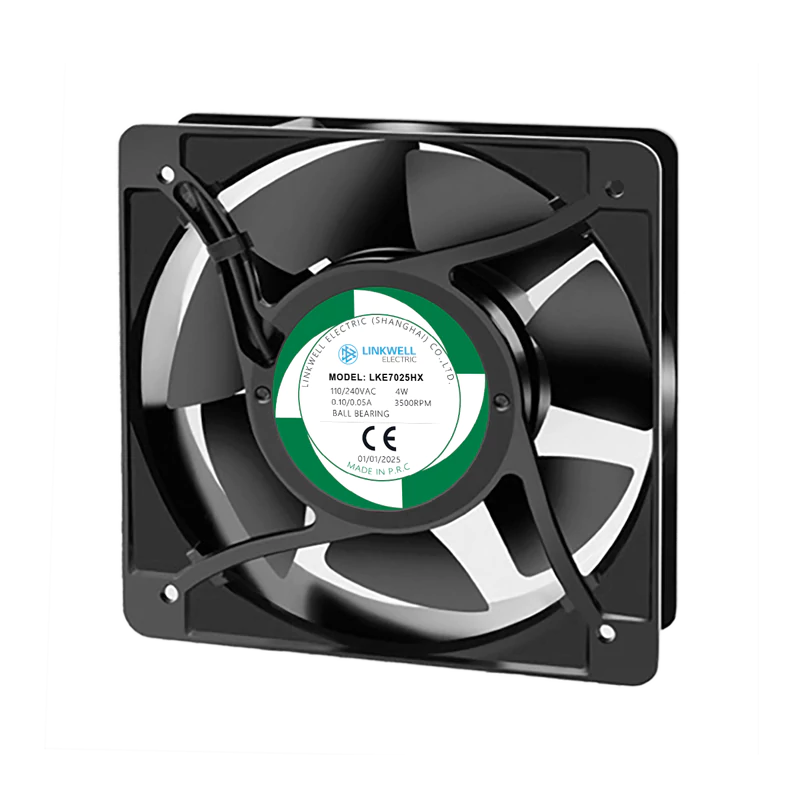
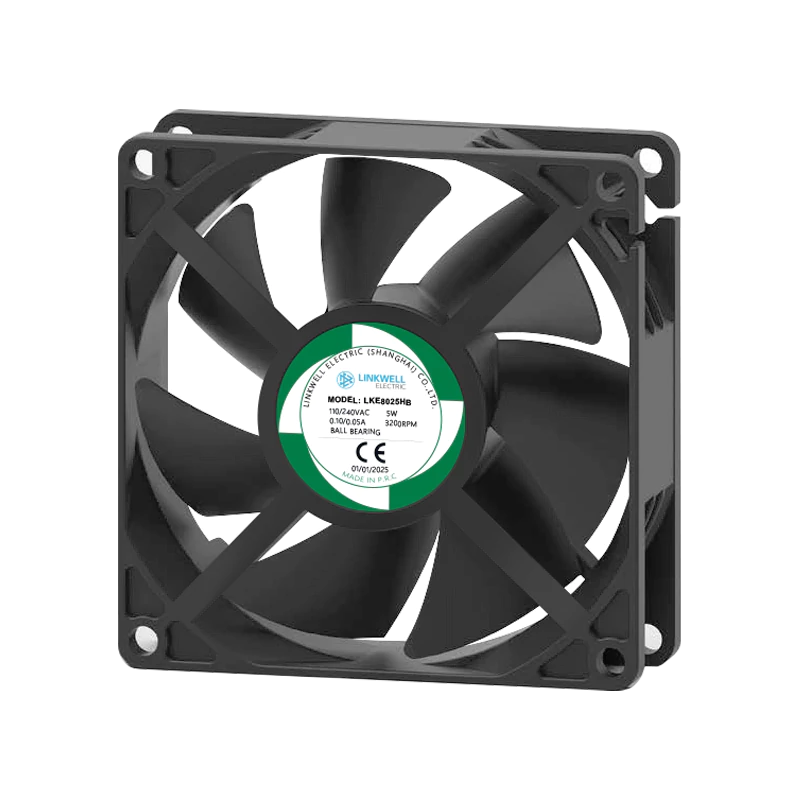
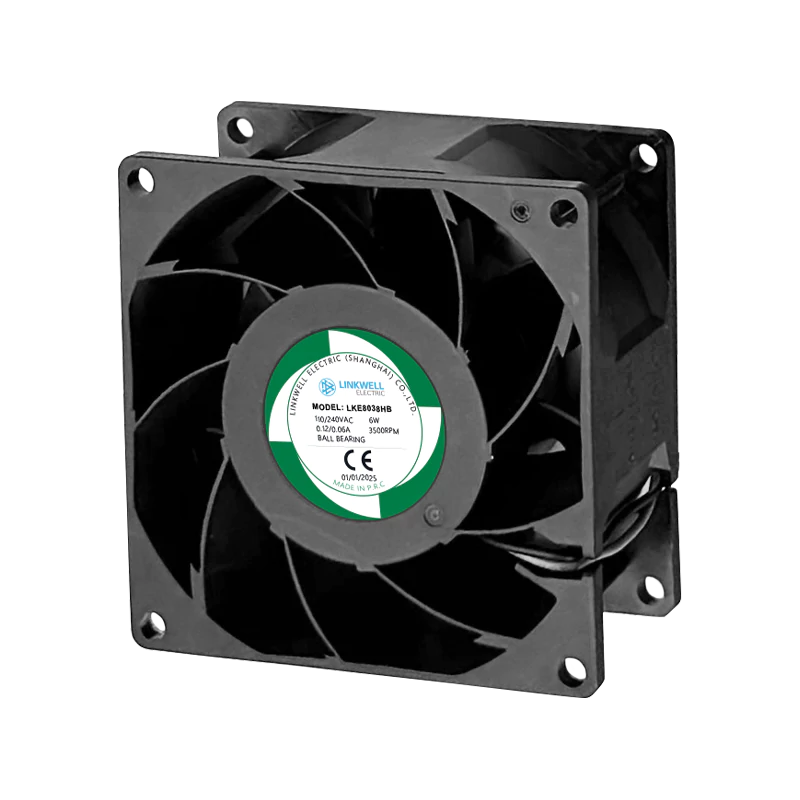
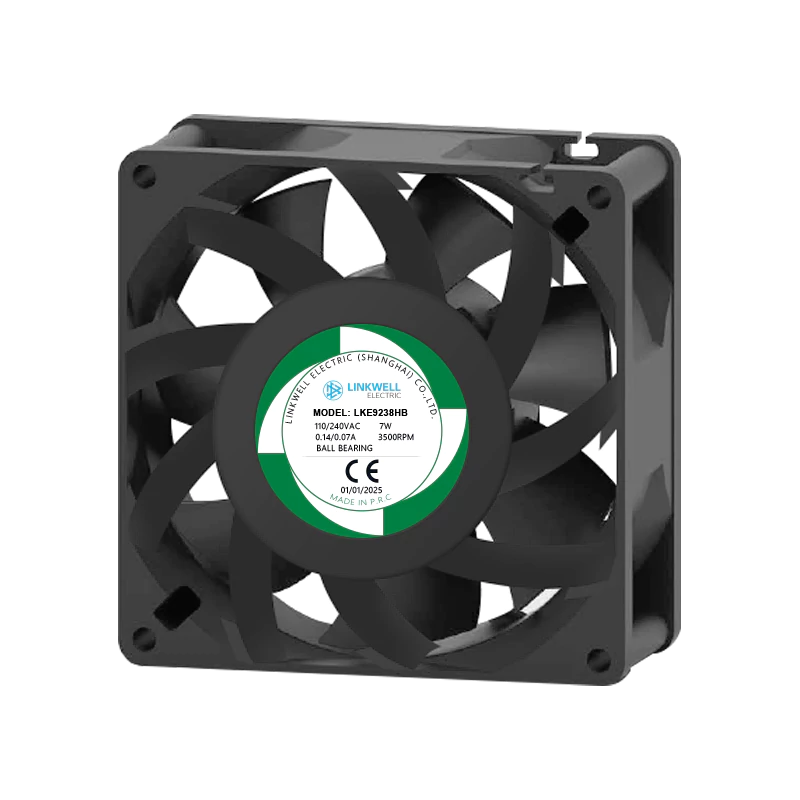
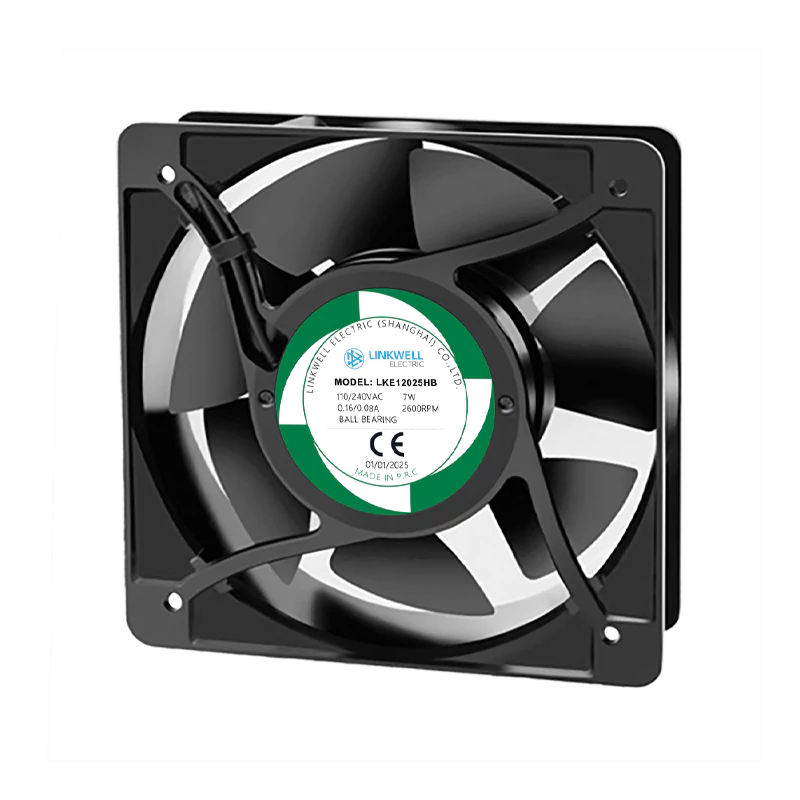
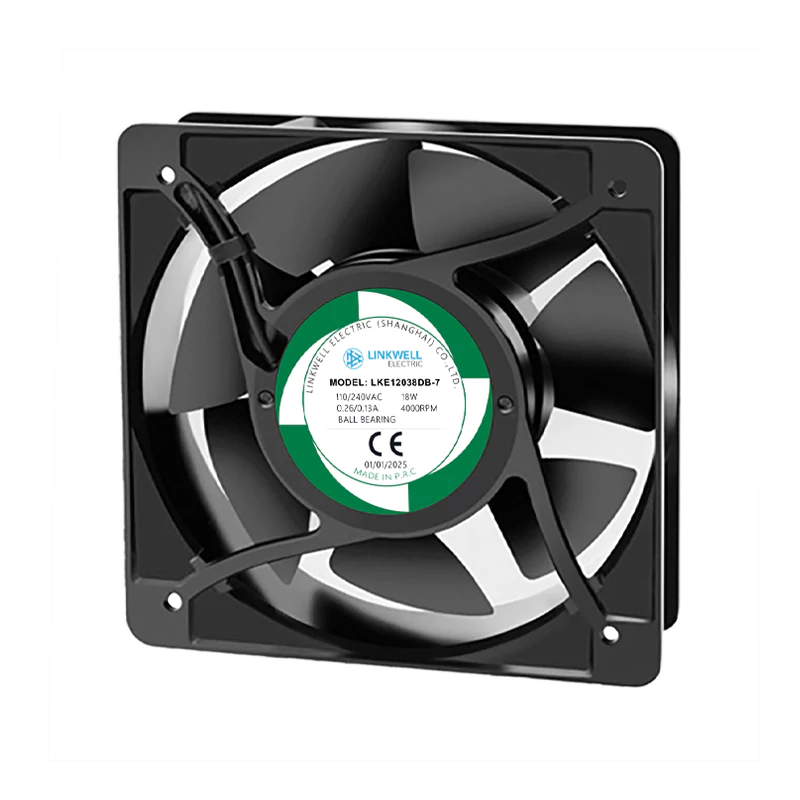
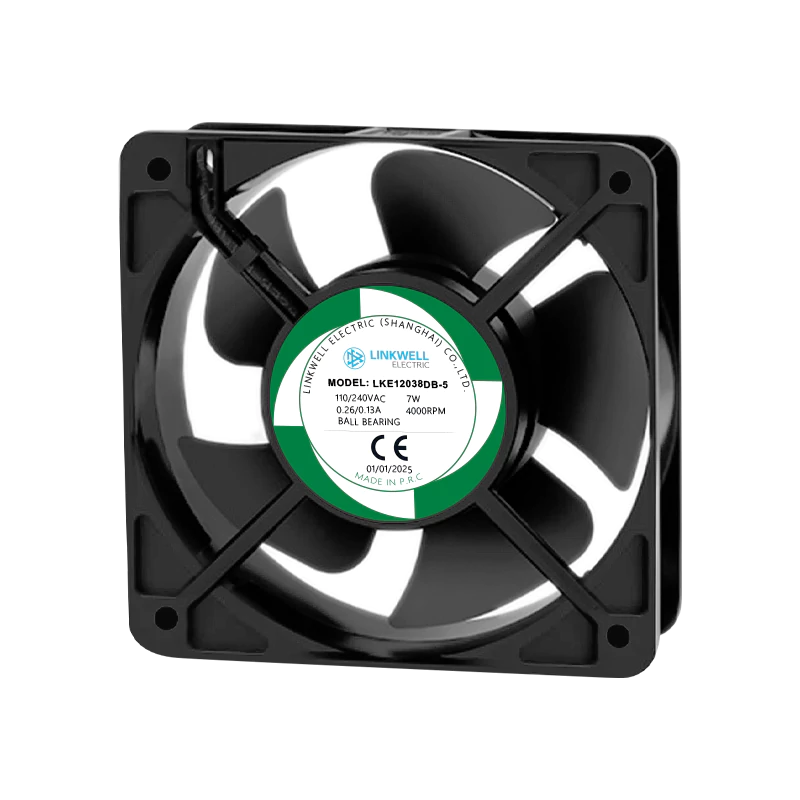
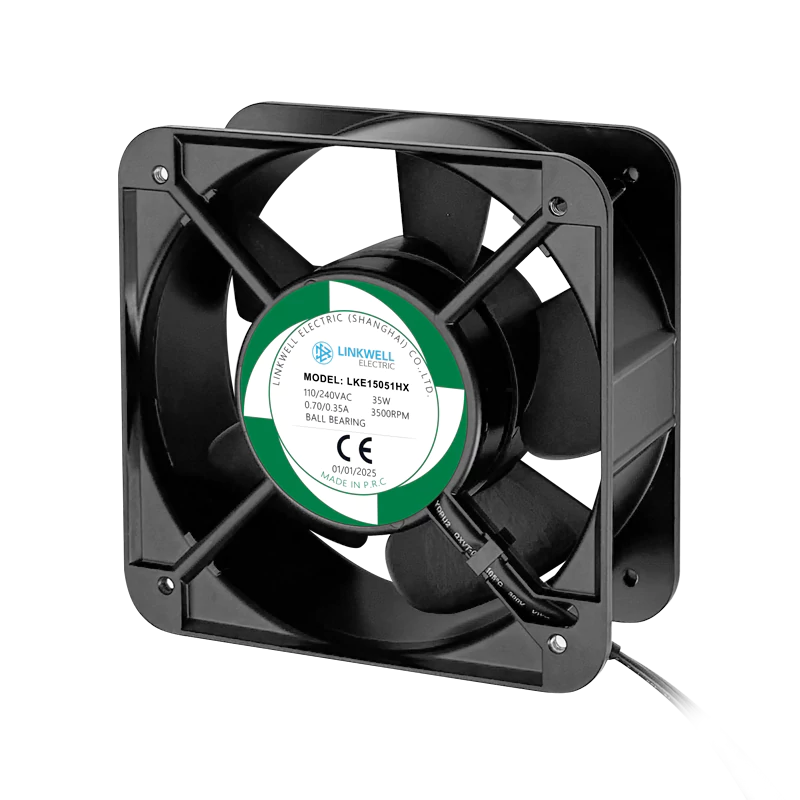
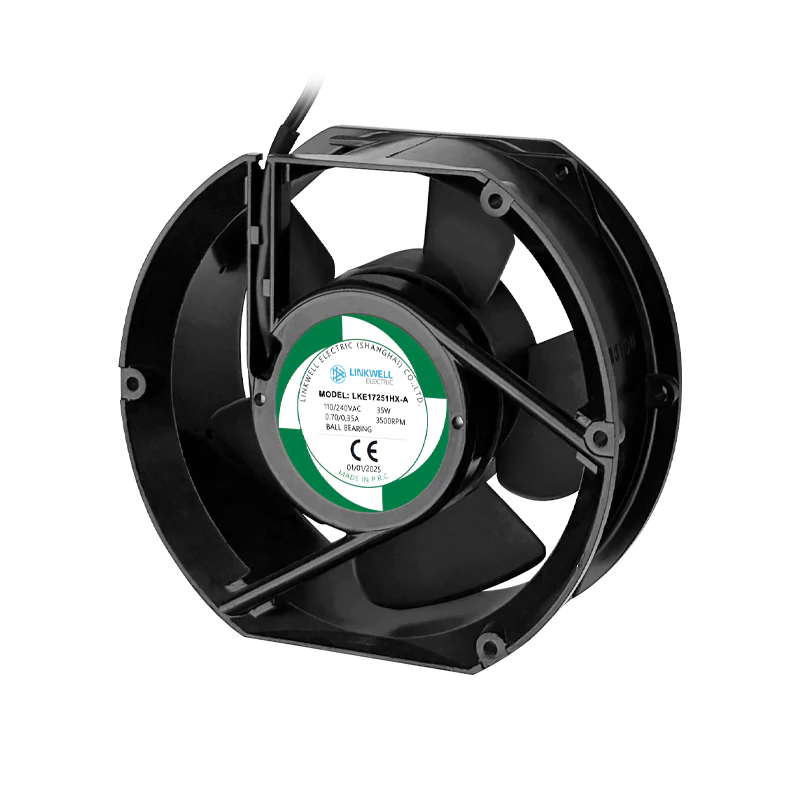
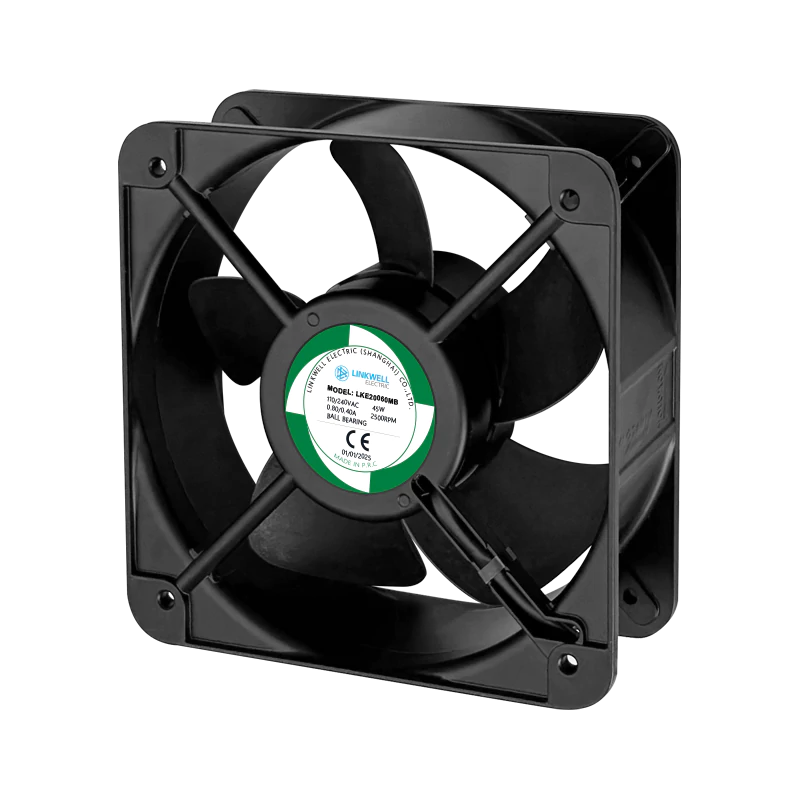
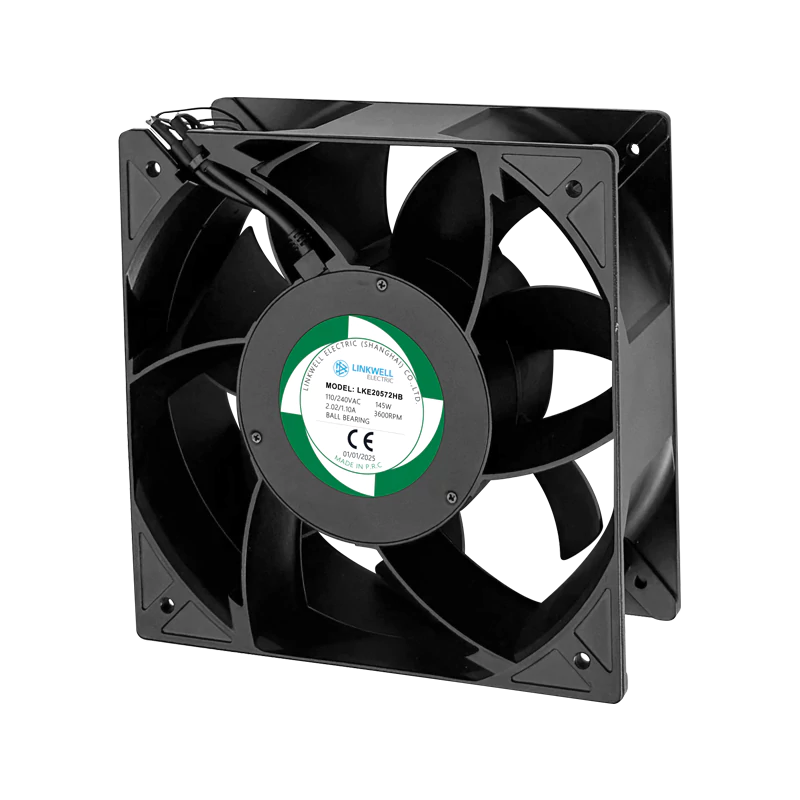
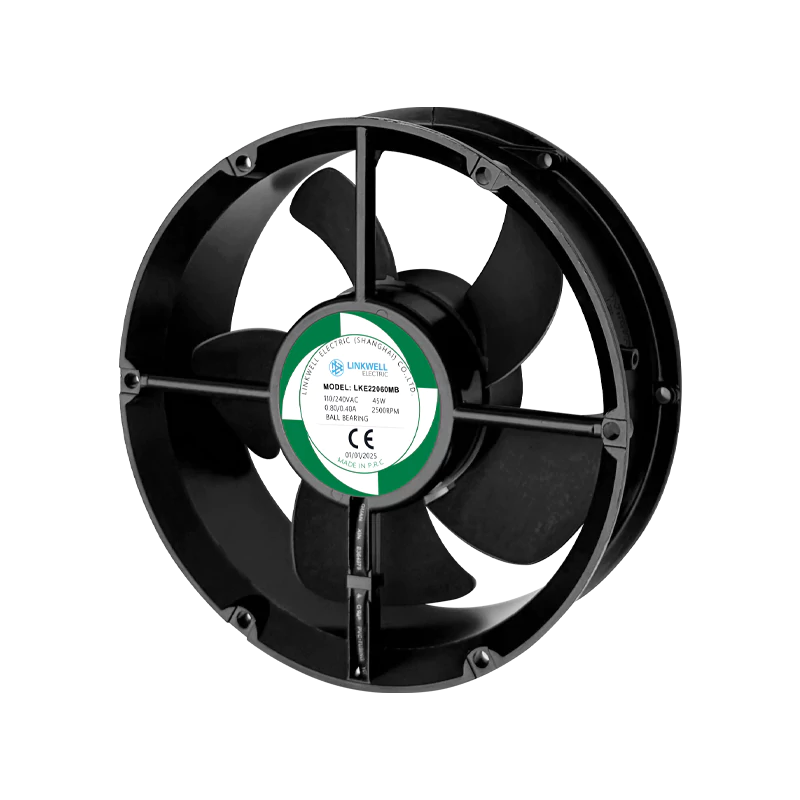
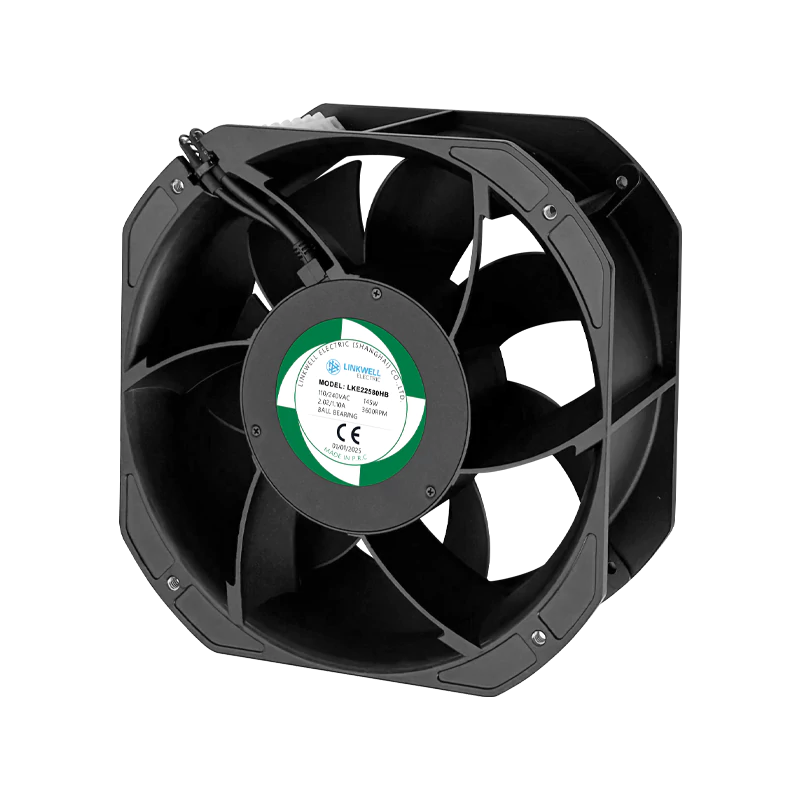
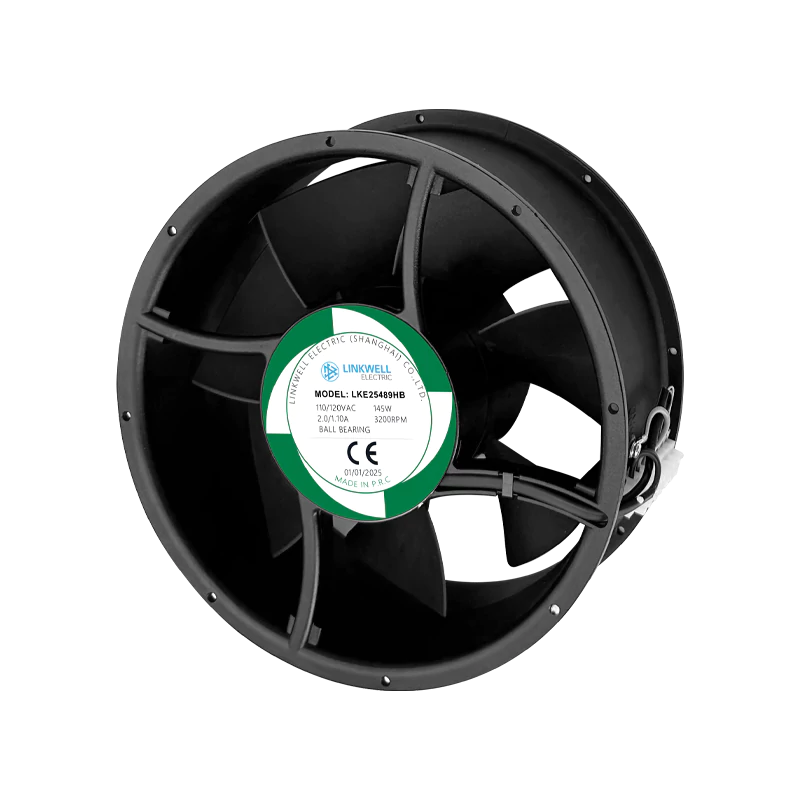
FanACDC supplies AC and DC industrial axial fans for electrical cabinets, telecom systems, HVAC modules, automation equipment, and compact electronics. Available in multiple voltages, frame sizes, and airflow ranges for OEM and replacement projects.
AC & DC options
for different power systems (110-230V AC / 12-48V DC)
What Makes an Axial Fan Suitable for Industrial Use?
AC axial fans are widely specified for electrical cabinets and ventilation systems because they run directly from mains power. DC axial fans are the go-to choice for low-voltage electronics, telecom shelters, and compact automation assemblies, where precise speed control and low noise matter.
Where Industrial Axial Fans Are Commonly Used
Electrical Cabinets & Control Panels
These fans provide intake and exhaust cooling for PLCs, drives, inverters, and relay boxes. They help prevent overheating in sealed enclosures where heat load builds up from power electronics.
From server racks to outdoor telecom cabinets and base station shelters, axial fans deliver reliable forced ventilation, ensuring critical communication hardware stays within operating temperatures.
Axial fans facilitate air circulation inside HVAC units, support auxiliary cooling for condensers and evaporators, and are often used for general equipment room ventilation where static pressure is moderate.
Robotics controllers, HMI displays, and compact power supplies rely on these fans to maintain stable thermal conditions, especially when installed inside non-ventilated industrial panels.
Low-noise axial fans are preferred for diagnostic imaging, patient monitors, and analytical instruments where quiet operation and long-term reliability directly impact clinical environments.
Energy storage enclosures, power conversion units, and BMS racks all benefit from axial fan cooling to prevent thermal runaway and ensure consistent performance in stationary storage applications.
Determines whether you need an AC fan (mains-powered) or DC fan (low-voltage system). Incorrect voltage matching may cause immediate fan failure or unstable operation.
Installation Space
Frame size and thickness determine whether the fan can fit inside your enclosure, cabinet, or equipment chassis without structural modification.
Airflow Path
If the airflow path is open with low resistance, an axial fan is usually the best solution. For restrictive ducts or high static pressure systems, centrifugal fans are more suitable.
Higher fan speed often generates more noise. Selecting the correct RPM and bearing type (ball bearing or sleeve bearing) helps balance cooling and acoustic performance.
Environment (Dust, Humidity, IP)
Industrial environments may require IP54 or higher protection. High humidity or dusty conditions may also require conformal coating and sealed motor designs.
Control Requirements
PWM speed control, FG tachometer signal, or alarm output functions are often essential for intelligent cooling and remote monitoring systems.
Connector & Cable Length
OEM projects frequently require specific connectors such as Molex or JST, along with customized cable lengths for direct equipment integration.
Annual Quantity
Purchase volume affects whether a standard stock model is sufficient or whether full OEM customization, branding, and exclusive configurations are more cost-effective.
FAQ of Industrial Axial Fans
What is an industrial axial fan used for in real applications?
It moves air parallel to the motor shaft and is typically used for cooling electrical enclosures, telecom shelters, HVAC units, and industrial machinery that generate heat during continuous operation.
Are industrial axial fans available in both AC and DC versions?
FanACDC supplies both AC (110-230V) and DC (12V/24V/48V) industrial fans, so you can match the fan to your available power architecture — mains or low-voltage bus.
Which is better for electrical cabinets: axial or centrifugal fan?
Axial fans are simpler and cost-effective for low-resistance paths. If your cabinet has filters, long ducts, or high static pressure, a centrifugal fan may be required.
What sizes are common for industrial axial fans?
Standard square sizes range from 80x80mm up to 280x280mm, with thickness from 25mm to 72mm. We also support non-standard frames on request.
Can FanACDC support custom connectors and cable lengths for my production line?
We offer full OEM customization: any connector (Molex, JST, AMP), custom wire harness, and lead length to match your assembly process.
Ready to Solve Your Cooling Challenge
WhatsApp us
Contact Us
Curious how LINKWELL’s cooling solutions can address your business challenges? Let’s connect and discuss your needs.