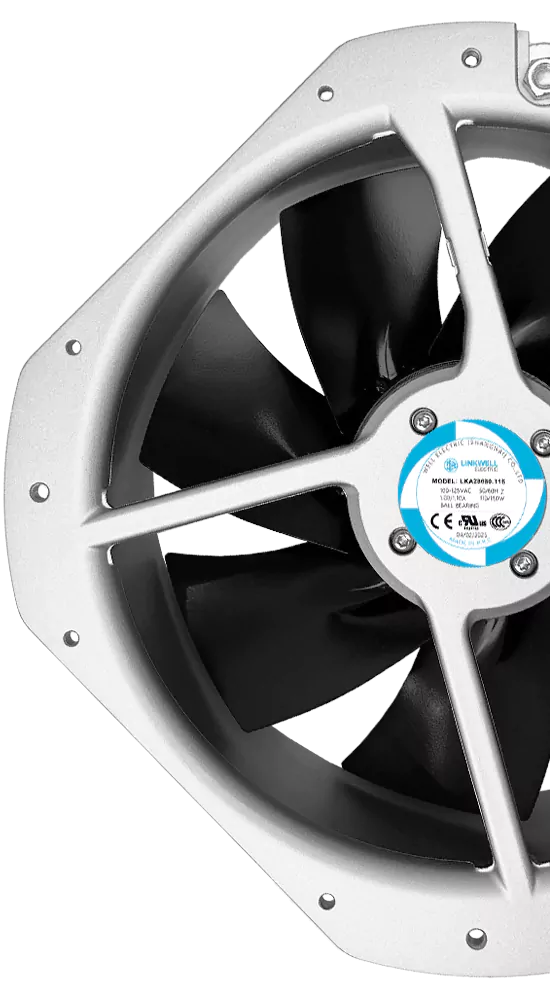
When you buy ec fans for industrial cooling, don’t just focus on price or size. You need a fan that fits your real application. Ec fans use advanced motors that give you high efficiency and strong airflow. These energy-efficient cooling solutions can cut your electricity use by 30% to 40%, with some reports showing even bigger energy saving. You might worry about the cost or think ec fans are hard to install, but many engineers find these fears are not true. Check each fan for ec performance, airflow, and how it fits your space. Avoid picking a fan that can’t meet your industrial needs, and always look for the right technical details.
- Ec fans can save a lot of energy.
- Many engineers think ec fans are hard to use, but this is often a myth.
- Picking the wrong fan can lead to poor cooling and wasted money.
Key Takeaways
- EC fans can help save energy by 30% to 40%. This makes them a good choice for cooling in factories.
- Do a cooling load check to find out how much heat is in your space. This helps you pick the right fan.
- Check how much air and pressure you need. This makes sure the fan can cool your area well.
- Measure your space before buying a fan. This stops you from getting a fan that does not fit.
- Think about which EC fan you need. Axial fans are for low pressure and lots of air. Centrifugal fans are for high pressure and ducted systems.
- Make sure the voltage and power are right. This helps avoid problems when using the fan.
- Find fans with the correct IP rating. This keeps them safe from dust and water in your space.
- Clean and oil your EC fan often. This helps your fan last longer.
Identify Cooling Needs
Cooling Load Assessment
Before you pick an ec fan, you need to know how much heat your space creates. This step is called cooling load assessment. You want to make sure your fan can handle the real demands of your industrial area. Here’s how you can break it down:
- Conduction: Check how much heat moves through walls, roofs, and windows.
- Solar Radiation: Think about sunlight hitting your building, both direct and indirect.
- Internal Loads: Count the heat from people, lights, and machines inside.
- Infiltration & Ventilation: Notice any air leaks or fresh air coming in.
You can use new tools like smart sensors or HVAC software to get more accurate numbers. Some companies use Building Information Modeling or even AI to predict cooling needs. These methods help you avoid guessing and make sure your ec fan matches your cooling systems.
Tip: Don’t forget to look at both temperature and humidity. Sometimes you need to control both, not just one.
Airflow and Pressure Requirements
You want your ec fan to move enough air and handle the pressure in your system. Airflow tells you how much air the fan can push. Static pressure shows how hard the fan must work to move air through ducts, filters, or bends.
- Ec fans give you high efficiency and let you control speed.
- They work great when you need to manage airflow exactly.
- You can save up to 70% on power when you run them at lower speeds.
Here’s a simple way to check if your fan fits:
- Find out the static pressure in your system. Ducts and filters add resistance.
- Look at the fan’s performance curve. See if it matches your system’s needs.
- Make sure the fan can keep up with both airflow and pressure.
If you get this right, your industrial cooling will work better and use less energy.
Space and Installation Constraints
You also need to think about where you will put your ec fan. Many industrial spaces have tight spots or odd shapes. You need at least 18 inches of clear vertical space for most fans. Sometimes, you have to put the fan inside a unit because there’s no room outside. This can make the fan less efficient.
- Always measure your space before you buy.
- Check if the fan will fit without blocking anything.
- Plan for easy access so you can clean or fix the fan later.
If you skip this step, you might end up with a fan that doesn’t fit or work well. Take your time and check every detail. The right ec fan will keep your industrial cooling systems running smoothly.
Buy EC Fans: Checklist
Fan Size and Structure
When you buy ec fans, you want to get the size and structure right. If you pick the wrong size, your cooling will not work well. Start by looking at your space. Measure the ceiling height and check for any beams or pipes that might get in the way. You need at least 7 feet of clearance below the blades if you use a ceiling fan. For wall or cabinet fans, check the width and depth of the area.
Here’s a simple checklist to help you:
- Measure your space. Look for any obstructions.
- Use a size chart to match the fan diameter to your room or zone. Bigger areas need bigger fans.
- Make sure the fan can mount safely. Attach it to strong beams or use a dedicated bracket.
- If your fan has an odd number of blades, check that they are balanced. This helps the fan run quietly.
- After you install the fan, test it at different speeds. See how well it cools your space.
Some places, like factories or greenhouses, need more than one fan. If you have columns or separate rooms, you may need to use several fans to get good airflow. Think about whether you need a compact or industrial grade fan. Compact fans fit in tight spots, while industrial grade fans work best in large, open areas.
Tip: Always plan for easy cleaning and maintenance. If you can’t reach the fan, you can’t keep it running well.
Axial vs Centrifugal EC Fans
You will see two main types of ec fans: axial and centrifugal. Each type works best in different situations.
- Axial fans move air straight through the fan. They work well when you need to move a lot of air with low pressure. Use them in open spaces or for general ventilation.
- Centrifugal fans push air out at a right angle. They handle higher pressure and work better with ducts, filters, or bends. These fans are great for cooling equipment or when you need to push air through a system.
Here’s a quick table to help you choose:
| Fan Type | Best For | Example Product |
|---|---|---|
| Axial | Open spaces, low pressure | 250mm EC Axial Fan |
| Centrifugal | Ducts, high pressure, equipment | 250mm EC Backward Curved Centrifugal Fan |
If you need to cool a control cabinet or push air through a filter, pick a centrifugal fan. For large rooms or open areas, an axial fan is usually the better choice.
Voltage and Input Power
Before you buy ec fans, check the voltage and input power. Most industrial ec fans run on 110V or 220V AC. You need to match the fan to your building’s power supply. If you pick the wrong voltage, the fan will not work or could get damaged.
EC fans use a brushless DC motor with built-in electronics. This design gives you high efficiency and lets you control the fan speed. Some fans need special control signals, like PWM or FG, to adjust speed or monitor performance. Make sure your system can provide these signals if needed.
Note: Always double-check the voltage before you order. If you are not sure, ask your supplier for help.
Here’s a quick checklist for voltage and power:
- Check your building’s power supply (110V or 220V).
- Make sure the fan matches your voltage.
- Ask if you need any special control signals.
- If you use backup power or generators, confirm the fan will work with them.
Choosing the right voltage and input power keeps your ec fans running safely and efficiently.
Airflow and Static Pressure
When you buy ec fans for industrial cooling, you need to check both airflow and static pressure. These two factors decide if your fan can move enough air and handle the resistance in your system. If you skip this step, your cooling might not work as planned.
Here’s how you can figure out what you need:
- Calculate how much air you need. Start with your heat load and the temperature rise you can allow. For example, if you have a 1000W heat load and want a 15°C temperature rise, you need about 117 CFM. Add a safety margin of 20–30% to be safe.
- Check the system’s resistance. Look at your ducts, filters, and bends. These parts add pressure that your fan must overcome.
- Match the fan’s airflow and static pressure to your numbers. Use the fan’s performance curve to see if it fits.
You can also look at these two key specs:
- Airflow Volume (CFM or m³/h): This tells you how much air the fan can move. Pick a fan that matches your space and cooling needs.
- System Static Pressure (inWG or Pa): This shows the resistance in your system. Make sure your fan can handle it.
If you need to push air through long ducts or filters, choose a fan with higher static pressure. For open spaces, you can use a fan with higher airflow and lower pressure. Always check both numbers before you buy ec fans.
Tip: Ask your supplier for help if you are not sure how to read a fan curve. They can help you pick the right ec fan for your setup.
Speed Control Options
One big advantage of ec fans is speed control. You can adjust the fan’s speed to match your cooling needs. This saves energy and keeps your system running smoothly.
EC fans have built-in electronic controls. You can change the speed using simple signals like 0–10V or PWM. This makes it easy to connect the fan to smart building systems or your own control panel. When you lower the speed during low demand, you save power and reduce noise. When you need more cooling, you can turn up the speed for maximum airflow.
Unlike old AC fans that run at one speed, ec fans let you control how much air you move. This means you only use as much energy as you need. You also get better temperature control and lower costs over time.
You can set up automatic control so the fan changes speed based on temperature or other sensors. This gives you hands-free operation and peace of mind.
Noise and Maintenance
Noise and maintenance matter when you buy ec fans. You want a fan that runs quietly and is easy to take care of.
EC fans can run at lower speeds when you don’t need full power. This cuts down on noise from the air and the motor. Many ec fans also have soft start and stop features. These make the fan speed up and slow down gently, so you don’t hear loud clicks or bumps. If you avoid running the fan at certain speeds, you can also stop annoying vibrations.
To keep your fan working well, follow these simple steps:
- Clean dust from the blades.
- Lubricate the bearings if needed.
- Tighten any loose screws or mounting parts.
- Replace worn-out parts before they break.
Some ec fans have special designs to make them even quieter. These include better blade shapes, rubber mounts, and smart electronic controls. If you need a very quiet fan, ask your supplier about these options.
Regular cleaning and quick checks can make your ec fan last longer and keep your cooling system running strong.
IP Rating and Protection
When you buy ec fans for industrial cooling, you need to check the IP rating. This rating tells you how well the fan can handle dust and water. If you pick the wrong rating, your fan might fail early or even cause safety problems.
Here’s what you should know about IP ratings:
- IP ratings help you see if a fan can survive in dusty or wet places.
- IP55 fans work well in areas with some dust and water. You can use them in most factories or warehouses.
- IP56 fans give you more protection. They stop dust and strong water jets. You might need these for marine or medical rooms.
- IP68 fans keep out all dust and moisture. These are best for very wet or dirty spots.
- IP69K fans handle high-pressure and hot water cleaning. Food factories and clean rooms often use these.
Always match the IP rating to your environment. If you use the wrong rating, you risk damage or shutdowns. IP ratings keep your ec fan safe and working longer.
Tip: Ask your supplier for the right IP rating if you are not sure. It’s better to be safe than sorry.
Working Temperature
You need to check the working temperature range before you install an ec fan. Each fan has a limit for how hot or cold it can get. If you use a fan outside its range, it might slow down, make noise, or stop working.
Most ec fans work well from -20°C to 60°C. Some special fans can handle even higher or lower temperatures. If you use fans in hot factories, cold storage, or outdoors, always check the specs.
- For hot spots, pick a fan with a high-temperature rating.
- For cold rooms, make sure the fan can start and run at low temperatures.
- If your area changes temperature a lot, ask for a fan with a wide range.
A fan that fits your temperature needs will last longer and give you steady cooling.
Bearing and Service Life
The bearing type inside your ec fan matters a lot. It decides how long your fan will last and how much care it needs. You will see two main types: sleeve bearings and ball bearings.
Here’s a quick look at both:
| Bearing Type | Advantages | Limitations |
|---|---|---|
| Sleeve Bearings | Quiet and low cost | Wear out faster, not for vertical mounting |
| Good for horizontal use | Not for high-performance needs | |
| Ball Bearings | Long life and strong for tough jobs | Can be a bit noisier |
| Work in any position, less friction | Cost more than sleeve bearings |
If you want a fan for heavy use or vertical mounting, go with ball bearings. For quiet spots and simple jobs, sleeve bearings can work. Always ask about the bearing type when you buy ec fans. The right choice means less downtime and fewer repairs.
Note: Ball bearing fans often last twice as long as sleeve bearing fans.
Cable, Connector, Customization
You might think all ec fans come with the same cables and connectors, but that’s not true. In real industrial cooling, you often need special wiring or connectors to fit your setup. You can ask for different cable lengths, wire gauges, or even waterproof connectors. This helps you avoid voltage drop and keeps your system safe.
Here’s a quick look at what you can customize:
| Customization Aspect | Details |
|---|---|
| Lead Wire Lengths and Gauges | Pick from 50mm to 1000mm or more. Choose thicker wires for less voltage drop. |
| Connector Types | Use brands like Molex, JST, TE Connectivity, or waterproof connectors for IP68 protection. |
| Wire Termination and Looming | Get tinned leads, spade terminals, or add heat-shrink tubing for neat cable management. |
You can also ask for custom labels, special mounting brackets, or even a unique speed setting. If you need a fan for a telecom cabinet, you might want a waterproof connector. For a control panel, you may need a certain wire length. Just tell your supplier what you need. They can match the ec fan to your project.
Tip: Always check the cable and connector specs before you order. This saves you time and trouble during installation.
Certifications and Testing
You want your ec fan to be safe and reliable. That’s why certifications and testing matter. These marks show the fan meets strict safety and quality rules. If you skip this step, you could end up with a fan that fails or causes problems.
Look for these important certifications:
- CE (European Conformity)
- RoHS (Restriction of Hazardous Substances)
- UL (Underwriters Laboratories)
- ETL (Electrical Testing Laboratories)
- ISO 9001
- TÜV (Technical Inspection Association)
- REACH (Registration, Evaluation, Authorization and Restriction of Chemicals)
These labels mean the fan passed tests for safety, low chemical use, and quality. Some projects need special certifications, so always check your local rules. If you buy a 250mm EC Backward Curved Centrifugal Fan, ask for the test report. This gives you peace of mind.
Note: Certified ec fans last longer and work better in tough jobs.
Order Quantity and MOQ
You might wonder how many ec fans you need to buy at once. Most suppliers set a minimum order quantity, or MOQ. For standard models, you can often start with just 10 to 100 pieces. This makes it easy to test a new fan in your system without a big investment.
If you want a custom design, the MOQ depends on your project. Some companies, like SXDOOL, offer flexible MOQs starting at 100 pieces for both standard and custom ec fans. If you need a special voltage, cable, or label, talk to your supplier. They will tell you the MOQ for your order.
If you plan a big project, ask about discounts for larger orders. This can save you money and help you get the best ec fan for your needs.
EC Fan Applications
Electrical Enclosures
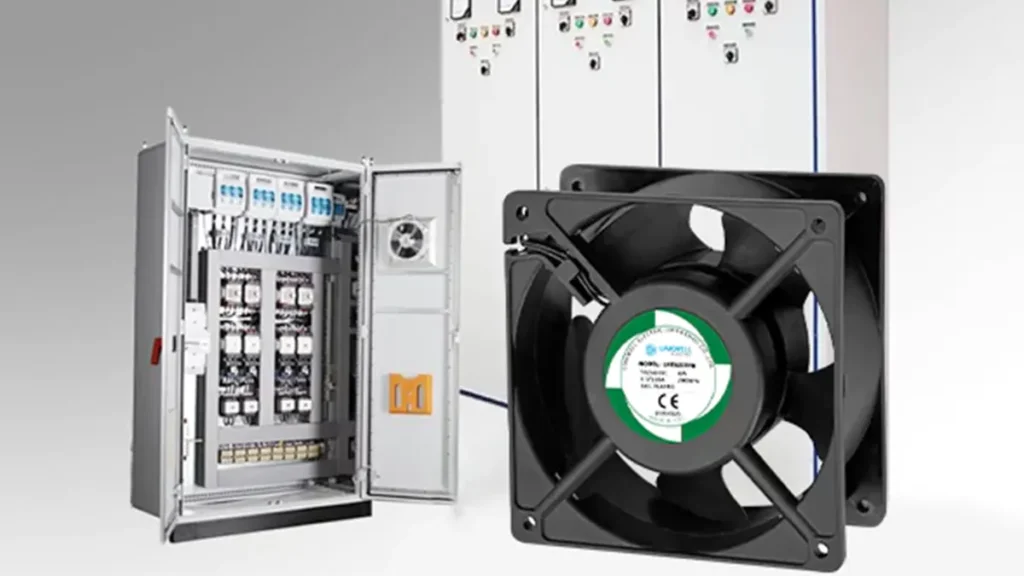
You want your electrical enclosures to stay cool and safe. EC technology helps keep air moving and lowers energy costs. These fans fit in small spaces and stop heat from hurting electronics. You can pick models with variable speed. The fan only works as hard as needed. This makes your equipment last longer and stops overheating.
Many control panels and cabinets use EC fans for this reason. Some fans have special filters or higher IP ratings. These features keep out dust and water in busy factories. If you need quiet fans, look for low-noise blades. You will hear less vibration and see fewer breakdowns.
HVAC and AHU Units
If you work with HVAC or AHU units, airflow is important. EC fans help a lot here. They use much less energy than old fans. Sometimes, they save up to 70% power. You can change the speed to match your building’s cooling needs. This means you never waste power and always get the right temperature.
Rooms will be quieter too. EC motors run smoothly and do not need belts or pulleys. This means less noise and fewer parts to fix. You can use these fans in new or old systems. They are compact and easy to install. You do not have to worry about maintenance as much. The brushless design means fewer repairs and longer life.
Here are some features to look for in HVAC and AHU applications:
- Energy efficiency for lower bills
- Variable speed for better airflow control
- Quiet operation for comfort
- Compact size for easy retrofits
Cooling Towers
Cooling towers in plants need strong and reliable fans. EC fans work well because they change speed based on cooling needs. This saves energy and keeps your system running smoothly. You can set these fans to react to changes in temperature or humidity. This means you always get the best performance.
You will notice less noise. EC motors only run as fast as needed, so they stay quiet. The brushless design means less wear and tear. You spend less time on maintenance. These fans also help the environment by using less power and lasting longer.
Here is a quick table to show what you get with EC in cooling towers:
| Advantage | What It Means for You |
|---|---|
| High energy efficiency | Lower power bills and less waste |
| Precise speed control | Better cooling and less noise |
| Longer lifespan | Fewer breakdowns and lower maintenance costs |
| Quiet operation | A more comfortable work environment |
| Eco-friendly | Reduced impact on the environment |
If you want your cooling systems to work better and save money, EC is a smart choice for cooling towers.
Telecom Cabinets
You want your telecom cabinets to stay cool and safe. These cabinets hold important electronics that run your network. If they get too hot, you can lose signals or damage equipment. EC fans help you solve this problem. They use less energy and give you strong airflow. You can fit them in small spaces, even when the cabinet is packed with wires.
EC fans work well in telecom cabinets because they handle dust and moisture. Many models come with high IP ratings. This means you do not have to worry about water or dirt getting inside. You can also pick fans with special connectors. These make installation fast and easy. If you need to control the fan speed, EC fans let you do that. You can set the speed to match the heat inside the cabinet.
Here are some reasons to use EC fans in telecom cabinets:
- Save energy and lower your bills
- Keep electronics safe from heat
- Fit in tight spaces
- Handle dust and water
- Easy to install and control
Tip: For outdoor telecom cabinets, pick EC fans with IP56 or higher. This keeps your system safe in rain or dusty places.
New Energy Systems
New energy systems need smart cooling. You see these systems in solar inverters, battery storage, and electric vehicle charging stations. EC fans help you keep these systems cool and running well. They use less power, which is important when you want to save energy.
You can trust EC fans in new energy systems because they work in tough spots. They handle high temperatures and run for a long time. You can control the speed to match the heat load. This means you do not waste energy when the system is cool. When things heat up, the fan speeds up to protect your equipment.
Here is a table to help you pick the right EC fan for new energy systems:
| Application | Recommended EC Fan Features |
|---|---|
| Solar Inverters | High temperature, compact size |
| Battery Storage | Low noise, variable speed |
| EV Charging Stations | IP55+, long service life |
You can ask for custom cables or connectors if your system needs them. EC fans give you the flexibility to match your project.
Power Supplies
Power supplies get hot when they work hard. You need good cooling to keep them safe. EC fans are a smart choice for this job. They use brushless motors, so they last longer and need less care. You can fit them in small power supply boxes or large units.
You can control the speed of EC fans. This helps you save energy and cut down on noise. If your power supply runs in a noisy place, you can pick a fan with quiet blades. EC fans also work well in data center applications. They keep servers and power units cool without using too much power.
Here are some things to check when you pick an EC fan for power supplies:
- Match the fan size to your box
- Check the voltage and power needs
- Pick a fan with the right airflow
- Look for certifications like CE or UL
Note: EC fans help your power supplies last longer and work better. You get peace of mind and lower costs.
Refrigeration Equipment
You know how important it is to keep things cold in refrigeration equipment. If your cooling fails, food spoils or products get damaged. EC fans help you avoid these problems. They give you steady airflow and use less energy than old-style fans. You can fit EC fans in walk-in coolers, display cases, or even ice machines. These fans work well in tight spaces and handle cold temperatures without trouble.
When you use EC fans in refrigeration, you get more than just cooling. You also save money on your electric bill. EC motors adjust their speed to match the cooling load. This means the fan only works as hard as needed. You get less noise, too. Some EC fans come with special coatings to stop rust and moisture damage. If you need to meet food safety rules, look for fans with the right certifications.
Here’s a quick checklist for EC fans in refrigeration:
- Handles low temperatures
- Variable speed for energy savings
- Quiet operation
- Rust-resistant coating
- Food-safe certifications
Tip: Always check the fan’s temperature range before you buy. Some EC fans work down to -40°C!
Industrial Automation
In industrial automation, machines run all day. They need reliable cooling to keep working. EC fans help you keep control panels, drives, and sensors at the right temperature. You can trust EC fans because they last longer and need less maintenance. They fit into small enclosures and can handle dust or vibration.
You can control EC fans with simple signals. This lets you match the fan speed to the heat inside your machines. If your system gets hotter, the fan speeds up. When things cool down, the fan slows to save energy. This smart control helps your equipment last longer and reduces downtime.
Here’s a table to help you pick EC fans for industrial automation:
| Feature | Why It Matters |
|---|---|
| Compact size | Fits in tight control boxes |
| Dust protection | Keeps electronics safe |
| Speed control | Matches cooling to workload |
| Long service life | Less maintenance needed |
Machinery Cooling
Big machines make a lot of heat. If you don’t cool them, they can break down or stop working. EC fans give you strong airflow and adjust to the machine’s needs. You can use EC fans in CNC machines, printing presses, or packaging lines. They work well in both open and closed spaces.
You get more control with EC fans. You can set the speed for each machine. This means you don’t waste energy when the machine is idle. EC fans also run quietly, so your workspace stays comfortable. If you need to cool a machine in a tough spot, ask for a fan with a high IP rating. This keeps out dust and water.
Note: Always match the fan’s airflow and pressure to your machine’s needs. If you’re not sure, ask your supplier for help.
Standard vs Custom EC Fans
Standard EC Fan Use
You might find that a standard EC fan fits your project right out of the box. These fans come in common sizes and shapes. You can use them in HVAC units, electrical enclosures, or machinery cooling. Standard models work well when your installation space is open and your airflow needs are typical. You get quick delivery and lower costs because these fans are ready to ship.
Standard EC fans have set voltages, cable lengths, and mounting options. You do not need to wait for special production. If your project uses common power supplies and has enough room, a standard fan can save you time. You also get easy replacement if you need a spare. For many factories and warehouses, a standard EC fan does the job.
Tip: Always check your space and power before you order. Standard fans work best when your setup matches their specs.
Customization Scenarios
Sometimes, you need more than a standard fan. Your project might have tight spaces or special cooling needs. That is when you look for custom EC fan solutions. Customization helps you solve problems that standard fans cannot handle.
Custom Voltage, Cable, Connector
You may need a fan with a special voltage. Some projects use 24V, 48V, or even 277V power. Custom fans can match your exact supply. You can also pick the cable length you want. Maybe you need a short wire for a control panel or a long one for a rooftop unit. Custom connectors make installation fast and safe. You can choose waterproof plugs or special brands like Molex or JST.
Custom EC fans often use an external rotor design. This design puts the impeller and motor together. You get a shorter fan that fits in tight spots. It also means less mechanical complexity. If you work in a data center or a high-density rack, this design is a big help.
Custom Label, Speed, Protection
You might want your own label on the fan. This helps with tracking and service. You can ask for a custom speed setting. Maybe your system needs more airflow or less noise. Custom fans let you pick the best speed for your job.
Protection is important too. You can get fans with special coatings or higher IP ratings. This keeps out dust and water. If your project is in a food plant or outdoors, you need this extra safety. Custom dimensions or mounting options are also possible. You can fit a fan into a unique space or match it to your equipment.
- Custom fans give you tailored airflow.
- You get energy-efficient performance.
- You solve problems that standard fans cannot.
Note: Custom EC fan solutions help you get the perfect fit for your project. You do not have to compromise on performance or safety.
EC Fan Pricing Factors
Size and Performance
When you look at EC fans, size and performance play a big role in the price. Bigger fans usually cost more, but they can move more air and cool larger spaces. You want to match the fan size to your cooling needs for optimum performance. If you pick a fan that is too small, it will not keep up. If you go too big, you might waste money and energy.
Here’s a quick table to show how size and features can affect your choice:
| Fan Size (mm) | Airflow Increase | Energy Efficiency | Special Features |
|---|---|---|---|
| 60 x 60 x 25 | N/A | 75% less power | Drop-in replacement for AC fans |
| 80 x 80 x 25 | N/A | 75% less power | N/A |
| 120 x 120 x 25 | Up to 40% more | 75% less power | Brushless DC motor |
| 200 x 200 x 60 | N/A | 75% less power | N/A |
| Customized Options | N/A | N/A | Tailored for HVAC, data centers, etc. |
You can see that larger fans or those with special features often come with a higher price tag. Custom options let you get the exact performance you need for unique projects.
Motor Power and Efficiency
Motor power and efficiency also affect the cost of EC fans. EC motors use advanced technology, including permanent magnets and microprocessor circuits. This design gives you high efficiency and precise control over speed and torque. The initial price might be higher because of these features, but you save money in the long run.
- The advanced motor and built-in controller can raise the upfront cost.
- You get lower energy bills because EC fans use less power, even at partial speeds.
- The permanent magnet design helps conserve energy and keeps your system running smoothly.
- EC fans keep their efficiency high, so you do not lose performance as the fan slows down.
You want a fan that balances power and efficiency. This way, you get strong airflow without wasting energy.
Protection and Control Features
Protection and control features add value and reliability to EC fans. These fans combine AC power with DC motor technology, giving you built-in variable speed control. You can adjust the fan to match your cooling needs, which boosts efficiency by up to 90%. The brushless DC motor means less mechanical wear, so your fan lasts longer.
The integrated electronics let you control speed and monitor performance. You get consistent results and fewer breakdowns. These advanced features do increase the price, but they pay off with long-term savings and peace of mind. You can trust your EC fan to deliver reliable cooling, even in tough environments.
Tip: Always check for protection and control features when you compare EC fans. They make a big difference in both price and performance.
Customization and Testing
When you shop for EC fans, you might want more than a basic model. Customization lets you pick what your project really needs. You can choose special covers, coatings, or even explosion-proof motors. These upgrades help your fan last longer and work better in tough places. But every extra feature makes the fan cost more. Testing is important too. If you need extra safety tests or tests for special places, the price will go up.
Here’s a quick table that shows how custom options change the price and what you get:
| Customization Option | Estimated Price Premium | Primary Benefit |
|---|---|---|
| Stainless Steel Casing | +60% to +120% | Durability in harsh environments |
| Thickened Double Skin & Epoxy | +20% to +35% | Noise reduction and heat insulation |
| Explosion-Proof Motor | +$600 to +$1,500+ | Safety in hazardous environments |
| Weather-Resistant / Waterproof | +10% to +15% | Protection against elements |
| Electronically Commutated Motor | +30% | Energy savings and efficiency |
You might ask if these upgrades are worth the money. Think about the total cost over time. The first price is just one part. If you pick a fan that saves energy and lasts longer, you spend less on power and repairs later. For example, a high-efficiency EC fan uses only 5-10 watts. A regular AC fan can use 20-30 watts. That adds up fast if you have many fans. You could save about $16 per fan each year just on electricity.
Testing matters too. If your fan passes extra tests, it will work well in your space. This means less downtime and fewer problems. You get peace of mind and better results for your money.
Order Quantity
How many EC fans you buy changes the price you pay. If you buy only a few, each fan costs more. If you buy a lot at once, the price for each fan goes down. This helps you save money on big projects.
Here’s a simple table that shows how price changes with quantity:
| Order Quantity | Unit Price |
|---|---|
| 1-1999 units | $30 |
| 2000+ units | $27 |
| 5000+ units | $0.80/piece |
If you plan to buy many fans, ask your supplier about discounts. You can often get a better deal when you order more at once. This is a smart way to save money and get the most for your project.
Tip: Always check if your supplier gives price breaks for bigger orders. Planning ahead can help you get the best deal.
Common Buying Mistakes
Price-Only Selection
You might think picking the cheapest EC fan saves you money. In reality, this choice often costs you more in the long run. When you focus only on price, you can end up with a fan that does not fit your cooling system. This mistake can cause poor airflow, noisy operation, or even damage your equipment. You may face expensive repairs or have to buy a new fan sooner than you expected.
Here are some problems you can run into when you choose by price alone:
- You pick the wrong fan type, which can disrupt your cooling system.
- The fan might fit the space but not move enough air or handle the pressure.
- You ignore how air moves through your system, so cooling is not efficient.
- You miss out on important control features, which can waste energy.
- The fan may not last long if it cannot handle your environment.
Tip: Always look at the total cost, not just the price tag. A better fan can save you money on energy and repairs.
Ignoring Airflow/Pressure
Airflow and pressure are two things you cannot ignore. If you skip these checks, your EC fan might not cool your space at all. Some buyers only look at the fan size or shape. They forget to ask, “How much air does this fan move?” or “Can it push air through my ducts and filters?”
When you ignore airflow and static pressure, you risk these problems:
- The fan cannot overcome resistance in tight or complex systems.
- Your equipment gets too hot because the fan does not move enough air.
- Cooling efficiency drops, and you waste energy.
- You may hear strange noises or see the fan working too hard.
You should always check the fan’s airflow rating (CFM or m³/h) and static pressure (Pa or inWG). Match these numbers to your real needs. If you are not sure, ask your supplier for help.
Note: A fan that looks right but cannot handle your system’s pressure will not keep things cool.
Wrong Voltage
Voltage matters more than you might think. If you buy an EC fan with the wrong voltage, it will not work. You could even damage the fan or your electrical system. Some buyers forget to check if their building uses 110V, 220V, or another voltage. Others do not ask about special control signals, like PWM or FG.
Here is what can happen if you pick the wrong voltage:
- The fan does not start or stops working soon after installation.
- You risk electrical faults or safety hazards.
- The fan’s built-in controls may not work as expected.
- You waste time and money fixing mistakes.
Always check your power supply before you order. If you need a special voltage, ask for it. Double-check the specs to make sure your new EC fan will run safely and efficiently.
Tip: When in doubt, talk to your supplier. They can help you pick the right voltage and avoid costly errors.
Overlooking Space
You might think any EC fan will fit in your space, but that’s not always true. Many buyers forget to check the area where they plan to install the fan. This mistake can lead to big problems. If you don’t measure your space, you could end up with a fan that’s too large, too small, or just doesn’t fit at all.
Imagine you buy a fan for a control cabinet. You open the box and realize the fan sticks out or blocks other equipment. Now you have to return it or make changes to your setup. That wastes time and money. You can avoid this headache by checking your space before you order.
Here’s what you should do:
- Measure the height, width, and depth of your installation area.
- Look for obstacles like pipes, beams, or doors.
- Check if you need extra room for cables or connectors.
- Make sure you have enough clearance for airflow.
Tip: Always leave a few inches of space around the fan. This helps air move freely and keeps the fan running smoothly.
You also need to think about how you will mount the fan. Some EC fans need brackets or special supports. If your wall or panel isn’t strong enough, the fan might shake or fall. You want a safe and stable installation.
Let’s look at a quick table to help you remember what to check:
| Space Factor | What to Check Before Buying |
|---|---|
| Installation Area | Measure all sides |
| Clearance | Leave space for airflow |
| Obstacles | Pipes, beams, doors, other devices |
| Mounting Surface | Is it strong enough? |
| Access for Service | Can you reach the fan for cleaning? |
If you skip these steps, you might have to cut holes, move equipment, or buy a new fan. That’s a hassle you don’t need.
Note: Planning ahead saves you money and keeps your cooling system working right.
You want your EC fan to fit perfectly. Take a few minutes to check your space. You’ll thank yourself later.
Reliable EC Fan Manufacturers
Manufacturing Capability
You want to pick an EC fan manufacturer that makes strong and dependable fans. Not all companies can handle tough industrial cooling jobs. Look for a manufacturer with good manufacturing skills. This means they use modern machines and have trained workers. They can make lots of fans and finish orders on time.
When you check a manufacturer, pay attention to these things: Product quality is important. You want fans that always meet high standards. Delivery performance matters too. The company should ship your order when they promise and get all the details right. Supplier agility is also key. Can the company make changes fast or send more fans if you need them? Sustainability practices are important as well. Good companies care about the planet and keep their workers safe.
A reliable manufacturer will show you their factory if you ask. They will share test results and answer your questions. You can count on them to give you good fans for your industrial needs.
Product Range
A big product range means the EC fan manufacturer knows about different cooling jobs. You might need a small fan for a control box or a big one for a warehouse. The best companies have many sizes, shapes, and power choices. They make fans for HVAC, telecom, refrigeration, and other uses.
You should see both axial and centrifugal fans. Some companies even have fans with special coatings or high IP ratings. This means you can find a fan for any place, even wet or dusty spots. A wide product range lets you buy all your fans from one company. This saves you time and helps you keep the quality the same.
Customization Support
Every industrial job is different. Sometimes you need a fan that fits a special space or has extra features. The best EC fan makers offer good customization support. You can ask for special voltages, cable lengths, or connectors. Some jobs need special labels or more protection from dust and water.
A good company will listen to what you need and help you pick the best fan. They can make small changes or design a new fan just for you. This support helps your cooling system work better and last longer.
Tip: Always ask about customization before you buy. The right company will help you fix problems and make your system better.
Testing and Quality Control
You want your EC fans to work every time you turn them on. That is why testing and quality control matter so much. A good manufacturer does not just build fans and ship them out. They check every step to make sure you get the best performance and long-lasting reliability.
When you look for EC fan manufacturers, ask about their testing process. The best companies test each fan for airflow, noise, and vibration. They also check the electronics and safety features. Some even run the fans for hours to see if they can handle tough jobs. You should see proof that the manufacturer follows strict quality rules.
Here are some things a top manufacturer will do for quality:
- Test every fan for airflow and static pressure
- Check for noise and balance
- Inspect the wiring and connectors
- Run burn-in tests to catch early failures
- Use quality control teams to spot problems
You can ask for test reports or certificates. These show that the manufacturer cares about quality and reliability. If you need fans for special jobs, like food plants or outdoor use, make sure the manufacturer can meet those standards.
Tip: Always ask for a sample or test report before you buy a big order. This helps you trust the quality and performance.
A good manufacturer will fix problems fast. They want you to feel confident in their products. When you see strong quality control, you know you are working with one of the best EC fan manufacturers.
Export Experience
You might need EC fans shipped to your country. Export experience makes a big difference. A skilled manufacturer knows how to pack, label, and ship fans so they arrive safely. They understand the paperwork and rules for different countries. This helps you avoid delays and extra costs.
When you talk to a manufacturer, ask about their export history. Have they shipped to your region before? Do they know about customs and shipping laws? The best EC fan manufacturers have sent fans all over the world. They know how to handle big orders and special requests.
Here is a table to help you check export experience:
| What to Ask the Manufacturer | Why It Matters |
|---|---|
| Shipping to your country? | Avoids customs problems |
| Export certificates available? | Proves quality and compliance |
| Packing methods for long trips? | Keeps fans safe in transit |
| Support for local standards? | Ensures fans meet your needs |
You want a manufacturer who makes export easy. They should answer your questions and help you with every step. This shows they care about quality and reliability, not just making a sale.
Note: A manufacturer with strong export experience gives you peace of mind. You get your EC fans on time and in perfect condition.
Quotation Information
Fan Size and Structure
When you ask for a quote, you want to make sure the manufacturer knows exactly what you need. Start with the fan size. Measure the space where you plan to install it. Write down the diameter and thickness. If you have a picture or a drawing, share it. This helps the supplier see your setup and suggest the best options.
Think about the structure, too. Do you need a round or square frame? Will you mount the fan on a wall, inside a cabinet, or on a machine? Some fans come with special brackets or covers. If you need a certain type, mention it. You can also talk about the bearing type. Ball bearings last longer, while sleeve bearings run quietly in simple jobs.
Tip: The more details you give about size and structure, the easier it is for the supplier to match your needs.
Voltage and Input Power
You want your fan to work with your power supply. Check if your building uses 110V, 220V, or another voltage. Write this down before you ask for a quote. If your project uses backup power or special control signals, let the supplier know. Some fans need extra wires for speed control or alarms.
Here’s a quick list of what to include:
- Voltage (110V, 220V, or other)
- Type of power (AC or DC)
- Any special control signals (like PWM or FG)
- Cable length you need
If you are not sure about the voltage, ask your electrician or send a photo of your power panel. This helps avoid mistakes and keeps your project safe.
Airflow and Static Pressure
You want your cooling system to work well, so you need to know how much air the fan should move. Write down the airflow you need, usually in CFM or m³/h. If you have ducts, filters, or bends, check the static pressure. This tells the supplier how hard the fan must work.
You can use this table to organize your needs:
| What to Share | Why It Matters |
|---|---|
| Airflow (CFM or m³/h) | Matches cooling to your space |
| Static Pressure (Pa) | Handles resistance in the system |
| Application | Helps pick the right fan type |
| Operation Temperature | Ensures the fan works in your area |
If you have a special environment, like high heat or lots of dust, mention it. The supplier can suggest fans with the right protection or coatings.
Note: Accurate airflow and pressure details help you get a fan that keeps your equipment safe and cool.
Speed Control
When you ask for a quote on EC fans, you should always talk about speed control. This feature lets you change how fast your fan spins. You can match the cooling to your real needs. Sometimes, you need a lot of air. Other times, you want things quiet and calm. Speed control gives you that power.
Most EC fans come with built-in electronic control. You can use simple signals to set the speed. Some fans use a 0–10V signal. Others use PWM (pulse width modulation). You might also see fans with a control wire for on/off or alarm signals. If you have a smart building system, you can connect the fan and let the system control everything for you.
Here’s a quick list of common speed control methods:
- 0–10V analog signal: Turn a knob or use a sensor to set the speed.
- PWM signal: Use a controller or computer to send fast on/off signals.
- Manual switch: Flip a switch for low, medium, or high speed.
- Smart system integration: Let your building’s control system adjust the fan automatically.
You should tell your supplier what kind of control you want. If you use a control panel, share the details. If you want the fan to change speed by itself, ask for automatic control options. Some EC fans can even adjust speed based on temperature or humidity. This means you save energy without thinking about it.
Here’s a table to help you compare speed control options:
| Control Method | How It Works | Best For |
|---|---|---|
| 0–10V Analog | Simple voltage signal | Manual or sensor-based control |
| PWM | Fast on/off digital signal | Computer or smart system use |
| Manual Switch | Physical speed selection | Basic setups |
| Automatic (Sensor) | Fan adjusts itself | Hands-free operation |
Tip: Always check if your EC fan supports the control method you want. This makes setup easy and avoids problems later.
When you include speed control in your quote request, you get a fan that fits your system. You can save energy, lower noise, and keep your equipment safe. Don’t forget to ask about control cables or connectors. The right setup makes your cooling system work better every day.
Quantity and Custom Needs
When you ask for a quote on EC fans, you need to tell your supplier how many fans you want. This number helps the supplier give you the best price and plan for your order. If you only need a few fans, you might pay a higher price per fan. If you need a lot, you can often get a discount. Suppliers also need to know your quantity so they can check if they have enough stock or if they need to make more fans for you.
You should also think about your custom needs. Not every project uses standard fans. Sometimes, you need something special. Maybe you want a longer cable, a different connector, or a special label with your company’s name. You might need a fan with a higher IP rating for wet places or a fan that works in very hot or cold rooms. Some projects need fans with special coatings to stop rust or with extra-quiet blades.
Here’s a simple checklist to help you share your needs:
- How many fans do you need?
- Do you want a standard fan or a custom one?
- What special features do you need? (Cable length, connector type, label, coating, speed, IP rating)
- Do you need the fans packed in a certain way?
- When do you need the fans delivered?
Tip: The more details you give, the faster and more accurate your quote will be. Don’t be afraid to ask for exactly what you want.
You can use a table like this to organize your custom needs before you contact the supplier:
| Requirement | Your Details |
|---|---|
| Quantity | (How many fans?) |
| Cable Length | (e.g., 500mm, 1000mm) |
| Connector Type | (e.g., Molex, waterproof, custom) |
| Label/Brand | (Your logo or special marking?) |
| Special Coating | (Anti-rust, food-safe, etc.) |
| IP Rating | (e.g., IP55, IP68) |
| Speed Setting | (Fixed, variable, custom RPM) |
| Packing | (Bulk, individual box, custom) |
| Delivery Time | (When do you need them?) |
If you have a drawing or a photo of your setup, send it to the supplier. Pictures help a lot. You can also ask for a sample if you want to test the fan before you buy a big order.
Note: Custom fans may take longer to make. Ask your supplier how long it will take so you can plan your project.
When you share your quantity and custom needs, you help the supplier give you the right fan for your job. You save time, avoid mistakes, and get a cooling solution that fits your project perfectly.
Conclusion
When you buy ec fans for industrial cooling, you should look for good quality and high efficiency. Make sure the fan fits your real needs. Always check if the fan can save energy. Look for fans that have strong airflow, a solid structure, and the right certifications. Here’s a simple checklist:
- Check what cooling you need and how much space you have.
- Look at the voltage and see if you can control the speed.
- Make sure the fan is built well and will last a long time.
Are you ready to make your cooling better? Contact LINKWELL and share your needs. You will get help from experts, good products, and smart solutions for your industry.
FAQ
What is an EC fan?
An EC fan uses an electronically commutated motor. You get high efficiency and easy speed control. These fans save energy and last longer than old-style fans.
How do I choose the right EC fan size?
Measure your space first. Check the airflow you need. Look at the fan’s diameter and thickness. If you are not sure, ask your supplier for help.
Can I control the speed of my EC fan?
Yes! Most EC fans let you change the speed. You can use a knob, a control signal, or a smart system. This helps you save energy and lower noise.
What is an IP rating, and why does it matter?
IP rating shows how well your fan resists dust and water. For example, IP55 means the fan can handle some dust and water. Pick the right rating for your environment.
Do EC fans work in cold or hot places?
Most EC fans work from -20°C to 60°C. Some special models can handle even more extreme temperatures. Always check the fan’s specs before you buy.
What certifications should I look for?
Look for certifications like CE, UL, or RoHS. These show the fan meets safety and quality standards. Certified fans are safer and more reliable.
Can I get a custom EC fan for my project?
Yes, you can! Many suppliers offer custom options. You can choose cable length, connectors, labels, or even special coatings. Just tell your supplier what you need.