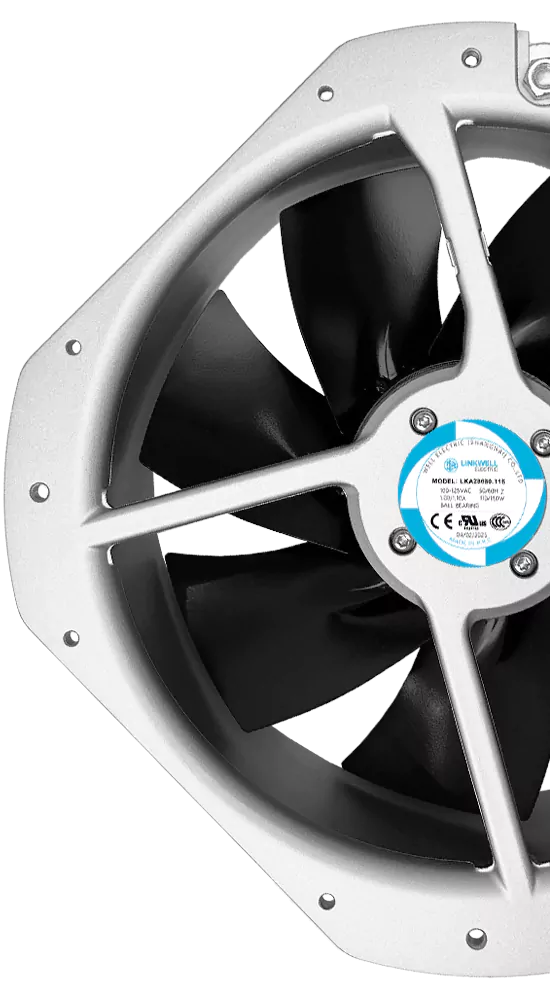
When you pick a centrifugal fan, static pressure matters a lot. Centrifugal fan static pressure shows how much resistance the air faces as it moves through your system. Think of it like the push a fan needs to move air through long ducts, filters, or tight spaces. If you match the fan’s power to your system’s needs, you boost energy efficiency and save money. Centrifugal fans work best in places with lots of bends, filters, or high-resistance parts. You’ll find practical tips here to help you avoid common mistakes.
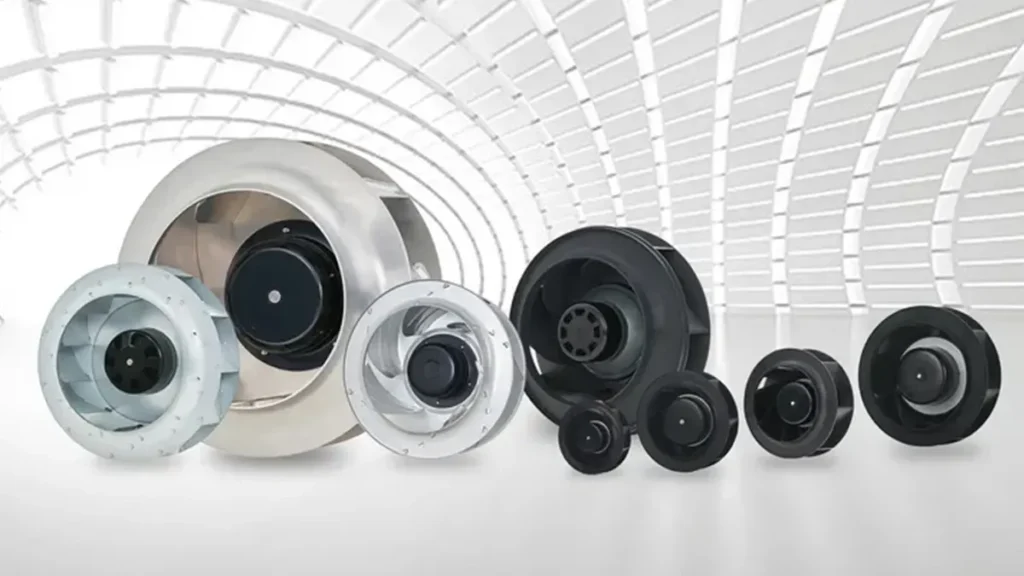
Key Takeaways
- Static pressure is the force a fan uses to move air through things like ducts and filters.
- Matching the fan’s static pressure to what your system needs helps air move better and saves energy.
- Centrifugal fans work best in systems with lots of resistance, like long ducts and filters.
- Axial fans are good in open areas with little resistance but do not work well with obstacles.
- Look at fan performance curves to make sure the fan gives you the airflow and static pressure you need.
- Dirty filters make it harder for air to move, so clean or change them often for the best airflow.
- Give suppliers all the details about your system so they can suggest the best fan for you.
Understanding Centrifugal Fan Static Pressure
Static Pressure Definition
Simple Explanation
You may ask what static pressure means for a centrifugal fan. Imagine blowing air through a straw. You feel resistance. The push you use is like what a fan needs to move air. In ventilation, static pressure is the force that pushes air past things like ducts, filters, or bends. It is the power behind airflow, not just the speed.
- Static pressure is air pressure when it is not moving.
- It shows the energy in the air, not the speed.
- The fan makes this pressure to move air through ducts and corners.
- You need enough static pressure to beat anything slowing down the air.
Think about a water pump pushing water through a pipe. A centrifugal fan does the same with air. It builds static pressure to keep air moving, even if the path is hard.
Measurement Methods
You do not need special lab tools to check static pressure for most jobs. In real life, engineers and buyers use fan performance curves. These curves show how much air moves at different static pressures. If you want to measure it directly, you can use a manometer or Pitot tube, but that is mostly for labs.
- Most people use the fan performance curve to pick the right fan.
- The curve shows how much air you get at the static pressure your system needs.
- Direct measurement tools exist, but they are not used much in daily work.
Role in Fan Performance
Overcoming System Resistance
Every ventilation system has resistance. Long ducts, sharp bends, or filters slow down the air. The centrifugal fan must make enough static pressure to push air past these things. If the fan cannot handle the resistance, airflow will be weak. Ventilation will be poor, and you may get hot spots.
- Static pressure helps beat resistance in ducts and filters.
- Without enough static pressure, air cannot reach every part of your system.
- Good ventilation depends on matching the fan’s static pressure to your needs.
Static Pressure vs Airflow
You may think more airflow is always better, but it is not. There is a balance between airflow and static pressure. If you pick a fan that moves lots of air but cannot handle high static pressure, airflow drops when you add ducts or filters. A centrifugal fan keeps airflow steady, even when resistance goes up.
Tip: Always check airflow and static pressure when picking a fan. This helps you find the right balance for your system.
- Airflow shows how much air the fan moves.
- Static pressure shows how well the fan pushes air through obstacles.
- For energy-efficient fans, you want the right mix of airflow and static pressure.
Where Static Pressure Matters
Ducts and Filters
If your system has long ducts, many bends, or filters, static pressure is important. The centrifugal fan works well in these cases. It can make higher static pressure than other fans. This makes it great for industrial and commercial systems.
- HVAC systems often have tricky ductwork.
- Filtration systems add resistance that only a strong centrifugal fan can handle.
- Industrial setups need fans that push air through tough paths.
Compact Spaces and Enclosures
Sometimes, you need to move air in small spaces or inside electrical enclosures. These places can have high resistance, even if they look simple. A centrifugal fan gives you the static pressure needed to keep airflow strong, even in tight spots.
- Electrical enclosures and machines need good ventilation.
- Small spaces can trap heat, so you need a fan that keeps airflow steady.
- Centrifugal fans help keep airflow strong and ventilation good, even when space is tight.
When you understand centrifugal fan static pressure, you can pick the right fan for your job. You will get better ventilation, reliable cooling, and a system that works well.
Why Static Pressure Is Important for Fan Selection
To pick the right fan, you must know about static pressure. Centrifugal fan static pressure helps you choose a fan that fits your system. This way, you get good airflow and real results. If you do not think about static pressure, you might have bad airflow. You could waste energy and spend more money.
Airflow Resistance Factors
Many things can slow down air in your system. Each one can change how much air moves and how well your centrifugal fan works.
Duct Length and Bends
Long ducts and sharp bends make air move slower. More twists and turns mean your fan needs more static pressure. Short, straight ducts are easier for air, but most systems have bends and long parts.
Filter and Coil Resistance
Dirty filters block air. Even clean filters slow air down. Coils in HVAC units also make air move slower. You need a centrifugal fan that can push air through these things. If your fan is weak, less air moves and cooling does not work well.
Equipment Structure
The shape and size of your equipment matter a lot. Small spaces or tight boxes can trap heat and slow air. If your system has many barriers, you need a fan with higher static pressure to keep air moving.
Inlet and Outlet Design
Bad inlets and outlets make it hard for air to move. Closed or blocked vents can build up pressure. If you have leaks or blockages, your fan must work harder. Broken ducts let air out, which lowers static pressure and hurts how well your fan works.
Tip: Look for blockages, leaks, and dirty filters in your system. Fixing these problems helps your fan keep airflow steady.
Cooling Stability and Reliability
Static pressure is important for keeping cooling steady and reliable. If you pick a fan with low static pressure, less air moves and some spots get too hot or cold. High static pressure can make your fan motor work too hard. This can make noise and break your equipment faster. You want a centrifugal fan that matches your system’s resistance for steady airflow and good cooling.
- Low static pressure means weak airflow and bad cooling.
- High static pressure makes your fan work too hard and costs more.
- Balanced static pressure keeps your system working well and saves energy.
Common Buyer Scenarios
Static pressure is important in many real-life cases. In HVAC systems, you need enough static pressure to push air through ducts and filters. Electronics cooling happens in small spaces or with filters, so you need a fan that keeps air moving. Industrial cooling uses fans with high static pressure to move air through tough paths and keep things cool.
- Electronics cooling in small spaces needs fans with high static pressure.
- HVAC systems need fans that can push air through ducts for even airflow.
- Industrial cooling works better with fans made for high resistance.
When you match centrifugal fan static pressure to your system, you get better airflow, good cooling, and strong performance.
Centrifugal Fan vs Axial Fan Static Pressure
Key Differences
You might wonder what makes centrifugal fans and axial fans so different. The main difference comes from how each fan moves air. A centrifugal fan pushes air out at a 90-degree angle from the intake. This design lets it create much higher static pressure. You get a strong, steady stream of air that can move through tough paths. Axial fans, on the other hand, move air straight through the fan, parallel to the shaft. They can move a lot of air, but they do not handle resistance well.
- Centrifugal fans generate much higher static pressure. You can use them in systems with long ducts, filters, or bends.
- Axial fans work best in open spaces with little resistance. They lose airflow quickly if you add obstacles.
- Centrifugal fans keep airflow steady, even when your system has high resistance.
- Axial fans are not good for high back-pressure environments.
If you need to move air through a complex system, you should look at centrifugal fan static pressure. This will help you get the right performance for your setup.
When to Choose Centrifugal Fans
You should pick a centrifugal fan when your system has a lot of resistance. These fans shine in places where air needs to travel through long ducts, filters, or tight corners. You get reliable airflow, even if your system is complicated.
Here are some common situations where a centrifugal fan works best:
| Application Type | Reason for Centrifugal Fan Preference |
|---|---|
| Industrial HVAC systems | High static pressure and ductwork requirements |
| Dust and fume extraction | Handles high resistance |
| Process ventilation | Keeps airflow steady in high pressure |
| Air handling units | Stable airflow is critical for performance |
If you see any of these in your project, you should consider a centrifugal fan. You will get better airflow and more reliable cooling.
Tip: Always check your system for long ducts, filters, or bends. If you find them, a centrifugal fan is usually the right choice.
When to Choose Axial Fans
Axial fans have their place too. You should use them when you need to move a lot of air in a space with little resistance. These fans work well in open rooms, large halls, or anywhere air can flow freely. You get high airflow, but only if the path is clear.
- Use axial fans for cooling open spaces.
- They are great for moving air across large areas with no filters or ducts.
- Avoid axial fans if your system has many obstacles or needs high static pressure.
If you want simple, fast airflow and your system does not have much resistance, an axial fan will do the job. You save energy and keep things cool without overworking your fan.
When you know the differences, you can match the right fan to your needs. You get better performance, save energy, and avoid common mistakes.
Application Examples
You see fans in many places, but not all fans work the same. Some jobs need a special type of fan. Let’s look at real-life examples. These will show when to use a centrifugal fan or an axial fan.
Centrifugal Fan Application Examples
- HVAC Duct Systems
Long ducts with many bends make air hard to move. A centrifugal fan is good for this job. It makes enough static pressure to push air past filters and bends. This keeps airflow steady in every room. - Industrial Dust Collection
Factories use dust collectors with filters and pipes. These parts block air. A centrifugal fan keeps air moving strong and removes dust. This helps keep the air clean and the workspace safe. - Electrical Enclosures
Machines and control panels can get hot fast. Small spaces hold in heat. A centrifugal fan pushes air through tight spots and cools electronics. This stops overheating and keeps equipment working. - Filtration Systems
Air filters slow down air. You need a fan that can handle this. A centrifugal fan keeps airflow steady, even if filters get dirty. This keeps air clean and systems running well.
Axial Fan Application Examples
- Warehouse Ventilation
Big open spaces need lots of air moved fast. An axial fan does this well. There are no ducts or filters, so air moves easily. You get quick airflow and a comfortable space. - Cooling Large Rooms
Schools, gyms, and halls need fresh air. Axial fans work great here. They move lots of air across wide areas. People stay cool without worrying about static pressure. - Spot Cooling
Sometimes you need to cool just one spot. An axial fan can blow air right where you want it. This gives quick relief in open spaces.
Here’s a simple table to help you compare:
| Application | Fan Type | Why It Works |
|---|---|---|
| HVAC ducts | Centrifugal fan | Handles high resistance, steady airflow |
| Dust collection | Centrifugal fan | Overcomes filters and pipes |
| Electrical enclosures | Centrifugal fan | Pushes air through tight spaces |
| Filtration systems | Centrifugal fan | Maintains airflow with dirty filters |
| Warehouse ventilation | Axial fan | Moves air in open spaces |
| Large room cooling | Axial fan | Delivers high airflow, low resistance |
| Spot cooling | Axial fan | Directs airflow where needed |
Tip: Always check your system for things that block air, like filters or tight spaces. If you see lots of resistance, pick a centrifugal fan. If your space is open, an axial fan is a good choice.
You can get better performance and save energy by picking the right fan. Centrifugal fan static pressure helps keep airflow steady in tough places. Axial fans give fast airflow in open areas. Choose the fan that fits your system’s needs.
Applications Requiring High Static Pressure
HVAC and AHU
HVAC systems are in homes, offices, and factories. These systems need the right fan to move air through ducts and filters. If you want steady heating or cooling, match the fan’s static pressure to your system. Home HVAC systems usually need 0.1 to 0.5 inches of water column. Commercial systems often need 0.2 to 1.0 inches. Using high-efficiency fans gives you good airflow and saves money on energy. These fans help your equipment last longer and keep the air clean inside.
Tip: If your HVAC has many bends or filters, pick a fan with higher static pressure. This keeps airflow strong and helps save energy.
Filtration Systems
Filtration systems clean the air by using filters. These filters block dust, fumes, and particles. Filters make it harder for air to move, so you need a strong fan. High-efficiency fans are great for this job. They keep airflow steady, even if filters get dirty or ducts are long. You want a fan that works well in tough spots. Special blades help these fans move air past obstacles. This means your filtration system works well and uses less energy.
- Factory filtration systems need fans that beat resistance.
- Medical devices like CPAP machines use high static pressure fans for comfort.
- Kitchen range hoods use fans to remove smoke and smells.
High-efficiency fans help your filtration system work well, even when the air path is hard.
Electrical Enclosures
Electrical enclosures keep equipment safe. These spaces can get hot, like in server racks or control panels. You need a fan that pushes air through tight spaces and lots of electronics. High static pressure fans do this job well. They keep airflow strong and stop things from overheating. If you use high-efficiency fans, you get steady cooling and protect your equipment.
Here’s a quick look at typical static pressure needs:
| Application Type | Static Pressure Range (inches H₂O) |
|---|---|
| Large tower computer electronic enclosures | 0.05 – 0.15 |
You also find high static pressure fans in military and aircraft systems. These fans work in tough places and keep electronics cool.
Note: If your enclosure is full of electronics, pick a fan with high static pressure. This keeps your devices safe and working well.
You can see high-efficiency fans are important for HVAC, filtration, and electrical enclosures. They help you beat resistance, save energy, and keep your systems running well.
Energy Storage and Telecom
Energy storage and telecom systems are everywhere today. They power things like data centers, cell towers, and backup batteries. These systems help your devices work and keep your calls connected. They have lots of electronics packed into small spaces. This makes heat build up quickly. If you do not control the heat, equipment can break or slow down.
Static pressure is important for cooling these systems. You need fans that push air through tight spaces, filters, and sometimes long ducts. Regular fans cannot handle all the resistance. High static pressure fans are made for this job.
Here is why static pressure matters for energy storage and telecom:
- Static pressure is resistance that blocks airflow. You find resistance in filters, vents, and narrow passages.
- High static pressure fans push air past these obstacles. They keep cooling strong, even when the path is hard.
- Your system works best when the fan’s positive static pressure matches the negative pressure from obstacles. This balance keeps airflow steady.
- If resistance is too high for your fan, airflow drops. Cooling gets worse, and your equipment can get too hot.
- Compact electronics need more cooling power. The need for high static pressure fans keeps growing in these fields.
You want your batteries, servers, and telecom gear to last. Good airflow helps them stay safe. High static pressure fans keep air moving, even when space is tight or filters are dirty. You avoid hot spots and keep everything working well.
Here is a quick look at where you might use these fans in energy storage and telecom:
| Application Area | Why High Static Pressure Fans Matter |
|---|---|
| Battery cabinets | Push air through dense battery packs |
| Telecom base stations | Overcome resistance from filters and vents |
| Data center racks | Keep airflow steady in crowded enclosures |
| UPS backup systems | Maintain cooling with limited space |
Tip: Check your system for filters, vents, or tight spaces. If you see them, you need a fan that can handle high static pressure. This keeps your equipment cool and reliable.
You do not want your equipment to stop working or get damaged. High static pressure fans help your energy storage and telecom systems stay cool, efficient, and safe.
Fan Selection Based on Static Pressure
Picking the right fan can seem hard. You want good airflow and cooling. You also want your system to work well. If you follow steps, choosing a fan gets easier. You can avoid mistakes. Let’s go through the steps together.
Step-by-Step Selection Guide
This guide helps you match your fan to your system. Each step brings you closer to the best fan.
Identify Resistance Sources
First, look at your system. Find things that slow air down. These resistance sources are:
- Long ducts
- Sharp bends
- Filters
- Coils
- Tight spaces
- Blocked vents
Draw a simple map of your setup. Mark every spot where air might have trouble moving. If you miss something, your fan might not work right.
Estimate Total Static Pressure
Next, figure out how much static pressure your system needs. You can use calculations or ask an engineer. Add up resistance from each part. If you have a filter, a long duct, and bends, combine their values.
Tip: If you don’t know the numbers, check manuals or ask your supplier. They often list typical resistance values.
Use System and Fan Curves
Once you know your static pressure and airflow needs, look at fan curves. These curves show how much air the fan moves at different static pressures. Find your operating point. This is where your airflow and static pressure meet. Make sure the fan can give you the airflow you need at the pressure your system needs.
Here’s a simple table to help you:
| Step | What to Do |
|---|---|
| Identify resistance | Map out ducts, bends, filters, and obstacles |
| Estimate pressure | Add up resistance values for each component |
| Use fan curves | Match your airflow and static pressure needs |
Note: Always check the fan’s curve before picking your fan. This helps you avoid choosing a fan that loses airflow when resistance goes up.
Working with Suppliers or Engineers
You do not have to pick a fan alone. Suppliers and engineers can help you find the best fan. If you give them the right information, they can help you faster.
Information to Prepare
Before you ask for help, gather these details:
- Size of your space or enclosure
- Voltage and power needs
- Desired airflow (CFM)
- Total static pressure needed
- Number and type of ducts, bends, filters
- Temperature range
- Noise limits
- Protection level (IP rating)
- Application type and quantity
If you share this information, your supplier can suggest a fan that fits your needs. You save time and avoid mistakes.
Importance of Accurate Data
Accurate data makes picking a fan easier. If you guess or leave out details, you might pick the wrong fan. Your system might not cool well, or you could waste energy. Always double-check your numbers and ask questions if you are not sure.
Tip: If you don’t know your static pressure, ask your supplier for help. They can guide you through the process.
Tools for Static Pressure Calculation
You do not need fancy tools to estimate static pressure. You can use simple calculators, charts, or online tools. Many suppliers have free calculators on their websites. If you want to measure static pressure directly, you can use a manometer or a digital pressure gauge.
Here are some tools you might use:
- Online static pressure calculators
- Fan selection software
- Manufacturer charts and tables
- Manometers for direct measurement
If you use these tools, you can pick a fan faster and more accurately. You get the right airflow and performance for your system.
Callout: Don’t forget to check the fan curves. These curves show how the fan works at different pressures and airflow levels.
You can make fan selection easy if you follow these steps. Find resistance, estimate static pressure, use fan curves, and work with your supplier. If you use the right tools and share accurate data, you get a fan that keeps your system cool and efficient.
Static Pressure Factors and Fan Selection Table
When you choose a centrifugal fan, you want to make sure it can handle the static pressure in your system. Several factors play a big role in this decision. If you know what affects static pressure, you can avoid common mistakes and pick a fan that works well for your setup.
Table: Factors Affecting Fan Choice
Let’s break down the main things you should watch for:
- Fan Speed
When you increase the speed of your fan, you boost static pressure. This helps push air through tough spots. Keep in mind, higher speeds also mean more noise and more power use. If you need a quiet system, you might want to balance speed with other features. - Ductwork Design
The way you set up your ducts changes how much resistance the air faces. Long ducts, narrow passages, and sharp bends make it harder for air to move. If your system has lots of twists and turns, you need a fan with higher static pressure. Short, straight ducts make things easier for the fan. - Filter Resistance
Filters clean the air, but they also slow it down. The type of filter and how dirty it gets can change the static pressure in your system. If you use thick or high-efficiency filters, your fan must work harder. Always check your filters and replace them when needed.
Tip: If you notice weak airflow, check your filters and ductwork first. Sometimes a simple fix can save you from buying a bigger fan.
Here’s a handy table to help you see how these factors affect your fan choice:
| Factor | How It Affects Fan Choice | What You Should Do |
|---|---|---|
| Fan Speed | Higher speed = more static pressure | Balance speed, noise, and power |
| Ductwork Design | More bends/length = more resistance | Use a fan with higher static pressure |
| Filter Resistance | Thicker/dirty filters = more resistance | Choose a fan that can handle filters |
You can use this table as a quick reference when you plan your system. If you spot any of these issues, you know you need a fan that can handle higher static pressure.
Remember, every system is different. Take a close look at your setup before you decide. If you have questions, talk to your supplier or an engineer. They can help you match the right fan to your needs.
Note: Picking the right fan now saves you time, money, and trouble later. Always check these factors before you buy.
Application Scenarios and Static Pressure Table
Static pressure changes for each job. Every system needs something different. If you know the usual static pressure, you can pick the right fan. This stops you from guessing. Let’s check some common examples.
Fans are everywhere. They are inside computers, HVAC ducts, and medical devices. Each job needs a certain push to move air. If you use the wrong fan, airflow can be weak. You might waste energy too. You need to match the fan’s static pressure to your system’s resistance.
Tip: Always look at your application before picking a fan. The right static pressure keeps your system cool and saves energy.
Here’s a simple table showing typical static pressure for different fan types and their best uses:
Table: Typical Static Pressure by Application
| Fan Type | Typical Static Pressure (mmH₂O) | Best Applications |
|---|---|---|
| High Airflow (Axial) | 0 – 5 | Case cooling, general room ventilation, open-air setups |
| High Static Pressure (Blower/Centrifugal) | 10 – 100+ | Dense server racks, HVAC systems, filtered enclosures, CPAP machines |
| Mixed Flow / High-Performance Axial | 5 – 20 | Networking equipment, moderate heat sink density |
Axial fans work best in places with little resistance. They move air fast but don’t push hard. Centrifugal fans are good for tough spots. They handle filters, bends, and tight spaces. Mixed flow fans are in the middle. They work well when you need both airflow and some pressure.
If you look at the chart, you see centrifugal fans cover a wide range of static pressure. They fit many jobs, like HVAC and medical devices. Axial fans stay low, so use them in open spaces. Mixed flow fans fill the gap for moderate needs.
Here are some quick examples:
- Office HVAC: Needs high static pressure to push air through ducts and filters.
- Server racks: Use centrifugal fans to keep airflow strong in tight spaces.
- Room ventilation: Axial fans work well for open areas with little resistance.
- CPAP machines: Need high static pressure to deliver steady airflow.
Note: If your system has filters, long ducts, or tight spaces, pick a fan with higher static pressure. If your space is open, a low-pressure fan will work.
Use this table and chart as a quick guide. Match your fan to your job. You will get good cooling and save energy.
Common Fan Selection Mistakes
Choosing by Size or Airflow Only
Many buyers pick a fan just by looking at its size or how much airflow it can move. This seems easy, but it often leads to problems. You might think a bigger fan or one with high airflow will always work better. That is not true. Here are some common mistakes people make when they choose fans this way:
- Ignoring room size and blade span, which can lead to poor air movement.
- Overlooking noise levels, making the space less comfortable.
- Forgetting about ceiling height and how the fan mounts, which affects how well it works.
- Picking fans just because they look good, not because they fit your airflow needs.
If you only look at size or airflow, you might end up with a fan that does not cool your space or is too loud. Always check if the fan matches your room and your needs.
Ignoring Resistance Factors
You cannot forget about resistance in your system. Things like long ducts, sharp bends, or filters slow down airflow. If you ignore these, your fan may not push enough air where you need it. This can make your system use more energy and create extra noise. You might notice rooms that feel stuffy or uneven cooling. Ignoring resistance can hurt your fan’s performance and make your space less comfortable. Always think about what might block or slow down airflow before you pick a fan.
Tip: Check your system for anything that could block airflow, like dirty filters or tight spaces. Fixing these can help your fan work better.
Misreading Fan Curves
Fan curves show how much airflow you get at different static pressure levels. If you do not read these curves right, you can run into big problems. Here is what can happen if you misread a fan curve:
| Consequence | Description |
|---|---|
| Operational Inefficiencies | The fan may use more power than needed, wasting energy and money over time. |
| Noise and Vibration | The fan can become unstable, causing loud noise and shaking that may damage parts. |
| Motor Overload | The fan might draw too much power, making the motor overheat and possibly fail. |
| Shorter Equipment Life | Running the fan outside its best range can wear it out faster, leading to more repairs. |
| Loss of Process Control | Airflow may change too much, making it hard to keep things like temperature steady. |
| Risky System Changes | Changing your system without knowing the fan curve can push the fan into a bad operating zone. |
| Overall Reliability | Not using fan curves can mean higher costs, more breakdowns, and less trust in your system. |
If you want your fan to last and work well, always check the fan curve. Make sure the airflow and static pressure match what your system needs. This helps you avoid wasted energy and keeps your equipment running smoothly.
Overlooking Temperature or IP Rating
You might think picking a fan is all about airflow and size. Many buyers forget about temperature and IP rating. These two factors can make or break your fan’s performance. If you ignore them, you risk problems that cost money and time.
Temperature matters a lot. Fans work best within a certain range. If your system gets too hot or too cold, the fan can fail. Bearings inside the fan wear out faster when temperatures go beyond what they can handle. Seals and materials can change shape or break down. You might notice less airflow or strange noises. Sometimes, the fan stops working altogether.
IP rating is another thing you should check. IP stands for “Ingress Protection.” It tells you how well the fan can handle dust and moisture. If you use a fan with the wrong IP rating in a dusty or humid place, trouble starts. Dust can clog the blades and block airflow. Moisture can cause rust or short circuits. The fan might stop working, or you could see a drop in performance.
Here’s what happens when you overlook temperature or IP rating:
- IP rating decides how much dust and water the fan can handle.
- Wrong IP rating means the fan can fail in dirty or wet places.
- High or low temperatures shorten bearing life and damage seals.
- Both temperature and IP rating are key for long-term fan performance.
You want your fan to last. If you pick the right temperature range and IP rating, you get steady airflow and fewer breakdowns. Always check the specs before you buy. Ask your supplier if you’re not sure. You can find fans made for hot, cold, dusty, or wet environments. Some fans have special coatings or seals. Others use strong bearings that handle extreme temperatures.
Tip: Look at where you plan to use the fan. If the area is hot, cold, dusty, or damp, pick a fan with the right IP rating and temperature range. This keeps airflow strong and protects your equipment.
You can avoid headaches by checking these details. Your fan will keep working, and you won’t waste energy or money. Good airflow and reliable performance start with the right fan for your environment.
Buyer Information for Fan Selection
When you want the right fan for your project, you need to share some important details. Giving clear information helps your supplier or engineer suggest the best fan for your needs. Let’s break down what you should prepare.
Essential Data to Provide
Size, Voltage, Airflow, Static Pressure
Start with the basics. You should know the size of the fan you want. Think about the space where you will install it. Next, check the voltage your system uses. This keeps everything safe and working well. You also need to know the airflow volume you want. This tells how much air the fan should move. Don’t forget about static pressure. This number shows how well the fan can push air through obstacles like ducts or filters.
Here’s a handy table to help you organize your data:
| Essential Data | Description |
|---|---|
| Airflow Rate | Pick a range between 500 to 50,000 CFM, depending on your application. |
| Static Pressure | Make sure the fan can handle your system’s resistance. |
| Noise Levels | Try to keep noise below 85 dB for comfort and safety. |
| Material Choice | Use corrosion-resistant materials for harsh places. |
| Specific Application | Tell if you need the fan for high heat or special chemicals. |
Space, Ducts, Filters
You should measure the space where you will put the fan. Write down the size and shape. List all the ducts, bends, and filters in your system. These parts add resistance and change how the fan works. If you have long ducts or thick filters, your fan needs more power to keep air moving.
- Draw a simple map of your setup.
- Mark every duct, bend, and filter.
- Note if you plan to add more parts later.
Temperature, Noise, IP Rating
Think about the temperature where the fan will run. Some fans work better in hot or cold places. You should also check how much noise you can accept. Fans that are too loud can be a problem, especially in offices or homes. The IP rating shows how well the fan handles dust and water. Pick the right rating for your environment.
Tip: Fans above 85 dB can be too loud. Look for noise reduction features if you need a quiet space.
Application and Quantity
Tell your supplier what you will use the fan for. Is it for an HVAC system, a server rack, or a kitchen hood? Each job may need a different fan design. Also, say how many fans you need. If you need a lot, you might get a better price or a custom solution.
- Write down your main goal for the fan.
- List any special needs, like high temperature or chemical resistance.
- Share the total number of fans you want.
When you give all this information, you make it easy for your supplier to help you. You get a fan that fits your system, saves energy, and lasts longer.
Practical Tips for Fan Buyers
Evaluation Checklist
You want to pick the right fan for your system. Using a checklist helps you stay organized. It also helps you avoid mistakes. Here are some things to check before you buy:
- Make sure the fan matches the static pressure your system needs.
- Check if the fan can handle resistance from filters and ducts.
- Review static pressure if your setup has filters or tight spaces.
- Confirm the fan’s airflow meets your cooling or ventilation goals.
- Look at the fan’s noise level and see if it fits your space.
- Check the fan’s size and mounting options for your setup.
Tip: If you use a prototype, always test static pressure with all filters and outlets installed. This shows how the fan will really work.
Questions for Manufacturers
You should ask good questions when you talk to a manufacturer. This helps you get a fan that works well and avoids problems later. Here are some questions to ask:
- How will you check my ductwork, airflow, and static pressure?
- Do you test for duct leaks or measure static pressure?
- Will you look for kinks, small ducts, or bad connections?
- If needed, will you suggest changes to meet the specs?
If the static pressure reading is too high, your ducts might block airflow. This can make your HVAC system less efficient. Ask the manufacturer how they fix these problems and what solutions they offer.
Note: Talking with your supplier helps you avoid mistakes and keeps your system working well.
Comparing Fan Data
You need to compare fan data sheets to find the best fan for your system. Static pressure is important for good airflow. It shows the resistance the fan must beat to move air through ducts and filters. Here’s what you should check:
- Check the airflow (CFM) and static pressure (Pa) numbers.
- Make sure you do static pressure calculations when you design your system.
- Look for fans that meet both your airflow and static pressure needs.
- Compare noise levels and energy use for each fan.
- Review the fan’s performance curve to see how it handles resistance.
| Feature | What to Check |
|---|---|
| Airflow (CFM) | Matches your cooling needs |
| Static Pressure | Handles system resistance |
| Noise Level | Fits your environment |
| Energy Use | Keeps costs low |
| Performance Curve | Shows fan behavior at different pressures |
Callout: Knowing fan specs makes picking easier and helps you get reliable performance.
Conclusion
Choosing the right centrifugal fan is not only about airflow. Static pressure also plays an important role in keeping your cooling system stable and reliable. When the fan matches your system resistance, air can move through ducts, filters, heat exchangers, or compact equipment more effectively.
Before making a decision, always check the required airflow, static pressure, voltage, installation space, working temperature, and application environment. These details help you avoid poor cooling performance, unnecessary energy use, or fan selection mistakes.
At LINKWELL, we manufacture centrifugal fans, AC fans, DC cooling fans, EC fans, axial fans, and customized cooling fan solutions for industrial cooling applications. Share your airflow, static pressure, voltage, installation space, and project requirements with our team. We can help you choose a suitable fan solution and provide a quotation based on your actual needs.
FAQ
What is static pressure in a centrifugal fan?
Static pressure is the force your fan uses to push air through obstacles like ducts or filters. It shows how well your fan can move air when things slow it down.
How do I know if my system needs high static pressure?
If you see long ducts, sharp bends, or thick filters in your setup, you need high static pressure. These things make it harder for air to move.
Can I use an axial fan instead of a centrifugal fan?
You can use an axial fan in open spaces with little resistance. If your system has lots of obstacles, a centrifugal fan works better.
Tip: Always check your system for filters or tight spaces before choosing a fan.
How do I measure static pressure in my system?
You can use a manometer or a digital pressure gauge. Most people use fan performance curves and system specs to estimate static pressure instead of measuring it directly.
What happens if I pick a fan with low static pressure?
Your airflow drops. Some areas may get too hot or stuffy. Your system will not cool or ventilate as well as you want.
Do dirty filters affect static pressure?
Yes! Dirty filters increase resistance. Your fan must work harder to keep airflow steady. Clean or replace filters often for best results.
What information should I give my supplier to choose the right fan?
- Airflow needed (CFM)
- Static pressure required
- Duct and filter details
- Space size
- Voltage and noise limits
Note: The more details you share, the better your supplier can help you.