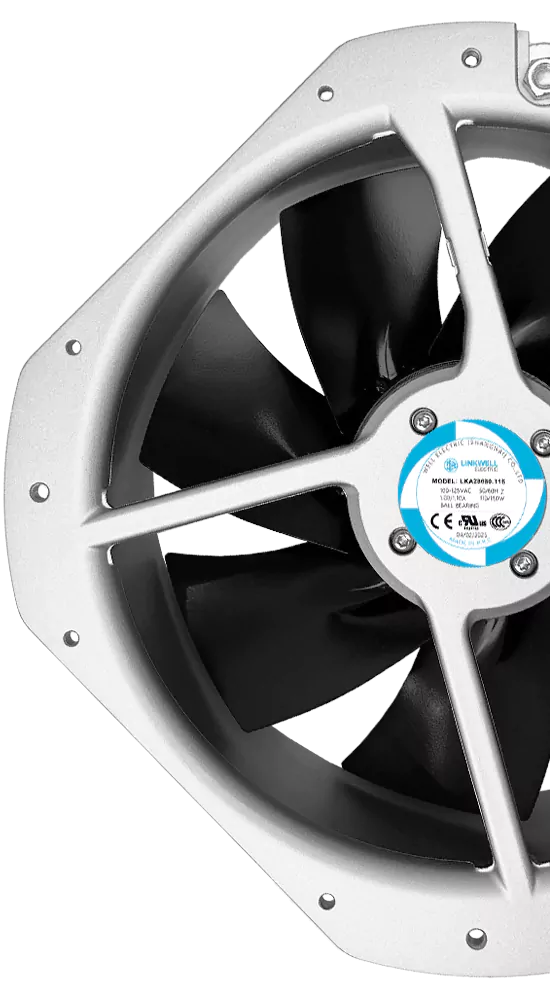
Centrifugal fans can be found in many factories, and they are essential for understanding what centrifugal fans are used for. These fans help move air through challenging areas like ducts and filters, pushing air even when it is difficult to do so. This capability makes them ideal for ventilation and dust collection. Additionally, they assist in moving materials, cleaning air, drying, and eliminating fumes. If you ask what are centrifugal fans used for, consider their application in large industries such as cement, oil and gas, power plants, life sciences, glass and ceramics, chemical processing, and food processing. People rely on these fans to keep air circulating and to effectively remove dust while performing demanding tasks every day.
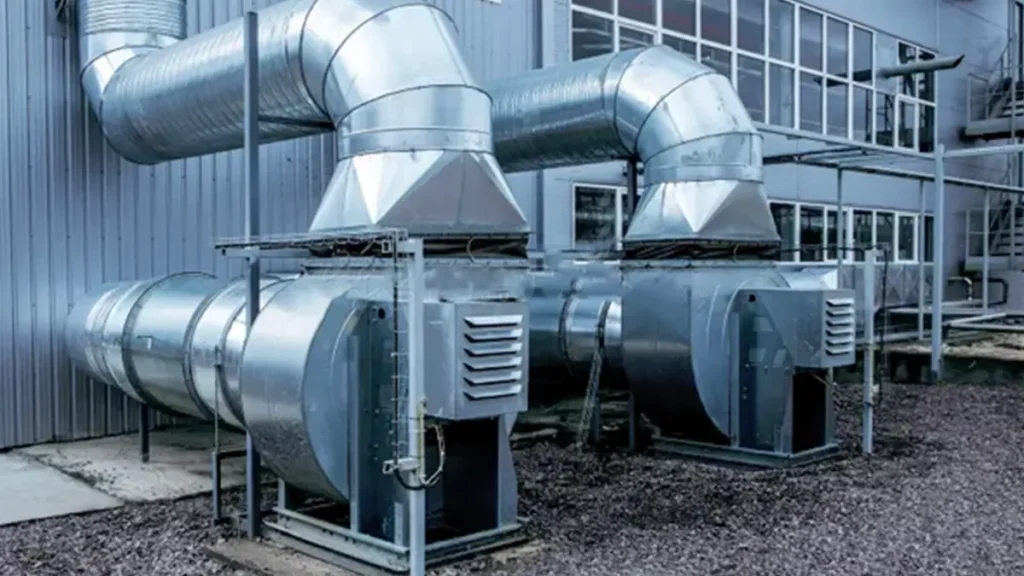
Key Takeaways
- Centrifugal fans are very important for moving air in factories. They help push air through ducts and filters.
- These fans are great for ventilation and dust collection. They also help move materials, so they are needed in factories.
- Centrifugal fans keep strong airflow, even when it is hard for air to move. This helps air move well in tough places.
- There are different types of centrifugal fans for different jobs. Some are made for dust, and some move heavy materials.
- Picking the right centrifugal fan means knowing how much air you need. You also need to know about static pressure and the place where the fan will work.
- Installing the fan the right way is important. Using speed control and sensors can help the fan work better and save energy.
- People sometimes make mistakes when picking a fan. They might forget about static pressure or pick the wrong size or voltage.
- It is important to take care of centrifugal fans. Cleaning and checking parts often helps them work well.
What Are Centrifugal Fans Used For
Industrial Ventilation
Centrifugal fans are very important for industrial ventilation. You can find these fans in buildings and factories. They help move air through long ducts or around things in the way. When you wonder what are centrifugal fans used for, think about places where air must travel far or go through filters. These fans use an impeller to pull air in. Then, they push the air out at a right angle. This design gives the air more pressure. The extra pressure helps air move through twisty ducts. It also keeps the airflow steady, even when the path is hard.
Ducted Airflow
Factories often need to move air through ducts. Centrifugal fans are great at this job. They keep air moving, even if the ducts are long or have many bends. Other fans might not work as well, but centrifugal fans keep the airflow strong. They can handle dust or particles in the air, which is common in factories. If you want good ventilation, these fans are a smart choice.
Tip: If your system has lots of filters or turns, centrifugal fans will keep your air moving without losing power.
Factory Exhaust
Factories make heat, fumes, and sometimes bad gases. You need to get these out fast to keep workers safe and machines working. Centrifugal fans help pull out dirty air and push it outside. They work well when air has to go through long pipes or past filters. When you ask what are centrifugal fans used for, remember they help keep factory air clean and safe.
Dust Collection Systems
Dust is a big problem in factories. It can make the air dirty and hurt machines. Centrifugal fans are the main choice for dust collection. These fans pull in dusty air and spin it fast. This makes strong pressure. The pressure pushes dust through filters and out of the workspace. There are different types of centrifugal fans for dust collection. Each type is made for a special job.
- Forward curved centrifugal blowers work in small systems with low pressure.
- Backward inclined and backward curved fans handle bigger jobs with more dust.
- Radial blade fans are tough and can handle heavy, rough dust.
- Airfoil fans are quiet and efficient, perfect for large, clean spaces.
- Multistage fans give you very high pressure for the biggest systems.
Airborne Particle Removal
When you need to get rid of tiny bits floating in the air, centrifugal fans do the job well. They pull in dirty air, build up pressure, and push it through filters. This keeps the air clean and safe to breathe. If you want to know what are centrifugal fans used for, think about how they keep dust and particles away from workers and machines.
Material Transport
Factories sometimes need to move more than just air. They may need to move powders, grains, or small pieces of material. Centrifugal fans help with this too. They make strong airflow that can carry materials through pipes from one place to another. This makes work faster and keeps things clean.
Gas and Bulk Movement
You will see centrifugal fans used for moving gases and bulk materials in many industries. Here is a quick look at where you might find them:
| Industry | Application |
|---|---|
| Pharmaceuticals | Material handling |
| Food Processing | Material handling |
| Wood Industries | Material handling |
These fans have many benefits for moving bulk materials:
- High airflow moves materials quickly and stops blockages.
- Good pressure control keeps the flow steady and protects equipment.
- They help collect dust, making the air safer for workers.
- You can move materials over long distances, which saves time and effort.
- They keep products clean by reducing dust and other bad stuff.
If you ever ask yourself what are centrifugal fans used for in factories, remember they can move both air and materials very well.
Air Pollution Control
Factories and plants often let out dirty air. This air can have dust, smoke, and chemicals. You must clean the air before it leaves the building. Centrifugal fans help with this job. These fans push air through filters and cleaning machines. They work even if the path is long or blocked. They make strong pressure. This keeps air moving, no matter how many twists or filters there are.
Emission Management
Factories need to control pollution. Centrifugal fans are important for this. They move air through machines that catch bad stuff. Here’s how they help:
- They work with scrubbers and electrostatic machines to trap dust and chemicals.
- They push air through baghouse systems and dust collectors to keep workers safe.
- They help air move through industrial air cleaning systems to meet safety rules.
Different types of centrifugal fans help with emission control. Some save energy. Others handle tough jobs:
| Type of Fan | Efficiency Level | Description |
|---|---|---|
| Airfoil centrifugal fans | Very high | Best aerodynamic design for saving energy. |
| Backward curved centrifugal fans | High | Good balance between airflow and energy savings. |
| Forward curved centrifugal fans | Moderate | Good for small and low-pressure systems. |
| Radial blade centrifugal fans | Lowest | Made for harsh places, strong but not efficient. |
Note: If your system has lots of filters or very dirty air, pick a fan with high pressure. This keeps your air clean and your equipment safe.
Drying and Fume Extraction
Factories need to dry products or remove fumes. Centrifugal fans help with both jobs. They move air fast and strong. This pushes air through filters, ducts, or drying chambers. Strong airflow dries things faster. It also keeps harmful fumes away from workers.
Spray Booths
If you paint cars or parts in a spray booth, clean air is important. Centrifugal fans pull out paint fumes and dust. This gives you a smooth finish and a safe workspace. These fans keep air moving, even if filters get clogged or ducts are long. You can trust them to keep your booth clear and your air fresh.
Industrial Drying
Drying is a big job in many industries. You might need to dry food, cement, or medicine. Centrifugal fans make this possible. They move hot air over products or pull out moisture. Here’s where you’ll find them:
| Industry | Application |
|---|---|
| Food Production | Drying and removing moisture from food materials |
| Cement Industry | Drying clinker in kilns |
| Pharmaceutical | Drying drugs before packing |
You get many benefits when you use centrifugal fans for drying and fume extraction:
- They move air or gases well, so drying is faster.
- They help with ventilation and cooling, making work safer.
- They keep materials moving, which stops blockages and keeps production smooth.
Tip: If you need to dry products or remove fumes, pick a centrifugal fan that fits your airflow and pressure needs. This keeps your process strong and your air clean.
Centrifugal Fans in High-Resistance Systems
When you work with tough airflow challenges, you need the right tools. Centrifugal fans stand out in these situations. They push air through long ducts, thick filters, and tight spaces. You get steady performance, even when the path is not easy. Let’s look at why these fans are your best choice for high-resistance systems.
Static Pressure and Duct Resistance
You might notice that some fans lose power when they face obstacles. That’s not the case with centrifugal fans. These fans create strong static pressure. This means they can move air through long pipes, sharp bends, or crowded equipment. If you have a system with lots of twists and turns, you want fans that don’t give up.
Tip: Always check the static pressure rating when you pick a fan. High static pressure means the fan can handle more resistance.
Here’s a quick comparison:
| Fan Type | Handles Duct Resistance? | Best For |
|---|---|---|
| Axial Fans | No | Open spaces |
| Centrifugal Fans | Yes | Ducts and filters |
You can see why centrifugal fans win in high-resistance setups.
Filters and Heat Exchangers
Many factories use filters and heat exchangers to clean or cool the air. These parts add resistance. Regular fans might slow down or stop working well. Centrifugal blowers keep the air moving, even when filters get dirty or heat exchangers block the flow. You get reliable airflow, which keeps your process safe and smooth.
- Filters catch dust and particles. Centrifugal fans push air through, so your system stays clean.
- Heat exchangers remove heat from the air. These fans keep the flow steady, so your equipment does not overheat.
If you want your system to work all day, every day, you need fans that can handle the pressure.
Compact Equipment Cooling
Sometimes, you have machines packed into small spaces. You still need good cooling. Centrifugal fans fit into tight spots and deliver strong airflow. They can push air through small vents or around crowded parts. This keeps your machines cool and running well.
- You get stable cooling, even in compact designs.
- The fans work quietly, so you don’t add extra noise to your workspace.
- They move air over long distances, so every part gets the cooling it needs.
If you want to protect your equipment and avoid breakdowns, choose centrifugal fans for your high-resistance systems.
Centrifugal Fan vs Axial Fan
When you pick a fan for your factory, you might wonder how a centrifugal fan is different from an axial fan. Let’s make it simple so you can choose the best one.
Airflow Direction
Each fan moves air in its own way. Axial fans pull air straight through. The air follows the spinning blades. You see axial fans in box fans and ceiling fans. A centrifugal fan works another way. It pulls air from the center. Then, it pushes air out at a right angle. This change helps the fan make more pressure.
Here’s a quick look:
| Fan Type | Airflow Direction |
|---|---|
| Axial Fans | Moves air parallel to the axis of rotation |
| Centrifugal Fans | Redirects air at a right angle from the center |
Tip: If you need to push air through a long duct or around corners, a centrifugal fan does the job better.
Static Pressure vs Air Volume
You should think about what your system needs. Do you need to push air against resistance or move lots of air in open space? Axial fans move lots of air but lose power when there are obstacles. A centrifugal fan makes high-pressure airflow. It keeps working even with filters or long ducts.
Check out this comparison:
| Fan Type | Static Pressure | Air Volume Output |
|---|---|---|
| Axial Fans | Higher dynamic pressure | Larger volumes of air |
| Centrifugal Fans | High-pressure airflow | Better for ductwork applications |
If your setup has twists, filters, or needs strong airflow over a distance, you want a centrifugal fan. For open rooms or spaces with little resistance, axial fans work well.
Typical Use Cases
These fans are used in different places. Axial fans are good for general ventilation and open areas. A centrifugal fan is best for high-resistance systems. It works well in ducted applications or when you need focused cooling.
Here’s a table to help you decide:
| Fan Type | Typical Use Cases |
|---|---|
| Axial Fans | General ventilation and low-impedance systems |
| Centrifugal Fans | High-impedance systems, ducted applications, focused cooling |
You might use a centrifugal fan for:
- Pushing air through HEPA filters
- Cooling server racks packed close together
- Moving air through long or twisty ducts
- Keeping hot spots cool in machines
Note: Always match your fan to your system’s needs. The right choice keeps your air moving and your equipment safe.
Choosing a Centrifugal Fan
Airflow and Pressure
When you pick a centrifugal fan, start with airflow and pressure. You need to know how much air your system must move and how hard it is to push that air through your setup. Think about your ducts, filters, and any twists or turns. These things add resistance. If you work in an hvac system or a factory, you often face these challenges.
Here’s how you can make the right choice:
- Figure out your airflow needs. This is usually measured in CFM (cubic feet per minute) or m³/h.
- Check the static pressure. This tells you how much resistance the fan must overcome.
- Look at fan performance curves. These charts show how much air the fan can move at different pressures.
- Match the fan type to your job. Forward-curved fans work well for quiet, low-pressure jobs. Backward-curved fans save energy and handle higher pressure. Radial fans are tough and handle dirty air.
Tip: Always check your system’s airflow and pressure before you buy. This helps you avoid picking a fan that is too weak or too strong.
Voltage and Size
Next, you need to think about voltage and size. Not every fan fits every space or power supply. You want a fan that matches your equipment and fits where you need it.
Here’s a quick table to help you compare your options:
| Type of Fan | Voltage Options | Size Range |
|---|---|---|
| DC | 24V, 48V, 85V, 110V | 133mm to 450mm |
| EC | 230V, 380V AC | 133mm to 560mm |
| AC | N/A | 133mm to 355mm |
- Measure your space before you order.
- Check your power supply. Make sure the fan voltage matches your system.
- Pick a size that fits your duct or equipment.
If you get the voltage or size wrong, your fan might not work or could even damage your system.
Noise and Temperature
Noise and temperature matter, too. Some fans run loud, which can bother workers or make your space uncomfortable. Others need to handle hot air or work in tough environments.
- If you need a quiet workspace, look for fans with low noise ratings.
- For high-temperature jobs, choose fans made for heat. Some fans can handle hot air from ovens or dryers.
- Think about safety and certifications if you work with chemicals or in special environments.
Note: Always check the fan’s temperature and noise specs. This keeps your cooling system safe and your team happy.
Choosing the right centrifugal fan means looking at all these factors. When you match your airflow, pressure, voltage, size, noise, and temperature needs, you get a fan that works well and lasts longer.
Installation and Control
When you pick a centrifugal fan, you need to think about how you will install it and how you will control it. These steps make a big difference in how well your fan works and how long it lasts. Let’s break down what you should look for.
Key Installation Features to Consider:
- Mounting Options: You can mount centrifugal fans in many ways. Some fans go on the floor. Others hang from the ceiling or fit inside ducts. Check your space before you choose.
- Vibration Control: Fans can shake when they run. Use rubber pads or spring mounts to stop vibration. This keeps your fan quiet and protects your building.
- Easy Access: You will need to clean and check your fan. Pick a spot where you can reach the fan for service. If you hide it behind walls or machines, you will have a hard time fixing problems.
- Weather Protection: If you put your fan outside, use a weatherproof cover. Rain and dust can damage the motor and blades.
Tip: Always follow the instructions from the fan maker. Good installation helps your fan last longer and work better.
Control Features That Matter:
- Speed Control: You can use a speed controller to change how fast your fan runs. This helps you save energy and match the airflow to your needs. For example, you might want more air on hot days and less on cool days.
- Automatic Sensors: Some fans use sensors to turn on and off. These sensors can check temperature, humidity, or air quality. If the air gets too hot or dirty, the fan starts by itself.
- Remote Control: You can control some fans from far away. This is helpful if your fan is in a hard-to-reach spot.
- Timer Settings: Timers let you set when the fan runs. You can make the fan work only during work hours or when machines are on.
Here’s a table to help you match installation and control features to your application:
| Application | Installation Tip | Control Feature |
|---|---|---|
| Ventilation | Easy duct access | Speed control |
| Air Recirculation | Weatherproof mounting | Timer settings |
| Material Handling | Strong vibration mounts | Remote control |
| Dust/Fume Extraction | Service access panels | Automatic sensors |
| Drying | Heat-resistant location | Speed control |
| Cooling | Compact mounting | Temperature sensors |
You can see that each job needs a different setup. For example, if you use your fan for dust or fume extraction, you want easy access for cleaning and sensors to keep the air safe. If you use your fan for drying, you need a spot that can handle heat and a way to change the speed.
Note: Good installation and smart controls help your fan do its job better. You save energy, protect your equipment, and keep your workplace safe.
If you plan ahead and pick the right features, you will get the most out of your centrifugal fan.
Common Mistakes in Fan Selection
Choosing the right fan for your factory or workshop can feel tricky. You might make mistakes if you rush or guess. Let’s look at the most common errors people make when picking fans for industrial jobs. If you know these mistakes, you can avoid trouble and keep your system running smoothly.
Ignoring Static Pressure
Static pressure is the force your fan needs to push air through ducts, filters, or equipment. Many people focus only on airflow and forget about static pressure. If you skip this step, your fan might not move enough air, or it could struggle to work at all.
Here’s a simple table to show why static pressure matters:
| Aspect | Description |
|---|---|
| System Static Pressure | The resistance the fan must overcome to move air through the ductwork. |
| Importance of Static Pressure | You must pick a fan that delivers the right airflow at the calculated static pressure. Ignoring static pressure can lead to an underperforming system. |
If you ignore static pressure, your fan may sound loud, work harder, and still not deliver the air you need. Always check the performance curve and match your fan to the resistance in your system.
Tip: Never guess the heat load or airflow. Measure it. This helps you find the right fan for your setup.
Wrong Voltage or Size
Picking the wrong voltage or size is another common mistake. If your fan is too small, it won’t move enough air. If it’s too big, you waste energy and might create extra noise. Using the wrong voltage can cause the fan to fail or run poorly.
Check out this table for problems that come from mismatched voltage or size:
| Issue | Description |
|---|---|
| Inadequate Airflow | Incorrect fan size or voltage can lead to insufficient airflow for the system’s needs. |
| Increased Noise Levels | Mismatched specifications may result in higher operational noise, affecting the work environment. |
| Equipment Failure | Using the wrong voltage can cause unstable operation or complete failure of the fan. |
You want your fans to fit your space and match your power supply. Always double-check the specs before you buy.
If you’re not sure about voltage or size, ask your supplier for help. This saves you time and money.
Overlooking Ducts and Filters
Ducts and filters add resistance to your system. If you forget about them, your fan might not work as expected. Obstructions in the airflow path can create extra static pressure. Improper installation can also make your fan less effective.
Here are some mistakes you might make:
- Not checking for bends or blockages in ducts.
- Forgetting to include filters in your calculations.
- Installing the fan in a spot that’s hard to reach for maintenance.
If you overlook these details, your fan could wear out faster or fail to keep the air clean.
Remember, every part of your system matters. Take time to plan your ductwork and filter setup. This helps your fans last longer and keeps your air safe.
You can avoid these mistakes by measuring, checking specs, and planning your installation. When you do, your fans will work better and your factory will stay comfortable.
Buyer Information for Centrifugal Fans
Application Details
When you start looking for a centrifugal fan, you need to share some key details about your application. This helps suppliers understand what you need and offer the right solution. Think about what you want the fan to do in your factory or plant. Are you moving air for comfort, or do you need to handle dust, fumes, or even grains?
Here’s a quick checklist you can use when you talk to a supplier:
- Airflow needs (how much air you want to move)
- Environmental conditions (is the air clean, dusty, or hot?)
- Specific operational requirements (do you need the fan to run all day, or just sometimes?)
You should also tell the supplier what kind of job the fan will do. Here are some common uses:
- Pneumatic conveying (moving powders or grains)
- Dust collection (removing dust from the air)
- HVAC systems (heating, ventilation, and air conditioning)
- Fume extraction (pulling out smoke or chemicals)
- Grain drying (removing moisture from crops)
- Pollution control (cleaning dirty air)
- Process ventilation (keeping air fresh during production)
Tip: The more details you give, the better the fan will fit your needs.
Airflow and Pressure Needs
You can’t pick the right fan without knowing your airflow and pressure needs. These two things decide how well your system will work. If you guess, you might end up with a fan that’s too weak or too strong.
Here’s how you can figure out what you need:
- Determine Application Requirements: Write down how much air you need to move (in CFM or m³/h) and how much resistance the air will face (static pressure).
- Evaluate Fan Performance Curves: Look at the fan’s performance chart. Make sure the fan can handle your airflow and pressure at the same time.
- Consider Fan Type and Design: Some fans work better for high pressure, while others are best for big airflow. Pick the type that matches your job.
You should also talk to your supplier about your system’s layout. Let them know if you have long ducts, lots of filters, or special shapes. Good communication helps you avoid mistakes and keeps your system running smoothly.
If you’re not sure, ask for help. A good supplier can match the fan’s design to your exact needs.
Environmental Requirements
Your factory or plant has its own challenges. You need a fan that can handle your environment. Think about the air quality, temperature, and noise level. Some fans work better in clean air, while others can handle dust or chemicals.
Here are some things to consider:
- Required airflow (how much air you need to move)
- Static pressure (how hard it is to push air through your system)
- Air quality (is the air clean, dusty, or full of fumes?)
- Noise limitations (do you need a quiet fan?)
- Energy efficiency goals (do you want to save power?)
- Operating environment (is it hot, cold, or humid?)
You should also check the size and installation space. Make sure the fan fits where you need it. If you have special rules for noise or energy use, tell your supplier. They can help you pick a fan that meets all your requirements.
Note: The right fan keeps your air clean, your workers safe, and your energy bills low.
Order Quantity
You might think order quantity is just a number. It’s actually a big deal when you buy centrifugal fans. The right quantity can save you money, speed up your project, and make sure you always have the fans you need.
Let’s break down why order quantity matters:
- Bulk Discounts: If you order more fans at once, you can often get a better price per unit. Suppliers like big orders. They may offer special deals or lower shipping costs.
- Lead Time: Large orders may take longer to produce and deliver. If you need fans fast, tell your supplier how many you need and when you need them. This helps them plan and keeps your project on track.
- Spare Parts: It’s smart to order a few extra fans or spare parts. Machines break down sometimes. Having spares means you can fix problems quickly and avoid long waits.
- Project Planning: If you have a big project or plan to expand, think ahead. Order enough fans for now and for the future. This keeps your system running smoothly.
Here’s a quick table to help you decide how many fans to order:
| Situation | Suggested Quantity | Why? |
|---|---|---|
| Small workshop | 1-2 fans | Basic needs, easy replacement |
| Medium factory | 3-10 fans | Covers main areas, some backup |
| Large plant or expansion | 10+ fans | Full coverage, future growth |
| Critical systems | Add 10% as spares | Fast repairs, less downtime |
Tip: Always talk to your supplier about your order size. They can help you find the best deal and make sure you get your fans on time.
You should also think about packaging and shipping. If you order many fans, ask if they can ship them together. This can cut costs and reduce damage during transport.
Don’t forget to check your storage space. Make sure you have room for all the fans you order. If space is tight, ask about split shipments or just-in-time delivery.
If you’re not sure how many fans to order, share your project details with your supplier. They can suggest the right quantity based on your needs and budget.
Ordering the right number of centrifugal fans helps your business run better. You save money, avoid delays, and keep your air systems working strong. Take a little time to plan your order. You’ll be glad you did!
Conclusion
You now see how centrifugal fans play a critical role in moving air through tough spaces in your factory. These fans handle high-resistance airflow and keep your air clean, cool, and safe. When you pick the right fans, you get better results than with axial fans in many industrial jobs. Want help choosing centrifugal fans? Contact LINKWELL today and share your application details for expert support and a fast quote.
FAQ
What is the main difference between a centrifugal fan and an axial fan?
You get higher pressure with a centrifugal fan. It pushes air at a right angle, so it works better in ducts or with filters. Axial fans move air straight through and suit open spaces.
How do I know what size centrifugal fan I need?
Check your airflow and static pressure needs. Measure your duct size and see how much air you want to move. You can ask your supplier for help if you’re not sure.
Can centrifugal fans handle dusty or dirty air?
Yes, they can. You should pick a fan with the right blade type for your dust level. Radial blade fans work best for heavy dust or particles.
Are centrifugal fans noisy?
Some fans make noise, but you can choose quieter models. Look for fans with low noise ratings. You can also add vibration pads or soundproof covers.
Where do you use centrifugal fans in a factory?
You use them in dust collection, ventilation, drying, fume extraction, and material transport. They work well in places with ducts, filters, or high resistance.
How do I control the speed of a centrifugal fan?
You can use a speed controller or a variable frequency drive (VFD). Some fans have built-in controls. Ask your supplier for the best option for your setup.
What maintenance do centrifugal fans need?
You should clean the blades, check for dust buildup, and inspect bearings. Lubricate moving parts if needed. Regular checks keep your fan running well.
Tip: Set a reminder to check your fan every few months. This helps you avoid breakdowns.