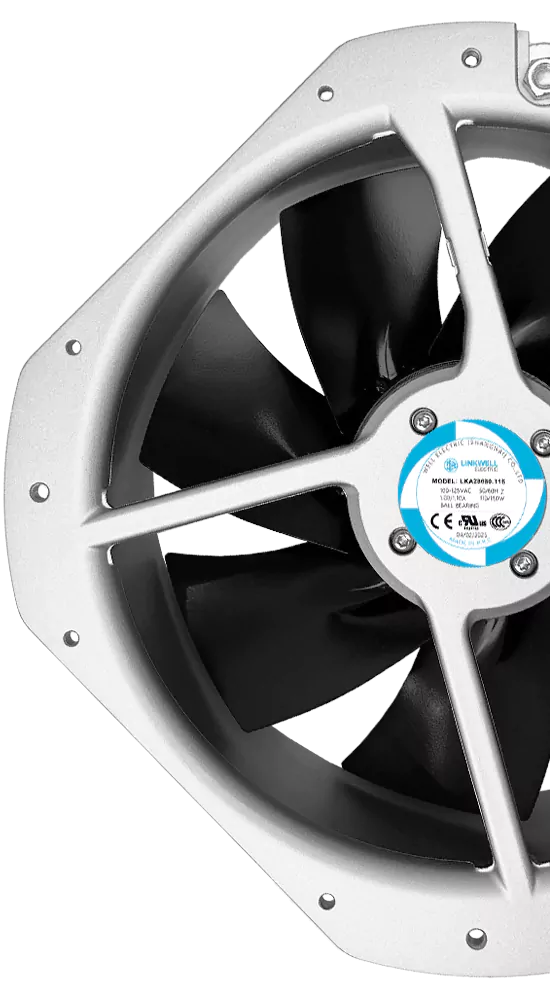
When you run a VFD, the cabinet heats up fast. This heat can cause big problems for your equipment. Industry studies show that heat is the main enemy of VFDs. If you let temperatures climb, you risk drive shutdowns or even damage to key parts. A well-chosen cooling fan for vfd cabinets helps move air across heatsinks and keeps everything running cool. Without the right cooling, you might face downtime, higher repair bills, or even shorter equipment life. Don’t just think about fan size or price—look at the whole picture to keep your VFD safe.
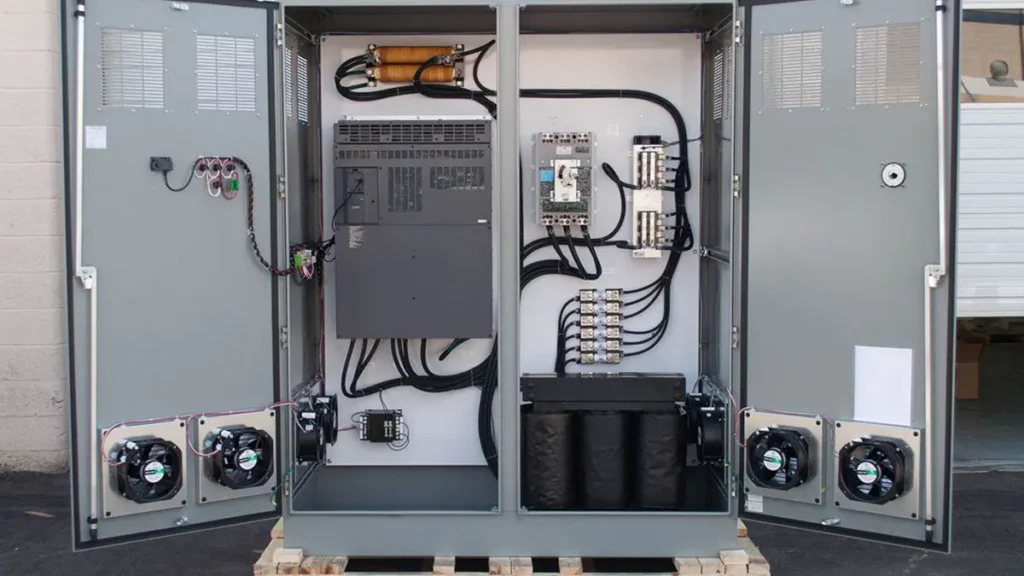
Key Takeaways
- Heat can harm VFD cabinets and make them stop working.
- Picking a good cooling fan keeps the cabinet cool and safe.
- Look at the cabinet’s size and shape to help air move well.
- Figure out how much heat is inside to pick the right fan.
- Pick the fan type (AC, DC, or EC) for what you need.
- Make sure the fan fits the cabinet’s voltage and weather.
- Clean filters often to keep air moving and stop dust.
- If it gets very hot, use air conditioners or heat exchangers for more cooling.
Understanding Variable Frequency Drive Cabinets
What Is a VFD Cabinet
You may wonder what is inside variable frequency drive cabinets. These cabinets keep all the important parts safe and in order. They help control how fast your motors spin. When you look inside, you will see:
- Rectifier: This part turns AC power into DC power.
- DC Bus or DC Link: It holds and balances the DC power.
- Inverter: This changes DC power back to AC at the right speed.
- Control Circuit: It takes commands and lets you change how your vfd works.
- Cooling System: This keeps everything cool so your equipment works well.
Each part does something special. All together, they help your vfd work safely and well.
Why Heat Builds Up
Heat is a big problem in variable frequency drive cabinets. When your vfd is on, lots of electricity moves through metal parts. This makes heat. The inverter and rectifier get hot because they work hard. Even the control circuits and filters make more heat inside the cabinet. If you do not remove this heat, things can break quickly.
Tip: If your cabinet feels hot, your cooling system may not be working well.
Common Internal Heat Sources
There are many things inside a vfd cabinet that make heat. Here are the most common ones:
- The air temperature around the cabinet
- Big amounts of current in metal wires
- Insulated gate bipolar transistors (IGBTs) that switch power fast
- Electrolytic capacitors that store and give out energy
- Power transistors and circuit boards
All these parts work together, but they also make the cabinet hotter. That is why you need a good cooling fan. It helps your vfd stay cool, last longer, and avoid expensive problems.
Why Cooling Fans Matter for VFD Cabinets
Heat Removal and Airflow
When you run a vfd, it creates a lot of heat inside the cabinet. If you do not remove this heat, things can go wrong fast. A good cooling fan helps push hot air out and bring cooler air in. This airflow keeps the temperature steady and stops heat from building up. If you let heat stay inside, you might see problems like:
- Damage to important parts
- Lower vfd efficiency
- Sudden shutdowns that stop your work
- More time spent on repairs and maintenance
You should also check the air filters and make sure nothing blocks the airflow. Clean filters help your cooling system work better. If you ignore this, heat and even humidity can build up. This can cause arcing or damage to the cabinet parts.
Tip: Always check that your cooling fan is running and that airflow is strong. This simple step can save you from big headaches later.
Component Protection
Your vfd has many electronic parts that do not like heat. When the temperature goes up, these parts can wear out faster. Cooling fans protect things like capacitors and semiconductors. If these get too hot, they might stop working or fail early. You want your vfd to last as long as possible, so keeping it cool is key.
- Too much heat can make capacitors dry out and lose power.
- Semiconductors can break down if they get too hot.
- If you keep the temperature right, your vfd will work better and last longer.
A strong cooling system with good airflow helps you avoid these problems. You do not want to replace expensive parts just because the cabinet got too hot.
Stable Operation
You want your vfd to run smoothly every day. Stable temperature control is a big part of this. If you keep the cabinet cool, your vfd will work the way it should. Heat is one of the biggest threats to vfd systems. When you manage the temperature well, you get:
- Fewer shutdowns
- Better control of your motors
- Less risk of sudden failures
Proper cooling and steady airflow help your vfd stay reliable. You can trust your equipment to do its job without surprises. Always remember, a cool cabinet means a happy vfd.
Cooling Fan Selection for VFD Cabinets
Assess Cabinet Size and Layout
You need to start by looking at the size and shape of your vfd cabinet. The way you arrange equipment inside affects how well your cooling fan for vfd cabinets works. If you pack parts too close, heat builds up fast. You want to leave space for air cooling to flow around every device. Think about these points:
- Cabinet size and shape decide how much cooling you need.
- Layout should let air move easily from the cooling fan to all hot spots.
- Check where the vfd sits. Some spots get hotter than others.
- Look at the local climate. If your cabinet sits in a dusty or humid area, you need special cooling options.
- Pick a maximum temperature that is lower than the most sensitive part inside. This keeps your vfd safe.
- Compare cooling methods. Sometimes air-cooled units work best, but you may need liquid cooling if heat load is high.
If you want to select the right fan, you must know your cabinet’s layout and size. This helps you match cooling capacity to your needs.
Calculate Heat Load
You must figure out how much heat your vfd makes. This step helps you select the right fan and cooling method. If you skip this, your cooling system may not have enough cooling capacity.
Power Dissipation
Every vfd turns some power into heat. Most vfd units lose about 2 to 3 percent of their rated output as heat. You can use a simple formula:
- Heat load (W) = vfd power (kW) x loss rate
For example, if your vfd is 30 kW and the loss rate is 2%, you get:
- Heat load = 30 x 0.02 = 0.6 kW or 600 W
If you want to use U.S. cooling terms, multiply watts by 3.41 to get BTU/hr. This helps you compare cooling options and cooling capacity.
Ambient Temperature
Ambient temperature matters a lot. If your cabinet sits in a hot room, you need more cooling. If the air outside is cool, your cooling fan for vfd cabinets works better. Always check the highest temperature your cabinet will face. This helps you select the right fan and cooling method. If you use liquid cooling, you must check the coolant temperature too.
You want to keep the enclosure cooling temperature lower than the most sensitive part inside. This protects your vfd and boosts cooling efficiency.
Determine Required Airflow (CFM)
Now you need to figure out how much airflow your cooling fan for vfd cabinets must provide. If you get this wrong, your vfd may overheat. You can use simple rules or exact formulas.
4 CFM per HP Rule
A quick way to select the right fan is to use the 4 CFM per HP rule. For every horsepower your vfd controls, you need about 4 cubic feet per minute (CFM) of airflow. If your vfd is 10 HP, you need 40 CFM. This rule works well for air-cooled units and helps you estimate cooling capacity fast.
CFM Calculation Formula
If you want to be more exact, use this formula:
| Method | Formula | Description |
|---|---|---|
| Airflow Calculation | Airflow = 600 / (1.2 x 1005 x 15) | This gives a target airflow based on heat load. |
| CFM Estimation | CFM = HP x 4 | Use this for quick sizing. |
| Exact Sizing | CFM = BTU/hr / (1.08 x Delta T deg F) | This helps you match airflow to heat dissipation capacity and temperature difference. |
You can use the BTU/hr value from your heat load calculation. If your vfd makes 2046 BTU/hr and you want a 20°F temperature rise, you need:
- CFM = 2046 / (1.08 x 20) ≈ 95 CFM
This helps you select the right fan and cooling method for your cabinet.
Static Pressure
You must check static pressure when you select the right fan. If your cabinet has filters or tight spaces, airflow drops. You need a fan with enough cooling capacity to push air through. If you use liquid cooling, check the pump pressure and flow rate. For air-cooled units, always check the fan’s static pressure rating.
Tip: Oversize your cooling fan by 15-25% to handle extra heat and keep your vfd safe. This boosts cooling efficiency and protects your equipment.
If you follow these steps, you can select the right fan for your vfd cabinet. You match cooling options, cooling method, and cooling capacity to your real requirements. This keeps your vfd cool and running strong.
Choose Fan Type and Specs
When you pick a cooling fan for vfd cabinets, you need to look at more than just size. You want to match the fan type and specs to your cabinet and your vfd needs. Let’s break down what matters most.
AC, DC, EC Fans
You have three main choices: AC, DC, and EC fans. Each one works a bit differently. You need to know which fits your vfd cabinet best.
- AC fans use alternating current. They are simple and cost less up front. You often see them in basic air cooling setups. AC fans need external controls, so they can get noisy and lose efficiency.
- DC fans run on direct current. They give you more control over speed and airflow. DC fans work well if you want quieter operation and better energy use.
- EC fans are the newest option. EC stands for electronically commutated. These fans combine the motor and controls in one unit. EC fans use less energy and let you control speed very precisely. They cost more at first, but you save money on energy and maintenance over time. EC fans work best when you need high efficiency and variable speed, like in HVAC or refrigeration.
EC fans are more efficient at lower speeds. If you want to save energy and keep your vfd cool, EC fans are a smart pick.
Here’s a quick look at fan efficiency:
| Fan Type | Efficiency Range |
|---|---|
| AC Fans | 70% – 88% |
| EC Fans | 80% – 90% |
Axial vs Centrifugal
You also need to choose between axial and centrifugal fans. Axial fans move air straight through. They work well for cabinets with low static pressure and short airflow paths. Centrifugal fans push air sideways and create higher pressure. If your cabinet has filters or tight spaces, centrifugal fans help keep airflow strong.
- Axial fans: Good for simple airflow and open layouts.
- Centrifugal fans: Better for cabinets with filters or complex layouts.
Voltage and Power
Check the voltage and power needs for your cooling fan for vfd cabinets. You want the fan to match your cabinet’s power supply. Most fans come in common voltages like 24V DC, 120V AC, or 230V AC. Pick a fan that fits your vfd cabinet’s wiring and power limits. If you use EC fans, you get more flexibility with voltage and speed control.
IP Rating
If your vfd cabinet sits in a harsh place, you need a fan with a strong IP rating. IP ratings show how well the fan resists dust and water. For dusty or wet areas, pick a fan with IP54 or higher. This keeps your cooling system safe and reliable.
Tip: Sealed enclosures with high IP ratings protect your vfd from dust, moisture, and other hazards.
Noise Level (Below 30dB)
You want your cooling fan to run quietly. Look for fans with noise levels below 30dB. This keeps your workspace comfortable and avoids extra stress on your equipment. EC fans usually run quieter than AC fans, especially at lower speeds.
Filter Needs
Filters help keep dust and dirt out of your vfd cabinet. If your cabinet sits in a dirty area, use a fan with a filter. Clean filters often to keep airflow strong. If you ignore filters, dust can block airflow and make your cooling system work harder.
Installation Position
Think about where you put your cooling fan. Place the fan near the hottest parts of your vfd cabinet. Make sure airflow moves across all key components. If you have more than one vfd, you may need extra fans or special placement to keep everything cool.
Continuous Operation
Your cooling fan needs to run as long as your vfd does. Pick a fan rated for continuous operation. This keeps airflow steady and protects your equipment from overheating. If your cabinet faces high heat or tough conditions, choose a fan built for heavy-duty use.
Forced-air cooling with fans is the most common way to keep vfd cabinets cool. Always check that your fan can handle the job for as long as your vfd runs.
Airflow Direction: Intake vs Exhaust
You need to decide if your cooling fan should pull air in (intake) or push air out (exhaust). Intake fans bring fresh air into the cabinet. Exhaust fans remove hot air. The best setup depends on your cabinet layout and where the heat builds up.
- Intake fans work well if you want to bring in cool air from outside.
- Exhaust fans help push hot air out and keep airflow moving.
If your cabinet has filters, place them on the intake side. This keeps dust out and protects your vfd. Make sure airflow moves from cool areas to hot spots. You want air cooling to reach every part that needs it.
Note: Always check the airflow path. Blocked vents or poor placement can cut airflow and make your cooling fan work harder.
Special Considerations
Some vfd cabinets need extra care. If your cabinet sits outdoors or at high altitude, you face special challenges.
High Altitude or Outdoor Use
At high altitude, air is thinner. You need more airflow to cool your vfd. Outdoor cabinets face dust, moisture, and big temperature swings. Use sealed enclosures with strong IP ratings. You may need extra cooling systems like heat exchangers or air conditioners.
- Use IP-rated enclosures for harsh conditions.
- Mount your vfd on a dedicated panel or use a fully enclosed cabinet with heat-exchange cooling.
Multi-Drive Panels
If you have more than one vfd in a cabinet, heat builds up fast. You need bigger fans or more fans to keep airflow strong. Place fans so air cooling reaches every drive. Oversize your cooling fan by 15-25% to handle extra heat.
Harmonics and Electrical Noise
Vfd cabinets can create electrical noise. Pick fans with good shielding and low electromagnetic interference. EC fans often have built-in controls that help reduce noise. If you use sensitive equipment, check that your cooling fan does not add extra electrical noise.
Always match your cooling fan for vfd cabinets to your real needs. Look at airflow, cooling, cabinet layout, and environment. This keeps your vfd safe and running strong.
AC, DC, and EC Fans Compared
AC Fan Features
You might see AC fans in many older or basic vfd cabinets. These fans use alternating current and have a simple design. They usually run at one fixed speed. You do not get much control over how fast they spin. AC fans are easy to install and cost less up front. If you want a basic cooling solution for your vfd, AC fans can do the job.
However, AC fans use more energy than other types. They often run less efficiently, which means they turn more electricity into heat instead of airflow. You may also notice that AC fans can get noisy, especially if you have a lot of them running at once. If you need quiet operation, AC fans might not be the best choice.
Here’s a quick look at how AC fans compare to EC fans in terms of efficiency:
| Fan Type | Efficiency Level |
|---|---|
| AC Fans | Lower (15%-50%) |
| EC Fans | High (75%-90%) |
Tip: AC fans work well for simple vfd setups, but they may cost more to run over time.
DC Fan Features
DC fans use direct current. You get more control with these fans. You can adjust their speed to match how much cooling your vfd needs. This helps save energy and keeps noise down. DC fans often run quieter than AC fans, which makes them a good pick for places where you want less sound.
You will find that DC fans last longer because they use less power and create less heat. They also give you better airflow control. If your vfd cabinet needs different cooling at different times, DC fans let you change the speed as needed. This flexibility can help your equipment last longer and work better.
EC Fan Features
EC fans use advanced technology. EC stands for electronically commutated. These fans combine the best parts of AC and DC fans. You get high efficiency, quiet operation, and smart speed control. EC fans use brushless motors, so they make less noise and need less maintenance.
You can adjust EC fans to run at any speed you want. This means you only use as much energy as you need to keep your vfd cool. EC fans last a long time and help you save money on energy bills. They also stay quiet, even when working hard.
- EC fans are great for energy savings.
- You do not need to service them as often.
- They keep your vfd running at the right temperature with less effort.
If you want the best performance and lowest energy use for your vfd cabinet, EC fans are a smart choice.
Application Suitability
Choosing the right fan for your VFD cabinet depends on how you plan to use it. Each fan type—AC, DC, or EC—has its own strengths. You want to match the fan to your needs, not just pick the first one you see.
Let’s break down where each fan shines:
- AC fans work well if you want something simple and reliable. You might pick these fans when you need your VFD cabinet to run all day, every day. AC fans cost less up front, so they fit tight budgets. You can trust them for basic cooling in factories or workshops. If you do not need fancy controls, AC fans get the job done.
- DC fans are your best friend when you care about noise. Maybe your cabinet sits near an office or a quiet workspace. DC fans run quietly and let you control the speed. You can turn them up or down to match the temperature inside your cabinet. If you want to keep things cool without a lot of sound, DC fans are a smart pick.
- EC fans stand out if you want to save energy and cut costs over time. These fans use smart controls. You can set them to run only as hard as needed. EC fans fit well in places that use building management systems. If you want to monitor your fans from far away or connect them to the internet, EC fans make it easy. They help you keep your VFD cabinet cool and your energy bills low.
Here’s a quick table to help you decide:
| Application Need | Best Fan Type | Why It Fits |
|---|---|---|
| Low budget, simple operation | AC Fan | Reliable, affordable, easy to use |
| Quiet workspace, speed control | DC Fan | Low noise, adjustable speed |
| Energy savings, smart control | EC Fan | High efficiency, remote monitoring, IoT ready |
Tip: If you use a traditional control system, stick with AC or basic DC fans. For smart buildings or advanced setups, EC fans give you more options.
You should also think about where your cabinet sits. If you have a dusty shop, pick a fan with a good filter. If your cabinet sits outside, look for a fan with a high IP rating. For cabinets that run many drives or need remote checks, EC fans with IoT support make life easier.
You do not have to guess which fan to use. Start with your main goal—saving money, keeping things quiet, or using smart controls. Match your fan to your needs, and your VFD cabinet will stay cool and safe.
Intake or Exhaust Airflow
Choosing the right direction for airflow in your VFD cabinet makes a big difference. You want to set up your cooling system so that it works with your cabinet, not against it. Let’s look at what you should think about before you decide on intake or exhaust.
Airflow Path Factors
Heat Source Position
Start by finding out where the most heat comes from inside your cabinet. Most of the time, the VFD itself and its power electronics create the most heat. Place your fan so that the airflow moves right across these hot spots. This helps your cooling system pull heat away fast. If you put the fan too far from the heat source, you might not get the best results.
Cabinet Layout
The way you arrange parts inside the cabinet changes how well your airflow works. If you pack everything close together, air can’t move easily. Try to leave space between parts so that cooling air can reach every corner. Make sure the airflow path is clear from the intake to the exhaust. You want air to flow in one direction, not swirl around and get trapped.
Tip: Always check that the airflow direction of your enclosure fan matches the VFD’s internal fan. This keeps your cooling system working smoothly.
Dust and Contaminants
Dust and dirt can block airflow and hurt your cooling system. If your cabinet sits in a dirty place, use filters on the intake side. This keeps dust out and protects your VFD. Clean the filters often so that airflow stays strong. If you ignore this, your cooling system might not work as well, and your cabinet could overheat.
Placement Best Practices
You want your cooling setup to last and work well. Here are some best practices for placing your fans and setting up airflow:
- Use ball bearing fans for longer life and better performance.
- Make sure your fan has its own stable power supply. This keeps your cooling system running even if other parts lose power.
- Shield signal cables to stop interference from VFD power wiring.
- Ground all metal frames properly. This helps avoid electrical problems that can shorten fan life.
- Check that the airflow direction lines up with the VFD’s own fan.
Here’s a quick table to help you remember:
| Best Practice | Why It Matters |
|---|---|
| Ball bearing fans | Longer life, reliable cooling |
| Independent power supply | Keeps airflow steady |
| Shielded signal cables | Reduces electrical noise |
| Proper grounding | Prevents common-mode issues |
| Aligned airflow direction | Boosts cooling efficiency |
If you follow these tips, your airflow will move heat out fast, and your cooling system will protect your VFD cabinet for years. Remember, a good airflow path is the heart of any strong cooling setup.
When Fans Aren’t Enough
High Ambient Temperature
Sometimes, you face a room that feels like an oven. If your vfd cabinet sits in a place where the air is always hot, fans alone may not keep things cool. You might notice the cooling fan working hard, but the temperature keeps rising. When the ambient temperature stays high, the fan just moves warm air around. Your vfd needs cooler air to stay safe.
You can try a few tricks. Place your cabinet away from heat sources. Open windows or doors if possible. Still, you may need more than just airflow. In these cases, you should look at enclosure air conditioning systems. These systems give you precise cooling and help your vfd stay at the right temperature. They work well in rooms with poor ventilation or where the heat never drops.
Tip: If you see your vfd shutting down often, check the room temperature. High ambient heat can cause trouble fast.
Sealed or Outdoor Cabinets
You might have a vfd cabinet outside or in a sealed space. Outdoor cabinets face sun, rain, and wind. Sealed cabinets protect against dust and water, but they trap heat inside. Fans cannot pull in fresh air if the cabinet is closed tight. Your cooling system needs a new plan.
Closed loop cooling helps here. This system keeps the air inside the cabinet separate from the outside. You use air conditioners or heat exchangers to remove heat from recirculated air. Closed loop cooling protects your vfd from weather and keeps the temperature steady. Air to air heat exchangers use heat pipe technology. They move heat outside without any moving parts. You get low maintenance and reliable cooling.
Here’s a quick list of options for sealed or outdoor cabinets:
- Closed loop cooling with air conditioners
- Air to air heat exchangers for low-maintenance cooling
- Enclosure air conditioning systems for precise temperature control
Dust, Moisture, Corrosive Environments
Dust, moisture, and chemicals can ruin your vfd cabinet. If your cabinet sits in a factory, near water, or in a place with harsh chemicals, fans may not be enough. Dust blocks filters and slows cooling. Moisture can cause rust or short circuits. Corrosive air eats away at metal parts.
You need a cooling system that keeps these dangers out. Sealed cabinets with closed loop cooling protect your vfd from dust and water. Air conditioners help control humidity and temperature. Heat exchangers work well in places with lots of dust because they do not need filters. Always check the IP rating of your cabinet and cooling system. Higher ratings mean better protection.
Note: If you see dust on your vfd or water inside the cabinet, upgrade your cooling system. Protect your equipment before problems start.
When to Use Air Conditioners or Heat Exchangers
Sometimes, a cooling fan just can’t keep your vfd cabinet cool. You might notice the temperature keeps rising, even with the fan running at full speed. This is when you need to think about using air conditioners or heat exchangers. These systems give you more control over the temperature inside your cabinet.
You should consider air conditioners or heat exchangers if you see any of these signs:
- The room or area around your vfd stays hot all day.
- Your vfd cabinet is sealed tight to keep out dust or water.
- You work in a place with lots of dust, moisture, or chemicals.
- The vfd keeps shutting down because of high temperatures.
- You have many drives in one cabinet, and the heat builds up fast.
Tip: If you touch the outside of your vfd cabinet and it feels very warm, your fan may not be enough. It’s time to look at stronger cooling options.
Let’s look at the two main choices:
- Air Conditioners:
These units cool the air inside your vfd cabinet. They work like the air conditioner in your house. You set the temperature, and the system keeps it steady. Air conditioners work best when you need to keep the inside much cooler than the air outside. They also help control humidity, which protects your vfd from moisture damage. - Heat Exchangers:
Heat exchangers move heat from inside the cabinet to the outside. They do not bring in outside air, so dust and water stay out. This makes them great for dirty or wet places. Heat exchangers use special technology, like heat pipes or plates, to transfer heat. They need less maintenance than air conditioners and use less energy.
Here’s a quick table to help you choose:
| Situation | Best Cooling Option |
|---|---|
| High outside temperature | Air Conditioner |
| Sealed or outdoor vfd cabinets | Heat Exchanger |
| Dusty or wet environments | Heat Exchanger |
| Need for precise temperature | Air Conditioner |
| Many vfd units in one cabinet | Air Conditioner |
You want your vfd to last a long time and work without problems. If you see signs that a fan is not enough, don’t wait. Upgrading to an air conditioner or heat exchanger can save you money and stress in the long run. Always match your cooling system to your real needs. This keeps your vfd safe, even in tough conditions.
Quick Reference Tables
Picking the right cooling fan for your VFD cabinet can feel hard. There are lots of things to think about. These tables make it simple. They show you what matters most. You can use them to match your cabinet to the best fan. This will help you choose faster and easier.
Selection Factors Table
Before you buy a cooling fan, check a few main things. The table below lists what you need to look at for each part. Use it like a checklist when you plan your cooling system.
| Selection Factor | What You Should Check |
|---|---|
| Cabinet Size | Measure width, height, and depth |
| Layout | Make sure air can flow around hot parts |
| Heat Load | Calculate total heat from VFD and other parts |
| Ambient Temperature | Know the highest temperature near the cabinet |
| Airflow (CFM) | Use rules or formulas to size your fan |
| Static Pressure | Check for filters or tight spaces |
| Fan Type | Choose AC, DC, or EC based on your needs |
| Voltage | Match fan voltage to your cabinet supply |
| IP Rating | Pick higher ratings for dust or water |
| Noise Level | Look for fans under 30dB for quiet spaces |
| Filter Needs | Add filters for dusty or dirty areas |
| Installation Position | Place fans near hot spots for best cooling |
| Continuous Operation | Make sure the fan can run as long as needed |
Tip: Pick a fan that is 15-25% bigger than you think you need. This helps with extra heat and keeps your VFD safe.
Cabinet Condition vs Fan Solution Table
Every VFD cabinet is a little different. The best fan depends on things like heat, room temperature, and dust. You cannot just check one thing. You need to look at everything together to find the right answer. Even if two cabinets look the same, they might need different fans if they are in different places.
Here is a table to help you match your cabinet to the right fan:
| Cabinet Condition | Recommended Fan Solution |
|---|---|
| Standard indoor, low dust | Basic AC or DC fan with standard filter |
| High heat load | Larger fan, consider EC for efficiency |
| High ambient temperature | High-capacity fan or add air conditioner |
| Dusty or dirty environment | Fan with high IP rating and good filter |
| Outdoor or wet location | Sealed fan, IP54 or higher |
| Multiple VFDs in one cabinet | Multiple fans or oversized main fan |
| Sealed or closed cabinet | Use heat exchanger or air conditioner |
| Sensitive electronics nearby | Low-noise EC or DC fan |
Note: Always look at all the things together. The right fan keeps your VFD cool, safe, and working longer.
These tables give you a quick way to check your choices. Use them when you plan your next VFD cabinet project!
Common Mistakes in Fan Selection
Ignoring Heat Load
You might think any fan will do the job, but skipping the heat load calculation is a big mistake. If you do not check how much heat your vfd creates, your cooling system can fall short. When you ignore the real heat load, the temperature inside the cabinet can go above safe limits. This puts your vfd at risk.
Every 10°C rise above the rated temperature can cut the life of your vfd’s parts in half. Electrolytic capacitors and power semiconductors get stressed and may fail early. You could see your equipment break down much sooner than you expect. Proper cabinet cooling is the number one thing that keeps your vfd running for years. If you skip this step, you create a cycle where heat keeps building up and parts keep wearing out.
Tip: Always check the drive’s maximum temperature and match your cooling fan to the real heat load.
Wrong Fan Type or Voltage
Choosing the wrong fan type or voltage can cause a lot of trouble. You might pick a fan that does not match your cabinet’s power supply. If you do, the fan may not start, or it could burn out. Some fans run on AC, others on DC. You need to check what your vfd cabinet uses before you buy.
Picking the wrong type of fan can also mean poor cooling. For example, an axial fan might not push enough air through a cabinet with filters. A centrifugal fan works better in tight spaces or with high static pressure. If you choose the wrong fan, your vfd may still overheat, even if the fan is running.
Here’s a quick table to help you remember:
| Mistake | What Can Happen |
|---|---|
| Wrong voltage fan | Fan fails or does not start |
| Wrong fan type | Not enough cooling, hot spots |
No Filter in Dusty Areas
Dust is a silent enemy for your vfd cabinet. If you skip the filter, dust can get inside and block airflow. This makes your cooling fan work harder and less air reaches the hot parts. Over time, dust can cover heatsinks and electronic parts. Your vfd will run hotter and may shut down or fail.
You should always use a filter if your cabinet sits in a dusty place. Clean the filter often to keep cooling strong. A dirty or missing filter can turn a good cooling system into a weak one.
Note: A simple filter can save you from big repair bills and keep your vfd safe.
Poor Placement
You might think any spot inside your VFD cabinet works for a cooling fan. That’s not true. Poor placement is one of the biggest mistakes you can make. If you put the fan in the wrong place, you won’t get good airflow. Hot air stays trapped. Your VFD heats up fast. You risk shutdowns and expensive repairs.
Let’s break it down. When you install a fan, you want air to move across all the hot parts. If you hide the fan in a corner or behind wires, the airflow gets blocked. Heat builds up near the VFD and other electronics. Sometimes, people put fans too high or too low. That means the air doesn’t reach the spots that need cooling most.
Here are some signs your fan placement isn’t working:
- You feel hot spots inside the cabinet.
- The VFD shuts down even though the fan runs.
- Dust collects near the fan, but not on other parts.
- Airflow feels weak when you check the vents.
Tip: Always place your fan near the main heat source. Make sure nothing blocks the airflow path.
You can follow a few simple rules to avoid poor placement:
- Put the fan close to the VFD or other hot components.
- Make sure the airflow goes from cool areas to hot spots.
- Keep wires and cables away from the fan’s path.
- Use intake and exhaust fans to create a clear airflow direction.
- Check that filters and vents are easy to reach and clean.
Here’s a quick table to help you remember where to place your fan:
| Placement Rule | Why It Matters |
|---|---|
| Near heat source | Removes heat quickly |
| Clear airflow path | Stops air from getting trapped |
| Away from obstructions | Keeps airflow strong |
| Easy access to filters | Makes cleaning simple |
If you follow these steps, you get better cooling. Your VFD stays safe. You spend less time fixing problems. Don’t let poor placement ruin your cabinet. Take a few minutes to plan where your fan goes. You’ll thank yourself later.
Note: If you’re not sure about the best spot, ask an expert or check the cabinet manual. Good placement makes all the difference.
Buyer’s Checklist for Fan Selection
Cabinet Size and Layout
Start your checklist by looking at the size and shape of your cabinet. You want to know the width, height, and depth. These numbers help you pick the right cooling fan. If your cabinet is big, you need more airflow. If it is small, you might get by with a smaller fan.
Think about how you arrange the parts inside. If you pack everything close together, air cannot move well. Leave space for air to flow around your vfd and other hot parts. Try to keep wires and cables neat. This helps your cooling system work better. If you have more than one vfd in the cabinet, you may need extra fans or a bigger fan.
Tip: Draw a simple sketch of your cabinet. Mark where the hot spots are. This makes it easier to plan your cooling setup.
VFD Power and Heat Sources
Next, check the power of your vfd. The more power your vfd uses, the more heat it makes. You want to know the total power in kilowatts or horsepower. This number helps you figure out how much cooling you need.
Look for other things that make heat. Power supplies, relays, and even lights can add to the heat load. Add up all the heat sources. If you skip this step, your cooling fan might not keep up. Your vfd could get too hot and shut down.
A good rule is to use about 4 CFM (cubic feet per minute) of airflow for every horsepower your vfd controls. If you have a 10 HP vfd, you need at least 40 CFM of airflow. If you have more than one vfd, add up the horsepower for all of them.
Voltage and Airflow Needs
Now, check the voltage for your cooling fan. You want the fan to match your cabinet’s power supply. Most fans use 24V DC, 120V AC, or 230V AC. Pick the one that fits your setup. If you choose the wrong voltage, the fan will not work or could get damaged.
Airflow is just as important as voltage. You need enough airflow to keep your vfd cool. Setting the right minimum speed for your fan makes sure you get enough cooling. If the fan runs too slow, your vfd might overheat. If you set the speed too high, you waste energy and make more noise.
Here’s what you should keep in mind:
- Always set a minimum speed for your cooling fan.
- Make sure the fan can move enough air for your vfd.
- Check that the fan’s airflow matches your cabinet’s needs.
- Good airflow helps cool the fan motor and keeps your vfd safe.
- The right setup means your cooling system works well every day.
If you follow these steps, you will have a cooling system that matches your cabinet, your vfd, and your workspace. You will avoid shutdowns and keep your equipment running longer.
Ambient and Environmental Factors
You can’t pick the right cooling fan for your vfd cabinet if you ignore the world around it. The air, dust, and even the weather can change how your cooling system works. Let’s look at what you need to check before you buy.
First, think about the temperature in the room or area where your vfd cabinet sits. If your cabinet is in a hot factory, your cooling fan will have to work harder. If you place your cabinet near a window with sunlight, the inside can heat up fast. Always check the highest temperature your cabinet might face. This helps you choose a cooling fan that can keep up.
Next, look at the humidity. High humidity can cause water to build up inside your cabinet. This can damage your vfd and other electronics. If you work in a place with lots of moisture, you need a cooling fan that can handle it. Some fans come with special coatings or seals to keep water out.
Dust and dirt are big problems too. If your cabinet sits in a woodworking shop or near machines that make dust, your cooling fan will pull that dust inside. Dust can block airflow and make your vfd run hot. You should use a fan with a good filter. Clean the filter often to keep your cooling system strong.
Don’t forget about chemicals or fumes. Some factories have air that can eat away at metal or plastic. If you know your cabinet will face harsh chemicals, pick a cooling fan made for tough jobs. These fans last longer and protect your vfd better.
Here’s a quick checklist to help you remember:
- Check the highest and lowest temperatures near your cabinet.
- Look for high humidity or water in the air.
- Watch out for dust, dirt, or sawdust.
- Notice if there are chemicals or fumes in the area.
- Think about outdoor weather if your cabinet sits outside.
Tip: If you see dust or water inside your cabinet, your cooling system needs an upgrade.
You want your vfd to last a long time. The right cooling fan helps you fight heat, moisture, and dirt. Always match your cooling system to the real world around your cabinet. This keeps your vfd safe and your equipment running strong.
Conclusion
Choosing the right cooling fan for your VFD cabinet is not only about fan size. You also need to consider heat load, airflow, static pressure, voltage, installation space, dust level, ambient temperature, and the cabinet’s working environment. A well-matched cooling fan can help protect the VFD, reduce heat buildup, and keep the control system running reliably.
At LINKWELL, we manufacture AC fans, DC cooling fans, EC fans, axial fans, centrifugal fans, cabinet fans, enclosure fans, and custom cooling fan solutions for industrial applications. Share your VFD cabinet size, heat source, voltage, airflow requirement, installation position, and working environment with our team. We can help you choose a suitable cooling fan solution and provide a quotation based on your project needs.
FAQ
How do I know if my VFD cabinet needs a bigger fan?
If your cabinet feels hot or your VFD shuts down often, you probably need a bigger fan. You can check the temperature inside. If it goes above the safe limit, upgrade your fan.
Can I use any fan for my VFD cabinet?
No, you can’t use just any fan. You need a fan that matches your cabinet’s voltage, airflow needs, and environment. Always check the specs before you buy.
How often should I clean or replace the fan filter?
You should check the filter every month. If you see dust or dirt, clean or replace it right away. Clean filters help your fan work better and keep your VFD safe.
What does IP rating mean for cooling fans?
IP rating shows how well a fan resists dust and water. For example:
| IP Rating | Protection Level |
|---|---|
| IP20 | Basic, indoor use |
| IP54 | Dust and splash safe |
| IP65 | Dust tight, water jet |
Pick a higher rating for tough spots.
Is a noisy fan a problem?
Yes, a noisy fan can mean trouble. It might be working too hard or have a problem. Fans under 30dB are best for quiet spaces. If your fan gets loud, check for dust or damage.
Can I use more than one fan in a cabinet?
Yes, you can use more than one fan. This helps cool big cabinets or those with many VFDs. Place fans so air moves across all hot parts. You get better cooling this way.
What should I do if my cabinet is outside?
You need a fan with a high IP rating. Use sealed fans and add filters. For very hot or wet places, think about using a heat exchanger or air conditioner.