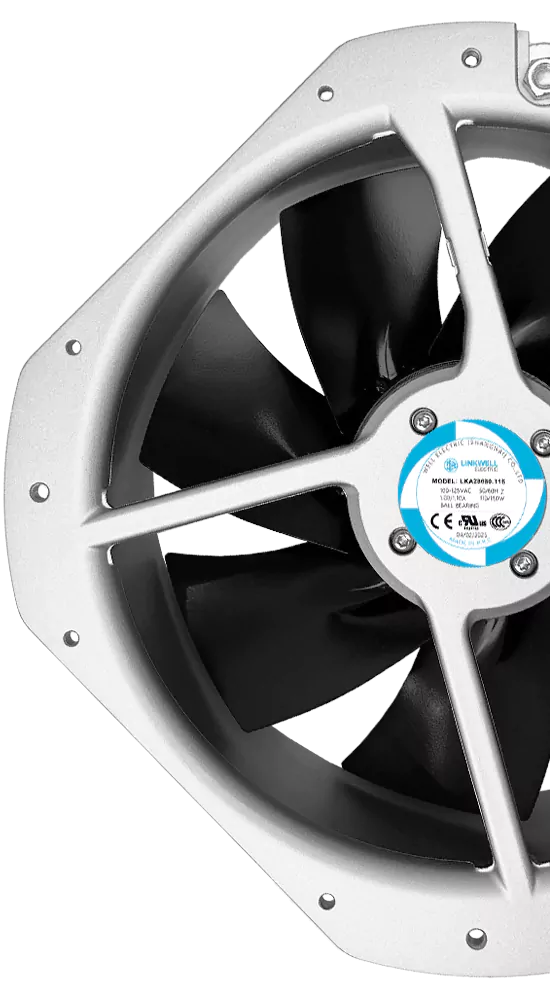
Choosing the right Centrifugal Fan Type can make a big difference for your hvac and ventilation systems. You may want a fan that moves a lot of air and gives strong pressure. Or you might care more about a fan that is quiet and easy to put in. A centrifugal fan pulls air in and spins it out with spinning blades. Each fan type moves air in its own way. For example, forward-curved fans fit in small spaces. Backward-curved fans are good for quiet rooms. Radial fans are best for dirty air. Aerofoil fans work well in clean air places. You should pick a fan that matches what you really need.
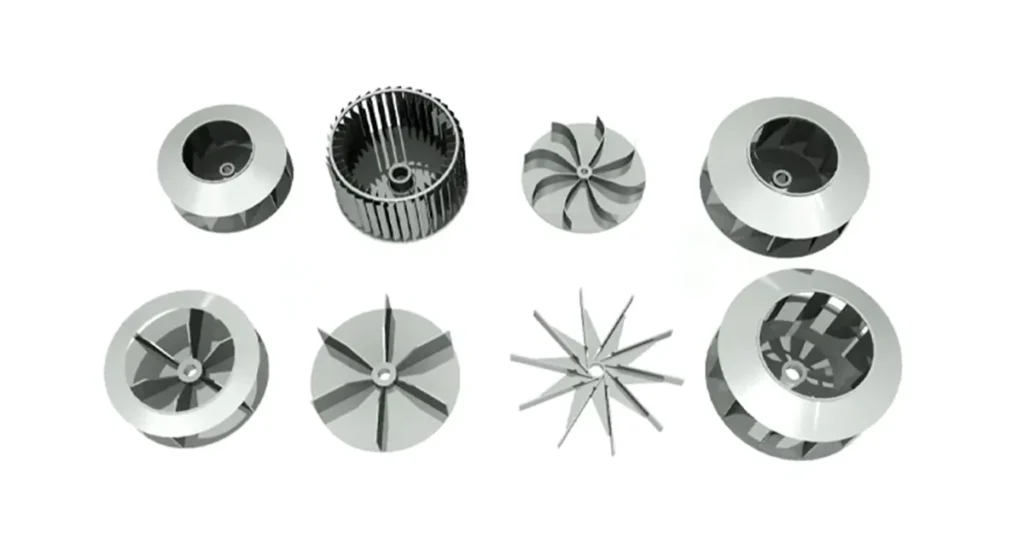
Key Takeaways
- Centrifugal fans are important for HVAC and ventilation systems. They give strong airflow and pressure for many uses.
- Pick the right fan type for your needs. Radial fans work well with dirty air. Forward-curved fans are quiet. Backward-curved fans are good for saving energy.
- Know your airflow and pressure needs before you pick a fan. This helps your system work its best.
- Think about the motor type. AC fans are good for steady work. DC fans use less energy. EC fans are smart and very efficient.
- Always check the fan’s size and space needs. This stops problems when installing and makes sure air moves well.
- Clean and check your fan often to keep it working longer.
- Use fan curves to match your airflow and pressure needs. This stops weak air and too much noise.
- If you need something special, talk to experts. They can help design a fan that fits your space and job.
Centrifugal Fan Overview
What Is a Centrifugal Fan
You might wonder how a centrifugal fan is different from other fans. A centrifugal fan pulls air into the middle. Then it pushes the air out to the side. The spinning blades, called an impeller, do this job. This fan gives stronger airflow and higher pressure than many other fans. This design helps move air through long ducts or around things in the way.
Centrifugal fans are great for hard jobs. You often see them in factories where there is dust or fumes. They can handle dirty air better than most other fans. Some people call them industrial blowers because they work in big buildings and workshops.
Let’s see how centrifugal fans and axial fans are different:
| Feature | Axial Fan | Centrifugal Fan |
|---|---|---|
| Airflow Direction | Air moves straight through | Air turns 90° from the center |
| Pressure Capability | Makes less pressure | Makes more pressure |
| Main Benefit | Moves lots of air at low pressure | Good for dust or high pressure |
| Common Use | Cooling and open spaces | Ducts, exhaust, and dusty places |
You can see centrifugal fans are better when you need to move air in tough spots.
Air Movement Principle
Centrifugal fans use a simple but strong idea. The impeller spins fast. Air goes into the center. The blades throw the air out to the side. This pushes the air out at a right angle. You get a strong blast that can go through ducts or filters.
Axial fans move air straight through. Centrifugal fans change the air’s direction. This gives higher pressure and works better for hard jobs. You can use centrifugal fans when you need to push air through long ducts or filters.
Here’s a table to show how each fan moves air:
| Fan Type | Air Movement Direction | Pressure Generation | Common Applications |
|---|---|---|---|
| Axial Fans | Air moves straight | Low pressure | Exhaust, cooling towers, ventilation |
| Centrifugal Fans | Air moves to the side | High pressure | Ducts, air handling units |
Tip: If you need a fan for a hard job, like moving air through filters or dust, a centrifugal fan is usually best.
Now you know why centrifugal fans are used so much in factories. They give you the power and choices you need for tough jobs.
Types of Centrifugal Fans
There are four main types of centrifugal fans. Each type has its own shape and strength. Each type works best in certain places. Let’s look at the most common types of industrial fans. This will help you choose the right one for your job.
Radial Centrifugal Fan Type
Radial centrifugal fans are tough and simple. The blades stick straight out from the center. They look like the spokes on a wheel. This design lets the fan handle dirty air and dust. It can even handle small bits of debris without getting clogged.
This centrifugal fan type makes high pressure. It moves less airflow than other types. Here is what you get with a radial centrifugal fan:
- High pressure with low or moderate airflow.
- Up to 50% more static pressure than forward-curved fans.
- Handles airflow up to 4000 m³/h. This works well in mining and heavy industry.
Radial centrifugal fans are not very quiet. They make more noise and use more energy than some other types. But they last a long time. They keep working in tough places.
Here is a quick look at how radial centrifugal fans compare to other types:
| Fan Type | Peak Efficiency | Key Characteristic |
|---|---|---|
| Airfoil | 85–90% | Highest efficiency, lowest noise |
| Backward Curved | 80–85% | Non-overloading, industrial standard |
| Radial | 60–70% | Lower efficiency, higher noise, rugged design |
| Forward Curved | 60–65% | Compact, quiet, lowest efficiency |
When should you use a radial centrifugal fan?
- You need a fan for dirty air, dust, or fumes.
- You want a fan that can handle tough jobs and keep running.
- You care more about pressure than quiet operation.
Tip: If you work in mining, cement, or places with harsh air, this is the best centrifugal fan for you.
Forward-Curved Centrifugal Fan Type
Forward-curved centrifugal fans are also called squirrel cage fans. The blades curve in the same direction as the fan spins. The design looks like a paddlewheel inside a round or square case. This centrifugal fan type is very common in buildings.
You get lots of airflow with this fan. It does not make much pressure. That makes it good for moving air in big spaces with little resistance. Here is where you will find forward-curved centrifugal fans:
- HVAC systems like air handling units and fan coil units.
- Ventilation in offices, apartments, and shopping centers.
- Cooling electronics such as computers and servers.
- General ventilation in gyms, warehouses, and factories.
Why do people pick this centrifugal fan type? Here are the main reasons:
- High airflow capacity.
- Lower noise levels.
- Cost-effective for large spaces.
But there are some limits. Forward-curved centrifugal fans do not work well when you need high pressure. They are less energy-efficient than backward-curved fans. This is true if you try to push air through filters or long ducts.
- Efficiency is usually between 55% and 65%.
- Best for low-pressure, high-airflow systems.
- Not great for high-resistance or high-pressure jobs.
Note: If you want a quiet, affordable fan for a big room or a cooling system, this is the best centrifugal fan for you.
Backward-Curved Centrifugal Fan Type
Backward-curved centrifugal fans have blades that curve away from the direction of rotation. This shape helps the fan control airflow better. It also loses less energy. You will see this centrifugal fan type in many industrial and commercial systems.
These fans are more efficient than forward-curved or radial types. Some backward-curved centrifugal fans can reach up to 85% efficiency. This means you save energy and money over time. They also handle higher pressures. You can use them in systems with filters, long ducts, or things that block airflow.
Here is a quick look at the advantages and limits:
| Advantages | Limitations |
|---|---|
| Higher efficiency | Higher noise levels |
| Better performance at higher pressures | Higher initial cost |
| Suitable for clean air and dusty environments | Application limitations |
| Size variety | Maintenance considerations |
| Long-term cost savings | N/A |
You will find backward-curved centrifugal fans in both clean and dusty places. They work well in air handling units and industrial ventilation. They are also used in some HVAC systems. If you need a fan that can handle pressure and save energy, this is the best centrifugal fan for you.
- Curved blade design improves airflow control.
- Higher efficiency means lower energy bills.
- Great for high-pressure applications.
Tip: Choose this centrifugal fan type if you want a balance of power, efficiency, and long-term savings.
Now you know the main types of centrifugal fans. Each centrifugal fan type has its own strengths. Think about your airflow needs, the air quality, and how much pressure you need. This will help you pick the best centrifugal fan for your job.
Aerofoil Centrifugal Fan Type
If you want the best in efficiency and quiet operation, you should take a close look at the aerofoil centrifugal fan type. This fan uses blades shaped like airplane wings. The special shape helps the fan move air smoothly and with less drag. You get strong airflow and high pressure, but you also get lower noise. That’s a big win if you care about comfort and energy bills.
How does the aerofoil blade work?
The blade has a curved front and a flat back, just like a wing. When the impeller spins, the air flows over the blade and speeds up. This design gives you top performance. You get more air for every bit of power you use. The fan does not waste much energy as heat or noise.
Let’s break down the main features:
- Structure:
The blades have a thick front edge and a thin back edge. This shape cuts through the air and reduces resistance. The fan housing is usually round and smooth, which helps airflow. - Airflow and Pressure:
Aerofoil centrifugal fans can move a lot of air at high pressure. You can use them in big HVAC systems, clean rooms, or places where you need steady airflow. The fan keeps its performance even if you add filters or long ducts. - Efficiency:
You get the highest efficiency with this fan type. Some models reach up to 90% efficiency. That means you save money on power and get more work done with less energy. - Noise:
Aerofoil fans are known for being quiet. The smooth blade shape cuts down on turbulence. You hear less humming or buzzing, even at high speeds. If you compare noise levels, you’ll see how aerofoil fans stand out:Blade DesignNoise LevelBackward Curved BladesLower Noise LevelsForward Curved BladesHigher Noise LevelsSymmetrical BladesPeriodic NoisesAerofoil blades often perform even better than backward curved blades for noise. You can use these fans in offices, hospitals, or labs where quiet matters. - Advantages:
- Top performance in both airflow and pressure
- Very high efficiency (up to 90%)
- Low noise, even at high speeds
- Long service life due to less wear and tear
- Great for clean air applications
- Limitations:
- Not the best choice for dirty or dusty air
- Higher initial cost than other fan types
- Needs regular cleaning to keep top performance
- Can be larger in size, so you need enough space
Best-use scenarios:
You should pick an aerofoil centrifugal fan when you want the best performance and quiet operation. These fans shine in:
- Hospitals and clinics
- Clean rooms and labs
- High-end HVAC systems
- Data centers
- Any place where you need steady airflow and low noise
Tip: If you want a fan that gives you strong performance, saves energy, and keeps things quiet, the aerofoil centrifugal fan type is your best bet.
You can see why many engineers and building owners choose this fan. You get reliable performance, less noise, and lower energy bills. Just remember to keep the air clean and give the fan enough space. That way, you get the most out of your investment.
Centrifugal Fan Motor Types
When you choose a centrifugal fan, you also need to think about the motor. The motor type affects how much control you have. It also changes how much energy you use and where you can put the fan. There are three main motor types: AC, DC, and EC. Each one works best in different ways.
AC Centrifugal Fan
AC centrifugal fans are the most common kind. You can plug them into your building’s power. They run at one speed and give steady airflow. You do not need extra controllers for simple jobs. This makes them easy to use and very reliable.
Advantages of AC Fans:
- Simple to set up with AC power
- Good for big jobs that need lots of power
- Gives steady airflow at one speed
Limitations:
- Uses more energy than DC or EC fans
- Hard to change the speed (needs extra parts)
- Can be louder and make more electrical noise
You will see AC centrifugal fans in many places. Some examples are kitchens, labs, parking garages, paint booths, and office HVAC systems. Here is a table that shows where you might use them:
| Application | Typical Fan Type | Air Changes per Hour (ACH) |
|---|---|---|
| Commercial Kitchen | Centrifugal upblast | 15–20 |
| Laboratory / Fume Hood | Centrifugal upblast or inline | 6–12 |
| Parking Garage | Sidewall centrifugal or inline | 6–8 |
| Industrial Paint Booth | Centrifugal with explosion-proof | 50–100+ |
| General Office HVAC | Inline centrifugal or downblast | 4–6 |
Tip: If you want a simple fan for a big job and do not need to change the speed, AC fans are a good choice.
DC Centrifugal Fan
DC centrifugal fans use low-voltage power. You often find them in electronics or small machines. These fans use less energy than AC fans. You can change their speed, but you need a special controller.
Why pick a DC fan?
- Saves more energy
- Good for small and medium equipment
- You can change the speed with extra parts
What should you watch out for?
- Needs a special power supply
- Needs a controller to change speed
Here is a table that compares DC and EC fans:
| Feature | DC Fan | EC Fan |
|---|---|---|
| Power Supply | Low-voltage DC | AC input (converted to DC inside) |
| Controller | External (optional) | Built-in electronics |
| Speed Control | Needs external driver | Built-in (0–10V, PWM, Modbus) |
| Efficiency | High | Very high (smart modulation) |
| Application | Small-medium devices | Small to large HVAC and ventilation |
Note: DC fans are good if you want to save energy and change the speed, but you need to add extra parts.
EC Centrifugal Fan
EC centrifugal fans are the newest and smartest kind. They use brushless DC motors with built-in electronics. You can plug them into AC power, but they work on DC inside. EC fans save the most energy and give you the most control.
Why do people love EC fans?
- Up to 70% more efficient than AC fans
- Built-in speed control (no extra parts needed)
- Runs quietly, even at low speeds
- Needs less fixing because there are fewer moving parts
You can change the speed with a simple signal. This makes EC fans great for modern HVAC and places where you want to save energy.
| Advantage | Description |
|---|---|
| Greater efficiency | Uses less energy for the same airflow |
| Reduced maintenance costs | No belts or pulleys to replace |
| Increased controllability | Easy speed changes built in |
| Lower noise levels | Runs quietly, even at slow speeds |
| Better energy ratings | Can help your building get a better energy score |
Tip: If you want the best mix of control, quiet, and energy savings, EC centrifugal fans are the best choice for new systems.
Centrifugal Fan Type Comparison
Blade Types Comparison
Different centrifugal fan blades work in different ways. Each blade type gives you its own mix of airflow, pressure, and noise. You need to pick the right blade for your job to get the best results.
Here’s a table to help you compare:
| Fan Type | Airflow Characteristics | Static Pressure Efficiency | Noise Level |
|---|---|---|---|
| Forward-Curved | High airflow at low speeds | 55-65% | Moderate |
| Backward-Inclined/Curved | High efficiency, non-overloading curve | 75-85% | Low |
| Radial | Good for dirty air, lower efficiency | N/A | High |
Forward-curved fans push lots of air at low speed. You see them in HVAC systems. They are good for big rooms but can make motors work too hard if not used right. Backward-curved fans are efficient and quiet. They save energy and keep airflow steady. These fans are smart for saving energy. Radial fans are strong for dirty air and tough jobs. They are not as efficient, but they last longer in rough places. You might use them for dust or fumes.
Tip: Always check the air quality and pressure before picking a blade for your fan.
Motor Types Comparison
The motor you choose changes how your fan works and how much it costs. You should think about control, price, and saving money over time.
Here’s a table showing the main differences:
| Feature | AC Centrifugal Fan | EC Centrifugal Fan |
|---|---|---|
| Initial Cost | 20–40% lower upfront price | Higher (integrated electronics) |
| Efficiency | 50–70% (typical) | 80–90% (typical) |
| Speed Control | Needs extra controller | Built-in electronic control |
| Maintenance | More wear over time | Very low, fewer wear parts |
| Lifetime Cost | Higher total ownership cost | Lower total cost (energy + maintenance) |
AC fans are cheaper at first and easy to use. You need extra parts to change their speed. EC fans cost more at the start but save money later. They use less energy and need less fixing. You can change their speed easily.
Note: EC fans are popular for new jobs because they save energy and need fewer repairs.
Key Differences Summary
You want to pick the best fan for your job. Here is a quick list to help you remember:
- Forward-curved blades: Good for lots of airflow, low pressure, and clean air.
- Backward-curved blades: Great for high efficiency, quiet places, and saving energy.
- Radial blades: Strong for dirty air and tough jobs, but louder.
- AC motors: Cheaper at first, simple, but less efficient and need more parts for control.
- EC motors: Cost more at first, but give you top efficiency, easy control, and lower bills.
When you choose your fan, think about airflow, pressure, noise, control, and cost. Pick the fan that fits your job best. If you are not sure, you can ask a fan expert for help.
Application Scenarios
HVAC Systems
Centrifugal fans are used a lot in hvac systems. They help move air through ducts, filters, and vents. You need the right fan to keep your building safe and comfortable. Some fans work best in air handling units. Others fit inside small ducts or do hard jobs like removing fumes.
Here’s a table that shows where each fan type is used in hvac:
| Centrifugal Fan Type | Common Applications |
|---|---|
| General Centrifugal Fans | HVAC air handling units, dust collection, cabinet cooling, fume extraction, exhaust |
| Ducted Centrifugal Fans | Air handling systems with resistance from ducts, filters, or other components |
| Inline Centrifugal Fans | Tight spaces in grow rooms, labs, light industrial exhaust, compact hvac ducts |
Pick the right fan for your hvac job. If you have long ducts or lots of filters, ducted centrifugal fans are best. Inline fans fit well in small spaces. General centrifugal fans work for most standard hvac needs. Knowing about fan types helps you get the best results.
Tip: Always match the fan type to your hvac system’s airflow and pressure needs.
Electrical Enclosures
Electrical enclosures can get hot quickly. You need to keep electronics cool so they last longer. Centrifugal fans are great for this job. They make high static pressure, so they push air even when the box is crowded. These fans move cool air over hot parts and stop heat from building up.
Centrifugal fans help in electrical enclosures by:
- Pushing air through tight spaces and packed wires.
- Keeping electronics from getting too hot.
- Working well even when airflow faces lots of resistance.
Use the right fan for your enclosure. If you have a small box with many parts, a compact centrifugal fan fits well. For bigger cabinets, you need a stronger fan to keep things cool. Keeping electronics cool means fewer breakdowns and longer life.
Industrial Equipment
Industrial equipment needs strong fans. You deal with dust, heat, and sometimes chemicals. The right fan keeps machines running and air clean. Centrifugal fans are great for tough jobs.
You use these fans in many ways:
- Cooling electrical parts from ovens or kilns
- Ventilating rooms or factories
- Moving air through long ducts with bends
- Handling dusty or hot air in food plants or wastewater plants
- Drying ink in printing or silkscreen shops
Radial blades are good for dirty air. Backward inclined blades are efficient for clean or lightly dusty air. Forward inclined blades are quiet but don’t work well with dust. Pick the fan that matches your job. In hvac systems, you often need steady airflow even when filters or bends make it harder.
Centrifugal fans, sometimes called squirrel cage fans, move small amounts of air against high resistance. This makes them perfect for many industrial jobs. You want your fan to last, so always choose the right one for your hvac system and equipment.
Note: The right fan keeps your machines cool, your air clean, and your work safe.
Refrigeration & Filtration
Keeping things cool and clean is very important in many jobs. Centrifugal fans help a lot in both refrigeration and filtration systems. These fans move air through coils, filters, and ducts. When you need steady airflow and strong pressure, these fans do the job well.
Let’s see why these fans are good for these systems:
| Feature | Description |
|---|---|
| High Pressure Generation | Centrifugal fans make high pressure. This is needed to push air through ducts. |
| Performance at Higher Static Pressure | They keep working well even when pressure is high. This is great for HVAC systems. |
| Energy Efficiency and Control | With special drives, you can change the airflow. This saves energy and gives better control. |
You can find these fans in walk-in coolers, freezers, and air filters. They push air through small spaces and thick filters. This keeps the temperature even and the air clean. If you want to save energy, use fans with speed controls. You can change the airflow to fit your needs. This gives you more control and lower power bills.
Tip: If your system has many filters or long ducts, pick a centrifugal fan that can handle high pressure. You will get better cooling and cleaner air.
Automation & Machinery Cooling
Modern machines and robots work hard and get hot fast. You need a cooling system that works well. Centrifugal fans are great for this job. They give cooling right where you need it.
Here’s why these fans are smart for machines and robots:
- Centrifugal fans are made for jobs that need focused cooling. This makes them good for machines in factories.
- They make high pressure, which helps cool things down. This is important when air cannot move easily.
- The shape of centrifugal blowers lets them cool small spots. This helps keep machines at the right temperature.
You can put these fans inside control panels, near motors, or on hot spots. They push cool air into tight places and stop parts from getting too hot. This helps your machines last longer and break down less.
Note: If you want your machines to last, do not forget cooling. A well-placed centrifugal fan can really help.
Application vs Fan Type Table
Picking the right fan can be hard. Here is a table to help you match jobs with the best centrifugal fan type:
| Application Area | Recommended Fan Type | Key Benefit |
|---|---|---|
| HVAC Air Handling | Forward-curved, Backward-curved | Quiet, efficient airflow |
| Electrical Enclosures | Compact backward-curved | High pressure in small spaces |
| Industrial Equipment | Radial, Backward-curved | Handles dust, strong airflow |
| Refrigeration & Filtration | Backward-curved, Aerofoil | High pressure, energy efficiency |
| Automation & Machinery Cooling | Radial, Backward-curved | Focused spot cooling, reliability |
Use this table as a quick guide. Think about how much air you need, how much pressure, and how much space you have. The right fan will help your systems work well and last longer.
Industrial Fan Selection Guide
Airflow & Pressure Needs
When you pick a centrifugal fan, you need to know how much air you want to move and how hard it is to push that air through your system. This is where airflow and pressure come in. If you get these wrong, your fan might not work well, or it could even fail.
Start by figuring out how much air your space or equipment needs. This is called the airflow requirement. You measure it in cubic feet per minute (CFM) or cubic meters per hour (m³/h). Next, look at what the air has to move through. Ducts, filters, and bends all add resistance. This resistance is called static pressure. If your system has lots of filters or long ducts, you need a fan that can handle higher pressure.
Here’s a quick table to help you see what matters most:
| Key Criteria | Description |
|---|---|
| Airflow Requirements | Know the volume of air you need to move. This is the first step in picking a fan. |
| Static Pressure | Check how much resistance your system has. Ducts, filters, and equipment all add pressure. |
| Operating Environment | Think about temperature, humidity, dust, or chemicals. These can change what fan you need. |
| Energy Efficiency | Choose a fan that uses less power for the same job. This saves money over time. |
| Future Expansion | Plan for growth. Pick a fan that can handle more if your needs go up later. |
You can follow these steps to make a smart choice:
- Figure out how much air you need to move and how much pressure your system creates.
- Look at fan performance curves. These show how much air a fan can move at different pressures.
- Pick a fan type that matches your airflow and pressure needs. Some fans are better for high pressure, while others are best for lots of airflow.
Tip: Always check your system’s airflow and pressure before you buy a fan. This helps you avoid costly mistakes and keeps your equipment running smoothly.
Voltage & Power
Voltage and power are just as important as airflow. If you choose the wrong voltage, your fan might not work right or could even break. Always match the fan’s voltage to your local power supply. This makes sure your fan runs safely and lasts longer.
Here’s what you should keep in mind:
- Pick a fan with the right voltage for your building or factory. This helps your fan work at its best and saves energy.
- Using the correct voltage also keeps your equipment safe and cuts down on repairs.
- AC fans are easy to install because they connect right to the power grid. This makes them reliable for big jobs.
- Make sure you check the frequency (like 50Hz or 60Hz) and phase (single or three-phase) to match your local setup.
- Good motor protection is a must. It keeps your fan safe from power surges or other problems.
If you get the voltage and power right, your fan will run better, last longer, and cost less to maintain.
Note: Always double-check voltage, frequency, and phase before you order a fan. This simple step can save you a lot of trouble later.
Speed Control
Sometimes you need to change how fast your fan runs. Maybe your system needs more air at some times and less at others. Speed control lets you adjust the fan to fit your needs. This can save energy and make your system last longer.
There are a few ways to control fan speed:
| Method | Benefits |
|---|---|
| Step-down transformers | Lower energy use, better performance, longer fan life |
| Diac and Triac control | Big energy savings, more efficient operation |
| Capacitance adjustments | Helps with design and keeps the fan running well over time |
When you pick a speed control method, think about:
- How much airflow and pressure you need at different times
- How much space you have for controls
- How much noise you can allow
- How clean the air is in your system
Tip: Fans with built-in speed control, like EC fans, make it easy to adjust airflow and save energy. If you want more control and lower bills, look for fans with smart speed options.
Choosing the right fan is not just about size. You need to think about airflow, pressure, voltage, and how you want to control the speed. Take your time with these steps, and you’ll get a fan that works well for years.
Space & Mounting
You need to think about where you will put your fan. Space and mounting can change everything. If you have a small area, you might run into problems with big fans. Centrifugal fans usually need more room. They often come with a larger housing and sometimes need extra support to stay in place.
Here are some things you should keep in mind:
- Centrifugal fans take up more space than axial fans. You might need a bigger spot for installation.
- These fans can be heavy. You may need to add support brackets or a strong base.
- If you have a tight space, it can be hard to fit a centrifugal fan. Axial fans are smaller and lighter. They fit better in narrow or low-profile spots.
- Some centrifugal fans need extra room for the air to enter and exit. Make sure nothing blocks the airflow.
- You should check the mounting options. Some fans can go on the floor, wall, or ceiling. Others need a special frame.
Tip: Always measure your space before you pick a fan. If you have strict height or width limits, look for a compact model or consider an axial fan.
If you plan ahead, you can avoid headaches during installation. You want your fan to fit well and work safely. Take a look at your space, think about how you will mount the fan, and choose the right size and shape for your job.
Reliability & Budget
You want your fan to work every day without problems. You also want to spend your money wisely. Let’s talk about how you can get both.
Reliability means your fan keeps running, even in tough spots. You do not want breakdowns or surprises. If your fan stops, your whole system can fail. That can cost you time and money. Here’s how you can check if a fan is reliable:
- Look for fans with strong bearings and sturdy blades.
- Check if the fan has a good warranty. A longer warranty often means better quality.
- Ask about the fan’s rated life hours. Some fans last 20,000 hours. Others can run for 60,000 hours or more.
- See if the fan can handle your environment. Hot, dusty, or wet places need tougher fans.
- Choose fans from brands with a good reputation. Read reviews or ask other users.
Budget is just as important. You want a fan that fits your wallet, but you do not want to buy the cheapest one and regret it later. Here’s how you can balance cost and quality:
- Think about the total cost, not just the price tag. Cheap fans can break faster and cost more to fix.
- Energy use matters. A fan that saves power can pay for itself over time.
- Maintenance costs add up. Fans that need less fixing save you money.
- Sometimes, spending a little more at the start gives you a fan that lasts longer and works better.
Here’s a table to help you compare:
| Factor | Low-Cost Fan | High-Reliability Fan |
|---|---|---|
| Upfront Price | Lower | Higher |
| Lifespan | Shorter | Longer |
| Maintenance | More frequent | Less frequent |
| Energy Efficiency | Lower | Higher |
| Warranty | Short or none | Longer, more coverage |
| Total Cost Over Time | Can be higher | Usually lower |
Tip: Don’t just look at the price. Think about how much the fan will cost you over its whole life.
Checklist for Reliability & Budget:
- Does the fan have a strong warranty?
- Is the brand known for quality?
- How many hours is the fan rated for?
- Can the fan handle your environment?
- What is the energy rating?
- How much will you spend on repairs or parts?
- Does the fan fit your budget now and later?
If you want a fan that works for years, pick one that matches your needs and your budget. Sometimes, the best value is not the cheapest fan. It is the one that keeps your system running and saves you money in the long run.
Note: If you are not sure, ask for advice. A fan expert can help you find the right balance between reliability and budget.
Centrifugal Fan vs Axial Fan
Key Differences
You might wonder how these fans are not the same. Both fans move air, but they do it in different ways. Centrifugal fans pull air in and push it out to the side. Axial fans move air straight through the fan. This main difference changes how each fan works and where you use them.
Let’s look at a table to see the main differences:
| Fan Type | Airflow Direction | Pressure Level | Volume Displacement | Applications |
|---|---|---|---|---|
| Axial Fan | Parallel to the axis | Low | High | Cooling towers, ventilation systems |
| Radial Fan | Perpendicular to the axis | High | Low | HVAC systems, industrial processes |
Axial fans move a lot of air but do not make much pressure. You see them in cooling towers, big rooms, and open spaces. Centrifugal fans, also called radial fans, make higher pressure. They push air through ducts, filters, and places with things in the way.
Here is a simple list to help you remember:
- Axial Fans: Move lots of air, best for open spaces and cooling.
- Centrifugal Fans: Push air through obstacles, great for ducts and tough jobs.
You can find axial fans in building ventilation, exhaust systems, and electronics cooling. Centrifugal fans are used in HVAC systems, dust collection, and fume extraction.
When to Use Centrifugal Fans
You should use centrifugal fans when you need more power to move air through tight spaces or filters. These fans work best when air has to go through things that slow it down. If your system has long ducts, bends, or many filters, centrifugal fans do the hard work.
Here is a table that shows when each fan works best:
| Factor | Centrifugal Fans | Axial Fans |
|---|---|---|
| Pressure and Airflow | Ideal for higher static pressure and airflow | Better for lower noise and compact designs |
| Space Constraints | Requires more space and custom housings | More compact design |
| Environmental Conditions | Suitable for harsh or dusty environments | Not specified for harsh conditions |
You might pick a centrifugal fan for:
- HVAC systems with filters and long ducts
- Dust collection in factories
- Fume extraction in labs
- Material handling where air needs to move through obstacles
Axial fans are best for:
- Building ventilation
- Cooling towers
- Data centers
- Electronics and automotive cooling
Tip: If your system needs to push air through things or work in dirty air, centrifugal fans are your best choice. Axial fans are perfect for moving lots of air in open spaces.
You can make your choice easier by thinking about your space, air quality, and how much pressure you need. Centrifugal fans give you power and work well for tough jobs. Axial fans keep things simple and quiet for cooling and ventilation.
Common Selection Mistakes
Size Only Selection
You might think picking a bigger fan always means better airflow. That is not true. Many people choose a fan just by looking at the size. They forget about other important things. If you pick a fan that is too big, you can waste energy and money. If you pick one that is too small, your system will not get enough air. Both choices can lead to problems like loud noise, poor performance, or even equipment failure.
Here is a quick table that shows some common mistakes when choosing a centrifugal fan:
| Mistake | Description |
|---|---|
| Ignoring Static Pressure | Failing to consider the static pressure can lead to inadequate airflow and system inefficiency. |
| Wrong Voltage or Size | Incorrect sizing or voltage can result in insufficient airflow, increased noise, and potential equipment failure. |
| Overlooking Ducts/Filters | Neglecting to account for ducts and filters can create extra resistance, affecting fan performance and longevity. |
You should always check the airflow needs and match the fan size to your system. Do not guess. Use the numbers from your project or ask an expert if you are not sure.
Tip: Bigger is not always better. The right size gives you the best results.
Ignoring Pressure
Static pressure is a big deal when you pick a centrifugal fan. Many people forget about it. They only look at airflow numbers. If you ignore pressure, your fan might not push air through ducts, filters, or bends. Your system can end up weak or noisy.
Static pressure is the force the fan needs to move air against obstacles. Ducts, filters, and grilles all add resistance. If you do not count these, your fan will not work right. You might get less air than you need. Your equipment could even wear out faster.
Always check the total pressure your system needs. Look at the fan’s performance curve. Make sure the fan can handle both the airflow and the pressure. This step keeps your system strong and reliable.
Note: Ignoring pressure is one of the top reasons fans fail in real jobs.
Mixing Blade & Motor Types
You might see many blade shapes and motor types. It can be tempting to mix and match. That is not a good idea. Each blade and motor type works best for certain jobs. If you mix them without thinking, you can get poor results.
For example, a forward-curved blade works well for low pressure and clean air. A radial blade is better for dirty air and high pressure. AC motors are simple and steady. EC motors give you speed control and save energy. If you put the wrong blade on the wrong motor, you might get too much noise, low efficiency, or even damage.
Always match the blade type and motor to your job. Read the specs. Ask questions if you are not sure. The right combo gives you the best airflow, pressure, and energy savings.
Tip: Do not mix and match just because you can. Choose the right pair for your needs.
Overlooking Fan Curves
You might see a lot of numbers and charts when you shop for a fan. One of the most important charts is the fan curve. Many people skip this part. They just look at the size or the airflow. That is a big mistake. If you want your ventilation to work well, you need to check the fan curve.
A fan curve shows how much air a fan can move at different pressures. It is like a map for your ventilation system. The curve tells you if the fan can handle the job. If you ignore the fan curve, your ventilation might not work as you expect. You could end up with weak airflow or too much noise.
Let’s break it down. Every ventilation system has resistance. Ducts, filters, and bends all make it harder for air to move. The fan curve helps you see if the fan can push air through all that resistance. If you pick a fan without checking the curve, you might get a fan that cannot handle your ventilation needs.
Here is what can happen if you overlook fan curves:
- Your ventilation system might not move enough air.
- The fan could run too hard and wear out fast.
- You might hear loud noises from the fan.
- The ventilation could cost more to run.
- Your space might stay stuffy or too hot.
You do not want these problems. You want your ventilation to keep your space fresh and safe. Always ask for the fan curve when you buy a fan. Look at the airflow and pressure your ventilation system needs. Match those numbers to the fan curve.
Here is a simple table to help you remember:
| What You Do | What Happens to Ventilation |
|---|---|
| Check the fan curve | Good airflow, quiet operation |
| Ignore the fan curve | Weak airflow, noise, high costs |
Tip: If you are not sure how to read a fan curve, ask your supplier. They can help you pick the right fan for your ventilation system.
You can make your ventilation work better just by looking at the fan curve. It is a small step that makes a big difference. Do not skip it. Your ventilation will thank you.
Buyer Information Checklist
Fan Size & Dimensions
You want your fan to fit just right. Before you buy, grab a tape measure. Check the space where you plan to put the fan. Write down the length, width, and height. Don’t forget to measure the opening for airflow, too. If you skip this step, you might end up with a fan that’s too big or too small.
Here’s a quick checklist for fan size:
- Measure the space for the fan.
- Check the size of the mounting holes.
- Look at the fan’s inlet and outlet size.
- Make sure there’s room for wires and connectors.
Tip: Always leave a little extra space around the fan. This helps with airflow and makes installation easier.
You can also ask the supplier for a drawing or spec sheet. This will show you the exact size and shape. If you have a tight spot, look for compact or low-profile fans.
Voltage & Power
Fans need the right power to work well. You should check your building’s voltage before you order. Most fans use AC or DC power. Some common voltages are 110V, 220V, or 24V. If you pick the wrong voltage, your fan might not run or could get damaged.
Here’s a table to help you match voltage and power:
| Power Supply Type | Common Voltages | Where You See It |
|---|---|---|
| AC | 110V, 220V | Homes, offices, factories |
| DC | 12V, 24V, 48V | Electronics, vehicles |
| EC | 110V, 220V | Modern HVAC, green builds |
You should also check the fan’s power rating. This tells you how much energy the fan uses. If you want to save money, look for fans with high efficiency.
Note: Always match the fan’s voltage to your power supply. If you’re not sure, ask an electrician or the supplier.
Airflow & Pressure
Airflow and pressure are the heart of any fan job. Airflow tells you how much air the fan moves. Pressure tells you how hard the fan can push air through ducts or filters. You need both numbers to pick the right fan.
You can find airflow in CFM (cubic feet per minute) or m³/h (cubic meters per hour). Pressure is usually in Pa (pascals) or inches of water (inH₂O).
Here’s what you should do:
- Figure out how much air your space or equipment needs.
- Check if you have long ducts, filters, or bends. These add pressure.
- Ask for the fan’s performance curve. This shows how much air the fan moves at different pressures.
| What to Check | Why It Matters |
|---|---|
| Airflow (CFM/m³/h) | Keeps your space cool or fresh |
| Pressure (Pa/inH₂O) | Pushes air through obstacles |
Tip: If you have lots of filters or long ducts, pick a fan with higher pressure. For open spaces, focus on airflow.
If you get these numbers right, your fan will work better and last longer.
Application & Space
You want your fan to fit your job and your space. Every application has its own needs. Maybe you need a fan for a small control box. Maybe you need one for a big air handler in a factory. You should always match the fan to your real-world use.
Start by thinking about what you want the fan to do. Do you need to cool electronics? Are you moving air in a long duct? Will the fan handle dust, fumes, or just clean air? Each job needs a different kind of fan. If you pick the wrong one, you might get poor airflow or even damage your equipment.
Next, look at your space. Measure the spot where you want to put the fan. Some fans need more room because they have a big housing. Others fit in tight spaces. If you have a small cabinet, you need a compact fan. If you have lots of room, you can use a larger, more powerful model.
Here’s a quick checklist to help you:
- What is the main job for your fan? (cooling, exhaust, filtration, etc.)
- How much space do you have for the fan?
- Are there any obstacles near the fan’s inlet or outlet?
- Do you need the fan to fit inside a box, on a wall, or in a duct?
- Will the fan need to move air around corners or through filters?
Tip: Always check for enough clearance around the fan. Blocked airflow can make the fan noisy or less effective.
You can also use a table to compare your options:
| Application Type | Space Available | Best Fan Shape | Notes |
|---|---|---|---|
| Small enclosure | Limited | Compact, inline | Choose low-profile models |
| Large air handler | Plenty | Standard housing | Bigger fans, more airflow |
| Duct installation | Moderate | Inline, ducted | Check duct size and shape |
| Wall/ceiling mount | Varies | Panel, box, round | Look for easy mounting holes |
If you plan ahead, you can avoid problems during installation. You will save time and money. You will also get better performance from your fan.
Note: If you are not sure which fan fits your space, ask your supplier for a drawing or a 3D model. This makes planning much easier.
Always match your fan to your application and your space. This step helps you get the best results and keeps your system running smoothly.
Quantity & Delivery
When you buy centrifugal fans, you need to think about how many you need and when you want them delivered. If you skip this step, you might run into trouble later. You could end up with too few fans or get them too late for your project. Let’s make sure you get it right.
First, count how many fans your job needs. Are you replacing old fans or starting a new project? Write down the exact number. If you need different sizes or types, list each one. Suppliers love clear orders. You save time and avoid mistakes.
Next, check your timeline. When do you need the fans? Some projects need fans fast. Others can wait. If you have a tight schedule, tell your supplier early. They can help you plan and avoid delays.
Here’s a simple checklist to help you:
- How many fans do you need?
- What types and sizes?
- Do you need them all at once or in batches?
- When is your deadline?
- Where should the fans be delivered?
- Do you need special packaging or shipping?
Tip: Always ask your supplier about lead times. Some fans take longer to build or ship. If you need custom fans, plan for extra time.
Let’s look at a table that shows what to check for quantity and delivery:
| What to Check | Why It Matters |
|---|---|
| Total Quantity | Avoids shortages or over-ordering |
| Delivery Date | Keeps your project on schedule |
| Delivery Location | Ensures fans arrive where needed |
| Packaging Needs | Protects fans during shipping |
| Batch Delivery | Helps with phased installations |
If you order a large number of fans, you might get a better price. Ask your supplier about bulk discounts. If you need fans for different sites, tell them where each batch should go. Clear instructions help everyone.
Sometimes, you need fans shipped overseas or to remote locations. Ask about shipping options. Some suppliers offer express delivery or special packaging. If your fans need to arrive by a certain date, mark it on your order.
You can also use this quick list before you place your order:
- Number of fans needed
- Types and sizes for each fan
- Delivery schedule and deadlines
- Delivery address for each batch
- Special shipping or packaging requests
If you follow these steps, you get the right fans at the right time. Your project runs smoothly. You avoid last-minute surprises. Suppliers appreciate clear orders, and you get better service.
Note: Good planning for quantity and delivery saves you money and stress. Always double-check your order before you send it.
LINKWELL Fan Solutions
AC, DC, EC Centrifugal Fans
When you need a reliable centrifugal fan, LINKWELL has you covered. You can choose from AC, DC, or EC centrifugal fans. Each type gives you something special. AC fans work well for steady jobs and simple setups. DC fans help you save energy and fit into smaller devices. EC fans give you the best of both worlds—high efficiency and easy speed control.
Here’s a quick look at what you get with each type:
| Fan Type | Best For | Key Benefit |
|---|---|---|
| AC | General ventilation | Simple and robust |
| DC | Electronics, automation | Energy saving |
| EC | Modern HVAC, upgrades | Smart control, quiet |
You can find LINKWELL fans in HVAC systems, control panels, and even in tough industrial spaces. If you want a fan that lasts, LINKWELL builds them with strong materials and quality motors. You get peace of mind knowing your fan will keep working.
Tip: Not sure which motor type fits your job? You can always ask LINKWELL for advice.
Axial Fans & Custom Solutions
Sometimes you need more than a standard fan. LINKWELL also offers a full line of axial fans. These fans move lots of air and fit into tight spaces. You might use them for cooling electronics, ventilating rooms, or keeping machines from overheating.
Do you have a tricky project? LINKWELL can help you with custom fan solutions. You can share your airflow needs, space limits, or special requests. LINKWELL’s team will work with you to design a fan that fits just right. You get a solution that matches your job, not just a one-size-fits-all product.
- Need a special voltage? LINKWELL can make it.
- Want a fan with a unique size or shape? They can build it.
- Looking for extra protection against dust or water? LINKWELL has options.
Note: Custom fans can save you time and money by fitting your system perfectly.
Selection & Quotation Support
Choosing the right fan can feel tricky. LINKWELL makes it easy for you. You can reach out to their team for help with selection. Just tell them about your application, airflow needs, and space. They will suggest the best fan for your job.
You can also get a fast quote. LINKWELL responds quickly and gives you clear pricing. If you need technical drawings or data sheets, they can send those too. You get all the info you need to make a smart choice.
Here’s how LINKWELL supports you:
- Free selection advice
- Fast and clear quotations
- Technical support and drawings
- Help with shipping and delivery
Ready to find your fan? Contact LINKWELL with your project details. You’ll get expert help every step of the way.
Conclusion
Choosing the right centrifugal fan makes your system work better and last longer. You should always match the fan type to your job. Here’s a quick checklist for you:
- Know your airflow and pressure needs
- Check voltage and space
- Think about noise and control
- Pick a trusted brand
Need help? Reach out to LINKWELL with your project details. You’ll get expert advice and a fast quote!
FAQ
What is the main difference between centrifugal and axial fans?
You get air pushed out to the side with a centrifugal fan. An axial fan moves air straight through. Centrifugal fans work better for high pressure and dirty air. Axial fans move more air in open spaces.
How do I know which centrifugal fan type I need?
Think about your job. Need high pressure or dirty air? Pick a radial fan. Want quiet and efficient airflow? Try backward-curved or aerofoil. For big spaces with low resistance, use forward-curved.
Can I control the speed of my centrifugal fan?
Yes! You can use EC or DC fans for easy speed control. Some AC fans need extra parts. Speed control helps you save energy and match airflow to your needs.
Are centrifugal fans noisy?
Some are, but not all. Aerofoil and backward-curved fans run quietly. Radial fans make more noise. You can lower noise by picking the right fan and installing it well.
What maintenance do centrifugal fans need?
You should clean the blades and check for dust. Look at the bearings and listen for strange sounds. Tighten any loose parts. Regular checks help your fan last longer.
Can I use centrifugal fans outdoors?
Yes, you can. Make sure you pick a fan with the right IP rating for water and dust. Ask your supplier for outdoor models.
How do I order the right size fan?
Measure your space. Check your airflow and pressure needs. Tell your supplier about your job. They can help you pick the best size.
What does EC mean in EC centrifugal fans?
EC stands for Electronically Commutated. These fans use smart motors. You get high efficiency, quiet running, and easy speed control. They work well in modern HVAC systems.