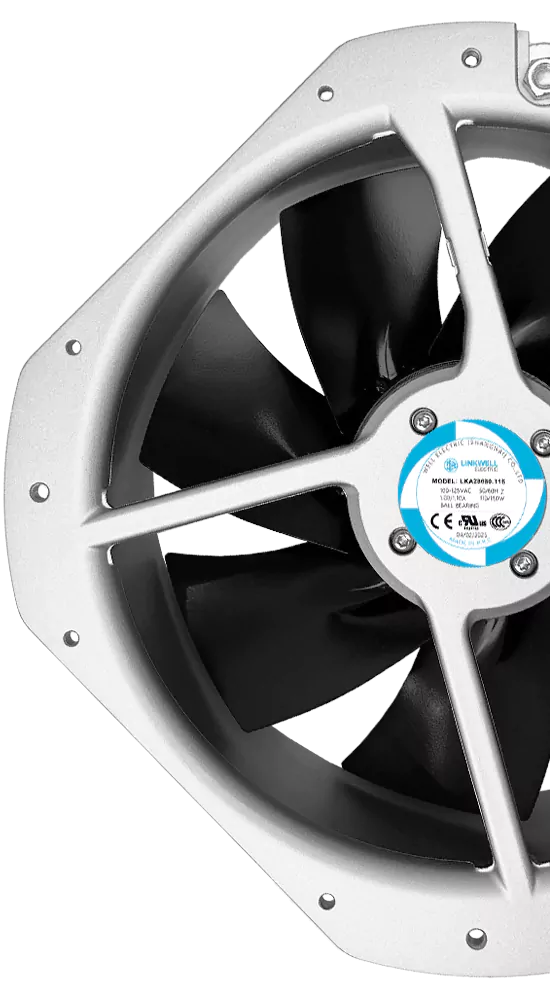
You might wonder what is a dc axial fan. This type of cooling fan uses dc power to spin blades and push airflow straight along the fan’s shaft. You’ll often see these fans in electronics and industrial spaces because they provide reliable cooling and ventilation. DC axial fans play a huge role in keeping devices safe and efficient.
Key Takeaways
- DC axial fans use direct current to turn the blades. The blades push air straight along the fan’s axis.
- These fans save energy and use much less power than AC fans. They can use up to 70% less power. This helps save money on electricity bills.
- DC axial fans are quiet when they run. This makes them good for bedrooms, offices, and libraries.
- They last a long time, usually between 50,000 to 100,000 hours. This means you do not need to replace them often.
- You can control the speed and change how much air the fan moves. This makes things more comfortable and saves energy.
- DC axial fans can be used in many ways. People use them for cooling electronics, machines, and home appliances.
- The fan works best when it is put in the right way. Good installation and alignment help the fan move air and cool things well.
- Cleaning and taking care of the fan often helps it last longer. This also keeps the fan working well.
What Is A DC Axial Fan
Definition
You might ask, what is a dc axial fan? This type of fan uses direct current, or dc, to power a motor that spins blades. These blades move air in a straight line, right along the shaft of the fan. When you look at an axial fan, you see that the air comes in from one side and goes out the other, following a direct path. That’s why people call it an axial fan—the air flows along the axis.
Airflow Direction
The direction of airflow in a dc axial fan makes a big difference in how well it cools things down. Here’s what happens:
- The airflow can be either smooth (laminar) or mixed up (turbulent).
- Turbulent airflow helps transfer heat better than smooth airflow. This means your devices stay cooler.
- The way you set up the fan and the parts around it changes how the air moves. Good design means better cooling.
So, when you use a dc fan, you get strong, straight airflow that works well for cooling and ventilation.
Main Purpose
You might wonder, what is a dc axial fan really for? The main job is to keep things cool and make sure air moves where you need it. In factories and offices, these fans help keep machines and rooms at the right temperature. In smaller spaces, they run quietly and use less energy. In bigger places, they move a lot of air and last a long time.
Cooling And Ventilation
A dc axial fan does more than just blow air. It helps with both cooling and ventilation in many ways:
- It moves a lot of air without using much power, so you save energy.
- You find these fans in HVAC systems and data centers, where keeping things cool is super important.
- The straight airflow makes them perfect for cooling electronic parts and pushing hot air out.
- They run quietly, which is great if you need a peaceful space.
- The small size means you can fit them almost anywhere, and they usually cost less than other types of fans.
If you want to know what is a dc axial fan, just remember: it’s a cooling fan that uses dc power to push air straight through, keeping your devices and spaces cool and fresh.
DC Axial Fan Components
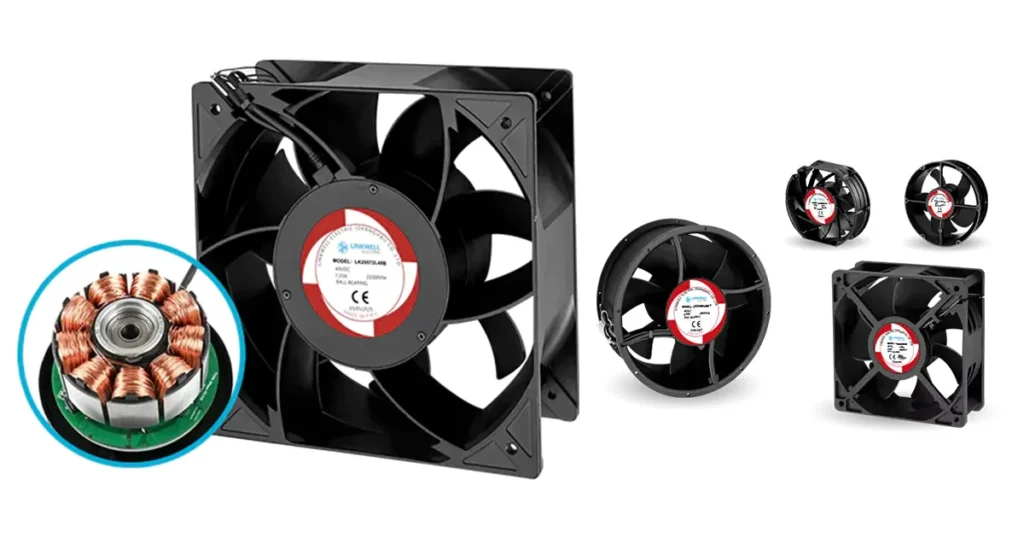
Inside a DC axial fan, you find three main parts. These are the motor, the fan impeller, and the casing. Each part does something important. Let’s look at how they help move air and keep things cool.
Motor
The motor is the main part of the DC axial fan. It takes electricity and turns it into movement. This movement spins the fan blade. When the blade spins, air starts to move.
DC Power Supply
The motor uses direct current, or DC, for power. DC is found in batteries and electronics. Most DC axial fans use a brushless DC motor or an electronically commutated motor. These motors work well and waste less energy.
Here’s a table showing common motor types and how efficient they are:
| Motor Type | Efficiency Rating |
|---|---|
| Brushless DC Motor (BLDC) | 80-90% |
| Electronically Commutated | 75-90% |
The motor acts like a small air pump. It spins the fan blade and makes air flow.
Fan Impeller
The fan impeller is the spinning part with blades. Some people call it the “fan blade assembly.” This part grabs air and pushes it straight through the fan.
Blade Design
The way each fan blade is made matters a lot. The shape, angle, and number of blades change how much air moves and how much pressure is made. The blades work like tiny wings. They cut through air and give energy to the air particles.
Here’s a table showing how blade design affects performance:
| Performance Outcome | Description |
|---|---|
| Airflow | Blade shape and size decide how much air moves. |
| Static Pressure | Blade changes can make the fan push harder. |
| Power Demand | Good blade design uses less power to move more air. |
| Vibration Response | Blade shape can lower noise and help the fan last longer. |
The direction of the fan blade is important. In a DC axial fan, blades push air along the axis. This is good for cooling electronics and spaces with little resistance.
Casing
The casing holds all the parts together. It keeps the motor and impeller in place. It also helps guide the airflow.
Structure And Mounting
Casings are made from different materials. Aluminum is light and easy to use. Stainless steel works well in tough places. Cast aluminum is safe for hot areas and resists sparks.
| Material | Influence on Durability |
|---|---|
| Aluminum | Durable, reliable, lightweight, easy to use |
| Stainless Steel | Works well in harsh environments |
| Cast Aluminum | Spark-resistant, safe for hot places |
The casing makes it easy to mount the fan where you want. Good mounting keeps the fan steady and helps it work better.
Tip: When all these parts work together, your DC axial fan moves air smoothly and keeps things cool. The motor spins the blade, the impeller pushes air, and the casing keeps everything safe and steady.
How Axial Fans Work
Understanding how axial fans work helps you see why they are so important for cooling and ventilation. Let’s break down the process step by step.
DC Power Operation
When you turn on a dc fan, the process starts with electricity. The fan uses a direct current power source, which you often find in batteries or electronic devices. Here’s what happens inside:
- The dc power flows into the fan’s motor.
- As the current moves through the motor’s conductor, it creates a magnetic field.
- This magnetic field interacts with another fixed magnetic field inside the fan.
- The silicon steel sheets in the fan help create magnetic poles. These poles work with rubber magnets to make the fan blades spin.
- A Hall sensor keeps everything in sync, so the blades move smoothly and don’t wobble.
This whole process kicks the motor into action. You get a reliable start every time you power up your cooling fan.
Motor Activation
You don’t have to do much to get the motor going. Once you connect the dc power, the motor activates right away. The fan starts spinning almost instantly, which means you get quick airflow for your cooling systems or ventilation needs.
Blade Rotation
Now, let’s talk about what happens when the motor spins the blades. The impeller, which holds the blades, starts to rotate. This is where the magic of airflow begins.
- The motor spins the impeller, which has several blades arranged in a circle.
- As the blades turn, they grab the air and push it in the same direction as the shaft. This is called axial flow.
- The design of the blades creates both high and low-pressure areas. Air moves from the high-pressure side to the low-pressure side.
- The blades force air to move straight through the fan, parallel to the shaft. This is why you get high airflow with an axial fan.
You’ll notice that this type of fan is great for moving a lot of air without using much energy. That’s why you see dc axial fans in places where you need strong, steady airflow, like electronics, computers, and other cooling systems.
Airflow Creation
The rotation of the blades is what creates the airflow. As the blades spin, they pull air in from one side and push it out the other. The air flow stays straight, which is perfect for cooling and ventilation. You get high airflow with low pressure, making the fan efficient and quiet.
Pressure Difference
The secret to how axial fans work lies in the pressure difference they create. When the blades spin, they make one side of the fan higher in pressure and the other side lower.
- Air always moves from high pressure to low pressure.
- The fan’s design makes sure that air flows along the axis, giving you high airflow right where you need it.
- This pressure difference is what keeps the air moving, even if you have a lot of heat to get rid of.
Intake And Exhaust Alignment
You need to set up your fan the right way to get the best results. Here’s what you should know:
- Make sure the intake (where air comes in) and the exhaust (where air goes out) are lined up with your cooling or ventilation needs.
- If you want to pull cool air in, point the intake toward the cooler area.
- If you want to push hot air out, face the exhaust toward the outside or away from your device.
- Most fans have arrows on the casing to show you the direction of airflow. Use these arrows to help with installation.
Tip: Proper alignment of the intake and exhaust sides gives you the best high airflow and cooling. If you set up your dc fan the wrong way, you might block the air flow and lose efficiency.
When you put all these steps together, you see how axial fans work to keep your devices and spaces cool. The dc power starts the motor, the blades spin to create airflow, and the pressure difference moves air in the right direction. You get high airflow, low noise, and reliable cooling every time you use a dc axial fan.
DC Fan Features And Advantages
Efficiency
DC fans work really well. They use less power than AC fans. This means you pay less for electricity. If you use many fans, you save even more money. DC axial fans turn more electricity into airflow. They waste less energy.
Energy Saving
Saving energy is good for your wallet and the planet. DC axial fans can use much less energy. In big buildings, they might use up to 70% less power than AC fans. You get the same cooling but use less electricity.
| Fan Type | Energy Consumption Reduction |
|---|---|
| DC Axial | Up to 70% less than AC |
You save money and help your equipment last longer. DC axial fans run cooler and smoother. If you want strong airflow and to save energy, pick a DC fan.
- DC axial fans use less energy than AC fans.
- They are great for places needing speed control.
- They use much less power.
Speed Control
Sometimes you need to change how fast your fan spins. DC axial fans let you do this easily. You can set the speed to match what you need. This saves more energy and keeps your space comfy.
Variable Options
DC fans give you many ways to control speed. You can use a knob, a remote, or a smart system. This lets you get just the right airflow for your needs.
| Speed Control Option | Impact on Performance |
|---|---|
| DC Brushless Motors | Keep speed steady by adjusting torque. |
| Electronically Commutated (EC) Motors | Let you change speed and make systems more efficient. They work well even at slow speeds. |
| Fan Affinity Laws | Changing speed changes air volume, pressure, power use, and noise. |
- DC brushless motors give you good speed control.
- EC motors help with efficiency and speed changes.
- Changing fan speed affects air, pressure, power, and noise.
You get more control over your fan. This means better energy use and airflow for every situation.
Noise Level
No one likes a loud fan. DC axial fans are quiet. They cool your space without making much noise.
Quiet Operation
You can use a DC fan in a bedroom, office, or library. Many DC axial fans are as quiet as leaves rustling. That is about 25 dB(A). If you turn up the speed, it might sound like soft talking. That is about 45 dB(A). You still get good cooling without too much noise.
Tip: For the quietest fan, use a low speed setting. This keeps the air smooth and the noise low.
DC axial fans give you efficiency, speed control, and quiet airflow. You get reliable cooling and ventilation for any space.
Reliability
When you pick a cooling fan, you want something that lasts. DC axial fans stand out because they keep working for a long time. You do not have to worry about them breaking down often. These fans use brushless motors, which means fewer parts rub together. Less friction means less wear and tear. You get a fan that keeps spinning year after year.
Durability And Maintenance
You might ask, “How long will my DC axial fan last?” The answer is impressive. Most DC fans can run between 50,000 and 100,000 hours. That is more than five years of nonstop use! AC fans, on the other hand, usually last between 30,000 and 50,000 hours. You get almost double the lifespan with a DC fan.
Here’s a quick look at how DC fans compare to AC fans:
| Feature | DC Fan | AC Fan |
|---|---|---|
| Lifespan | 50,000–100,000 hrs | 30,000–50,000 hrs |
| Maintenance | Minimal | Occasional lubrication or cleaning |
You do not need to spend much time on maintenance with a DC axial fan. Most of the time, you just install it and let it run. The brushless design means there are no brushes to replace. You do not have to oil the motor or clean out dust as often. This saves you time and effort.
Tip: If you want your fan to last even longer, keep the area around it clean. Dust and dirt can block airflow and make the fan work harder.
DC axial fans also handle tough conditions well. They work in hot places, cold rooms, and even dusty spaces. The strong casing protects the motor and blades. You do not have to worry about small bumps or vibrations. The fan keeps running smoothly.
You get peace of mind with a DC axial fan. You know it will keep your devices cool without much fuss. You save money because you do not have to replace the fan often. You also avoid surprise breakdowns that can stop your equipment.
If you want a fan that works hard and lasts long, a DC axial fan is a smart choice. You get durability, low maintenance, and steady performance every day.
Axial Fan Applications
Axial fans are used in many places. They help keep machines and devices cool. Let’s see where you find these fans in daily life and work.
Electronics Cooling
Axial fans are important for cooling electronics. They keep computers and servers from getting too hot. If you use a desktop, laptop, or gaming console, you depend on these fans.
Computers And Servers
These fans are inside servers and data centers. They keep processors and storage cool. Without airflow, your computer could slow down or turn off. Here are some places where these fans work:
- Rack-mounted servers in data centers
- Modular power supplies and inverters
- Instrumentation panels and test equipment
- LED lighting systems
Axial fans protect power electronics and keep measurement devices working right. They stop LEDs from getting too hot and losing brightness. Your electronics last longer and work better.
Industrial Equipment
Factories and workshops use axial fans in many ways. They keep machines and control panels cool. You want your equipment to last, so cooling is important.
Machinery And Panels
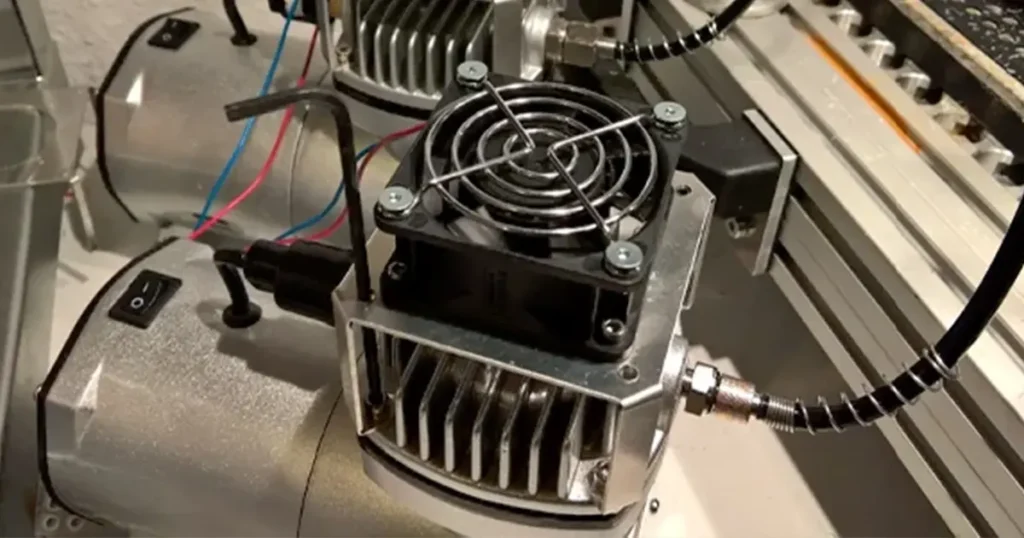
Axial fans fit inside machines and panels. They move air through tight spaces and stop overheating. Here’s how these fans help in different places:
| Application Area | Benefits |
|---|---|
| Electronics Cooling | Protects sensitive parts in PCs, servers, and power supplies. |
| Industrial Automation and Control | Keeps temperatures steady in closed spaces. |
| Telecommunications Cabinets | Helps network equipment work without stopping. |
| Medical and Laboratory Devices | Gives quiet, steady airflow where accuracy matters. |
You get strong cooling, small size, and many choices for voltage and size. These fans work in small boxes and big factory machines.
Automotive Uses
Axial fans work in cars, even if you don’t see them. They help cool batteries, engines, and the air inside your car.
Battery And HVAC
In electric and hybrid cars, these fans keep batteries cool. They also help with hvac systems, so you get warm or cool air. Here’s what they do:
- They cool batteries and stop overheating.
- They move air in engines to prevent heat build-up.
- They power blowers in hvac systems for better air conditioning.
- They help with cabin ventilation, so you feel comfortable.
These fans make cars safer and more reliable. They help batteries last longer and make your ride better.
Tip: If you want your electronics, machines, or car to work well, remember how axial fans help. They do more than you might think!
Home Appliances
Air Purifiers And Kitchen Devices
You use home appliances every day. You might not see the fans inside them. These fans help keep your air clean and your food fresh. DC axial fans make these machines work better and last longer.
Air purifiers need steady airflow to clean the air. DC axial fans push air through filters. This helps remove dust, pollen, and bad smells. The fan blades spin and move air in a straight line. They work like a propeller. This design keeps the air smooth from start to finish. You get even airflow, which helps trap tiny particles and keeps your room fresh.
Kitchen devices also need DC axial fans. Air fryers use these fans to move hot air around your food. This cooks your food evenly and makes it crispy. Robot vacuums use small axial fans to suck up dirt and dust. The fans make strong suction, so your floors stay clean. Even small desktop blowers use axial fans to move air fast and quietly.
Here are some common appliances with DC axial fans:
- Premium tower air purifiers (Dyson, Coway, Levoit)
- Robot vacuums (Roborock, Dreame)
- Air fryers (Cosori, Ninja)
- Desktop micro blowers (Ø 40 mm) and large blowers (Ø 200 mm)
- Cordless appliances with 12V/24V DC battery options
You can find DC axial fans in both small and big devices. They work well with batteries, so you can use cordless machines. The fans use a motor to spin the impeller. This pushes air along the axis. This setup gives you good airflow and helps your appliances stay quiet.
Tip: If you want your air purifier or kitchen device to last longer, keep the filters and vents clean. Clean airflow means less work for the fan and better results.
DC axial fans make home appliances more reliable. You get steady airflow, quiet use, and energy savings. These fans help your devices do their job without wasting power or making too much noise. Next time you use your air purifier or air fryer, remember the fan inside is working hard to keep your home nice and clean.
DC Axial Fan Vs Other Fans
When you look for the right fan for your project, you might wonder how a dc axial fan stacks up against other types. Let’s break down the main differences so you can pick the best option for your cooling or ventilation needs.
DC Vs AC Axial Fan
DC and AC axial fans look similar, but they work in different ways. The biggest difference comes from the power source and how much energy each one uses.
Power Source And Efficiency
A dc fan runs on direct current, while an AC fan uses alternating current. This small change makes a big impact on efficiency and power use.
Here’s a quick table to show you how they compare:
| Fan Type | Power Consumption | Efficiency Comparison |
|---|---|---|
| DC Axial Fan | 25 watts | Consumes about 70% less power than AC fans of the same size |
| AC Axial Fan | 100 watts | Requires more energy to achieve similar airflow results |
You get more control with a dc fan. Many dc fans support PWM (Pulse Width Modulation), so you can adjust the speed and airflow to match your needs. AC fans usually run at one speed, which means they use more energy even if you don’t need full power. If you want to save on electricity and get better efficiency, a dc axial fan is the way to go.
Axial Vs Centrifugal Fan
You might see both axial and centrifugal fans in different applications. They move air in unique ways, and each one fits certain jobs better.
Airflow Direction And Suitability
An axial fan moves air straight along the axis, just like a propeller. This design works best when you need to move a lot of air in open spaces with low resistance. You’ll find axial fans in computers, home appliances, and places where cooling is key.
Centrifugal fans push air out at a right angle, or 90 degrees, from the intake. This lets them handle higher pressure and push air through filters, ducts, or tight spaces. You’ll see these fans in industrial ventilation, dust collection, and HVAC systems.
- Axial fans move air parallel to the axis, perfect for high volume, low-pressure jobs.
- Centrifugal fans send air out sideways, great for high-pressure, high-resistance environments.
- If you need strong airflow in a big open area, pick an axial fan.
- If you need to push air through a filter or duct, a centrifugal fan works better.
DC Axial Vs Other Fan Types
You might also hear about brushless fans or stepper fans. DC axial fans stand out because they mix energy savings, quiet operation, and custom options.
Unique Features
- DC brushless motors in axial fans use less energy and last longer.
- The advanced motor design keeps noise low, so you can use them in homes or offices.
- You can get custom dc axial fans for special airflow needs in different industries.
If you want a fan that gives you high efficiency, quiet cooling, and fits many applications, a dc axial fan is a smart choice. You get the best mix of airflow, energy savings, and reliability.
Tip: Think about where you need airflow and how much pressure you need to overcome. This helps you pick the right fan for your project.
Choosing A DC Axial Fan
When you want the best cooling for your project, picking the right dc axial fan makes a big difference. You want a fan that fits your needs and works well in your space. Let’s walk through what you should look for and how to set up your new fan for top performance.
Selection Criteria
Choosing the right axial fan starts with knowing what you need. Think about the size of your space and how much air you want to move. If you use the fan in electronics, small enclosures, or hvac systems, you need to match the airflow to the heat your devices make. For bigger jobs, like industrial machines or large hvac systems, you need a larger axial fan with higher airflow.
Size And Airflow Needs
You should always check the size of the axial fan and how much air it can move. A small fan works for tight spaces, while a bigger one cools large areas. Look at the airflow rating, measured in CFM (cubic feet per minute). This tells you how much air the fan can push. If you want to cool a computer, you need less airflow. If you want to cool a server room, you need more.
Here’s a table to help you compare important criteria when picking a dc axial fan for different applications:
| Criteria | Description |
|---|---|
| Electrical Specifications | Some applications need special voltages or control features. |
| Regulatory Compliance | Make sure the fan meets standards like CE or UL. |
| Quality and Reliability | Look for ISO 9001 certified suppliers for consistent quality. |
| Cost Analysis | Think about both the price and how much energy the fan will use over time. |
| Energy Efficiency | Premium dc fans can reach 60-80% efficiency. |
| Environmental Conditions | Check if the fan can handle extreme temperatures or humidity. |
| Application-Specific Guidelines | Different jobs, like marine or hvac systems, need special fan features. |
Tip: Always match the axial fan to your exact application. This helps you get the best cooling and longest life from your fan.
Installation Tips
You want your dc axial fan to work safely and last a long time. Good installation is key. If you set up your fan the right way, you get better airflow and fewer problems.
Mounting And Safety
Here are some simple tips for installing your axial fan:
- Place the fan where it can move air freely. Avoid blocking the intake or exhaust.
- Use the right tools, like screwdrivers and torque wrenches, to mount the fan securely.
- Always disconnect power before you start. Wear gloves and safety glasses for protection.
- Make sure the fan sits flat and lines up with the airflow path. This stops vibration and noise.
- Double-check all wires and connections with a multimeter before turning the fan on.
If you follow these steps, your dc axial fan will run smoothly and keep your devices cool. You’ll also stay safe during installation.
Note: A well-mounted axial fan gives you steady airflow and quiet operation. Take your time and check your work for the best results.
Now you know how to pick and install the right dc axial fan for your applications. With the right choice and setup, you get reliable cooling and peace of mind.
Conclusion
You’ve learned that a DC axial fan uses direct current to spin blades and move air straight along its axis. This fan stands out for quiet operation, low power use, and flexible speed control. You can see how it fits electronics, cars, and industry. Here’s a quick look at how different fans compare:
| Motor Type | Input Power | Efficiency | Speed Control | Best Suited For |
|---|---|---|---|---|
| AC | 110/220V | 50–70% | Fixed | Simple ventilation |
| DC | 5/12/24/48V | 70–85% | PWM | Electronics, battery gear |
| EC | AC mains | Up to 90% | Variable | Data centers, HVAC |
If you need a reliable fan for your project, reach out to us. We’re here to help you find the best solution.
FAQ
What is the difference between DC and AC axial fans?
You use DC fans with batteries or electronics. AC fans plug into wall outlets. DC fans save more energy and let you control speed. AC fans usually run at one speed.
Can I control the speed of a DC axial fan?
Yes, you can! Many DC axial fans let you adjust speed with a knob, remote, or smart system. This helps you get just the right airflow for your needs.
Where should I install a DC axial fan?
You can install DC axial fans in computers, cars, appliances, or industrial machines. Make sure the fan has space for air to move in and out. Avoid blocking the intake or exhaust.
How long does a DC axial fan last?
Most DC axial fans run for 50,000 to 100,000 hours. That means you get years of steady cooling. You do not need much maintenance.
Are DC axial fans noisy?
No, DC axial fans are usually quiet. You can use them in bedrooms, offices, or libraries. Lower speed settings make them even quieter.
What sizes do DC axial fans come in?
You find DC axial fans in many sizes. Small fans fit tight spaces like electronics. Large fans cool big rooms or machines. Check the airflow rating to match your needs.
Do DC axial fans work with solar panels?
Yes! You can use DC axial fans with solar panels. They run on direct current, so they fit well with solar-powered systems.
How do I clean a DC axial fan?
Turn off the power first. Use a soft brush or cloth to wipe the blades and casing. Keep vents clear for smooth airflow.