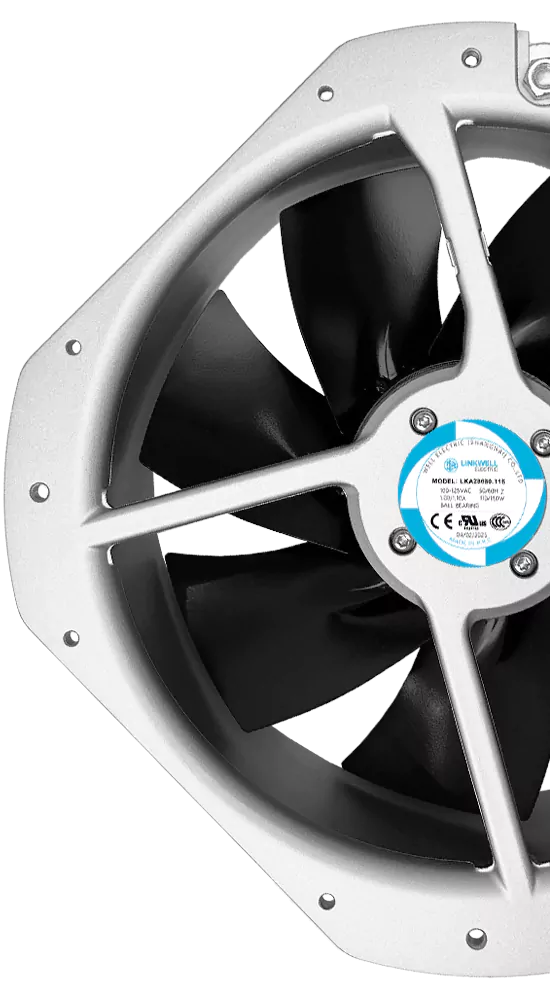
When you buy a dc axial fan, you see prices are not the same. This is why dc axial fan prices change:
- Brand and how well people know it
- Size and how well it works
- What it is made of and how strong it is
- How much energy it saves
- If it has special certificates or follows rules
- Choices to make it special for you
- Help after you buy and the warranty
- What is popular in the market
Do not just look at the price—think about what you need most. Good quality and saving energy are more important over time.
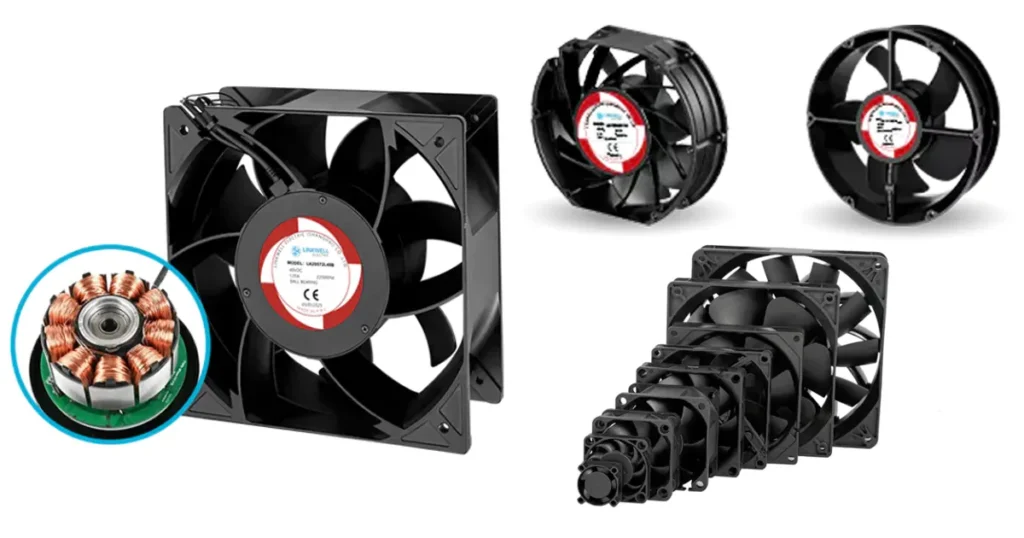
Key Takeaways
- Brand reputation changes the price. Well-known brands often cost more. They give better help and are more reliable.
- Size and performance are important. Bigger fans with better specs cost more. They give more airflow and work better.
- Material quality affects how long fans last. Stronger materials make fans last longer. This can save money on repairs.
- Energy efficiency is important. Fans that use less power save money on bills over time.
- Certifications help keep you safe. Look for safety marks like UL or CE. These marks show the fan is good and safe.
- Customization options can make fans work better. Special features may cost more. They can help the fan fit your needs.
- After-sales support is helpful. A good warranty and service save time and money if there are problems.
- Market trends change prices. Learn about supply chain issues and demand. This helps you make better buying choices.
DC Axial Fan Overview
What Is a DC Axial Fan
You may ask how a dc axial fan is not like other fans. This fan uses direct current to turn its blades and move air straight ahead. You can change how fast the fan spins. It is quieter than many other fans. It saves energy because you can control it with PWM or voltage changes. When you check these fans, you see things like voltage rating, current draw, speed, and airflow rating. These facts help you choose the best fan for what you need.
- You can control the speed exactly.
- It makes less noise.
- It uses energy better.
- Look at voltage rating, current draw, speed, airflow rating.
Common Applications
DC axial fans are used in many places. They cool computers and home appliances. In cars, they keep electric vehicles and infotainment systems cool. Factories use them to help machines work well. Telecom companies use them to cool network gear and servers. HVAC systems use them to move air and control temperature. Hospitals and clinics use them in medical devices like ventilators because they are quiet and reliable.
| Sector | Description |
|---|---|
| Consumer Electronics | Used in computers and home appliances to manage heat well. |
| Automotive | Helps cool electric vehicles and infotainment systems for safety and good performance. |
| Industrial | Keeps machines working and helps factories run better. |
| Telecommunications | Cools network equipment and servers for digital growth. |
| HVAC | Moves air and controls temperature in buildings, saving energy. |
| Medical Devices | Needed for ventilators and other equipment, works quietly and reliably. |
Why DC Axial Fan Price Matters
DC axial fan prices can be very different. The price is important when you buy one. Businesses look at the first cost but also think about saving money later. Energy use and fixing costs matter a lot. Many companies pick quality and reliability instead of a cheap price. This helps the fan work well now and saves money and energy later. If you want a fan that lasts and works well, you should look at more than just the price.
Tip: Always check how much energy the fan uses and how long it will last. A higher price might mean better performance and lower costs over time.
Factors Affecting DC Axial Fan Price
Brand and Reputation
When you shop for dc axial fans, you will notice that some brands cost more than others. The brand name can tell you a lot about what you are getting.
Established vs. New Brands
Established brands have been around for years. They have a track record of making reliable products. You often pay more for these brands because they invest in research, quality control, and customer service. New brands might offer lower prices to attract buyers, but they may not have the same level of trust or proven performance.
Trust and Support
You want to feel confident that your fan will work well and last a long time. Trusted brands usually offer better support, clear documentation, and easier access to spare parts. If something goes wrong, you can count on their help. This support can save you time and money in the long run, even if the initial dc axial fan price is higher.
Tip: If you need help fast or want peace of mind, choose a brand with a strong reputation and good support.
Size and Performance Specs
The size and performance of a dc axial fan play a big role in its price. Bigger fans or those with higher performance specs usually cost more, but they also do more work.
Airflow and Static Pressure
You need to match the fan’s airflow and static pressure to your system. Airflow tells you how much air the fan can move. Static pressure shows how well the fan can push air through tight spaces or filters. These two features work against each other on a fan’s performance curve. If you pick the wrong fan, your system might overheat or waste energy. That can lead to downtime or even damage.
- Larger or faster fans give you more airflow and pressure.
- High-speed models increase both airflow and static pressure as size goes up.
- If one fan cannot meet your needs, you can use more fans together.
Choosing a fan based only on size or price can cause problems. For mission-critical jobs, it is smart to invest in a higher-grade fan. You can also adjust fan speed to control air volume, pressure, power use, and noise. These changes follow the fan affinity laws.
Noise and Bearing Types
Noise matters, especially in quiet spaces like offices or hospitals. Fans with better bearings run more quietly and last longer. Ball bearings cost more but offer better durability and less noise. Sleeve bearings are cheaper but may wear out faster. The type of bearing affects both the price and the efficiency of the fan.
Materials and Build Quality
The materials used in dc axial fans affect how long they last and how well they work. Stronger materials usually mean a higher price, but they also mean better performance and longer life.
Housing and Blades
Manufacturers use different materials for the housing and blades. Here is a quick look at common choices:
| Material | Description |
|---|---|
| Cast Aluminum | Lightweight and resistant to corrosion. |
| Heavy-Duty Steel | Durable and can handle high stress. |
| Stainless Steel | Great for high-temperature applications. |
The right material helps the fan resist damage from heat, moisture, or chemicals. This is important if you use the fan in tough environments.
Durability
Durability is key for any fan. Some materials last longer and handle stress better. Take a look at how different materials compare:
| Material Type | Durability | Cooling Performance | Price Impact |
|---|---|---|---|
| Aluminum | Good | Moderate | Low to Medium |
| Steel | Excellent | High | Medium to High |
| High-temp alloys | Superior | Very High | High |
If you need a fan for a harsh or hot place, you should pick one made from steel or high-temp alloys. These fans cost more, but they last longer and keep working when you need them most.
Note: Good build quality and the right materials help you avoid early breakdowns and extra repair costs.
When you look at dc axial fan price, remember that brand, size, performance, and build quality all play a part. Top axial fan manufacturers use better materials and offer more options, but you pay more for these benefits. If you want the best efficiency and energy efficiency, it is worth investing in a fan that matches your needs.
Energy Efficiency
You probably want a fan that saves you money in the long run. Energy efficiency is a big deal when you look at dc axial fans. If you pick a fan that uses less power, you pay less on your electric bill. You also help your equipment last longer because less heat builds up.
Motor Technology
The motor inside your fan makes a huge difference. Here are the most common types you will see:
- Brushless DC motors (BLDC) give you high efficiency and let you control speed very well. They last a long time because they do not have brushes that wear out. You often find these in electronics and places that need good cooling.
- Electronically commutated (EC) motors mix AC power with the efficiency of BLDC motors. They have built-in controllers that make them run quietly and use less energy. Many HVAC systems use these motors because they save money and work smoothly.
When you choose a fan with these motor types, you might pay more at first. Over time, you save money because the fan uses less power and needs fewer repairs.
Power Consumption
You should always check how much power your fan uses. Fans that use less energy cost less to run every day. Here is why energy efficiency matters for you:
- You spend less on electricity because the fan uses less power.
- Your equipment lasts longer since the fan does not get as hot.
- If you clean and check your fan often, you can make it work up to 30% better.
If you want to lower your dc axial fan price over time, pick a fan with high efficiency. Many top axial fan manufacturers focus on making fans that use less energy and last longer.
Tip: Ask your supplier for the fan’s energy rating and see how much you can save each year.
Certifications and Compliance
You want to know your fan is safe and meets the rules. Certifications and compliance can change the price, but they also give you peace of mind.
Safety Standards
Fans must meet safety standards to protect you and your equipment. Look for marks like UL, CE, or RoHS. These show the fan passed tests for fire, shock, and other dangers. If a fan has these marks, it might cost more, but you know it is safe to use.
Environmental Certifications
Some fans have extra certifications for the environment. These show the fan uses less energy or is made from safe materials. For example, an Energy Star label means the fan saves power. Fans with these labels often cost more, but they help you save money and protect the planet.
Many axial fan manufacturers offer fans with these certifications. If you need to follow strict rules at work or in your country, always check for these marks before you buy.
Customization Options
Sometimes you need a fan that does more than just blow air. Custom features and accessories can make your fan fit your job perfectly. These options can raise the price, but they give you exactly what you need.
Special Features
You can ask for special upgrades when you order your dc axial fan. Here are some popular choices and how they affect the price:
| Customization / Upgrade Factor | Estimated Price Premium | Primary Benefit & Application |
|---|---|---|
| Stainless Steel Casing (SS304/SS316) | +60% to +120% | Stops rust in chemical plants and near the sea |
| Thickened Double Skin & Epoxy | +20% to +35% | Cuts noise and keeps heat out in cold or strict areas |
| Explosion-Proof Motor | +$600 to +$1,500+ | Needed for paint, fumes, or dust |
| Weather-Resistant / Waterproof (IP55+) | +10% to +15% | Protects fans outside in rain or dust |
| Electronically Commutated (EC) Motor | +30% | Saves energy and lowers bills |
If you work in a tough place, like a chemical plant or outside in the rain, these upgrades can keep your fan running longer and safer.
Accessories
You can also add accessories to your fan. Some common ones are guards, filters, and speed controllers. These make your fan safer, cleaner, or easier to use. Each extra part adds to the dc axial fan price, but you get more value and better performance.
When you talk to axial fan manufacturers, tell them what you need. They can help you pick the right features and accessories for your job. This way, you get a fan that works best for you and lasts longer.
After-Sales and Warranty
When you buy a dc axial fan, you want to know what happens after the sale. After-sales service and warranty terms can change the value and price of your fan. If you choose a fan from axial fan manufacturers that offer strong support, you pay a bit more, but you get peace of mind.
Service and Support
Good service means you get help when you need it. If your fan stops working or you have questions, you can call or email the company. Some manufacturers offer quick answers, spare parts, and even on-site repairs. This support helps you keep your equipment running and avoid downtime.
- You get fast help if your fan breaks.
- You can find spare parts easily.
- You save time and worry less.
Tip: Always ask about after-sales support before you buy. Strong service can save you money and trouble later.
Warranty Terms
Warranty terms show how much the manufacturer trusts their product. A longer warranty means the company believes their fan will last. For example, a one-year warranty gives you confidence and shows the company stands behind their product. Fans with longer warranties often cost more, but you get extra protection.
| Warranty Length | What It Means | Impact on Price |
|---|---|---|
| 6 months | Basic coverage | Lower |
| 1 year | Standard, trusted protection | Medium |
| 2+ years | Premium, high confidence | Higher |
Manufacturers set higher prices for fans with better after-sales service and longer warranties. You pay more upfront, but you get support and reliability. This makes the dc axial fan price feel worth it, especially if you want your fan to last.
Market Trends
You might notice that dc axial fan prices change over time. Market trends and supply chain issues play a big part in these changes. If you understand these trends, you can make smarter choices.
Price Fluctuations
Prices go up and down for many reasons. New technology, like brushless DC motors and better blade designs, makes fans more efficient and reliable. These upgrades can raise prices, but you get better performance and energy efficiency. More people want energy-efficient fans, especially in HVAC and automotive industries. Data centers and electric vehicles also need efficient cooling, so demand keeps rising.
Sometimes, prices jump because of supply chain problems. Here are some ways these issues affect costs:
- Supply chain disruptions can cause small price changes, even if demand stays the same.
- Big supply chain crises can double lead times and push prices up by 15-20%. This makes fans harder to get and more expensive.
- If steel or aluminum prices go up, retail prices for fans can rise by 4-6%. This hits price-sensitive buyers the hardest.
- Global problems, like semiconductor shortages or shipping delays, make lead times longer and add cost premiums. You might see demand drop for a while, but prices stay high.
Note: If you see prices rising, check if supply chain issues or raw material costs are the cause. Waiting for prices to settle can help you save money.
Supply Chain Factors
Supply chain factors can change how much you pay and how fast you get your fan. If manufacturers struggle to get parts, you might wait longer or pay more. Logistic delays and shortages of key materials, like semiconductors, can make fans cost more and take longer to arrive.
- Lead times can double during supply chain crises.
- Prices can jump by 15-20% if parts are hard to find.
- Raw material price hikes add 4-6% to retail prices.
If you need a fan fast, ask your supplier about lead times and stock. Axial fan manufacturers with strong supply chains can deliver quicker and keep prices stable.
Tip: Plan ahead and ask about supply chain risks. This helps you avoid surprises and get the best deal.
When you look at dc axial fans, remember that after-sales service, warranty, and market trends all affect the price. If you want the best efficiency and reliability, pay attention to these factors. You get more value and fewer headaches in the long run.
DC Axial Fan Price Comparison
Comparing Brands and Models
When you shop for fans, you see many brands. There are lots of models too. It can feel confusing at first. You want to get the best fan for your money. Manufacturer comparison tables help you a lot. These tables show important details side by side. You can check airflow, energy use, noise, and warranty. This makes it easy to spot differences fast.
Always look for tables with real numbers. For example, you can see how much air each fan moves. You can also see how much power it uses. This helps you pick the fan that fits your needs. Do not just choose the cheapest fan. If you need a fan for a special job, check for extra features. Some brands offer more support or new ideas. Others focus on simple models. Use these tables to make a smart choice.
Tip: Do not pick the lowest dc axial fan price. Check the specs and support to get the best value.
DC Axial Fan vs. AC Fan Price
You may wonder if you should buy a DC or AC fan. Price is not the only thing to think about. Look at this table to see how they compare:
| Feature | AC Axial Fans | DC Axial Fans |
|---|---|---|
| Power Consumption | Uses more power | Uses less power |
| Efficiency | Not as efficient | More efficient |
| Speed Control | Harder to control speed | Easier to control speed |
| Noise Levels | Usually louder | Quieter |
| Durability | Lasts longer in tough places | Not as strong in tough places |
| Initial Cost | Costs less at first | Costs more at first |
| Operational Savings | N/A | Saves money on energy bills |
You pay more for a DC axial fan at first. Over time, you save money because it uses less power. DC fans are quieter and easier to control. If you care about energy bills and comfort, DC fans are a smart choice.
Entry-Level vs. Premium DC Axial Fans
DC axial fans do not all cost the same. There are big differences between entry-level and premium models. Here is a quick look:
| Fan Type | Price Range | Features |
|---|---|---|
| Entry-Level Fans | $50 – $200 | Basic features, good for simple cooling jobs. |
| Mid-Range Fans | $200 – $1,000 | Good balance of performance and price, often has speed controls. |
| Premium Fans | $1,000 – $5,000 | Strong motors, tough build, saves energy, and reduces noise. |
- Premium fans give you better airflow and control.
- They last longer and do not break easily.
- Entry-level fans work for simple jobs but lack advanced features.
- Premium models are quieter and save more energy.
- You need premium fans for tough jobs or places where reliability matters.
Think about what you need before you buy. If you want top performance and less noise, premium fans are worth the price. If you just need basic cooling, entry-level fans will work fine.
Regional Price Differences
You might notice that DC axial fan prices are not the same everywhere. If you shop in different countries or even different cities, you can see big changes in cost. Why does this happen? Let’s break it down so you know what to expect.
1. Local Manufacturing and Import Taxes
Some countries make their own DC axial fans. Others import them from far away. If you buy a fan made close to home, you often pay less for shipping and taxes. If your fan comes from another country, you might pay extra for import duties, customs fees, and longer shipping times.
2. Currency Exchange Rates
Money values change all the time. If your country’s money is weak compared to the US dollar or Chinese yuan, you pay more for the same fan. This can make prices jump up or down quickly.
3. Supply and Demand
In some places, lots of people need DC axial fans. In other places, not many people buy them. High demand can push prices up. If there are not many buyers, sellers might lower prices to attract you.
4. Local Standards and Certifications
Some regions need special safety marks or certifications. For example, Europe often requires CE marking. The US looks for UL or ETL. If a fan meets these rules, it might cost more in that region. You pay for the extra testing and paperwork.
5. Distribution and Dealer Networks
Big cities usually have more dealers and better stock. Rural areas might have fewer choices and higher prices. If you buy from a local dealer, you might pay more for convenience and support.
Here’s a quick look at how prices can change:
| Region | Typical Price Range (USD) | Main Factors Affecting Price |
|---|---|---|
| North America | $100 – $2,500 | Local brands, UL/ETL, shipping |
| Europe | $120 – $2,800 | CE mark, energy rules, import taxes |
| Asia | $80 – $2,200 | Local factories, less shipping cost |
| Middle East | $150 – $3,000 | Import duties, hot climate demand |
| Africa | $180 – $3,500 | Fewer suppliers, high shipping, taxes |
Tip: Always ask your supplier if the price includes shipping, taxes, and certifications. This helps you avoid surprises.
What Should You Do?
- Compare prices from local and global suppliers.
- Check if the fan meets your country’s rules.
- Ask about shipping time and cost.
- Watch for deals during slow seasons.
If you plan ahead and ask questions, you can find the best deal for your region. Remember, the lowest price is not always the best value. Look for good support and the right certifications for your area.
Buying Tips for DC Axial Fans
Balancing Cost and Value
You want to get the most for your money when you buy a DC axial fan. It’s not just about picking the cheapest option. You need to find the right balance between what you pay and what you get. Here’s how you can do that:
- Figure out how much airflow your application really needs. Don’t guess—check the numbers.
- Look at how your enclosure or case affects airflow. Some setups make it harder for air to move, so you might need a stronger fan.
- Pick the right fan type. If your air path is short and open, an axial fan works best. If you need to push air through filters or tight spaces, you might need a centrifugal fan instead.
- Think about bearing types. Sleeve bearings are fine for light jobs. Ball bearings last longer and work better in tough spots.
When you follow these steps, you make sure you get the best value for your money and your equipment.
Tip: Don’t just look at the price tag. Think about how well the fan fits your needs and how long it will last.
Evaluating Total Cost of Ownership
The price you pay at first is only part of the story. You should look at the total cost of ownership (TCO) to see what the fan will really cost over time. This means you add up all the costs, not just the one on the box.
| Cost Factor | Description |
|---|---|
| Energy Costs | EC fans can save you a lot on power bills, even if they cost more upfront. |
| Maintenance Costs | Brushless fans need less fixing, which saves you money. |
| Lifecycle Cost | Check costs over 5-8 years to see the real picture. |
You can use these tips to check the TCO:
- Compare the total costs of EC fans and AC fans for the whole time you plan to use them.
- Add up how much energy each fan will use in your real setup.
- Think about how often you’ll need to fix or replace parts.
- Check how long the bearings will last, especially if your fan runs hot.
- Remember, less downtime means more savings.
When you look at all these things, you can make a smart choice that saves you money in the long run.
Making a Requirements List
Before you buy, make a list of what you need. This helps you stay focused and pick the right fan. Write down the airflow you want, the size that fits your space, and any special features you need. Add things like noise level, energy use, and if you need any certifications. If you know your must-haves, you won’t get distracted by extras you don’t need.
Note: A clear list makes it easier to compare fans and talk to suppliers. You’ll feel more confident about your choice.
Questions to Ask Suppliers
When you talk to suppliers, you want clear answers. Asking good questions helps you find the best fan. You can avoid problems and surprises this way. Here are some smart questions to ask:
- What certifications do your fans have? (Check for ISO9001, CE, RoHS, UL, and EMC marks.)
- Can you explain what standards your products meet?
- Are your fans right for my job, like telecom systems or HVAC?
- Do you have papers and proof for audits?
- How long will the fan last? Does it use a brushless motor?
- Is the fan energy efficient? Will it help me save money?
- What warranty and after-sales help do you give?
- Can you make the fan special for my needs?
- How fast can you deliver? What are your lead times?
Tip: Always ask for proof of certifications. This shows the fan is safe and good quality.
Here’s a simple table to show why certifications matter:
| Certification | Importance |
|---|---|
| UL Certification | Makes sure the fan is safe for certain jobs. |
| CE Marking | Shows the fan follows EU safety and health rules. |
| RoHS Compliance | Keeps dangerous stuff out of electrical gear, helps the planet. |
| ISO Certifications | Means the fan meets global quality and environmental standards. |
If you ask these questions, you feel more sure about your choice. You also make sure the fan fits your needs and follows the rules.
Avoiding Common Pitfalls
Buying a DC axial fan can be hard. Many people make mistakes that cost them time and money. You can avoid these problems if you know what to look for.
| Common Mistakes | Consequences |
|---|---|
| Choosing the Cheapest Option | Can lead to bad results and early replacement. |
| Buying Without Consultation | Might mean you get the wrong fan. |
Don’t pick the cheapest fan just to save money. Cheap fans break faster and need to be replaced soon. You lose value over time. Always check the specs and certifications before you buy.
If you don’t talk to experts or suppliers, you might buy the wrong fan. This can cause overheating, noise, or wasted energy. Ask questions and get advice to make sure you choose the right fan.
Note: Take your time and compare choices. Look for fans with good support, strong certifications, and the right features for your job.
When you avoid these mistakes, you get a fan that works well, lasts longer, and gives you peace of mind.
Conclusion
You now understand how fan size, voltage, airflow, static pressure, bearing type, control functions, materials, order quantity, and customization requirements can affect DC axial fan prices. To find the right product and overall value, compare models based on both cost and actual cooling performance rather than price alone.
As a professional DC axial fan manufacturer, we produce cooling fans for industrial equipment and OEM applications. Our team can help you evaluate your voltage, fan size, airflow, static pressure, noise, control, and operating requirements.
Share your specifications and order quantity with us to receive product selection support, a custom solution, or a quotation for your DC axial fan project.
FAQ
What is a DC axial fan?
You use a DC axial fan to move air in a straight line. It runs on direct current and works well for cooling electronics, machines, or rooms.
How do I choose the right DC axial fan?
You should check airflow, size, noise, and energy use. Make a list of your needs. Compare fans from top manufacturers for the best fit.
Why do DC axial fans cost more than AC fans?
DC axial fans use less energy and let you control speed easily. You pay more at first, but you save money on power bills over time.
What does cost performance mean for DC axial fans?
Cost performance means you get good value for your money. You want a fan that works well, lasts long, and does not waste energy.
How long does a DC axial fan last?
Most DC axial fans last 30,000 to 60,000 hours. If you clean and check them often, they can last even longer.
Can I use a DC axial fan outdoors?
Yes, you can use some DC axial fans outside. Look for fans with weatherproof ratings like IP55 or higher. Ask your supplier for details.
Do I need special certifications for my DC axial fan?
You may need certifications like UL, CE, or RoHS. These show the fan is safe and meets rules in your country. Always check before you buy.
Tip: Ask your supplier for proof of certifications and weather ratings.