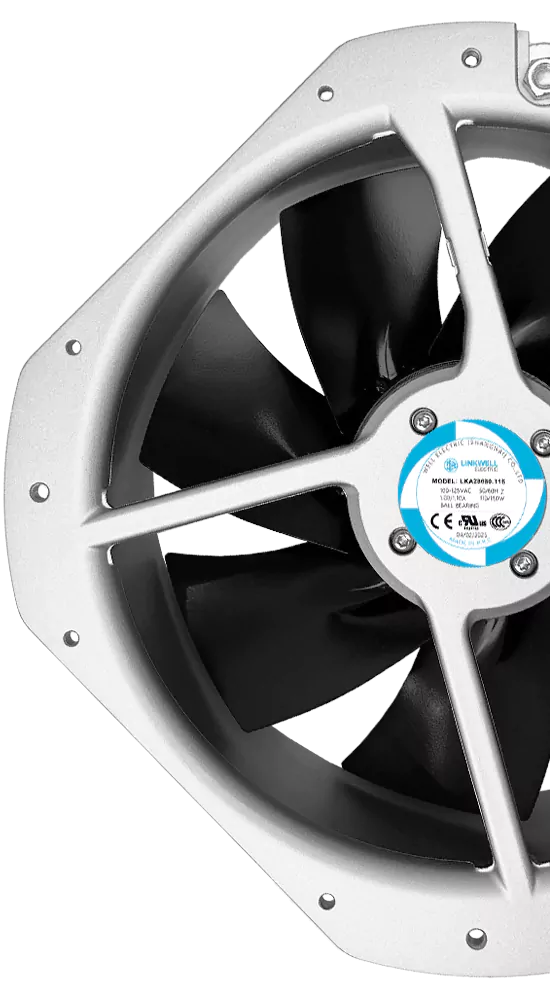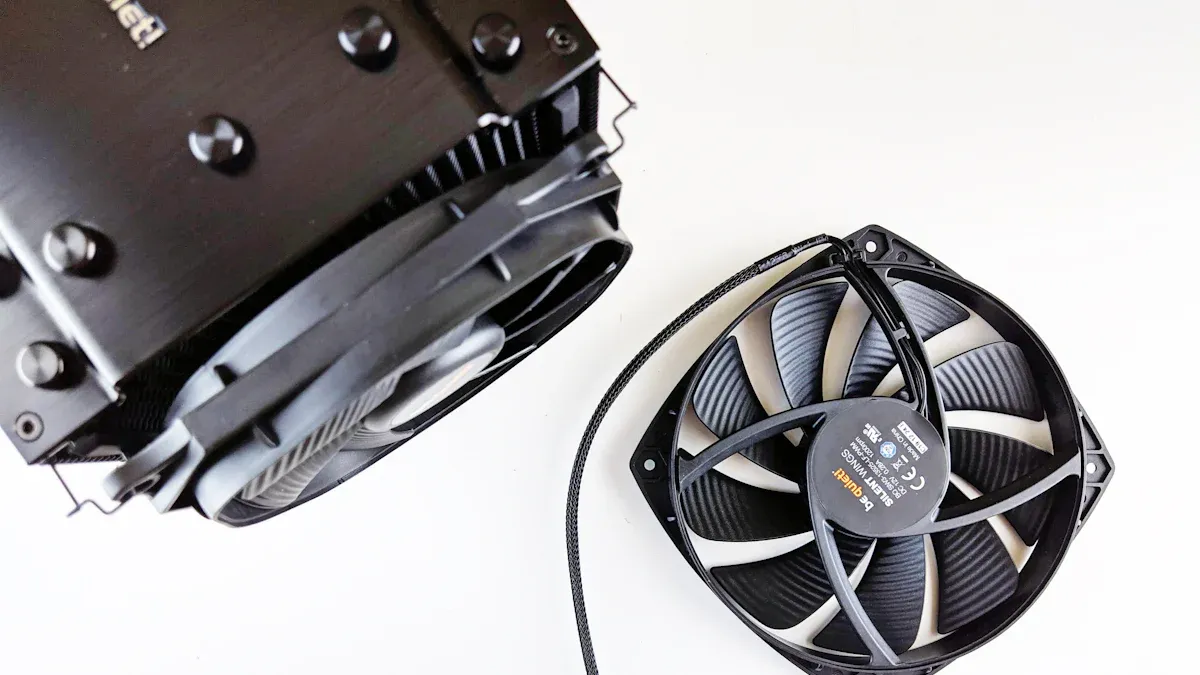
Imagine trying to focus in a home office while a noisy fan hums nearby or picture a classroom where background noise kills concentration. You aren’t alone—fan noise disrupts comfort and productivity everywhere, from industrial cabinets to hospitals. The need for quiet cooling keeps growing, driven by smart homes, energy-saving tech, and new workspaces. Check out how each sector pushes for silence:
| Sector | Growth Drivers |
|---|---|
| Residential | Smart home tech, energy awareness, compact cooling demand |
| Industrial | Advanced manufacturing, heat management, sustainability programs |
| Commercial | Cost savings, carbon footprint reduction, sustainable cooling |
You might wonder, what makes a fan truly silent—and how do you get there? A Silent Fan: Your Ultimate Guide to Noise Reduction in Cooling Solutions will help you cut through the noise. Today, silent cooling isn’t just a luxury. It’s a must-have. That’s why so many trust fanacdc for innovative, quiet solutions.
Key Takeaways
- Choose the right fan type for your needs. DC and EC fans are ideal for quiet environments, while AC fans suit cost-sensitive applications.
- Optimize your system design by improving airflow paths and adding vibration dampeners. Small adjustments can significantly reduce noise levels.
- Regular maintenance is key. Clean your fans and check for wear to ensure they operate quietly and efficiently over time.
- Look for fans with advanced features like brushless motors and smart speed controls. These technologies help minimize noise while maximizing performance.
- Consider custom solutions from FanACDC. They can tailor fans to meet your specific airflow and noise requirements, ensuring optimal performance.
The Cost of Fan Noise
Everyday Disruptions
You probably notice it first thing in the morning. The hum from your air conditioner or the whir of a desk fan can fill your home or office with background noise. Sometimes, you just tune it out. Other times, it gets under your skin. In open offices, noise is the number one complaint. About half of workers say they feel unhappy with the noise level at work. Conversations and the constant buzz from machines make it hard to focus. On average, employees lose over 20 minutes each day because of distractions like these.
Here are some common sources of everyday disruptions:
- Air conditioning systems, especially older or poorly maintained ones, add to city noise pollution.
- Compressors and fans create mechanical vibrations that travel through walls and floors.
- In shared spaces, speech and machine noise compete, making it tough to concentrate or relax.
You might not realize it, but these sounds can do more than just annoy you. Over time, they can lead to sleep problems, stress, and even mental health issues. Some studies link long-term exposure to noise with hearing loss and a higher risk of heart problems.
Even with workplace noise rules, many people still face risks of permanent hearing loss. The limits set by regulations often fall short, so better protection is needed.
Industrial and Medical Impacts
In factories and hospitals, the stakes get even higher. Fan noise from ventilation and cooling systems can cause real health problems. Workers exposed to high noise levels often report fatigue, headaches, and even high blood pressure. In one study, more than half of steel workers faced noise above safe limits, with many experiencing chronic headaches and increased blood pressure.
Here’s what long-term exposure can do:
- Raise your risk of cardiovascular diseases like hypertension and heart attacks.
- Cause hearing loss, tinnitus, and sleep disturbances.
- Lead to mental health challenges and slow cognitive development in children.
In medical settings, noise can disrupt patient care and recovery. For staff, it means more stress and a greater chance of mistakes. Chronic exposure to loud environments can also increase the risk of serious health issues, including heart problems and stroke.
Decoding Fan Noise Sources
Aerodynamic and Mechanical Noise
When you hear a fan, most of the sound comes from how air moves through and around the blades. This is called aerodynamic noise. The shape and design of the blades play a huge role. If the blades have sharp edges or uneven spacing, the air gets disturbed and creates more noise. Sometimes, you’ll notice a steady hum or a whooshing sound. That’s the air interacting with the fan’s geometry.
Here’s what usually causes aerodynamic and mechanical noise in fans:
- Airflow hitting the blades and frame, creating broadband noise.
- Unevenly spaced blades help reduce the loud, repetitive sound known as blade passing frequency.
- Gaps between the blade tips and the fan housing (tip clearance) can let air leak and swirl, making things noisier.
- Turbulence and sudden changes in airflow direction add to the overall sound.
Mechanical noise comes from the moving parts inside the fan. Bearings, for example, can wear out or vibrate, causing rattling or grinding sounds. The type of motor and how fast the fan spins also matter. Higher speeds usually mean more turbulence and more noise.
| Factor Type | Description |
|---|---|
| Mechanical Factors | Quality of bearings, blade design, and motor type significantly influence noise generation. |
| Operational Factors | Fan speed and environmental conditions play critical roles in determining overall noise levels. |
Tip: Fans with wavy leading edges or uneven blade spacing can cut down on both turbulence and tonal noise, making your environment much quieter.
Electrical and Environmental Factors
You might think a fan is only noisy because of its moving parts, but electricity plays a part too. DC fans, for example, can produce electrical noise. This comes from the way the motor switches power on and off. Sometimes, this noise can interfere with other electronics, making it hard to pass EMC (electromagnetic compatibility) tests.
Environmental factors also matter. If you run a fan in a hot or humid room, it might need to spin faster to keep things cool. Faster speeds mean more noise. In classrooms or offices, this can make it hard to concentrate.
- DC fans can create both acoustic and electrical noise, even if they seem quiet at first.
- Different fan types generate unique electromagnetic interference, which can affect sensitive equipment.
- Spinning magnets in DC motors can cause switching noise.
- High temperatures and humidity can make fans work harder, raising noise levels and affecting comfort.
| Factor | Impact on Fan Noise |
|---|---|
| Operating Condition | Differences in acoustic pressure at higher harmonics due to flow recirculations. |
| Testing Environment | Increased mass flow rate leads to higher tone prominence at blade passing frequency. |
| Design Feature | Back-flow vortex induced by pressure difference is a main noise generation mechanism. |
Note: If you want a truly quiet space, pay attention to both the fan’s design and the environment where you use it. Sometimes, a small change in setup can make a big difference in noise.
Measuring Silence: dBA, Sones, and Perception
Understanding Noise Ratings
When you shop for a fan, you probably see numbers like dBA or sones on the box. These numbers tell you how loud the fan will sound in real life. But what do they really mean for your comfort?
- A decibel (dBA) measures the physical sound pressure. It shows how strong the sound is, but it doesn’t always match how you feel about the noise.
- Sones measure perceived loudness. This unit tells you how humans actually hear and interpret sound. Sones are easier to understand because they scale in a straight line. If a fan has a rating of 2 sones, it sounds twice as loud as a fan with 1 sone.
- Sones and decibels don’t always match up. Sometimes, a fan with a low decibel rating can still feel noisy if the sound is sharp or high-pitched.
Here’s a quick guide to sone ratings and what they mean for your space:
- 0.5 to 1.5 sones: Very quiet, great for bedrooms or libraries.
- 1.5 to 3 sones: Moderate noise, like a quiet conversation.
- 3 to 4 sones: Noticeable, but not too distracting.
- Above 4 sones: Pretty noisy, might bother you at home.
Tip: If you want a peaceful environment, look for fans with a low noise level in both dBA and sones.
Testing Standards and Environments
You might wonder how companies measure these numbers. They use strict standards and special rooms to make sure the results are fair and accurate. Here’s a table showing the most common testing standards for fan noise:
| Standard | Description |
|---|---|
| ISO 7779 | Measures sound power and pressure levels in fans under set conditions. |
| ANSI/ASA S12.10/Part 1 | US version of ISO 7779, used for fan noise measurement. |
| ISO 9296 | Gives guidelines for sound power levels in fans. |
| ISO 10302-1/ECMA-275-1 | Measures air-borne sound from small fans. |
| ISO 10302-2/ECMA-275-2 | Measures structure-borne sound from small fans. |
| ISO 3741 to 3747 | Series for measuring sound power in different environments. |
| ISO 9614-1 to 9614-3 | Standards for sound intensity measurements, also used for fan noise. |
Test labs use quiet rooms called semi-anechoic chambers. These rooms block outside sounds and echoes, so you get a true reading of the fan’s noise level. When you compare fans, check if their ratings come from these standard tests. That way, you know you’re getting real, reliable numbers.
A Silent Fan: Your Ultimate Guide to Noise Reduction in Cooling Solutions
FanACDC’s Quiet Cooling Technologies
You want a silent fan: your ultimate guide to noise reduction in cooling solutions starts with understanding what makes FanACDC stand out. When you look for ideal case fans, you want more than just airflow. You want advanced engineering that delivers both performance and noise control. FanACDC builds cooling fans with a focus on innovation and reliability, so you get the best of both worlds.
Here’s how FanACDC achieves lower noise and better performance:
- Motor energy-efficiency enhancements keep fan speed steady and reduce wasted energy.
- Advanced airflow and blade optimization help minimize turbulence, which means less noise and smoother performance.
- Noise and vibration reduction engineering ensures your fans run quietly, even at higher speeds.
You can see these features in every FanACDC product, from static pressure fans for dense electronics to high-performance models for industrial use. Each fan is designed to balance performance and noise, so you never have to compromise.
Tip: If you want a fan that works hard without making a fuss, look for these technologies in your next upgrade.
AC Fans vs DC Fans: Noise and Efficiency
Choosing between AC and DC fans can feel tricky. You want the right mix of performance and noise, but you also care about energy use and reliability. Let’s break it down so you can make the best choice for your setup.
| Operating Mode | AC Fan Noise (dB(A)) | EC Fan Noise (dB(A)) |
|---|---|---|
| Full Speed | 75 | 74 |
| 70% Speed | 75 (throttled) | 66 |
| 50% Speed | 75 (throttled) | 60 |
When you run AC fans, you get consistent airflow and simple installation. These fans work well in environments where cost matters most and noise isn’t the top concern. AC fans keep fan speed steady, but they don’t offer much flexibility. If you need static pressure fans for industrial cabinets, AC models can handle the job.
DC fans give you more control. You can adjust fan speed with smart features like PWM, so the fan only works as hard as it needs to. This means you get better performance and noise balance, especially when your system doesn’t always need full power. DC fans also use brushless motors, which last longer and run quieter. You’ll notice the difference in environments where performance and noise both matter, like home offices or sensitive electronics.
If you want to push efficiency even further, EC fans are the next step. These fans can reduce power consumption by up to 75% compared to traditional AC fans. They provide balanced air distribution and minimize wasted energy. Independent tests show that EC fans use up to 18% less energy in cooling units, which helps you save on operating costs.
Note: When you compare performance and noise, always check how the fan behaves at different speeds. Some fans stay noisy even when you slow them down, while others get much quieter.
Advanced EC Fans for Silent Operation
Now, let’s talk about the real game-changer: EC fans. If you want a silent fan: your ultimate guide to noise reduction in cooling solutions points you straight to EC technology. These fans use advanced motor control and optimized impeller design to deliver silent operation, even when you need strong airflow.
You’ll find that EC backward-curved fans run much quieter than traditional models. The secret lies in how they manage fan speed and airflow. At lower speeds, EC fans can drop noise levels dramatically, making them perfect for offices, homes, or any place where you want peace and quiet. In fact, EC fans are designed to operate quietly, especially at lower speeds, making them ideal for environments like offices or homes where noise reduction is important.
Here’s what sets EC fans apart:
- EC backward-curved fans use advanced motor control to keep noise low and performance high.
- Traditional fans tend to get louder at higher speeds or when the load changes, but EC fans stay quiet and efficient.
- You get the best performance and noise balance, so your system stays cool without the distraction.
If you need cooling solutions that deliver both efficiency and comfort, EC fans are your answer. They work as ideal case fans in sensitive environments and as static pressure fans in dense systems. You get reliable performance, lower energy bills, and a quieter workspace.
A silent fan: your ultimate guide to noise reduction in cooling solutions isn’t just about picking the quietest model. It’s about finding the right balance of fan speed, performance, and noise for your needs. With FanACDC, you get cooling fans that lead the industry in innovation, reliability, and silent operation.
How to Eliminate Fan Noise in Your System
Selecting the Right Fanacdc Product
You want to eliminate fan noise, but you also need reliable cooling. Start by thinking about your priorities. If you care most about quiet operation and smart fan control, DC fans are a great choice. They use brushless motors and let you adjust speed with fan control features like PWM. This means you can reduce fan noise when your system doesn’t need full power. If you want top energy savings and advanced fan control, EC fans are the answer. They run quietly, use less energy, and offer precise fan control for airflow optimized performance. AC fans work well if you need a simple, cost-effective solution and noise is not your biggest concern. Fanacdc offers all three types, so you can pick the best fit for your application.
Tip: Fanacdc can customize fan control options, airflow, and noise levels to match your exact needs. Just share your requirements, and their team will help you find the perfect solution.
System-Level Noise Reduction Strategies
You can do more than just pick a quiet fan. Try these system-level strategies to reduce fan noise in electronic enclosures or HVAC systems:
| Solution | Noise Reduction Level | Best For | Considerations |
|---|---|---|---|
| Acoustic Barrier | Moderate | Outdoor units near property lines | Must not block airflow; less effective for rooftops |
| Acoustic Enclosure | High | Loud units in sensitive areas | Needs expert design for ventilation; higher cost |
| Duct Silencer | High | Airflow noise inside buildings | Must be sized right to avoid restricting airflow |
| Component Upgrade | Very High | Old systems or new installations | Highest upfront cost; boosts energy efficiency |
You can also install vibration isolators, use quality insulation, and choose equipment with sound-reducing features. Upgrading to modern fan control technology helps you reduce fan noise and energy use at the same time.
Maintenance and Installation Tips
Keeping your fans quiet takes regular care. Here are some easy steps:
- Clean fan blades and housing every few months to stop dust from building up.
- Check screws, blades, and electrical connections for wear. Replace damaged parts right away.
- Lubricate fan bearings once a year for smooth, quiet operation.
- Watch for changes in fan noise. If you hear something new, fix it before it gets worse.
- Schedule professional servicing every few years to keep everything running well.
You can also use aerodynamic inserts to cut down turbulence and try variable speed drives for better fan control. Make sure your system is airflow optimized to minimize noise from the start.
Note: Fanacdc offers support and customization for special projects. If you need help with installation or maintenance, their experts are ready to assist you.
Silent PC Builds and Custom Solutions

FanACDC for Silent PC and Industrial Applications
You want a computer that runs cool and quiet. Maybe you dream about silent pc builds that let you work, game, or create without annoying background noise. FanACDC helps you reach that goal. Their fans use advanced blade designs and brushless motors. You get strong airflow and low noise, even in tight spaces. If you build a silent pc, you need fans that keep temperatures down but don’t drown out your thoughts.
FanACDC fans work in more than just computers. You can use them in industrial cabinets, telecom racks, and medical devices. These fans handle tough jobs and keep noise under control. You get reliable cooling for sensitive electronics and heavy-duty machines. FanACDC gives you options for every project, from small desktop builds to large industrial systems.
Tip: If you want a quiet workspace or a peaceful home, choose fans with smart speed control and aerodynamic blades. You’ll notice the difference right away.
OEM/ODM Customization and Support
You might need something special for your project. FanACDC offers customization and support for OEM and ODM clients. You can work with their engineers to design fans that fit your exact needs. They help you pick the right size, airflow, and noise level. You get technical advice and fast prototyping, so your project stays on track.
Here’s a quick look at what FanACDC provides:
| Feature | Description |
|---|---|
| Engineering & Customization | You can collaborate with experts to create fans with unique sizes and performance curves. |
| Technical Consultation | Automated assembly lines and custom machinery ensure consistent, high-volume production. |
| Custom Design & Prototyping | Multiple checkpoints guarantee quality, from component inspection to performance validation. |
| After-Sales Support | You get warranty service and field failure analysis to keep your systems running smoothly. |
FanACDC supports you from start to finish. You get help with installation, troubleshooting, and upgrades. Their team answers questions and solves problems fast. If you want a silent pc or a quiet industrial system, FanACDC makes it easy to get the right solution.
FanACDC’s Commitment to Silence
Testing, Certification, and Quality Assurance
When you choose a cooling fan, you want to know it will stay quiet and safe. FanACDC takes this seriously. Every fan goes through strict testing in a silent lab. Engineers check for noise, airflow, and durability. They use special rooms that block outside sounds, so you get real results. You can trust that each product meets high standards before it leaves the factory.
FanACDC fans carry top certifications. These show you that the products are safe, reliable, and built to last. Here’s a quick look at the certifications you’ll find:
| Compliance Standard | Description |
|---|---|
| UL 508A | Safety for industrial control panels |
| UL 484 | Safety for special purpose air conditioners |
| CE | Meets EU safety requirements |
| RoHS | Restricts hazardous substances |
| TÜV | Validates reliability and safety |
You get peace of mind knowing your fan meets global safety and quality rules. FanACDC checks every detail, so you don’t have to worry about surprises.
Full-Spectrum Product Line and Solutions
You might need a fan for a battery rack, a control cabinet, or a custom project. FanACDC has you covered. The product line includes AC, DC, and EC fans, each designed for different jobs. You can find fans that work in dusty factories, hot server rooms, or even harsh outdoor spots.
Here’s how FanACDC matches solutions to your needs:
| Application Area | Features |
|---|---|
| Battery Racks, Inverters, BMS | Keeps energy storage cool and safe, extends system life |
| Control Cabinets, Servo Drives | Handles dust, reduces heat, cuts down on downtime |
| Customized Solutions | Offers special sizes, voltages, airflow, and speed for your project |
| Challenging Conditions | Uses tough materials, protects against dust and moisture, works in wide temperature ranges |
You get more than just a fan. You get a partner who listens to your needs and delivers the right solution. FanACDC’s commitment to silence means you can focus on your work, not on background noise.
Conclusion
You’ve made it to the end of your silent fan journey! Now you know that quiet cooling isn’t just about picking any fan. It’s about making smart choices for your space, your comfort, and your equipment. Let’s wrap up what you can do next:
- Choose the right fan for your needs.
Think about what matters most to you. If you want the quietest operation, look at DC or EC fans from fanacdc. If you need a budget-friendly option for a tough environment, AC fans might be your best bet. - Optimize your system design.
Don’t just swap out the fan. Check your airflow paths, add vibration dampeners, and keep your system clean. Small changes can make a big difference in noise levels. - Keep up with maintenance.
Clean your fans, check for dust, and listen for new noises. Regular care helps your fans stay quiet and last longer.
Remember: Even the best fan can get noisy if the system isn’t set up right. Take a little time to plan, and you’ll enjoy a much quieter space.
If you want to go further, fanacdc has your back. You can:
- Download our Silent Fan Selection White Paper for expert tips.
- Send us your airflow and noise requirements. We’ll give you a custom solution in just three days.
- Browse our silent fan series and find the perfect match for your project.
Ready to make your world quieter? Reach out to fanacdc today. You’ll get expert support, reliable products, and a partner who cares about silence as much as you do.
You can achieve silent cooling by choosing quiet fans and adding noise dampening materials. These steps help you cut down on noise and save energy. Picking the right fan type matters. Larger blowers run slower and quieter. Advanced bearings and smart speed controls also make a big difference. Want expert help? Download the white paper, request a custom solution, or explore the silent fan series from fanacdc today!
FAQ
What makes a fan “silent”?
A silent fan uses special blade designs, brushless motors, and smart speed controls. These features cut down on vibration and airflow noise. You get strong cooling without the annoying hum.
How do I choose the right fan for my project?
Think about your noise level needs, airflow, and energy use. DC and EC fans work best for quiet spaces. AC fans fit tough jobs where cost matters most. You can always ask FanACDC for advice.
Can I reduce fan noise without replacing my fan?
Yes! Try cleaning your fan, adding vibration pads, or improving airflow paths. These small changes help lower noise. You might not need a new fan right away.
Are FanACDC fans safe for sensitive electronics?
Absolutely. FanACDC fans meet strict safety and EMC standards. You can use them in telecom, medical, or industrial systems without worry.
Does FanACDC offer custom fan solutions?
Yes, you can get custom sizes, airflow, and noise levels. FanACDC’s engineers help you design the perfect fan for your needs. Just share your project details.