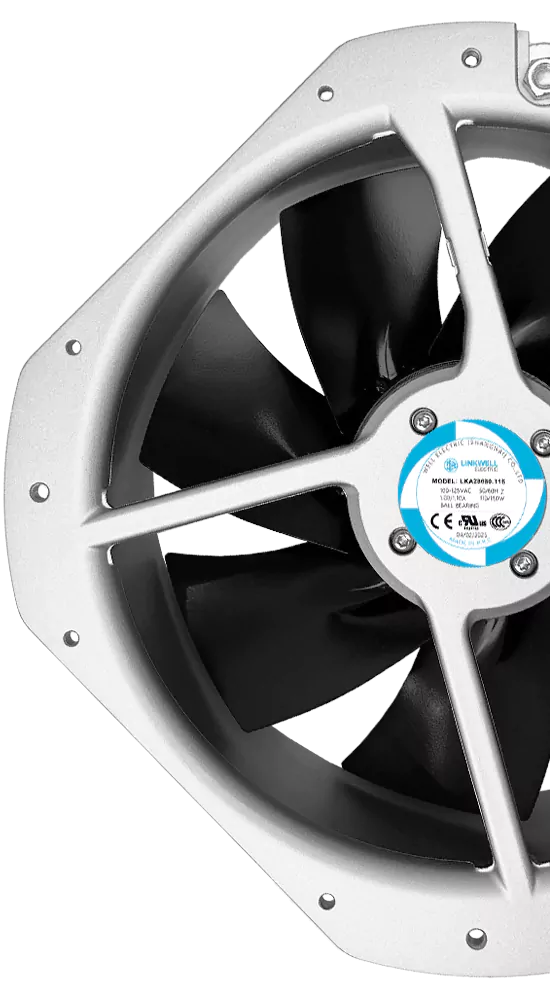
If you notice your ac fan not spinning, turn off your AC right away. Safety comes first. Take a moment to check for any debris or a tripped breaker. Never try to force the fan to move.
Stay calm—many people face this problem and you can handle some checks safely.
Key Takeaways
- Always turn off the power to your AC before checking for issues. This keeps you safe from electrical shocks.
- Regularly check and clear debris around your AC unit. This simple habit prevents fan blockages and keeps your system running smoothly.
- If basic troubleshooting doesn’t work, call a licensed technician. Some problems require professional help to ensure safety and proper repairs.
Immediate Steps for AC Unit Fan Not Spinning
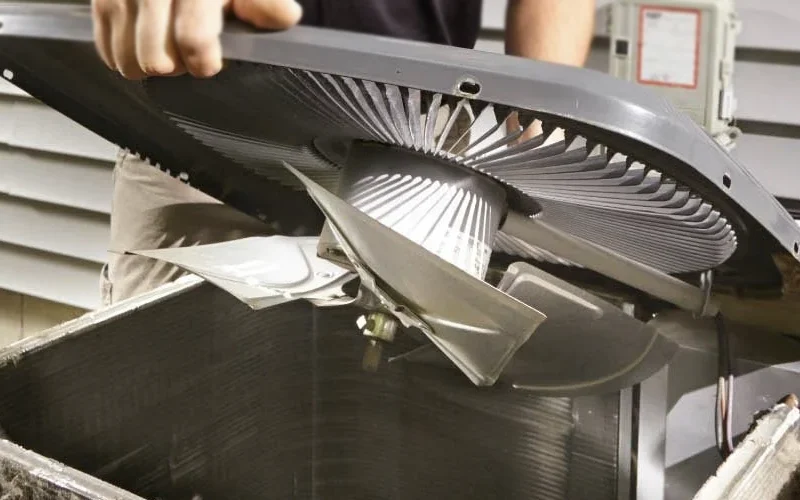
When you see your ac fan not spinning, you need to act fast but stay safe. Here are the first things you should do before you try anything else.
Turn Off Power
Always start by turning off the power to your AC. Go to your breaker panel and switch off the breaker for your air conditioner. This step keeps you safe from electrical shock. You should never touch any part of the unit while it is still powered. Even if you feel tempted to check the fan, cutting the power is the safest move.
Check for Hazards
Before you get close to your AC, look for anything that could be dangerous. Here are some common hazards you might find:
- Exposed wires or damaged electrical parts
- Debris like sticks, leaves, or trash around the fan
- Wet surfaces near the unit
- High-speed fan blades (if the unit suddenly starts)
If you spot any of these, keep your distance. Handling electrical components can be risky if you do not take the right steps. You should never try to fix these problems yourself.
Inspect Thermostat
Next, check your thermostat. Make sure it is set to “cool” and the temperature is lower than the current room temperature. Sometimes, the ac fan not spinning happens because the thermostat is off or set incorrectly. If your thermostat uses batteries, see if they need to be replaced. A simple check here can save you time and worry.
By following these steps, you can handle the ac unit fan not spinning issue safely and avoid bigger problems.
Common Causes of AC Fan Not Spinning
When you find your ac fan not spinning, you might wonder what’s really going on inside your system. Let’s break down the most common reasons why the ac fan is not spinning, so you can get a better idea of what might be wrong.
Power Supply Issues
Power problems often cause the ac fan outside not spinning. If your air conditioning unit fan loses power, the fan can’t run. Sometimes, a tripped breaker or a blown fuse stops electricity from reaching the fan. Damaged wiring or loose connections can also cut off power. You might notice the ac unit outside fan not spinning even though the rest of your house has power. Always check your breaker panel first, but remember, electrical issues can be dangerous.
Capacitor Problems
The capacitor acts like a battery for your fan motor. It gives the fan the boost it needs to start spinning. When the capacitor fails, you may see the fan in ac compressor not spinning, or you might hear a buzzing sound. According to a recent HVAC maintenance study, high-quality run capacitors can extend the lifespan of motors by 30 to 40 percent compared to faulty ones. This means capacitor problems are a major reason for ac fan not spinning but air blowing from your vents. If the capacitor goes bad, the fan won’t start, even if the rest of the system works.
Here’s a quick look at how capacitor and motor issues show up:
| Component | Motor Issues | Electrical Problems | Physical Signs |
|---|---|---|---|
| Fan Motor | Irregular blade speeds | Low MFD readings on Fan port | Burnt wiring near terminals |
Motor Failure
A bad fan motor can stop your outdoor ac fan not spinning. The fan motor does all the heavy lifting, so it wears out over time. When the fan motor burnt out, you might notice these signs:
- AC won’t start
- AC shuts off suddenly
- Grinding or screeching sounds
- AC blows warm air
- Buzzing, clicking, or rattling sounds from the unit
- Rooms feel warmer than usual
- Unit turns on and off frequently
- Fan inside the outdoor unit is slow or not moving
- Excess vibrations or shaking when starting up
- Visible rust or wear near the motor housing
If you spot these symptoms, you’re probably dealing with ac unit fan issues related to the motor.
Contactor and Wiring Issues
The contactor works like a switch that sends power to your fan and compressor. Over time, this part can wear out and fail. When that happens, the fan stops spinning. Wiring problems, such as damaged or loose connections, can also prevent the fan from getting power. These issues are common reasons for the ac fan not spinning. If you see burnt wires or notice the fan won’t start even after resetting the breaker, the problem could be here.
Debris or Obstructions
Sometimes, the simplest answer is the right one. Debris can block the fan blades and stop them from spinning. You might find dirt, leaves, twigs, or grass clippings stuck in the fan. Dirty air filters, blocked supply vents, or even material inside the ductwork can also cause trouble. If you see anything blocking the fan, turn off the power and clear it away. Keeping the area around your unit clean helps prevent these problems.
Now you know the common causes behind an ac fan not spinning. Understanding these issues helps you decide what steps to take next and when to call for help.
Troubleshooting AC Fan Not Spinning
If you want to get your AC working again, you need to follow some safe troubleshooting steps. Let’s walk through what you can do to figure out why your ac fan not spinning.
Check Breaker and Power
Start with the basics. Go to your breaker panel and look for the switch that controls your air conditioner. Flip it off, then back on. Sometimes, a simple reset fixes the problem. If the breaker trips again, you might have a deeper electrical issue. You should also check if your home has power in other rooms. If only the AC is out, the problem is likely with the unit itself.
Safety tip: Always turn off the power before touching any part of your AC. Electricity can be dangerous, so never skip this step.
Test the Capacitor
The capacitor helps your fan start spinning. If it fails, your outdoor ac fan not spinning is a common result. You can test the capacitor safely by following these steps:
- Turn off the power at the breaker panel.
- Use a multimeter to make sure no electricity is flowing.
- Discharge the capacitor with an insulated screwdriver. This step releases any stored charge.
- Put on gloves, safety glasses, and non-conductive shoes.
- Make sure the area is dry.
You’ll need a digital multimeter with a microfarad (μF) function, screwdrivers, insulated pliers, and protective gear. If the reading is within 10% of the rated value, the capacitor is fine. If it’s slightly below, plan to replace it soon. If you get no reading or zero, the capacitor has failed and needs replacement.
Listen for Buzzing Noises
Buzzing sounds can tell you a lot about what’s wrong. If you hear a buzz when the AC tries to start, but the fan doesn’t move, the capacitor or motor might be the problem. Sometimes, loose parts or a broken fan belt cause buzzing. A loud buzz from the condenser fan motor means the indoor blower is running, but the fan isn’t turning. Listen closely and try to figure out where the noise comes from. This clue helps you narrow down the issue.
Note: If you hear buzzing and the fan won’t spin, don’t keep trying to start the unit. You could damage the motor or other parts.
Try Manual Fan Spin (with Caution)
You can try to spin the fan blades by hand, but only if you follow strict safety steps. First, make sure the unit is powered down. Wait a few minutes after shutting off the power so everything cools down and moving parts stop. Check for any debris or obstructions around the fan. Use a screwdriver to gently nudge the blades. If the fan starts spinning after you do this, the capacitor is likely weak. If the blades don’t move or feel stuck, the motor might be the problem.
Never force the blades or use too much pressure. If you feel resistance, stop right away. Forcing the fan can break the motor or bend the blades.
Here’s a quick table to help you decide what your next step should be:
| Symptom | What It Might Mean | What You Should Do |
|---|---|---|
| Breaker keeps tripping | Electrical issue | Call a professional |
| Buzzing noise | Capacitor or motor issue | Test capacitor, listen |
| Fan spins by hand | Weak capacitor | Replace capacitor soon |
| Fan stuck or hard to move | Motor problem | Contact a technician |
Troubleshooting your AC fan not spinning doesn’t have to be scary. Take your time, stay safe, and use these steps to figure out what’s wrong. If you feel unsure or run into something you can’t fix, call a professional for help.
DIY Fixes for AC Unit Fan Not Spinning
You might feel frustrated when your AC stops working, but you can try a few simple fixes before calling a pro. Let’s look at what you can do right now.
Reset Breaker
Sometimes, your AC just needs a quick reset. Head to your breaker panel and find the switch for your air conditioner. Flip it off, wait a few seconds, then turn it back on. This step often gets your fan moving again. According to HVAC experts, resetting the breaker gives a temporary fix for many people. Here’s what users report:
| What Happens After Resetting Breaker | How Often It Occurs |
|---|---|
| Fan restarts but stops again within a day | Recurs daily |
| Issue happens three times with no power problems | Three occurrences |
| Resetting always works, but only for a short time | Consistent temporary fix |
If your fan keeps stopping, you might have a bigger problem. Don’t keep resetting the breaker if the issue returns.
Clear Debris
Walk outside and check your AC unit. Look for leaves, sticks, or anything blocking the fan blades. Turn off the power first, then gently remove any debris you see. Even a small twig can stop the fan from spinning. Cleaning around your unit helps prevent the ac fan not spinning and keeps your system running smoothly.
Tip: Make this a habit. Check your AC for debris every few weeks, especially after storms or windy days.
Replace Thermostat Batteries
Sometimes, the fix is as easy as swapping out batteries. If your thermostat screen is blank or fading, pop in fresh batteries. A dead thermostat can stop your fan from working, even if the rest of the system looks fine. After you change the batteries, set the thermostat to “cool” and lower the temperature. Wait a few minutes to see if the fan starts.
You don’t need special tools for these steps. Just a little time and attention can save you money and stress.
When to Call a Professional
Sometimes, you just need to step back and let an expert handle things. If you notice any of these warning signs, it’s time to call a licensed HVAC technician.
Electrical or Wiring Issues
Electrical problems can get dangerous fast. You should never try to fix wiring or electrical parts yourself. Here are some clear signs you need a pro:
- The breaker keeps tripping when you turn on your AC
- You smell burnt wiring near the unit
- The thermostat won’t work or acts strange
- The motor looks burned out
- You see damaged wires or a faulty control board
HVAC systems have complex electrical parts. Only trained professionals have the right tools and safety knowledge to fix these problems. Trying to repair them yourself can lead to shocks or even fires.
If you ever smell burning or see sparks, turn off your AC right away and call for help.
Persistent Fan Problems
If your ac fan not spinning keeps coming back, don’t ignore it. Maybe you’ve reset the breaker or cleared debris, but the fan still won’t work right. This means there’s a deeper issue. You might have a failing motor, a bad capacitor, or another hidden problem. A technician can find the real cause and fix it safely.
Burning Smells or Unusual Noises
A burning smell from your AC is a big red flag. This can mean overheating parts, melting wires, or a failing motor. These problems can quickly turn into electrical fires if you keep running the unit. If you hear grinding, buzzing, or rattling noises, shut off your AC and call a professional. Don’t risk your safety or your home.
Never try to fix burning smells or loud noises yourself. Let an expert check things out.
Preventing AC Fan Problems
You can avoid the headache of an ac fan not spinning by taking a few simple steps. Let’s look at how you can keep your AC running smoothly all season long.
Regular Maintenance
Regular maintenance keeps your AC in top shape. You don’t need to be an expert to do the basics. Here’s what you can do:
- Clean the unit by removing dirt and dust from the outside.
- Replace old air filters with clean ones every few months.
- Check and tighten any loose electrical connections.
- Look at parts like capacitors and relays for signs of wear.
These habits help your fan run better and last longer. You’ll also notice your home feels cooler and your energy bills stay lower.
Keep Area Clear
Your AC needs room to breathe. If you let leaves, grass, or branches pile up around the unit, airflow gets blocked. That can lead to problems with the fan. Try these tips:
- Remove debris and foliage from around the outdoor unit.
- Trim back shrubs or flowers that grow too close.
- Pick up leaves or sticks near the base or sides of the unit.
A clear area means your AC works less hard and stays reliable.
Schedule Inspections
Professional inspections catch small problems before they turn big. You should schedule a service at least once a year, usually in the spring. If your system is over 10 years old, twice a year is even better. Here’s what regular inspections can do for you:
| Benefit | How It Helps You |
|---|---|
| Lower energy bills | Boosts efficiency by 10–15% |
| Fewer surprise breakdowns | Spots issues early |
| Better indoor air quality | Reduces dust and allergens |
| Keeps your warranty valid | Meets manufacturer requirements |
| Saves money on repairs | Prevents costly fixes |
Conclusion
You now know what to do if you find your ac fan not spinning. Acting quickly keeps your home safe and cool. Start with simple checks like turning off the power, looking for debris, and making sure your thermostat works. These steps help you spot easy fixes and avoid bigger problems.
If you try the basic troubleshooting and the fan still will not spin, do not push your luck. Some issues need a professional. Electrical problems, burning smells, or loud noises mean you should call an HVAC technician right away. Your safety always comes first.
Remember: Ignoring a stuck fan can lead to bigger repairs and higher bills. Take action as soon as you notice something wrong.
You can prevent most AC fan problems with regular care. Clean around your unit, change filters, and schedule yearly checkups. These habits keep your system running longer and help you avoid surprise breakdowns.
Here’s a quick checklist to keep handy:
- Turn off power before checking anything.
- Clear away leaves and debris.
- Replace thermostat batteries if needed.
- Listen for odd sounds or smells.
- Call a pro if you feel unsure.
Stay alert and take care of your AC. You will enjoy a cooler, safer home all summer long.
Act fast but stay safe when your AC fan stops spinning. Quick action keeps small problems from turning into big repairs.
- You avoid higher costs and breakdowns by fixing issues early.
- Regular maintenance helps your fan last longer and keeps your home cool.
If simple checks do not work, call a pro.
FAQ
Why did my AC fan stop spinning suddenly?
When an AC fan stops spinning unexpectedly, the most common causes include a failed capacitor, a tripped circuit breaker, or debris obstructing the fan blades. In some cases, motor overheating or worn bearings can also cause a safety shutdown. Start by turning off the power and visually inspecting the unit before taking further action.
Is it safe to run my AC if the fan is not spinning?
No, running your AC without a spinning fan is unsafe and can cause serious damage. The fan is responsible for releasing heat from the system. Without it, pressure builds rapidly, which can overheat and permanently damage the compressor, one of the most expensive components in an air conditioning system.
Can I fix a stuck AC fan myself?
You may handle basic checks, such as removing visible debris, confirming the breaker has not tripped, or resetting the system after a power interruption. However, if the fan still does not spin, the issue is likely electrical or mechanical. At that point, contacting a licensed HVAC technician is the safest and most cost-effective solution.