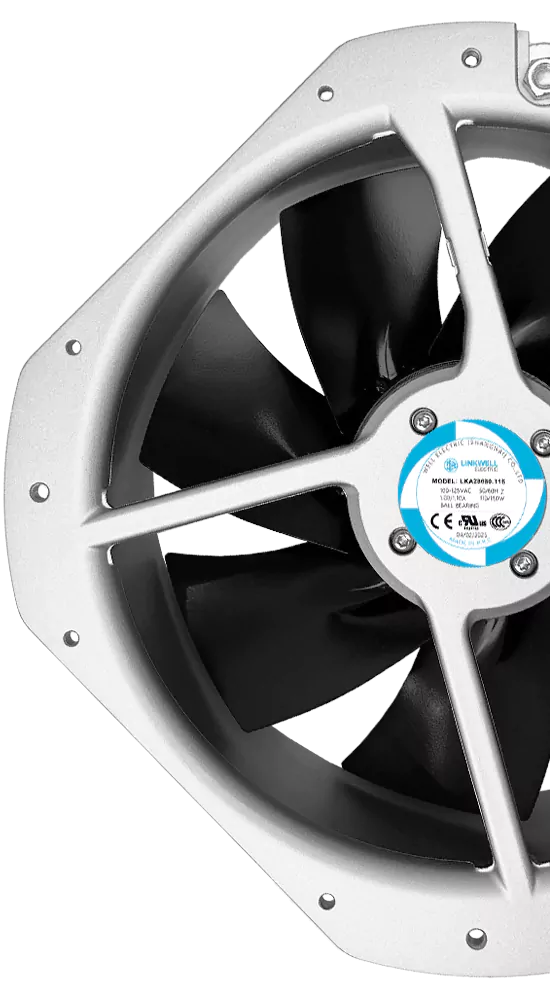
If you want the best performance in 2026, backward curved fans take the lead. These fans deliver 15-25% higher efficiency and run 5-10dB quieter than forward curved fans. You will also see safer operation, thanks to their non-overload design. Choosing the right fan matters more than ever, especially with new energy standards like FEI pushing for energy savings in every industry. With fanacdc’s proven reliability, you get fans that keep your systems running strong, quiet, and efficient. When you compare backward curved fan vs forward curved fan, practical results speak for themselves.
Key Takeaways
- Backward curved fans are 15-25% more efficient and quieter than forward curved fans, making them ideal for high-pressure environments.
- Choose backward curved fans for industrial applications where energy efficiency and durability are crucial; they handle high static pressure well.
- Forward curved fans are cost-effective for low-pressure systems, providing high airflow in clean environments like HVAC systems.
- Consider noise levels when selecting fans; backward curved fans may be louder but are better for demanding tasks, while forward curved fans are quieter.
- Evaluate your specific airflow and pressure needs to select the right fan type, ensuring optimal performance and energy savings.
Backward Curved Fan vs Forward Curved Fan: Quick Comparison

Key Differences in 2026
When you look at backward curved fan vs forward curved fan, you see clear differences in how these fans work and where they fit best. In 2026, new energy standards and smarter building designs make these differences even more important. You want to pick the right fan for your system, so let’s break down the basics.
Here’s a quick table to help you compare the two types of fans:
| Feature | Forward Curved Fans | Backward Curved Fans |
|---|---|---|
| Blade Shape | Blades curve forward, shorter and more numerous | Blades curve backward, longer and fewer in number |
| Airflow Generation | Air is pushed out by blades’ action | Air is guided and accelerated within impeller channels |
| Efficiency | Moderate efficiency, drops off under high pressure | High efficiency, stable operation under varying conditions |
| Noise Level | Generally higher noise levels | Operate quieter due to smoother airflow |
| Durability | Shorter lifespan, more frequent repairs | Longer lifespan, less maintenance needed |
| Application Scenarios | HVAC systems, cost-sensitive projects | Industrial applications, energy efficiency priority |
You can see that backward curved fan vs forward curved fan is not just about the shape of the blades. The design affects everything from airflow to noise to how long the fans last. Backward curved fans use fewer, longer blades that curve away from the direction of rotation. This design helps them run quietly and efficiently, even when your system faces high pressure. Forward curved fans have more blades that curve forward, which gives you high airflow but can lead to more noise and less efficiency when pressure rises.
Tip: If you need a fan for a tough industrial job or want to save energy, backward curved fans are usually the better choice. For simple HVAC systems or when you want to keep costs low, forward curved fans might work well.
Performance Metrics Overview
You want to know how backward curved fan vs forward curved fan stack up in real-world numbers. Let’s look at the main performance metrics: airflow, pressure, noise, and cost.
Here’s a side-by-side comparison:
| Feature | Forward Curved Fans | Backward Curved Fans |
|---|---|---|
| Airflow Capacity | High airflow capacity | Moderate airflow capacity |
| Pressure | Lower efficiency at higher pressures | Better performance at higher pressures |
| Noise Levels | Higher noise levels | Lower noise levels |
| Cost | Generally more cost-effective | Generally more expensive |
When you compare backward curved fan vs forward curved fan, you notice that forward curved fans move a lot of air at much lower pressure. This makes them great for large spaces with little resistance, like basic HVAC ducts. Backward curved fans shine when you need to push air through filters, coils, or long ductwork. They keep their efficiency even as pressure builds up.
Noise is another big factor. Backward curved fans run quieter because their blade design creates smoother airflow. If you want a peaceful workspace or need to meet strict noise rules, this matters a lot.
Cost can sway your decision, too. Forward curved fans usually cost less up front. Backward curved fans cost more, but you save money over time because they use less energy and need less maintenance.
You also want to think about centrifugal fan efficiency. Backward curved fans lead the way here, especially in 2026, when energy-saving rules are tighter. If you care about long-term value, reliability, and meeting new standards, backward curved fans are hard to beat.
Backward Curved Fans: Design and Benefits
How Backward Curved Fans Work
You might wonder what makes backward curved fans so effective. These fans use blades that curve away from the direction of rotation. When the fan spins, air enters the center and gets pushed outward by centrifugal force. The backward curved fan design minimizes turbulence, so you get smoother airflow and less energy loss. You’ll notice that backward curved fans keep their efficiency even when system pressure changes. This makes them perfect for tough jobs.
Backward curved fans stand out because they handle high static pressure. If you have a system with long duct runs or heavy filtration, you need a fan that won’t lose power as resistance builds. Backward curved fans deliver steady airflow, keeping your equipment cool and your air clean. The blades’ shape also helps reduce noise, so your workspace stays quieter.
Here’s a quick look at how backward curved fans compare in industrial settings:
| Feature | Benefit |
|---|---|
| Minimizes turbulence | Smoother airflow, better efficiency, less energy loss |
| Higher static pressure | Handles high-resistance environments, keeps air moving |
| Durable materials | Less maintenance, longer lifespan |
| Energy-efficient operation | Saves money over time |
Industrial Advantages with fanacdc Centrifugal Fan
If you want reliability, backward curved fans from fanacdc are a smart choice. These fans use robust materials like stainless steel and fiberglass-reinforced plastics. You get high mechanical strength and resistance to corrosion, so your fan works well even in harsh environments. Backward curved fans from fanacdc last longer and need less maintenance, which means fewer headaches for you.
Backward curved fans excel in high-pressure applications. You’ll see strong performance across different airflow and pressure needs. These fans can handle increased resistance and pressure drops, making them ideal for systems with long ducts or heavy filters. If you work in HVAC, commercial refrigeration, or power systems, backward curved fans from fanacdc keep your equipment running smoothly.
Let’s compare pressure handling and efficiency:
| Fan Type | Pressure Handling Capability | Efficiency | Airflow Capacity |
|---|---|---|---|
| Backward Curved Fans | High | High | Maintained |
| Forward Curved Fans | Moderate | Moderate | Variable |
Backward curved fans give you stable airflow and high static pressure. You get efficient cooling and filtration, even in demanding environments. With fanacdc’s backward curved fans, you can trust your system to stay efficient and reliable for years.
Forward Curved Fans: Features and Applications
How Forward Curved Fans Operate
You might wonder how forward curved fans actually work. These fans use blades that curve in the direction of rotation. When the fan spins, the blades scoop up air and push it forward. This design lets forward curved fans move a lot of air at low to medium pressure. You often see this type of fan in systems where you need high airflow but not much resistance. The fan’s compact size makes it easy to fit into tight spaces. You also get smooth and steady airflow, which helps keep your equipment cool and your air fresh.
Forward curved fans stand out because they can deliver high volumes of air with less power. The fan blades create a gentle airflow, so you get less turbulence and a quieter operation. If you need a fan that runs quietly and fits into a small spot, forward curved fans are a great choice. You will notice that these fans work best in clean environments where dust and debris are not a big problem.
Common Uses in Commercial Settings
Forward curved fans show up everywhere in commercial spaces. You will find these fans in HVAC systems, where they help move air for heating and cooling. They play a big role in keeping offices and stores comfortable. Many industrial processes also rely on forward curved fans to circulate air and boost efficiency. If you look in a kitchen, you might spot a forward curved fan in a range hood, pulling out smoke and odors while staying quiet.
Here are some of the most common places you will see forward curved fans:
- HVAC systems for efficient airflow in heating and cooling
- Industrial processes that need steady air circulation
- Residential ventilation, like kitchen hoods, for low noise and high airflow
- Air purification systems to keep air clean in different environments
Note: Forward curved fans are popular because they balance airflow, noise, and cost. You get a fan that works well in many commercial settings without breaking the bank.
If you want a fan that is easy to install, runs quietly, and handles large volumes of air, forward curved fans are a smart pick for your next project.
Efficiency and Energy Use Comparison

Centrifugal Fan Efficiency: Backward vs Forward Curved
When you look at efficiency, you want to know which fan will save you more energy and money in the long run. Backward curved fans and forward curved fans each have their strengths, but their performance depends on your system’s needs.
Backward curved fans shine when you need to handle high pressure. These fans keep their efficiency steady, even as resistance in your system increases. You will notice that backward curved fans use less energy in tough conditions, like long duct runs or heavy filtration. This makes them a top choice for industrial applications where energy savings matter most.
Forward curved fans work best at low pressure. If you need to move a lot of air in a system with little resistance, forward curved fans can be very efficient. You often see these fans in HVAC systems where airflow is the main goal and pressure is not a big concern. However, when pressure rises, forward curved fans lose efficiency faster than backward curved fans.
Here’s a quick table to help you compare the energy efficiency of both types:
| Feature | Forward Curved Fans | Backward Curved Fans |
|---|---|---|
| Energy Efficiency | More efficient at low pressure | More efficient at high pressure |
You can see that backward curved fans are the go-to option for high-pressure environments. Forward curved fans are great for moving large volumes of air at low pressure, but they struggle when the system gets tough.
If you want a fan that keeps your energy bills low and meets strict efficiency standards, backward curved fans are hard to beat. These fans also help you meet new energy regulations, which are getting stricter every year.
Energy Trends for 2026
Energy use is changing fast in 2026. You see more companies looking for ways to cut costs and meet new environmental rules. The market for centrifugal fans is growing, with a focus on energy efficiency and sustainability. You want to pick fans that help you stay ahead of these trends.
Here are some key things to keep in mind when choosing fans for your system:
- Estimate the required airflow based on your application.
- Examine the pressure conditions to select the right fans.
- Choose the motor type that matches your needs to optimize energy use.
You will notice that airflow requirements are critical for system effectiveness. Pressure conditions matter even more in high static pressure environments. The type of motor you pick—constant or variable speed—can make a big difference in how much energy your fans use.
In 2026, the demand for energy-efficient ventilation is driving the growth of DC centrifugal fans. Governments are pushing for energy conservation, so companies are switching to fans that use less power. Backward curved fans are recognized for their energy efficiency and ability to handle different operating conditions. This is important as more industries focus on saving energy and lowering costs.
Forward curved fans are still popular in HVAC systems and other places where you need high airflow and low noise. These fans offer good airflow efficiency, but you need to watch out for rising energy costs if your system faces higher pressure.
You can expect the following trends to shape your choices:
- The push for energy-efficient technologies will help lower operational costs by reducing energy use.
- Both backward curved fans and forward curved fans will benefit from the focus on energy savings, but backward curved fans will stand out in high-pressure and demanding environments.
If you want to future-proof your system, look for fans that meet the latest energy standards and offer flexible motor options. Backward curved fans from fanacdc give you the reliability, efficiency, and compliance you need for 2026 and beyond.
Airflow and Pressure Needs
Blade Design Impact
When you look at different types of fans, blade design makes a huge difference in how they handle airflow and pressure. The shape and angle of the blades decide how much air the fans can move and how well they work against resistance. Here’s a quick table to show you how forward curved and backward curved fans compare:
| Feature | Forward Curved Fans | Backward Curved Fans |
|---|---|---|
| Airflow Volume | High | Moderate |
| Static Pressure Handling | Low | High |
| Noise Level | Low | Higher |
| Energy Efficiency | Moderate | High |
| Best For | HVAC, low-resistance | Industrial, clean rooms |
You will notice that forward curved fans push a lot of air but struggle when the system has high resistance. These fans work best in open spaces or simple ductwork. Backward curved fans, on the other hand, keep airflow steady even when pressure builds up. This makes them perfect for tough jobs where you need reliable performance.
Application Suitability for fanacdc Centrifugal Fan
Choosing the right fans for your system depends on what you need. If you want high airflow and energy efficiency, fanacdc centrifugal fans deliver. You can use these fans in many places, from factories to offices and even homes. They are easy to maintain because you can take them apart for cleaning or repairs. You also get adjustable speed, so you can set the fans for cooling, ventilation, or even humidification.
Here’s why fanacdc centrifugal fans stand out:
- Designed for high airflow and energy efficiency
- Easy maintenance with disassemblable parts
- Suitable for industrial, commercial, and domestic environments
- Adjustable speed and multiple functions
- Low noise level for a comfortable space
You will find that these fans keep noise below 58dBA, so your workspace stays quiet. The strong design means you can trust them in demanding environments. With fanacdc, you get fans that meet the needs of modern industry and help you save energy. These fans fit well in HVAC systems, clean rooms, and any place where you need steady airflow and high pressure. If you want reliable fans that last, fanacdc centrifugal fans are a smart choice.
Noise and Maintenance Factors
Noise Levels: Backward vs Forward Curved Fans
When you compare different types of centrifugal fans, noise often becomes a deciding factor. You want a workspace that stays comfortable, so understanding how each fan sounds matters. Forward curved fans usually run quieter. Their blade design reduces turbulence, which means less noise during operation. Backward curved centrifugal fans, on the other hand, move more air and handle higher pressure, but this can lead to increased noise because of larger blades and stronger airflow.
Here’s a quick look at how these fans stack up:
| Fan Type | Noise Level | Explanation |
|---|---|---|
| Forward Curved Fans | Lower Noise Levels | Their design minimizes turbulence, resulting in quieter operation. |
| Backward Curved Fans | Higher Noise Levels | Larger blades and higher airflow capacity lead to increased turbulence and noise production. |
If you need fans for an office or a quiet commercial space, forward curved centrifugal fans might be your best bet. For industrial settings where airflow and pressure matter more, backward curved fans offer the power you need, even if they run a bit louder.
Tip: Always check the noise rating before you choose fans for your project. A quieter fan can make a big difference in comfort and productivity.
Maintenance and Durability
You want fans that last and don’t need constant attention. Maintenance and durability depend on the type of centrifugal fan you pick. Backward curved fans require less frequent maintenance. Their sturdy design stands up to dust and tough conditions, making them ideal for high-pressure environments. Forward curved fans may need more regular care, especially in places with lots of debris or heavy use.
Let’s break down the differences:
| Fan Type | Maintenance Requirements | Durability Aspects |
|---|---|---|
| Backward Curved | Requires less frequent maintenance due to design | More durable in dusty environments, suitable for high pressure applications |
| Forward Curved | May require more maintenance due to design | Generally less durable in harsh conditions, better for clean air environments |
You’ll find that backward curved centrifugal fans keep working longer with fewer repairs. Their robust construction means less downtime and lower costs over time. Forward curved fans work well in clean air environments, but you might spend more time on upkeep if conditions get tough.
- Choose backward curved fans for demanding jobs and long-term reliability.
- Pick forward curved fans for simple systems and easy maintenance in clean spaces.
No matter which type you select, regular checks help keep your fans running smoothly. Clean blades, check bearings, and listen for unusual sounds. This way, you get the most out of your centrifugal fan efficiency and keep your system performing at its best.
Cost and Value Analysis
Initial and Operating Costs
When you start shopping for fans, you probably look at the price tag first. Forward curved fans usually cost less up front. You can get these fans for a lower initial investment, which makes them popular for basic HVAC systems and small commercial projects. Backward curved fans, on the other hand, come with a higher price. Their larger blades and more complex manufacturing process drive up the initial cost.
But don’t stop at the purchase price. You need to think about how much fans will cost to run over time. Backward curved fans use energy more efficiently, so you spend less on electricity. Forward curved fans may seem like a bargain, but their operating costs add up because they use more power in high-pressure situations.
Here’s a quick table to help you compare:
| Fan Type | Initial Cost | Operating Cost | Notes |
|---|---|---|---|
| Backward Curved | Higher | Generally lower | More efficient, larger blades, higher manufacturing complexity |
| Forward Curved | Lower | Generally higher | Lower initial purchase cost, but less efficient in the long run |
- Backward curved fans are typically more expensive due to larger blades and manufacturing complexity.
- Forward curved fans have a lower initial purchase cost.
Long-Term Value with fanacdc
If you want fans that deliver real value over time, you should look beyond the sticker price. Backward curved fans from fanacdc stand out for their durability and low maintenance needs. You get fans that keep working in tough conditions, like factories, cleanrooms, and data centers. These fans need less attention, so you save money on repairs and downtime.
Forward curved fans work well in stores, homes, and offices where pressure stays low. They cost less to buy, but you may spend more on maintenance and energy bills. If your system faces high resistance, these fans can break down faster.
Let’s compare how fans perform in different settings:
| Fan Type | Efficiency | Maintenance Needs | Application Suitability |
|---|---|---|---|
| Backward Curved | More efficient, cost less to run | Less maintenance, durable in tough conditions | Best for high pressure, used in factories, cleanrooms, data centers |
| Forward Curved | Less efficient, cost more to run | More maintenance, prone to breakdowns | Suitable for low pressure, used in stores, homes, offices |
Tip: If you want fans that last and help you save money year after year, backward curved fans from fanacdc are a smart investment. You get high centrifugal fan efficiency, strong performance, and peace of mind.
Choosing the right types of centrifugal fans means you get the best value for your application. You can trust fanacdc to deliver fans that meet your needs, whether you need a backward curved centrifugal fan for industrial use or a forward curved centrifugal fan for commercial comfort. The right centrifugal fan blade design makes all the difference in cost, reliability, and long-term satisfaction.
Making the Right Choice
Key Factors for Selecting Centrifugal Fan Type
Choosing the right centrifugal fan for your project can feel overwhelming, but you can make it simple by focusing on a few key factors. Start by thinking about what your system really needs. Every application is different, so you want to match your fans to your exact requirements.
Here’s what you should consider before making a decision:
- Define the airflow volume you need (measured in CFM).
- Calculate the total static pressure your system will face.
- Check the air quality and see if there are particulates or moisture.
- Know the operating temperature range for your environment.
- Pick the right materials for construction, especially if you need corrosion resistance.
- Measure the space you have for installation.
- Set your maximum noise level for comfort or compliance.
- Decide if you want variable speed control or a constant speed fan.
- Confirm your available power source and voltage.
- Make sure your fans meet all regulatory and safety standards.
Tip: Always start with your application’s airflow and pressure needs. This will help you narrow down your options quickly.
You can also use a step-by-step approach:
- Determine your application requirements by analyzing airflow and static pressure.
- Review fan performance curves to see which models fit your needs.
- Consider the type and design of fans, since each type works best in specific situations.
When you take the time to match your fans to your system, you get better performance, longer life, and lower energy bills.
Conclusion
You’ve seen how the right choice of fans can make a big difference in your system’s performance, cost, and reliability. In 2026, backward curved centrifugal fans stand out for high efficiency, strong pressure handling, and long-term value. If you run an industrial operation or need to meet strict energy standards, these fans give you the edge. Their design keeps airflow steady, even when your system faces tough resistance. You also get less maintenance and a longer lifespan, which means fewer headaches down the road.
Forward curved centrifugal fans still have a place in commercial and residential spaces. If you want fans that move a lot of air at low pressure and keep noise down, these are a solid pick. They fit well in HVAC systems, offices, and places where cost matters most. Just remember, these fans work best in clean environments with simple ductwork.
When you compare the types of centrifugal fans, think about your airflow and pressure needs first. Look at centrifugal fan efficiency, noise levels, and how much maintenance you can handle. The right centrifugal fan blade design will help you save energy and keep your system running smoothly.
Tip: If you want a future-proof solution, choose fans from fanacdc. You get reliable performance, strong support, and products that meet the latest standards.
Here’s a quick recap to help you decide:
| Need | Best Fan Type |
|---|---|
| High pressure, tough jobs | Backward curved centrifugal fan |
| Low pressure, quiet spaces | Forward curved centrifugal fan |
Stay ahead by picking fans that match your needs and keep up with new technology. With fanacdc, you power your systems with confidence and efficiency.
You want the best results for your system in 2026. Backward curved fans work great for high-pressure jobs and tough environments. Forward curved fans fit well in tight spaces and move lots of air at low pressure. The main differences come down to efficiency, noise, and pressure handling. If you need fans that last, save energy, and run quietly, fanacdc offers advanced options with smart controls and eco-friendly designs. As technology grows, look for fans with IoT features and better materials. Choose fans that match your needs and keep your business ahead.
FAQ
What are the main types of centrifugal fans?
You will find two main types of centrifugal fans: backward curved centrifugal fan and forward curved centrifugal fan. Each type uses a different centrifugal fan blade design. These fans work best in different settings, so you should match the fan to your system’s needs.
How do I choose between backward curved and forward curved fans?
You should look at your airflow and pressure needs. Backward curved centrifugal fans handle high pressure and offer better centrifugal fan efficiency. Forward curved centrifugal fans move more air at low pressure. Think about your space, noise limits, and energy goals before you decide.
Why do fans with backward curved blades last longer?
Fans with backward curved blades use strong materials and a design that reduces wear. These fans resist dust and tough conditions. You will spend less time on repairs and get more years of steady performance from these fans.
How often should I maintain my fans?
You should check your fans every few months. Clean the blades, listen for odd sounds, and make sure nothing blocks airflow. Backward curved centrifugal fans need less maintenance than other types of centrifugal fans, but regular checks keep all fans running smoothly.
Can I use the same fans for both industrial and commercial spaces?
You can use many types of centrifugal fans in both settings. Backward curved centrifugal fans work well in factories and clean rooms. Forward curved centrifugal fans fit offices and stores. Always match the fan’s features to your space and needs.