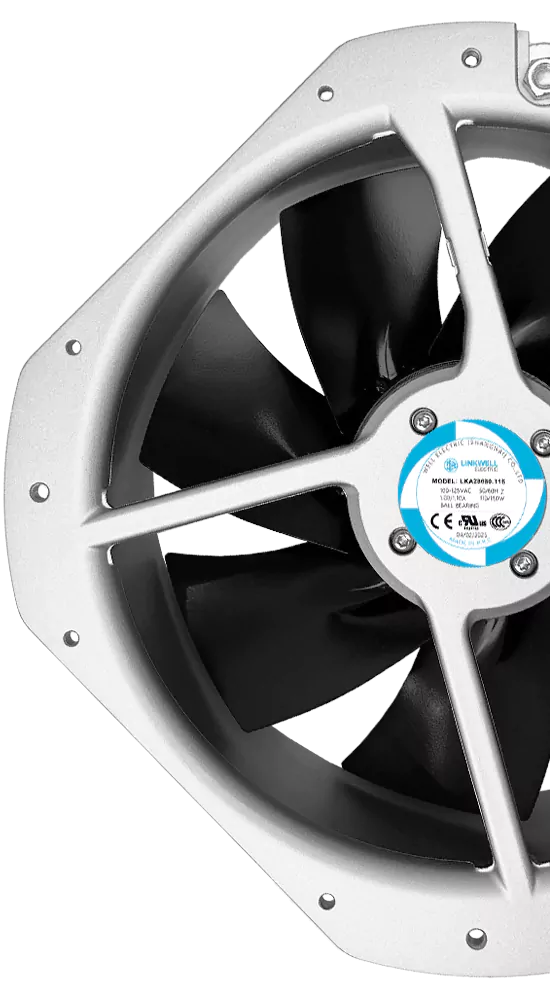
When you pick a cooling fan for work, the bearing type is important. Bearings help decide how long your fan will work. They also affect how loud the fan is. Bearings show how often you must check or change the fan. If you want your machines to work well, you should know how each bearing works. The Ball Bearing vs Sleeve Bearing Fan choice is important if you want your business to be quiet and reliable.
Key Takeaways
- Ball bearing fans last longer. They usually work for 50,000 to 100,000 hours. This makes them great for running all the time.
- Sleeve bearing fans cost less at first. But they only last about 20,000 to 30,000 hours.
- Ball bearings can handle high heat better. Their oil stays good in hot places. Sleeve bearings can break in heat because their oil goes bad.
- Ball bearing fans can be put in any position. This gives you more choices. Sleeve bearings work best when standing up straight.
- Sleeve bearing fans are quieter when running slow. But they can get louder as they get older.
- Pick ball bearing fans for tough jobs or hard places. They are more reliable and last longer.
- Sleeve bearing fans are good for easy jobs and if you want to save money. They work well for a short time.
- Ball bearing fans do not need much care. This saves time and money on repairs compared to sleeve bearing fans.
Ball Bearing Fan Basics
Ball Bearing Structure
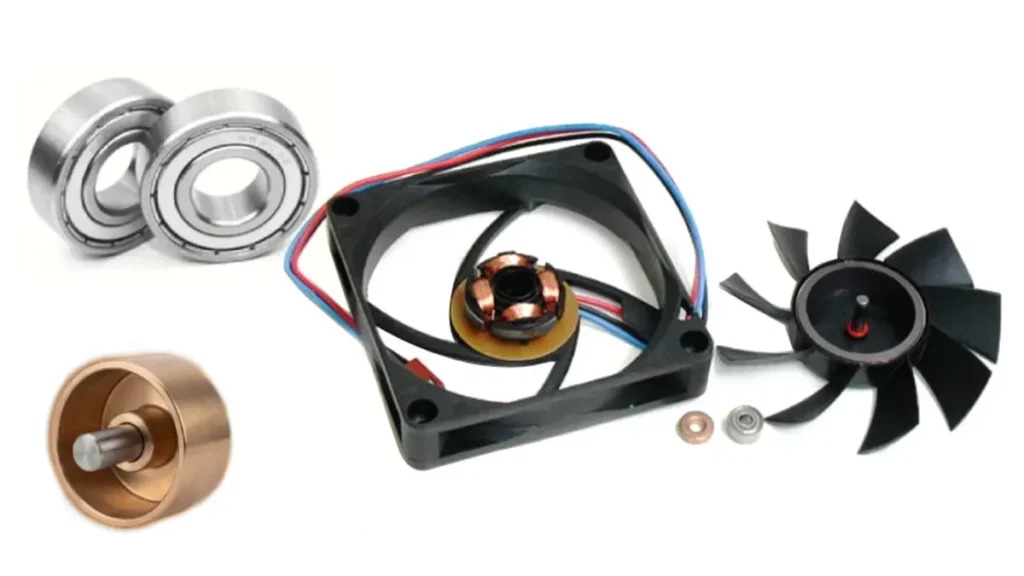
Ball bearing fans are special because they use ball bearings. These bearings help the fan spin easily. Ball bearings are inside the hub of the fan. They lower friction, so the fan spins faster and lasts longer. The strong structure helps the fan cool things quickly. It also keeps vibration low. Here are the main parts and how they help the fan work well:
| Structural Component | Contribution to Performance |
|---|---|
| Ball Bearings | Lower friction, make the fan work better, and help it spin fast. |
| Robust Structure | Keeps air moving and controls temperature well. |
| Durability | Works well in hot places and stays reliable. |
| Innovative Design | Needs less fixing and lasts longer. |
Ball bearing fans can handle hard jobs. You can put them in any direction, and they still work. Dual ball bearings stop the fan from getting out of place. This means cooling stays steady and vibration is low. You do not need to oil them often. This saves time and keeps machines working.
How Ball Bearing Fans Work
When you turn on a ball bearing fan, the bearings roll. This lets the blades spin with little resistance. The airflow is smooth and cooling is strong. Ball bearings wear out slowly, so the fan lasts longer. Ball bearing vs sleeve bearing fan is important because ball bearings are more flexible and reliable.
Ball bearing fans work well in hot places. The bearings do not break easily, so the fan keeps working. If you need fans that run all day, ball bearing fans are a good pick. They keep vibration low, which protects your equipment and makes the fan quieter.
Tip: Ball bearing fans work in any direction. You do not have to worry about how you install them.
Ball Bearing Fan Applications
Ball bearing fans are used in many places. They are common in computers, like in server rooms and data centers. These fans keep servers cool and stop them from overheating. You also see them in cars. Ball bearing fans help control engine temperature and handle fast speeds. In factories, these fans keep machines cool and safe from heat.
- Computing: Ball bearing fans are reliable and help keep servers cool.
- Automotive: These fans spin fast and keep engines from getting too hot.
- Industrial Production: Ball bearing fans work in many positions and temperatures, so they are good for tough jobs.
Ball bearing fans last a long time and are strong. They give steady cooling and work well in hard places. If you need fans that last and work in rough spots, ball bearing fans are the best. You get less vibration, longer life, and less fixing needed.
Sleeve Bearing Fan Basics
Sleeve Bearing Structure
You might wonder how sleeve bearings work inside cooling fans. Sleeve bearings use a simple design. The bearing is a smooth tube, usually made from porous metal. The fan shaft sits inside this tube. Oil fills the space between the shaft and the sleeve. This oil helps the shaft spin and keeps friction low. You get a quiet fan at low speeds because the sleeve absorbs vibration.
Take a look at this table. It shows how sleeve bearings compare to ball bearings in cooling fans:
| Feature | Ball Bearings | Sleeve Bearings |
|---|---|---|
| Life Expectancy | Longer life expectancy, around 50,000-100,000 hours | Shorter life expectancy, usually around 30,000 hours |
| Temperature Range | Suitable for -70 to 80 degrees C | Limited temperature range, less suitable for high temperatures |
| Orientation Flexibility | Can be mounted in various orientations without issues | Best suited for vertical orientation only |
| Noise Level | Can produce more noise at lower speeds | Generally quieter at lower speeds |
| Cost | More expensive | Generally lower cost |
You see that sleeve bearings cost less. They work best when you mount the fan vertically. If you try to use them sideways, the oil can move away from the shaft. This makes the fan wear out faster. Sleeve bearings also have a shorter life compared to ball bearings.
How Sleeve Bearing Fans Work
When you turn on a sleeve bearing fan, the shaft slides inside the sleeve. Oil keeps the shaft moving and reduces friction. You get smooth cooling and less vibration at low speeds. Sleeve bearings do not use rolling contact like ball bearings. Instead, they rely on sliding contact. This makes the fan quieter, but it also means the bearing wears out faster.
You need to know that sleeve bearing fans work best in cool places. High temperatures can dry out the oil. If the oil dries up, the bearing life drops. You get less durability and lower efficiency. Sleeve bearings also need the fan to run in a vertical position. If you mount the fan sideways, you risk losing performance and reliability.
Note: Sleeve bearing fans are quieter at low speeds, but they do not last as long as ball bearing fans.
Sleeve Bearing Fan Applications
You find sleeve bearing fans in many simple cooling systems. They work well in short-life equipment. For example, you see them in consumer electronics that run for a few years. These fans are common in printers, small appliances, and light-duty industrial devices.
Here is a table that shows where sleeve bearing fans fit best:
| Application | Operating Conditions | Better Bearing Choice | Reason |
|---|---|---|---|
| Short-life consumer equipment | 55°C max, 2,000-3,000 h/year, 2-year product life | Sleeve or hydraulic bearing | Lower cost when fan life matches product life. |
You choose sleeve bearing fans when you want low cost and quiet operation. If your cooling fans do not need to run all day or face high heat, sleeve bearings are a smart pick. You get good performance for light-duty jobs. You also save money on equipment that does not need long lifespan or high durability.
If you compare ball bearing vs sleeve bearing fan, you see that sleeve bearings are best for simple systems. You get less vibration, lower noise, and easy maintenance. You do not need to worry about complex bearing types. Just make sure your fan runs in the right position and stays cool.
Ball Bearing vs Sleeve Bearing Fan: Key Differences
Lifespan and Reliability
When you compare ball bearing vs sleeve bearing fan, the first thing you notice is the difference in life and reliability. Bearings are the heart of cooling fans. They decide how long your fan will keep working and how much you can trust it in tough spots.
- Sleeve bearings usually last between 8,000 and 10,000 hours. This makes them a good choice for medium or low-speed cooling fans.
- Ball bearings have a much longer life. Their design cuts down friction and keeps oil from leaking out. You can expect these fans to run for many more hours without trouble.
In industrial places, you want fans that do not quit. Ball bearings give you that extra edge. They keep working even when things get hot or when you need the fan to run all day. Sleeve bearings can fail faster, especially if you mount the fan the wrong way or if the temperature goes up. Oil inside sleeve bearings can break down in heat, which leads to more wear and less efficiency.
You want reliability in your cooling fans. Ball bearings use a ring of balls around the shaft. This setup stops uneven wear and keeps the rotor steady. You get less vibration and more durability. The life of your fan goes up, and you do not have to worry about sudden stops. If you need a fan for a tough job, ball bearings are the way to go.
Tip: For long-lasting performance and fewer breakdowns, pick ball bearing fans for your industrial cooling needs.
Noise Levels
Noise can be a big deal in your workspace. When you look at ball bearing vs sleeve bearing fan, you will see a difference in sound. Bearings play a big part in how loud your cooling fans get.
Ball bearings tend to make more noise than sleeve bearings. The difference is usually about 1 to 3 decibels. This may not sound like much, but the noise from ball bearings is a pure tone. It can be more annoying, especially if you have many fans running at once. The higher frequency of this noise stands out in quiet rooms.
Sleeve bearings are quieter at first, especially at low speeds. They absorb vibration better, so you get less sound. If you need a silent workspace or want to keep noise down in light-duty equipment, sleeve bearings might be your best bet. But remember, as sleeve bearings wear out, they can get noisier over time.
Note: Ball bearing fans keep their noise level steady for longer, while sleeve bearing fans may get louder as they age.
Cost Comparison
You always want to know how much you will spend. The cost of bearings affects your budget, not just at the start but over the whole life of your cooling fans. Here is a quick look at how the costs stack up:
| Parameter | Sleeve Bearing Fan | Ball Bearing Fan |
|---|---|---|
| Cost | Lower | Higher |
| Maintenance | Higher | Lower |
- Ball bearing fans cost more when you buy them. You pay extra for the better design and longer life.
- Over time, ball bearings save you money. They last longer and need less fixing. You do not have to replace them as often.
- Sleeve bearing fans are cheaper at first. But you may spend more on maintenance and replacements because their life is shorter.
If you want the best value over time, ball bearings win. They give you better durability and reliability. You spend less on repairs and get more hours of cooling. If you only need a fan for a short time or for light work, sleeve bearings can help you save money upfront.
Remember: The right bearing type can save you money and trouble in the long run.
Temperature Resistance
You want your cooling fans to work well, even when things get hot. Temperature resistance is a big deal for bearings. Ball bearings handle heat much better than sleeve bearings. When you use ball bearings, you get strong performance in high temperatures. These bearings keep their oil inside and do not break down fast. That means your fan keeps spinning and your machines stay cool.
Sleeve bearings do not like heat. If the temperature goes up, the oil inside sleeve bearings can dry out. This makes the bearing wear out faster. You might see your fan slow down or stop working. That is not good for your equipment. If you need cooling fans for hot places, ball bearings are the better choice. They give you more durability and longer life.
Here is a quick table to show how each bearing type handles heat:
| Bearing Type | Best Temperature Range | What Happens in High Heat? |
|---|---|---|
| Ball Bearings | -70°C to 80°C | Keep working, oil stays inside |
| Sleeve Bearings | 0°C to 70°C | Oil dries out, life gets shorter |
Tip: Always check the temperature where you will use your cooling fans. Pick the right bearings for the job.
Mounting Orientation
How you mount your fan matters. Bearings react in different ways when you change the fan’s position. Ball bearings work in any direction. You can mount your fan sideways, upside down, or straight up. Ball bearings keep the shaft steady and stop vibration. You get the same cooling and performance every time.
Sleeve bearings are not as flexible. They work best when you mount the fan straight up and down. If you put the fan sideways, the oil inside sleeve bearings can move away from the shaft. This causes more wear and less life. Your fan might get noisy or stop working early. If you need to mount your fan in a special way, ball bearings are the safe pick.
Here is a list to help you remember:
- Ball bearings: Any direction, no problem
- Sleeve bearings: Only vertical, or life gets shorter
Note: Always think about mounting orientation before you choose your cooling fans.
Continuous Operation
Some machines run all day and all night. You need bearings that can keep up. Ball bearings are made for continuous operation. They roll smoothly and do not wear out fast. You get long life and steady cooling. Ball bearings also keep vibration low, so your equipment stays safe.
Sleeve bearings are good for short jobs. If you use your fan for a few hours each day, sleeve bearings can work. But if you need your fan to run all the time, sleeve bearings will wear out. The oil can dry up, and the bearing will not last. You will need to replace your fan more often.
If you want the best reliability and efficiency, ball bearings are the way to go for continuous operation. You get more durability and better performance. Your cooling fans will not let you down.
Callout: For fans that never stop, always pick ball bearings. They give you the life and reliability you need.
Maintenance Needs
You want your cooling fans to work without much trouble. Maintenance is a big part of choosing the right bearings. Ball bearings need less care. You do not have to oil them often. They keep their oil inside and do not leak. This means you spend less time fixing your fans. Ball bearings also help your cooling fans last longer. You get more life from each fan.
Sleeve bearings need more attention. The oil inside sleeve bearings can dry out. When this happens, the fan gets noisy. You might see more vibration. You have to check these bearings more often. If you forget, the fan can stop working. You may need to replace sleeve bearings sooner. This adds to your work and costs.
Here is a quick list to help you remember:
- Ball bearings: Less maintenance, longer life, steady performance
- Sleeve bearings: More checks, oil can dry out, shorter life
Tip: If you want less work and more uptime, ball bearings are the better choice for your cooling fans.
Industrial Reliability
You need reliability in your machines. Bearings play a big role in how well your cooling fans work. Ball bearings give you strong reliability. They handle heat, dust, and long hours. You can trust these bearings in tough places. Ball bearings keep your cooling fans running with less vibration. This means your machines stay safe.
Sleeve bearings do not do as well in hard jobs. They work best in clean, cool spots. If you use them in hot or dusty places, the oil can break down. The fan may not last as long. You might see more problems with vibration and noise. This can hurt your equipment.
Check out this table for a quick look at reliability:
| Bearing Type | Reliability in Industry | Best Use Case |
|---|---|---|
| Ball Bearings | High | Hot, dusty, or 24/7 operation |
| Sleeve Bearings | Medium | Clean, cool, short duty cycles |
You want your cooling fans to last. Ball bearings give you the durability and life you need for strong performance.
Suitable Applications
You want to pick the right bearing for your job. Ball bearings and sleeve bearings fit different needs. Ball bearings work best in places where you need long life and strong performance. You see these bearings in cooling fans for factories, server rooms, and cars. They handle heat, dust, and long hours. You can mount these fans in any direction.
Sleeve bearings are good for simple jobs. You find these bearings in fans for printers, small appliances, and light-duty machines. They work well when you need quiet fans and do not run them all day. Sleeve bearings cost less, so they fit short-life products.
Here are some examples:
- Ball bearings: Industrial cooling, data centers, automotive fans
- Sleeve bearings: Home electronics, printers, small cooling fans
Note: Always match the bearing type to your needs. Think about life, durability, and how much work you want to do.
You get the best results when you choose the right bearings for your cooling fans. This helps your machines run better and last longer.
Bearings Comparison Tables
Feature Comparison Table
You want to see the differences between ball bearing and sleeve bearing fans at a glance. This table makes it easy for you to compare the most important features. When you look at the table, you can spot which bearing fits your cooling needs best.
| Parameter | Sleeve Bearing Fan | Ball Bearing Fan |
|---|---|---|
| Noise Level | Very low | Moderate |
| Lifespan | Shorter | Longer |
| Cost | Lower | Higher |
| Mounting | Best for horizontal | Horizontal & vertical |
| High Temperature | Limited | Better resistance |
| Industrial Duty | Limited | Ideal |
| Maintenance | Higher | Lower |
You can see that ball bearing fans last longer and work better in tough places. Sleeve bearing fans cost less and run quieter at first. If you need cooling fans for heavy-duty jobs, ball bearings give you more life and less work. If you want a quiet fan for a simple job, sleeve bearings might be enough.
Tip: Always check the table before you pick a cooling fan. It helps you match the right bearing to your cooling needs.
Application Scenario Table
Choosing the right cooling fans for your project can feel tricky. You want to make sure you get the best life and performance. Here’s a simple way to match your needs with the right bearing:
- Think about what your fan must do. Does your project need strong cooling or just a little airflow?
- Look at your budget. Ball bearing fans cost more, but they last longer. Sleeve bearing fans save money at first.
- Decide how much noise you can handle. Sleeve bearings are quieter, so they work well in quiet rooms.
- Match the bearing type to your cooling fan’s job. Ball bearings fit tough, hot, or 24/7 jobs. Sleeve bearings fit light, short-term use.
- Weigh the good and bad points for each bearing. Pick the one that gives you the best life and cooling for your project.
Note: When you use these steps, you can pick cooling fans that last longer and work better for your needs.
You can use these tables and steps every time you choose bearings for your cooling fans. This way, you get the right fan, better cooling, and longer life for your machines.
When to Choose Ball Bearing Fans
Long Hours and Harsh Environments
You want your machines to keep running without stopping. Ball bearing fans work best when you need cooling fans that run for long hours. These fans handle tough jobs and keep your equipment safe. If you use your cooling fans in hot, dirty, or wet places, ball bearing fans give you the best life and performance.
Take a look at this table. It shows why ball bearing fans are the top choice for harsh environments:
| Factor | Description |
|---|---|
| High Speed Capability | Ball bearing fans can operate at higher speeds, which is essential for effective ventilation. |
| Friction Minimization | They are designed to minimize friction, leading to less wear and tear over time. |
| Durability Against Contaminants | These fans are built to withstand contaminants, ensuring longevity in harsh conditions. |
| Operational Stress Resistance | They can handle operational stresses, making them reliable for long hours of use. |
You get more life from your cooling fans because ball bearings cut down on friction. This means less wear and longer use. Ball bearing fans also stand up to dust and debris. Shielded bearings keep out dirt, so your fans last longer. If you work in wet places, stainless steel bearings stop rust and corrosion. Some fans use ceramic bearings, which handle high heat and chemicals. You can trust these cooling fans to keep working, even when things get rough.
Tip: If your fans must run all day or face tough conditions, ball bearing fans give you the longest life and best reliability.
Flexible Mounting and Industrial Use
You may need to install your cooling fans in different ways. Ball bearing fans let you mount your fan in any position. You can put them sideways, upside down, or straight up. The bearing design keeps the fan spinning smoothly, no matter how you mount it. This flexibility helps you fit cooling fans into tight spots or special machines.
Here are some reasons why flexible mounting matters for industrial use:
- Flexible mounting lets you use fans in many types of equipment.
- Ball bearing fans handle misalignment and different loads.
- You get steady cooling and long life, even if your setup is not perfect.
In factories, you often need cooling fans that work in hard-to-reach places. Ball bearing fans make this easy. You do not have to worry about the fan wearing out early. The bearing keeps the fan working, so your machines stay cool and safe.
Note: For industrial jobs that need strong cooling and flexible mounting, ball bearing fans are the smart choice.
You want your cooling fans to last and work well, no matter where you put them. Ball bearing fans give you the life, strength, and cooling you need for tough jobs.
When to Choose Sleeve Bearing Fans
Cost-Sensitive and Simple Systems
You want to save money on your cooling fans. Sleeve bearings help you do that. These bearings cost less than other types. If you run a business where price matters most, you will like how affordable these fans are. You do not have to give up reliability, either. The simple design of sleeve bearings means there are fewer things that can go wrong. This makes your fans last longer in basic setups.
Here’s a quick look at why sleeve bearings work well for cost-sensitive and simple systems:
| Feature | Benefit |
|---|---|
| Low Cost | Sleeve bearings are more affordable upfront. |
| Quiet Operation | Ideal for noise-sensitive environments. |
| Simple Design | Reduces failure points, enhancing reliability. |
You can use these cooling fans in places where you do not need heavy-duty performance. They fit well in stable environments. You might use them in small machines or equipment that does not run all day. These fans are also great if you want less noise. The quiet operation helps keep your workspace calm.
- Sleeve bearings are durable for simple industrial systems.
- They work best when you do not need high-speed or high-power cooling.
- You get steady cooling and a longer fan life for less money.
Sleeve-bearing fans are popular in many industries. Their low cost and easy design make them a smart choice for simple jobs. You do not have to worry about lots of repairs. The fans keep working, and you save money.
Tip: If you want affordable cooling fans for basic jobs, sleeve bearings give you the best value.
Low Temperature and Light Duty
You do not always need fans for tough jobs. Sometimes, you just want cooling for light-duty work. Sleeve bearings shine in these cases. They work best when the temperature stays low or moderate. If your equipment does not get very hot, these fans will last longer.
Check out this table to see when sleeve bearing fans are most effective:
| Condition | Description |
|---|---|
| Installation Orientation | The fan is installed vertically |
| Temperature Range | Low to moderate temperatures |
| Product Life Expectation | Equipment has a short product life |
| Operation Frequency | Fan runs intermittently |
| Cost Consideration | Cost is the main selection factor |
| Replacement Ease | Replacement is easy |
| Noise Level Preference | Initial low noise is prioritized |
You should pick these cooling fans if your machines do not run all the time. They are perfect for equipment with a short life. If you need to replace a fan, you can do it quickly. These fans also keep things quiet at first, which is nice in offices or labs.
You get the most out of sleeve bearings when you use them in the right place. They do not like high heat or heavy work. But for light-duty cooling, they give you good life and save you money. You can trust these fans for simple jobs where you want quiet and easy care.
Note: Always check your equipment’s needs. If you want quiet, low-cost cooling for light work, sleeve bearing fans are a smart pick.
How Bearing Type Affects Fan Lifespan
Bearing Quality Factors
You want your cooling fans to last as long as possible. The quality of the bearing inside your fan makes a big difference. High-quality bearings use better materials and tighter designs. These features help the fan spin smoothly and reduce wear. If you choose a fan with a cheap bearing, you might see it fail much sooner.
Ball bearings usually last longer because they use rolling balls to cut down on friction. This design helps the fan run for thousands of hours without trouble. Sleeve bearings use a sliding motion. This means more friction and faster wear, especially if the fan runs all day. If you need a fan for heavy-duty work, always check the bearing quality before you buy.
Tip: Always ask your supplier about bearing grade and expected lifespan. A better bearing saves you money in the long run.
Environmental Impact
Where you use your fan matters a lot. Dust, heat, and humidity can all shorten the life of your cooling fan. If you put a sleeve bearing fan in a hot or dusty place, you might see it wear out quickly. The oil inside can dry up or get dirty. This leads to more friction and noise.
Ball bearing fans handle tough environments better. They keep their oil inside and block out dust. You can use them in places with high temperatures or lots of dirt. Here’s a quick table to show how each bearing type reacts to different conditions:
| Factor | Sleeve Bearings | Ball Bearings |
|---|---|---|
| Temperature | Lubricants degrade at high temperatures, increasing friction and wear. | More resistant to temperature variations, suitable for harsh environments. |
| Dust | More susceptible to contamination, leading to increased wear. | Generally less affected by dust accumulation. |
If your workspace has lots of dust or heat, ball bearings are the safer choice. Sleeve bearings work best in clean, cool rooms with little dust.
- Sleeve bearings have a limited lifespan, especially under high loads or high temperatures.
- They do not perform well in fluctuating conditions, particularly with dust and temperature variations.
Note: Always match your fan bearing to your environment. This helps you avoid early breakdowns.
Maintenance and Installation
How you install and care for your fan also affects its lifespan. Ball bearing fans need less maintenance. You do not have to oil them often. They keep running with little attention. You can mount them in any direction, and they still work well.
Sleeve bearing fans need more care. You must keep them upright. If you install them sideways, the oil can move away from the shaft. This causes more wear and noise. You also need to check them more often. If the oil dries out, the fan will get loud and may stop working.
Here’s a simple checklist for longer fan life:
- Install your fan in the right position.
- Keep your workspace clean and cool.
- Check your fans for noise or vibration.
- Replace fans before they fail.
Callout: Good installation and regular checks help your cooling fans last longer, no matter which bearing you choose.
When you pick the right bearing, install your fan correctly, and keep up with maintenance, you get more hours of cooling and fewer headaches.
Common Mistakes in Bearing Selection
When you pick bearings for your cooling fans, you want to get it right the first time. Many people make the same mistakes over and over. These mistakes can cost you time, money, and even damage your equipment. Let’s look at the most common errors and how you can avoid them.
Price-Only Decisions
You might feel tempted to choose the cheapest bearing you can find. This seems like a smart way to save money. In reality, it often leads to bigger problems. Low-cost bearings may not last long. They can wear out fast, make more noise, or even fail when you need them most.
If you only look at price, you might miss out on important features. For example, some bearings have better seals or stronger housings. These features help your fan run longer and with fewer problems. You want to think about the total cost, not just the price tag. A cheap bearing can lead to more repairs and downtime. That means you spend more in the end.
Tip: Always balance price with quality and performance. A good bearing saves you money over time.
Ignoring Temperature or Orientation
You need to match your bearing to your working conditions. Some people forget to check the temperature where the fan will run. Others do not think about how the fan will be mounted. These mistakes can shorten the life of your fan.
For example, sleeve bearings do not like high heat. If you use them in a hot place, the oil inside can dry up. The fan will get noisy and may stop working. Ball bearings handle heat better and work in any position. If you mount a sleeve bearing fan sideways, it can wear out fast. Always check the temperature and mounting direction before you choose.
Here’s a quick table to help you remember what to watch for:
| Mistake Description | Why It Matters |
|---|---|
| Ignoring temperature limits | Can cause oil breakdown and early failure |
| Wrong mounting orientation for sleeve bearings | Leads to uneven wear and noise |
| Not checking for high-speed shaft rotation | Can put extra load on bearings and cause failure |
Note: The right bearing for the right job keeps your fans running longer.
Using Sleeve Bearings in Harsh Conditions
You might think all bearings work the same in any place. That’s not true. Sleeve bearings do not like dust, dirt, or high temperatures. If you use them in harsh conditions, they will not last. The oil can get dirty or dry out. The fan will start to vibrate or make noise.
Ball bearings are better for tough jobs. They keep out dust and handle heat. If you use the wrong bearing, you will see more breakdowns and need more repairs. You want to avoid this mistake by matching the bearing to your environment.
Callout: Always pick ball bearings for hot, dusty, or 24/7 jobs. They give you the reliability you need.
You can avoid these common mistakes by thinking about more than just price. Check your temperature, mounting, and environment. Choose the right bearing, and your cooling fans will last longer and work better.
Overlooking Service Life
You might think all cooling fans last about the same. That’s not true. Service life means how long your fan will keep working before it wears out. If you skip this step when picking a bearing, you could end up with fans that stop too soon. This mistake can cost you time, money, and even damage your equipment.
Let’s break it down. Ball bearing fans usually last much longer than sleeve bearing fans. You can see the difference in this simple table:
| Bearing Type | Typical Service Life (Hours) | Best Use Case |
|---|---|---|
| Ball Bearing | 50,000 – 100,000 | Long-term, 24/7 operation |
| Sleeve Bearing | 20,000 – 30,000 | Short-term, light-duty jobs |
If you choose a sleeve bearing fan for a job that needs to run all day, you’ll probably see it fail early. You might have to replace it again and again. That means more downtime and higher costs. On the other hand, if you pick a ball bearing fan for a short project, you might spend more money than you need.
Tip: Always match the fan’s service life to your equipment’s needs. If your machines run non-stop, go for a longer-lasting bearing.
Here are some signs you might be overlooking service life:
- You don’t check how many hours the fan should last.
- You pick the cheapest fan without thinking about how long you need it.
- You ignore the manufacturer’s specs for lifespan.
- You use the same fan for every job, no matter the workload.
You can avoid these problems. Start by asking yourself a few questions:
- How many hours per day will the fan run?
- How many years do you want the fan to last?
- Is it easy or hard to replace the fan if it fails?
If you answer these questions, you’ll make a smarter choice. You’ll get fans that last as long as you need. You’ll also save money and avoid surprise breakdowns.
Note: Service life isn’t just a number. It’s your guide to picking the right fan for the right job. Don’t skip it!
When you pay attention to service life, you keep your machines cool and your business running smoothly. That’s a win for you and your team.
Choosing the Right Cooling Fan Bearing
Key Selection Criteria
Picking the right cooling fan bearing can feel tricky. You want your machines to run smoothly and last a long time. You also want to avoid extra noise and repairs. So, how do you make the best choice? Start by looking at a few key points.
Here’s a table to help you compare what matters most:
| Key Selection Criteria | Description |
|---|---|
| Compatibility | Make sure the bearing fits your cooling system. Check the size and speed. |
| Mounting Orientation | Think about how you will install the fan. Sleeve bearings work best horizontally. Ball bearings work in any direction. |
| Load Requirements | Heavy-duty jobs need stronger bearings, like ball or hybrid ceramic types. |
| Noise Levels | Decide how much noise you can accept. Sleeve bearings are quieter. Ball bearings can be louder. |
| Operating Environment | Look at where you will use the fan. Some bearings handle heat, dust, or chemicals better. |
| Fan Blade Design | Bigger or heavier blades need stronger bearings to support the load. |
You should also ask yourself a few questions before you buy:
- What size and voltage does your fan need?
- How much airflow and static pressure do you want?
- How many hours per day will the fan run?
- What is the highest temperature in your workspace?
- Which way will you mount the fan—sideways, up, or down?
- How much noise can you handle?
- Does your fan need a special IP rating for dust or water?
- What is the main job for your fan?
- How many fans do you need to order?
Tip: Write down your answers. This makes it easier to compare different fans and bearings.
You do not have to pick the most expensive option. You just need the one that fits your needs best. If you want a quiet fan for a small office, sleeve bearings might work. If you need a fan for a hot factory that runs all day, ball bearings are a better choice.
When to Consult a Manufacturer
Sometimes, you need extra help. You do not have to figure everything out on your own. Here are some times when you should talk to a cooling fan manufacturer:
- You need a fan for a critical machine. If the fan fails, your whole line could stop.
- You feel unsure about which bearing type fits your application.
- Your workspace has tough conditions, like high heat, dust, or chemicals.
- You want to avoid costly downtime and repairs.
- You need a custom solution or have special requirements.
Manufacturers know their products inside and out. They can help you pick the right bearing, size, and features. You get peace of mind and save time. If you ever feel stuck, just ask for advice.
Note: A quick call or email to a manufacturer can help you avoid mistakes and keep your machines running strong.
Choosing the right cooling fan bearing does not have to be hard. Use these tips, ask questions, and get help when you need it. You will find the best fit for your business every time.
LINKWELL Industrial Cooling Fans
Product Range Overview
You want cooling fans that fit your needs. LINKWELL gives you a wide range of choices. You can pick from different bearing types, sizes, and designs. Each fan works best for a certain job. LINKWELL makes it easy for you to find the right match.
Take a look at this table. It shows which bearing type fits which application:
| Bearing Type | Best Matched Applications |
|---|---|
| Sleeve Bearings | Small fans for offices or telecom cabinets |
| Ball Bearings | Electrical enclosure fans needing versatile use |
| Roller Bearings | Large industrial fans and split pillow block designs |
| Fluid Dynamic Bearings | Advanced fan filter units needing silent operation and long life |
You can see that LINKWELL covers everything. If you need a quiet fan for a small office, sleeve bearings work well. Ball bearings give you more flexibility for electrical enclosures. Roller bearings handle big jobs in factories. Fluid dynamic bearings help when you want silent fans that last a long time.
LINKWELL also offers fans with different airflow rates, voltages, and sizes. You can choose fans for cooling cabinets, server rooms, or heavy machinery. The fans come with strong housings and reliable motors. You get steady performance and long service life.
Tip: You can always ask LINKWELL for custom options if you have special needs. They can help you find the perfect fan for your project.
Selection and Quotation Support
You might feel unsure about which fan to pick. LINKWELL makes the process simple. You can get help from their team at every step. They answer your questions and guide you through the selection.
Here’s how LINKWELL supports you:
- You get fast answers about fan types and bearing choices.
- The team helps you match fans to your cooling needs.
- You can request a quote for any fan model.
- LINKWELL gives you advice on installation and maintenance.
If you need a fan for a tough environment, LINKWELL helps you choose the right bearing. You can send your requirements, like size, voltage, and airflow. The team checks your needs and suggests the best options. You get a clear quote with all the details.
Note: LINKWELL’s experts make sure you get the right fan, so your machines stay cool and your business runs smoothly.
You do not have to worry about making the wrong choice. LINKWELL stands by you from start to finish. You get reliable cooling fans and strong support every time.
Conclusion
You’ve seen how ball bearing and sleeve bearing fans stack up. Here’s a quick table to help you remember:
| Factor | Sleeve Bearing Fan | Ball Bearing Fan |
|---|---|---|
| Cost | Lower | Higher |
| Lifespan | Shorter | Longer |
| Best Use | Light-duty, cool places | Industrial, hot, 24/7 jobs |
If you want a fan for tough work, go with ball bearings. For simple jobs, sleeve bearings save money. Use the tables and guides above to pick the right fan. Need help? Reach out to LINKWELL for expert advice and custom solutions. Your machines will thank you!
FAQ
What is the main difference between ball bearing and sleeve bearing fans?
Ball bearing fans use rolling balls to reduce friction. Sleeve bearing fans use a smooth tube and oil. Ball bearings last longer and work in any direction. Sleeve bearings cost less and run quieter at low speeds.
Can I mount a sleeve bearing fan sideways?
No, you should not mount sleeve bearing fans sideways. The oil can move away from the shaft. This causes faster wear and noise. Always install sleeve bearing fans vertically for best performance.
Which fan type is better for high temperatures?
Ball bearing fans handle high temperatures better. They keep their oil inside and resist heat. Sleeve bearing fans lose oil and wear out quickly in hot places.
How often do I need to maintain ball bearing fans?
You do not need to maintain ball bearing fans often. They keep their oil inside and last longer. You save time and avoid frequent repairs.
Are sleeve bearing fans quieter than ball bearing fans?
Yes, sleeve bearing fans are usually quieter at low speeds. They absorb vibration well. Ball bearing fans can make more noise, especially as they age.
What is the typical lifespan of each fan type?
| Fan Type | Typical Lifespan |
|---|---|
| Ball Bearing | 50,000–100,000 hours |
| Sleeve Bearing | 20,000–30,000 hours |
When should I choose a ball bearing fan?
You should pick a ball bearing fan for tough jobs. These fans work well in hot, dusty, or 24/7 environments. They last longer and need less maintenance.
Can I use sleeve bearing fans in industrial machines?
You can use sleeve bearing fans in light-duty machines. They work best in cool, clean places. For heavy-duty or hot jobs, ball bearing fans are a better choice.