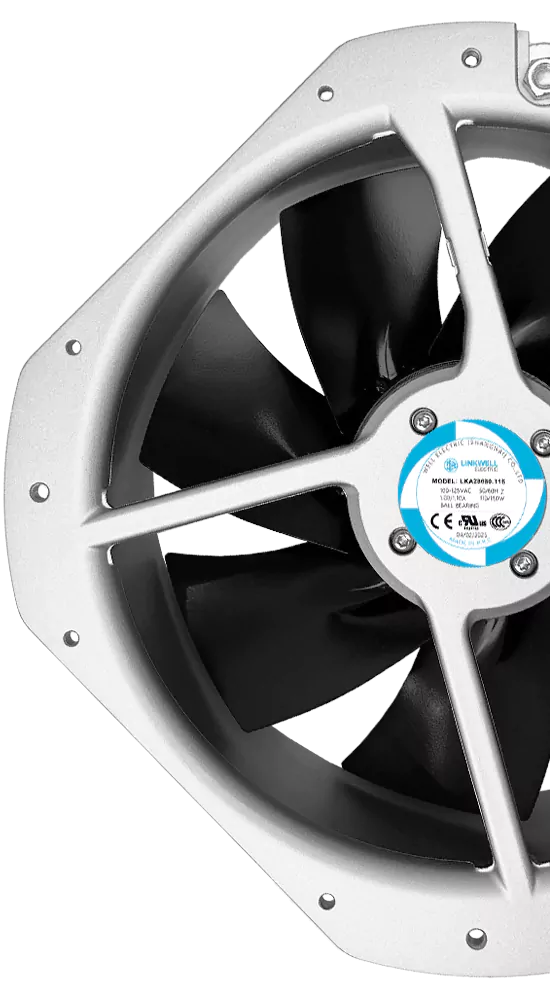
Centrifugal fan design starts with a simple idea: you use a spinning impeller to move air efficiently, creating strong airflow and steady pressure. This air-moving technology powers everything from cooling systems to industrial machines. The global centrifugal fan market keeps growing, now worth billions, with Asia leading the way in both production and innovation. You might notice fanacdc stands out for reliable centrifugal solutions, offering fans that last for years and keep your equipment safe. If you want to understand how fans work and why this air-moving technology matters, you are in the right place.
Key Takeaways
- Centrifugal fans use a spinning impeller to move air efficiently, creating strong airflow and steady pressure for many systems.
- Good fan design focuses on airflow, static pressure, energy efficiency, and noise control to ensure reliable and quiet operation.
- Choosing the right impeller type and motor affects fan performance, energy use, and suitability for different environments.
- Proper maintenance like cleaning, lubrication, and checking parts helps prevent common problems such as noise, overheating, and energy waste.
- Following a clear design process—defining needs, selecting parts, optimizing, and testing—leads to fans that fit your system and save energy.
What is Centrifugal Fan Design?
Free Get Technical Specs (Click Text)
Basic Structure and Airflow
You might wonder what makes centrifugal fan design so effective. It all starts with the way this air-moving technology handles airflow. When you look inside a centrifugal fan, you see several key parts working together:
- Impeller: This is the spinning wheel with blades. It grabs air and throws it outward, changing the direction by 90 degrees.
- Housing or casing: The shell guides the air and keeps everything stable. Its shape helps control noise and efficiency.
- Shaft: This connects the impeller to the motor, making sure everything spins smoothly.
- Electric motor: It powers the fan, giving you the speed and force needed for your application.
- Bearings: These keep the shaft moving with less friction, so the fan lasts longer.
- Inlet and outlet: These openings let air in and out, designed to reduce resistance and boost performance.
- Control devices: Some fans have smart controls for real-time adjustments.
Centrifugal fans move air differently than axial fans. Axial fans push air straight through, great for high-volume but low-pressure jobs. Centrifugal fans create higher pressure, making them perfect for systems that need to push air against resistance, like HVAC ducts or industrial cooling. You get steady, powerful airflow that works even when the system fights back.
Main Design Goals
When you dive into centrifugal fan design, you focus on four main goals. These goals help you get the best performance for your needs. Here’s a quick look:
| Design Goal | Description |
|---|---|
| Airflow | The right blade shape and housing boost airflow, so your system works at its best. |
| Static Pressure | Good design cuts down turbulence, letting you manage pressure more easily. |
| Efficiency | Smart design choices save energy, lowering your costs and making the fan more efficient. |
| Noise Control | Smooth airflow means less noise, so your workspace stays comfortable. |
You want a fan that moves enough air, handles the pressure, uses less energy, and stays quiet. That’s why engineers pay close attention to blade angles, impeller shapes, and housing design. If you choose a fan with these goals in mind, you get reliable performance and fewer headaches.
Design vs Selection
You might hear people talk about fan design and fan selection. They sound similar, but they’re not the same. Centrifugal fan design is about creating the fan itself—choosing the right materials, blade shapes, and motor specs. You decide how the fan will work, how much air it will move, and how much pressure it can handle.
Fan selection is about picking the right fan for your job. You look at your system’s needs—airflow, pressure, noise, and environment. You match those needs to the fan’s specs. If you pick the wrong fan, your system might not work as expected. For example, a fan rated for high airflow but low pressure won’t perform well in a duct system with lots of resistance.
You also need to think about the fan wheel type and materials. Some fans use steel or aluminum for tough environments. Others use special alloys for high temperatures or corrosive conditions. Advanced technologies, like IoT controls, help you monitor and adjust performance in real time.
If you want a fan that fits your system perfectly, you need both good centrifugal fan design and smart selection. Brands like fanacdc specialize in innovative solutions, offering fans that meet strict requirements for airflow, pressure, efficiency, and durability. You get reliable air-moving technology that keeps your equipment running smoothly.
Key Components of Centrifugal Fans
When you look at centrifugal fans, you see a few main parts working together to move air efficiently. Each part plays a special role in making sure your fan does its job well and lasts a long time.
Impeller Types
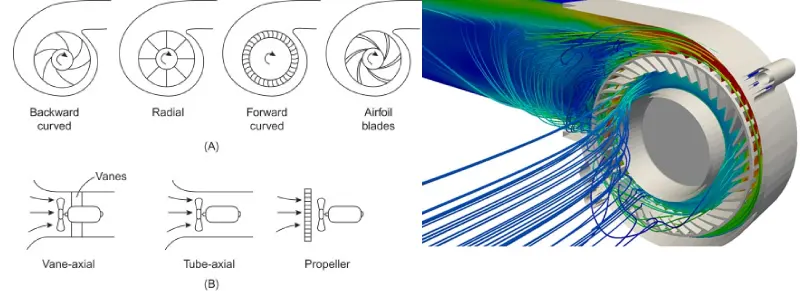
The impeller sits at the heart of every centrifugal fan. This spinning wheel with curved blades grabs air and throws it outward. The shape and style of the impeller change how much air your fan moves and how much energy it uses. You can find several types:
| Impeller Type | Characteristics | Efficiency Level | Applications |
|---|---|---|---|
| Radial Bladed Paddle Wheel | Handles debris, simple design | Low | General-purpose fans |
| Radial-Tipped Impellers | Resists buildup, moderate efficiency | Moderate | Cleaner applications |
| Backward-Inclined Impellers | Flat blades, higher efficiency | High | Cleaner applications |
| Backward-Curved Impellers | Curved blades, very efficient, less friction | Higher | Cleaner applications |
| Airfoil Impellers | Hollow, foiled blades, top efficiency for clean air | Highest | Clean air movement |
| Forward-Curved Impellers | Short, forward-curved blades, large air volumes | Low | Specific airflow needs |
You get to choose the impeller that matches your airflow and pressure needs. Backward-curved and airfoil impellers give you the best efficiency for most centrifugal fans.
Motor Options
The motor powers your centrifugal fan. It turns the impeller and keeps air moving. You can pick from different motor types, each with its own benefits:
| Motor Type | Efficiency (%) | Notes |
|---|---|---|
| Brushless DC Motors | 85-90 | Best for energy savings |
| Brushed DC Motors | 75-80 | More friction, less efficient |
| AC Motors | N/A | Reliable, lower efficiency |
Brushless DC motors help you save energy and run your fans quietly. AC motors offer steady performance for many centrifugal fan applications.
Housing and Inlet
The housing, or casing, wraps around the impeller. It guides the air, protects the parts, and helps reduce noise. The inlet lets air flow smoothly into the fan. If you want your centrifugal fan to run quietly and efficiently, you need a well-designed housing and inlet. Poor design can cause extra noise and turbulence. Good design uses heavy materials and smooth shapes to keep things quiet.
Tip: Straight ducts and flexible connections help your centrifugal fans stay quiet and efficient.
fanacdc uses advanced materials like flame-retardant housings and sealed bearings. These features make your centrifugal fans last longer, even in tough environments. You also get corrosion-resistant parts and IP-rated designs for extra protection. Aerodynamic impeller structures and high-efficiency motors keep your fans running smoothly with less energy loss.
| Component | Contribution to Performance |
|---|---|
| Impeller | Generates airflow through various designs, crucial for efficiency and application suitability. |
| Motor | Drives the impeller, converting electrical energy into mechanical motion, affecting efficiency. |
| Housing | Protects internal components, optimizes airflow, and reduces noise. |
| Bearings | Allow smooth rotation with minimal friction, reducing heat and extending lifespan. |
| Shaft | Transfers power from the motor to the impeller, ensuring smooth operation and alignment. |
| Frame/Bracket | Provides support and reduces vibration, maintaining alignment for peak performance. |
When you pick centrifugal fans from fanacdc, you get reliable performance, smart design, and long-lasting durability for any application.
Free Get Technical Specs (Click Text)
Centrifugal Fan Design Parameters
Airflow and Pressure
When you look at centrifugal fan design, airflow and pressure are the first things you notice. Airflow tells you how much air the fan moves, measured in cubic feet per minute (CFM). Static pressure shows how much force the fan can push against, measured in inches of water column (w.c.). These two numbers help you pick the right centrifugal fan for your system.
Here’s a quick table to show you the typical ranges for industrial centrifugal fans:
| Fan Type | Airflow (CFM) | Static Pressure (inches w.c.) |
|---|---|---|
| High Temperature Forward Curved | 100 to >250,000 | Up to 16 |
| Radial Blade | 100 to 45,000 | Up to 20 |
| Backward Inclined | 100 to >250,000 | Up to 32 |
If you need a centrifugal fan for a compact HVAC unit or a large industrial system, you’ll find a model that fits. For example, fanacdc offers centrifugal fans with airflow from 159 to 1735 CFM and static pressure up to 300 Pa, perfect for many industrial jobs.
Speed and Power
Fan speed, measured in revolutions per minute (RPM), controls how fast the centrifugal fan impeller spins. Power consumption, usually in horsepower (HP) or kilowatts (kW), tells you how much energy the fan uses. These two factors work together to shape performance and energy efficiency.
Check out this table for a simple look at how speed and power relate:
| Fan Speed (RPM) | Power Consumption (HP) |
|---|---|
| 500 | 1 |
| 1000 | 8 |
If you increase the speed of your centrifugal fan by 20%, the power needed jumps by about 73%. That means a small change in speed can make a big difference in energy efficiency and operating costs. You want to balance speed and power to get the airflow you need without wasting energy.
Efficiency and Noise
You want your centrifugal fan to move air efficiently and stay quiet. Most commercial centrifugal fans reach efficiency ratings above 80%, with high-performance models going up to 90%. Noise levels usually stay between 50 and 60 decibels, about as loud as a normal conversation. This makes centrifugal fans a smart choice for places like offices, data centers, and hospitals.
Fanacdc’s centrifugal fans use advanced motors and aerodynamic impellers to boost energy efficiency and keep noise low. You get reliable airflow, less energy loss, and a quieter workspace. When you choose the right centrifugal fan, you save money and create a better environment for everyone.
Tip: Always check the specs for airflow, pressure, speed, and energy efficiency before you pick a centrifugal fan. The right match means better performance and lower costs.
Types of Centrifugal Fans by fanacdc
When you start looking for the right fan, you’ll see that not all fans are the same. Each type of fan has its own strengths. Let’s break down the main types of centrifugal fans you’ll find at fanacdc, so you can pick the best one for your needs.
Backward Curved
You’ll notice backward curved fans have blades that curve away from the direction of rotation. This design gives you high energy efficiency and helps the fan handle higher pressures. You get a fan that works well in tough jobs like industrial ventilation or air conditioning. These fans need less maintenance because dust and debris don’t build up as easily.
If you want a fan that lasts longer and saves energy, backward curved fans are a smart choice.
Forward Curved
Forward curved fans have blades that curve in the same direction as the rotation. These fans run quietly and fit into tight spaces. You’ll often see this type of fan in HVAC units, electronics cooling, and air handling units. They move a lot of air at low pressure, which makes them perfect for smaller systems.
| Fan Type | Advantages | Best Uses |
|---|---|---|
| Forward Curved | Quiet, compact, cost-effective | HVAC, electronics, air handling units |
| Backward Curved | Efficient, handles high pressure, low upkeep | Industrial ventilation, refrigeration |
| Radial Blade | Tough, handles dirty air, reliable | Material handling, industrial exhaust |
Radial Blade
Radial blade fans have straight blades that stick out from the center. These fans are built for heavy-duty jobs. You can use them in places where the air is dirty or dusty, like material handling or industrial exhaust. Radial blade fans keep working even when conditions get rough. They’re less likely to clog and can handle solid particles in the air.
Need a fan for harsh environments? Radial blade fans are your go-to.
EC Centrifugal Fans
EC centrifugal fans use advanced motors that save energy and give you precise control. You get up to 75% energy savings compared to traditional fans. These fans run quietly and last a long time. You can use EC centrifugal fans in data centers, HVAC systems, and anywhere you want top efficiency. At fanacdc, you can customize EC centrifugal fans to fit your exact needs, from size to airflow.
- EC centrifugal fans are perfect if you want smart, energy-saving solutions.
- You can control these fans easily and get real-time feedback.
Tip: fanacdc offers a wide range of fans, including EC centrifugal fans, with options for OEM and ODM customization. You can always find a fan that matches your project.
Aerodynamic Principles in Centrifugal Fan Design
Airflow Path
You might not realize how much the airflow path matters in centrifugal fan design. When air enters the fan, it follows a curved path around the impeller. The shape of the housing and the way ducts connect to the fan decide how smoothly air moves. If you keep the airflow path clean and direct, you boost system efficiency. Smooth transitions and well-designed ductwork help air move evenly. This means your centrifugal fans can overcome resistance and deliver steady pressure. You save energy and get reliable performance.
Reducing Turbulence
Turbulence is the enemy of efficiency in centrifugal fans. When air gets bumpy inside the fan, you lose energy and create noise. You can fight turbulence with smart design choices:
- Use a volute with a smooth, aerodynamic cross-section to cut friction losses.
- Make sure the fan wheel and scroll housing interact smoothly for even airflow.
These strategies help your centrifugal fans run quieter and last longer. You get more airflow with less wasted energy.
Pressure Generation
Centrifugal fans shine when you need high static pressure. The spinning impeller throws air outward, changing its direction by ninety degrees. This action builds up pressure inside the housing. You can use centrifugal fans in systems with lots of resistance, like HVAC ducts or industrial filters. The design of the impeller and housing decides how much pressure you get. If you pick the right fan, you can move air through tough spaces without losing performance.
Efficiency vs Noise
You want your centrifugal fans to be efficient and quiet. Energy efficiency means you use less power to move more air. If you reduce turbulence and optimize the airflow path, you boost efficiency and lower noise. EC centrifugal fans take this even further. They use advanced motors and smart controls to save energy and keep noise down. You can use EC centrifugal fans in places where quiet operation and energy efficiency matter most. When you choose the right centrifugal fan, you get a balance of strong airflow, high pressure, and low noise.
Tip: Always check how the fan’s design affects both efficiency and noise. A well-designed centrifugal fan gives you the best of both worlds.
Common Challenges and Solutions
Centrifugal fans work hard, but you might run into a few common problems. Let’s look at what can go wrong and how you can fix it—so your fan keeps running strong.
Airflow Instability
You may notice your fan sometimes delivers uneven airflow. This usually happens when ducts are too narrow, filters get clogged, or the fan isn’t sized right for the job. You can avoid this by checking your system layout and making sure nothing blocks the air. Always match the fan to your system’s needs. Regular maintenance helps keep airflow steady. At fanacdc, you get fans designed for stable performance, even in tough conditions.
Excessive Noise
Fans can get noisy if something’s loose or out of balance. You might hear rattling or humming. Here’s how you can keep things quiet:
- Install your fan properly and follow the guidelines.
- Inspect for loose bolts or parts.
- Schedule routine maintenance to catch problems early.
- Try fans with curved impeller shrouds or open-cell metal foam. These features can cut noise by over 10 decibels.
Tip: fanacdc uses advanced impeller designs and solid housings to keep noise low, so your fans stay quiet and reliable.
Overheating
A fan can overheat if you skip maintenance or let dust build up. Dirty blades, blocked vents, or worn bearings all cause trouble. You can prevent overheating by:
- Cleaning blades, guards, and ductwork often.
- Lubricating moving parts.
- Replacing worn belts and bearings.
- Checking electrical connections.
- Making sure nothing blocks airflow.
You get longer fan life and fewer breakdowns when you keep things clean. Fans from fanacdc use sealed bearings and high-quality motors to handle heat and run cool.
Energy Inefficiency
If your fan wastes energy, you pay more and get less performance. You can spot problems by testing for vibration, weak airflow, or overheating. Fix energy issues by:
- Picking the right fan size and type.
- Installing fans correctly.
- Keeping up with maintenance.
Fanacdc offers energy-saving EC fans and helps you choose the best fan for your system. You get more airflow for less power.
Remember: A little care goes a long way. With the right fan and good habits, you keep your fans running smoothly and efficiently.
Centrifugal Fan Design Process
Designing a centrifugal fan doesn’t have to feel overwhelming. You can break the process into clear steps and make smart choices at every stage. Let’s walk through how you can create a fan that fits your needs and delivers reliable performance.
Define Requirements
You start by figuring out what your system needs. Think about how much air you want to move and the pressure you need. Write down your airflow and pressure targets. If you plan to use ec centrifugal fans, decide if you need energy savings or quiet operation. You should also consider the environment—will your fan face high temperatures or dust? Clear requirements help you avoid mistakes later.
Select Components
Once you know your needs, you pick the right parts. Choose the fan type that matches your application. If you want high efficiency, ec centrifugal fans are a great option. Calculate the size of the impeller and housing using fan laws. Select materials that can handle stress and tough conditions. You can also decide on mounting options and controls. At this stage, you set the foundation for a fan that works well and lasts.
Tip: If you need a custom solution, fanacdc offers OEM and ODM support. You can get unique sizes, special performance curves, and different mounting options.
| Customization Options | Description |
|---|---|
| Unique Sizes | Fans can be designed to fit specific dimensions required by the application. |
| Performance Curves | Custom performance characteristics can be tailored to meet specific operational needs. |
| Mounting Options | Various mounting configurations are available to suit different installation requirements. |
| Technical Support | Ongoing assistance is provided to ensure optimal performance post-installation. |
| After-Sales Service | Support is available to maintain system efficiency and address any issues that arise. |
Optimize Design
Now you refine your fan design. Use CAD software to build a prototype. Adjust the impeller shape and housing to boost efficiency. If you use ec centrifugal fans, tweak the motor settings for energy savings. Test different materials and configurations. You want to find the best balance between airflow, pressure, and noise.
Test and Improve
You finish by testing your fan. Measure airflow, pressure, and efficiency. If you use ec centrifugal fans, check energy consumption and noise levels. Make changes if something doesn’t work right. Keep improving until your fan meets all your goals. With fanacdc’s technical support, you can solve problems quickly and get expert advice.
You can always rely on ec centrifugal fans for smart, energy-saving solutions. If you need help, fanacdc is ready to support you from design to after-sales service.
You can master centrifugal fan design by focusing on a few key ideas. Check out this table for a quick summary:
| Principle | Description |
|---|---|
| Aerodynamic Design | Shape and structure of blades boost airflow and pressure. |
| Material Selection | Tough materials keep your fan running longer in any environment. |
| Blade Configuration | Different blades change how your fan performs and saves energy. |
Fanacdc fans stand out for stable airflow, high static pressure, and smart blade options. You get strong support, technical help, and long-term reliability. Even ec centrifugal fans make energy savings simple. Good fan design keeps your systems safe and efficient—so you can avoid costly breakdowns and enjoy peace of mind.
FAQ
What is a centrifugal fan?
You use a centrifugal fan to move air by spinning an impeller. The fan throws air outward, changing its direction by 90 degrees. This design gives you strong airflow and steady pressure for many systems.
How do I choose the right centrifugal fan?
Start with your airflow and pressure needs. Check the fan’s size, motor type, and noise level. If you want help, you can ask fanacdc for advice or use their product specs as a guide.
Where do you use centrifugal fans?
You find centrifugal fans in HVAC systems, industrial machines, data centers, and commercial refrigeration. They work well in places that need high pressure and reliable airflow.
How do I keep my centrifugal fan running well?
Clean the blades and housing often. Check for loose parts. Lubricate bearings if needed. Replace worn components. Regular care helps your fan last longer and run quietly.