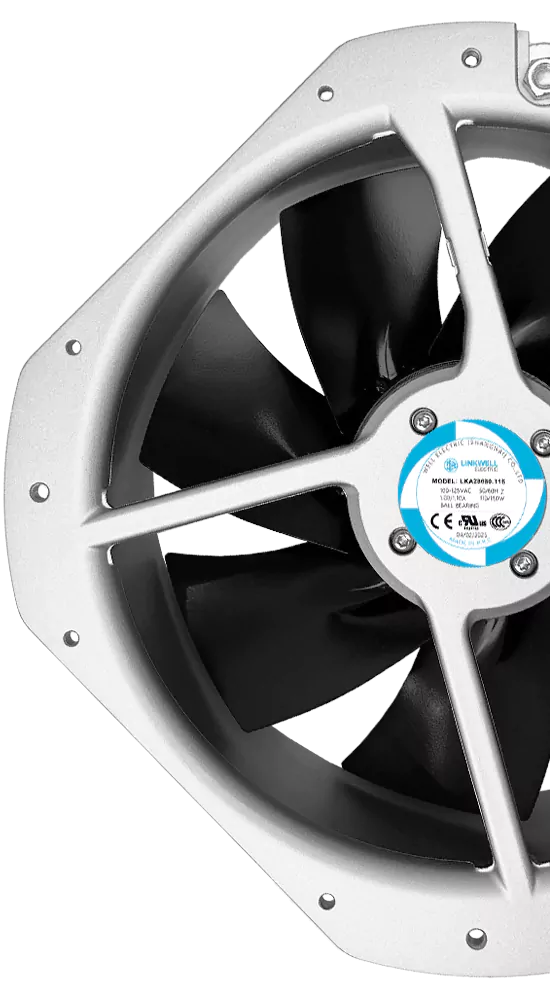
You want cooling that works well and saves money and space. EC fan advantages help a lot in factories and big buildings. EC fan technology uses up to 30% less energy than old AC fans. You can control the speed exactly, so the airflow is just right all the time. The small size fits in tight spots, and you do not need to fix them often because EC fans do not have carbon brushes. This technology keeps your machines cool and helps them last longer while saving money.
Key Takeaways
- EC fans use up to 30% less energy than AC fans. This helps save a lot of money on energy bills.
- EC fans are small and easy to install in tight spaces. They work well for many industrial uses.
- EC fans need less maintenance because they have brushless motors. This means less downtime and lower repair costs for companies.
- EC fans can control their speed very precisely. They change airflow based on what is needed right now. This makes cooling better and keeps equipment safe.
- EC fans are quiet when they run. This makes the workplace more comfortable and helps workers focus.
- Using EC fans can help companies reach environmental goals. They lower carbon footprint and use less energy.
- EC fans are very reliable and last 30-50% longer than regular fans. This means fewer replacements and less trouble.
- Adding EC fans to cooling systems can make the whole system work better. This helps equipment run smoothly and efficiently.
What Are EC Fans?
EC Fan Basics
You may wonder why EC fans are different. EC means “electronically commutated.” This means the fan uses smart electronics to run its motor. The technology mixes good things from AC and DC motors. EC fans are small and fit in tight places. They are used a lot in factories because they save energy and money. The electronics inside help the fan work well, even at low power. EC fans keep your machines cool without wasting electricity.
How EC Fans Work
EC fans use brushless DC motors with electronic controls. The electronics change the fan speed when needed. If you need more air, the fan goes faster. If you need less, the fan slows down. This helps you control temperature and airflow easily. You do not need to worry about carbon brushes wearing out. This means you do not have to fix them often. EC motors are more efficient than old fans. You pay less for energy and help the environment by using less power.
Tip: EC fans are great for places where cooling needs change a lot, like factories or data centers.
EC vs AC/DC Fans
You may want to know how EC fans are different from AC and DC fans. Here is a simple table to show the differences:
| Fan Type | Construction | Performance Characteristics |
|---|---|---|
| EC Fans | Brushless DC motor with integrated electronic control | Energy-efficient, can adjust performance dynamically, achieving up to 90% efficiency and consuming up to 50% less electricity than AC motors. |
| AC Fans | Induction motor | Operate at constant speeds, generally less energy-efficient. |
| DC Fans | Brushed or brushless motor | More efficient than AC but less so than EC fans, typically not as adaptable to real-time demands. |
- EC fans can save a lot of money in big buildings and data centers.
- They can be up to 90% efficient and use half the electricity of AC fans.
- EC fans give you more control and make your cooling system smarter.
If you want a fan that saves energy, does not need much fixing, and fits in small spaces, an electronically commutated fan is a good pick. EC technology gives you strong cooling and helps your business stay efficient.
EC Fan Advantages for Cooling
High Energy Efficiency
Lower Power Use
You want your cooling system to use less energy. EC fan advantages start with saving power. EC fans use advanced technology to make strong airflow. They use less electricity to do this. You can cool your equipment and rooms without wasting energy. Many factories and data centers use up to 30% less energy with EC fans. You get the same cooling, but your energy bills go down.
Reduced Costs
Saving energy means you spend less money. When you use less power, your bills are lower. EC fans also help you avoid extra costs from overheating or broken equipment. Here are the top five EC fan advantages for industrial cooling:
| Advantage | Description |
|---|---|
| Efficiency | EC fans run cooler, so they break less and work better. |
| Longevity | EC motors last longer, so you fix and replace them less. |
| Compact Design | EC fans are smaller, so they fit in tight spaces. |
| Reliability | EC fans are more reliable because they stay cooler. |
You get more than just lower bills. Your fans last longer and need fewer repairs. EC technology helps the planet by lowering your carbon footprint. It also helps your business reach green goals.
Low Maintenance
No Carbon Brushes
Old fans use carbon brushes that wear out. EC fans use brushless motors, so you do not need to replace brushes. This means less downtime and fewer stops for your team. You can focus on your work instead of fixing fans.
Reliability Over Time
You want your cooling system to work well all the time. EC fans do that. They have fewer moving parts, so less can break. Studies show EC fans last 30-50% longer than AC fans. You get fewer breakdowns and less downtime. Here is how EC fans compare to AC fans over five years:
| Reliability Factor | EC Fans | AC Fans |
|---|---|---|
| Efficiency | Higher efficiency | Lower efficiency |
| Maintenance Requirements | Lower maintenance needs | Higher maintenance needs |
| Service Life | Longer service life | Shorter service life |
| Control Flexibility | Intelligent control | Limited control |
| Environmental Adaptability | Better adaptability | May be limited |
Switching to EC fans means less fixing and more time for your team. You also save money on checking, fixing, and replacing fans.
Quiet Operation
Noise Reduction
Noise is a big problem in factories. EC fans are much quieter than AC fans. The brushless design makes less friction and noise. EC fans can be 5 to 15 decibels quieter than AC fans. You get a quieter workspace and fewer distractions.
Worker Comfort
A quiet place helps your team focus and feel good. EC fans make less noise, so workers can concentrate better. EC cross flow fans also keep noise low. This is great for places where quiet matters. When you pick EC fan advantages, you help your team work better and feel comfortable.
Tip: If you want your team to feel good and your cooling to work well, EC fans are a smart choice.
Precise Speed Control
You want your cooling system to work just right. EC fan advantages really shine when it comes to control. With EC technology, you get variable speed control. This means you can set the fan to run faster or slower, depending on what your equipment needs. The integrated controls inside each EC fan make this possible. You do not have to settle for just “on” or “off.” You can fine-tune the speed for better airflow and energy savings.
Airflow Management
Managing airflow is easy with EC fans. The brushless DC motor and smart electronics let you adjust the fan speed with precision. You can match the airflow to your exact needs. If your machines need more cooling, you can increase the speed. If less is needed, you can slow it down. This level of control gives you superior performance control and helps you avoid wasting energy. You get better airflow and a system that works smarter, not harder.
Temperature Regulation
Temperature swings can hurt your equipment. EC fans help you keep things steady. The precise speed control lets you respond to real-time changes. If a sensor detects heat, the fan speeds up. When things cool down, the fan slows. This keeps your system at the right temperature all the time. You do not have to worry about overheating or wasted power. In places like cleanrooms, EC fans keep the air moving at just the right rate, even if the pressure changes. This helps you meet strict standards and keeps your cooling system running smoothly.
Note: With EC fan advantages, you get a cooling system that reacts fast and keeps your equipment safe.
Compact Size
Space is often tight in industrial settings. EC fans offer a compact design that makes installation simple. You can fit them into small cabinets, tight corners, or anywhere space is limited. This is a big advantage over larger AC fans.
Space Saving
You do not need to redesign your whole system to add EC fans. Their small size means you can place them where you need cooling the most. This saves valuable floor and cabinet space. You can use that extra room for other equipment or keep your workspace less crowded.
Flexible Installations
EC fans are easy to install, even in hard-to-reach spots. The compact size and light weight make them perfect for upgrades or new builds. You can put them in places where bigger fans just will not fit. This flexibility helps you solve cooling challenges without extra hassle. You get more options and less stress during setup.
Tip: If you need cooling in a tricky spot, EC technology gives you the flexibility to get the job done.
Cooler Operation
Keeping your system cool is the main goal. EC fans run cooler than traditional fans. This means your equipment stays at a safe temperature, and the fans themselves last longer.
System Performance
When your fans run cooler, your whole system works better. EC technology helps prevent overheating, which can slow down or damage your machines. You get steady performance, even when your equipment works hard. The advanced control and efficient design mean your cooling system does not have to work overtime.
Longevity
You want your investment to last. EC fans have a longer lifespan because they run cooler and have fewer parts that wear out. Reduced maintenance is another big plus. You spend less time and money fixing or replacing fans. This means more uptime for your business and fewer headaches for your team.
| EC Fan Advantages | Real-World Benefit |
|---|---|
| Cooler Operation | Protects equipment, boosts uptime |
| Longer Lifespan | Fewer replacements, saves money |
| Reduced Maintenance | Less downtime, more productivity |
With EC fan advantages, you get a cooling system that works smarter, lasts longer, and keeps your business running smoothly.
EC Fan Advantages vs Buyer Benefit Table
Feature-Benefit Table
You want to know how EC fan advantages help your business. Let’s look at what you get when you pick EC technology for cooling.
EC fans are more than just a new motor. They have features that help your work go smoother and save money. EC technology gives you energy efficiency, better control, and less fixing. These things make your cooling system smarter and your workplace nicer.
If you are tired of high bills and repairs, EC fans can help you.
Here is a table that shows how EC fan advantages give you real benefits:
| EC Fan Feature | Buyer Benefit | Description |
|---|---|---|
| Energy Efficiency | Lower Operational Costs | EC fans use less power, so you pay less for electricity. |
| Cost Savings | Immediate Bill Reduction | You can see energy bills drop by 15-20% and spend less on maintenance. |
| Long-term ROI | Higher Return on Investment | Over 3-5 years, you save 30-50% thanks to lower energy use and longer equipment life. |
| Total Cost of Ownership (TCO) | Reduced Lifecycle Costs | EC fans cut lifecycle costs by up to 25% compared to AC fans. |
| Operational Improvements | Better Productivity | Enhanced airflow, less noise, and improved system resilience help your team work efficiently. |
| Enhanced Control Capabilities | Precise Cooling | Integrated electronics let you adjust fan speed for exact airflow and temperature control. |
| Compliance with Regulations | Market Access | EC technology meets global standards like the ERP Directive, so you can sell worldwide. |
| Reduced Maintenance | Less Downtime | Brushless design means fewer parts to fix, so your system stays up and running. |
You can see how EC fan advantages help you every day. Energy efficiency means you spend less and help the planet. Cost savings show up fast in your bills. Long-term ROI means your money is well spent. Lower total cost of ownership means you keep more money.
Operational improvements are important, too. EC technology lets you control airflow and temperature easily. Your team works in a quieter and more comfortable place. You meet rules and avoid fines. Less maintenance means you do not worry about breakdowns or lost work time.
- EC fans can be over 90% efficient. You might save up to 70% on energy in some cases.
- EC technology helps you meet tough energy rules, so you stay ahead.
- Built-in controls let you change cooling fast when you need to.
Want a cooling system that is smart, lasts long, and saves money? EC fan advantages give you results you can trust.
You get a cooling system that matches your business needs. EC technology helps you manage costs, work better, and keep your machines safe. If you want less trouble and more value, EC fans are a great choice.
EC Fans vs AC Fans
Efficiency
You want your cooling to work well and not waste energy. EC fans are special because they use less energy. This helps you reach your green goals. EC fans can change their speed to match what is needed. AC fans cannot do this. EC fans work well even when you do not need full power. This means you save energy and money every month.
Look at this table to see how EC fans and AC fans compare in energy use:
| Feature | EC Fans | AC Fans |
|---|---|---|
| Energy Savings | 50-70% | Fixed-speed |
| Motor Speed Modulation | Continuous | Fixed |
| Operation Efficiency | Eliminates wasteful operation during partial-load conditions | Operates at a single fixed speed regardless of cooling demand |
EC fans are popular in data centers and telecom. They help you meet tough energy rules. You get more cooling with less energy. Your business saves money for a long time.
Speed Control
You need to control your cooling system easily. EC fans let you do this. They have built-in controllers for easy speed changes. You can set the airflow just right. This keeps your equipment safe. AC fans only run at one speed unless you add extra parts. This makes them less efficient and harder to use.
Here is a quick table to compare:
| Feature | EC Fans | AC Fans |
|---|---|---|
| Speed Control | Precise speed control via built-in controller | Requires external inverter for variable speed |
| Efficiency at Partial Load | Maintains efficiency | Efficiency drops sharply |
| Motor Technology | Brushless DC with intelligent control | Traditional AC with belt-driven mechanisms |
| Maintenance | Lower failure rate, less maintenance needed | Prone to wear and overheating, more maintenance required |
EC technology gives you better control and less trouble. You can change the fan speed when you need to. This saves energy and keeps your system working well.
Tip: If you want cooling that changes with your needs, EC fans give you the best control and efficiency.
Cost Comparison
You may wonder if EC fans save money. AC fans cost less at first. EC fans cost more because they use smart technology. But EC fans use less energy and need fewer repairs. Over time, you save money.
See this table:
| Factor | AC Motor | EC Motor |
|---|---|---|
| Initial Cost | Lower | Higher |
| Energy Consumption | Higher | Lower |
| Long-Term Cost | Higher | Lower |
If your cooling runs all day or changes a lot, EC fans pay off fast. You save on energy and repairs. Your business also meets green goals.
Note: AC fans may look cheaper at first, but EC fans save more money and energy over time.
Noise
You probably notice how loud some cooling fans can get. In a busy factory or a quiet control room, noise matters. EC fans run much quieter than AC fans. The brushless design in EC fans means less friction and fewer vibrations. You get a smoother, softer sound. AC fans, on the other hand, often use older motor designs that create more noise. They can hum, buzz, or even rattle when running at full speed.
Let’s look at a quick comparison:
| Feature | EC Fans | AC Fans |
|---|---|---|
| Noise Level | Low (quieter) | High (louder) |
| Vibration | Minimal | Noticeable |
| Worker Comfort | Improved | Can be reduced |
If you want your team to focus or just want a calmer workspace, EC fans make a big difference. You can use them in places where noise is a problem, like offices, labs, or even near sensitive equipment. Less noise also means less stress for everyone working nearby.
Tip: If you need to keep noise down, EC fans are the better choice for your cooling system.
Flexibility
You want a cooling solution that fits your needs, not the other way around. EC fans give you more flexibility than AC fans in both installation and operation. You can adjust EC fans easily with digital controllers. This means you can change the speed to match what your equipment needs right now. You do not need to buy extra parts or complicated add-ons.
Here’s why EC fans are more flexible:
- You can connect EC fans to smart building systems. The fans can then adjust their speed automatically based on temperature or other conditions.
- EC fans work with digital controllers, so you can fine-tune airflow without hassle.
- The advanced motors in EC fans have fewer moving parts. This means you spend less time on maintenance and more time running your business.
- AC fans need extra equipment, like frequency inverters, if you want to change their speed. This adds cost and uses more energy.
With EC fans, you can install them in tight spaces or unusual spots. Their compact size and smart controls make them perfect for upgrades or new projects. You get a system that grows with your needs and keeps up with changes in your facility.
Note: If you want a fan that adapts to your business and saves you time, EC fans are the way to go.
EC Fan Applications
HVAC
HVAC systems are in many places. They move air and control temperature in offices, factories, and stores. EC technology makes these systems smarter and saves energy. You can set the fan speed to match how much cooling you need. This helps you use less power and pay lower bills. EC fans are also quieter than old fans. Your team can work in a calm place without loud sounds.
You can link EC fans to building management systems. This lets you change airflow and temperature from one spot. EC technology helps you follow strict energy rules. You use less electricity and help the planet. The brushless motor means you do not fix fans as much. You spend more time working and less time on repairs.
Here is a table that shows how EC fans help in HVAC systems:
| Application | Benefits |
|---|---|
| HVAC Systems | Maximizes airflow, temperature regulation, energy efficiency, and precise speed control. |
Tip: EC fans in HVAC systems give you steady cooling and save money.
AHU
Air Handling Units are important for cooling in big buildings. You need air to move evenly across the unit. EC fan walls spread air out and stop rough airflow. This helps heat move better through coils and filters. You get better cooling and less noise.
EC technology moves noise to higher sounds. This makes it easier to control and keeps your space quiet. Hospitals and offices like this quiet feature. You also fix fans less often. EC fans have sealed bearings and direct-drive motors. You do not need to check belts or add grease.
You can connect EC fans to smart systems like BACnet or MODBUS. This lets you control many fans at once. You keep cooling just right and save energy.
- EC fan walls spread air evenly.
- Noise moves to higher sounds, so it is easier to handle.
- Sealed bearings and direct-drive mean less fixing.
- Smart systems help you control fans better.
Electrical Enclosures
Electrical enclosures keep important equipment safe. You need steady cooling to protect everything. EC fans keep pressure and airflow just right. They change speed if filters get dirty or dampers move. Your equipment stays cool and works well.
EC technology makes wiring simple. Built-in electronics handle phase changes and speed. You do not need extra drives or tricky wiring. This makes setup easy and stops mistakes.
You fix EC fans less because they have no carbon brushes. The brushless design lasts longer and breaks less. EC fans also use less energy, so you save money.
- EC fans keep airflow steady in electrical enclosures.
- Built-in electronics make setup easy.
- Brushless motors last longer and need less fixing.
- Using less energy saves you money.
Note: EC technology in electrical enclosures keeps your equipment safe and your cooling system strong.
Control Cabinets
You want your control cabinets to stay cool and safe. EC fans help you do that. These cabinets hold sensitive electronics. Heat can damage them fast. EC fans move air efficiently and keep the temperature steady. You do not have to worry about overheating or sudden shutdowns.
You can fit EC fans into small spaces. Their compact size makes installation easy. You do not need to redesign your cabinet. Just add the fan where you need it. The brushless design means you will not spend much time on maintenance. You can focus on your work instead of fixing fans.
Here’s how EC fans make a difference in control cabinets:
- Consistent Cooling: EC fans adjust speed based on temperature. Your electronics stay at the right temperature all day.
- Quiet Operation: You get less noise in your workspace. This helps you concentrate and keeps the area comfortable.
- Energy Savings: EC fans use less power. You save money on electricity every month.
- Longer Equipment Life: Stable temperatures help your electronics last longer.
Tip: If you want reliable cooling for your control cabinets, EC fans are a smart choice.
Telecom
Telecom equipment needs strong and steady cooling. You want your network to run without interruptions. EC fans help you keep your telecom racks and base stations cool. They adjust airflow as the temperature changes. This keeps your equipment safe and your network online.
You can trust EC fans in harsh environments. They handle dust, heat, and humidity better than old fans. The brushless motor means fewer breakdowns. You do not have to worry about sudden failures.
Here’s a quick table to show how EC fans help in telecom:
| Telecom Challenge | EC Fan Solution |
|---|---|
| High heat loads | Variable speed cooling |
| Dusty environments | Sealed, brushless design |
| Remote locations | Low maintenance needs |
| Noise restrictions | Quiet operation |
You can connect EC fans to smart systems. They send alerts if something goes wrong. You get peace of mind and less downtime.
Note: EC fans keep your telecom systems cool, quiet, and reliable.
New Energy
You see new energy systems everywhere now. Solar inverters, battery storage, and EV charging stations all need cooling. EC fans help these systems work better and last longer. They use less energy, which fits the green goals of new energy projects.
You can count on EC fans to handle changing loads. When the sun shines bright or batteries charge fast, the fans speed up. When things slow down, the fans use less power. This smart control saves energy and protects your investment.
Here’s why EC fans are perfect for new energy:
- Smart Speed Control: Fans adjust to match the system’s needs.
- Low Power Use: You save energy and lower your carbon footprint.
- Long Service Life: Fewer moving parts mean less wear and tear.
- Easy Integration: EC fans fit into modern, compact designs.
EC fans help you keep your new energy systems cool, efficient, and ready for the future.
Power Supplies
You want your power supplies to work without problems. Heat can cause trouble for these systems. EC fans help you keep your power supplies cool and safe. They move air smoothly and adjust their speed when the temperature changes. This means your equipment gets the right amount of cooling all the time.
You do not have to worry about loud fans or sudden breakdowns. EC fans run quietly and use less energy. You save money on your electric bill. You also spend less time fixing fans. The brushless design gives you a longer lifespan for your cooling system.
Here’s a quick look at how EC fans help your power supplies:
| Challenge | EC Fan Solution |
|---|---|
| Overheating | Smart speed control |
| High energy costs | Lower power use |
| Noise | Quiet operation |
| Frequent repairs | Fewer breakdowns |
Tip: If you want your power supplies to last and work better, EC fans are a smart choice.
Automation
Automation keeps your factory or building running smoothly. You need reliable cooling for robots, sensors, and control panels. EC fans give you steady airflow and adjust to changes fast. This helps your machines keep top performance all day.
You can connect EC fans to smart systems. They can change speed when your machines work harder. You do not need to check them all the time. EC fans help you avoid downtime and keep your automation lines moving.
Here’s why EC fans work well in automation:
- They react quickly to temperature changes.
- They use less energy, so you save money.
- They help your machines reach better performance.
- They need less fixing, so you get more work done.
Note: EC fans help your automation systems stay cool and work their best.
Machinery Cooling
Big machines make a lot of heat. If you do not cool them, they can slow down or break. EC fans help you keep your machines at the right temperature. They move air where you need it most. You can change the fan speed to match how hard your machines work.
You get better performance from your equipment. EC fans also run quietly, so your workspace stays calm. You do not have to stop work to fix fans often. This means more time making products and less time on repairs.
Here’s a simple list of EC fan benefits for machinery cooling:
- Keeps machines from overheating
- Improves performance and uptime
- Runs quietly for a better work area
- Needs less maintenance
If you want your machines to last longer and work better, EC fans are a great choice.
Refrigeration
You know how important it is to keep things cold in your business. Food, medicine, and chemicals all need the right temperature. If your refrigeration system fails, you can lose products and money. EC fans help you keep your coolers and freezers running strong.
EC fans work well in many types of refrigeration. You can use them in walk-in coolers, display cases, cold storage rooms, and even ice machines. These fans move air evenly, so every part of your cooler stays at the right temperature. You do not have to worry about hot spots or spoiled goods.
You get big energy savings with EC fans. Old AC fans run at full speed all the time. EC fans only use the power you need. They slow down when the load is light and speed up when things get busy. This smart control can cut your energy use by up to 50%. You see lower electric bills every month.
Noise can be a problem in stores and kitchens. EC fans run much quieter than old fans. Your staff and customers will notice the difference. You can create a better shopping or working environment with less background noise.
Maintenance is easier with EC fans. They do not have carbon brushes that wear out. You spend less time fixing fans and more time focusing on your business. EC fans also last longer, so you do not have to replace them as often.
Here’s a quick look at how EC fans help in refrigeration:
| Challenge | EC Fan Solution |
|---|---|
| High energy bills | Lower power use |
| Uneven cooling | Even airflow distribution |
| Loud operation | Quiet performance |
| Frequent breakdowns | Brushless, reliable design |
| Tight spaces | Compact size, easy fit |
Tip: If you want to save money and keep your products safe, EC fans are a smart upgrade for your refrigeration system.
You can also connect EC fans to smart controls. This lets you monitor and adjust your cooling from your phone or computer. You get alerts if something goes wrong, so you can fix problems fast.
Switching to EC fans in your refrigeration system means you get better cooling, lower costs, and less stress. Your products stay fresh, your bills go down, and your equipment lasts longer. That’s a win for your business.
Application vs EC Fan Benefit Table
Application-Benefit Table
You might wonder how EC fans help in different places. Let’s look at a simple table. It shows where EC fans work and what benefits you get:
| Application | Energy Efficiency | Cost Savings | Precise Airflow Control | Quieter Operation | Longer Lifespan |
|---|---|---|---|---|---|
| HVAC | ✅ | ✅ | ✅ | ✅ | ✅ |
| Air Handling Units | ✅ | ✅ | ✅ | ✅ | ✅ |
| Electrical Enclosures | ✅ | ✅ | ✅ | ✅ | ✅ |
| Control Cabinets | ✅ | ✅ | ✅ | ✅ | ✅ |
| Telecom Equipment | ✅ | ✅ | ✅ | ✅ | ✅ |
| New Energy Systems | ✅ | ✅ | ✅ | ✅ | ✅ |
| Power Supplies | ✅ | ✅ | ✅ | ✅ | ✅ |
| Automation | ✅ | ✅ | ✅ | ✅ | ✅ |
| Machinery Cooling | ✅ | ✅ | ✅ | ✅ | ✅ |
| Refrigeration | ✅ | ✅ | ✅ | ✅ | ✅ |
You can see EC fans give lots of good things everywhere. They use less energy, so you pay less for power. You can control the airflow very well. This helps keep your machines cool and stops them from getting too hot.
Here are some things you get when you use EC fans:
- You can use up to 70% less energy than old AC fans.
- You do not have to fix or replace fans as much because EC fans last longer.
- Your workspace is quieter. EC fans make less noise, so it is easier to focus.
- Your important equipment, like servers and control panels, stay cool and safe.
- You can change the airflow to fit what you need, so everything works better.
Tip: EC fans are great for many jobs. You can use them for air conditioning, server rooms, machines, or new energy systems. They help keep things cool, quiet, and working well.
You do not need to worry about hard setups. EC fans fit in most systems and start saving you money fast. You get a cooling system that works hard for you, no matter where you put it.
If you want a fan that helps your business in many ways, EC technology is a smart pick. You get comfort, savings, and peace of mind all together.
When to Choose EC Fans
Energy Saving
You want to cut your energy bills and make your business more sustainable. EC fans help you do that. These fans use advanced technology to blend AC and DC power, which means they waste less energy and run cooler. You get more cooling for less money. In places like server rooms, communication cabinets, and electronic equipment rooms, you need stable temperatures and low energy use. EC fans shine in these spots because they keep everything cool without using too much power.
Modern buildings and factories look for energy-efficient technologies to meet strict rules and save money. EC fans fit right in. They use smart controls to adjust their speed based on real cooling demands. This means you only use the energy you need, not more. You see real savings on your bills and help the planet at the same time. If you want long-term savings and better efficiency, EC fans are a smart pick.
EC fans are perfect for HVAC systems and data centers where energy savings and stable cooling matter most.
Speed Control
Sometimes, you need more than just an on-off switch. You want to control the airflow and temperature exactly. EC fans give you that power. With built-in electronic controls, you can set the fan speed to match what your equipment needs. This helps you avoid overheating and keeps your systems running smoothly.
You might have machines that work harder at certain times. EC fans can speed up or slow down to match those changes. This level of control means you get the right amount of cooling every time. It also helps you save energy because the fan does not run at full speed when it is not needed. If you need precise control for your cooling systems, EC technology is the way to go.
- EC fans use electronically commutated motors for accurate speed control.
- They keep high efficiency, even when running at partial loads.
- You get better airflow management and less wasted energy.
Long Hours
Some cooling systems run all day and night. You need fans that can handle long hours without breaking down. EC fans are built for this. They use brushless motors, so there are fewer parts to wear out. This means less maintenance and fewer stops for repairs.
If you run a factory, data center, or any place where cooling never stops, EC fans give you peace of mind. They last longer and keep working, even under tough conditions. You do not have to worry about sudden breakdowns or high repair costs. EC technology helps your systems stay reliable and efficient, no matter how long they run.
“Manufacturers need fans that offer speed control, remote monitoring, low noise, and wide temperature ranges—all while saving energy and cutting costs.”
You get more uptime, better performance, and lower costs when you choose EC fans for long-hour operations.
Low Noise
You know how loud machines can make your workspace feel busy and stressful. If you want a quieter environment, EC fans are the right choice. These fans run much quieter than old AC fans. You get less humming, buzzing, or rattling. Your team can focus better and feel more comfortable.
Noise matters in many places. You might work in a lab, office, or control room. Maybe you have sensitive equipment that needs a calm space. EC fans help you keep noise levels low. They use brushless motors, which means fewer moving parts. Less friction means less sound. You do not have to worry about loud fans disturbing your work.
Let’s look at some places where low noise is important:
- Offices: Your staff can concentrate without loud background noise.
- Hospitals: Patients rest better when cooling systems run quietly.
- Data Centers: Sensitive electronics work best in a calm environment.
- Retail Stores: Customers enjoy shopping when the space feels peaceful.
You can see how EC fans make a difference. They help you create a better workspace. Your team feels less stressed. You get more done.
Here’s a quick table to show how EC fans compare to AC fans for noise:
| Feature | EC Fans | AC Fans |
|---|---|---|
| Noise Level | Low (quiet) | High (loud) |
| Vibration | Minimal | Noticeable |
| Worker Comfort | Improved | Can be reduced |
Tip: If you want your cooling system to run quietly, EC fans are the best pick.
You do not need to add extra soundproofing. EC fans solve the noise problem at the source. You get a calm workspace and happy workers. If you care about noise, EC technology gives you the results you want.
You can also use EC fans in places where noise rules are strict. Some cities and industries have limits on how loud machines can be. EC fans help you meet these rules. You avoid fines and keep your business running smoothly.
If you want a cooling system that works hard but stays quiet, EC fans are the smart choice. You get strong performance without the noise.
When EC Fans May Not Be Needed
Not every cooling job needs the advanced features of EC fans. Sometimes, a simpler or more traditional fan works just fine. Let’s look at a few situations where you might not need EC technology.
Simple Systems
You might run a system that does not change much. Maybe you have a small machine or a basic cabinet that only needs steady airflow. In these cases, a standard AC fan can do the job. You do not need speed control or smart features. The setup stays simple, and you do not have to worry about programming or extra controls.
Tip: If your cooling needs stay the same all day, a basic fan can save you time and effort.
Here are some examples of simple systems:
- Small vending machines
- Basic electrical boxes
- Single-speed exhaust fans
You can install these fans quickly. You do not need special training or tools. The system just works.
Fixed Speed
Some applications only need one fan speed. You do not need to adjust airflow or temperature. The fan just turns on and off. In these cases, EC fans might offer more than you need. A fixed-speed AC fan can handle the job without any extra features.
Let’s compare:
| Need | EC Fan | AC Fan (Fixed Speed) |
|---|---|---|
| Variable Speed | ✅ | ❌ |
| Simple On/Off | ✅ | ✅ |
| Cost | 💲💲 | 💲 |
If you do not need to change the speed, you can pick a basic fan. You save money and keep things easy.
Note: Fixed-speed fans work well in places like restroom exhausts, small coolers, or simple air vents.
Cost Sensitivity
You may have a tight budget. EC fans cost more at the start because they use advanced technology. If you need to buy many fans or replace old ones, the price can add up fast. In these cases, you might choose a standard AC fan to keep costs low.
Here’s when cost matters most:
- Large projects with many fans
- Temporary setups
- Equipment with a short lifespan
You can still get good cooling without the extra features. If you do not need energy savings or smart controls, a basic fan makes sense.
If your main goal is to save money upfront, a traditional fan is a solid choice.
You know your system best. EC fans offer many benefits, but sometimes simple is better. Think about your needs, your budget, and your goals before you decide.
Buyer Info for EC Fan Selection
Size
You want your EC fan to fit perfectly in your system. Size matters a lot. If you pick a fan that is too big, it will not fit in your cabinet or machine. If you choose one that is too small, it may not cool your equipment enough. Always measure the space where you plan to install the fan. Check the pitch diameter, which tells you how much area the fan can cool.
Think about the shape, too. Some fans are round, while others are square. The blade design and material also play a role. These details affect how much air the fan can move and how much noise it makes. If you are not sure, ask your supplier for help. They can suggest the best size for your needs.
Tip: Take a photo or draw a quick sketch of your setup. This helps you and your supplier find the right fit fast.
Voltage
You need to match the fan voltage to your power supply. EC fans come in different voltage options, like 12V, 24V, 48V, 110V, or 230V. Using the wrong voltage can damage the fan or your equipment. Always check your system’s voltage before you order.
If you use the right voltage, your fan will run safely and last longer. Some EC fans can handle a range of voltages, which gives you more flexibility. If your site has unstable power, ask for fans with built-in protection. This keeps your cooling system safe during power spikes or drops.
Note: Write down your voltage needs before you shop. This simple step saves you time and money.
Airflow
Airflow tells you how much air the fan can move. You measure airflow in cubic feet per minute (CFM) or cubic meters per hour (m³/h). You want enough airflow to keep your machines cool, but not so much that you waste energy.
High-quality EC fans use less power to move the same amount of air as old fans. For example, a good EC fan might use only 5-10 watts, while a low-quality fan could use 20-30 watts for the same job. This difference adds up, especially if you run many fans all day.
When you pick a fan, think about how much heat your equipment makes. If you have a lot of electronics in a small space, you need more airflow. If your system is open or does not get very hot, you can use a smaller fan.
Here’s a quick table to help you compare cost and quality:
| Cost Factor | Low-Quality Fan | High-Quality EC Fan |
|---|---|---|
| Energy Consumption | High (wastes power) | Low (up to 70% efficient) |
| Expected Lifespan | ~30,000 hours | ~70,000+ hours |
| Maintenance/Replacement | Frequent | Rare |
| Total Cost of Ownership | High | Low |
You save money and avoid downtime when you choose a high-quality EC fan with the right airflow.
If you are not sure how much airflow you need, tell your supplier about your equipment and room size. They can help you pick the best fan for your job.
Pressure
You need to know how much pressure your cooling system needs. Pressure tells you how hard the fan pushes air through your equipment. If you have filters, tight spaces, or long ducts, you need a fan that can handle higher pressure. Low pressure works for open spaces or simple setups. You should check the static pressure requirements for your application. This helps you pick a fan that keeps air moving where you want it.
Many buyers forget about pressure. They focus on airflow, but pressure matters just as much. If you choose a fan with low pressure for a system with lots of resistance, you might not get enough cooling. Your equipment could overheat. Always ask your supplier about pressure ratings. You can find these numbers in the fan’s datasheet. If you are not sure, describe your setup. Suppliers can help you match the right fan to your needs.
Tip: Write down the length of your ducts, the number of filters, and any obstacles. This makes it easier to find a fan that fits your pressure needs.
Speed Control
You want to adjust your cooling as your equipment changes. Speed control lets you set the fan speed for different situations. EC fans make this easy. You can change the speed with a dial, remote, or even a smart system. This helps you save energy and keep your machines safe.
Some fans offer simple speed control. Others let you use digital signals or connect to building management systems. You can set the fan to run faster when things get hot or slow down when cooling is not needed. This gives you more flexibility and helps you avoid wasting power. If you need precise control, tell your supplier. They can recommend fans with the right features.
Here’s a quick list of speed control options:
- Manual dial or knob
- Remote control
- Digital interface (like MODBUS or BACnet)
- Automatic adjustment based on sensors
Note: Speed control helps you match cooling to your needs. You get better performance and lower bills.
Noise
Noise can make your workspace uncomfortable. You want a fan that runs quietly. EC fans are much quieter than old AC fans. They use brushless motors, which means less friction and fewer vibrations. You get a calm environment where your team can focus.
When you pick a fan, check the noise rating. This is measured in decibels (dB). Lower numbers mean quieter fans. If you work in an office, lab, or hospital, noise matters even more. You should tell your supplier how quiet you need your cooling system to be.
Here’s a simple table to help you compare noise levels:
| Fan Type | Typical Noise Level (dB) |
|---|---|
| EC Fan | 25-40 |
| AC Fan | 40-60 |
If you want a peaceful workspace, choose EC fans with low noise ratings. You can also ask for extra features like vibration dampers or special mounts. These help reduce noise even more.
Tip: Quiet fans help your team feel comfortable and work better. Always check the noise rating before you buy.
Temperature
You need to know the temperature range where your EC fan will work. Fans do not like extreme heat or cold. If your equipment room gets very hot, you should pick a fan that can handle high temperatures. Some EC fans work well up to 70°C (158°F). Others stop working if it gets too hot. Cold can also be a problem. If your fan sits in a freezer or outside in winter, check the lowest temperature it can handle.
Here’s a quick table to help you:
| Application Area | Typical Temperature Range |
|---|---|
| Data Center | 0°C to 40°C (32°F to 104°F) |
| Factory Floor | -10°C to 60°C (14°F to 140°F) |
| Outdoor Cabinet | -20°C to 70°C (-4°F to 158°F) |
| Cold Storage | -30°C to 40°C (-22°F to 104°F) |
Tip: Always tell your supplier the hottest and coldest temperatures your fan will face. This helps you avoid breakdowns.
IP Rating
You want your EC fan to survive dust, water, or even rain. The IP rating tells you how tough your fan is. IP stands for “Ingress Protection.” The first number shows how well the fan keeps out dust. The second number shows how well it keeps out water.
Here’s what you need to know:
- IP54: Good for most indoor places. Keeps out dust and splashes.
- IP65: Great for outdoor or dusty spots. Handles strong jets of water.
- IP68: Best for very wet or dirty places. Can even handle short dips in water.
If you use your fan in a clean office, you do not need a high IP rating. If you use it outside or in a factory, pick a higher rating.
Note: Ask your supplier for the right IP rating. This keeps your fan safe and working longer.
Installation
You want your EC fan to fit and work right away. Think about how you will install it. Some fans mount with screws. Others use clips or slide into a slot. Check the space you have. Make sure nothing blocks the airflow.
Here are some things to check before you buy:
- How much room do you have for the fan?
- Do you need a round or square fan?
- Will you wire the fan yourself, or do you want plug-and-play?
- Do you need special brackets or mounts?
If you plan ahead, you save time and avoid mistakes. You can even ask your supplier for installation guides or tips.
Callout: Take a photo of your setup and share it with your supplier. This helps you get the right fan and makes installation easy.
Application
You need to tell your supplier where you plan to use your EC fan. The application is one of the most important details. It helps your supplier pick the right fan for your job. You might use fans in HVAC systems, server rooms, control cabinets, or refrigeration units. Each application has different cooling needs.
If you use fans in a data center, you need steady airflow and low noise. In a factory, you want strong cooling and tough fans that handle dust. For refrigeration, you need fans that work in cold and damp places. You should describe your setup clearly. Tell your supplier about the equipment you want to cool, the size of the space, and any special conditions.
Here’s a quick checklist to help you share the right information:
- What type of equipment needs cooling?
- Where will you install the fan? (Indoor, outdoor, cabinet, machine)
- What is the main goal? (Keep electronics safe, reduce noise, save energy)
- Are there any special challenges? (Dust, moisture, tight spaces, high heat)
- Do you need smart controls or remote monitoring?
Tip: The more details you give, the better your supplier can match the fan to your needs.
You can also use a table to organize your application details:
| Application Area | Cooling Goal | Special Conditions | Control Needs |
|---|---|---|---|
| Data Center | Stable airflow | Low noise, dust | Remote monitoring |
| Factory Floor | Strong cooling | High heat, dust | Variable speed |
| Refrigeration | Cold environment | Moisture, tight space | Smart control |
| Control Cabinet | Protect electronics | Small space | Precise speed |
If you have a unique application, do not worry. Just explain what you need. Your supplier can help you find the best EC fan. You get a cooling solution that fits your business.
Quantity
You should tell your supplier how many fans you need. Quantity matters for pricing, delivery, and planning. If you need one fan for a small cabinet, your supplier can ship it fast. If you need hundreds for a big project, you might get a better price.
You can ask about bulk discounts. Suppliers often give lower prices when you order more fans. You should also check if you need spare fans for backup. If your system runs all day, having extras can help you avoid downtime.
Here’s a simple list to help you decide:
- How many fans do you need for your project?
- Do you want extra fans for emergencies?
- Will you install all fans at once or in stages?
- Are you planning future expansions?
Note: Sharing your quantity helps your supplier plan production and delivery. You get the right fans on time.
If you order the right number of fans, you save money and keep your cooling system strong. You can focus on your business and not worry about missing parts.
LINKWELL EC Fan Solutions
Product Range
You want a cooling solution that fits your needs. LINKWELL offers a wide range of EC fans for many industries. You can find the right fan for HVAC, control cabinets, telecom, automation, and more. LINKWELL designs fans that save energy, run quietly, and last a long time.
Here’s what you get with LINKWELL EC fans:
- Many Sizes: You can pick from small fans for tight spaces or large fans for big machines.
- Different Voltages: LINKWELL has fans for 12V, 24V, 48V, 110V, and 230V systems.
- Smart Controls: You can adjust fan speed with simple dials or connect to building systems.
- High Efficiency: LINKWELL EC fans use less power and help you lower your energy bills.
- Quiet Operation: You get a calm workspace with fans that make less noise.
- Strong Protection: Fans come with IP ratings for dust and water resistance.
You can trust LINKWELL for quality. Every fan goes through strict testing. LINKWELL supports you with technical help and fast delivery. You get fans that work right out of the box.
Note: LINKWELL EC fans meet global standards like CE, UL, and RoHS. You can use them in many countries without worry.
Here’s a quick look at the LINKWELL EC fan range:
| Series | Size Range (mm) | Voltage Options | Key Features |
|---|---|---|---|
| Compact Series | 60–120 | 12V/24V | Small, quiet, energy-saving |
| Standard Series | 120–250 | 24V/48V/230V | High airflow, smart control |
| Heavy Duty | 250–630 | 110V/230V | Rugged, high pressure |
You can find a fan for almost any job.
CTA for Application Details
Ready to upgrade your cooling system? You can get the best results when you share your application details with LINKWELL. Tell us about your equipment, space, and cooling needs. LINKWELL’s team will help you pick the perfect EC fan.
Here’s how you can get started:
- Write down your equipment type and size.
- Note your voltage and airflow needs.
- Share any special requests, like noise limits or smart controls.
You can send your details by email or use the contact form on the LINKWELL website. The team will reply fast and give you expert advice.
Tip: The more details you give, the better LINKWELL can match you with the right fan.
Don’t wait for your old fans to fail. Reach out to LINKWELL today. You can enjoy quiet, efficient, and reliable cooling for your business.
Conclusion
You want your cooling to work well and save energy. EC technology helps your system use less power. These fans make your machines run better and last longer. You get less noise and fewer repairs with EC fans. You can control your equipment more easily. LINKWELL understands EC fan technology and can help you. Tell LINKWELL what you need. Get expert help and make your system smarter with EC fans.
FAQ
What does EC stand for in EC fans?
EC means “electronically commutated.” You get a fan with a smart motor that uses less energy and gives you better control. EC fans mix the best parts of AC and DC technology.
How much energy can I save with EC fans?
You can save up to 70% on energy compared to old AC fans. EC fans adjust their speed to match your needs. This means you only use the power you need.
Are EC fans hard to install?
No, you can install EC fans easily. Most models fit where old fans go. You do not need special tools. Many EC fans come with plug-and-play wiring.
Do EC fans need a lot of maintenance?
You do not need to fix EC fans often. They use brushless motors, so there are fewer parts to wear out. You save time and money on repairs.
Can I control EC fan speed?
Yes! You can change the speed with a dial, remote, or smart system. EC fans let you set the airflow just right for your equipment.
Where can I use EC fans?
You can use EC fans in many places:
- HVAC systems
- Control cabinets
- Data centers
- Refrigeration units
- Telecom equipment
Tip: EC fans work well anywhere you need reliable, quiet, and efficient cooling.
Are EC fans noisy?
No, EC fans run quietly. The brushless design means less vibration and noise. Your workspace stays calm and comfortable.