




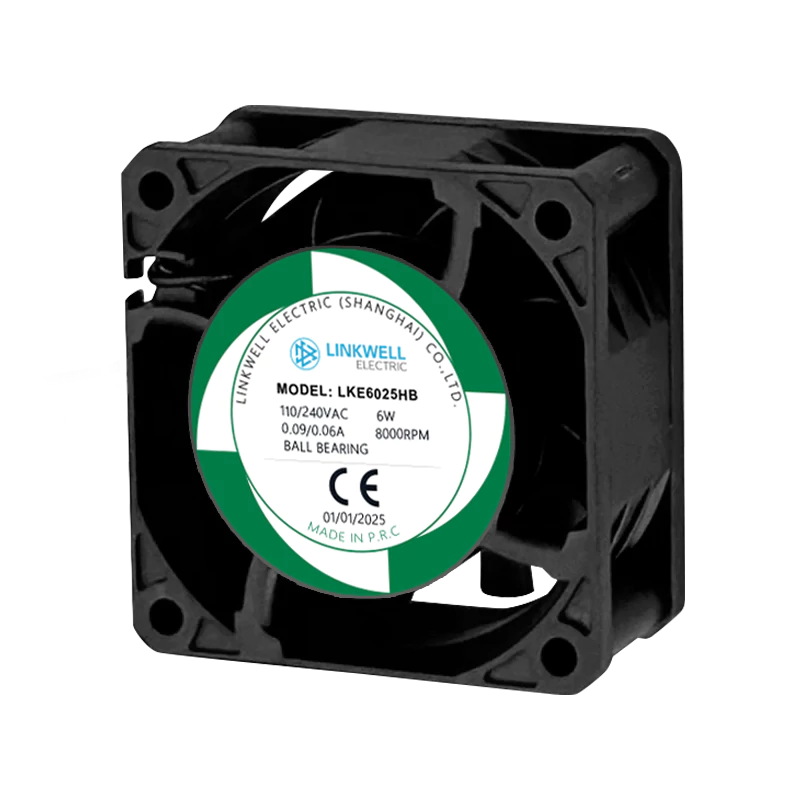
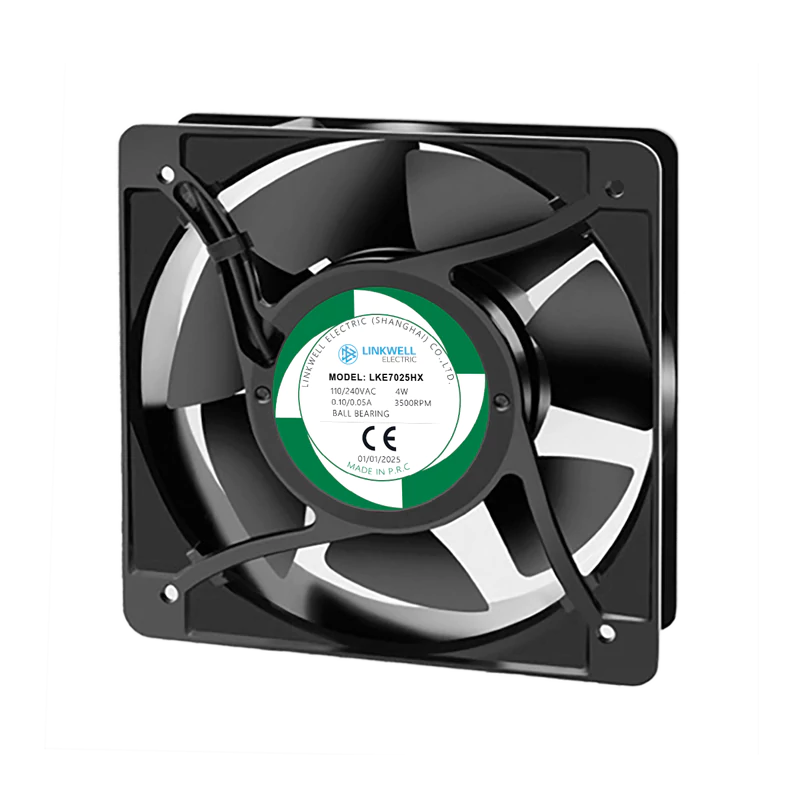
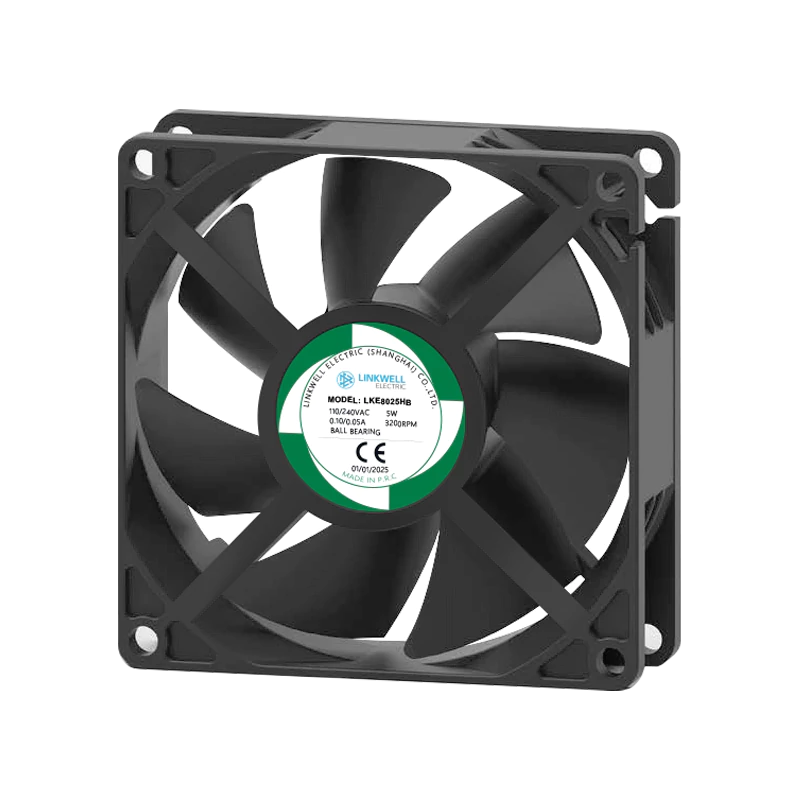
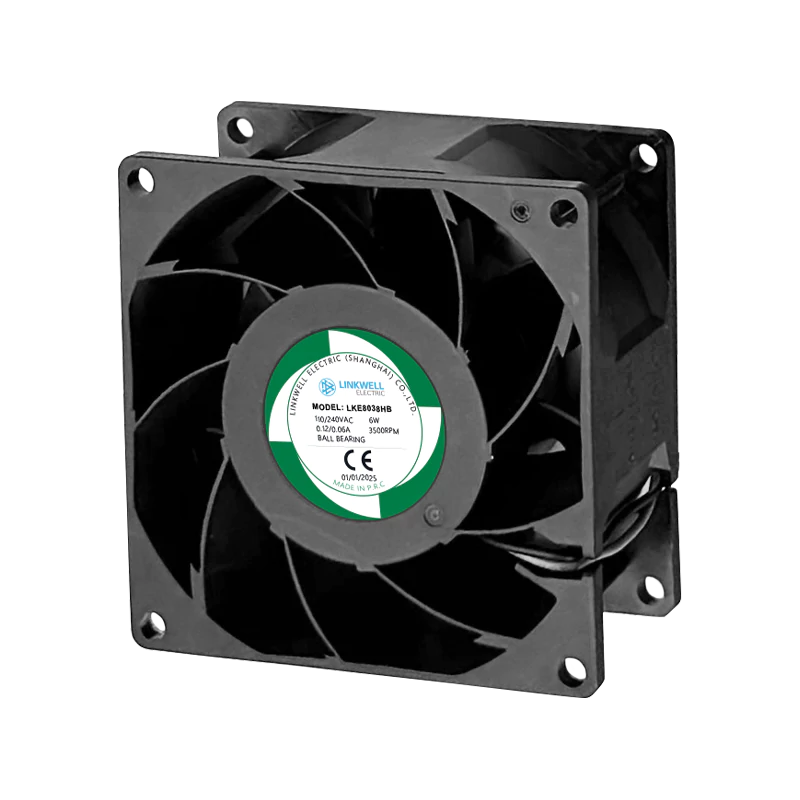
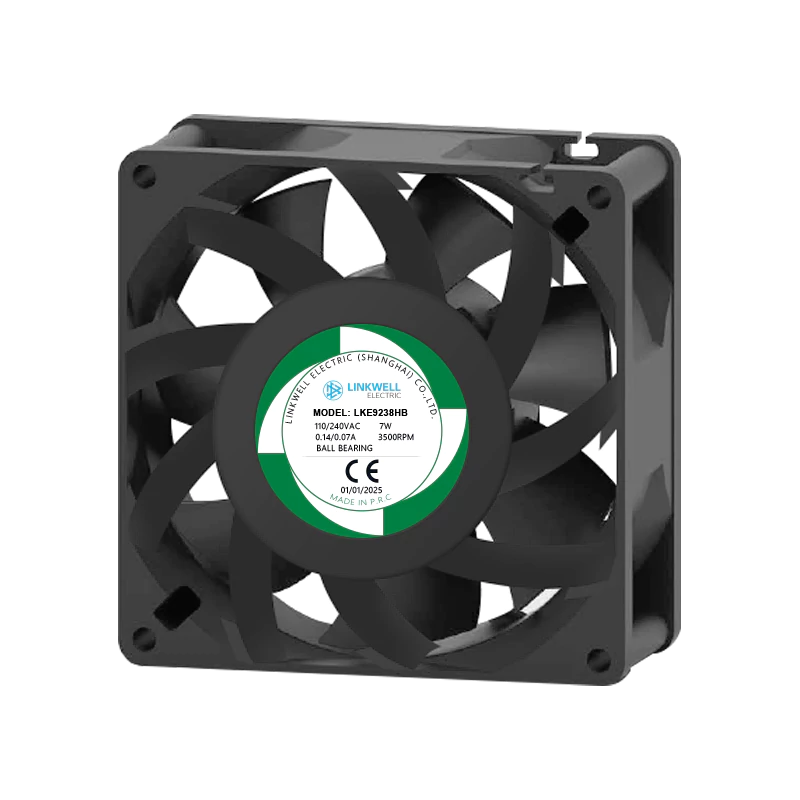
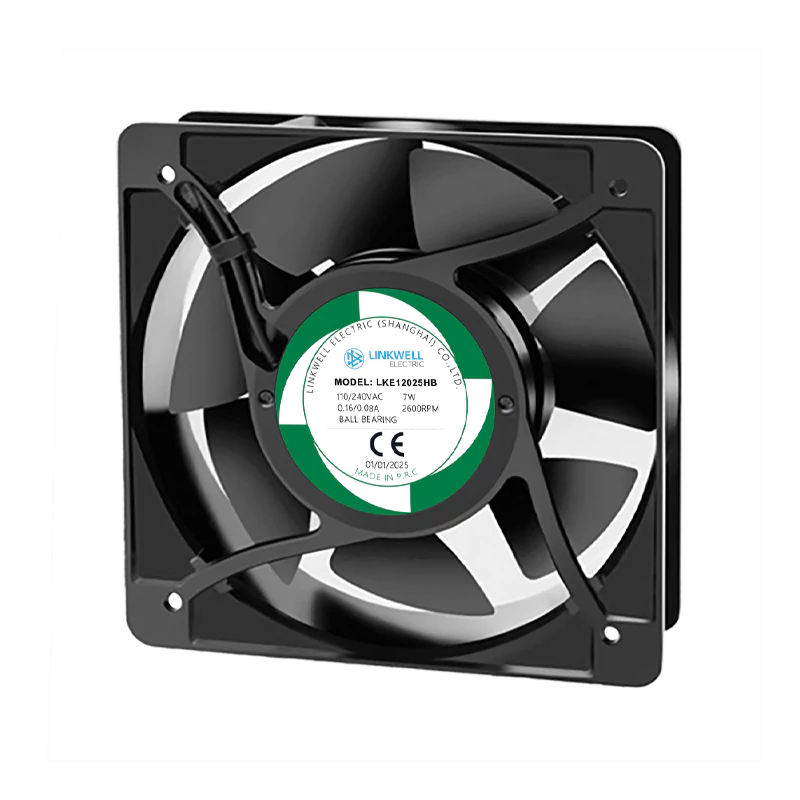
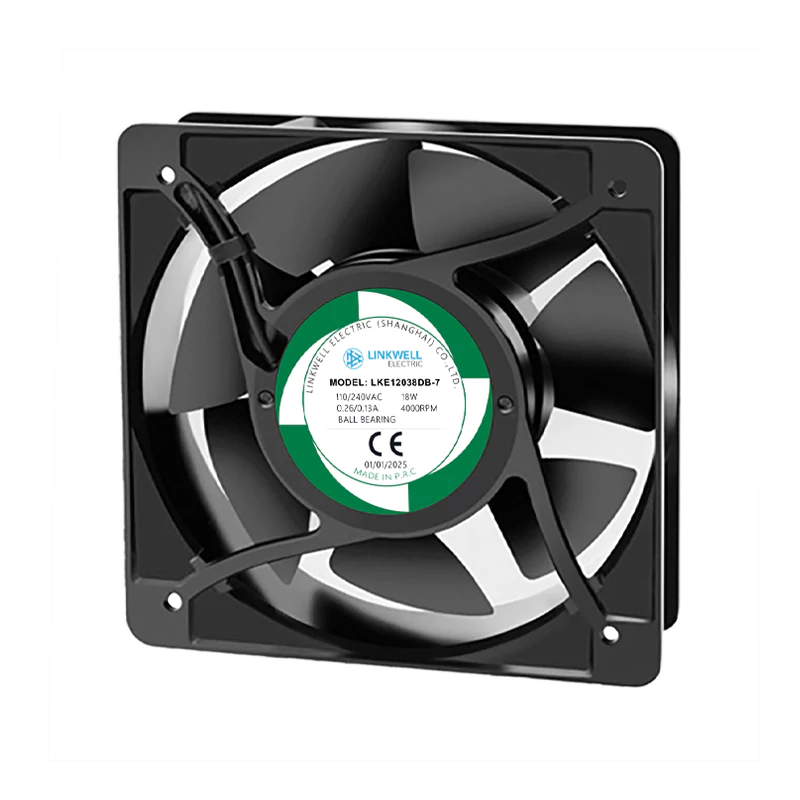
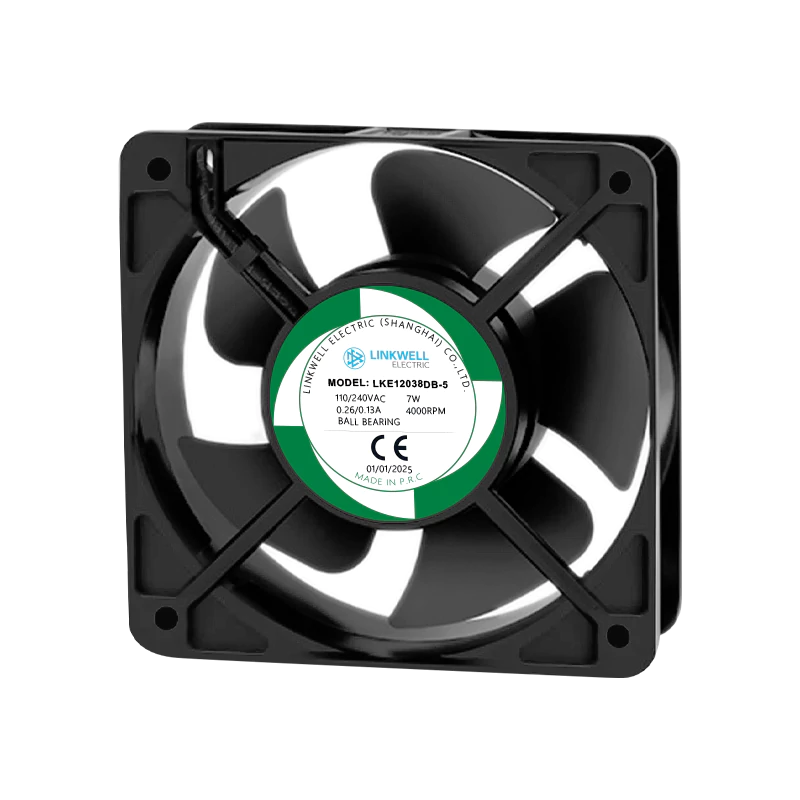
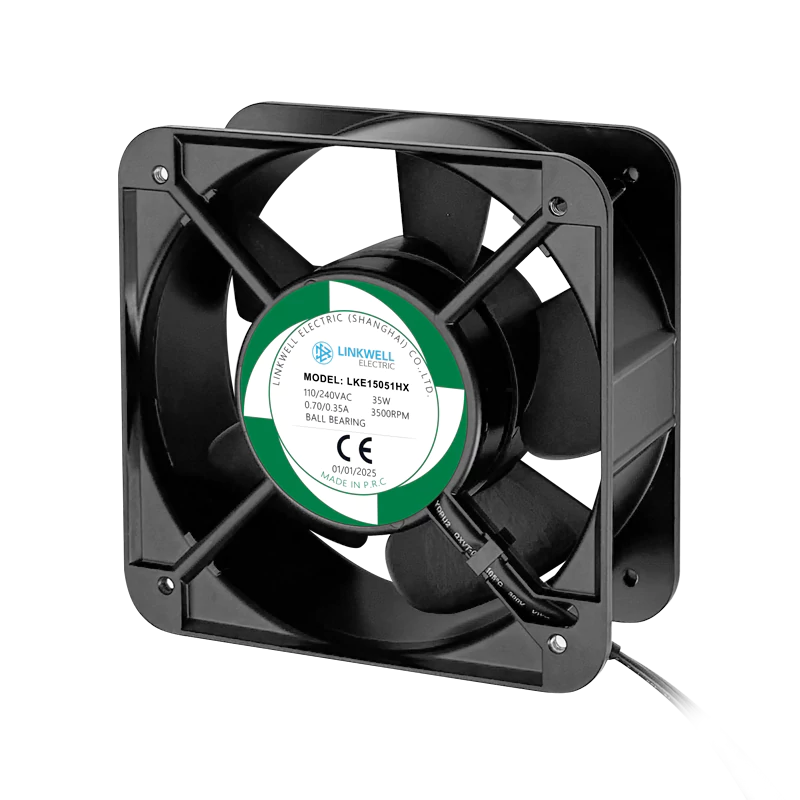
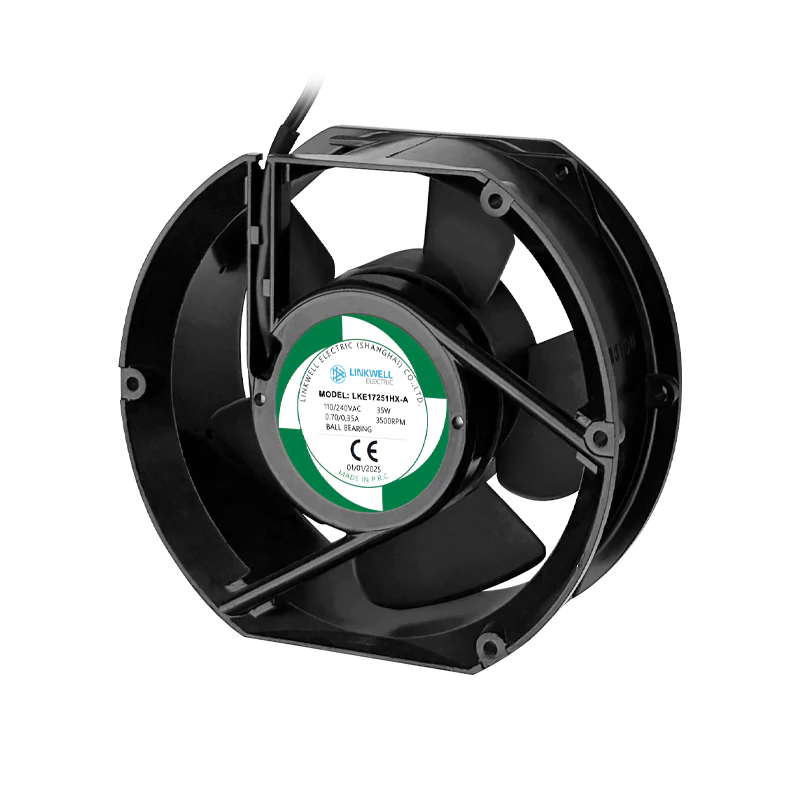
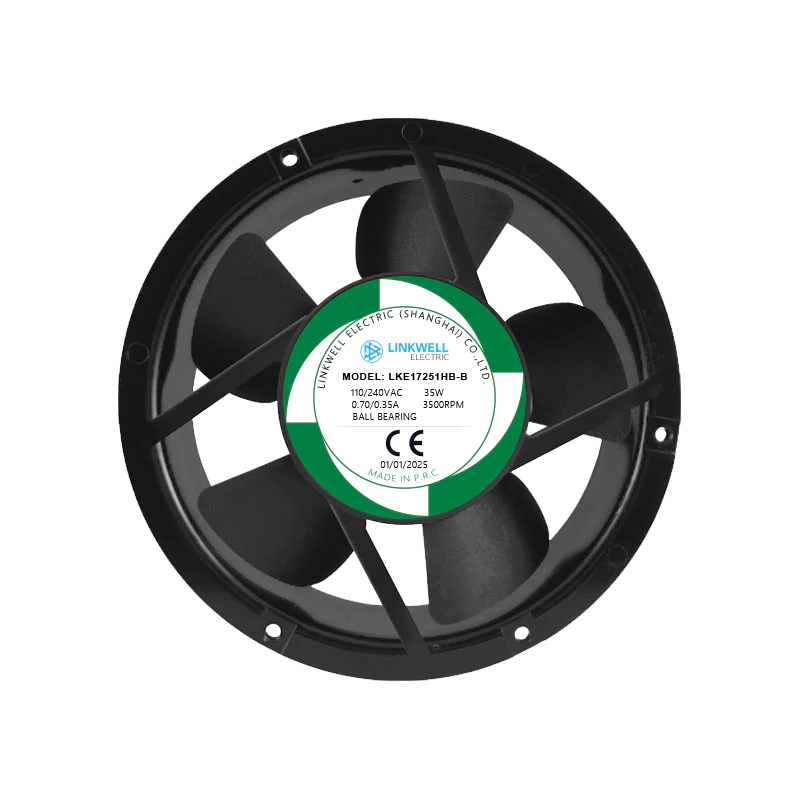
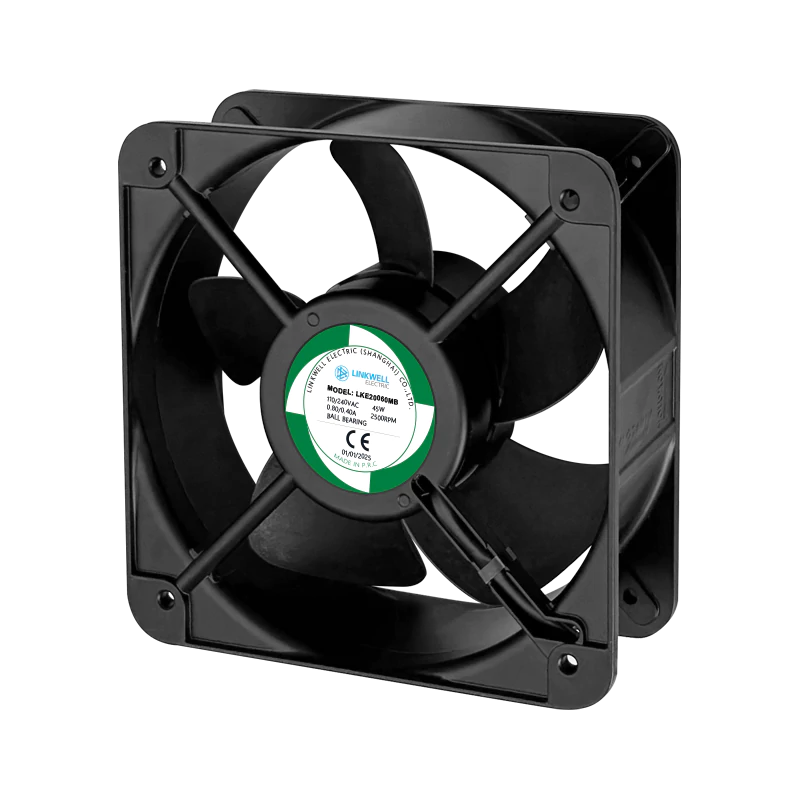
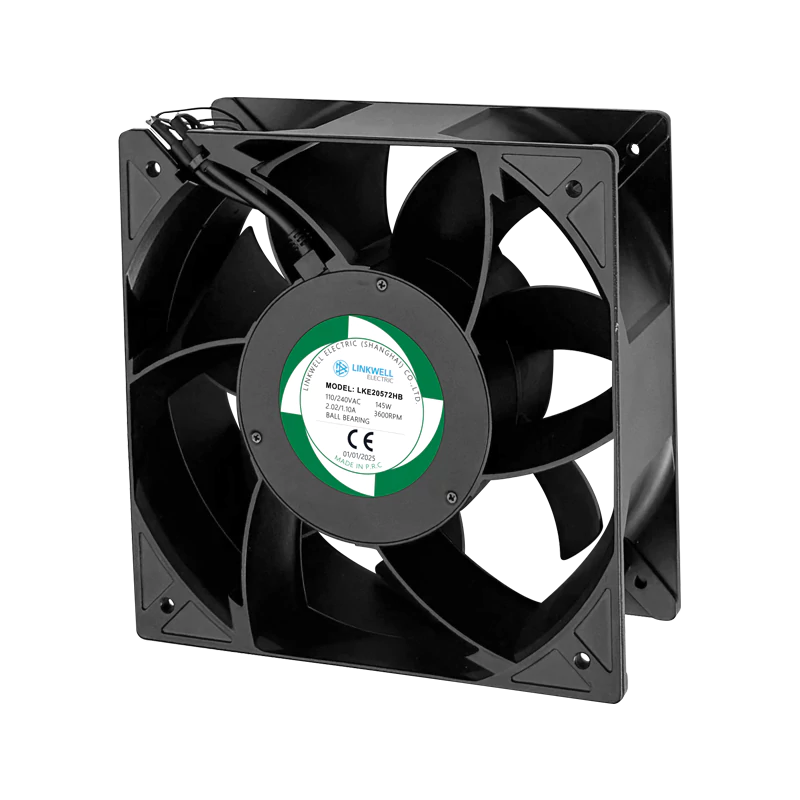
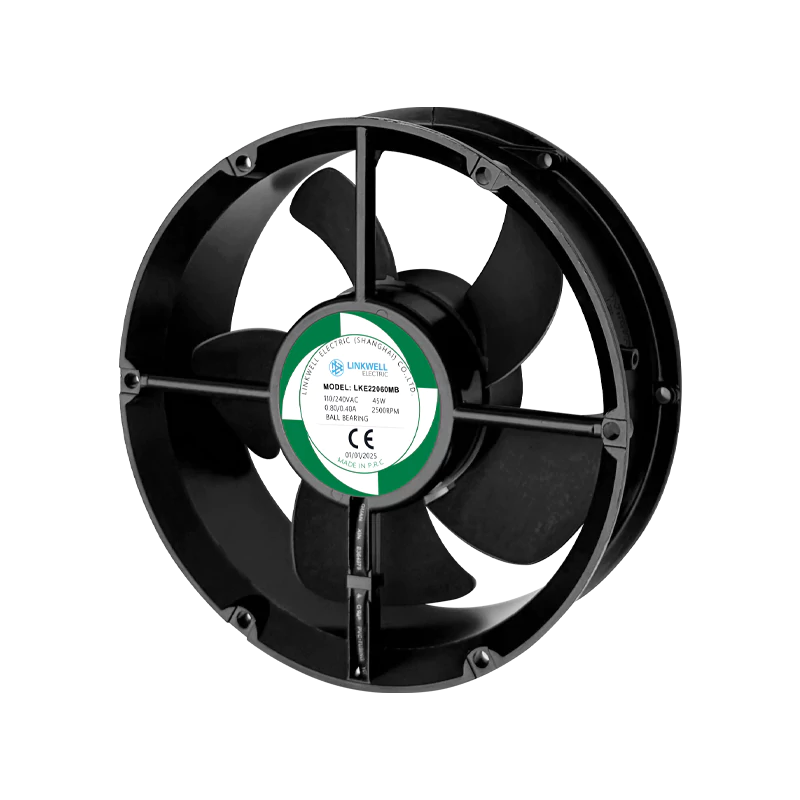
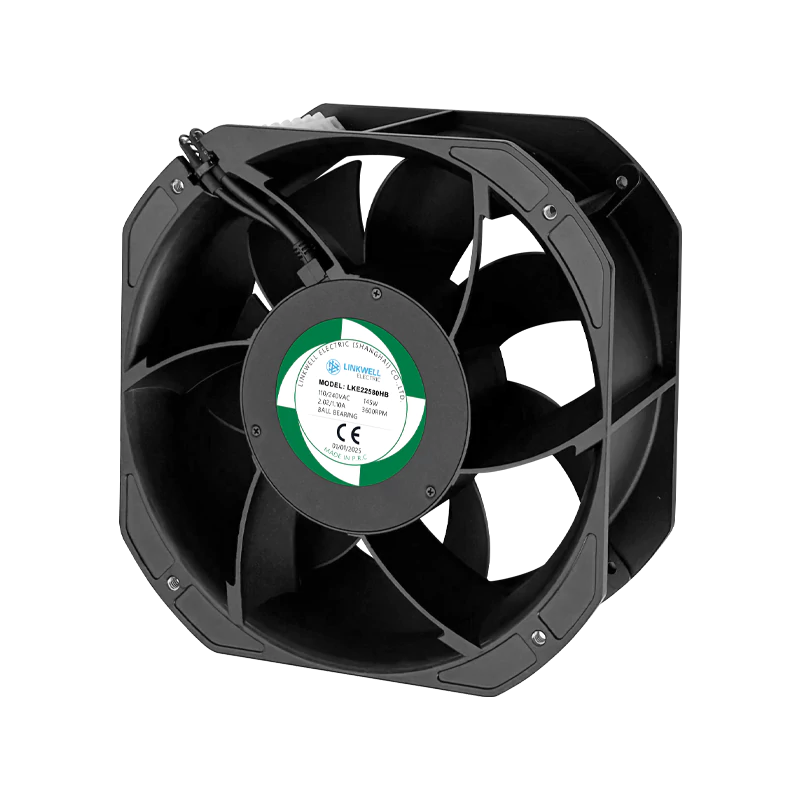
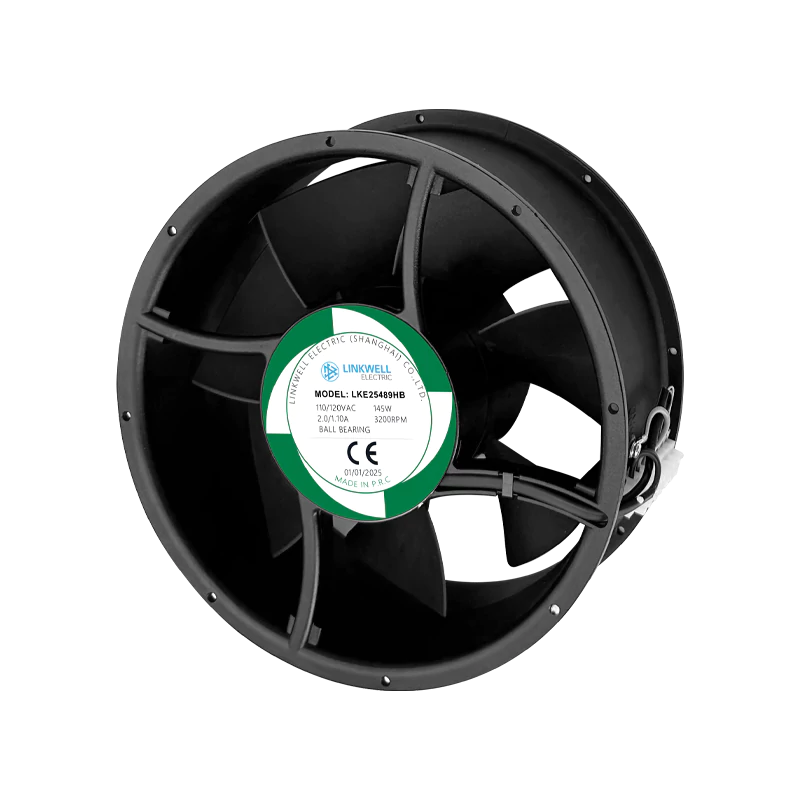
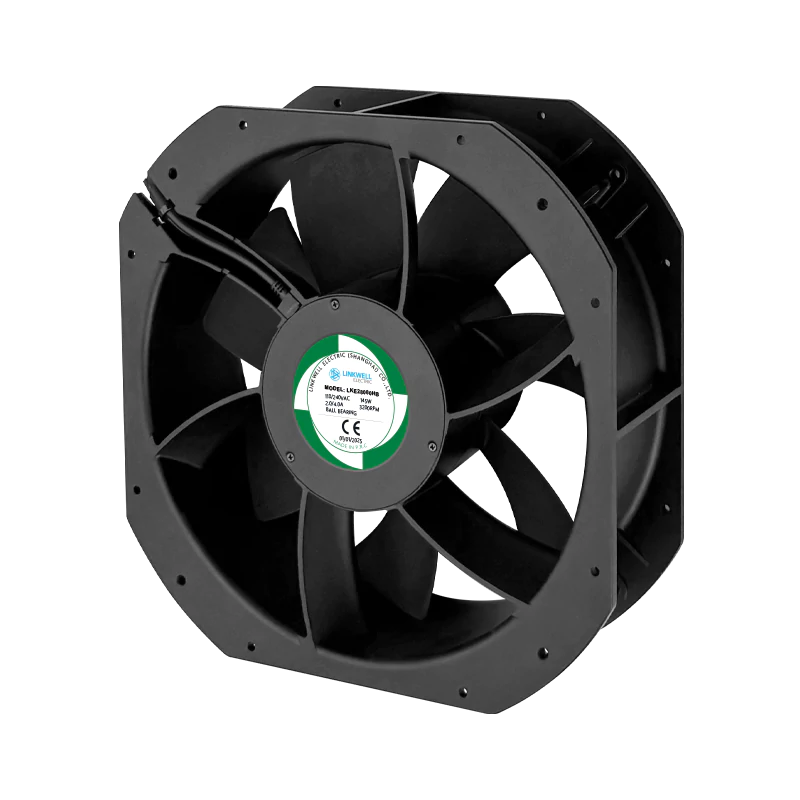
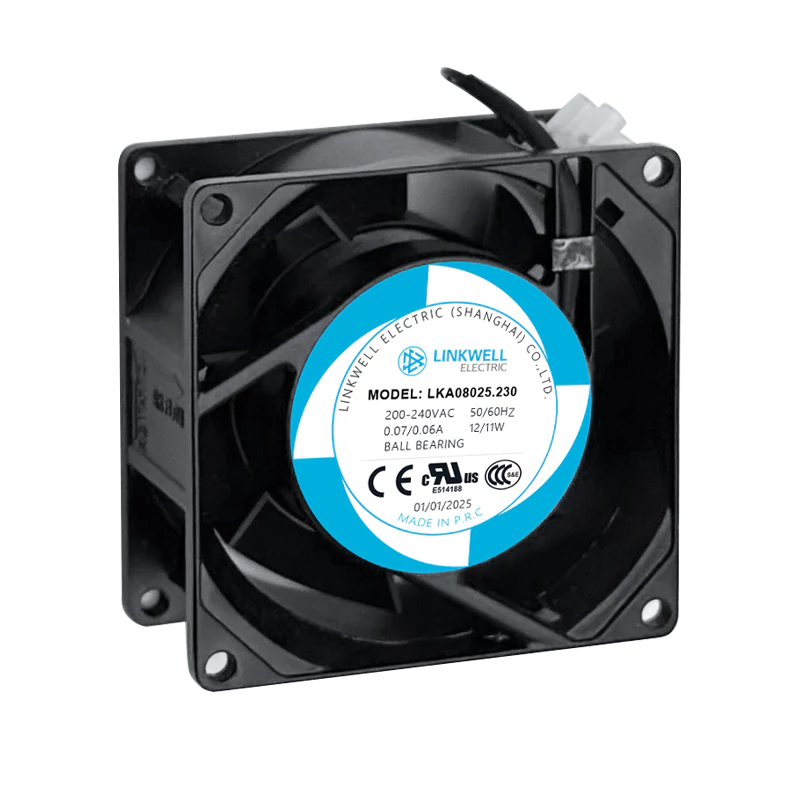
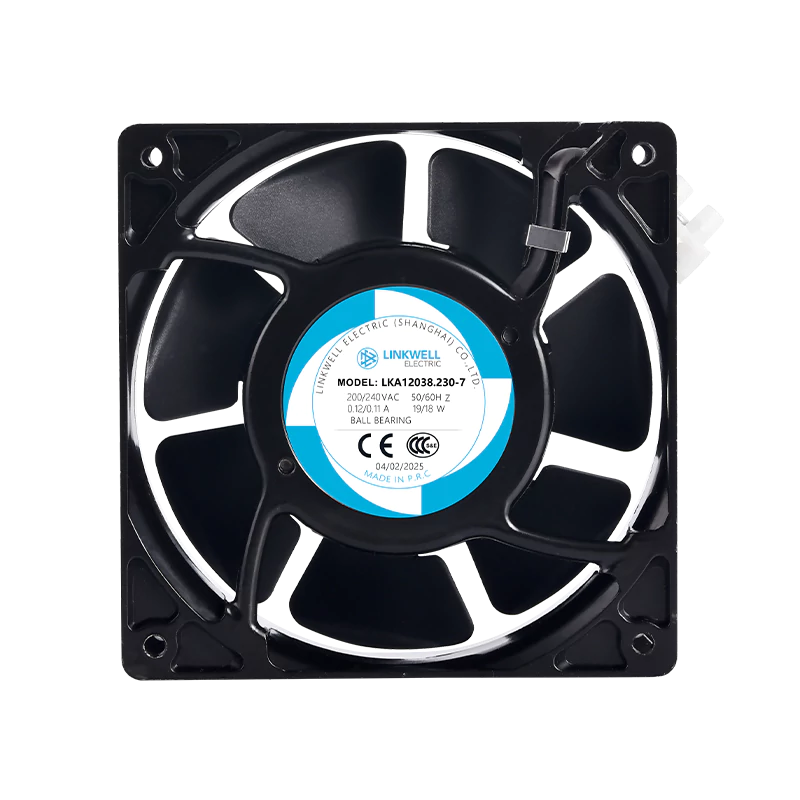
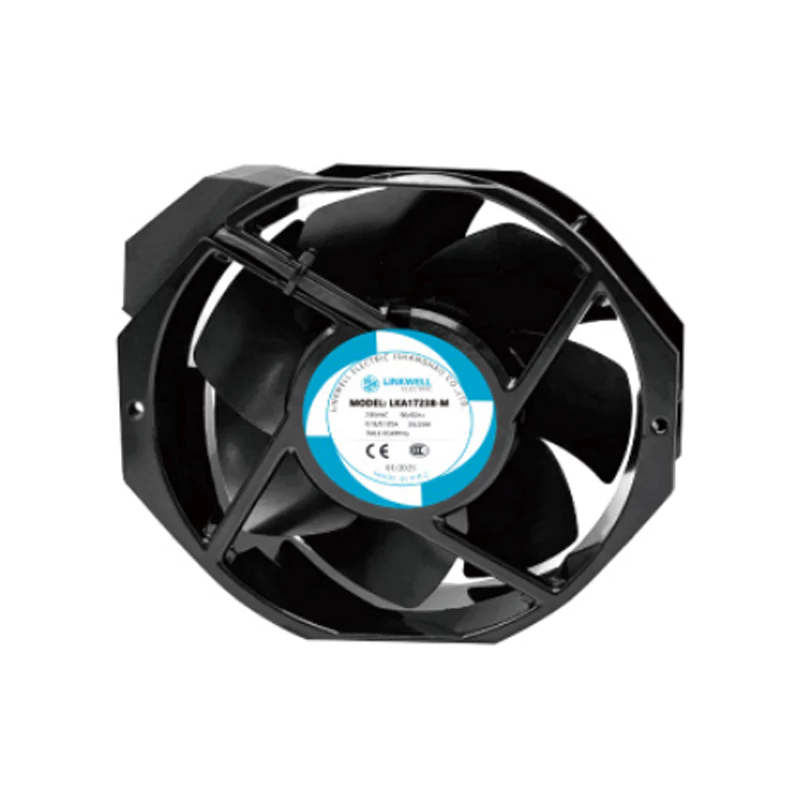
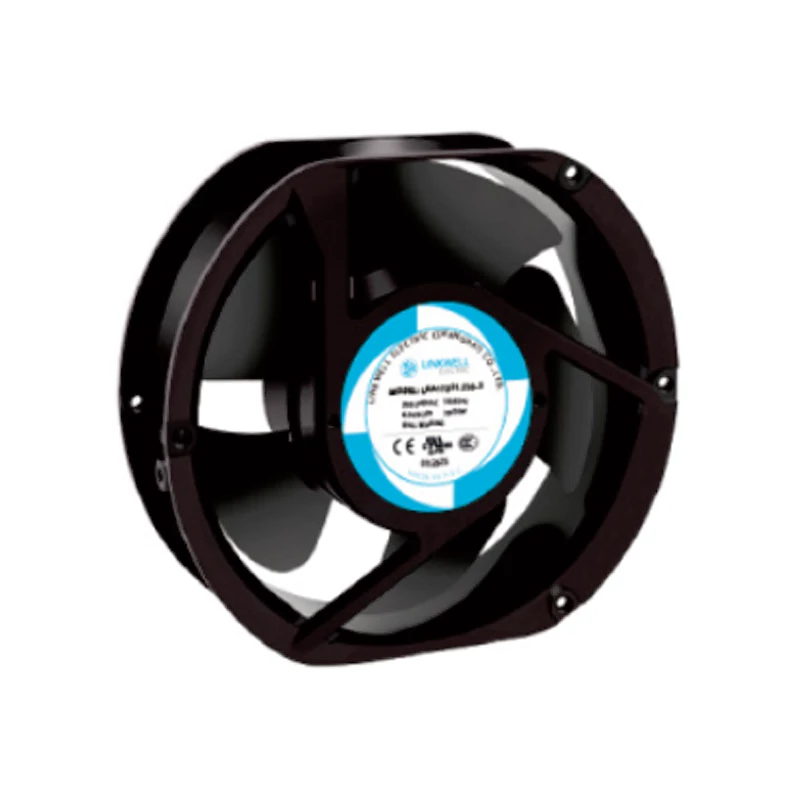
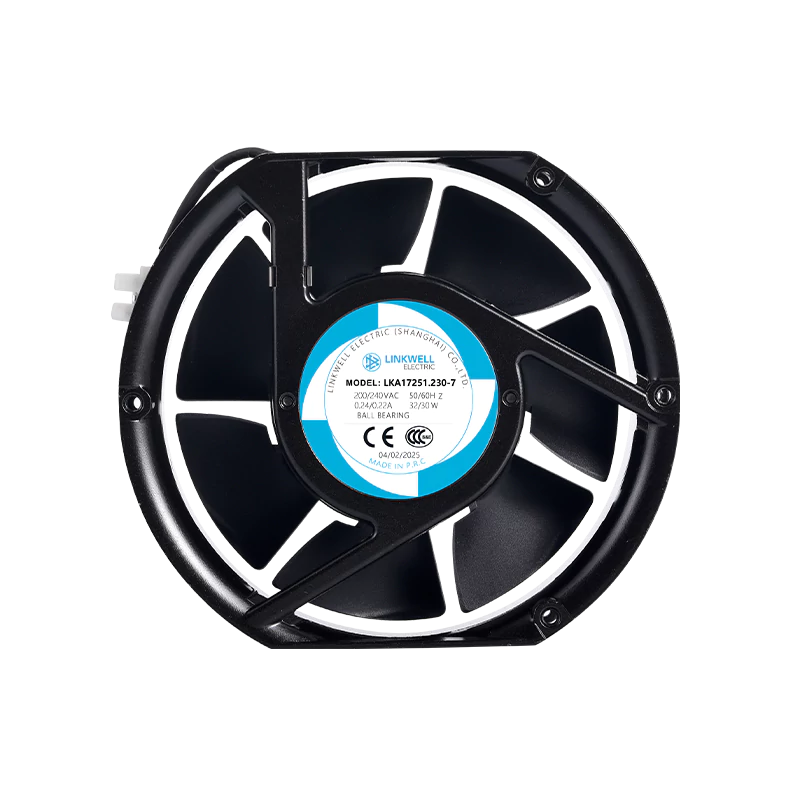
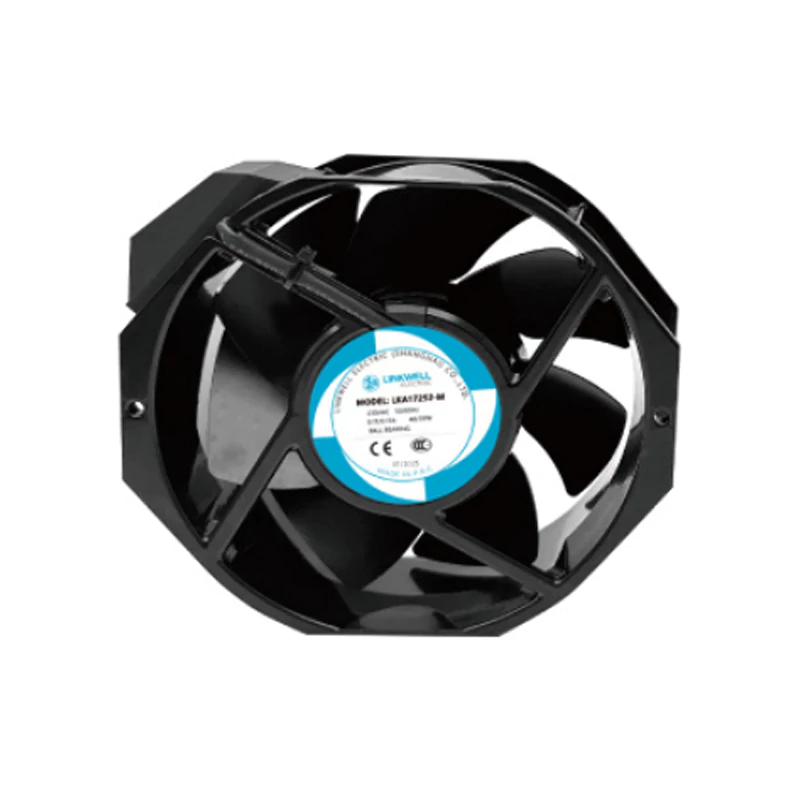
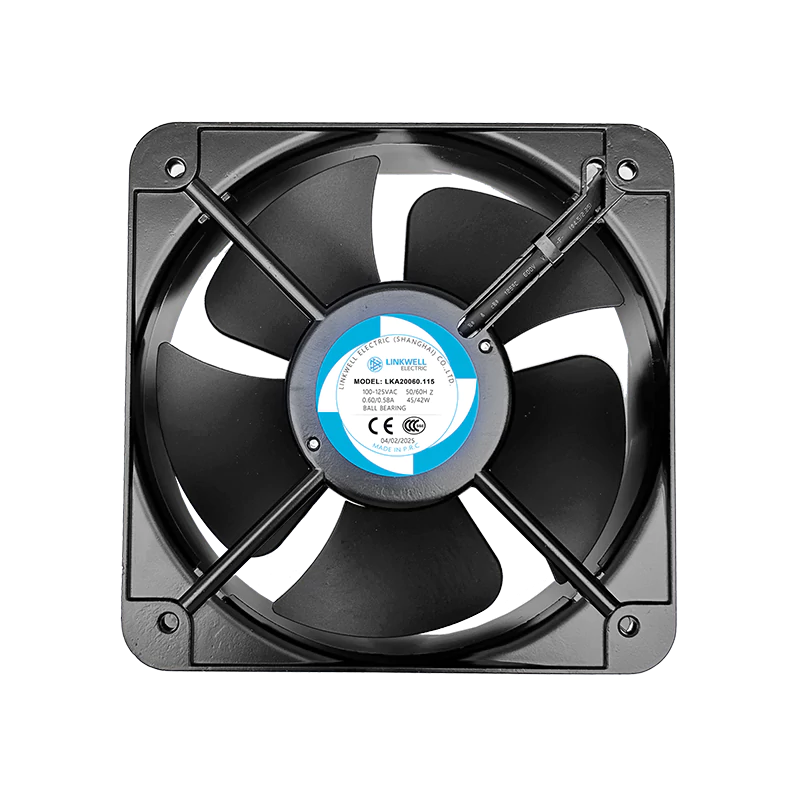
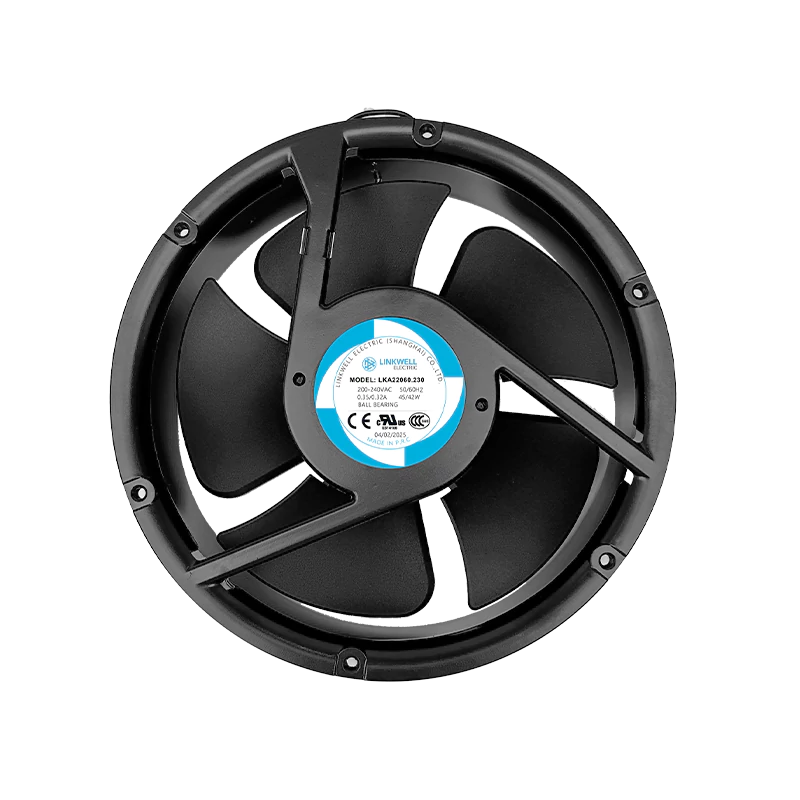
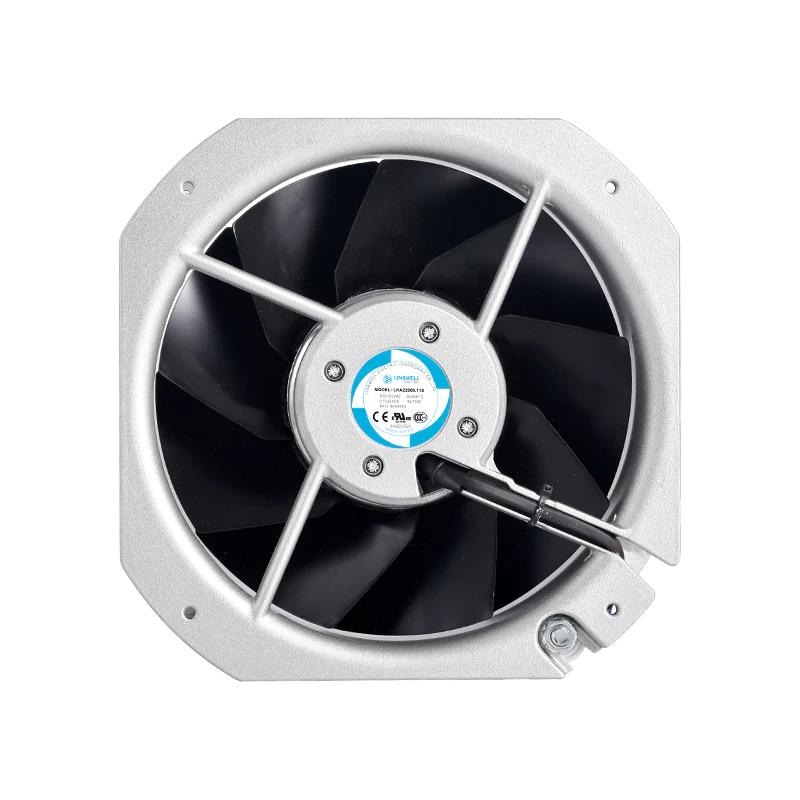
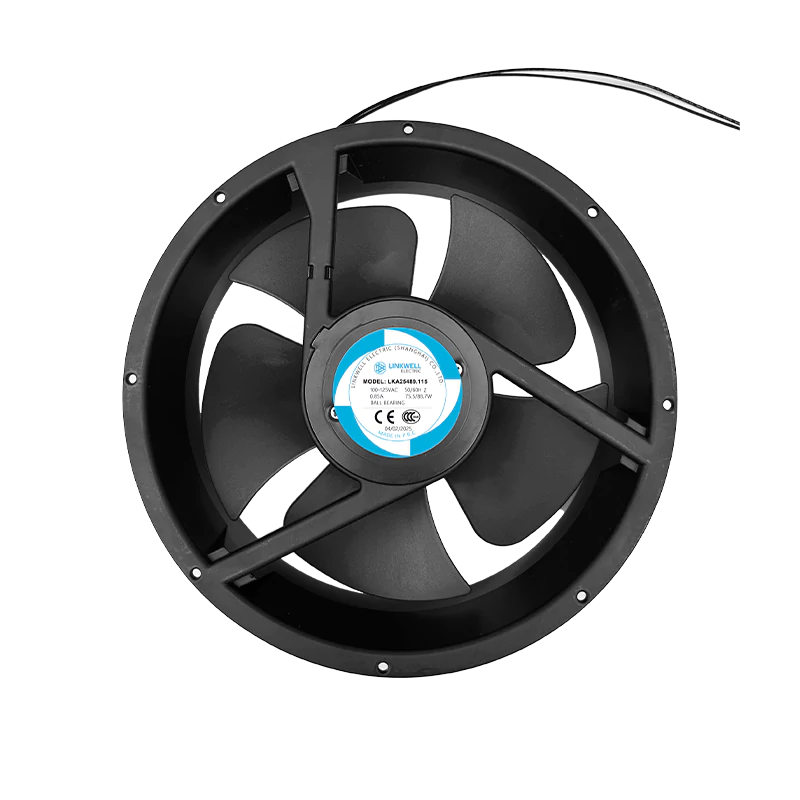
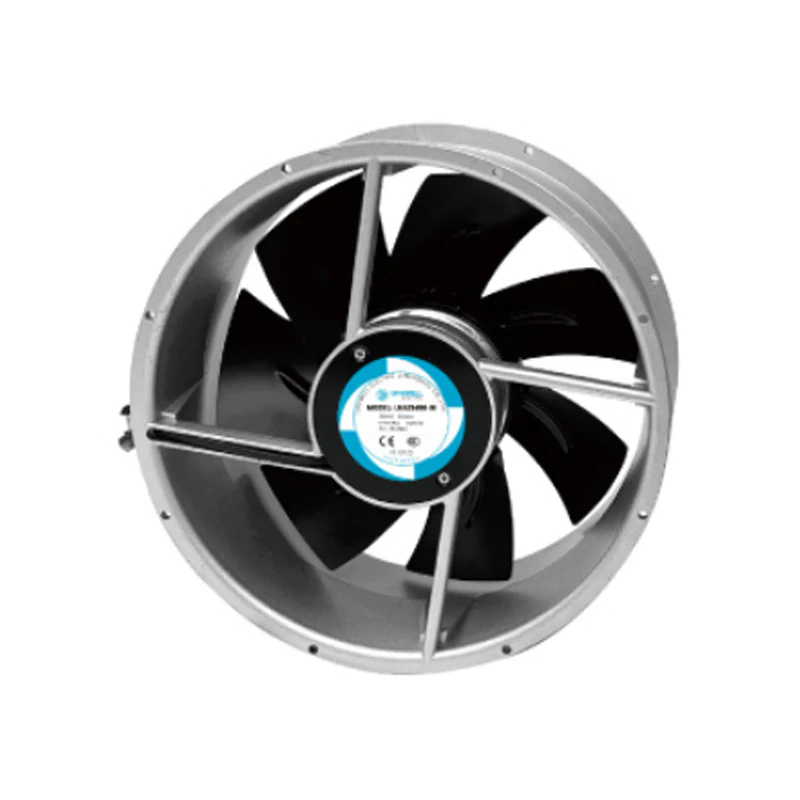
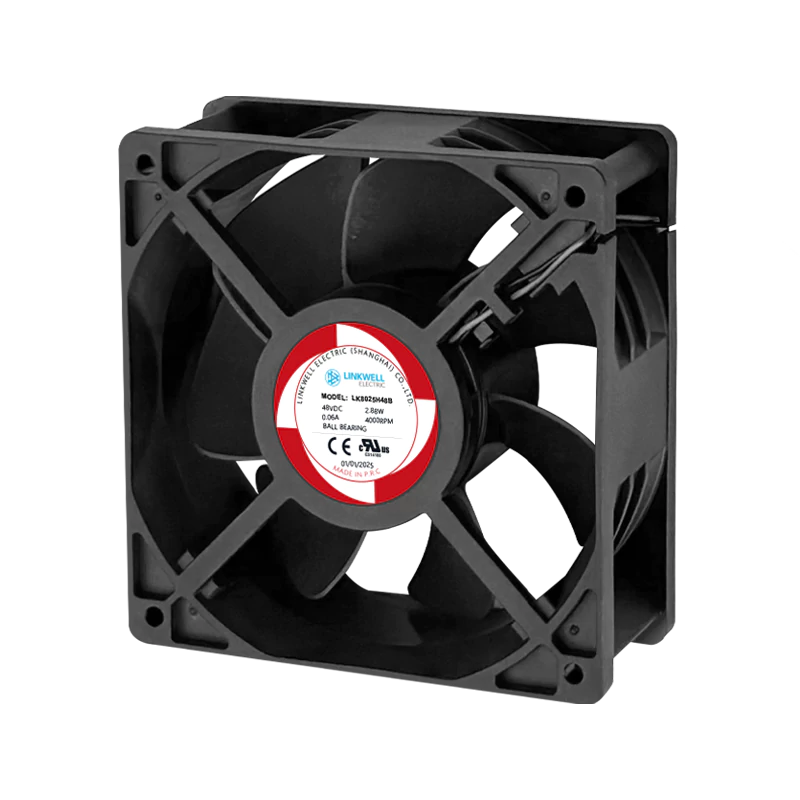
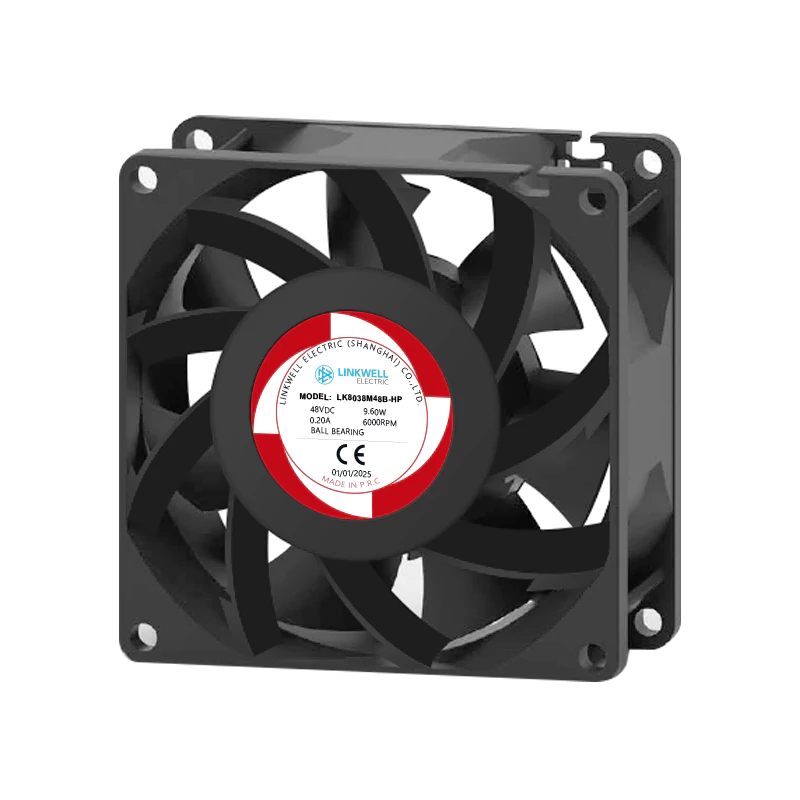
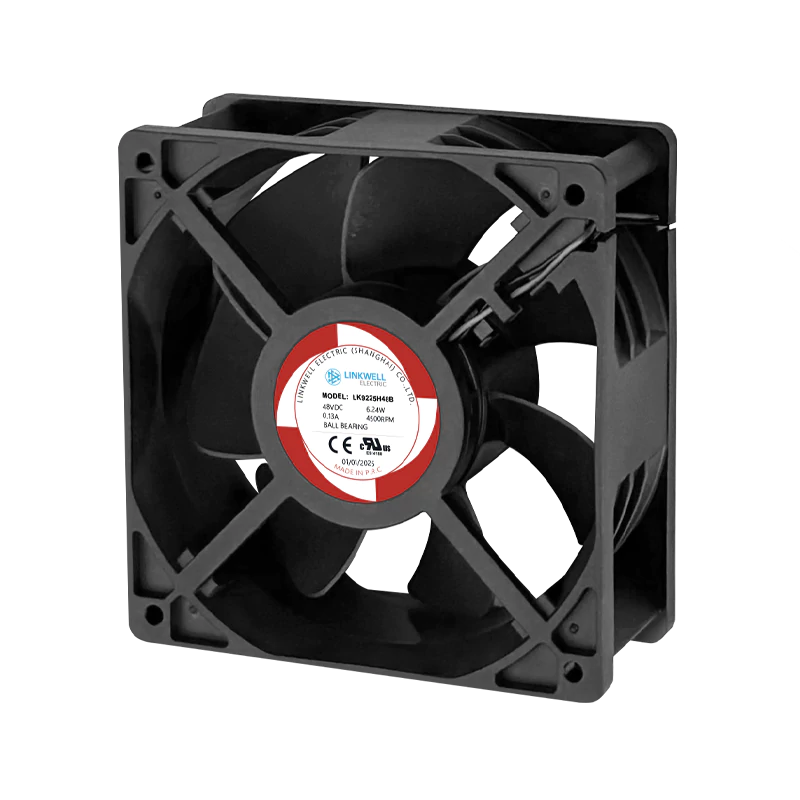
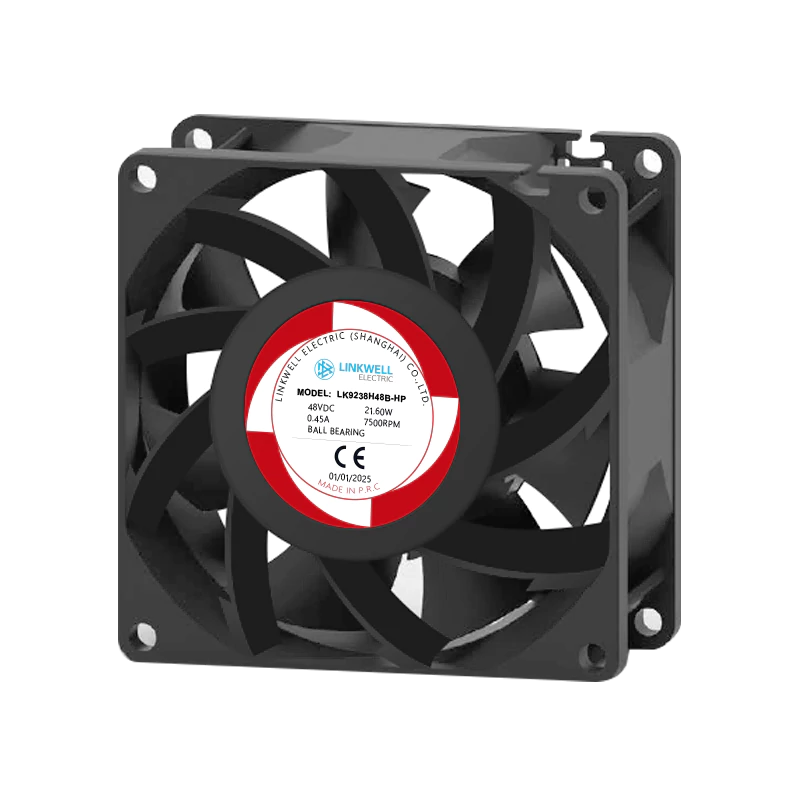
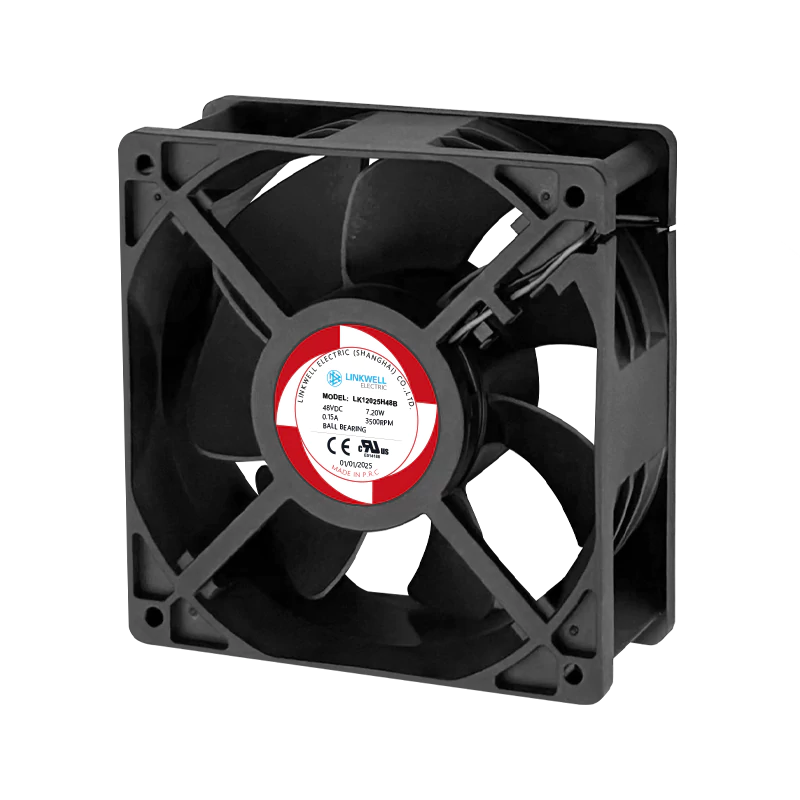
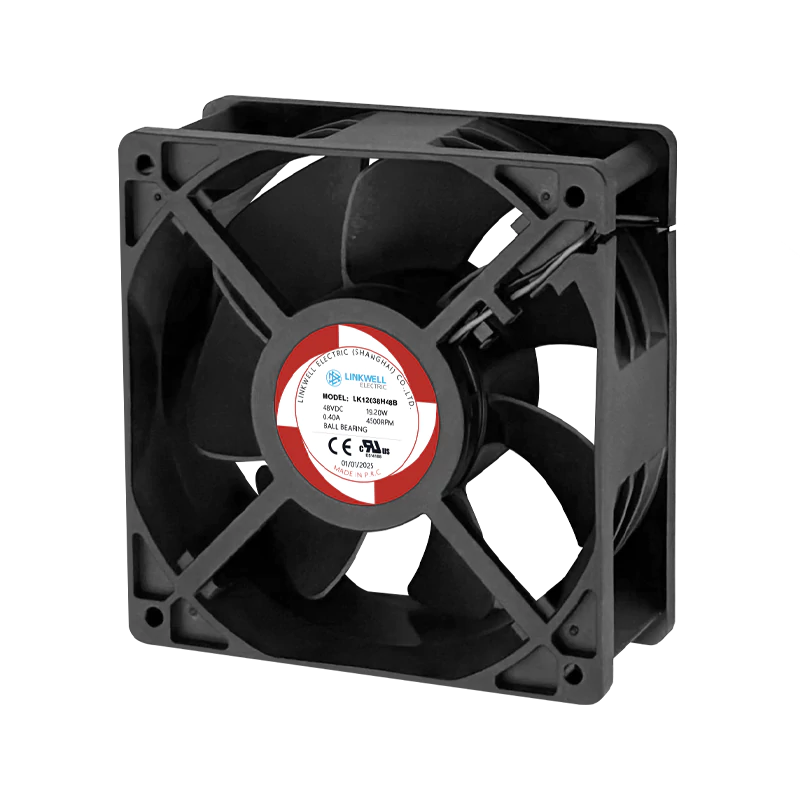
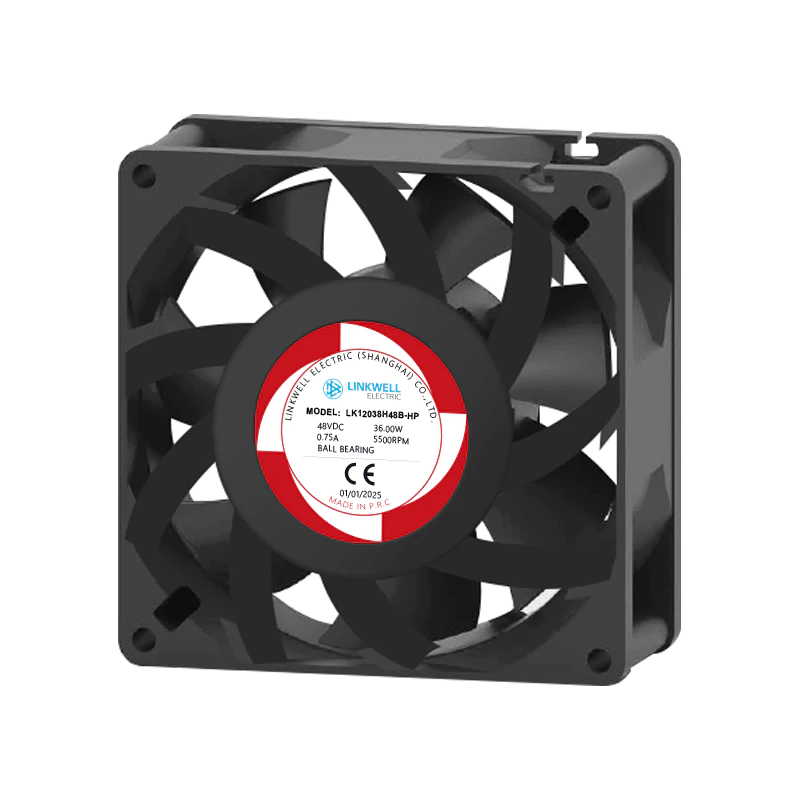
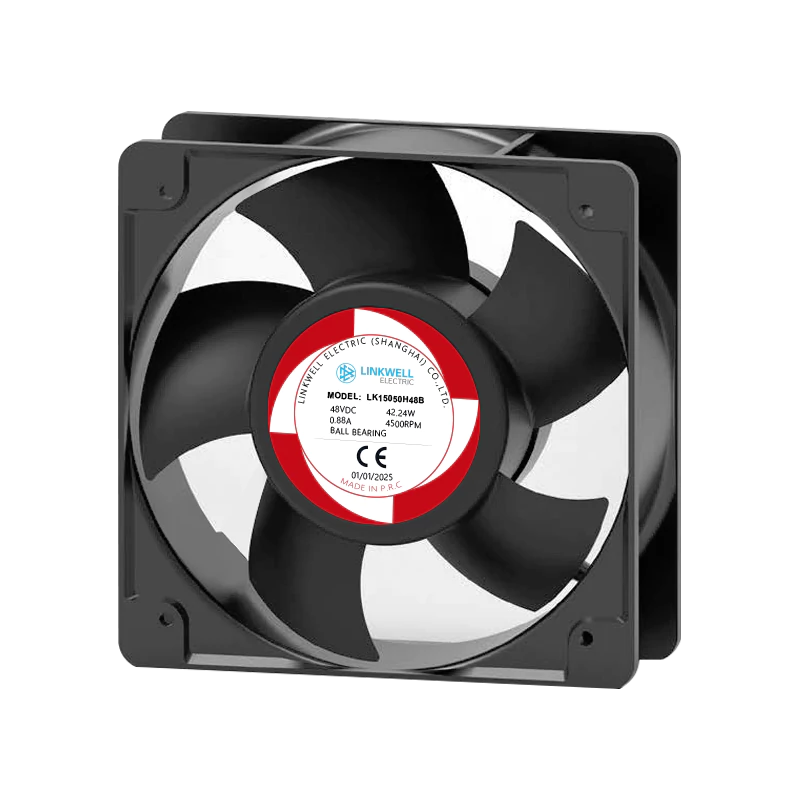
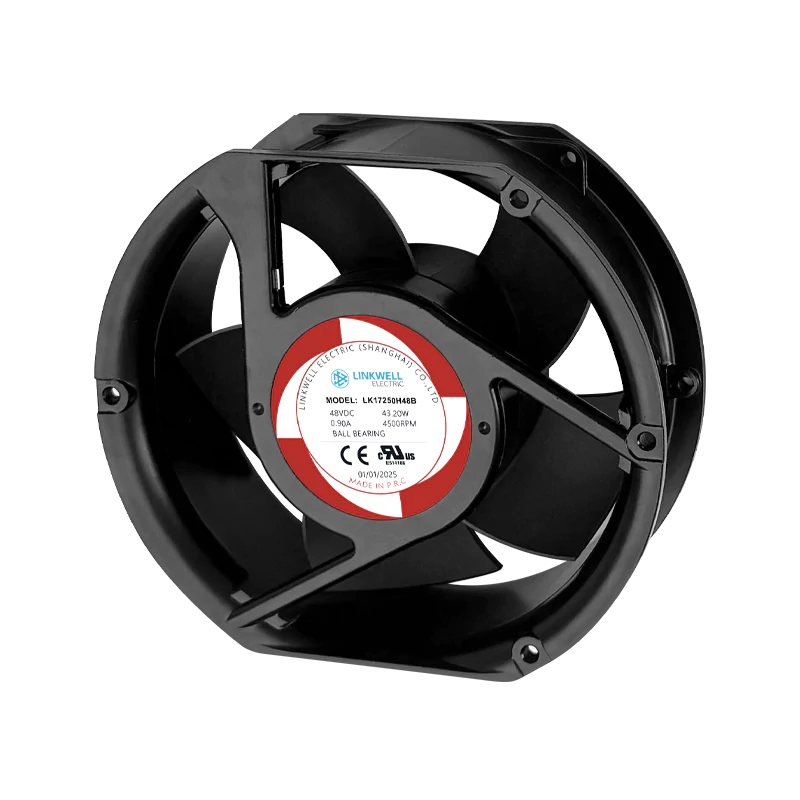
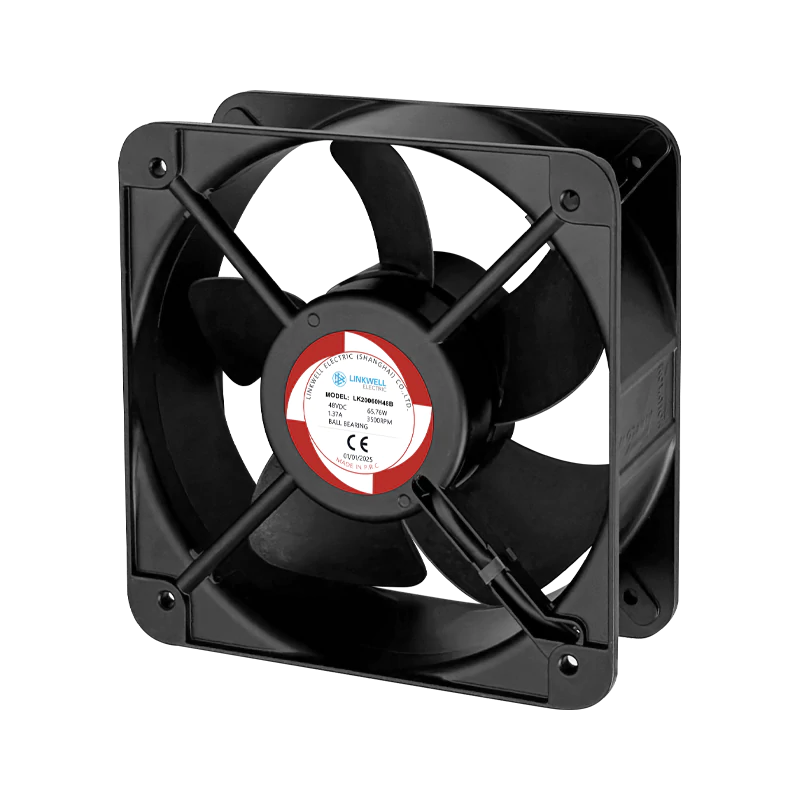
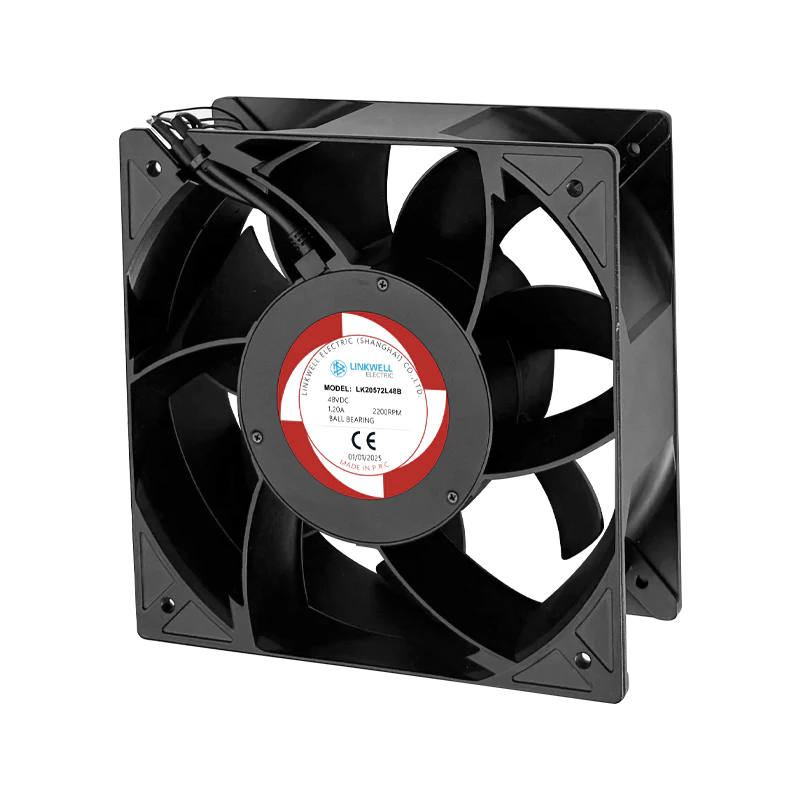
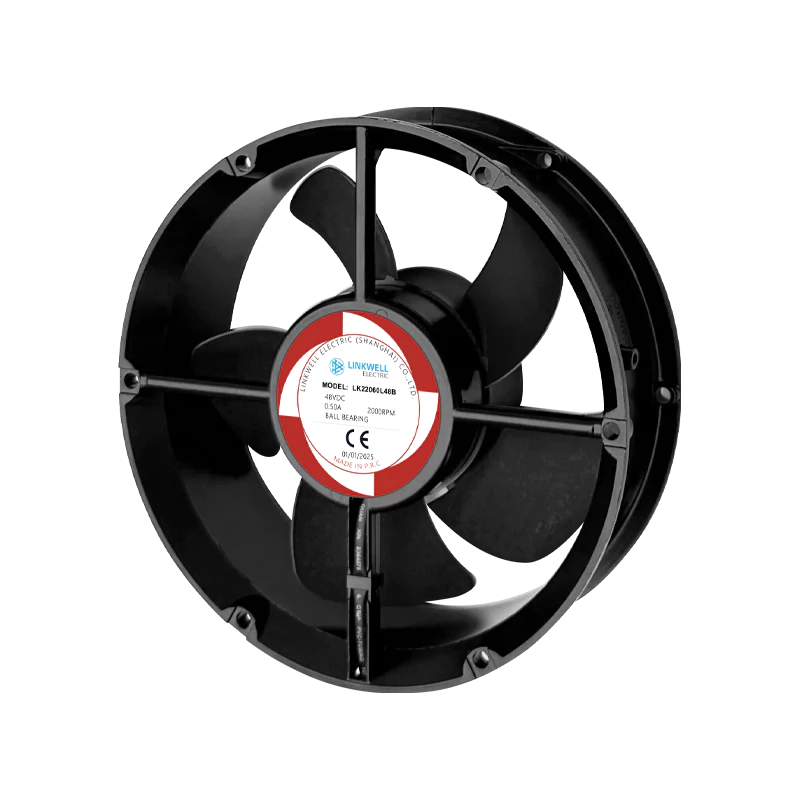
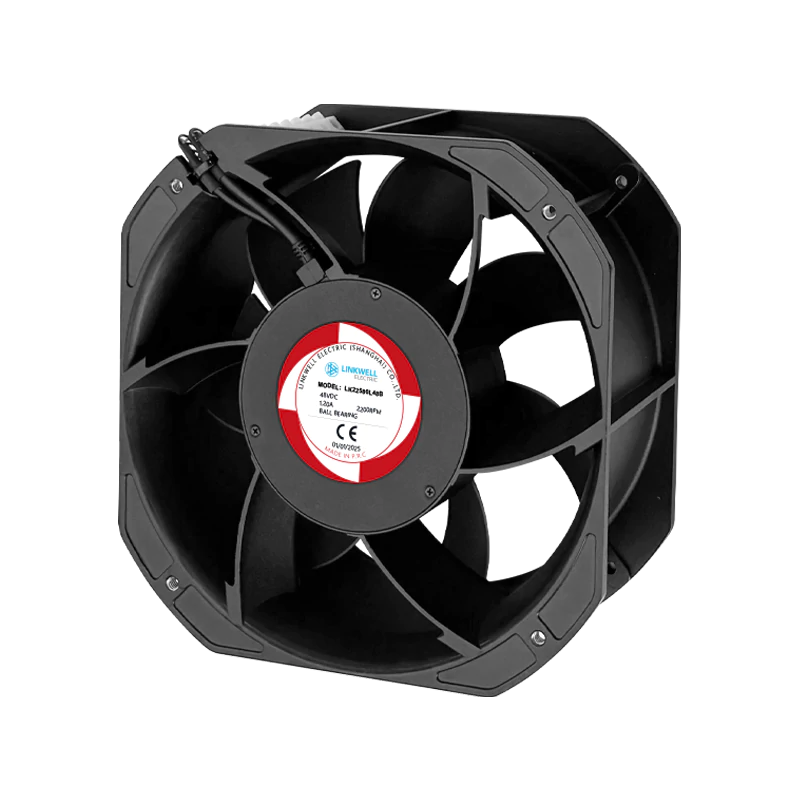
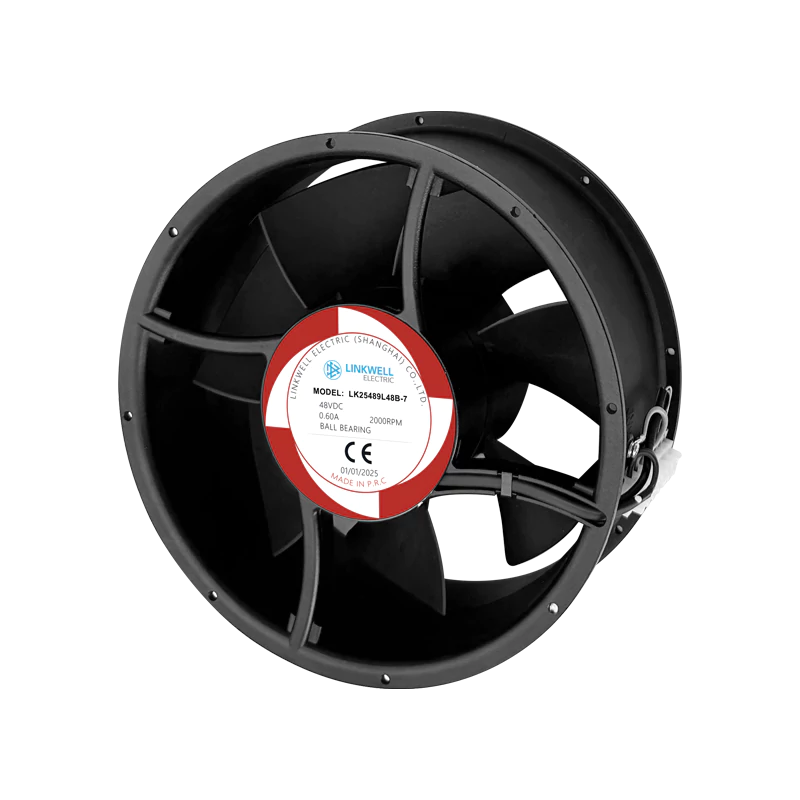
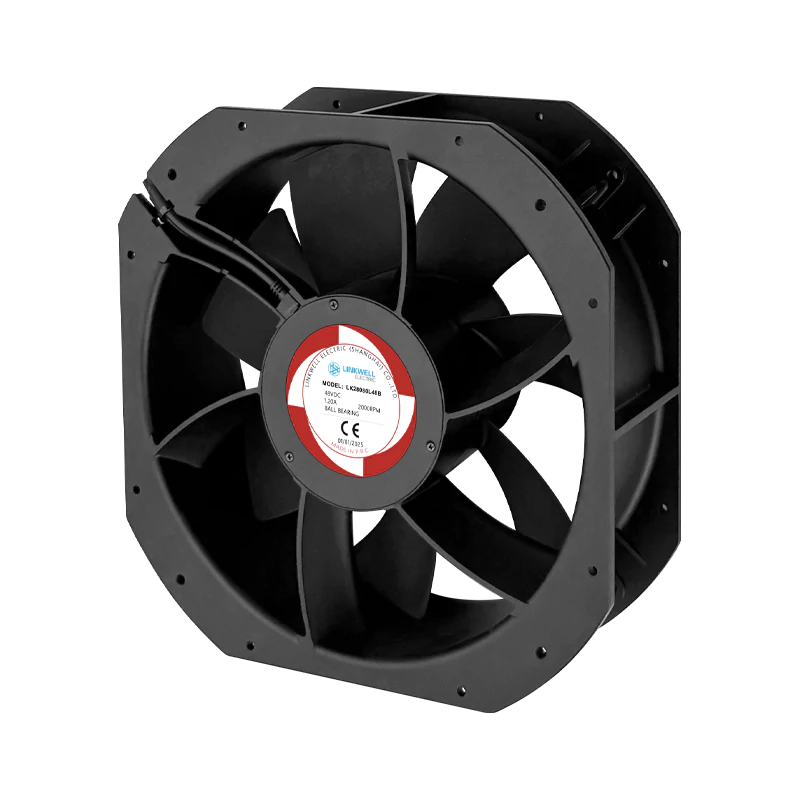
Professional EC Fan Manufacturer for Industrial & Commercial Cooling
High Efficiency Energy-Saving Fan Solutions for OEM, HVAC, Electrical Cabinets, Data Centers and Industrial Cooling Systems.


The Future of Cooling is Electronically Commutated
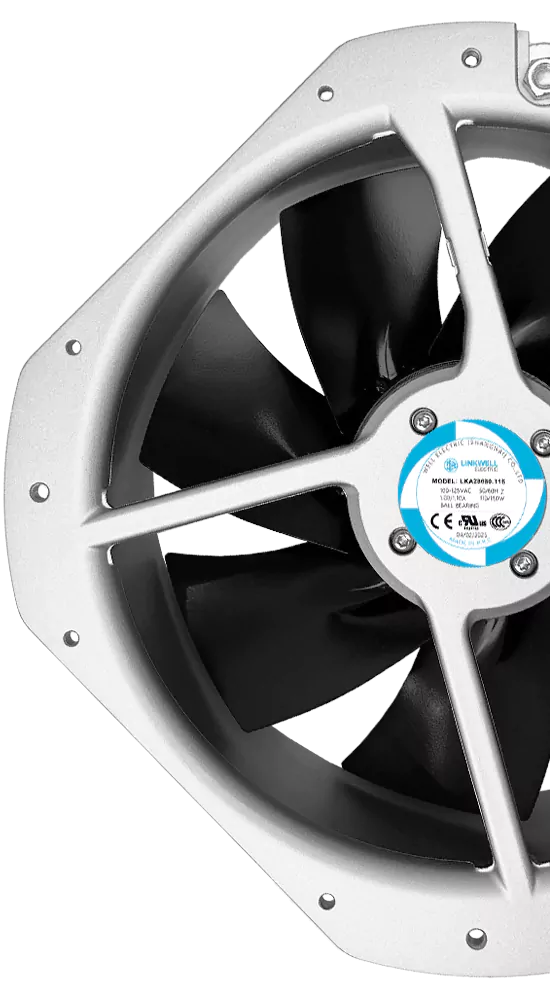
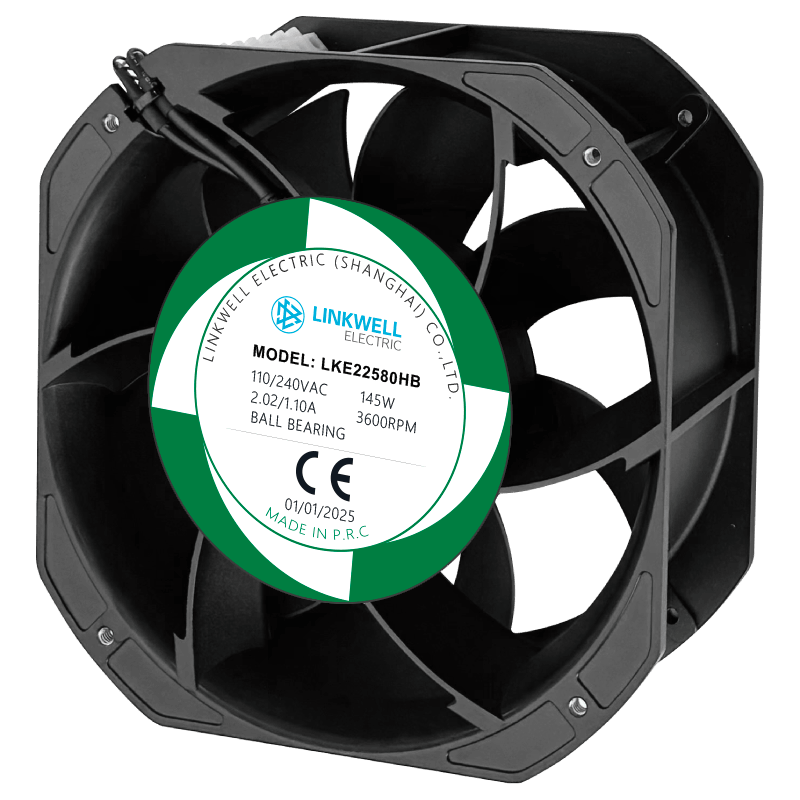
EC (Electronically Commutated) technology represents a fundamental advancement over traditional AC and DC fans. By integrating a brushless DC motor with built-in intelligent electronics, EC fans achieve unparalleled control and efficiency.
Core Advantages:
Ultra-High Efficiency
Direct conversion of AC to DC within the motor eliminates energy losses associated with traditional designs, achieving efficiency levels often above 90%.
Intelligent Speed Control
Built-in microprocessor allows for precise, feedback-driven speed modulation via 0-10V, PWM, or building automation signals, matching cooling output exactly to demand.
Extended Operational Life
The brushless design eliminates the primary point of mechanical failure, resulting in MTBF ratings exceeding 70,000 hours under standard conditions. At FANACDC, we design and manufacture our own EC motors and controllers, offering full customizability and IoT-ready solutions for modern smart infrastructure.
EC Fan vs. Traditional AC Fan: A Direct Comparison
Understand the quantifiable benefits of upgrading to EC technology for your application.
| Feature / Parameter | EC Fan (Electronically Commutated) | Traditional AC Fan (Induction Motor) |
|---|---|---|
| Energy Efficiency | Very High (up to 90%) | Low to Moderate (30–60%) |
| Speed Control | Precise, continuous, integrated (0–10V, PWM) | Limited, often requires external VFD |
| Power Consumption at Partial Load | Drastically reduced (proportional to speed³) | Remains high |
| Heat Generation | Low (less waste heat) | High |
| Noise Level | Lower, especially at reduced speeds | Higher, fixed frequency hum |
| Motor Life (MTBF) | > 70,000 hours | 30,000 – 50,000 hours |
| System Integration | Easy, built-in control logic & IoT capable | Basic, requires additional components |
| Total Cost of Ownership (TCO) | Lower (energy savings dominant) | Higher |
Energy Savings Calculation Example
Scenario: A 500W AC fan running 24/7 at 100% speed vs. an equivalent EC fan modulating between 60-80% speed based on cooling demand.
AC Fan Annual Consumption:
500W * 24h * 365d = 4,380 kWh
EC Fan Annual Consumption (avg. 70% speed):
~ (500W * 0.7³) * 24h * 365d ≈ (500W * 0.343) * 8760h ≈ 1,502 kWh
Annual Energy Saved:
4,380 - 1,502 = 2,878 kWh
Cost Saving (@ $0.12/kWh):
2,878 kWh * $0.12 = ~ $345 per fan, per year.
Fan
Model
Size
(mm)
Voltage
(VAC)
Power
(W)
Speed
(RPM)
Airflow
(CFM)
80-280mm
Size Range
110 V / 220 V
Voltage
–30°C ~ 80°C
Operation Temperature
50,000 hour
Service Life
Fan
Model
Size
(mm)
Voltage
(VAC)
Power
(W)
Speed
(RPM)
Airflow
(CFM)
DC Fan Series
Fan
Model
Size
(mm)
Voltage
(VAC)
Power
(W)
Speed
(RPM)
Airflow
(CFM)
Why Choose FANACDC as Your EC Fan Manufacturer
We combine advanced technology with rigorous manufacturing to deliver reliability and value.
In-House R&D & Customization
Our engineering team designs EC motors and controls from the ground up, allowing for complete customization of performance, dimensions, connectors, and control interfaces to meet your exact specifications.
Proven Quality & Consistency
Every EC fan undergoes stringent testing for performance, noise, vibration, and life cycle. We implement SPC (Statistical Process Control) to ensure batch-to-batch consistency you can rely on.
Smart & IoT-Ready Solutions
We develop fans with integrated communication capabilities (Modbus, BACnet MS/TP, etc.), enabling seamless integration into building management systems (BMS) and Industry 4.0 applications.

Electrical & Industrial Control Cabinets
Prevent overheating of PLCs, drives, and sensitive electronics with reliable, speed-controllable cooling.

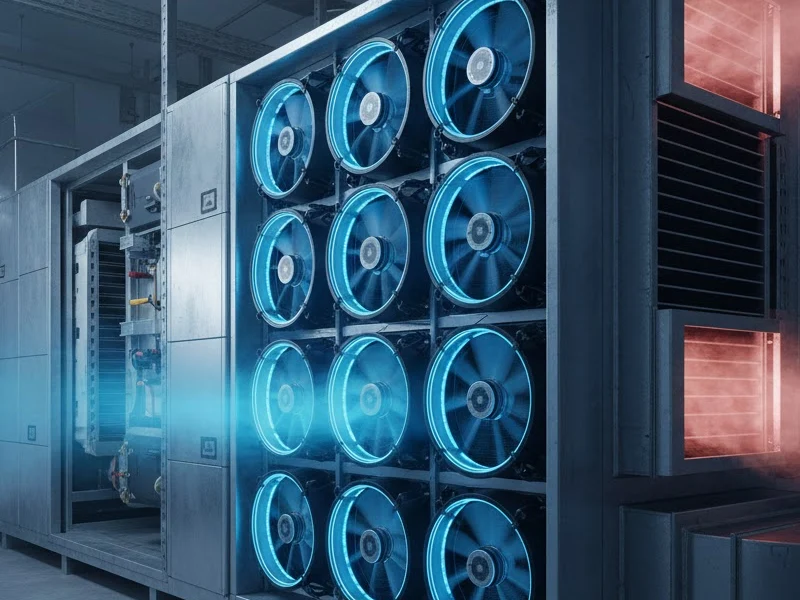
Data Center Cooling
CRAC/CRAH units, server fans, and aisle containment systems benefit from the high efficiency and precise control of EC fans, reducing PUE significantly.
HVAC & Air Handling
EC plug fans and centrifugal blowers are ideal for energy recovery ventilators, fan coils, and rooftop units, offering quiet operation and compliance with energy regulations.

Telecommunications
Provide stable, efficient cooling for battery rooms and electronic equipment in remote base stations, where energy reliability is paramount.
Technical Specifications & Manufacturing Capabilities
Standard EC Fan Specifications
Size Range:
120mm to 630mm (square & round frames)
Voltage:
100-277V AC, 50/60 Hz (Universal Input)
Speed Control:
0-10V DC, PWM, Resistive, or BMS Signal
Output Signals:
(Tachometer), RD (Alarm), Optional
Protection Class:
IP54, IP55 standard; IP68 available
Bearings:
Long-life ball bearings (optionally double ball bearings)
Housing Material:
Aluminum, Galvanized Steel, or Plastic (PBT/PC)
Operating Temp Range:
-20°C to +70°C (wider ranges optional)
Compliance:
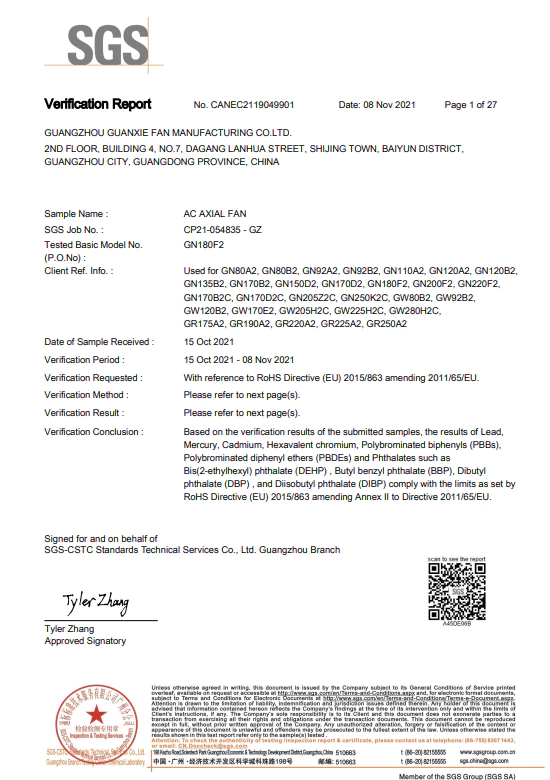
Designed to meet CE, RoHS, REACH
Our Quality & Production Pledge
ISO 9001:2015 Certified
Quality Management System
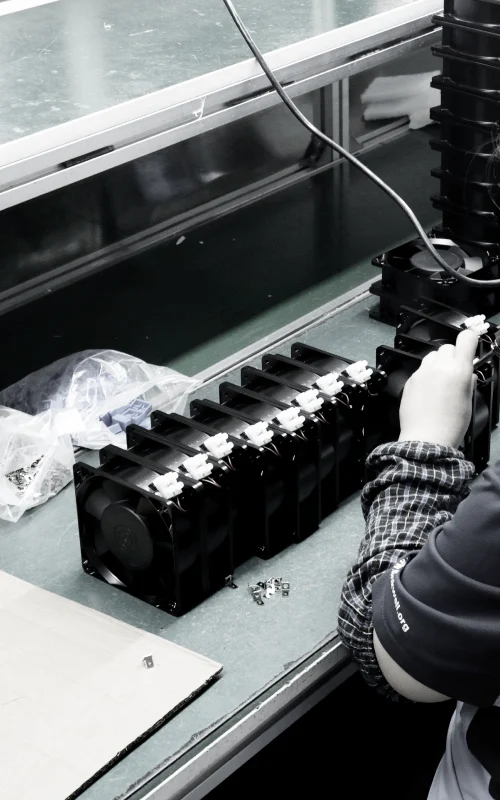
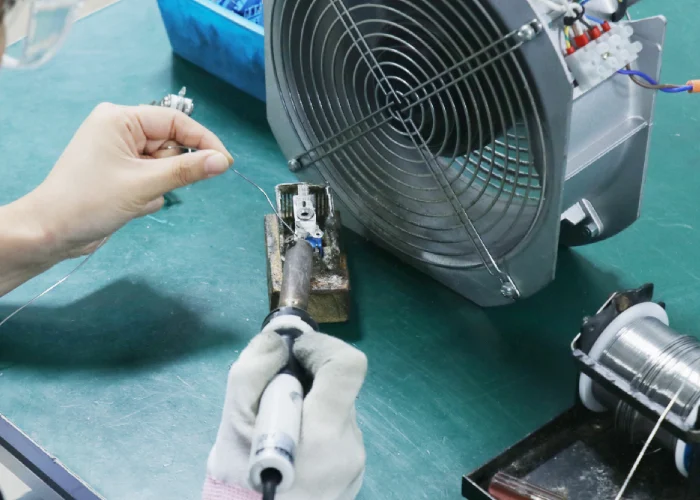
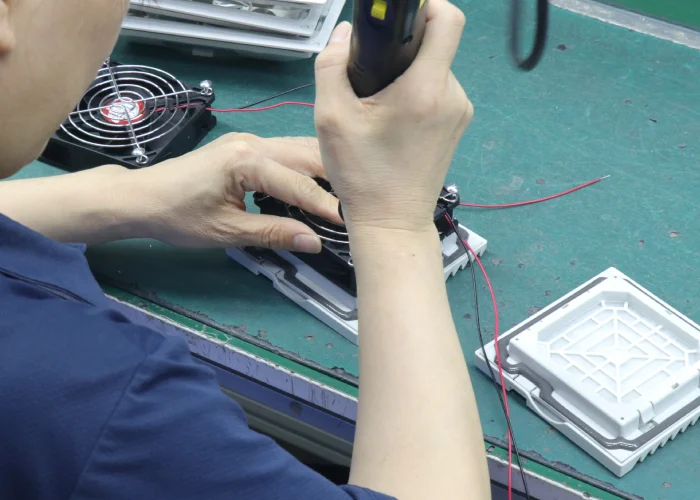
In-house motor winding, impeller balancing, and final assembly
Advanced test chambers for performance (PQ curve), acoustic noise, and endurance
Full material traceability and control
Flexible production lines for both high-volume OEM and low-volume custom orders
Comprehensive pre-shipment inspection (PSI) protocols
Technical support from concept through production and after-sales
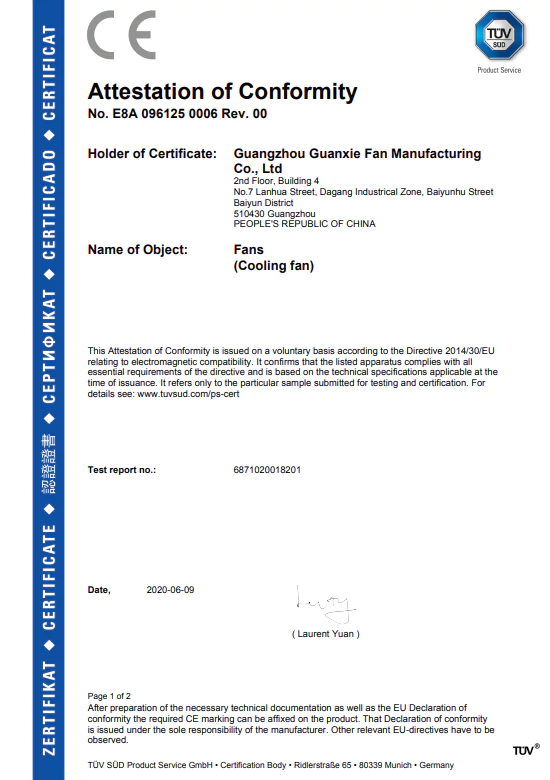
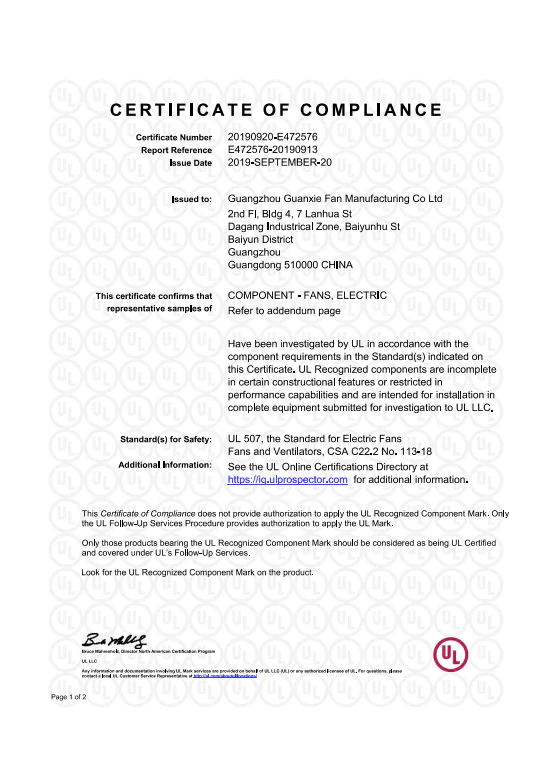
Certifications of Cooling Fans for Electronics


Company Profile
With over 20 years of engineering expertise, LINKWELL is a trusted manufacturer of advanced cooling solutions
About LINKWELL
LINKWELL is a professional EC fan manufacturer, delivering high-efficiency EC external rotor fan solutions for industrial automation, data centers, HVAC systems, electrical cabinets, renewable energy, and telecommunications.
We specialize in advanced EC fans (electronically commutated fans) engineered for superior energy efficiency, intelligent speed control, and long service life. As an industry innovator in high efficiency energy-saving fan technology, we continuously develop self-designed EC motors and smart control systems to meet evolving global market demands.
Driven by engineering excellence and reliability, we provide comprehensive OEM, ODM, and OBM services, offering customized EC fan solutions tailored to diverse industrial cooling applications.
- ISO9001 Certified
- RoHS Compliant
- CE Certified
- ISO14001 Certified
- UL Certified
- TÜV Certified
FAQ of EC Fan Manufacturer for Electronics
Q1: What is the main difference between an EC fan and a DC fan?
While both use DC current to power the motor, a standard DC fan requires an external AC/DC power supply. An EC fan has this power supply (AC to DC conversion) and intelligent commutation electronics built directly into the motor housing. This integrated design is more efficient, compact, and enables advanced control features.
Q2: Can I directly replace my existing AC fan with an EC fan?
Often, yes. Many EC fans are designed as form-fit-function replacements for standard AC models, sharing the same mounting holes and overall dimensions. The key difference is the need to connect the control wires (e.g., 0-10V) in addition to the power supply to fully utilize the speed control benefits. Our team can provide cross-reference guides.
Q3: How do I control the speed of an EC fan?
EC fans offer multiple control options: 0-10V DC analog signal is most common for building automation; PWM (Pulse Width Modulation) is popular in electronics; a simple potentiometer can be used for manual adjustment; or they can be controlled directly by a BMS (Building Management System) via compatible interfaces.
Q4: What is your minimum order quantity (MOQ) for custom EC fans?
For standard models, MOQ can be as low as 10-100 pieces, depending on the model. For fully customized designs (new tooling, unique specs), the MOQ is project-specific and determined by development costs. We work closely with clients from prototype to mass production to find an economical solution.
Q5: Do you provide performance data (PQ curves) for your fans? +
Absolutely. Professional Performance (PQ) Curves, Acoustic Noise Data, and Dimensional Drawings in PDF or CAD format (STEP, IGES) are available for all our products. These are essential for proper system design and can be downloaded from our product pages or requested directly from our engineering team.
Q6: What is your typical lead time?
For standard catalog items, lead time is typically 2-4 weeks. For customized projects, the lead time depends on the complexity of design and testing, but we strive to provide prototypes within 6-8 weeks and establish stable production schedules thereafter. We prioritize clear communication on timelines throughout the process.
Ready to Solve Your Cooling Challenge
Contact our engineering and sales team for specifications, pricing, or a custom solution discussion.