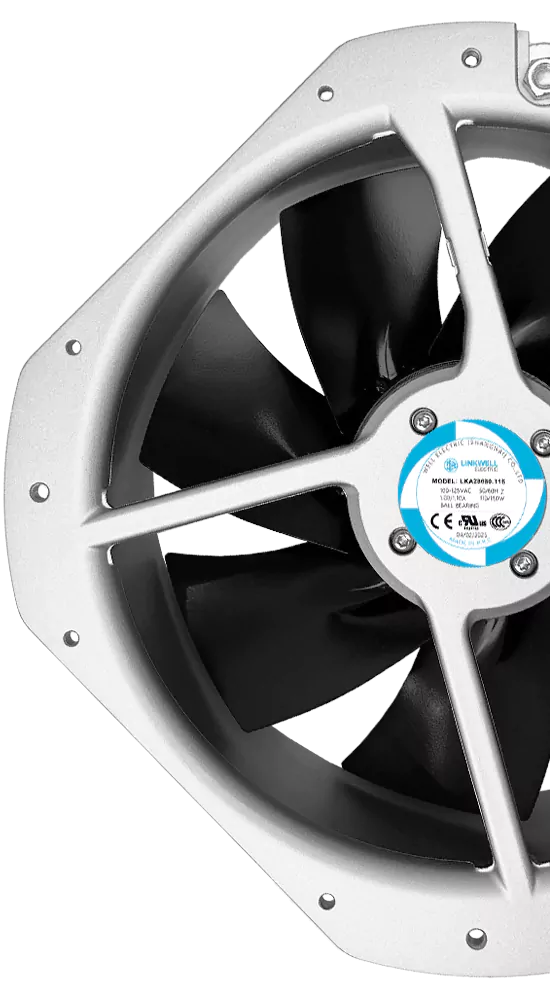
You can see ec fan technology is changing how you cool buildings. EC fans save energy, are very quiet, and have smart controls. They can be up to 90% efficient and use 70% less energy. Electricity costs are 20-40% of data center bills, and cooling uses 30-40% of the power. EC fans last longer, need less fixing, and make less heat. You get steady work and better air quality.
- EC fans help you spend less money on cooling big places.
- Built-in control systems let you change fan speed as needed.
Key Takeaways
- EC fans use less energy than AC fans. They can save up to 70% energy. This helps lower electricity bills a lot.
- These fans are very quiet when they run. This makes them good for places like offices and labs.
- EC fans have speed control built in. They change airflow to match cooling needs. This makes them work better and feel more comfortable.
- EC fans have brushless motors. This helps them last longer. It also means less maintenance and less downtime.
- EC fans move and refresh air well. This helps keep air clean. Good air is important for health and working well.
- Using EC fans can pay for itself in 1-2 years. This is because they save energy and need fewer repairs.
- EC fans can be used in many ways. They work in HVAC systems, telecom cabinets, and refrigeration equipment.
- Picking EC fans is a smart choice. It helps your budget and the environment.
What Is EC Fan Technology?
EC Fan Definition
You might wonder what makes ec fan technology so special. This technology, also called electronically commutated fan, uses advanced motors that combine the best parts of AC and DC power. You get a fan that works smarter and uses less energy. These fans focus on high efficiency and smart control. You can adjust the speed easily, and the fan always performs at its best. Many factories and buildings use these fans because they meet strict energy rules, like the EU’s ERP Directive. You can trust them to save energy and help the environment. Some EC fans reach over 90% efficiency, which means you waste less power and save more money.
Core Features
Let’s look at what sets these fans apart. Here’s a quick table to show you the main features and what they mean for you:
| Feature | Description |
|---|---|
| Brushless DC Motor | No brushes means less friction and wear. You get a longer-lasting fan. |
| Integrated Electronics | Built-in circuits let you control speed and airflow with ease. |
| Variable Speed Control | You can change the fan speed for the best cooling and energy savings. |
| Energy Efficiency | Uses much less energy than old-style AC fans. You see lower bills. |
| Low Noise Levels | Runs quietly, so you hear less noise in your workspace. |
| Compact Design | Smaller size fits in tight spaces and makes installation simple. |
Tip: If you want a fan that lasts longer and needs less fixing, EC fans are a smart choice.
EC vs AC and DC Fans
You might ask, “How do EC fans compare to other types?” Here’s a simple table to help you see the differences:
| Electric Motor Type | Efficiency | Control Capabilities |
|---|---|---|
| AC Motors | Lower than DC and EC fans | Needs extra device for speed |
| DC Motors | Better than AC fans | Needs extra device for speed |
| EC Motors | Up to 75% less power at half-speed | Built-in speed control |
- EC fans can use up to 75% less power when you run them at half speed compared to the same size AC fan.
- EC motors have no brushes, so they last longer and work more efficiently.
- DC motors are about 30% more efficient than AC motors, but EC fans still lead in energy savings.
When you choose ec fan technology, you get a fan that’s easy to control, saves energy, and runs quietly. You can see why more engineers and facility managers pick EC fans for industrial cooling.
How EC Fan Technology Works
Motor and Control Basics
You may wonder why these fans are so smart and work well. The answer is in the motor and its control system. EC fans use a brushless DC motor, so you do not need to worry about brushes wearing out. This helps the fan last longer and makes it quieter. The motor has important parts that help it work better. Here is a simple table to show what each part does:
| Component | Contribution to Performance |
|---|---|
| Permanent Magnets | Make strong magnetic fields for more power and better efficiency. |
| On-board Electronics | Control how the current moves, so the motor runs smoothly and saves energy. |
| Hall Effect Sensors | Watch the rotor’s position, so the fan spins at the right speed. |
| Rectifier | Changes AC power into DC power, which the motor needs. |
| Integrated Controller | Controls the current in the windings to save energy and keep airflow steady. |
When these parts work together, the fan uses less energy—often more than 90% efficient. You also pay less for power, the fan lasts longer, and your workspace is quieter.
Integrated Electronics
EC fans have more than just a motor. The built-in electronics make a big difference. These smart circuits let you change the fan speed very easily. You can set the airflow to fit your cooling needs, which saves energy and keeps things running well. The electronics also let you use features like PWM, FG, and RD. These features help you check and control how the fan works in real time.
Tip: With integrated electronics, you can set the fan to run only as fast as you need. This saves money and keeps your equipment cool without wasting power.
Operation in Cooling Systems
You will find ec fan technology in many cooling systems, like HVAC units and data centers. These fans use brushless DC motors and smart electronics for variable speed control. You can plug them into normal AC power, but inside they use DC for better efficiency. Here is how they work in real life:
- EC fans change their speed to match how much cooling you need, so you do not waste energy.
- The design lowers heat loss, which helps your cooling system last longer.
- You can use them in many places, like HVAC systems, industrial machines, and telecom cabinets.
- Variable speed control lets you adjust airflow, which is important for keeping equipment at the right temperature.
You get a fan that changes to fit your needs, saves energy, and keeps your systems working well.
Benefits of EC Fan Technology
High Energy Efficiency
When you look for ways to cut costs and save power, ec fan technology stands out. You get more cooling with less energy. This is a big win for your business and the environment.
Up to 90% Efficiency
You want a fan that works hard but does not waste power. EC fans can reach up to 90% efficiency. This means almost all the energy you use goes straight into moving air, not lost as heat. You get steady airflow and lower bills. Many EC fans keep their high efficiency even when you slow them down. They can stay between 91% and 95% efficient across a wide range of speeds. This helps you keep your cooling system running at its best, no matter the demand.
70% Less Power Consumption
You do not want to pay for wasted energy. EC fans use up to 70% less power than old AC fans. This makes a huge difference in your monthly bills. Here are some real numbers:
- EC fans often use 40-60% less power than AC fans for the same airflow.
- Many facilities see 30-50% savings on electricity costs each year.
- You can get your money back in just 1-2 years because of these savings.
- EC motors can cut power use by up to 50% compared to traditional motors.
You see the results right away. Your equipment runs cooler, and you spend less on energy. This is why so many engineers and facility managers choose EC fans for high efficiency and energy savings.
Ultra-Silent Operation
Noise can be a big problem in factories and workspaces. You want a quiet environment so your team can focus. EC fans help you achieve this. They run much quieter than old-style fans. The brushless motor design means less friction and fewer moving parts. This cuts down on noise and vibration. You get a peaceful workspace, even when the fans run at full speed.
If you work in places where silence matters, like labs or offices, EC fans are a great choice. Your team will thank you for the quieter environment. You also avoid noise complaints and create a better work atmosphere.
Smart Speed Control
You need a fan that can change with your needs. EC fans give you smart speed control. You can adjust the fan speed to match how much cooling you need. This is not just about comfort. It is about saving energy and keeping your equipment safe.
- EC motors adjust their speed and torque to match real-time airflow demands. This means you never use more power than you need.
- Variable speed drive systems let the fan run at the best speed for the job. When the load drops, the fan slows down and saves energy.
- Even a small drop in fan speed can lead to big energy savings. If you cut the speed by half, you can see an 87.5% drop in the power needed.
- The built-in electronics make it easy to set and control the speed. You get the right airflow every time.
Smart speed control helps you avoid wasting energy. Your cooling system works better and lasts longer. You also get more control over your environment, which is great for sensitive equipment or changing workloads.
Tip: Use smart speed control to keep your cooling system running smoothly and save money on power.
You get more than just a fan. You get a tool that helps you manage energy, reduce noise, and extend the lifespan of your equipment. EC fan technology brings you high efficiency, long service life, and real value for your business.
Durability and Long Life
You want your cooling system to last a long time. EC fan technology helps you do that. These fans use a brushless design, so parts do not wear out fast. You get a fan that keeps working in tough places. The solid-state design means fewer breakdowns and less fixing.
Here’s a simple table to show how EC fans compare to traditional fans:
| Feature | EC Fans | Traditional Fans |
|---|---|---|
| Brushless Design | Yes (no brushes to wear out) | No |
| Mean Time Between Failures | 30-50% higher than AC fans | Lower MTBF |
| Lifespan | Over 50,000 hours of use | Generally lower lifespan |
| Maintenance Costs | Lower due to solid-state design | Higher due to wear and tear |
EC fans last longer and need less fixing. If you use your equipment all day, you want a fan that can handle it. You save money on repairs and downtime. Your cooling system stays reliable, and you feel calm.
Note: Picking an EC fan means you get a solution that keeps your machines running well for years.
Less Heat Generation
Heat can cause problems in your cooling system. EC fans help you avoid these problems. They use advanced motor technology, so they make less heat when running. This means your cooling system does not have to work as hard.
- EC fans run cooler, which protects inside parts.
- Less heat means your cooling system works better.
- Cooler fans help your equipment last longer by stopping overheating.
- Advanced engineering makes sure the fan works well, even in tough conditions.
You get a fan that stays cool and keeps your system safe. Your equipment lasts longer, and you avoid expensive failures. EC fan technology makes your cooling system more dependable.
Improved Air Quality
You care about the air in your workspace. EC fans help you keep it clean and fresh. These fans move air well, so you do not get stale air. High-volume, low-speed fans can move and mix large amounts of air, cleaning the air in big buildings.
- EC fans get rid of stale air, which is good for indoor air quality.
- More airflow stops condensation and lowers moisture risks.
- Chemical-resistant fans cut down on bad fumes and airborne contaminants.
- Good air keeps your team safe and healthy.
- Clean air helps research in labs by lowering contaminants.
If you want a healthier place for your staff and equipment, EC fans are a smart choice. You get better air, fewer complaints, and a safer workspace.
Lower Operating Costs
You want to keep your business running without spending too much. EC fan technology helps you do just that. When you switch to an EC fan, you can cut your energy bills by a huge amount. Some companies see their energy use drop by up to 80%. That means you save money every month and can use those savings for other important things.
Here’s what happens when you use EC fans:
- You pay less for electricity because the fans use less power.
- You spend less on maintenance since EC fans last longer and break down less often.
- You avoid costly downtime because your cooling system stays reliable.
Tip: If you want to boost your company’s financial health, upgrading to EC fans is a smart move.
You don’t just save money on energy. You also lower your repair costs and keep your equipment running smoothly. EC fan technology gives you more control over your budget and helps your business grow.
Stable Performance
You need your cooling system to work well all the time, even when things change. EC fans deliver stable performance, no matter how busy your facility gets. They adjust their speed and airflow to match what your equipment needs. This keeps everything safe and prevents problems.
Check out this table to see how EC fans stay steady under different conditions:
| Feature | Explanation |
|---|---|
| EC Motor Technology | Lets you control speed exactly, so you get the right airflow and save energy. |
| Backward-Curved Impeller Design | Moves air smoothly and keeps pressure high, even when loads change. |
| Variable Speed Control | Keeps your system safe by adjusting to different demands and cutting down on vibration. |
You don’t have to worry about sudden changes or heavy workloads. EC fans keep your cooling system running at its best. Your equipment stays protected, and you get peace of mind.
Note: EC fans help you avoid surprises and keep your operations steady, even in tough environments.
EC Fan Technology vs Traditional AC Fans
Motor and Control Differences
When you look at fans for your cooling system, you notice big differences in how EC fans and AC fans work. AC fans use a simple design. They run at one speed unless you add extra equipment. This makes them less flexible. You often need to fix them more because their parts wear out faster.
EC fans use modern technology. They have permanent magnets and built-in electronic controls. You can change their speed easily without extra devices. These fans last longer and need less fixing. The smart design helps you get the most out of your cooling system.
Here’s a quick table to show the main differences:
| Fan Type | Maintenance Frequency | Design Characteristics |
|---|---|---|
| AC Fans | More frequent | Simpler construction, mechanical parts wear out faster |
| EC Fans | Less frequent | Electronic controls, built for efficiency and long life |
- AC motors have a simple build and fixed speed.
- EC motors use advanced controls for easy speed changes.
Tip: If you want less downtime and more control, EC fans are the better choice.
Energy Use and Efficiency
You want to save on energy bills. EC fans help you do that. They use brushless DC motors with smart control modules. This lets you set the speed you need and use less power. Traditional AC fans run at full speed all the time. They waste energy, especially when you do not need full airflow.
EC fans can use up to 70% less energy than AC fans. Their efficiency rating goes over 90%. AC fans usually stay between 70% and 80%. When your system does not need to run at full power, EC fans adjust and save even more energy.
Check out this table for a quick comparison:
| Fan Type | Energy Consumption | Efficiency Rating |
|---|---|---|
| EC Fans | Up to 70% less | Exceeds 90% |
| Traditional AC Fans | Higher | 70%-80% |
- EC fans cut energy use by 20%-50% compared to AC fans.
- They use high-efficiency motors and adjust output based on demand.
You see the savings right away. Your cooling system works smarter, not harder.
Speed and Noise Comparison
You may need to control fan speed or keep noise low in your workspace. EC fans give you both. You can set the speed to match your needs. This helps you save energy and keep things quiet. AC fans do not offer this flexibility. They run at one speed unless you add extra controls, which can be costly.
EC fans also run much quieter than AC fans. This makes a big difference in places where noise matters, like offices or labs. You get a peaceful environment and better comfort for everyone.
- EC fans offer better speed control.
- EC fans operate more quietly than AC fans.
If you want a fan that is easy to control and keeps your space quiet, EC fans are the way to go. With ec fan technology, you get smart speed control, less noise, and more comfort.
Cost and Maintenance
When you look at fans for your business, you probably think about how much they cost at first and how much you will spend to keep them running. EC fans usually cost more when you buy them. You might wonder if that higher price is worth it. The answer is yes, and here’s why.
EC fans save you money over time. They use less energy, so your power bills drop. You also spend less on repairs because EC fans have fewer parts that wear out. You do not need to fix them as often as traditional AC fans. This means less downtime and fewer headaches for you.
Let’s break it down in a simple table:
| Factor | AC Motor | EC Motor |
|---|---|---|
| Initial Cost | Lower | Higher |
| Energy Savings | Baseline | 30-50% savings |
| Maintenance Needs | Higher | Lower |
| Overall Operating Costs | Higher | Lower |
You see, AC fans might look cheaper at first. Over time, though, EC fans help you save more. You pay less for electricity and repairs. Many companies find that EC fans pay for themselves in just a year or two.
Tip: If you want to lower your long-term costs and avoid surprise repairs, EC fans are a smart investment.
Table: EC Fan Features vs Buyer Benefits
You want to know what you get when you choose EC fan technology. Here’s a quick table to show how each feature helps you:
| EC Fan Feature | What It Means for You |
|---|---|
| High Energy Efficiency | Lower power bills and less wasted energy |
| Variable Speed Control | Adjust airflow for different needs |
| Ultra-Silent Operation | Quieter workspace and fewer noise complaints |
| Long Service Life | Fewer replacements and less downtime |
| Smart Electronics | Easy control and better system performance |
| Compact Design | Fits in tight spaces and easy to install |
| Low Maintenance | Less time and money spent on repairs |
With EC fans, you get more than just a way to move air. You get a tool that saves you money, keeps your team comfortable, and makes your job easier. If you want a fan that works smarter and lasts longer, EC technology is the way to go.
Applications of EC Fan Technology
HVAC and AHU Units
You see EC fans everywhere in modern HVAC and air handling units (AHUs). These fans help you save a lot of energy—sometimes between 33% and 66% compared to old AC fans. When you use EC fans, your building’s cooling system works smarter. The fans adjust their speed to match how much air you need. This means you never waste power, and your system stays stable.
You also get a quieter workspace. EC fans often run at just 30 to 45 decibels. That’s about as loud as a quiet library. Your team can focus better without the constant hum of noisy fans. Plus, EC fans last longer. They have a 30-50% higher mean time between failures than AC fans. You spend less time fixing things and more time getting work done.
Tip: If you want a comfortable, quiet, and energy-saving building, EC fans in your HVAC system are a smart upgrade.
Electrical Enclosures
Electrical enclosures protect sensitive equipment, but they can get hot fast. You need a cooling solution that keeps everything safe. EC fans do this job well. They use electronic commutation, which means less wear and a longer life—sometimes up to 70,000 hours. You don’t have to worry about frequent replacements.
These fans also give you precise control. You can adjust the speed to match the temperature inside the enclosure. This helps you save energy and keeps your equipment running smoothly. EC fans generate less heat, so your system stays cool and your components last longer. The brushless motor design means less maintenance for you.
- Long lifespan (30,000-70,000 hours)
- Variable speed for exact airflow
- Lower carbon footprint
- Less heat and better performance
If you want to protect your electronics and save on energy, EC fans are the way to go.
Telecom Cabinets
Telecom cabinets need reliable cooling. If the equipment overheats, you risk losing service. EC fans give you peace of mind. They use intelligent control technology to adjust airflow in real time. Your equipment always gets the cooling it needs.
You also get strong fault safety. EC fans keep working even if something goes wrong. Many designs are customizable, so you can pick the right fan for your cabinet. These fans last a long time, even in tough conditions. Maintenance is easy, so you spend less time fixing problems.
- Smart airflow control for real-time needs
- High reliability for mission-critical sites
- Custom designs for different cabinets
- Long service life and easy upkeep
Note: With EC fans in your telecom cabinets, you keep your network running smoothly and avoid costly downtime.
New Energy and Power Supplies
EC fans help cool new energy and power supply systems. You can use them in data centers and power rooms without changing your setup. EC fans change AC power to DC inside the fan. This means you do not need to redesign your system. You can control the fan speed better. You can slow the fans during quiet times and save energy. EC fans work well at many speeds. They can reach up to 70% efficiency and use half the energy of old fans.
The brushless DC motor lets you change the speed easily. Permanent magnets in the rotor help save energy. EC fans can be up to 30% more efficient than AC fans. You can set the fan speed, torque, and ramp-up time with the circuit board. This gives you exact control and keeps your cooling system working well. EC fans last longer because electronic commutation is stronger than mechanical parts. You also get quiet fans and better air quality. This is important for battery rooms and inverter cabinets.
Tip: If you want cooling you can trust and lower energy bills, EC fans are a good choice for power supply systems.
Industrial Automation and Machinery
Fast machines need good cooling. EC fans help you control heat in automation and machinery. These fans give you good efficiency and control. You can handle heat in many systems, like robots and conveyor belts. EC fans let you change airflow to match the heat from your machines.
- EC fans handle heat loads well.
- You get good performance and save energy.
- You can change the fan speed to match the cooling you need.
EC motors power many cooling fans in factories. They let you change the speed and can be up to 30% more efficient than AC motors. This makes them great for data centers, telecom gear, and medical devices. You spend less on energy and keep your machines working well.
Note: EC fans help stop overheating and downtime, so your production keeps going.
Refrigeration Equipment
You want your fridges to stay cool and work well. EC fans change their speed to match how much air you need. This helps save energy. You can set the speed for the best performance when things change. The brushless design means EC fans last longer and need less fixing. Quiet fans are important in stores and food storage rooms.
When you pick EC fans for fridges, you get:
- Energy savings
- Speed control
- Lower costs
- Longer life
- Quiet fans
- Better for the environment
EC fans help cut greenhouse gases. You keep your equipment cool, save money, and help the planet. If you want cooling that is quiet, reliable, and saves energy, EC fans are the best choice.
Tip: EC fans make your refrigeration equipment last longer and help the environment.
Table: Application vs EC Fan Benefit
You might ask where EC fans work best. The answer is almost everywhere you need smart cooling. Look at this table. It shows common places for industrial cooling and the top EC fan benefits for each one.
| Application Area | Why EC Fan Technology Helps You |
|---|---|
| HVAC & AHU Units | Cuts energy use, lowers noise, and gives you precise airflow control. |
| Electrical Enclosures | Keeps electronics cool, reduces maintenance, and extends equipment life. |
| Telecom Cabinets | Delivers reliable cooling, adapts to changing loads, and prevents downtime. |
| New Energy & Power Supplies | Handles variable loads, saves power, and supports smart system control. |
| Industrial Automation | Protects machinery, adjusts to heat changes, and keeps production steady. |
| Refrigeration Equipment | Lowers energy bills, keeps temperatures stable, and runs quietly. |
Let’s explain how this helps you every day.
- HVAC & AHU Units: You pay less for energy and hear less noise. EC fans let you change airflow, so your building feels comfortable.
- Electrical Enclosures: Your electronics stay safe and cool. EC fans last longer, so you fix things less often.
- Telecom Cabinets: You avoid network problems. EC fans quickly react to temperature changes and keep your system running.
- New Energy & Power Supplies: You save power even when needs go up or down. EC fans use smart controls to give the right cooling.
- Industrial Automation: Your machines stay cool, even if work changes. EC fans stop overheating and keep everything moving.
- Refrigeration Equipment: You keep food and products cold. EC fans use less energy and make less noise, which is good for stores.
Tip: Use this table when you plan your next cooling project. Match your job to the benefits, and you will see why EC fans are a smart choice.
You can see that EC fan technology fits almost any cooling need. If you want to save money, cut noise, or protect your equipment, EC fans help you. If you want a cooling solution that works smarter, EC fans are the way to go.
When to Choose EC Fans
Energy-Saving Needs
You want to save energy and cut costs. EC fans help you do both. If your goal is to lower your power bills, these fans are a smart pick. They use advanced motors and electronics to give you more airflow with less energy. You can see the difference in your monthly bills.
When you choose EC fans for energy savings, think about a few important things:
- Figure out how much airflow you need. You can use this formula: CFM = (3.16 × Watts) / ΔT°F.
- Check the static pressure in your system. If you have filters or long ducts, you need a fan that can handle it.
- Look at the environment. For dusty or wet places, pick a fan with an IP54 rating or higher.
- Match the fan’s voltage to your system.
- If you need a quiet workspace, choose a fan with low noise levels.
You should also look at the big picture. Think about energy costs, how often you’ll need to fix the fan, and how long it will last. EC fans often cost more at first, but they save you money over time. They work well with smart building systems and remote monitoring, so you can keep track of your energy use and spot problems early.
Tip: If you want to save energy and lower your long-term costs, EC fans are a great choice for your cooling system.
Variable Speed or Smart Control
Do you need a fan that can change its speed? EC fans shine when you want variable speed control. You can adjust the fan to match how much cooling you need at any time. This means you never waste energy when the demand is low. You get the right amount of airflow, no more and no less.
Smart control features let you set the fan to run only as fast as needed. You can connect EC fans to building management systems. This gives you precise control over your cooling. If your system needs to react to changing temperatures or workloads, EC fans make it easy.
- Adjust fan speed for different times of day or seasons.
- Use smart controls to monitor and manage your fans from anywhere.
- Save energy by running fans only when needed.
If you want flexibility and smarter cooling, EC fans are the answer.
Long Operating Hours
Does your equipment run all day and night? EC fans work best in places where fans need to run for long hours. Their brushless design means less wear and tear. You get a fan that lasts longer and needs less fixing.
Here’s why EC fans are perfect for long shifts:
| Feature | Benefit for You |
|---|---|
| Brushless Motor | Less maintenance needed |
| Long Lifespan | Fewer replacements |
| High Efficiency | Lower energy bills |
| Reliable Performance | Keeps equipment safe |
You can trust EC fans to keep your systems cool, even during long workdays. You spend less time worrying about breakdowns and more time focusing on your business.
Note: If your cooling system runs non-stop, EC fans help you save money and avoid downtime.
Noise-Sensitive Environments
Loud fans can be really annoying. They make it hard to work or study. Sometimes, loud noise even gives people headaches. If you run a business, you want things to be quiet. EC fan technology helps keep things peaceful. These fans are very quiet, so they are great for places where noise is a problem.
Here are some places where quiet fans matter most:
- Offices and meeting rooms
- Hospitals and clinics
- Laboratories and research centers
- Schools and libraries
- Retail stores
You want workers to focus. You want patients to rest. You want students to learn. EC fans help with all of this. They use brushless motors, which means less friction and shaking. This makes them much quieter. You can hardly hear them, even when they are running fast.
Here’s a table that shows how EC fans are quieter than AC fans in different places:
| Environment | AC Fan Noise Level | EC Fan Noise Level | Impact on Comfort |
|---|---|---|---|
| Office | 55-65 dB | 30-45 dB | Better focus |
| Hospital | 60-70 dB | 35-40 dB | Improved patient rest |
| School | 50-60 dB | 30-40 dB | Easier learning |
| Lab | 55-65 dB | 35-45 dB | Accurate research |
Tip: Pick EC fans if you want a quiet place. They help stop noise complaints and make everyone more comfortable.
You can also change the speed of EC fans. If you want things even quieter, just slow the fan down. The built-in electronics let you do this easily. You still get good cooling, but with less noise.
Some EC fans have soft start and ramp-up features. These stop loud noises when the fan turns on. The fan starts smoothly every time.
You might worry about fixing fans. EC fans last longer and break less often. You spend less time fixing noisy fans. Your cooling system keeps working, and your space stays calm.
If you take care of a quiet place, EC fans are a smart choice. You get quiet cooling that keeps people happy. You also protect your business and make your space nicer.
When Not to Use EC Fans
You might think EC fans fit every cooling job, but sometimes they aren’t the best choice. Let’s look at a few situations where you should stick with traditional fans.
Fixed-Speed Systems
If your cooling system always runs at one speed, you probably don’t need EC fans. EC fans shine when you want to change speeds or control airflow. In fixed-speed setups, you just need a fan that turns on and off. You don’t need fancy electronics or variable control.
- Simple systems work well with AC fans.
- You save money by skipping advanced features.
- Maintenance stays easy because the design is basic.
Tip: If your system never changes speed, you can use a standard AC fan and avoid paying extra for features you won’t use.
Cost-Sensitive Projects
Are you working with a tight budget? EC fans cost more upfront. If you need to keep costs low, you might want to choose AC fans. You get basic cooling without the higher price tag.
Here’s a quick table to help you decide:
| Project Type | Best Fan Choice | Reason |
|---|---|---|
| High-tech, flexible | EC Fan | Smart control, energy savings |
| Basic, low-cost | AC Fan | Lower initial price |
You can always upgrade later if your needs change. For now, stick with what fits your budget.
Note: EC fans save money over time, but if you need the lowest price today, AC fans are a safe bet.
Standard AC Fan Applications
Some jobs just need a regular fan. If you have a simple cooling task, you don’t need EC technology. AC fans handle basic jobs well. You find them in places like:
- Small offices
- Storage rooms
- Basic ventilation systems
- Simple machinery
You don’t need smart controls or variable speed. You just want air to move. AC fans do the job and cost less.
Alert: If your cooling needs are simple, don’t overthink it. AC fans are reliable and easy to use.
You can always switch to EC fans if your needs grow. For now, keep it simple and save money.
Summary:
EC fans work best in advanced, flexible, or energy-saving systems. If your setup is basic, fixed-speed, or cost-sensitive, stick with AC fans. You get reliable cooling without paying for features you don’t need.
Buyer Information for EC Fan Selection
Size and Voltage
You want to pick the right fan size and voltage for your cooling system. Start by checking the space where you plan to install the fan. Measure the opening and make sure the fan fits. If you choose a fan that’s too small, you won’t get enough airflow. If it’s too big, you might waste energy or run into installation problems.
Voltage matters, too. Most EC fans come in standard voltages like 12V, 24V, 48V, or even 110V and 220V for bigger jobs. Match the fan voltage to your power supply. If you get this wrong, the fan won’t work or could get damaged. Always check your equipment specs before you buy.
Tip: Double-check both size and voltage before you order. This saves you time and money.
Airflow and Pressure
You need to know how much air your system needs to move. Airflow is measured in cubic feet per minute (CFM). If you pick a fan with low airflow, your equipment might overheat. If you choose one with high airflow, you get better cooling but might use more power.
Static pressure is another key factor. It tells you how well the fan can push air through filters, ducts, or tight spaces. If your system has lots of obstacles, you need a fan with higher static pressure.
Here’s a quick table to help you compare EC fans and DC fans:
| Criteria | EC Fans Benefits | DC Fans Limitations |
|---|---|---|
| Airflow and Static Pressure | Large airflow and static pressure capabilities | Limited performance in high-demand scenarios |
EC fans handle big airflow and tough static pressure jobs. You get reliable cooling even in demanding setups.
Note: Always check both airflow and static pressure ratings. This helps you avoid overheating and keeps your system safe.
Speed Control Method
You want flexibility in how you control your fan. EC fans give you several options. You can use 0–10V analog control, PWM (pulse-width modulation), or even MODBUS for smart building integration. This means you can adjust the fan speed to match your cooling needs.
If you need quiet operation, slow the fan down. If you want more cooling, speed it up. EC fans make this easy. DC fans only offer basic speed adjustment, so you don’t get as much control.
Here’s a list of common speed control methods for EC fans:
- 0–10V analog input
- PWM signal
- MODBUS digital control
Callout: Smart speed control lets you save energy and keep your equipment safe. You get the right airflow every time.
When you choose EC fans, you get advanced control features. This helps you manage energy use and noise. You also make your cooling system smarter and more efficient.
Noise and Temperature
You want your cooling system to work well without making too much noise or getting too hot. Noise and temperature are two big things to think about when picking an EC fan. If you ignore these, you might end up with a fan that bothers people or doesn’t protect your equipment.
Let’s talk about noise first. EC fans are known for being quiet, but not all models are the same. You should check the decibel (dB) rating for each fan. Lower numbers mean quieter fans. If you work in an office, lab, or hospital, you need a fan that stays below 40 dB. For factories or warehouses, you can go a bit higher, but quieter is always better.
Here’s a simple table to help you compare noise levels:
| Environment | Recommended Noise Level (dB) | EC Fan Typical Range (dB) |
|---|---|---|
| Office | 30-40 | 30-45 |
| Hospital | 35-40 | 35-45 |
| Factory | 45-55 | 40-55 |
| Data Center | 35-45 | 35-50 |
Tip: If you want a peaceful workspace, pick EC fans with soft start features and variable speed control. These help keep noise low, even when the fan speeds up.
Now, let’s look at temperature. EC fans work best in certain temperature ranges. You need to check the operating temperature listed in the specs. Most EC fans run well from -10°C to 70°C (14°F to 158°F). If your cooling system sits in a hot place, like a power room or near machines, make sure the fan can handle higher temperatures.
You also want to think about how the fan affects your equipment. EC fans make less heat than AC fans. This helps your electronics last longer. If you have sensitive gear, like servers or medical devices, a cooler fan is a big plus.
Here’s what you should check before you buy:
- Look at the fan’s noise rating in decibels.
- Check the operating temperature range.
- Think about where you will use the fan.
- Ask if the fan has soft start or ramp-up features.
- Make sure the fan won’t overheat your equipment.
Note: If you need a fan for a noisy or hot place, ask the supplier for models made for tough environments.
You can find EC fans that fit almost any noise or temperature need. If you want a quiet, cool, and reliable cooling system, pay attention to these specs. You’ll keep your workspace comfortable and your equipment safe.
Conclusion
You can see how ec fan technology makes your cooling system smarter and more efficient. You save money, enjoy quiet spaces, and get fans that last longer. In one Dallas data center, switching to EC fans cut energy use by 36%. The payback took just over two years. If your fans run a lot, you save even more. Ready to upgrade? Reach out to LINKWELL for help picking the right EC fan for your next project.
FAQ
What makes EC fans different from AC fans?
You get built-in speed control and higher efficiency with EC fans. AC fans run at fixed speeds and use more power. EC fans last longer and make less noise.
Can you use EC fans in hot or dusty places?
Yes, you can. EC fans work well in tough environments. Look for models with high IP ratings. These fans handle heat and dust without trouble.
How do you control the speed of an EC fan?
You can use a simple dial, a building system, or a digital signal. EC fans let you change speed easily. You get the airflow you need every time.
Are EC fans hard to install?
No, you can install EC fans just like regular fans. They fit standard mounts and use common power supplies. You save time and avoid extra steps.
Do EC fans save money over time?
Yes, you see lower energy bills and fewer repairs. EC fans use less power and last longer. Many companies get their money back in one or two years.
What sizes do EC fans come in?
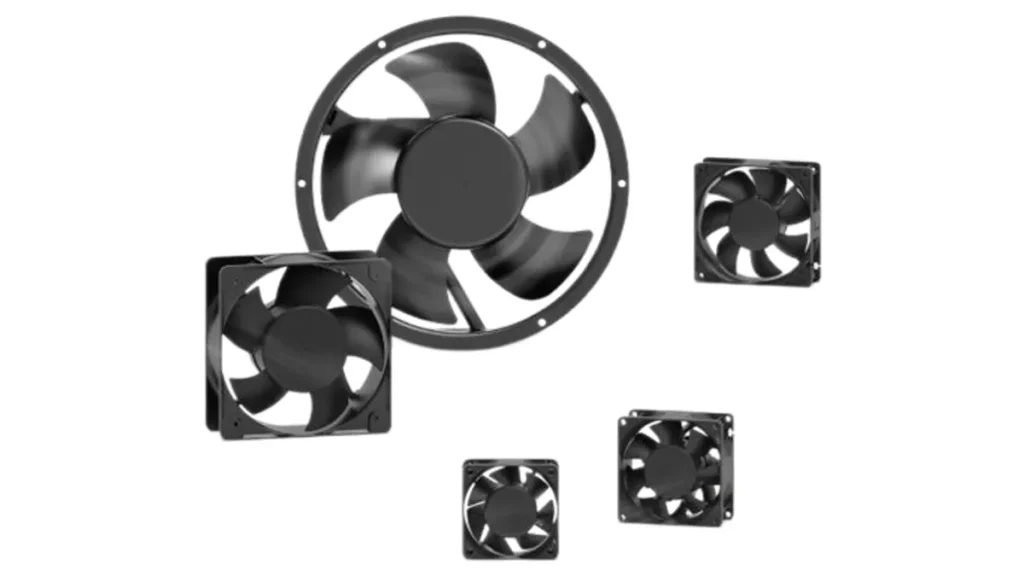
You find EC fans in many sizes. Small fans fit tight spaces. Large fans cool big rooms. You can pick the size that matches your job.
Are EC fans noisy?
No, EC fans run quietly. The brushless motor cuts down on vibration and sound. You get a peaceful workspace, even when the fans run fast.
Can you use EC fans with smart building systems?
Yes, you can connect EC fans to smart controls. You monitor and adjust them from your phone or computer. This makes your cooling system smarter.