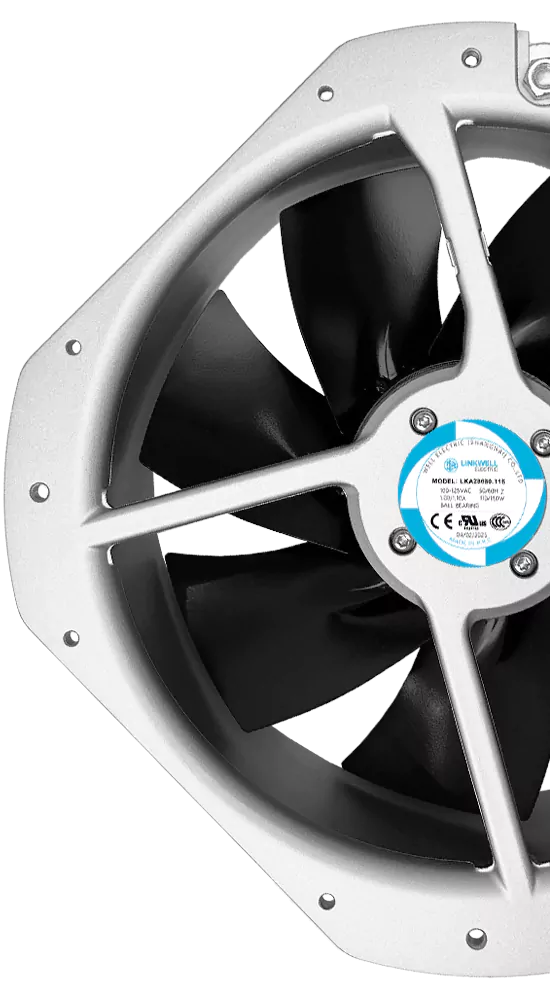
rings, sleeve bearings, roller bearings, and even fluid dynamic or magnetic bearings in HVAC and electronics fans. For example:
- Ball bearings handle both radial and axial forces and work well in tough environments.
- Sleeve bearings run quietly and cost less, making them great for small motors.
- Roller bearings carry heavy loads, perfect for big industrial fans.
- Fluid dynamic and magnetic bearings offer even less noise and longer life.
Choosing the right bearing means your fan runs quieter, lasts longer, and needs less fixing.
Key Takeaways
- Choose the right fan bearing type to enhance performance and lifespan. Ball bearings last longer and handle high speeds, while sleeve bearings are quieter and cost-effective.
- Consider noise levels when selecting bearings. Sleeve bearings are ideal for quiet environments, while ball bearings may produce more noise as they age.
- Regular maintenance varies by bearing type. Sleeve bearings need oiling, while fluid dynamic bearings require less upkeep, making them suitable for hard-to-reach fans.
- Understand the application needs. Ball bearings excel in heavy-duty and high-speed settings, while sleeve bearings work well in small electronics and quiet spaces.
- Consult experts like fanacdc for tailored solutions. They can help you choose the best bearing type for your specific project requirements.
Why Fan Motor Bearing Types Matter
Impact on Performance and Lifespan
When you choose a fan, the type of bearing inside makes a big difference. The right fan motor bearing types can boost your fan’s efficiency and keep it running longer. If you pick the wrong one, you might face more breakdowns or higher costs. Here’s what you need to know:
- The types of fan bearings affect how long your fan lasts, how much noise it makes, and how well it handles different environments.
- Sleeve bearings cost less but may not work well in hot places because the oil inside can dry up.
- Ball bearings give you more stability and handle higher speeds, but they can be noisier and cost more.
- Hydraulic bearings improve on sleeve designs, making fans quieter and last longer—great for places where silence matters.
- Hybrid bearings mix the best features of different types, lowering the chance of failure, though they usually cost more.
The quality of the bearing also plays a big role in reliability. Bearings take a lot of wear during use, so understanding the differences helps you avoid problems before they start. Some advanced systems, like those with special lubrication, can cut down on friction and help your fan last even longer. This means better bearing life and less worry about sudden failures.
At fanacdc, you get fans built with high-quality bearings. The team focuses on innovation and careful bearing selection, so your equipment stays reliable and efficient.
Noise, Vibration, and Maintenance
You probably want your fan to run quietly and smoothly. The types of fan bearings you pick will affect both noise and vibration.
- Ball bearing fans are usually louder than sleeve bearing fans, especially as they age or if they get bumped around.
- The noise from ball bearings often comes in higher pitches, which can be more annoying.
- Sleeve bearings run quieter and are less likely to break down, making them a good choice for quiet spaces.
- Hydraulic and fluid dynamic bearings take quiet operation even further, perfect for noise-sensitive areas.
Maintenance is another thing to think about. Some bearings need more care than others:
- Sleeve bearings need regular oiling and checks for wear.
- Ball bearings should get greased and checked for damage.
- Roller bearings need alignment checks and lubrication.
- Fluid bearings need less maintenance because the fluid keeps things running smoothly.
If your fan is hard to reach, you’ll want a bearing that doesn’t need much attention. Fans from fanacdc use advanced bearings to cut down on maintenance and keep your systems running with less hassle.
Common Types of Fan Bearings Explained
When you look at cooling fans, you’ll notice several different bearing designs. Each one brings its own strengths to the table. Let’s break down the common types of fan bearings you’ll find in today’s fans, including those in fanacdc’s EC and DC models.
Ball Bearings
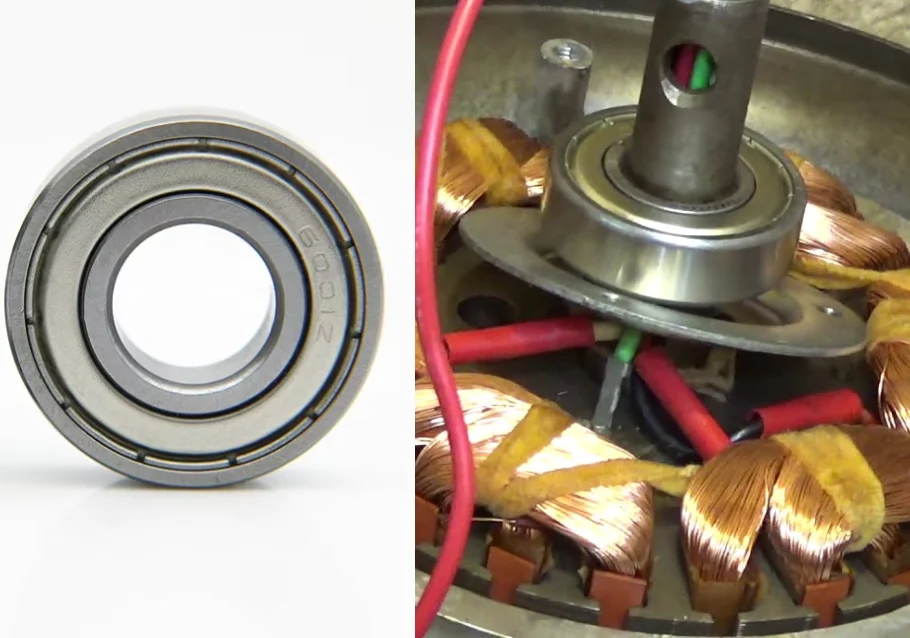
Ball bearings are one of the three common types of fan bearings you’ll see in many fans. They use small steel balls between two rings to reduce friction and help the fan spin smoothly. You’ll often find them in fans that need to run at high speeds or in any position, even upside down.
Here’s a quick look at the main types of ball bearings used in fan motors:
| Type of Ball Bearing | Key Features |
|---|---|
| Deep Groove Ball Bearings | Most common, great for high speeds, handles moderate radial and axial loads. |
| Angular Contact Ball Bearings | Designed for axial loads, used in pairs for radial loads, good for high speed. |
| Self-Aligning Ball Bearings | Handles misalignment, reduces stress, ideal for tricky installations. |
Why choose ball bearings?
- Longer lifespan and durability, especially in tough environments.
- Great for high-performance fans and vertical mounting.
- Reduced friction means better efficiency.
But keep in mind, ball bearings can be noisier than other types and usually cost a bit more.
| Advantages | Disadvantages |
|---|---|
| Reduced friction, improved efficiency | Noisier than sleeve bearings |
| Higher mean time between failures (MTBF) | Higher cost |
| Handles tilt from rotor weight | Needs careful handling |
You’ll see ball bearings in industrial fans, server cooling, and anywhere you need reliability and long bearing life. At fanacdc, you’ll find advanced ball bearing technology in both EC and DC fans, giving you stable performance and less downtime.
Sleeve Bearings (Sliding/Oil-Impregnated)
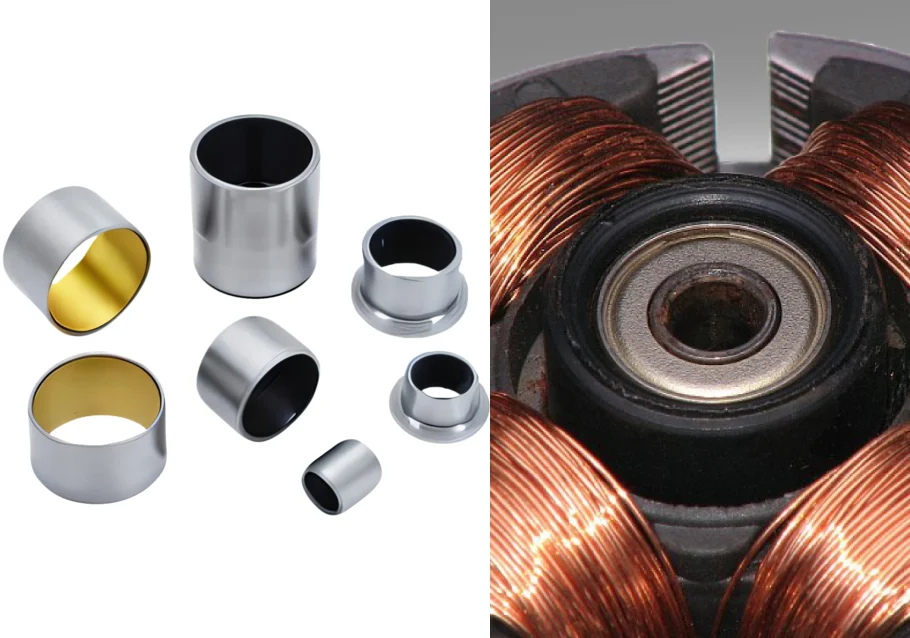
Sleeve bearings, also called sliding or oil-impregnated bearings, use a smooth metal sleeve and a thin layer of oil to keep things moving. These bearings are simple and cost-effective, making them a popular choice for many small fans.
Key features:
- Quiet operation, especially at lower speeds.
- Lower cost compared to ball bearings.
- Best for horizontal mounting.
Pros:
- Less noise, perfect for quiet spaces.
- Simple design means fewer parts to fail.
Cons:
- Shorter lifespan if used in hot or vertical setups.
- Oil can dry out over time, leading to more maintenance.
You’ll often find sleeve bearings in home electronics, desktop computers, and other places where quiet operation matters more than heavy-duty performance. If you want a budget-friendly fan for light use, sleeve bearings are a solid pick.
Fluid Dynamic Bearings
Fluid dynamic bearings (FDB) take things up a notch. Instead of metal-on-metal contact, these bearings use a thin layer of fluid—usually oil—to separate moving parts. This design cuts down on friction and noise, making your fan run smoother and last longer.
| Feature | Fluid Dynamic Bearings | Other Bearing Types |
|---|---|---|
| Contact | Non-contact, uses a fluid layer | Usually contact-based |
| Friction | Very low, mostly dynamic friction | Higher, due to sliding |
| Load Stiffness | Stiffer under load, less change in clearance | More change in clearance under load |
| Damping | High inherent damping | Less damping |
| Noise Level | Quieter (20-24 dB) | Noisier (at least 4 dB more) |
Benefits:
- Super quiet, ideal for noise-sensitive areas.
- Extended service life—some last up to 300,000 hours!
- High reliability in different environments.
Drawbacks:
- Higher initial cost.
- Needs precise manufacturing.
You’ll see fluid dynamic bearings in premium fans for servers, medical equipment, and high-end electronics. Many fanacdc EC and DC fans use advanced bearing technology, including FDB, to deliver quiet, energy-efficient cooling with smart speed control.
Roller Bearings
Roller bearings use small cylinders (rollers) instead of balls. This design helps them handle heavier loads, especially in large industrial fans.
What makes roller bearings stand out?
- High speed capability.
- Handles high thrust loads, even when radial loads are low.
- Can deal with airflow that brings in dust or contaminants.
- Needle roller bearings, a special type, carry more load than ball bearings of the same size.
- They support bigger, more rigid shafts.
- Their rolling action keeps things smooth, even in tight spaces.
- Some roller bearings can adjust for misalignment and thermal expansion, which helps prevent stress and extends service life.
- They also help reduce noise and vibration, which is a big plus in fan applications.
You’ll find roller bearings in heavy-duty fans for factories, HVAC systems, and places where fans need to run non-stop under tough conditions. If you need a fan that can handle big jobs, roller bearings are a smart choice.
Other Types (Rifle, Ceramic, Magnetic)
Besides the main types, you’ll also come across some specialized bearings:
| Feature/Advantage | Description |
|---|---|
| Electrically Insulated | Ceramic bearings block eddy currents, protecting against electrical damage. |
| Non-Magnetic | Fully ceramic bearings work well in magnetic fields. |
| Load Capacity | Fully ceramic bearings carry more load than hybrid types. |
| Maximum Speed | Fully ceramic bearings spin faster than hybrids. |
| Chemical Inertness | Fully ceramic bearings resist corrosion. |
| Temperature Resistance | Fully ceramic bearings handle higher temperatures. |
| Maintenance Frequency | Ceramic bearings need less maintenance, saving you time and money. |
- Rifle bearings: These are a step up from sleeve bearings, using spiral grooves to move oil and reduce noise. They’re great for quiet, long-lasting fans in computers and electronics.
- Ceramic bearings: These resist heat, corrosion, and electricity. You’ll see them in high-speed or high-temperature fans.
- Magnetic bearings: These use magnetic fields to keep the fan shaft floating, so there’s almost no friction. They’re super quiet and last a long time, but you’ll mostly find them in specialized or high-end equipment.
When you look at all the common types of fan bearings, you’ll see that each one fits a different need. Your choice depends on where you’ll use the fan, how much noise you can handle, and how long you want it to last. Fanacdc’s EC and DC fans use advanced bearing selection to give you the best mix of performance, reliability, and low maintenance—no matter your application.
Tip: If you want the quietest, most efficient fan for your project, check out fanacdc’s EC fans. They use brushless motors and advanced bearings to cut noise, save energy, and extend bearing life.
Ball vs Sleeve Bearings: Key Differences
Construction and Operation
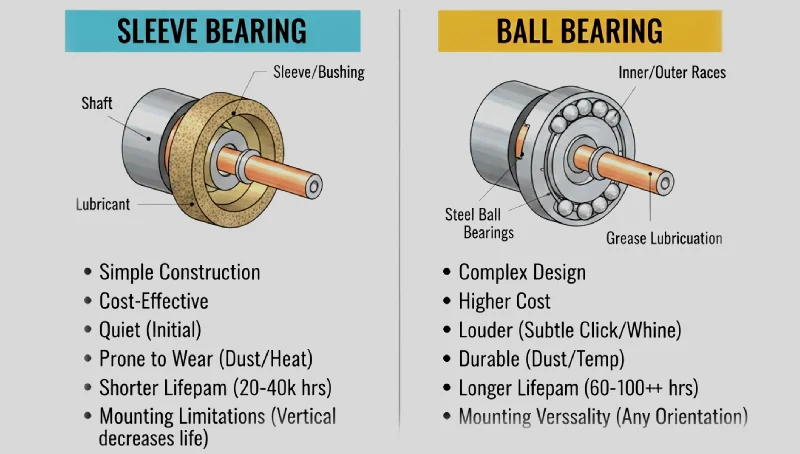
When you look inside a fan, you’ll see that ball bearings and sleeve bearings work in different ways. Ball bearings use small metal balls that roll between two rings. This rolling action cuts down on friction and helps the fan spin smoothly, even at high speeds. Sleeve bearings, on the other hand, support the shaft with a lubricated sleeve. The shaft slides inside the sleeve, which makes the fan run quietly at lower speeds.
Here’s a quick table to show you how these two types of fan bearings compare:
| Feature | Sleeve Bearings | Ball Bearings |
|---|---|---|
| Mechanism | Rotating shaft in lubricated sleeve | Small metal balls reduce friction |
| Advantages | Quiet, cost-effective, best for horizontal use | Longer lifespan, great for high-performance and vertical setups |
| Limitations | Shorter lifespan, not for heavy loads or vertical use | Noisier, higher cost |
Ball bearings roll, so they handle stress better and last longer. Sleeve bearings slide, which means more wear over time, especially if you push them hard.
Advantages and Disadvantages
You want your fan to last and run smoothly. Ball bearings give you a longer service life and better reliability, especially in tough environments. Sleeve bearings cost less and run quietly at first, but they wear out faster, especially if you use them in high-speed or vertical setups.
Check out this table for a quick look at performance, noise, cost, and lifespan:
| Bearing Type | Cost | Lifespan | Noise |
|---|---|---|---|
| Sleeve Bearing | Less expensive | 10,000-20,000 hrs | Low at first, rises |
| Ball Bearing | More expensive | 50,000-70,000 hrs | Higher at low speeds |
- Sleeve bearings are great for quiet spaces and save you money upfront.
- Ball bearings cost more but last longer and handle stress better.
- Ball bearings keep noise steady at high speeds, while sleeve bearings get noisier as they age.
Application Scenarios
You might wonder where each bearing fits best. Sleeve bearings work well in home appliances, desktop computers, and places where quiet matters most. Ball bearings shine in high-performance fans, vertical installations, and industrial setups. Fanacdc uses ball bearings in EC and DC fans for reliable cooling in tough environments. Sleeve bearings are perfect for budget-friendly projects that don’t need heavy-duty performance.
If you need fans for heavy loads, roller bearings are another option. They handle stress and keep things running in big industrial systems. When you choose between the three common types of fan bearings, think about noise, lifespan, and reliability. The common types of fan bearings each have their place, so pick the one that matches your needs.
Tip: For long-lasting, high-performance cooling, ball bearings are your best bet. For quiet, cost-effective solutions, sleeve bearings do the job.
Choosing the Right Bearing for Your Application
Selecting the right bearing for your fan can feel tricky, but you can make it simple by focusing on your needs. Let’s break it down by application so you can match the best bearing to your project.
Industrial and Commercial Fans (fanacdc EC Fans)
If you work with industrial or commercial fans, you want something tough and reliable. EC fans from fanacdc are a great fit here. You should look for bearings that can handle heavy loads, high speeds, and long hours. Ball bearings and roller bearings both work well in these settings. Ball bearings give you strong performance in high temperatures and vertical installations. Roller bearings shine when you need to move a lot of air or deal with heavy-duty jobs.
Here’s what you should consider:
- Ball bearings last longer and handle heat better.
- Roller bearings support bigger shafts and heavier loads.
- Sleeve bearings cost less and run quietly, but they need regular oiling and may wear out faster in harsh environments.
Fanacdc offers EC fans with advanced bearing options, so you can pick what fits your needs best. You can also ask about custom solutions for unique projects.
Electronics and Automation (fanacdc DC Fans)
For electronics and automation, you want fans that run quietly and last a long time. DC fans from fanacdc use brushless motors and advanced bearings to keep noise low and reliability high. Ball bearings work well for high-speed, low-noise cooling in electronics. If you need even less noise, hybrid ceramic or miniature precision bearings are a smart choice. These bearings reduce vibration and rolling resistance, which is perfect for sensitive devices like medical equipment or handheld scanners.
You can choose from different bearing types based on your project:
- Ball bearings for long life and steady performance.
- Hybrid ceramic bearings for speed and silence.
- Miniature bearings for compact spaces.
Fanacdc DC fans come in many sizes and can be customized to fit your exact needs.
Specialized Environments
Some places need fans that can handle extreme heat, humidity, or dirty air. In these cases, you should look for bearings that protect against wear and keep out dust. Ball bearings have the highest temperature ratings and work well in both hot and cold settings. Sealed ball bearings keep out dirt and moisture, making them ideal for humid or dusty areas. Fluid dynamic bearings also perform well in harsh conditions, offering quiet operation and long life.
If you need help choosing the right bearing for a tough environment, fanacdc can guide you. Their team can recommend the best option from the common types of fan bearings and even create custom solutions for your application.
Tip: Always think about where and how your fan will run. The right bearing can save you time, money, and headaches down the road.
Quick Comparison Table of Different Types of Bearing
Choosing the right fan bearing can feel overwhelming with so many options out there. You want your fan to last, run quietly, and fit your budget. To help you out, here’s a handy table that compares the different types of bearing you’ll find in most fans. This quick guide makes it easy to spot the best fit for your needs.
| Bearing Type | Key Features | Pros | Cons | Typical Uses |
|---|---|---|---|---|
| Ball Bearings | Spherical rolling elements | Reliable in any position, high shock tolerance | Can be noisier, higher cost | Server fans, telecom blowers |
| Sleeve Bearings | Shaft rotates in oil-filled sleeve | Lowest cost, quiet at low speeds | Orientation sensitive, shorter life | Desk fans, small appliances |
| Fluid Dynamic Bearings | Hydrodynamic oil film supports shaft | Very low noise, long lifespan | Higher cost, sensitive to dust | Premium PC fans, medical blowers |
| Roller Bearings | Cylindrical rolling elements | Handles heavy loads, durable | Larger size, more complex | Industrial and HVAC fans |
| Rifle Bearings | Spiral grooves for oil movement | Quieter than sleeve, longer life | Still orientation sensitive | Computer fans, electronics |
| Ceramic Bearings | Non-metallic, heat-resistant materials | High speed, resists corrosion | Expensive, rare in standard fans | High-speed, high-temp equipment |
| Magnetic Bearings | Shaft floats on magnetic field | No friction, ultra-quiet, long life | High cost, complex fan bearing design | Specialized, high-end equipment |
Tip: If you want a balance of quiet operation and durability, look for fan bearing configurations like fluid dynamic or rifle bearings. These often combine the best features of traditional designs.
You can also check out this chart to see how lifetime and cost compare across popular bearing types:
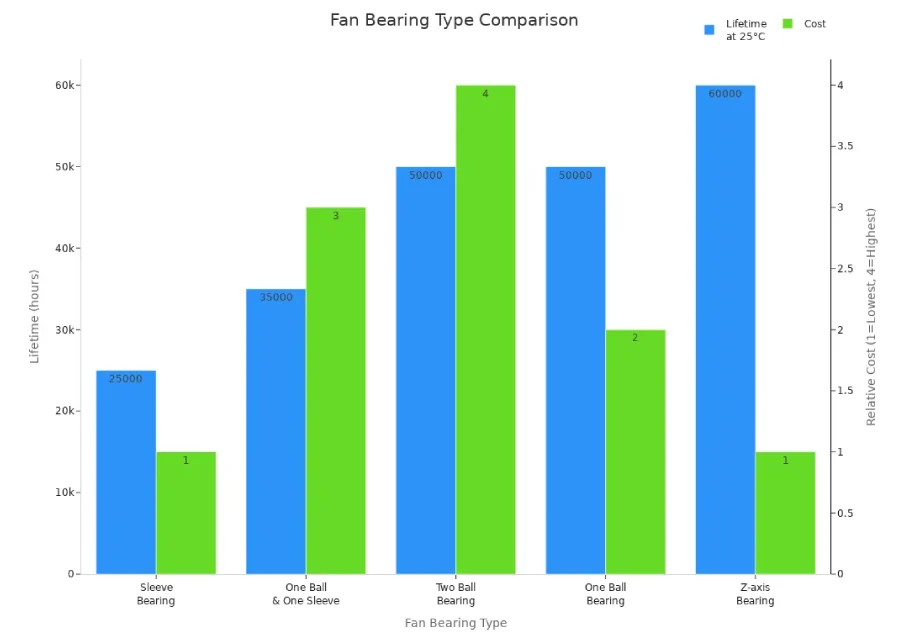
When you review a fan bearing specification, always think about your application. Some bearings work better in certain temperatures or positions. Others last longer but might cost more up front. The right choice depends on what matters most for your project.
Remember, fanacdc offers a wide range of fan bearing configurations to match your needs. You can always ask for help if you’re not sure which type fits best.
Conclusion
You’ve now got a solid understanding of the main fan motor bearing types and what makes each one unique. Picking the right bearing isn’t just about price or popularity. It’s about matching your needs with the right features so your fan runs smoothly, quietly, and for as long as possible.
Let’s recap what you’ve learned:
- Ball bearings give you long life and work well in tough spots. You can use them in any position, even upside down.
- Sleeve bearings keep things quiet and cost less. They shine in small electronics and places where silence matters.
- Fluid dynamic bearings take quiet and durability to the next level. You’ll find them in high-end or noise-sensitive equipment.
- Roller bearings handle heavy loads. They’re perfect for big industrial fans.
- Specialty bearings like rifle, ceramic, and magnetic types offer unique benefits for special environments.
If you want a fan that lasts, runs quietly, and fits your project, don’t just guess. Check the specs, consider your environment, and ask questions. Fanacdc offers a wide range of cooling solutions, from EC fans for industrial use to DC fans for electronics. You can even get custom options if you have special requirements.
Need help? You can reach out to the experts at fanacdc for advice or support. They’ll help you find the perfect fan and bearing combo for your needs.
Ready to take the next step? Review the product specs or contact fanacdc today. You’ll get reliable cooling and peace of mind for every application.
You’ve seen how each fan motor bearing type brings its own strengths. Ball bearings last longer and handle tough jobs. Sleeve bearings keep things quiet and cost less. Fluid dynamic and roller bearings offer special benefits for demanding setups. When you pick a bearing, think about these key factors:
- Load capacity
- Speed rating
- Noise levels
- Environmental conditions
Don’t forget about maintenance and lifespan, especially if your fan sits in a hard-to-reach spot. If you want expert advice or need help choosing, fanacdc offers high-quality bearings and support to keep your systems running smoothly.
FAQ
What is the main difference between ball and sleeve bearings?
Ball bearings use rolling balls to reduce friction. Sleeve bearings use a smooth sleeve with oil. You get longer life and better performance from ball bearings. Sleeve bearings run quieter at first and cost less.
How do I know which bearing type is best for my fan?
Think about your needs. If you want quiet and low cost, go with sleeve bearings. For heavy use or vertical mounting, ball bearings work better. If you need help, just ask the fanacdc team.
Do fan bearings need regular maintenance?
Most modern fan bearings need little care. Ball bearings may need occasional checks for noise or wear. Sleeve bearings can dry out over time. EC and DC fans from fanacdc use advanced bearings that keep maintenance simple.
Can I replace the bearing in my fan myself?
You can replace some bearings if you have the right tools and skills. Many small fans use sealed bearings, so replacement can be tricky. If you’re unsure, contact a professional or reach out to fanacdc for advice.