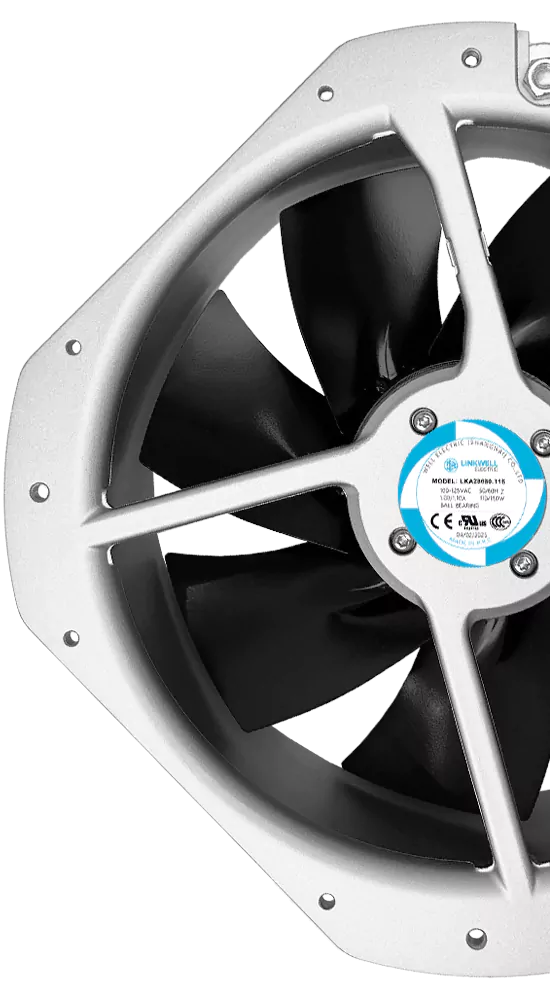
When you step into a bustling factory, you might find yourself asking, “How do fans cool air?” The answer is that fans don’t actually lower the air temperature; instead, they move air efficiently to help remove heat from equipment and workspaces. This increased airflow enhances heat dissipation, creating a cooling effect that makes both people and machines feel cooler, even though the actual temperature remains unchanged. In industrial environments, this cooling sensation can feel noticeably different from the real air temperature, especially when high air speeds are involved. That’s why brands like fanacdc invest in advanced fan technology to ensure your equipment stays safe and reliable. So, how do fans cool air? By circulating air and moving hot air away, they maximize comfort and protect your valuable machinery.
Key Takeaways
- Fans create a cooling effect by moving air, which helps remove heat from equipment and people, even if the air temperature stays the same.
- Convective heat transfer is key; moving air carries heat away from surfaces, making both machines and individuals feel cooler.
- Wind chill and sweat evaporation work together; fans increase airflow, speeding up sweat evaporation and enhancing the cooling sensation.
- Choosing the right fan type—AC, DC, EC, or centrifugal—can improve energy efficiency and cooling performance in industrial settings.
- Regular maintenance, including cleaning and checking airflow, is essential to keep fans operating efficiently and prolong their lifespan.
How Do Fans Cool Air: The Science

Airflow and Cooling Effect
Let’s start with the basics. When you ask, how do fans cool air in a busy industrial space, you’re really asking about the movement of air. Fans don’t actually make the air colder. Instead, they push air around, creating a steady flow that sweeps away hot air from machines, surfaces, and even your skin. This moving air helps you feel cooler, even if the temperature stays the same.
Here’s what happens when you turn on a fan in a factory:
- The fan blades spin and pull in air from the surrounding area.
- This airflow replaces pockets of warm, stagnant air with fresher, cooler air from other parts of the room.
- The moving air helps carry heat away from equipment and people.
You might notice that the faster the air moves, the cooler you feel. That’s because the fan is helping your body get rid of heat more efficiently. The science behind staying cool in these environments relies on this constant exchange of air. So, when you wonder how do fans cool air, remember that it’s all about airflow and the way it helps remove heat.
Convective Heat Transfer
Now, let’s dig a little deeper. How do fans cool air using science? The answer lies in convective heat transfer. This process happens when moving air picks up heat from a surface—like your skin or a hot machine—and carries it away.
Here’s how convective heat transfer works in an industrial setting:
- Fans boost the movement of air, which helps pull heat away from surfaces.
- As the fan moves air across your skin, it replaces the warm air next to you with cooler air.
- This cycle keeps heat from building up, making you and your equipment feel cooler.
In factories, you’ll see this effect everywhere. Fans keep control cabinets, electronics, and power systems from overheating by constantly moving air over them. The same thing happens with your body. When you sweat, the fan helps carry away the heat, making sweat evaporation more effective. This is why you feel relief as soon as the fan kicks on. So, how do fans cool air? They use convective heat transfer to keep things comfortable and safe.
Wind Chill and Evaporation
You’ve probably heard of the wind chill effect. It’s what makes a breezy day feel colder than it actually is. In industrial settings, fans use this effect to make you feel cooler, even if the air temperature doesn’t drop. How do fans cool air with wind chill? They move air quickly across your skin, speeding up the loss of heat.
But there’s more. Sweat evaporation plays a huge role in how fans cool air. When you work hard, your body sweats to get rid of extra heat. Fans help by blowing air over your skin, which makes sweat evaporate faster. This process pulls heat away from your body, giving you a strong cooling sensation.
Here’s what happens:
- Fans increase airflow, which boosts sweat evaporation.
- As sweat turns into vapor, it removes heat from your skin.
- You feel cooler, especially in dry environments where sweat can evaporate quickly.
In fact, industrial fans can make you feel 5-8°F cooler just by increasing wind chill and sweat evaporation. So, the next time you wonder how do fans cool air in a factory, think about the powerful combination of airflow, wind chill, and sweat evaporation working together to keep you comfortable.
Fanacdc Industrial Cooling Fan Solutions
AC, DC, EC, and Centrifugal Fans
When you look for cooling solutions in an industrial setting, you want options that fit your needs. Fanacdc gives you a wide selection of industrial cooling fans. You can choose from AC fans, DC fans, EC fans, and centrifugal fans. Each type brings something special to the table.
- AC fans have a simple design and work well in many applications. You see them in factories, control cabinets, and power systems. They run at a fixed speed and offer reliable performance.
- DC fans focus on energy efficiency. You can control their speed with precision, which helps you save power and reduce noise. These fans are perfect for electronics and automation equipment.
- EC fans combine the best of both worlds. They use AC input but deliver the efficiency and smart control of DC fans. You get advanced speed regulation and lower energy bills.
- Centrifugal fans stand out when you need high static pressure. They push air through ducts and tight spaces, making them ideal for compact systems.
Here’s a quick comparison to help you see the differences:
| Characteristic | EC Fans | AC Fans |
|---|---|---|
| Efficiency | Up to 90% | 50–75% |
| Noise Level | Very low (30–45 dB) | Medium (50–70 dB) |
| Control Flexibility | Smart speed regulation | Fixed speed |
| Lifespan | Longer, brushless | Shorter, brush wear |
| Maintenance | Lower | Higher |
You can see that EC fans offer higher efficiency and quieter operation. AC fans keep things simple and reliable. DC fans give you control and energy savings. Centrifugal fans handle tough airflow challenges. With fanacdc, you get the right electric fan for every job.
Product Features and Advantages
Fanacdc stands out because of its strong R&D capabilities and focus on innovation. You get fans that are built for performance, durability, and energy savings. Here’s what makes these industrial cooling fans special:
- Wide selection for different needs
- Energy-efficient designs that help you cut costs
- Smart technologies for advanced control
- Reliable operation, even in tough environments
- Global client base, including big names like Tesla and Siemens
You can adjust airflow rates with DC fans using PWM signals. At 60Hz, you can reach about 40 CFM at 4 mmH2O static pressure. If you need more airflow, you can push up to 80-100 CFM, though static pressure drops. Fanacdc’s DC fans use less power, so you save on energy bills.
Tip: If you want a fan that lasts longer and needs less maintenance, EC fans are a great choice. They have fewer moving parts and brushless motors.
Fanacdc also cares about sustainability. The company uses smart designs to reduce energy use and support green goals. You get fans that work hard and help the planet.
Customization and OEM/ODM Services
Every industry has unique cooling needs. Fanacdc offers customization and OEM/ODM services to make sure you get the perfect fit. You can work with their team to adjust fan size, voltage, airflow, and more. This means your cooling solution matches your system exactly.
Here’s how fanacdc supports you:
| Service Type | Description |
|---|---|
| Requirement Evaluation | Assess your needs for a tailored solution |
| Product Selection & Technical Recommendation | Guide you to the right product for your application |
| Design & Engineering Optimization | Improve designs for top performance |
| Project Management & Implementation Support | Help you through every project stage |
| Professional Consultation | Offer expert advice on integration |
| Installation Support | Assist with proper setup |
| Troubleshooting & Maintenance Assistance | Help you solve issues and keep fans running smoothly |
| 24/7 Online Support | Give you access to help any time |
| Global Service Network Coverage | Support you wherever you are |
| Repair & Replacement Services | Keep your fans working with fast repairs |
| Feedback Collection & Quality Enhancement | Use your feedback to make products even better |
Customization lets you create fans that fit your exact requirements. You can boost performance by choosing the right size, voltage, and airflow. This helps your system stay cool and run smoothly, no matter the challenge.
Note: Fanacdc’s team works with you from start to finish. You get expert support, fast answers, and solutions that grow with your business.
If you want a cooling partner who listens and delivers, fanacdc is ready to help. You get more than just a fan—you get a complete cooling solution.
Cooling Effect in Industrial Applications
Electronics and Automation Equipment
You know how hot electronics can get when they run all day. Power supplies, inverters, and automation systems generate a lot of heat. If you don’t manage this heat, you risk overheating, shorter equipment life, and even sudden failures. That’s where the cooling effect of industrial fans comes in. Fans move air across circuit boards and components, carrying heat away before it builds up.
- Active cooling systems, like those from fanacdc, help keep temperatures steady.
- Fans prevent hot spots and protect sensitive parts from damage.
- Good airflow means your machines run longer and need less maintenance.
Effective thermal management is essential for ongoing performance and productivity in electronics and automation equipment. Fans help dissipate heat from critical components, preventing overheating and equipment failure. Proper thermal management strategies improve equipment efficiency, lifespan, and reduce energy consumption.
When you use reliable fans, you get fewer breakdowns and more uptime. That’s why companies like Tesla and Siemens trust fanacdc for their automation lines.
Data Centers and Power Systems
Data centers and power systems need precise temperature control. Servers and batteries work best in a cool, stable environment. If the temperature rises, you can see slowdowns, errors, or even shutdowns. Industrial fans play a big role in keeping everything cool.
- Precision air conditioning uses advanced fans to control temperature and humidity.
- Liquid cooling systems rely on fans to move coolants and boost heat transfer.
- Free cooling uses outside air or water to cut energy costs.
- Monitoring systems track conditions and adjust fans as needed.
You can also improve airflow with smart rack layouts and cable management. Redundant cooling systems keep things running, even if one fan fails. With the right setup, you protect your data and keep power flowing.
Control Cabinets and Telecom Equipment
Control cabinets and telecom gear need steady airflow to stay cool. AC fans work well in cabinets and power units, pushing air over relays and PLCs. This keeps temperatures safe for sensitive electronics.
- AC fans improve equipment lifespan and reduce failure rates.
- They support continuous production by stopping heat buildup.
- DC fans are quiet and compact, perfect for high-density electronics.
You’ll find DC fans in network routers and CPUs, where they keep things cool with minimal noise. When you use the right fan, you avoid costly downtime and keep your systems stable. The cooling effect from these fans makes a big difference in reliability and performance.
Optimizing Fan Cooling Performance
Airflow Path and Ventilation Design
You want your fans to work smarter, not harder. The way you set up airflow paths and ventilation makes a huge difference. If you design your ductwork carefully, you can boost fan efficiency by up to 20%. That means more cooling power without extra energy costs. Try these strategies:
- Place fans where they face the least resistance. This helps air move freely and cools your equipment faster.
- Check airflow patterns often. Look for spots where air gets trapped or doesn’t move well.
- Use panel fans or galvanized box fans to pull out hot air and bring in cooler air.
- Circulation fans can push warm air down from the ceiling, keeping temperatures even.
When you focus on airflow management, you maximize a fan’s cooling effect and keep your workspace comfortable.
Static Pressure and Fan Selection
Choosing the right fan isn’t just about size. You need to think about static pressure, airflow rate, blade design, and speed. If your system has lots of filters or long ducts, you’ll need a fan that can handle higher static pressure. Fanacdc offers centrifugal fans for these tough jobs. They push air through tight spaces and keep everything cool.
- Match the fan’s airflow (CFM or m³/h) to your equipment’s needs.
- Pick the right blade shape for your application. Some blades move more air, while others are quieter.
- Adjust fan speed (RPM) to balance noise and cooling.
A good fit means better performance and less energy waste.
Maintenance and IP Protection
Keeping your fans in top shape is simple if you follow a few steps. Regular cleaning stops dust from building up and keeps airflow strong. Make sure nothing blocks the fan’s intake or exhaust. Check performance often so you can catch problems early.
| Maintenance Practice | Description |
|---|---|
| Regular Cleaning | Remove dust to prevent overheating and keep efficiency high. |
| Unobstructed Airflow | Keep vents clear for best performance. |
| Performance Monitoring | Check fans often to spot issues before they get worse. |
Don’t forget about IP protection. Fans with the right IP rating last longer, especially in dusty or wet places. This keeps your cooling system reliable, even in tough conditions.
Tip: Fanacdc’s fans come with high IP ratings and are built for durability, so you can count on them in any environment.
Fans vs Other Cooling Methods
Fan Cooling Effect vs Air Conditioning
You might wonder how fans stack up against air conditioning in a busy industrial space. Fans move air to create a cooling effect, while air conditioners actually lower the air temperature. Here’s a quick look at how these two methods compare:
| Feature | Industrial Fans (esp. HVLS) | Air Conditioning Systems |
|---|---|---|
| Energy Use | Very Low (1-2 kW) | Very High (50-100+ kW) |
| Mechanism | Air Movement (Evaporative) | Refrigeration Cycle |
| Air Temperature | Unchanged | Lowered |
| Humidity | No direct change | Reduced (Dehumidification) |
| Coverage | Great for large areas | Depends on ductwork |
| Air Quality Effect | Improves circulation | Filters, recirculates air |
| Upfront Cost | Moderate | High |
| Operating Cost | Very Low | High |
| Environmental Impact | Low | High |
Fans use much less energy than air conditioning. You can run a large HVLS fan for the same cost as a few light bulbs, while air conditioning can use up to 100 times more power for the same space. DC fans can cut power use by up to 70% compared to fixed-speed AC fans. If you want to save money, fans are a smart choice for most open industrial areas. You also get better air movement, which helps with drying and comfort. Many people ask, do fans work in high humidity? Yes, fans still move air and help sweat evaporate, but you may not feel as cool as in dry air.
Tip: Using fans lets you raise the thermostat a few degrees and still feel comfortable, saving 3-5% on cooling costs for every degree.
Heat Sinks and Liquid Cooling
Fans aren’t the only way to keep things cool. Heat sinks and liquid cooling systems play a big role in many industrial setups. Heat sinks pull heat away from hot components, like CPUs or power electronics, using materials such as aluminum or copper. These materials spread heat out over a larger area. Fans then blow air across the heat sink, carrying the heat away even faster.
Liquid cooling steps things up for high-power equipment. Coolant flows through pipes or plates, picking up heat and moving it away from sensitive parts. Fans help here, too, by blowing air over radiators or heat exchangers to release the heat into the air. This combo works well in data centers, automation lines, and power systems.
You’ll see fans, heat sinks, and liquid cooling used together for the best results. Fans boost airflow, heat sinks spread out the heat, and liquid cooling handles the toughest jobs. Each method has its place, but fans remain the backbone of most industrial cooling systems.
Fans don’t actually lower the air temperature, but they make you feel cooler by moving air and boosting heat transfer. This effect comes from increased airflow, sweat evaporation, and convection. If you want the best results in your facility, choose high-performance fanacdc fans. They offer energy efficiency, reliability, and smart control:
| Benefit | Description |
|---|---|
| Efficiency | Lower power use, higher performance |
| Reliability | Stable operation, long service life |
| Intelligent Control | Advanced speed and thermal management |
Keep your fans working their best by cleaning them, checking airflow, and following a maintenance schedule. If you need a custom solution or expert support, fanacdc offers professional consultation, installation help, and unique fan designs to fit your needs.
FAQ
How do I choose the right industrial fan for my application?
You should look at airflow needs, static pressure, noise level, and space. Think about your equipment’s heat output. If you need help, reach out to fanacdc’s team for expert advice.
Do fans actually lower the temperature in a factory?
No, fans do not lower the air temperature. They move air, which helps you feel cooler by speeding up heat loss from your skin and equipment.
What is the difference between AC, DC, and EC fans?
| Fan Type | Key Feature | Best Use |
|---|---|---|
| AC | Simple, reliable | General applications |
| DC | Energy-saving | Electronics, automation |
| EC | Smart, efficient | Advanced control |
How often should I clean or maintain my industrial fans?
You should check and clean your fans every few months. Remove dust and make sure nothing blocks airflow. Regular maintenance keeps your fans running smoothly and extends their life.
Can I get a custom fan solution for my project?
Yes! Fanacdc offers customization. You can adjust size, voltage, airflow, and more. Just contact their team to discuss your needs and get a tailored solution.