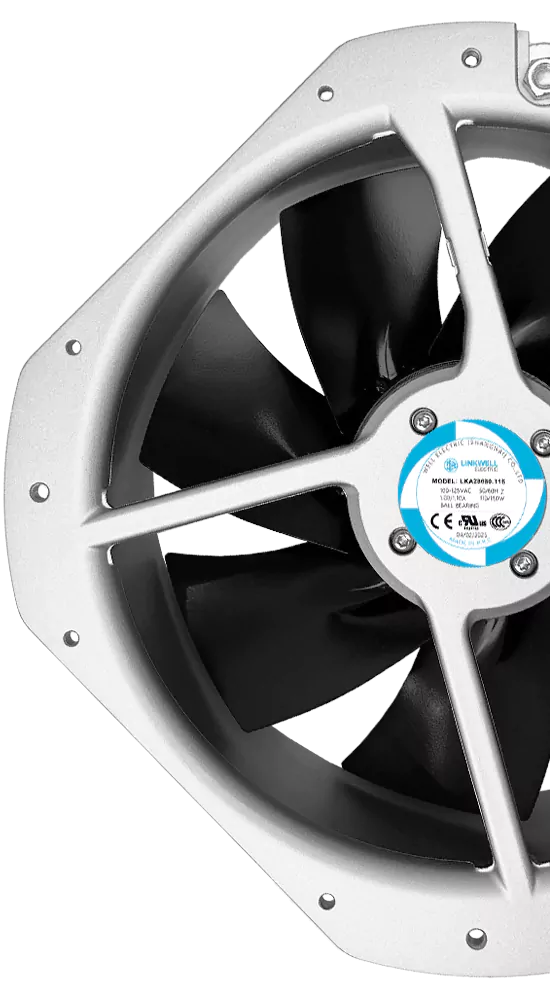
You may wonder how to keep your drinks or food cold during a summer camping trip or a long drive in your RV. An ice chest cooler fan is a small device that moves air inside your ice chest, helping everything stay cool for longer. Many people use these fans for outdoor activities, and the North America retail cooler market, which includes these fans, reached around 1.65 billion dollars in 2024. As more people enjoy camping and outdoor fun, these fans become even more popular.
Key Takeaways
- An ice chest cooler fan enhances cooling by circulating air, keeping food and drinks cold for longer.
- Choose a fan made from durable materials like galvanized steel for better longevity during outdoor use.
- Using an ice chest cooler fan can save energy and reduce electricity costs compared to traditional air conditioning.
- Portable and lightweight, these fans are perfect for camping, tailgating, and other outdoor activities.
- Regular maintenance, like cleaning the fan blades, ensures optimal performance and extends the fan’s lifespan.
What is an ice chest cooler fan
Basic concept
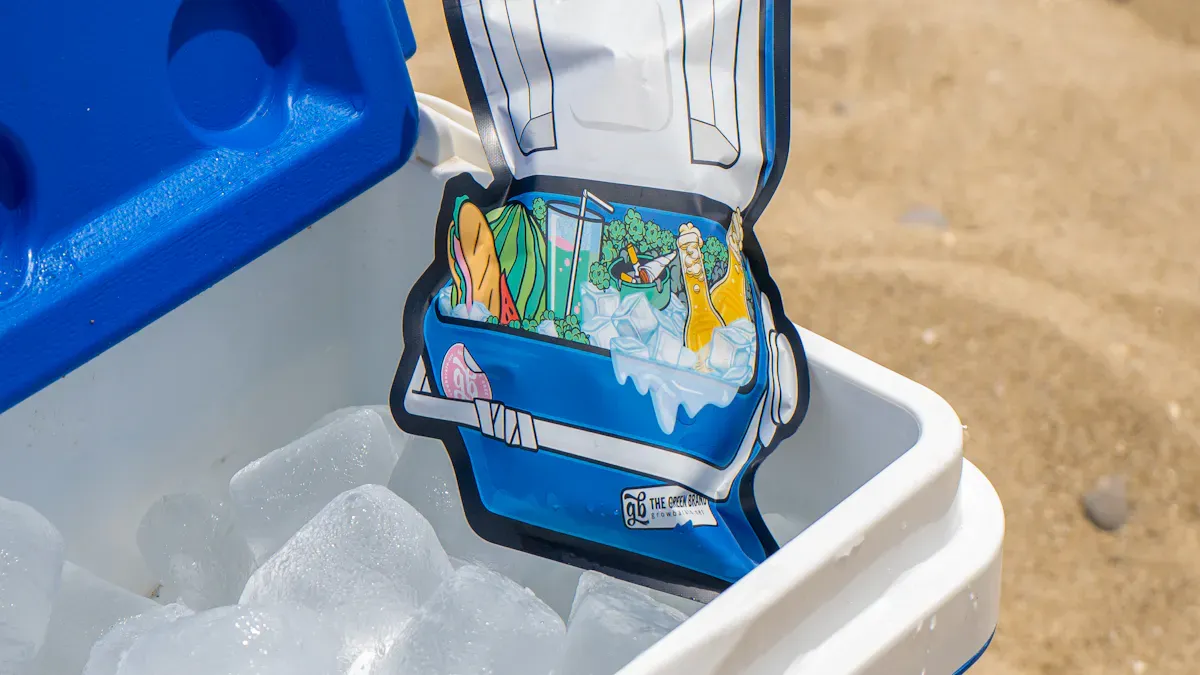
You may have seen an ice chest at a picnic or camping site. An ice chest cooler fan is a device that helps keep the inside of your ice chest colder for longer. You place the fan inside the chest, and it moves air around the ice and food. This movement spreads the cold air evenly, so everything stays cool. You do not need to worry about warm spots or uneven cooling.
An ice chest cooler fan works differently from a regular cooler. A standard cooler relies only on ice to chill your items. The fan adds airflow, which boosts cooling efficiency. You can think of it as a mini evaporative cooler. The fan helps air pass over the ice, and the cold air circulates throughout the chest. This process is similar to how an evaporative cooler works in larger spaces. The fan makes your ice chest act like a small swamp cooler, using air movement to improve cooling.
Key components
You will find several important parts inside an ice chest cooler fan. Each part plays a role in making the fan work well. The fan uses a design inspired by evaporative cooler technology. Here is a table that shows the main components and the materials used:
| Component | Description | Common Materials |
|---|---|---|
| Media Pads | Absorb water and cool incoming air through evaporation. | Cellulose, fiber-composite |
| Frames | Provide structural support and protect internal components. | Galvanized steel, plastic |
| Water Distribution System | Distributes water evenly across cooling pads. | Various (pump, feed lines) |
| Fan Blades | Move cooled air into the desired space; design affects airflow. | Plastic, metal |
| Shrouds | Direct airflow efficiently and protect users from moving parts. | Various (plastic, metal) |
| Access Panels | Allow for easy inspection and maintenance of internal components. | Durable, weather-sealed material |
You can see that the fan blades and shrouds help move and direct air. Media pads and water distribution systems are common in evaporative cooler designs. These parts help cool the air by evaporation. Frames and access panels keep everything safe and easy to maintain.
Tip: If you want your ice chest cooler fan to last longer, choose one with sturdy materials like galvanized steel or reinforced plastic. These materials resist damage from outdoor use.
You now understand that an ice chest cooler fan uses airflow and evaporation to keep your food and drinks cold. The fan turns your ice chest into a more efficient evaporative cooler. You get better cooling and longer-lasting ice, especially during hot weather.
How ice chest cooler fans work
Cooling mechanism
When you use an ice chest cooler fan, you rely on basic science to keep your food and drinks cold. The main goal is to remove unwanted heat from inside the chest. You can achieve this by using ice or a mechanical system. An evaporative cooler uses evaporation to absorb heat from the air, which cools it down. This process works best in dry climates, but you can still see benefits in other places.
Here are some key scientific principles behind how an ice chest cooler fan works:
- Refrigeration removes heat from a space or substance.
- Mechanical refrigeration systems transfer heat away from what you want to keep cool.
- The cooling process can use ice or a mechanical system.
- An evaporative cooler uses evaporation to lower air temperature.
- Mechanical refrigeration uses refrigerants in a closed system to move heat.
You might hear people call an evaporative cooler a swamp cooler. Both terms describe a device that cools air by moving it over water or ice, which then evaporates and absorbs heat.
If you compare DIY ice-based cooling to commercial AC systems, you will notice some differences. Here is a table to help you see how they stack up:
| Feature | DIY Ice-Based Cooling | Commercial AC Systems |
|---|---|---|
| Cooling Efficiency | Provides temporary relief; cannot lower room temperature effectively | Designed for consistent, long-term cooling; removes heat and humidity |
| Reliability | Requires constant refilling of ice; short-lived benefits | Long-lasting with proper maintenance; filters and conditions air |
| Energy Efficiency | Less efficient in the long run due to freezer usage | Built for efficiency with modern refrigerants; reduces environmental impact |
| Humidity Control | Can increase humidity, making it feel stickier | Reduces humidity, improving comfort and air quality |
Role of the fan
The fan inside your ice chest cooler plays a vital role. It draws in warm air and pushes chilled air throughout the chest. This movement keeps the temperature even and prevents hot spots. When you use an evaporative cooler, the fan helps cold air reach every corner. You get better cooling because the fan spreads the cold air, not just letting it sit in one place.
In cold storage systems, fans make sure that cold air moves everywhere. They keep the temperature steady and help your food and drinks stay fresh. The fan in an evaporative cooler also boosts cooling efficiency. It blows cold air through the chamber, which is important for keeping everything at the right temperature.
Tip: If you want your ice chest to work like a true evaporative cooler, always check that the fan runs smoothly and nothing blocks the airflow.
Benefits of using an ice chest cooler fan
Enhanced cooling and efficiency
You will notice a big difference when you use an ice chest cooler fan during your outdoor adventures. The fan helps your ice chest work like a small evaporative cooler. It spreads cold air evenly, so your drinks and food stay colder for longer. You do not have to worry about warm spots. The fan moves air over the ice, making the cooling process faster and more effective. This quick and targeted cooling gives you immediate relief, especially on hot days. Many people find that an evaporative cooler works better than a regular cooler because it keeps everything at a steady temperature. If you use a high-quality product like the fanacdc Rv Fridge Fan, you get even more reliable cooling. This fan is built for tough conditions in RVs and boats, so you can trust it to keep your items cold wherever you go.
Portability and versatility
You can take an evaporative cooler almost anywhere. These fans are compact and lightweight, making them easy to move from place to place. Whether you are camping, tailgating, or fishing, you will find that an ice chest cooler fan fits right in. The table below shows how these fans help you in different situations:
| Feature | Description |
|---|---|
| Portability | Compact and lightweight for easy transport |
| Versatility | Great for picnics, tailgating, fishing, and more |
| Capacity | Larger models hold more ice and supplies |
| Convenience | Wheels or handles make moving the cooler simple |
Some evaporative cooler models even combine cooling, ice storage, and extra features like Bluetooth speakers. You do not need to worry about venting, so you can use them in many places where a swamp cooler or air conditioner would not work.
Energy savings
You will save energy when you use an evaporative cooler instead of a traditional air conditioner. These fans use less electricity, which means lower utility bills. Some companies have saved a lot of money by using ice cooling systems that make ice at night when energy costs less. The system stores cold energy and releases it during the day, just like a battery. This method reduces the strain on power grids and helps you use energy more wisely. When you choose a fanacdc Rv Fridge Fan, you get a product designed for efficiency, so you can enjoy cool air without wasting power.
Tip: Using an evaporative cooler for your ice chest is a cost-effective way to stay comfortable outdoors. You get reliable cooling, easy transport, and energy savings all in one device.
Types of ice chest cooler fans
Battery and electric models
You can choose between battery-powered and electric ice chest cooler fans. Each type has unique strengths. Battery-powered models give you freedom to use your cooler anywhere, even when you do not have access to electricity. Electric models connect to a power source and often provide stronger cooling. The table below shows how these two types compare:
| Feature | Battery-Powered Coolers | Electric Coolers |
|---|---|---|
| Cooling Technology | Thermoelectric (fan-based) | Compressor-based |
| Temperature Range | Cools 15–20°C below ambient | Can reach as low as -20°C / -4°F |
| Power Consumption | More energy-efficient | Consumes more power |
| Noise Level | Quieter | Generally heavier and noisier |
| Suitability | Better for short-term use or moderate climates | Performs well in hot climates |
| Battery Life | Varies based on insulation and settings | N/A |
You will find that battery-powered models work well for short trips or moderate weather. Electric models suit longer journeys or hotter environments. Both types use an evaporative cooler system to move air and keep your items cold.
DIY and portable options
Many people enjoy building their own ice chest cooler fans. DIY designs let you customize your cooling experience. You can use simple materials like a fan, ice, and a small box. Portable options are also popular because you can carry them anywhere. The table below highlights common DIY and portable designs:
| Design Type | Advantages | Limitations | Best For |
|---|---|---|---|
| Traditional Portable Air Conditioners | Effective room cooling, significant temperature reduction, dehumidification capabilities | Requires power outlet, limited dual functionality, bulkier | Medium to large rooms, temporary indoor cooling |
| Self-Contained AC Ice Chest | Dual-purpose, energy-efficient, no electricity required, compact | Cooling duration depends on ice, less powerful than compressor | Camping trips, outdoor events, tailgating |
| Cup Holder AC Ice Chest | Extremely portable, perfect for drivers, inexpensive | Very limited cooling area, no storage capacity | Personal in-car cooling, commuters |
| Fan-Only AC Ice Chests | Low cost, quiet, lightweight | No true air conditioning, dependent on ice supply | Budget-conscious users, casual outdoor use |
| Battery-Powered AC Ice Chests | Highly portable, operates for several hours on a single charge | Battery life limits runtime, slower cooling than plug-in models | Hiking, boating, festivals |
You can use a DIY evaporative cooler for camping, fishing, or even in your car. These designs often use the same principles as a swamp cooler, moving air over ice to create a cool breeze.
Tip: If you want a simple and affordable solution, try making your own evaporative cooler with a small fan and a container of ice.
fanacdc Rv Fridge Fan and Industrial Cooling Fan
You may need a more advanced solution for your RV, boat, or industrial setup. The fanacdc Rv Fridge Fan stands out as a reliable evaporative cooler for mobile refrigeration. It works on 12V or 24V DC power, handles vibration, and resists humidity. You can trust it to keep your food and drinks cold during long trips. The fanacdc Industrial Cooling Fan offers strong airflow and durability for larger spaces or equipment. Both fans adapt to different environments, from RVs and marine use to factories and server rooms.
You can count on these fans for efficient cooling, long service life, and easy integration. They use advanced evaporative cooler technology to deliver steady performance, even in tough conditions.
Note: Choose a fan that matches your environment. For RVs and boats, the fanacdc Rv Fridge Fan gives you the best mix of portability and power. For industrial needs, the fanacdc Industrial Cooling Fan provides robust cooling for demanding spaces.
How to use and maintain an ice chest cooler fan
Setup steps for beginners
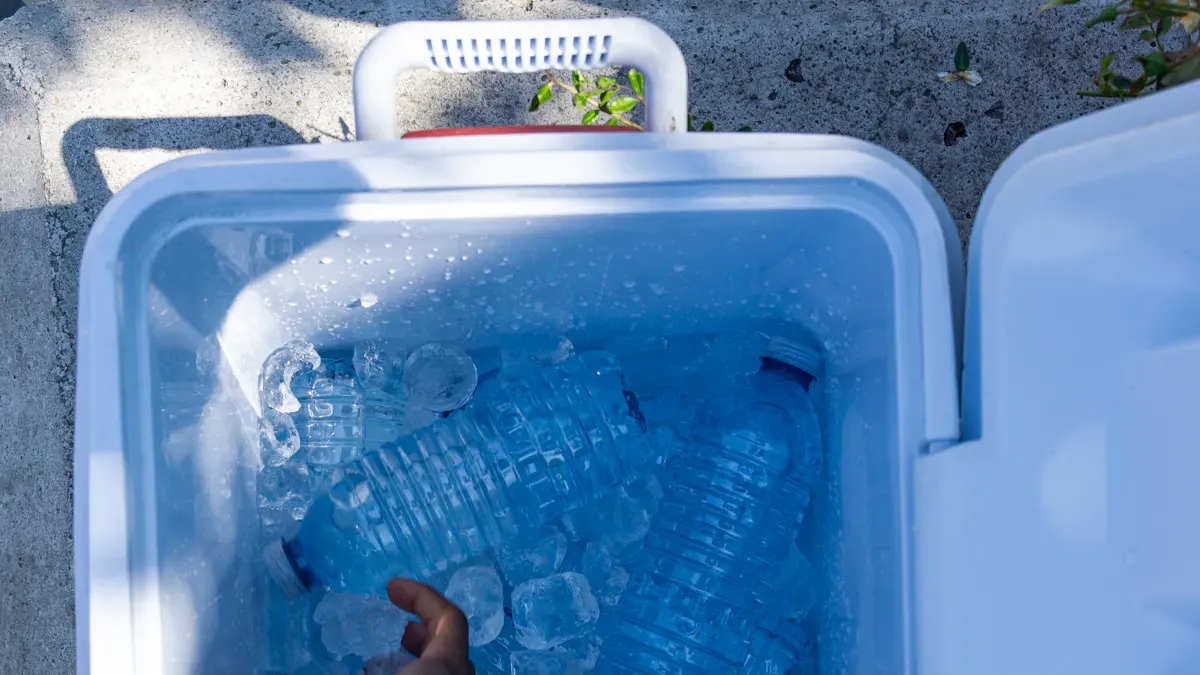
Setting up your evaporative cooler is simple if you follow a few clear steps. First, place your ice chest cooler fan inside the cooler, making sure the fan faces the area where you want the cold air to circulate. Connect the power source. For battery-powered models, insert fresh batteries. For electric or DC fans like the fanacdc Rv Fridge Fan, connect the wires to your 12V or 24V power supply. Check that the fan sits securely and nothing blocks the airflow. Add ice or cold packs to the cooler, then close the lid tightly. Turn on the fan and let it run. You will notice the evaporative cooler quickly spreads cold air throughout the chest, keeping your food and drinks at a steady temperature.
Tip: Always use the correct voltage for your fan. The fanacdc Rv Fridge Fan supports a wide voltage range, so you get reliable performance even if your power source fluctuates.
Maintenance and care tips
Regular care helps your evaporative cooler last longer and work better. Here are some practical tips:
- Clean the fan blades every 2-3 months to prevent dust build-up and reduce strain on the motor.
- Schedule a monthly cleaning of the condenser unit if your cooler has one.
- Inspect and clean drain lines once a year to avoid blockages.
- Check and clean door gaskets regularly to keep the cooler sealed and efficient.
- Monitor the thermostat and consider using a temperature monitor for better control.
Safety matters when you use any evaporative cooler. The table below highlights important safety considerations:
| Safety Consideration | Description |
|---|---|
| Ventilation and Airflow Safety | Keep air intakes clear and place the cooler in a well-ventilated area. |
| Heat and Fire Risk Prevention | Keep away from heat sources and flammable materials. Check motor temperatures regularly. |
| Blade, Pump & Moving Parts Safety | Turn off power before cleaning. Use guard grills to prevent contact with moving parts. |
| Regular Inspection & Preventive Maintenance | Clean and inspect the fan often to catch problems early. |
The fanacdc Rv Fridge Fan uses brushless motors and robust materials. These features reduce wear and tear, minimize maintenance, and allow the fan to work across a wide voltage range. You spend less time on repairs and more time enjoying cool, fresh food and drinks.
You now know that an ice chest cooler fan gives you quick cooling, energy savings, and easy portability. These fans work well for RVs and outdoor trips. You can see benefits like:
- Quick bursts of cold air for small spaces
- Low electricity use for cost savings
- Easy transport with compact designs
- Improved airflow, boosting cooling by up to 40% in hot weather
When you choose a cooler fan, consider these factors:
| Factor | Description |
|---|---|
| Durability | Handles outdoor use and frequent travel |
| Size | Fits your storage and transport needs |
| Insulation | Keeps items cold for longer |
| Weight | Stays manageable when loaded |
| Additional Features | Offers handles, straps, or style options |
Explore options like fanacdc for reliable performance. If you have questions, feel free to ask or learn more about how these fans can help you.
FAQ
How do I power an ice chest cooler fan?
You can use batteries or connect the fan to a 12V or 24V DC power source. Many RV and marine fans, like the fanacdc Rv Fridge Fan, work with standard vehicle power systems. Always check the voltage before connecting.
Can I use an ice chest cooler fan in any cooler?
Most fans fit standard coolers. You should check the size and mounting options. Some models, like the fanacdc Rv Fridge Fan, offer custom mounting patterns for different brands. Measure your cooler before buying.
How often should I clean my cooler fan?
You should clean the fan blades every two to three months. Remove dust and debris to keep airflow strong. For best results, follow the manufacturer’s care instructions.
What makes the fanacdc Rv Fridge Fan different from regular fans?
The fanacdc Rv Fridge Fan uses reinforced materials, wide voltage support, and IP-rated protection. It handles vibration, humidity, and temperature changes. This makes it ideal for RVs, boats, and mobile refrigeration.
Will a cooler fan drain my battery quickly?
Most cooler fans use very little power. For example, the fanacdc Rv Fridge Fan runs efficiently on 12V or 24V systems. You can use it for hours without worrying about draining your battery.