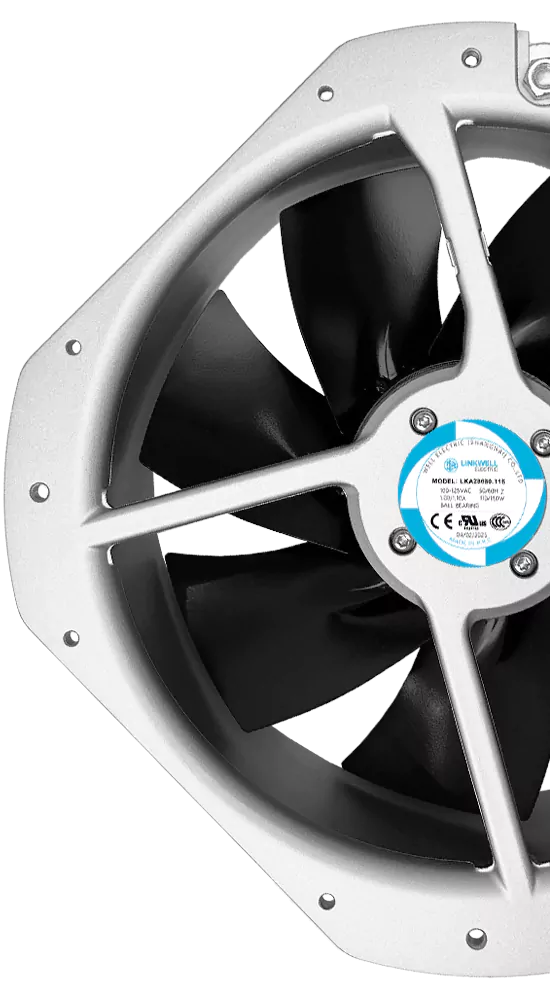
When I walk into a noisy factory or step onto a wind-swept offshore platform, I know dust and moisture lurk everywhere. These harsh conditions can spell disaster for equipment. That’s why IP rated fans matter so much. In places like mining tunnels or textile mills, only fans with strong IP protection keep dust and water out, stopping breakdowns before they start. For example, an IP6X rating means zero dust gets inside, while IPX7 shields against water immersion. I trust fanacdc because they focus on advanced cooling solutions that keep operations running, even when the environment tries its best to shut things down.
Summary of Findings
- IP ratings indicate how well a fan protects against dust and water. Higher ratings mean better protection.
- Choosing the right IP rating for your environment prevents costly breakdowns and ensures equipment reliability.
- Fanacdc offers a variety of fans with different IP ratings, suitable for harsh industrial conditions.
- Regularly assess your workspace risks to select fans that match the specific challenges of dust and moisture.
- Investing in high-quality IP rated fans can lead to significant savings in energy and maintenance costs.
What Are IP Rated Fans
IP Rating Definition
When I first learned about IP rated fans, I realized how much the right protection can change everything in industrial cooling. The IP rating, based on the international IEC 60529 standard, tells me exactly how well a fan can keep out dust and water. Each IP rating uses two digits. The first digit shows how much solid stuff, like dust, the fan can block. The second digit tells me how well it stands up to liquids. This system makes it easy for me to compare different fans and pick the right one for my environment.
IP Ratings for Cooling Fans
In my experience, not all fans are created equal. Some work fine in clean, dry rooms, but others need to survive in places where dust swirls and water splashes. That’s where IP ratings come in. For example, I often see IP65 fans in factories with lots of dust and occasional water spray. These fans keep out all dust and handle low-pressure water jets. If I’m working somewhere that might get flooded or washed down, I look for IP67 fans. They can handle short-term water immersion, which gives me peace of mind. Choosing the right IP rating means I don’t have to worry about sudden breakdowns or costly repairs.
Always match the IP rating to the real risks in your workspace. Overprotecting can waste money, but underprotecting can lead to disaster.
Fanacdc Product Overview
When I want reliable cooling, I turn to fanacdc. Their lineup covers every need I’ve come across. I use their AC fans for tough, long-term jobs where durability matters. DC fans give me precise speed control and quiet operation, which is perfect for sensitive electronics. EC fans help me save energy, especially in places where efficiency is a priority. For tight spaces or high-pressure needs, centrifugal fans from fanacdc get the job done. Each of these options comes with IP ratings that fit real-world industrial demands. I know I can count on fanacdc to offer fans that keep my equipment safe, no matter how harsh the environment gets.
IP Rating Levels and Codes
IP Code Structure
Whenever I look at an IP rating on a fan, I see more than just two numbers. I see a story about how well that fan can stand up to the world around it. The IP code, which stands for international protection marking or ingress protection marking, uses two digits to tell me exactly what kind of protection the fan offers. The first digit shows how well the fan keeps out solid objects like dust or tools. The second digit reveals how much protection against water the fan has. For example, if I see IP54, I know the fan is protected against limited dust and water splashes. This system makes it easy for me to compare fans and pick the right one for my needs.
Here’s a quick breakdown of what those digits mean:
- First digit (0-6): Protection against ingress of solid particles, from no protection (0) to dust-tight (6).
- Second digit (0-8): Protection against water, from no protection (0) to immersion beyond 1 meter (8).
I always check both digits before making a decision, especially when I’m working in environments where dust or water could cause trouble.
Solid Particle Protection
I’ve seen firsthand how dust can ruin equipment. That’s why I pay close attention to the first digit in the IP rating. It tells me how much solid stuff the fan can block. In factories, workshops, or outdoor enclosures, this matters a lot. Here’s a table I use to compare different levels of solid particle protection for industrial cooling fans:
| IP Rating | Solid Protection | Liquid Protection | Typical Applications |
|---|---|---|---|
| IP20 | Protected against >12.5mm objects | No protection | Indoor electronics, control panels, offices |
| IP34 | Protected against >2.5mm objects | Splashing water from any direction | Workshops, commercial spaces, light industry |
| IP55 | Dust-protected (limited ingress) | Low-pressure water jets | Outdoor enclosures, dusty factories, agriculture |
| IP56 | Dust-tight | Powerful water jets and surges | Marine, offshore, wastewater, heavy industry |
| IP57 | Dust-tight | Immersion up to 1m for 30 minutes | Flood zones, telecom cabinets, emergency systems |
When I choose ip rated fans for dusty environments, I look for ratings like IP55 or higher. These fans keep dust out and help prevent breakdowns. I’ve used fanacdc fans with IP56 and IP57 ratings in places where dust and debris are everywhere, and they keep running strong.
Moisture Protection
Water is another big enemy of electronics. I never want to see water get inside a fan and cause a short circuit. The second digit in the ip rating tells me how much protection against water the fan has. In high humidity or washdown areas, I always check for fans that can handle more than just a little splash.
Here’s a table that helps me decide which level of moisture protection I need:
| IP Rating | Description |
|---|---|
| IP55 | Dust-protected and protected against low-pressure water jets; suitable for washdown areas and outdoor installations. |
| IP56 | Dust-tight; protects against powerful water jets; ideal for marine and heavy industry applications. |
| IP57 | Dust-tight; can withstand immersion up to 1m for 30 minutes; maximum protection for flood zones and emergency systems. |
If I’m working in a food processing plant or a place with frequent cleaning, I go for IP56 or IP57. These ratings mean the fan can handle strong water jets or even temporary immersion. Fanacdc offers fans with these ratings, so I know my equipment stays safe even when things get wet.
Note: Always match the moisture protection level to your environment. Too little protection can lead to costly downtime.
Common IP Ratings in Industry
Different industries have different needs. I’ve noticed that manufacturing facilities, cleanrooms, and HVAC systems all have their own typical ip ratings. Here’s a table that shows what I usually see:
| Industry | Typical IP Rating | Primary Function | Environmental Challenges |
|---|---|---|---|
| Cooling Systems | IP55 – IP65 | Heat dissipation from machinery | Dust, moisture, high temperatures |
| Pharmaceutical | IP54 – IP65 | Controlled airflow in cleanrooms | Dust, sterility requirements |
| HVAC Systems | IP54 – IP65 | Temperature and air quality control | Dust, outdoor exposure, pollution |
In my experience, the maximum ip rating I’ve used for fanacdc products is IP68. This rating means the fan is completely dust-tight and can handle continuous immersion in water. That’s the gold standard for protection against ingress in the harshest environments. I always recommend matching the ip rating to the real risks in your facility. For most industrial cooling, IP55 or IP56 does the job, but if you need more, fanacdc has you covered.
When I select fans, I don’t just look at the numbers. I think about the real-world challenges—dust storms in a cement plant, water spray in a car wash, or humidity in a greenhouse. The right ip rated fans keep my equipment running, no matter what the environment throws at them.
Types of IP Rated Fans by Fanacdc
AC Fans
I always reach for AC fans when I need a cooling solution that lasts. These fans run for up to 50,000 hours, even at high temperatures. I’ve seen AC fans with IP44 enclosures handle dust and water splashes in tough environments. Their ingress protection makes them a solid choice for factories and outdoor cabinets. I like how they plug right into standard power, so installation feels easy. When I work in places with dust or moisture, I trust AC fans to keep things cool and steady.
- Long operational life (up to 50,000 hours)
- IP44-rated enclosures for dust and water resistance
- Ideal for harsh industrial settings
DC Fans
DC fans give me more control. I can adjust their speed and keep noise low, which matters in sensitive electronics. These fans often come with higher ip ratings, so they stand up to dust and humidity. I use DC fans in telecom equipment and automation systems. Their brushless motors mean less maintenance and longer life. When I need precise cooling and reliability, DC fans from fanacdc fit the bill.
- Precise speed control and quiet operation
- High ip rating for challenging environments
- Perfect for electronics, telecom, and automation
Low Voltage Fans
Low voltage fans shine in places where safety and efficiency matter. I’ve used them in robotics and battery-powered systems. Their waterproof features and strong ingress protection help them survive wet or dusty conditions. These fans keep working when others might fail, reducing downtime and maintenance costs. I like how they support PWM control, so I can fine-tune airflow without losing torque.
- Designed to withstand moisture and dust
- Maintain performance in tough conditions
- Great for robotics, telecom, and renewable energy
Industrial Cooling Fan Applications
I see ip rated fans everywhere in industry. In marine cabins, they push air through engine rooms. Food processing plants rely on them to keep air clean despite constant moisture. Chemical plants need fans that resist humidity and corrosive substances. Wastewater treatment facilities use them to manage airflow in wet environments. Farms and greenhouses depend on these fans for proper air circulation. Mining tunnels and textile factories need humidity control. Pharmaceutical cleanrooms require steady airflow. Power plants and construction sites benefit from fans that handle water and steam.
| Application | Why I Use IP Rated Fans |
|---|---|
| Marine Industry | Ventilating cabins and engine rooms |
| Food & Beverage Processing | Maintaining air quality in moisture |
| Chemical Plants | Handling humidity and corrosive air |
| Wastewater Treatment | Managing airflow in wet conditions |
| Agriculture | Circulating air in greenhouses/farms |
| Mining & Tunneling | Ventilating high-moisture environments |
| Textile Industry | Controlling humidity for fabrics |
| Pharmaceuticals | Supporting cleanroom airflow |
| Power Plants | Ventilating areas with water/steam |
| Construction Sites | Providing ventilation in rain-exposed setups |
Tip: I always match the ip rating to the real risks in each application. That way, I know my cooling system will keep running, no matter what.
Choosing the Right IP Rated Fan
Assessing Environment Needs
Every time I walk into a new facility, I ask myself a few questions. What kind of dust, water, or chemicals will the fan face? Will it run in a clean server room or a steamy food plant? I always match the ip rating to the real risks. If I see heavy dust or water jets, I go for a higher rating. For light-duty indoor use, a lower rating works fine. Here’s what I always consider before making a choice:
- Application requirements: I look at the space, air pressure, and the type of environment.
- Type of blower: Radial, centrifugal, or axial—each one fits different jobs.
- Power consumption: I want energy savings, so I check efficiency.
- Output air pressure and flow: The fan must move enough air for the job.
- Noise and vibration: I prefer fans that run quietly and handle vibration.
- Maintenance: I choose fans that don’t need much upkeep.
I also keep safety and compliance in mind. The right ip rated fans help me meet industry regulations and keep equipment safe.
Airflow and Performance
Airflow isn’t just a number on a spec sheet. It’s the lifeblood of any cooling system. I always check how much heat the equipment produces and how much air the fan needs to move. If the enclosure gets too hot, I know I need a bigger or more powerful fan. I also think about the size and type of fan—sometimes a compact DC fan does the trick, while other times, only a large AC or centrifugal fan can handle the load. Knowing the thermal load and target temperature helps me pick the right fan every time.
I always measure the actual temperature inside the enclosure before deciding on airflow. That way, I avoid surprises down the road.
Installation and Maintenance
I never want to waste time on complicated installs or constant repairs. That’s why I lean on fanacdc for support. They offer customization for size, design, and even ip rating, so I get exactly what I need. Their fans come with IP68 options, which means I can trust them to last over 50,000 hours, even in tough spots. Here’s a quick look at what fanacdc brings to the table:
| Customization Aspect | Details |
|---|---|
| Durability | Certified to IP68, reliable for over 50,000 hours in harsh environments |
| Flexibility | OEM/ODM/OBM customization for technical needs |
| Design Options | Custom sizes, designs, and features for any application |
If I ever have a question, their technical support team helps me out. I know I can count on them for project customization, sales training, and after-sales service. With fanacdc, I get peace of mind and a cooling solution that fits my world.
Conclusion
When I think about keeping industrial equipment running smoothly, I always come back to one thing—protection. Dust and water are like silent saboteurs, sneaking into machines and causing chaos when you least expect it. That’s why I never cut corners on IP ratings. Choosing the right IP rated fan means I can sleep at night, knowing my cooling system stands guard against the elements.
I’ve seen firsthand how prioritizing IP ratings transforms reliability and safety. Here’s what I notice every time:
- IP67-rated technology blocks dust and water, which keeps cooling systems dependable.
- Fans that withstand harsh conditions last longer and need fewer repairs.
- Better protection means less downtime and safer operations for everyone.
Fanacdc’s fans have become my go-to for tough jobs. Their IP-rated designs and corrosion-resistant materials shrug off the worst environments. I’ve watched their AC fans run for over 50,000 hours without a hiccup. Cooler equipment lasts longer, and proper sealing keeps performance high, even when things get rough.
The long-term cost benefits really stand out. Take a look at what I’ve found:
| Benefit Type | Description |
|---|---|
| Energy Efficiency | I’ve seen clients save 18%–35% on energy bills in just one cooling season. |
| Durability and Maintenance | Maintenance drops by up to 40%, and fans keep spinning for more than 10 years. |
Brushless DC motors and weather-resistant housings add another layer of durability. Less maintenance means more money stays in my pocket and less time gets wasted on repairs.
If you want your equipment to last, don’t gamble with low protection. I always recommend talking to the experts at fanacdc. Their team helps me match the right IP rating to every challenge, so I get a cooling solution that fits my world. When reliability, safety, and savings matter, I trust fanacdc to power my cooling innovation.
When I think about industrial cooling, I picture a shield standing between my equipment and the chaos of dust and water. I always choose fans with strong IP ratings because I want my machines to last and avoid costly breakdowns. I’ve seen how IP68 fans handle harsh environments, while high-efficiency motors save energy and keep noise down.
- Waterproof fans from fanacdc block out moisture and dust, keeping electronics safe and extending their lifespan.
- Sealed construction means fewer surprises and less downtime, even when conditions get rough.
If you want peace of mind, don’t settle for less. I recommend reaching out to fanacdc for a cooling solution that fits your world. Their team helps me match the right fan to every challenge, so I know my equipment stays cool and reliable.
FAQ
What does an IP rating actually mean for my cooling fan?
When I see an IP rating, I know exactly how much dust and water the fan can handle. It’s like a shield that tells me where I can trust the fan to work without worry.
How do I decide which IP rating I need?
I always look at my environment first. If I see lots of dust or water, I go for a higher IP rating. For clean rooms, a lower rating works fine. Matching the rating to the risk keeps my gear safe.
Can fanacdc fans be customized for special projects?
Absolutely! I’ve worked with fanacdc to tweak size, voltage, and even IP rating. Their team helps me get the perfect fit for any challenge, whether it’s a tight cabinet or a wet outdoor site.
Why should I choose fanacdc fans over others?
I trust fanacdc because their fans last longer, handle tough conditions, and save me time on maintenance. Their support team always has my back, and I know my equipment stays cool and protected.