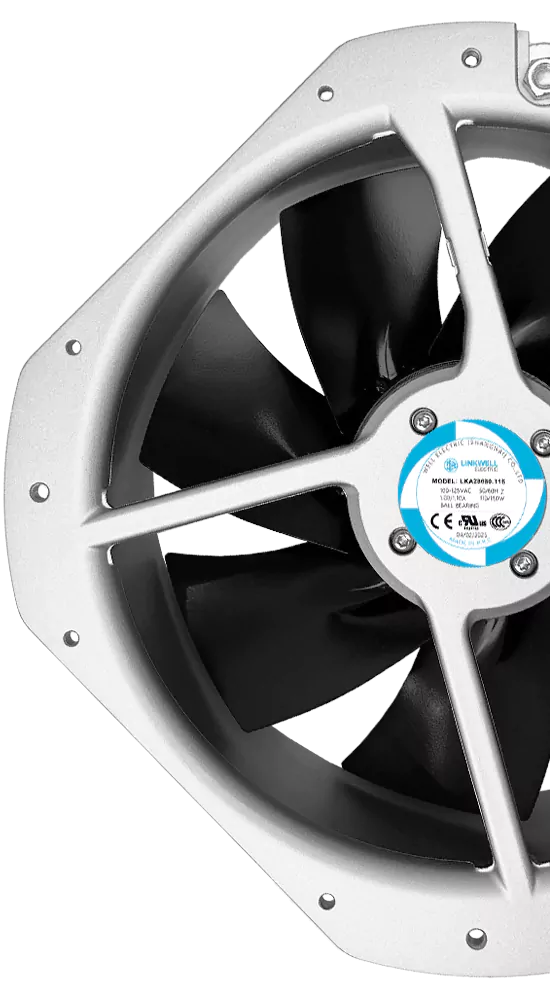
You can figure out the right fan size by calculating the airflow (CFM) and static pressure for your system. Accurate sizing keeps your electronics cool and boosts energy efficiency. If you use the Low Voltage Fan Sizing Guide: How to Calculate CFM and Static Pressure Requirements, you get reliable results with fanacdc’s trusted products. You just need a few measurements and the right tools.
An incorrectly sized fan can lead to inefficiencies, increased energy costs, and inadequate ventilation. Engineers must consider several factors when determining the appropriate size, including the volume of air required, the specific application, and the characteristics of the space.
Choosing the best fan helps your system run smoothly and saves money over time.
Key Takeaways
- Accurate fan sizing is crucial for keeping electronics cool and improving energy efficiency. Use the Low Voltage Fan Sizing Guide to ensure proper airflow.
- Calculate CFM based on heat load and desired temperature rise. This helps prevent overheating and maintains system performance.
- Always consider static pressure when selecting a fan. It affects airflow and energy consumption, ensuring your system runs efficiently.
- Avoid common mistakes like overestimating CFM or ignoring static pressure. These errors can lead to poor cooling and increased costs.
- Regular maintenance of fans, such as cleaning and monitoring, extends their lifespan and keeps your system running smoothly.
Why Fan Sizing Matters for Low Voltage Applications
Impact on Performance and Efficiency
You probably know that ventilation sizing is more than just picking a fan and hoping for the best. When you get ventilation sizing right, your system works better and uses less energy. In many commercial spaces, HVAC systems can eat up almost 40% of the building’s energy. If you choose the right ventilation sizing, you cut electrical costs without sacrificing airflow. Proper ventilation sizing keeps air moving, which helps eliminate fumes and control condensation. You also improve air quality, which is essential for health and safety.
Ventilation sizing ensures optimal airflow and enhances air circulation. You maintain comfortable temperatures and boost indoor air quality. Workers stay alert and productive because the air feels fresh. Stored goods remain safe from moisture or temperature swings. Your commercial ventilation system runs smoother, and the load on your HVAC equipment drops. When you use efficient axial fans, you support sustainability targets and reduce operational costs.
Here’s what happens when you nail ventilation sizing:
- Air moves freely, keeping electronics cool.
- You reduce energy consumption and save money.
- The system maintains steady temperatures, protecting sensitive equipment.
- You meet ventilation requirements for your space and avoid overheating.
Risks of Incorrect Sizing
If you ignore ventilation sizing, you risk serious problems. Using the wrong fan can create a “heat ceiling,” exposing components to excessive heat. Compact enclosures can push internal temperatures up, leading to failures. Insufficient air volume in a cabinet can cause temperature spikes of 20-25 °C, which drastically shortens component lifespan. Maintenance becomes tough in cramped spaces, increasing downtime and costs.
Ventilation sizing mistakes can lead to poor air circulation and stagnant air. You might see condensation build-up, which damages electronics. Fumes linger, making the environment unsafe. You miss ventilation requirements, and your system struggles to keep up. When you don’t match ventilation sizing to your application, you risk downtime, higher bills, and unhappy workers.
- Incorrect ventilation sizing leads to overheating.
- Poor ventilation sizing causes moisture and condensation problems.
- You fail to meet ventilation requirements, risking health and safety.
- Maintenance gets harder, and costs go up.
Ventilation sizing is the foundation of reliable cooling. If you get it right, you protect your investment and keep your system running smoothly.
Low Voltage Fan Sizing Guide: How to Calculate CFM and Static Pressure Requirements
You want your ventilation system to work efficiently, right? The low voltage fan sizing guide: how to calculate cfm and static pressure requirements helps you get there. This guide gives you a step-by-step approach to fan sizing, so you can keep your enclosure cool and your equipment safe. When you follow these steps, you make sure your cooling system meets all ventilation needs and runs at peak performance.
Before you start, remember that every enclosure and application is unique. You need to look at the size of your space, the amount of heat your equipment produces, and the airflow path. The low voltage fan sizing guide: how to calculate cfm and static pressure requirements makes this process simple. You just need a few measurements, a calculator, and a clear understanding of your requirements.
Calculating CFM for Enclosure Cooling Fan Applications
When you size a fan for an enclosure, you want to remove heat and keep temperatures steady. Calculating cfm is the first step. You can use a simple formula to figure out how much airflow you need based on the heat load inside your enclosure.
Here’s a handy table to help you with the calculation:
| Formula Type | Formula | Variables Required |
|---|---|---|
| Imperial Formula | CFM = (3.17 × P-Watts) / ΔT-°F | Total Heat Load (P in Watts), ΔT (°F) |
| Metric Formula | m³/h = (3.1 × P-Watts) / ΔT-°C | Total Heat Load (P in Watts), ΔT (°C) |
- P stands for the total heat load in watts.
- ΔT is the temperature rise you allow inside the enclosure.
Let’s say your equipment generates 100 watts of heat, and you want to keep the temperature rise below 10°F. Plug those numbers into the formula:
CFM = (3.17 × 100) / 10 = 31.7 CFM
You now know the minimum airflow needed to keep your enclosure cool. This step in the low voltage fan sizing guide: how to calculate cfm and static pressure requirements helps you avoid overheating and keeps your electronics running smoothly.
Tip: Always round up to the next standard fan size. This gives you a safety margin for unexpected heat loads.
Determining Airflow Needs by Room or Equipment Volume
Sometimes you need to size a fan for a whole room or a large enclosure. In this case, you use the volume of the space and the number of air changes per hour (ACH) you want. The low voltage fan sizing guide: how to calculate cfm and static pressure requirements makes this easy.
Here’s how you do it:
- Measure the length, width, and height of your room or enclosure.
- Multiply these numbers to get the total volume in cubic feet.
- Decide how many times you want the air to change each hour (ACH).
- Use this formula:
CFM = (Room Volume in cubic feet × ACH) ÷ 60
For example, if your enclosure is 4 feet long, 3 feet wide, and 2 feet high, the volume is 24 cubic feet. If you want 10 air changes per hour:
CFM = (24 × 10) ÷ 60 = 4 CFM
You can see how the low voltage fan sizing guide: how to calculate cfm and static pressure requirements helps you match the right fan to your ventilation needs.
Note: Long duct runs and sharp bends increase static pressure. This can reduce actual airflow, so always check the fan’s performance curve before making your final choice.
Using Heat Load to Calculate CFM
If you know the heat load in your enclosure or room, you can use it to find the required cfm. This method is great for applications with lots of electronics or equipment that generates heat. The low voltage fan sizing guide: how to calculate cfm and static pressure requirements gives you a clear formula for this calculation.
Here’s a quick reference table:
| Parameter | Value |
|---|---|
| Heat Load | 12,000 BTU/hr |
| Temperature Rise | 20°F |
| CFM Calculation | CFM = BTU/hr ÷ (1.08 × ΔT) |
| Resulting CFM | 555 |
So, if your equipment produces 12,000 BTU/hr and you want to limit the temperature rise to 20°F:
CFM = 12,000 ÷ (1.08 × 20) = 555 CFM
This calculation helps you pick a fan that can handle your cooling requirements. You keep your ventilation system efficient and your equipment safe.
Calculator Tip: Use an online cfm calculator for quick results, but always double-check your numbers with the formulas above.
Why Fanacdc Low Voltage Fans Make Sizing Easier
Fanacdc’s low voltage fans come with features that make sizing and selection simple. You get precise speed control with PWM signals, so you can adjust airflow to match your exact needs. These fans handle varying static pressure, which is crucial for different enclosure designs. The brushless motors offer reliable cooling and low power consumption, making them perfect for sensitive electronics and quiet environments.
When you use the low voltage fan sizing guide: how to calculate cfm and static pressure requirements, you can trust fanacdc fans to deliver the right performance. Their energy efficiency and smart speed control help you meet all ventilation requirements, no matter the application.
Remember: Environmental factors like temperature and humidity can affect your cfm and static pressure needs. Always consider these when using the low voltage fan sizing guide: how to calculate cfm and static pressure requirements.
Static Pressure Calculation for Low Voltage Fans
Understanding Static Pressure in Fanacdc Fans
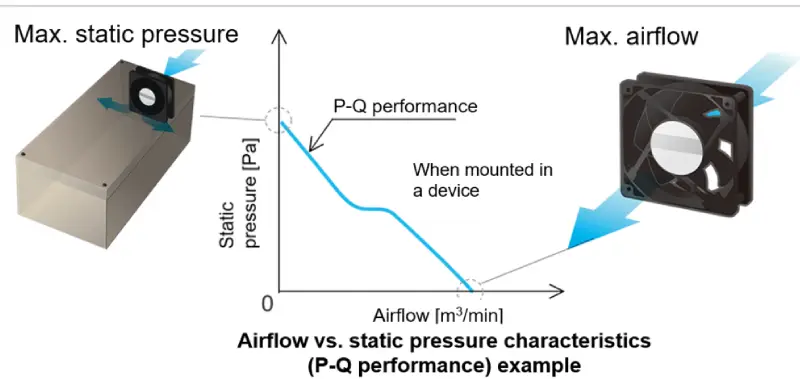
You might wonder why static pressure matters so much in ventilation sizing. Static pressure is the energy your fan uses to push air through your system. It helps overcome resistance from ducts, filters, and other parts. If you ignore static pressure, your cooling system won’t deliver the right airflow. You need to account for static pressure to keep your equipment safe and efficient.
When you manage static pressure well, you get predictable airflow. You avoid putting too much strain on your ventilation equipment. High static pressure can raise your electricity usage by up to 30%. That’s a big deal for your cooling budget. Fanacdc fans are designed to handle static pressure requirements, so you can trust them for reliable ventilation and cooling.
- Maintaining optimal static pressure helps you achieve steady airflow.
- You prevent excessive strain on your ventilation system.
- High static pressure increases energy consumption.
Assessing System Resistance and Ductwork
System resistance is what your fan fights against. It comes from filters, grills, coils, and ductwork. Each part adds to the static pressure your ventilation system must overcome. If you skip this step in sizing, your cooling won’t work as planned.
- Static pressure is key for determining resistance in ductwork.
- Total resistance includes filters, grills, coils, and ducts.
- Accurate static pressure calculation helps you pick the right fan for your airflow needs.
You should measure each part and add up the resistance. This gives you a clear picture of your static pressure requirements. When you size your fan, always check the ventilation path and cooling obstacles.
Applying Fan Laws for Static Pressure
Fan laws help you understand how static pressure changes with airflow and cfm. If you increase cfm, static pressure rises faster. You need to know these relationships for proper ventilation sizing.
| Fan Law | Formula | Explanation |
|---|---|---|
| Fan Law 1: CFM is directly proportional to RPM | CFM2 = CFM1 X (RPM2 ÷ RPM1) | Increasing RPM by 10% increases CFM by 10%. |
| Fan Law 2: Total Static Pressure changes with the square of CFM | SP2 = SP1 X (CFM2 ÷ CFM1)² | A 10% increase in CFM results in a 21% increase in static pressure. |
| Fan Law 3: Horsepower changes with the cube of CFM | HP2 = HP1 X (CFM2 ÷ CFM1)³ | A 10% increase in airflow results in a 33% increase in horsepower required. |
You can use these fan laws to adjust your sizing. If you want more cfm, you must check how static pressure and horsepower change. This keeps your ventilation and cooling system balanced. Always use fanacdc fans that match your static pressure requirements for best results.
Tip: When you size your fan, always account for static pressure. This ensures your ventilation system delivers the right cooling and airflow.
Matching Calculated CFM and Static Pressure to Fanacdc Products
Reading Fan Performance Curves
You’ve done the math for cfm and pressure, but now you need to see if a fanacdc fan can handle your ventilation needs. That’s where fan performance curves come in. These graphs show how much airflow a fan can deliver at different static pressure levels. You’ll see volume flowrate on the x-axis and static pressure on the y-axis.
When you look at these curves, find the point where your required cfm and pressure meet. That’s your operating point. If it lands on or below the curve, the fan can handle your ventilation requirements. If it’s above, you’ll need a bigger fan or a different model. Fan performance curves also help you spot problems. If your system’s airflow drops, check the curve—maybe a filter is clogged or a damper is closed.
Tip: Always compare your system’s resistance curve with the fan performance curve. This ensures your ventilation system delivers the right cooling and airflow.
Selecting the Right Fan for Your Application
Now that you know your sizing numbers, you can match them to the right fanacdc product. Here’s how you do it:
- Understand your cooling load. Figure out how much heat you need to remove to keep your devices safe.
- Use your airflow calculation to pick a fan that matches your cfm needs.
- Check the static pressure your system creates. Add up resistance from ducts, filters, and grills.
- Compare your numbers to the fan performance curves. Make sure the fan can deliver the required airflow at the needed pressure.
- Confirm the fan meets your power and ventilation requirements.
When it comes to selecting the right fan type, use this table to help you decide:
| Criteria | Low Voltage Fan | DC Fan | EC Fan |
|---|---|---|---|
| Operational Requirements | Economical for continuous operation | Low noise, precise control | Energy savings, intelligent control |
| Comprehensive Cost Analysis | Lower initial cost | Moderate energy costs | Higher initial cost, lower lifecycle cost |
| Environmental Adaptability | Varies by model | Suitable for controlled environments | Best for energy efficiency in harsh conditions |
| System Integration Requirements | Compatible with basic systems | Works with traditional systems | Ideal for smart systems |
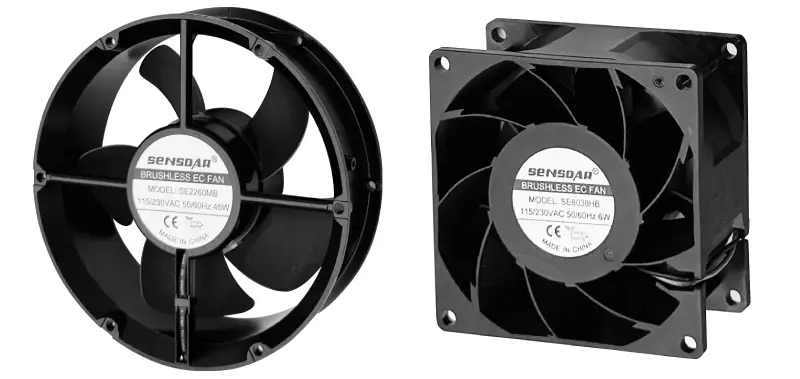
If you want simple, reliable ventilation for basic cooling, go with a Low Voltage Fan. For quiet operation and precise speed control, a DC Fan works best. If you need top energy savings and smart features, choose an EC Fan.
Remember: Good sizing means your ventilation system runs efficiently, keeps your equipment cool, and saves you money.
Common Mistakes in Enclosure Cooling Fan Calculations
You want your enclosure to stay cool and run smoothly, but mistakes in enclosure cooling fan calculations can throw off your whole system. Let’s look at the most common errors and how you can avoid them.
Overestimating or Underestimating CFM
You might think more cfm means better cooling, but that’s not always true. If you overestimate cfm, you could end up with a fan that uses too much energy and creates unnecessary noise. Underestimating cfm leaves your enclosure at risk for overheating. Both mistakes make thermal management harder and can shorten the life of your equipment. Always match your cfm to the actual heat load and enclosure size. Use the right formulas and check your numbers twice. Good sizing keeps your cooling efficient and your enclosure safe.
Ignoring Static Pressure Factors
Static pressure is a big deal in enclosure cooling fan calculations. If you ignore it, your fan might not push enough air through filters, ducts, or grills. That means poor cooling and weak airflow. Check out this table to see what happens when you skip static pressure management:
| Consequence | Description |
|---|---|
| Reduced Airflow | Not enough air moves through the enclosure, hurting system performance. |
| Increased Energy Consumption | Fans work harder, raising energy use by up to 20%. |
| Premature Component Wear | Extra strain causes early breakdowns and higher maintenance costs. |
You need to measure resistance in your enclosure and include it in your sizing. Proper static pressure management keeps your cooling reliable and protects your equipment.
Not Using Accurate Product Data
Accurate product data is key for enclosure cooling fan calculations. If you use old or wrong specs, your cooling system won’t work as expected. Here’s why you should always use up-to-date data:
- Airflow (cfm) tells you how much air your fan can move.
- A small change in air movement can cause a big jump in static pressure.
- Accurate data helps you balance thermal management and system efficiency.
- Understanding airflow and static pressure relationships improves ventilation and cooling.
- Fan laws guide you in sizing and selecting the right equipment for your enclosure.
You get better thermal management and avoid costly mistakes when you use the latest product specs. Always check the manufacturer’s data before finalizing your enclosure cooling fan calculations.
Tip: Keep a checklist for enclosure cooling fan calculations. It helps you catch errors and keeps your cooling system running strong.
Quick Checklist for Low Voltage Fan Sizing
Step-by-Step Summary
You want to make sure your cooling setup works right the first time. Here’s a simple checklist to guide you through low voltage fan sizing:
- Measure the size of your enclosure or room.
- Calculate the heat load from all equipment inside.
- Decide on the maximum temperature rise you can allow.
- Use the right formula to find your required cfm.
- Add up all sources of resistance, like filters and ducts, to estimate static pressure.
- Check the fan performance curve to see if your chosen fan meets both cfm and static pressure needs.
- Double-check your numbers and round up to the next standard fan size for safety.
- Test your system in real-world conditions to confirm everything works as planned.
Tip: Always keep your calculations and notes handy. This makes future upgrades or troubleshooting much easier.
Practical Tips for Fanacdc Users
You can avoid common mistakes and get the best results by following these practical tips:
- Make sure air passes over your electronics before it exits. This helps with optimizing airflow.
- Keep your fan away from dust and moisture unless you use a filter.
- Test your setup under real conditions, not just on paper.
- Never underestimate the heat load or pick a fan with too little airflow.
- Place ventilation cutouts in the right spots to help air move smoothly.
- Take advantage of natural convection when possible.
- Check that cables or other objects do not block airflow.
- Use filters if your environment is dusty.
- Always consider the ambient temperature in your calculations.
- Don’t rely only on fans for cooling—sometimes you need extra help.
- Seal your enclosure well to keep cooling efficient.
- Pay attention to noise levels, especially in quiet workspaces.
Note: A little planning goes a long way. When you follow these steps, you protect your equipment and keep your system running smoothly.
Conclusion
You have learned how to size a low voltage fan for your system. When you follow these steps, you make sure your equipment stays cool and works well. You do not have to guess or hope for the best. You can use simple math and clear guidelines to get the right answer every time.
Choosing the right cfm and understanding static pressure helps you avoid problems. You do not want your system to overheat or waste energy. You want your fan to match your needs, not just move air. When you check the fan performance curve, you see if your choice will work in real life.
Reliable thermal design requires system-level thinking. Understanding how air behaves inside a real enclosure and how resistance builds is crucial. If a fan cannot generate enough static pressure to overcome system impedance, airflow collapses regardless of the fan’s rated CFM. Selecting fans based on operating point and static pressure rather than maximum CFM reduces redesign risk and improves long-term reliability.
You can see that careful planning pays off. Your system will run longer and need less maintenance. You will save money on repairs and energy bills. You also protect your electronics from heat damage.
If you ever feel unsure, you can use fanacdc’s resources and support. Their technical team can help with tough projects. You can also use their online tools to double-check your numbers. Good sizing means you get the most out of your cooling system.
Remember, the right cfm and static pressure keep your system safe and efficient. Take your time, use the right tools, and trust your calculations. You will see the benefits for years to come.
You know that getting your fan sizing right makes a big difference. Accurate CFM and static pressure calculations help you boost efficiency, reliability, and save money over time. When you adjust fan speed to match your system, you cut energy costs and extend equipment life. Variable Frequency Drives let you control fan speed based on demand, so you use less power and keep your system running smoothly.
- Lower fan speeds reduce power usage and energy bills.
- Improved efficiency means your equipment lasts longer.
To keep your fans working their best, follow these steps:
- Clean blades and grills regularly.
- Lubricate bearings and replace worn parts before they fail.
- Monitor fan speed and temperature with sensors.
If you need help, fanacdc’s technical team and online tools are ready to support you. Proper sizing gives you peace of mind and long-term savings.
FAQ
How do I know which voltage fan to choose for my project?
You need to match the fan voltage to your system. Use 12V fans for computers and automotive setups. Pick 24V fans for industrial controls or robotics. Go with 48V fans for telecom and server racks.
Can I use a bigger fan to get more airflow?
You can use a bigger fan, but check the static pressure first. If your system has lots of resistance, a larger fan may not help. Always look at the fan performance curve before you decide.
What’s the easiest way to calculate CFM for enclosure cooling?
You can use the formula:CFM = (3.17 × Heat Load in Watts) / Allowed Temperature Rise (°F)
Plug in your numbers and you get the airflow you need.
Why does static pressure matter when picking a fan?
Static pressure shows how well your fan pushes air through filters, ducts, or grills. If you ignore it, your fan might not deliver enough airflow. Always include static pressure in your calculations.
Where can I find fanacdc product specs and performance curves?
You can visit fanacdc’s official website for detailed specs, performance curves, and technical support. You get all the info you need to make the right choice.