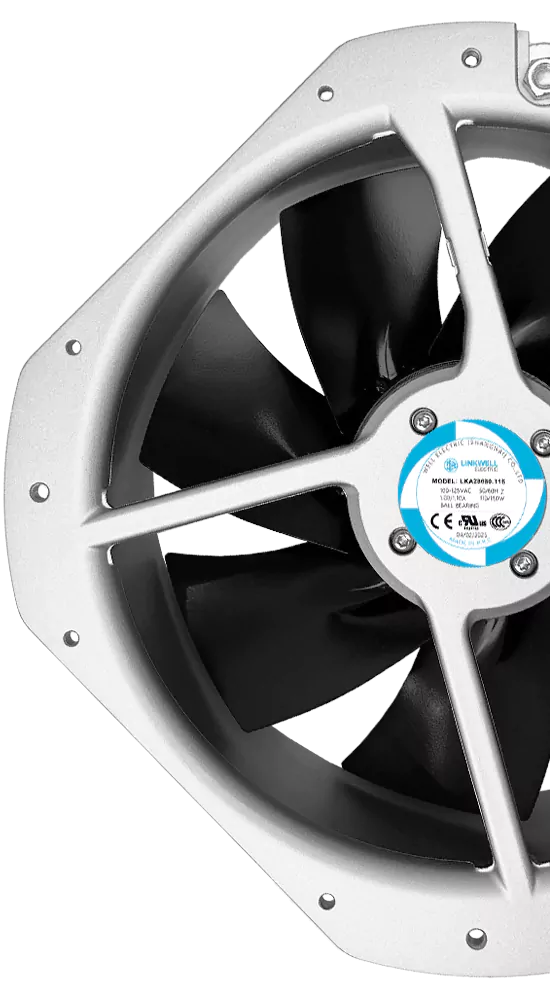
You want your electronics safe from dust, water, and even accidental bumps. But what about the heat that builds up inside? NEMA enclosure types do double duty. They keep out harsh elements and help ensure your equipment runs smoothly. When you pick the right enclosure, you protect your systems from moisture, dust, and corrosion. This choice cuts down on repairs, lowers maintenance costs, and keeps your machines working longer.
NEMA enclosures also help you meet safety rules and avoid unexpected breakdowns. At fanacdc, we know how much you rely on your equipment. Our cooling solutions make sure your enclosure stays cool, reliable, and ready for action. NEMA Enclosure Types: The Complete Guide for Electrical and Cooling Systems helps you understand why this matters.
Key Takeaways
- Choose the right NEMA enclosure based on your environment. Match the enclosure type to the specific threats your equipment faces, such as dust, water, or chemicals.
- Plan for heat management from the start. Use active cooling solutions like fans to prevent overheating and ensure your equipment runs efficiently.
- Understand the differences between NEMA and IP ratings. NEMA ratings provide broader protection, including corrosion resistance, while IP ratings focus on dust and water ingress.
- Always check compliance and safety standards. Ensure your enclosure meets industry regulations to avoid fines and ensure safe operation.
- Utilize the selection checklist and tables provided in the guide. They simplify the process of matching your enclosure and cooling solution effectively.
Understanding NEMA Enclosure Types and Ratings
What Is a NEMA Enclosure
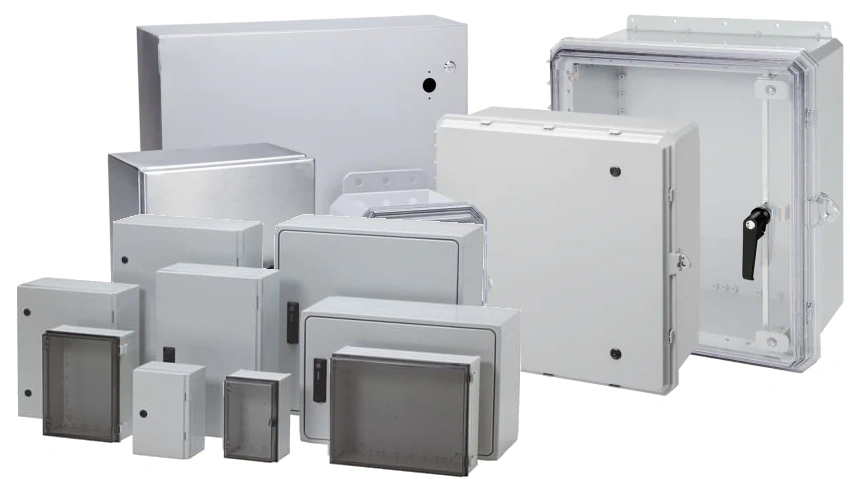
You might wonder what makes an enclosure truly reliable for your equipment. NEMA stands for the National Electrical Manufacturers Association. This group sets the standards for electrical enclosure design and protection. When you see a NEMA label, you know the enclosure meets strict requirements for keeping out dust, water, oil, and even corrosive agents. These enclosures help you keep your systems safe from environmental hazards and accidental contact. If you work with electrical enclosure setups, you need to pay attention to these ratings. They tell you exactly how much protection your gear gets.
NEMA enclosures play a huge role in industrial spaces. You use them to shield sensitive electronics from harsh conditions. Whether you deal with rain, snow, or flying dust, the right enclosure keeps your equipment running and helps you avoid costly repairs. NEMA ratings also support safety by reducing the risk of electrical shock or fire.
NEMA Ratings Explained
The NEMA rating system gives you a clear way to compare protection levels. Each rating shows how well an enclosure stands up to specific hazards. For example, some NEMA ratings focus on blocking dust, while others handle water or corrosion. You can check the table below to see how different NEMA types stack up:
| NEMA Type | Protection Against Dust | Protection Against Water | Corrosion Resistance |
|---|---|---|---|
| 3S | Yes | Yes | No |
| 3SX | Yes | Yes | Yes |
| 4 | Yes | Yes | No |
| 4X | Yes | Yes | Yes |
| 6 | Yes | Yes | No |
| 6P | Yes | Yes | Yes |
You want to choose a NEMA enclosure that matches your environment. If you work in a wet or dusty area, look for a rating that covers those risks. Some NEMA ratings even offer corrosion resistance, which is perfect for chemical plants or marine locations. The NEMA rating system helps you make smart choices for protection and safety.
Tip: Always check the NEMA ratings before you buy an enclosure. The right rating means better protection and longer life for your equipment.
NEMA vs. IP Ratings: Key Differences
NEMA and IP Standards Overview
You might see both NEMA and IP ratings when you shop for an enclosure. These two systems help you figure out how well your enclosure protects your equipment. NEMA is mostly used in the United States. IP ratings are recognized worldwide. Both systems measure how well an enclosure keeps out dust and water, but they do it in different ways.
NEMA ratings go beyond just keeping out water and particles. They also test for corrosion resistance, protection from gases, and even ice. You get extra peace of mind if you work in harsh or hazardous environments. IP ratings focus on ingress protection. They use a two-digit code. The first digit shows how well the enclosure blocks solid particles. The second digit shows how well it keeps out moisture.
While IP ratings focus specifically on ingress protection against solids and liquids, NEMA ratings offer a broader scope, including considerations like corrosion resistance and protection from ice.
Here’s a quick look at the main differences:
- NEMA is used in the USA, while IP ratings are global.
- IP ratings cover protection against water and particles.
- NEMA ratings include corrosion resistance and protection from gases.
- NEMA ratings are useful for selecting enclosures in tough environments.
NEMA ratings include tests for corrosion and ice. For example, some enclosures go through 1,200 hours of exposure to moist air with carbon dioxide and sulfur dioxide. Others face 800 hours of salt spray testing. IP ratings use vacuum tests for dust and water immersion tests for moisture.
NEMA to IP Equivalency Table
You may want to compare NEMA and IP ratings side by side. This table helps you match common ratings so you can pick the right enclosure for your needs.
| NEMA Type | Approximate IP Equivalent | Ingress Protection Description |
|---|---|---|
| 1 | IP10 | Basic protection from solid objects |
| 3R | IP24 | Protection from rain and sleet |
| 4 | IP66 | Dust-tight, protected against powerful water jets |
| 4X | IP66 | Same as NEMA 4, plus corrosion resistance |
| 6 | IP67 | Protected against temporary immersion in water |
| 12 | IP52 | Dust-tight, protected against dripping water |
Tip: Always check both NEMA and IP ratings if you need specific ingress protection or extra durability for your enclosure.
Common NEMA Enclosure Types: The Complete Guide for Electrical and Cooling Systems
When you look for the right enclosure, you want to know exactly what each type can handle. NEMA enclosure types: the complete guide for electrical and cooling systems helps you compare protection levels, best-use scenarios, and limitations. Let’s break down the most common types so you can make smart choices for your equipment.
Master Comparison Table: NEMA Types, Protection Levels, and Applications
Here’s a quick table to help you see how different NEMA enclosure types stack up for protection against dust, liquids, and other hazards. You’ll also find where each type works best.
| NEMA Type | Protection Against Dust | Protection Against Liquids | Corrosion Resistance | Typical Applications | Limitations |
|---|---|---|---|---|---|
| 1 | Minimal | None | None | Indoor, junction boxes, utility boxes | Not for outdoor or wet areas |
| 12 | Yes | Dripping liquids | None | Indoor, manufacturing, control panels | Not for outdoor or washdown |
| 12K | Yes | Dripping liquids | None | Indoor, easy installation with knockouts | Same as Type 12 |
| 13 | Yes | Oil, non-corrosive coolants | None | Machine shops, food processing | Not for corrosive liquids |
| 3 | Yes | Rain, sleet | None | Outdoor, construction, tunnels | Not dust-tight |
| 3R | Yes | Rain, sleet | None | Outdoor, utility boxes, ship docks | Not dust-tight |
| 4 | Yes | Hose-directed water | None | Outdoor, refineries, food plants | No corrosion protection |
| 4X | Yes | Hose-directed water | Yes | Marine, water treatment, paper mills | Higher cost |
| 6 | Yes | Temporary submersion | None | Indoor/outdoor, special projects | Not for continuous submersion |
| 6P | Yes | Prolonged submersion | Yes | Harsh outdoor, chemical plants | Specialized use |
Tip: Always match the enclosure type to your environment. If you work in a place with lots of dust or liquids, pick a type that offers strong protection.
Indoor NEMA Enclosure Types
You often see indoor NEMA enclosure types in factories, offices, and utility rooms. These enclosures focus on protection against dust and dripping liquids. They keep your electrical gear safe from dirt and minor spills.
- Type 1: You use this for basic indoor jobs. It’s perfect for junction boxes and utility boxes. It gives you minimal protection against falling dirt but doesn’t block liquids.
- Type 12: This type is dust-tight and driptight. You’ll find it in manufacturing areas and control panels. It keeps out dust and dripping liquids but isn’t rated for outdoor use.
- Type 12K: You get the same protection as Type 12, plus knockouts for easy wiring. It’s great when you need quick installation.
- Type 13: This enclosure adds protection against oil and non-corrosive coolants. You’ll see it in machine shops and food processing areas.
Here’s a table to help you compare:
| NEMA Type | Protection Level | Limitations | Best-Use Scenario |
|---|---|---|---|
| Type 1 | Basic, indoor | No liquid protection | Utility boxes, junction boxes |
| Type 12 | Dusttight, driptight | Not for outdoor or washdown | Clean manufacturing, control panels |
| Type 12K | Dusttight, driptight, knockouts | Same as Type 12 | Quick installation, wiring |
| Type 13 | Oiltight, dusttight | Not for corrosive liquids | Machine shops, food processing |
Note: If you work in a clean indoor space, Type 12 and Type 13 enclosures give you solid protection against dust and liquids. Type 13 is your go-to for places with oil or coolants.
Outdoor and Harsh Environment NEMA Types
When you need to protect your equipment outside, you face tougher challenges. Outdoor NEMA enclosure types shield your gear from rain, sleet, snow, and even corrosion. These enclosures are built for industrial applications where weather and harsh conditions are a daily battle.
- NEMA 3: You get protection against rain, sleet, and wind-blown dust. It’s common in construction sites, tunnels, and ship docks.
- NEMA 3R: This type works both indoors and outdoors. It protects against rain and rust. You’ll see it in canal locks, utility boxes, and ship docks.
- NEMA 4: You get a dust-tight and watertight seal. It stands up to windblown particles, rain, splashing water, and hose-directed water. It’s great for refineries, food processing plants, and hydraulic controls.
- NEMA 4X: This enclosure adds corrosion resistance. It’s perfect for marine environments, water treatment projects, and paper manufacturing.
- NEMA 6/6P: You use these for temporary or prolonged submersion. They’re ideal for chemical plants and harsh outdoor settings.
Here’s a table for quick reference:
| NEMA Type | Protection Against | Suitable Environments | Best-Use Scenarios |
|---|---|---|---|
| NEMA 3 | Rain, sleet, wind-blown dust, ice | Indoor/outdoor | Construction, tunnels, ship docks |
| NEMA 3R | Rain, sleet, rust, ice | Indoor/outdoor | Utility boxes, canal locks |
| NEMA 4 | Windblown dust, rain, hose water, ice | Indoor/outdoor | Refineries, food plants, operator consoles |
| NEMA 4X | Dust, water, corrosion | Industrial/outdoor | Marine, water treatment, paper mills |
| NEMA 6/6P | Submersion, ice | Indoor/outdoor | Chemical plants, harsh outdoor |
Callout: Outdoor lighting and Wi-Fi systems need waterproof junction boxes. Car washes require enclosures that stand up to chemicals and extreme temperatures.
NEMA Motor Enclosure Types Overview
You need to think about how motors stay cool and protected. NEMA motor enclosure types: the complete guide for electrical and cooling systems covers everything from basic drip-proof designs to explosion-proof models. Each type matches a specific environment and cooling need.
- Open Drip-Proof (ODP): You use this for indoor, clean, and dry places. It protects your electric motor from vertical dripping liquids but doesn’t block dust or heavy moisture.
- Totally Enclosed Fan Cooled (TEFC): This enclosure is dust- and weather-resistant. It uses an external fan to cool the motor. You’ll see it in outdoor or dirty environments.
- Totally Enclosed Non-Ventilated (TENV): You get a sealed enclosure with no fan. It’s best for low-power indoor use. The motor cools through its frame.
- Totally Enclosed Air Over (TEAO): This type needs external airflow, like a fan or blower. It’s common in HVAC and fan systems.
- Explosion Proof (XP): You use this in hazardous places like chemical plants, mines, or grain handling. It prevents ignition from sparks inside the motor.
- Weather-Protected Type I (WPI): This enclosure keeps out rain and airborne particles. It’s good for outdoor sheltered areas.
- Weather-Protected Type II (WPII): You get enhanced protection from airborne contaminants. It’s built for heavy-duty outdoor environments.
Here’s a table to help you compare NEMA motor enclosure types:
| NEMA Type | Protection Level | Cooling Features | Typical Use |
|---|---|---|---|
| ODP | Dripping liquids | Open, air-cooled | Indoor, clean environments |
| TEFC | Dust, weather | External fan | Outdoor, dirty environments |
| TENV | Sealed, no fan | Frame cooling | Low-power indoor use |
| TEAO | Dust, air over | Needs external airflow | HVAC, fan systems |
| XP | Hazardous, explosion-proof | Sealed, special cooling | Chemical plants, mining |
| WPI | Rain, particles | Ventilated | Outdoor, sheltered |
| WPII | Enhanced airborne protection | Ventilated | Heavy-duty outdoor |
Tip: Always check the ratings for your motor enclosure. If you work in hazardous or dirty areas, TEFC and XP types give you the best protection. For clean indoor spaces, ODP and TENV work well.
Motor enclosures are designed to keep your electric motor safe from dust, liquids, and hazardous conditions. The cooling method matters too. Open motors use outside air for cooling. Totally enclosed motors rely on fans or other means to stay cool. If you need protection against oil, coolants, or corrosion, pick a type with enhanced sealing and material durability.
NEMA enclosure types: the complete guide for electrical and cooling systems helps you match the right enclosure to your environment, protection needs, and cooling challenges. Whether you work indoors, outdoors, or in hazardous locations, you’ll find a NEMA motor enclosure that fits your systems.
The Sealed Enclosure Paradox: Heat Management Challenges
Why Heat Builds Up in NEMA Enclosures
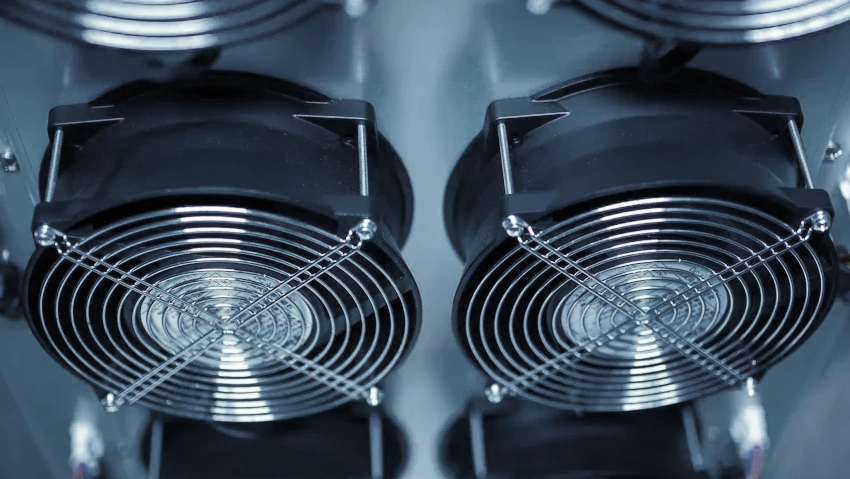
You might think a sealed nema enclosure gives you the best protection for your equipment. It keeps out dust and liquids, but it also traps heat inside. When you run electrical drives, motors, or microprocessor-based devices, they all generate heat. If you use more advanced controls or automation, you’ll see even more heat build up. The problem gets worse if your enclosure sits in a hot area or under direct sunlight. Even the color of the enclosure matters—darker colors absorb more solar energy, which means more heat inside.
Here’s why heat becomes a real challenge in sealed nema enclosures:
- The heat generated by motors and controls has nowhere to escape.
- No ventilation means the temperature inside keeps rising.
- High ambient air temperature and sunlight can push the internal temperature even higher.
- Mild steel enclosures conduct heat better than stainless steel, but both can struggle to remove enough heat without airflow.
If you want to keep your electrical systems safe, you need to think about more than just protection from liquids and dust. You need a plan for heat removal.
Tip: Choosing a light-colored nema enclosure can help reflect sunlight and reduce heat gain, especially for outdoor or rooftop installations.
Impact of Overheating on Electrical Systems
When the temperature rises inside your nema enclosure, your electrical systems pay the price. High heat causes materials to lose strength and stiffness. You might see cracks, delamination, or even total failure in your motor windings or circuit boards. Overheating also stresses electrical parts, leading to faster wear and tear. You could face electrical overstress, hot spots, or even dangerous conditions like fire or toxic fumes.
Here’s what you risk if you ignore heat buildup:
- Shorter lifespan for motors and controls
- Less efficient performance of electrical systems
- Costly repairs, replacements, or process downtime
- Safety hazards from fire or harmful fumes
If you use nema enclosures for hvac, motor control, or sensitive electronics, you can’t afford to overlook cooling. Active cooling solutions, like fans or blowers, help you manage heat and keep your systems running safely. For hvac systems, proper cooling inside the enclosure protects both the motor and the electronics from liquids and heat stress.
Don’t let heat become the silent killer in your nema enclosure. Plan for cooling from the start to protect your investment.
Cooling Solutions for NEMA Enclosures by fanacdc
Industrial Cooling Fan Options
You want your nema enclosure to stay cool and reliable. At fanacdc, you get a full range of industrial cooling fans designed for every challenge. Whether you need to protect a sensitive motor or keep a control panel safe, you can choose from AC, DC, and EC fans. Each fan type brings unique benefits for your application.
Here’s a quick look at your options:
| Fan Type | Characteristics | Applications |
|---|---|---|
| AC Fans | Reliable, durable, ideal for general industrial use | General industrial applications |
| DC Fans | Precise speed control, lower noise, improved energy efficiency | Applications requiring energy efficiency and noise reduction |
| EC Fans | Combines brushless DC motors with AC input, up to 70% energy savings, smart control features | Advanced applications needing high efficiency and control features |
You can match the right fan to your nema enclosure and motor setup for better performance and longer life.
AC, DC, and EC Fans for NEMA Enclosures
You might wonder which fan works best for your nema enclosure. AC fans give you strong airflow and simple installation. DC fans help you control speed and cut down on noise, which is great for sensitive motor controls. EC fans offer smart features and save energy, making them perfect for advanced systems. You can use these fans in control cabinets, server racks, and motor enclosures. Each fan type helps you manage heat and protect your equipment.
Tip: If you need quiet operation and precise control, DC and EC fans are your best choice for motor cooling in compact enclosures.
Selecting the Right Fan for Your Application
You want to pick the right cooling fan for your nema enclosure and motor. Here are some things to consider:
- Heat load determination
- Airflow capacity
- Fan type
- Application requirements
- Installation considerations
When you match the right fan to your nema enclosure, you get effective temperature control. You also improve equipment reliability and reduce downtime. Proper fan selection based on heat load and environmental conditions keeps your motor and electronics safe.
Note: Choosing the right fan means your nema enclosure works better, your motor lasts longer, and your system stays up and running.
Key Factors in NEMA Enclosure Selection
Environmental and Protection Requirements
When you choose a nema enclosure, you want to make sure it stands up to your environment and keeps your equipment safe. Start by asking yourself a few questions. Is your enclosure going indoors or outdoors? Will it face rain, snow, or even chemicals? You need to think about more than just dust and water. Corrosive atmospheres, temperature swings, and physical impacts can all affect your choice.
Here’s a checklist to help you pick the right nema enclosure:
- Where will you install the enclosure? Indoor or outdoor?
- Will it face rain, snow, or splashing water?
- Is there a risk of exposure to chemicals or salty air?
- Do you need protection from dust, oil, or coolants?
- How much heat will your equipment produce? Can the enclosure handle it?
- Does the enclosure have enough space for airflow and cooling fans?
- Will you need corrosion resistance, like with a nema 4X enclosure?
- What type of water exposure do you expect—dripping, splashing, or submersion?
If you work in a marine or chemical plant, corrosion resistance becomes critical. For outdoor setups, you want to make sure your enclosure can handle rain and dust. Don’t forget about temperature management. Good ventilation and thermal design help prevent overheating and keep your electronics running smoothly.
Tip: Always match the nema rating to your environment and the threats your equipment will face. This helps you avoid costly repairs and keeps user safety front and center.
Compliance and Industry Standards
You need to make sure your nema enclosure meets all the right safety standards and regulatory compliance rules. NEMA sets clear guidelines for protection levels in different environments. Each type of enclosure, like Type 1, Type 3, Type 4, and Type 4X, has its own requirements for keeping out dust, water, and corrosive substances.
Check this table to see how different nema enclosure types line up with compliance needs:
| NEMA Type | Use Case | Protection Level | Compliance Focus |
|---|---|---|---|
| Type 1 | Indoor | Basic | General safety standards |
| Type 3 | Indoor/Outdoor | Dustproof, watertight | Regulatory compliance for weather exposure |
| Type 4 | Industrial | Watertight, contaminant-resistant | Safety standards for heavy rain and contaminants |
| Type 4X | Industrial/Marine | Watertight, corrosion-resistant | Compliance for corrosive environments |
You want to follow safety standards and meet regulatory compliance for your industry. This keeps your equipment safe and helps you avoid fines or shutdowns. Always check the nema rating and make sure your enclosure matches the rules for your application.
Note: Picking the right nema enclosure isn’t just about protection. It’s about meeting compliance and safety standards so your system runs smoothly and safely.
Step-by-Step Guide: Choosing NEMA Enclosures and Cooling Fans
Assessing Application Needs
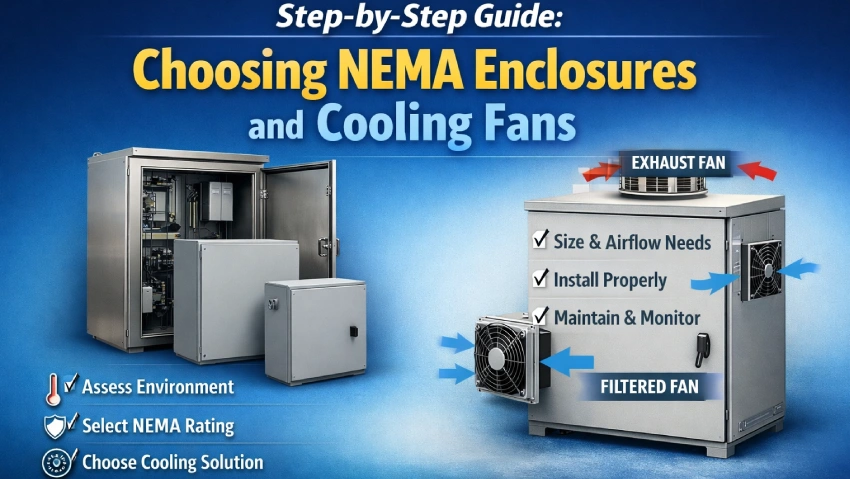
You want to start with a clear plan before picking any enclosure or cooling fan. Here’s a simple way to break it down:
- Assess Your Environment: Decide if your enclosure will be indoors or outdoors. Think about rain, dust, chemicals, or sunlight.
- Check Material Needs: Choose the right material for your enclosure. Some environments need corrosion resistance, while others just need basic protection.
- Measure Space and Access: Make sure your enclosure fits your equipment and allows for easy access when you need it.
- Plan for Heat: Figure out how much heat your devices will create. Decide if you need a cooling fan to keep things at a safe temperature.
Tip: Planning for heat from the start helps you avoid problems later and keeps your system performance steady.
Matching Enclosure and Cooling Solutions
Now, let’s match your enclosure with the right cooling solution. When you get this right, you protect your electronics and make everything last longer.
- You keep your equipment reliable by keeping temperatures in check.
- You cut down on repairs and downtime.
- Your electronics last longer when they stay cool.
- You save energy with the right fan size and type.
- You block out dust and moisture with closed-loop cooling.
Here’s a handy table to help you match enclosure types with fanacdc cooling solutions:
| NEMA Enclosure Type | Typical Environment | Cooling Challenge | Recommended fanacdc Solution |
|---|---|---|---|
| 12/13 | Dusty, oily indoor factory | Dust, moderate heat | DC/EC Axial Fan with pre-filter |
| 4/4X | Outdoor, washdown areas | Humidity, corrosion | IP67 EC Centrifugal Fan |
| 3R | Sheltered outdoor | Weather, debris | IP54 AC/DC Axial Fan |
Note: Always pick a fan with an IP rating that matches or exceeds your enclosure’s NEMA rating.
Final Selection Checklist
Before you make your final choice, run through this checklist:
- Check the environment—temperature, humidity, and location.
- Pick the right NEMA rating and enclosure material.
- Calculate the heat your equipment will produce.
- Make sure your cooling fan can handle the heat load.
- Choose between natural airflow or a fan-assisted system.
- Confirm the fan’s voltage and power needs.
- Match the fan’s protection rating to your environment.
- Check for any special safety or compliance needs.
- Decide if you need a drain for condensation.
- Think about future upgrades or extra requirements.
Double-check that your fan fits inside the enclosure and leaves room for future changes.
Conclusion
You’ve learned how NEMA enclosure types protect your equipment from dust, water, and harsh environments. You also discovered why cooling matters just as much as protection. If you ignore heat, your electronics can fail faster and cost you more in repairs. Picking the right enclosure and cooling fan keeps your systems safe, reliable, and running longer.
Let’s recap what you should remember:
- Choose the right NEMA enclosure for your environment. Match the rating to the threats your equipment faces.
- Plan for heat management from the start. Active cooling with fans makes a big difference.
- Select the best fan type for your needs. AC, DC, and EC fans each offer unique benefits.
- Check compliance and safety standards before you buy. This helps you avoid problems later.
Tip: Use the selection checklist and tables in this guide. They make it easier to match your enclosure and cooling solution.
If you want expert help, fanacdc is ready to support you. Our team knows how to solve heat problems in any enclosure. You can reach out for a free thermal review or ask for advice on your next project.
| Need Help? | What You Get |
|---|---|
| Free thermal review | Expert advice on enclosure cooling |
| Custom fan solutions | Reliable performance for your application |
| Technical support | Fast answers to your questions |
You don’t have to guess when it comes to protecting your electronics. With the right NEMA enclosure and cooling fan, you get peace of mind and better system performance. Visit fanacdc.com to learn more or contact our engineers today.
You want your equipment to last and perform at its best. Matching the right NEMA enclosure with a proper cooling solution keeps your electronics safe from heat, dust, and moisture. When you size your cooling system to fit the total heat load, you avoid wasted energy and protect your investment. fanacdc offers reliable fans that help you beat common heat challenges. Need help? Use the selection guide or reach out for a free thermal review.
| Your Challenge | fanacdc Solution |
|---|---|
| Overheating risk | High-efficiency cooling fans |
| Dust and moisture | Sealed, reliable designs |
| High energy costs | Smart, energy-saving fan technology |
FAQ
What does a NEMA enclosure protect against?
You get protection from dust, water, oil, and accidental contact. Some types also block corrosion and chemicals. Always check the NEMA rating to see what hazards your enclosure can handle.
How do I know which cooling fan fits my enclosure?
Start by checking your enclosure’s size and heat load. Use the selection tables in this guide. If you’re unsure, reach out to fanacdc for expert advice.
Can I use any fan inside a NEMA enclosure?
No, you need a fan with an IP rating that matches or exceeds your enclosure’s NEMA rating. This keeps your system safe from dust and moisture.
Why does my enclosure still overheat with a fan installed?
You might have picked a fan that’s too small or placed it in the wrong spot. Make sure your fan matches your heat load and install it for optimal airflow.