Have you ever struggled with unpredictable noise, high power bills, or fans that wear out too soon? Maybe you’ve noticed your cooling system can’t keep temperatures steady. These headaches often come down to one key decision: how you control fan speed. When you compare Pwm vs Non Pwm Fans, you’ll see that PWM fans can cut energy use by up to 30% and keep noise low, while non-PWM fans tend to get louder, especially at slow speeds. The right choice makes all the difference, and fanacdc helps you solve these cooling challenges.
Key Takeaways
- PWM fans save energy by using up to 30% less power compared to non-PWM fans.
- PWM fans operate quietly, making them ideal for noise-sensitive environments like server rooms.
- Non-PWM fans are easier to install and cost less upfront, suitable for basic cooling needs.
- Choosing PWM fans leads to longer fan life due to reduced wear and tear from smooth speed control.
- For precise temperature management, PWM fans are the best choice; for simple, steady airflow, non-PWM fans work well.
pwm vs non pwm fans: Control Methods and Principles
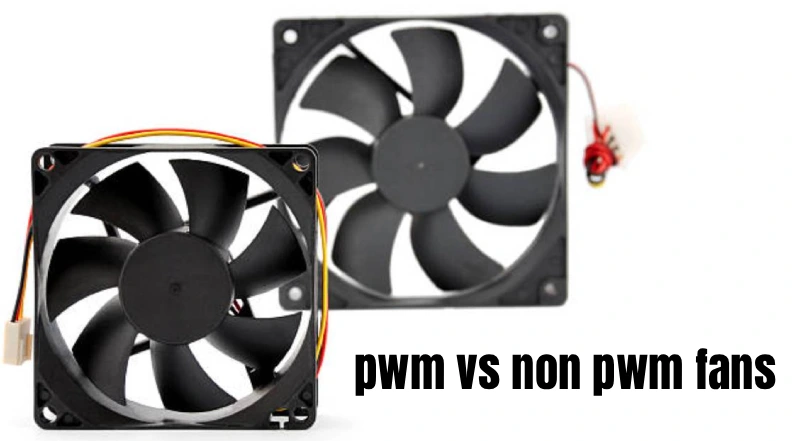
What Are pwm fans?
You might wonder what makes pwm fans stand out in industrial cooling. These fans use a smart technique called pulse width modulation, or pwm, to manage speed. Imagine you have a water faucet. Instead of turning the handle to adjust the flow, you rapidly open and close the faucet at high speed. The average amount of water coming out depends on how long you keep it open versus closed. That’s how pwm works for fans. The fan receives a series of quick electrical pulses. The width of each pulse tells the motor how fast to spin. This lets you control the fan’s speed with amazing precision.
Most pwm fans use a 4-wire setup. One wire carries the pwm signal, which changes based on temperature or system demand. You get smooth, reliable speed changes across the whole range. This means you can keep your equipment cool without wasting energy or dealing with sudden noise spikes. You’ll find pwm control in fanacdc’s DC fans and EC fans. These mini-sized fans fit perfectly in control cabinets, server racks, and telecom gear. They offer variable speed control, so you can dial in the exact airflow you need.
Here’s what makes pwm fans special:
- You get precise speed control from low to high rpm.
- The fan responds instantly to temperature changes.
- You save energy and reduce noise.
- The fan lasts longer because it avoids harsh starts and stops.
What Are non-pwm fans?
Non-pwm fans take a different approach. They use voltage regulation to adjust speed. Picture the water faucet again. This time, you turn the handle to let more or less water flow. When you lower the voltage, the fan slows down. When you raise it, the fan speeds up. It’s a simple method, but it has limits. At low voltages, the fan might struggle to start or run smoothly. You get less precise control, and sometimes the fan can stop altogether if the voltage drops too much.
Non-pwm fans often use a 2-wire or 3-wire setup. You control speed by changing the voltage supplied to the motor. Some models add thermal sensors or adaptive control systems. These can automatically adjust fan speed based on temperature, but the changes aren’t as smooth or accurate as pwm.
You’ll see non-pwm control in fanacdc’s AC fans and some DC fans. These mini fans work well in stable environments where you need steady airflow. They’re easy to install and cost-effective for basic cooling needs.
Let’s break down non-pwm fans:
- You get simple speed control by adjusting voltage.
- The fan is easy to wire and set up.
- It’s a budget-friendly choice for full-load or constant-speed applications.
How pwm and non-pwm Control Works
Let’s compare pwm vs non pwm fans side by side. The table below shows how each control method works and what it means for your system:
| Fan Type | Speed Control Mechanism | Operational Range and Precision |
|---|---|---|
| PWM Fans | Use pulse width modulation with a digital signal for speed control. | Precise adjustments, wide speed range |
| Non-PWM Fans | Adjust speed by varying the voltage supplied. | Limited range, less precision |
When you use pwm fans, you get smooth speed transitions. The motor doesn’t strain, so the fan lasts longer. You also cut power consumption by up to 30%. Non-pwm fans run at constant speeds, which can increase wear and shorten lifespan. Here’s another quick look:
| Feature | PWM Control | Non-PWM Control |
|---|---|---|
| Speed Variation | Smooth, adjustable | Fixed or coarse |
| Wear and Tear | Reduced | Increased |
| Lifespan Impact | Extended | Reduced |
| Power Consumption | Lower (up to 30% savings) | Standard |
You’ll notice pwm vs non pwm fans also differ in noise and energy use. PWM fans run quieter and use less power. Non-pwm fans can get noisy, especially at low speeds.
Let’s sum up the benefits you get with pwm fans:
- Enhanced airflow
- Improved energy efficiency
- Reduced noise levels
- Extended equipment lifespan
You can find these advantages in fanacdc’s DC fans and EC fans. These mini-sized models use pwm for smart, efficient cooling. If you need simple, reliable cooling, fanacdc’s AC fans and some DC fans offer non-pwm control.
Here’s a quick tip: If your system needs precise temperature management, go with pwm fans. If you want a straightforward, cost-effective solution, non-pwm fans are a solid choice.
Note: All fanacdc fans discussed here are mini-sized, ranging from 60mm to 280mm. You can choose AC, DC, or EC models to match your space and cooling needs.
Technical Comparison: pwm vs non pwm fans in Industrial Applications
Speed Control and Stability
When you look at speed control, pwm fans give you the most precise control. Pulse width modulation lets you adjust the fan’s speed smoothly across the entire range. You can run the fan as low as 20% of its maximum speed without losing stability. This means your cooling system responds instantly to temperature changes, keeping your equipment safe and running at optimal performance.
Non-pwm fans use voltage regulation. You get basic speed control, but it’s not as accurate. At lower speeds, these fans can struggle to maintain steady rotation. Sometimes, they may even stop if the voltage drops too much. This can lead to uneven cooling and unpredictable performance.
Here’s a quick look at how pwm and non-pwm fans compare in industrial environments:
| Feature | PWM Fans | DC Fans (Non-PWM) |
|---|---|---|
| Minimum Speed Capability | Operate as low as 20% of max | Steady speed unless controlled |
| Cooling Efficiency | Precise adjustments for thermal | Less effective under varying loads |
| Speed Control Precision | High | Low |
If you need reliable speed control and stability, fanacdc’s DC Fan and EC Fans with pwm are your best bet. These fans keep your system cool and stable, even when conditions change quickly.
Energy Efficiency and Power Consumption
Energy efficiency is a big deal in industrial applications. pwm fans stand out because they use up to 30% less power than non-pwm fans. Pulse width modulation lets the fan run only as fast as needed, saving energy and reducing heat. This is especially important if you run your fans all day or rely on battery power.
Let’s compare power consumption for different fan types:
| Fan Type | Current (A) | Power Consumption (W) |
|---|---|---|
| AC Fan (220V, 50Hz) | 0.109 | 23.98 |
| DC Fan (24V) | 0.19 | 4.56 |
| EC Fan (220V) | 0.052 | 4.60 |
You can see that DC and EC fans with pwm use much less power than traditional AC fans. This means lower energy bills and less strain on your equipment. If you want to boost energy efficiency, choose fanacdc’s EC Fans or DC Fans with pwm control.
Noise Levels and User Experience
Noise can make or break your workspace comfort. pwm fans operate quietly, especially at lower speeds. You get noise levels as low as 20 dBA, which is perfect for noise-sensitive environments like control cabinets or server rooms. Non-pwm fans, especially DC fans running at constant speeds, often exceed 30 dBA. This can be distracting and uncomfortable.
| Fan Type | Noise Level (dBA) |
|---|---|
| PWM | as low as 20 |
| DC | often exceeds 30 |
Users report higher comfort ratings for pwm fans because they run quietly and smoothly. Many people notice a big drop in noise when switching from non-pwm fans to pwm fans. This upgrade improves the overall user experience, especially where silence matters.
- pwm fans operate quietly at lower speeds, making them ideal for noise-sensitive environments.
- DC fans run at constant higher speeds, leading to increased noise levels.
- Users report higher comfort ratings for pwm fans due to their quieter operation.
- A case study showed users experienced a significant reduction in noise when switching from DC to pwm fans.
- This switch enhanced the overall user experience in environments where noise is a concern.
Wiring and Installation Complexity
Wiring can affect how quickly you set up your cooling system. pwm fans need a more complex wiring setup, usually three or four wires. This allows for precise speed control and monitoring. Non-pwm fans use a simpler two-wire connection, which makes installation faster and easier.
| Fan Type | Wiring Complexity | Control Mechanism |
|---|---|---|
| PWM Fans | More complex (3-4 wires) | Precise speed regulation |
| Non-PWM Fans | Less complex (2 wires) | Variable resistors for speed control |
- pwm fans require a more complex wiring setup (3-4 wires) compared to non-pwm fans (2 wires).
- pwm technology allows for precise speed control, enhancing efficiency and reducing energy waste.
- Non-pwm fans typically use variable resistors, which can lead to energy loss in the form of heat.
- AC fans use a simple two-wire connection (live and neutral).
- DC fans, including pwm fans, typically require a three- or four-wire setup for enhanced control and monitoring.
- The additional wires in DC fans facilitate superior performance and safety.
If you want a quick and easy installation, fanacdc’s AC Fans with non-pwm control are a solid choice. If you need advanced control and monitoring, go for DC Fan or EC Fans with pwm.
Cost and Value Considerations
Cost matters when you choose cooling solutions. pwm fans may cost a bit more upfront because of their advanced control features and better bearing systems. However, you get more value over time. pwm fans last longer, run quieter, and save energy, which means lower maintenance and operational costs.
- The industrial series fans have a more advanced bearing system, which affects longevity.
- Performance is similar at the same RPM for both pwm and non-pwm fans, as they are essentially the same fan.
- The cost difference is attributed to increased longevity, reliability, and higher RPM capability in industrial fans.
- pwm fans provide better energy efficiency, which can lead to lower operational costs over time.
- They operate more quietly and have a longer lifespan, contributing to reduced maintenance costs.
- Non-pwm fans are less efficient, potentially resulting in higher operational costs and shorter lifespans.
- pwm fans can reduce speed by up to 40%, enhancing energy efficiency and noise reduction.
- They can achieve energy savings of up to 30% compared to traditional fans.
- A decrease of just 10 °C in motor temperature can nearly double the lifespan of pwm fans.
If you want the best long-term value, fanacdc’s DC Fan and EC Fans with pwm control are a smart investment. For basic cooling needs and lower initial cost, AC Fans with non-pwm control fit the bill.
Quick Reference Table: pwm vs non pwm fans
Here’s a handy table to help you compare pwm and non-pwm fans across key metrics:
| Metric | PWM Fans (DC/EC) | Non-PWM Fans (AC/DC) | Impact on Your System |
|---|---|---|---|
| Speed Control | Precise, stable | Basic, less stable | Reliable temperature management |
| Energy Efficiency | High, up to 30% savings | Lower | Reduced power bills |
| Noise Levels | Low, quiet operation | Higher, more noticeable | Better user comfort |
| Wiring Complexity | 3-4 wires, advanced | 2 wires, simple | Installation time and flexibility |
| Cost & Value | Higher upfront, long-term savings | Lower upfront, basic value | Maintenance and operational costs |
| Optimal Performance | Yes | Limited | System reliability and efficiency |
When you choose pwm fans from fanacdc, you get optimal performance, energy efficiency, and quiet operation. Non-pwm fans offer simple installation and reliable airflow for basic needs. Pick the fan that matches your system’s demands and budget.
Application Scenarios: Choosing pwm or non-pwm fans for Your Industry

When you pick a cooling solution for your industry, you want the right balance of efficiency, cost, and reliability. Let’s look at how you can match pwm or non-pwm fans to your specific needs.
High-Efficiency and Smart Control Needs
If you need top energy savings and smart control, pwm fans are your best friend. These fans let you adjust speed based on real-time temperature, which means you only use as much power as you need. You get quieter operation and longer fan life. EC fans from fanacdc take this even further. They offer advanced control features like pwm and FG signals for precise speed regulation. You can customize EC fans for different sizes and mounting needs, making them perfect for air purification, commercial refrigeration, and industrial automation.
| Feature | Description |
|---|---|
| Customization Options | EC fans can be engineered for your exact requirements. |
| Smart Control Features | PWM and FG interfaces allow precise speed and energy management. |
| Industry Applications | Great for air purification, refrigeration, and automation systems. |
You’ll also see big benefits in electronics, data centers, and computing systems. Here’s a quick look:
| Industrial Scenario | Benefits of PWM Fan Technology |
|---|---|
| Electronics | Keeps CPUs and GPUs cool for better performance. |
| Data Centers | Cuts energy use and improves thermal management. |
| Computing Systems | Adjusts speed dynamically for top efficiency. |
Cost-Sensitive and Full-Load Operations
Sometimes, you just need a reliable fan that runs at full speed all day. For these cases, non-pwm fans like AC fans or non-pwm dc fans are a smart pick. They are simple to install and cost less upfront. You get steady airflow, which is great for basic cooling needs in industrial ventilation or stable environments. If you want a cooling solution that keeps costs down but still delivers, these fans are a solid choice.
High Static Pressure and Special Environments
Do you have a setup with lots of filters or tight spaces? High static pressure fans, especially those with pwm control, shine here. They push air through obstacles with ease. pwm fans let you fine-tune speed, so you save energy and keep noise low. These fans can deliver airflow up to 283 CFM and handle tough conditions. Their curved blades help move air efficiently, even in challenging environments.
- pwm fans give you precise speed control and quick response to cooling needs.
- They run more efficiently at lower speeds, saving energy.
- You get a quieter workspace, which is great for sound-sensitive areas.
- High static pressure fans can outperform larger standard fans, thanks to their design.
Industry-Specific Use Cases: Control Cabinets, Server Racks, and More
Every industry has unique needs. Here’s how you can match the right fan to your application:
| Industry | Type of Fan | Use Case Description |
|---|---|---|
| Manufacturing | Industrial Cooling Fan | Keeps equipment cool and removes harmful gases and dust. |
| Agriculture | Industrial Fan | Controls temperature and air in greenhouses and barns. |
| Data Centers | Industrial Ventilation Fan | Prevents IT equipment from overheating and system failures. |
For control cabinets and electrical enclosures, pwm dc fans or EC fans work best. They provide precise temperature control, which protects sensitive electronics and extends equipment life. If you need a basic, cost-effective cooling solution for less demanding environments, non-pwm AC fans are a reliable option.
Tip: Always consider your system’s airflow needs, space, and control requirements before choosing your fan. The right choice keeps your operations running smoothly and efficiently.
fanacdc Solutions: Beyond pwm vs non pwm fans
Expert Consultation and Customization
You want your cooling system to fit your project perfectly. That’s why fanacdc offers more than just off-the-shelf dc fans. You get access to expert engineers who listen to your needs and help you pick the right solution, whether you need pwm or non-pwm control. The team at fanacdc walks you through every step, from understanding your airflow needs to making sure your mini dc fans work smoothly in your setup.
Here’s how fanacdc’s consultation process helps you:
| Service Type | Description |
|---|---|
| Requirement Evaluation | Analyzes your application to match the best dc fans. |
| Product Selection & Technical Recommendation | Guides you to the most efficient pwm or non-pwm fans for your system. |
| Design & Engineering Optimization | Customizes fan design for top performance in your environment. |
| Project Management & Implementation Support | Supports you from start to finish for a smooth installation. |
You can also customize your dc fans to fit unique requirements. Want a special size, voltage, or mounting style? Need a custom pwm speed curve or analog control? fanacdc makes it happen.
| Customization Aspect | Details |
|---|---|
| Size | Choose dimensions that fit your mini equipment. |
| Voltage | Match input voltage to your system, from 12V to 48V dc. |
| Performance Curve | Adjust speed and airflow for precise cooling. |
| Mechanical Customization | Get custom mounting or housing for easy integration. |
| Electrical Customization | Select pwm, analog, or digital control for your dc fans. |
Tip: You don’t have to settle for a one-size-fits-all solution. fanacdc helps you build the perfect mini cooling system for your needs.
Quality Assurance and Support
You want your dc fans to last and perform under tough conditions. fanacdc delivers on that promise with strict quality checks and reliable support. Every mini fan, whether pwm or non-pwm, goes through testing for long service life and stable operation.
Check out what you get with fanacdc’s quality assurance:
| Quality Assurance Measure | Description |
|---|---|
| Extended Service Life | Each fan runs up to 70,000 hours, so you change them less often. |
| High-Quality, Durable Construction | Fans use strong, flame-retardant materials for safety and stability. |
| Energy-Efficient Speed Control | pwm technology adjusts airflow to save power and cut costs. |
| Reliable Operation in Harsh Conditions | Fans work in high-altitude, outdoor, and dusty places without trouble. |
You also get full support for installation and operation. fanacdc helps you with custom voltage, noise optimization, and even regional power compatibility. The team stands by you with ISO 9001 certified processes and ongoing technical help.
Note: With fanacdc, you get more than just mini dc fans. You get a partner who cares about your project’s success, from the first idea to long-term operation.
Conclusion
You’ve seen how the way you control fan speed can change everything in your cooling system. PWM fans give you precise speed control, better energy savings, and quieter operation. Non-PWM fans keep things simple and cost-effective, especially when you need steady airflow all day. Both types work well for mini-sized industrial applications, like control cabinets, server racks, and telecom equipment.
Here’s a quick recap to help you decide:
| Feature | PWM Fans (DC/EC) | Non-PWM Fans (AC/DC) |
|---|---|---|
| Speed Control | Precise, adjustable | Simple, steady |
| Energy Efficiency | High | Standard |
| Noise Level | Low | Higher |
| Installation | Advanced wiring | Easy wiring |
| Cost | Higher upfront | Budget-friendly |
Tip: If you want smart control, quiet operation, and long-term savings, go with PWM fans. If you need a reliable, affordable solution for full-load or basic cooling, non-PWM fans are a solid choice.
You don’t have to figure this out alone. Fanacdc’s team helps you pick the right mini fan for your setup. You get expert advice, custom options, and quality you can trust. Whether you need DC, EC, or AC fans, fanacdc powers cooling innovation for every industry.
Ready to upgrade your cooling system? Visit fanacdc.com and get started today! 🚀
You’ve seen how PWM fans give you precise speed control, quieter operation, and better energy savings. Non-PWM fans keep things simple and cost-effective for steady airflow. If you want smart cooling and long-term value, choose PWM DC or EC fans. For basic, budget-friendly needs, go with non-PWM AC or DC fans. Fanacdc offers expert advice and a full range of mini-sized AC, DC, and EC fans to match your application.
Tip: Reach out to fanacdc for custom solutions and free selection guidance. You’ll get cooling that fits your system perfectly!
FAQ
What is the main advantage of using PWM fans in industrial mini applications?
You get precise speed control with PWM fans. This means your system stays cool without wasting energy. You also enjoy quieter operation and longer fan life. PWM fans help you manage temperature changes quickly and efficiently.
Can I use non-PWM fans for sensitive electronics or server racks?
You can, but non-PWM fans offer less precise control. If your equipment needs steady, reliable cooling, PWM or EC fans work better. They adjust speed smoothly and help protect sensitive electronics from overheating.
Are mini AC, DC, and EC fans from fanacdc easy to install?
Yes! Mini AC fans use simple two-wire connections. DC and EC fans may need three or four wires for advanced control. You get clear instructions and support from fanacdc, so setup is quick and hassle-free.
How do I choose between PWM and non-PWM fans for my project?
Think about your needs. If you want smart control, low noise, and energy savings, go with PWM or EC fans. For basic, steady airflow at a lower cost, non-PWM AC or DC fans are a good fit.
Does fanacdc offer custom solutions for unique cooling needs?
Absolutely! You can work with fanacdc’s experts to customize fan size, voltage, speed, and control type. They help you find the perfect mini fan for your space, noise level, and performance requirements.