If you find your rv fridge fan not working, don’t panic. Most problems come from simple things like power supply, a blown fuse, loose wiring, a faulty thermostat, or a motor issue. You can fix many of these with basic tools and a little patience. A working fan keeps your refrigerator cool, protects your food from spoiling, and helps your fridge run smoothly. It also keeps drinks cold and prevents the refrigerator from overheating, which means you get to enjoy your trip without worrying about food safety. Try these quick checks before you call for repairs.
Key Takeaways
- Start with the basics. Check power supply, fuses, and wiring before diving deeper into repairs.
- Regularly clean the fan blades and vents. Dust and debris can block airflow and lead to cooling problems.
- Replace any faulty parts immediately. A bad thermostat or blown fuse can prevent your fridge from working properly.
- Consider upgrading to a fanacdc RV Fridge Fan. It offers durability and reliable performance in tough conditions.
- Perform routine maintenance checks before trips. Simple inspections can help you avoid unexpected issues on the road.
Quick diagnosis for rv fridge fan not working
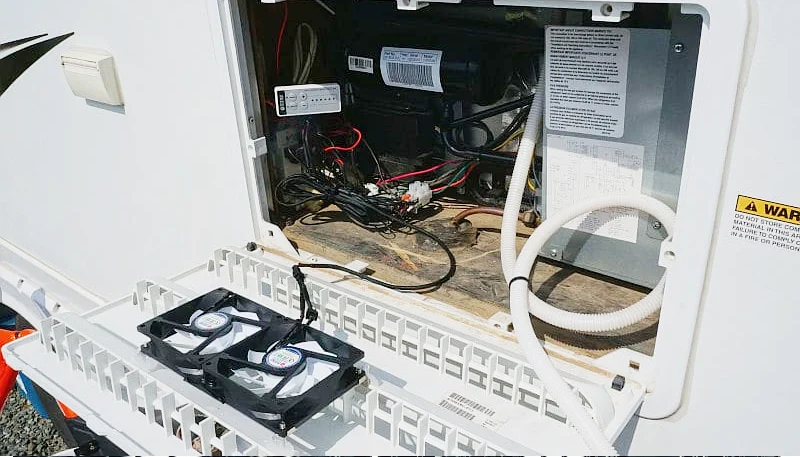
When your rv fridge fan not working becomes a problem, you want answers fast. Let’s walk through a simple troubleshooting checklist. You’ll find most rv fridge not working problems come down to a few common culprits. Grab a flashlight, a multimeter, and a screwdriver. You’re about to save your trip—and your groceries.
Check power and voltage
First, make sure your rv refrigerator has power. Sometimes, the issue is as simple as a loose plug or a drained battery. Here’s how you can check:
- Use a multimeter to test the voltage at the fridge’s power terminals. Your rv fridge fan should run on 12V or 24V DC. If you see less than 12V, your battery might be low.
- Inspect the wiring. Look for any frayed or loose cables. Good wiring ensures steady power for cooling.
- Check your battery’s charge level. If it’s low, recharge or replace it.
- Clean the connections. Corroded or dirty terminals can block power.
- Upgrade your cables or power supply if you notice frequent voltage drops.
Tip: A reliable power supply keeps your rv fridge ventilation system running smoothly and helps maintain proper airflow.
Inspect fuse and circuit breaker
If your fridge still won’t cool, check the fuse and circuit breaker next. Many rv refrigerators have a 10-amp fuse for the fan. Here’s what to look for:
- Blown 12-volt DC fuses often cause the rv fridge fan not working problem. Some RVs have indicator lights to show if a fuse is blown.
- Remove the fuse and inspect it visually. If the metal strip inside is broken, replace it.
- Check your circuit breaker panel for any tripped breakers. Reset them if needed.
- Unreliable shore power or faulty wiring can also cause power issues.
- Look at the wall outlet for signs of burning or arcing. Use a voltage tester to confirm the outlet is working.
- Examine the refrigerator’s power cord for any damage.
Note: Always use the correct fuse size. Most rv fridge fans use a 10-amp fuse. Using a larger fuse can damage your fan.
Examine wiring and connections
Loose or damaged wiring can stop your fridge fan from working. Take a close look at all the wires leading to your refrigerator and fan:
- Make sure all connectors are tight and free from corrosion.
- Look for exposed or damaged wires. Replace any that look worn out.
- If you spot melted insulation or burnt connectors, you may need a repair.
Pro Tip: Quality fans like the fanacdc Rv Fridge Fan use reinforced wiring and connectors to handle vibration and tough rv conditions.
Test fan motor and blades
If everything else checks out, the problem might be with the fan motor or blades. Here’s how you can test them:
- Try shorting across the terminals on snap switches with a wire or paper clip. If the fan starts, the switch may be faulty.
- Heat the thermostat with a hair dryer. If the fan kicks on, the thermostat works.
- Connect the fan directly to a 12-volt power source. If it runs, the wiring or control board may be the issue.
- Spin the fan blades by hand. If they feel stuck or gritty, clean them or remove any obstructions.
Did you know? The fanacdc Rv Fridge Fan is built for tough environments. It keeps cooling even when your rv hits bumpy roads or faces voltage dips.
By following this troubleshooting guide, you can quickly find out why your rv fridge fan is not working. Most problems are easy to fix, and you’ll get your refrigerator cooling again in no time.
Fixes for rv fridge fan not working
You’ve finished your troubleshooting. Now you’re ready to tackle the rv fridge fan not working problem head-on. Let’s break down the most common fixes so you can get your rv refrigerator cooling again and keep your trip on track.
Replace blown fuse
A blown fuse is one of the easiest repairs you can make. You don’t need fancy tools—just a little patience and the right replacement fuse. Here’s how you do it:
- Remove the black plastic cover from the circuit board behind your refrigerator.
- Find the fuses. You’ll see a 120 VAC 5A mini glass fuse and a mini 12VDC blade type automotive fuse.
- Check which fuse is blown. If the metal strip inside is broken, swap it out for a new one.
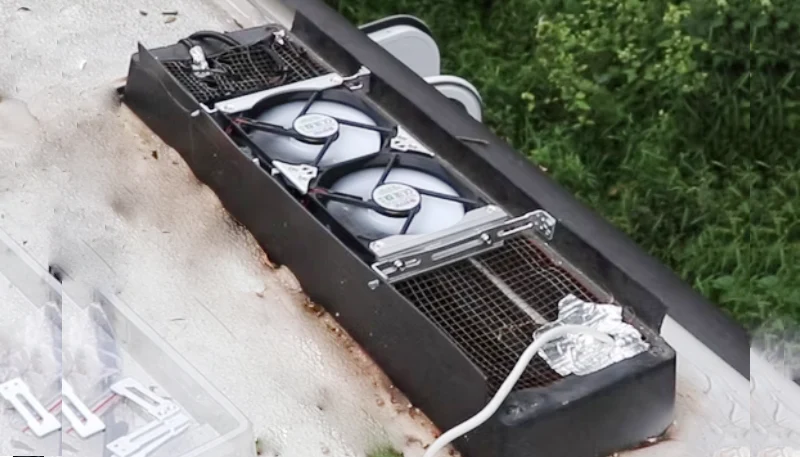
- If you’re adding extra fans, use a slightly larger wire and wire each fan separately from the bottom. Put each fan on its own fuse for easier troubleshooting later.
Safety Tip:
- Turn off all power sources before you start.
- Use insulated tools and wear safety gear.
- If you feel unsure, ask a qualified rv technician for help.
Secure or repair wiring
Loose or damaged wiring can cause your rv fridge not working problem. You want your refrigerator to run smoothly, so check all connections. Here’s what you need to do:
- Study the wiring schematics for your rv refrigerator. This helps you know where to connect any new fans.
- Use a volt-ohm meter to test connections and avoid electrical hazards.
- Splice into the main power source wires if you’re adding auxiliary fans.
- Check the current rating of the temperature sensor. Don’t overload it.
- Always add a fuse in front of any new device for safety.
| Tool | Purpose |
|---|---|
| Wire strippers and cutters | Prepare the wires |
| Heat shrink tubing or electrical tape | Insulate the connection |
| Soldering iron and solder | Create a strong, permanent bond |
| Crimp connectors and crimping tool | Use if soldering isn’t preferred |
| Multimeter | Test voltage and ensure proper connection |
If you secure your wiring, you’ll prevent future issues and keep your rv fridge ventilation system working at its best.
Clean or free fan blades
Sometimes, the rv fridge fan not working is simply because the blades are dirty or blocked. Cleaning them can restore airflow and cooling efficiency. Here’s how you do it:
- Turn off your refrigerator and unplug it.
- Remove the fan cover and inspect the blades.
- Wipe away dust, debris, or any sticky residue.
- Make sure nothing is blocking the ventilation system.
- Spin the blades by hand to check for smooth movement.
Regular cleaning keeps your rv refrigerator not cooling issues away. A clogged ventilation system can reduce airflow and force the fan to work harder, which leads to more repairs.
Replace faulty thermostat
A faulty thermostat can cause your rv fridge not cooling problem. You might notice the temperature rising while you’re parked or driving. Sometimes, the fridge doesn’t call for cooling even though the gas flame is burning. Switching between gas and 120V may fix it temporarily, but you need a permanent solution.
- Find the thermostat behind the refrigerator panel.
- Test it with a hair dryer or multimeter. If it doesn’t trigger the fan, replace it.
- Make sure the new thermostat matches your refrigerator’s specs.
If you fix the thermostat, your fridge will call for cooling when it needs it, keeping your food safe and drinks cold.
Install a new fanacdc Rv Fridge Fan
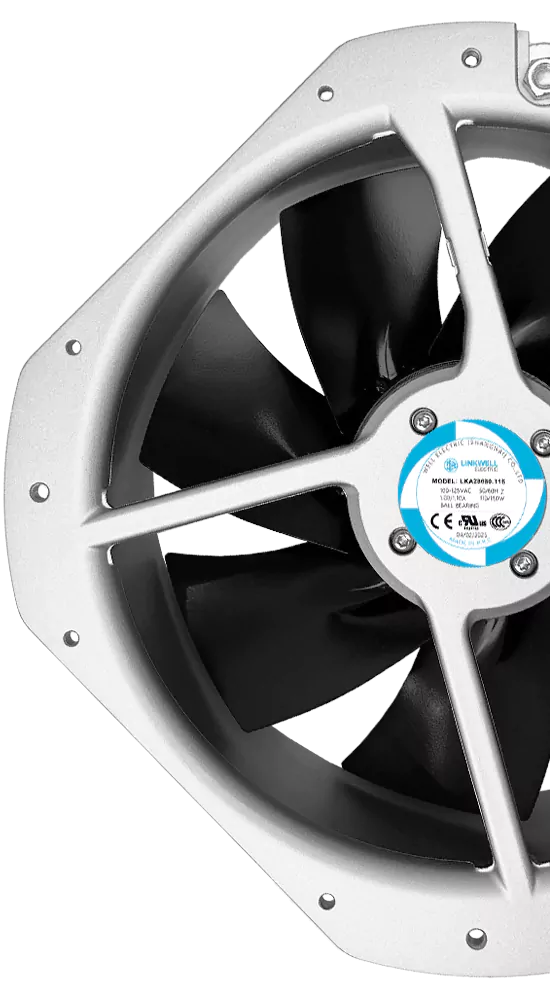
If your old fan keeps failing or you want a reliable upgrade, consider installing a new fanacdc Rv Fridge Fan. This fan is designed for rv refrigerators and tough environments. It runs on 12V or 24V DC, handles voltage dips, and keeps cooling even when your rv hits bumpy roads.
- The fanacdc Rv Fridge Fan features reinforced blades made from PA66 or aluminum alloy. It resists vibration and road shocks.
- Dual ball bearings give it a lifespan of 50,000 hours, so you won’t worry about frequent repairs.
- It offers IP54/IP68 protection, so humidity and corrosion won’t stop it.
- You can customize mounting patterns, airflow, and speed controls to fit your refrigerator.
- Installation is simple. Match the mounting holes, connect the wires, and secure the fan. You’ll enjoy quiet, efficient cooling and peace of mind.
If you want a long-lasting solution for rv fridge fan not working issues, the fanacdc Rv Fridge Fan is a smart choice. It keeps your refrigerator running smoothly and protects your food on every adventure.
You can fix most rv fridge fan not working problems with basic tools and a little know-how. Whether you’re replacing a fuse, securing wiring, cleaning blades, or upgrading your fan, you’ll keep your rv refrigerator cooling and your trip stress-free.
RV refrigerator troubleshooting and when to call a pro
You’ve tried all the basic rv refrigerator troubleshooting steps, but your fridge still isn’t working right. Sometimes, you need to know when to stop and call in a pro. Let’s look at the signs that tell you it’s time for expert help.
Signs of electrical issues
Electrical problems can be tricky in an rv. If you notice any of these, don’t try to fix them yourself. You could make things worse or even risk your safety. Here’s a quick guide:
| Problem | Possible Cause | Solution |
|---|---|---|
| Fridge not cooling | Power issue | Check electrical connection, circuit breakers, fuses |
| Fridge not efficient | Damaged seal | Inspect and replace seal if necessary |
If you see sparks, smell burning, or find melted wires, stop right away. These issues need a professional’s touch. You want your refrigerator to stay safe and reliable.
Persistent cooling problems
Some cooling issues just won’t go away, no matter how many troubleshooting steps you try. Here’s what you should check before calling for help:
- Make sure your rv is level. The fridge needs this for proper cooling.
- Inspect the door seals. They should be tight and free from cracks.
- Look at the vents. Good airflow keeps your refrigerator running cool.
- Try to open the fridge door less often.
- Clean the cooling fins and coils.
- Check that your fridge gets enough power.
- Defrost if you see ice buildup.
If your fridge still has problems after these steps, it’s time to call a technician. You might notice inconsistent temperature control, food not staying cold, or temperature swings that get worse. These signs mean the cooling unit or thermostat could be failing.
Tip: Don’t ignore temperature fluctuations. They can spoil your food and cause bigger issues.
Unusual noises or smells
Strange sounds or odd smells from your rv refrigerator are never good. Clicking, buzzing, or a burning odor means something’s wrong. If you hear or smell anything unusual, turn off the fridge and call a pro. You want to avoid damage or safety risks.
If you ever feel stuck, remember that fanacdc offers technical support and after-sales service. Their team can help you with troubleshooting, answer questions, and guide you through repairs. You don’t have to handle tough rv refrigerator issues alone.
Preventing rv refrigerator not cooling issues
Regular maintenance tips
You want your rv refrigerator to keep your food cold and your trip stress-free. Regular maintenance makes a big difference. Start by checking for blockages around the vent at the top and back of your refrigerator. Clear vents help air move freely and boost cooling. Make sure the vent fan works. If your rv does not have one, you might want to install a fan to improve airflow. Clean dust and debris from the coils and check for any signs of wear. Inspect the seals on your fridge door. Tight seals keep cold air inside and prevent cooling issues. Schedule routine maintenance before each trip to catch small problems early.
- Check for blockages around the refrigerator vent.
- Make sure the vent fan is running.
- Clean the coils and remove dust.
- Inspect fridge door seals for cracks or gaps.
- Add a fan if your rv does not have one.
Tip: Regular maintenance helps you avoid unexpected issues and keeps your rv fridge running strong.
Pre-trip checks for rv fridge fan
Before you hit the road, do a few quick checks to keep your rv refrigerator in top shape. Use a battery-operated fridge fan to boost air circulation inside the fridge. Place the fan facing upward for the best airflow. Don’t overpack your fridge. Leave space for air to move around your food. Test the fan before you leave to make sure it works. These simple steps help prevent cooling issues during your trip.
- Use a battery-powered fridge fan for better air movement.
- Position the fan facing up inside the refrigerator.
- Avoid stuffing the fridge full.
- Test the fan before your journey.
Note: A few minutes spent on pre-trip checks can save you from bigger maintenance headaches later.
Benefits of quality fans like fanacdc
Choosing a high-quality fan for your rv refrigerator pays off in the long run. The fanacdc Rv Fridge Fan stands out for its durability and smart design. It handles vibration, voltage dips, and tough road conditions. You get reliable cooling and fewer maintenance issues. The fanacdc model offers a long lifespan, so you won’t need to replace it often. It also resists humidity and corrosion, which means less worry about breakdowns. When you use a quality fan, you protect your refrigerator and enjoy peace of mind on every adventure.
Investing in a durable fan like fanacdc means less time fixing issues and more time enjoying your rv trips.
You made it through the guide! Now you know how to handle an RV fridge fan not working. You can fix most issues with a few tools and a little patience. When you keep your fridge fan running, you protect your food, drinks, and peace of mind on every trip.
Let’s recap what you learned:
- Check the basics first. Always look at power, fuses, and wiring before you dig deeper.
- Clean and inspect the fan. Dust and debris can stop airflow and cause bigger problems.
- Replace faulty parts. Don’t wait if you find a bad thermostat or a worn-out fan.
- Upgrade to a reliable fan. The fanacdc RV Fridge Fan gives you long-lasting performance, even on rough roads.
- Do regular maintenance. Quick checks before each trip help you avoid surprises.
Tip: Keep a small toolkit and spare fuses in your RV. You’ll save time and avoid stress if something goes wrong on the road.
If you ever feel stuck, don’t hesitate to reach out for help. Sometimes, a professional can spot issues you might miss. The fanacdc team also offers technical support and after-sales service, so you’re never alone.
You want your RV fridge to work every time you hit the road. With these simple steps, you can fix most problems yourself. You’ll spend less time worrying and more time enjoying your adventure.
Ready for your next trip? Check your fridge fan, pack your gear, and hit the road with confidence. Safe travels and happy camping!
You now have the tools to fix most rv fridge fan issues yourself. Start with simple checks, swap out fuses, clean the blades, and secure wiring. Keep a small kit of spare parts in your rv for quick repairs. If you want extra peace of mind, consider upgrading to a fanacdc RV Fridge Fan. Take a look at what you gain:
| Benefit | What It Means for Your RV |
|---|---|
| Enhanced Air Circulation | Even cooling, no hot spots in your rv fridge |
| Overheating Prevention | Less risk of compressor failure on your rv trips |
| Improved Efficiency | Lower energy use, perfect for off-grid rv travel |
With these easy steps, you can keep your rv adventures cool and stress-free.
FAQ
How often should I check my RV fridge fan?
You should check your fan before every trip. Give it a quick test to make sure it spins and sounds normal. Regular checks help you catch problems early and keep your fridge running cool.
Can I install the fanacdc RV Fridge Fan myself?
Yes, you can! The fanacdc RV Fridge Fan comes with clear instructions. You just match the mounting holes, connect the wires, and secure the fan. Most RV owners finish the job in less than 30 minutes.
What tools do I need for basic RV fridge fan repairs?
You need a screwdriver, a multimeter, and some wire strippers. Keep spare fuses and electrical tape handy. These simple tools cover most repairs and help you fix common issues on the road.
Why does my RV fridge fan make noise?
A noisy fan usually means dust, debris, or a loose blade. Turn off your fridge, clean the blades, and check for anything stuck. If the noise continues, the motor might need replacing.
Where can I get help if I have trouble with my fanacdc fan?
You can reach out to the fanacdc support team. They offer technical help and after-sales service. Visit fanacdc.com for contact details and more support options.