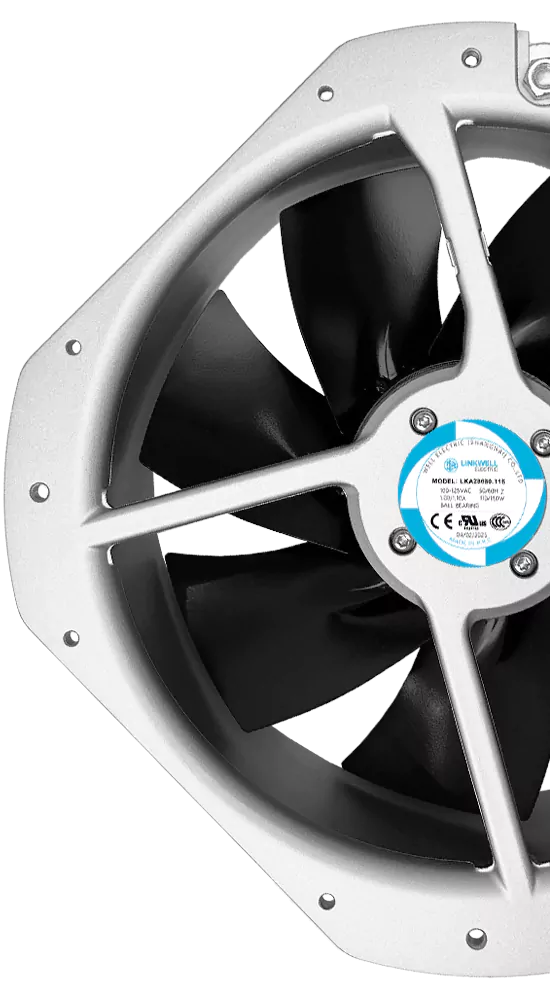
Ever wondered why your equipment overheats or needs constant repairs? Choosing between static pressure and airflow fans can make all the difference. Static pressure fans work best for radiators, filters, or tight spaces. Airflow fans shine in open areas with fewer obstructions.
Recent studies show that picking the wrong fan type can shorten your system’s lifespan and lead to costly failures. The right choice keeps your setup cool and running smoothly. Static Pressure vs Airflow Fans isn’t just about specs—it’s about protecting your investment.
Core Insights
- Understand the difference: Airflow fans move air quickly in open spaces, while static pressure fans push air through obstacles like filters and radiators.
- Choose the right fan for your setup: Use airflow fans for open areas and static pressure fans for tight spaces with barriers.
- Assess your cooling needs: Calculate heat load and check for airflow paths to determine the best fan type for your system.
- Consider noise and energy efficiency: Look for fans that balance performance with low noise levels and energy savings.
- Utilize resources: Visit fanacdc.com for expert guidance, checklists, and product specifications to find the perfect fan for your cooling needs.
Static Pressure vs Airflow Fans: The Basics
What Is Airflow?
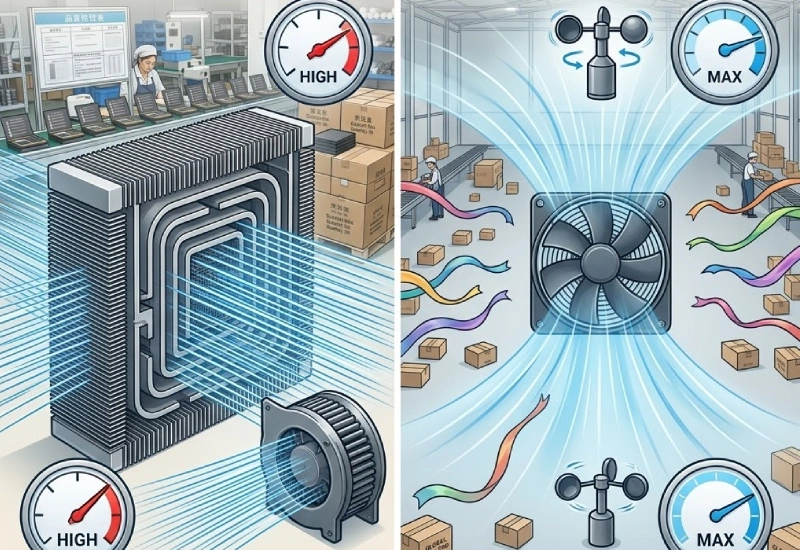
When you think about airflow, picture how much air a fan can move in a certain amount of time. In the world of cooling, airflow is usually measured in cubic feet per minute (CFM). The higher the CFM, the more air the fan pushes through your space. This matters most when you want to keep open areas cool, like inside a computer case with few obstacles or in a room that needs fresh air. If you need to move a lot of air quickly, you want a fan that’s optimized for airflow. These fans work best when there’s nothing blocking the path, so the air can flow freely.
Tip: If your setup is wide open, like a case with lots of vents, airflow fans are your best friend.
Here’s a quick look at how airflow compares to static pressure:
| Concept | Definition | Measurement Units | Example |
|---|---|---|---|
| Airflow | Volume of air moved by a fan | CFM (cubic feet/minute) | High airflow means more air in open spaces |
| Static Pressure | Resistance the fan must overcome | Pa or mmH₂O | Needed for pushing air through obstacles |
What Is Static Pressure?
Static pressure is all about how well a fan can push air through things that get in the way—like dust filters, radiators, or tight spaces. It’s measured in units like millimeters of water (mmH₂O) or Pascals (Pa). If your system has lots of barriers, you need a fan that can handle high static pressure. These fans are designed to keep air moving even when it has to squeeze through small gaps or push past filters. For example, if you use a radiator in your PC or have a filter in your HVAC system, static pressure fans make sure cool air still gets where it needs to go.
Note: Static pressure and airflow have an inverse relationship. When a fan faces more resistance, airflow drops, but static pressure rises. If there’s no resistance, you get maximum airflow and zero static pressure.
You’ll find that Static Pressure vs Airflow Fans is a key decision for any cooling setup. Airflow-optimized fans often deliver over 100 CFM in open environments, while static pressure fans can reach around 3.0 inH₂O (about 7.5 mmH₂O) for tough jobs. At fanacdc, you can choose from both types—so you always get the right fan for your needs.
Key Differences in Fan Design
Blade and Frame Structure
When you look at fans, you’ll notice that not all blades and frames are created equal. The way a fan’s blades and frame are designed has a huge impact on how it performs. Static pressure fans usually have blades that are steeper and closer together. This design helps them push air through tight spaces, like radiators or filters. The frame often includes a shroud, which channels the airflow and keeps it focused.
Airflow fans, on the other hand, have wider, more open blades. These blades move a lot of air in open spaces where there’s little resistance. The frame is less restrictive, which lets air flow freely. Both types of fans have some level of airflow and static pressure, but their designs optimize one feature over the other.
Here’s a quick comparison to help you see the differences:
| Feature | Airflow Fan | Static Pressure Fan |
|---|---|---|
| Purpose | Move air in open spaces | Push air through obstacles |
| Best Use Cases | Open cases, general ventilation | Radiators, filters, tight spaces |
| Measurement Focus | Airflow (CFM) | Static Pressure (mmH₂O or Pa) |
| Typical Applications | Electronics cooling, room fans | HVAC, PC radiators, dust filters |
Note: The blade angle, spacing, and frame shape all play a role in how well a fan moves air. Steeper blades and tighter spacing boost static pressure, while open blades and frames maximize airflow.
You can see these design choices in fanacdc’s lineup. The DC Fan series focuses on efficient airflow for electronics and automation. The Centrifugal Fan stands out for its ability to generate high static pressure, making it perfect for HVAC and filtration systems.
Performance and Noise
Performance isn’t just about how much air a fan moves. It’s also about how well it handles resistance and how much noise it makes. Static pressure fans keep airflow steady even when pushing against filters or radiators. Their tight blade design and shrouded frames help reduce turbulence, which can also lower noise in restricted spaces.
Airflow fans excel in open environments. They move large volumes of air with less effort, which often means quieter operation when there’s little resistance. The shape and pitch of the blades matter here, too. A well-designed blade can move more air with less noise.
When you compare Static Pressure vs Airflow Fans, remember that every fan balances both traits. The right design for your system depends on what you need—steady airflow through obstacles or maximum air movement in open areas.
Static Pressure vs Airflow Fans: Applications
Choosing between static pressure and airflow fans often comes down to where and how you plan to use them. Each type shines in different situations. Let’s break down when you should reach for each fan and how fanacdc’s product lines fit into your setup.
When to Use Static Pressure Fans
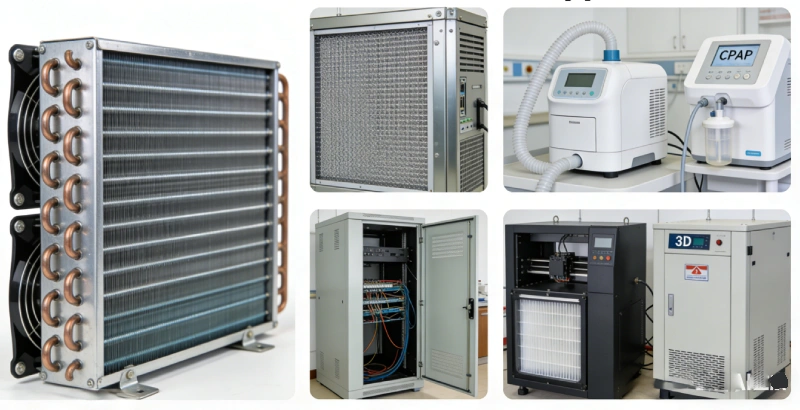
You want static pressure fans when your system has obstacles that block or slow down the air. These fans push air through tight spaces, dense fins, or filters. If you have a radiator, heatsink, or a control cabinet packed with components, static pressure fans keep things cool and steady.
Here are some common scenarios where static pressure fans work best:
- Radiators in liquid cooling systems
- Heatsinks with dense fins
- Air filters in HVAC or electronics enclosures
- Control cabinets with restricted airflow
- Medical devices like CPAP machines
- 3D printer enclosures with filters
- Industrial processes with high resistance
Check out this table for a quick overview of where static pressure fans excel:
| Application Type | Description |
|---|---|
| HVAC | Delivers high-pressure airflow for ventilation and filtration systems. |
| Electronics Cooling | Moves air through crowded server racks and dense components. |
| Medical Devices | Maintains constant pressure in devices like CPAP machines. |
| 3D Printers | Handles heat and fumes in enclosures with filters. |
| Industrial Applications | Overcomes resistance in drying, pneumatic conveying, and other processes. |
Static pressure fans offer several benefits in these situations:
- They maintain airflow even when pushing against filters or radiators.
- Their design helps keep temperatures stable in challenging conditions.
- They often run quieter under load, thanks to specialized bearings and reduced turbulence.
- They excel at moving air through cramped spaces and dense fins.
Fanacdc’s Centrifugal Fan stands out for high static pressure needs. It generates strong force, making it perfect for HVAC, industrial drying, and filtration systems. The DC Fan series also handles moderate static pressure, ideal for electronics cooling and control cabinets.
Here’s how fanacdc products compare for static pressure:
| Fan Type | Unique Features | Static Pressure Capability | Ideal Applications |
|---|---|---|---|
| Centrifugal Fans | High static pressure, robust | Very High | HVAC, industrial, filtration, tight spaces |
| DC Fans | Precise speed control | Moderate | Electronics, control cabinets, automation |
| AC Fans | Simple, robust operation | Moderate | General ventilation, moderate resistance |
When to Use Airflow Fans
Airflow fans shine in open environments where air can move freely. If your system has few obstructions, these fans deliver a steady breeze that keeps everything cool. You’ll want airflow fans for open cabinet ventilation, server racks with open airflow, or equipment cooling without filters or dense components.
Typical use cases for airflow fans include:
- Open computer cases with lots of vents
- Server racks with clear airflow paths
- Equipment cooling where nothing blocks the fan
- General electronics ventilation
- Rooms or enclosures that need fresh air circulation
Note: If your setup looks wide open and you don’t see filters or tight channels, airflow fans will move more air with less effort.
Airflow fans bring several advantages in these situations:
- They reduce energy use, sometimes cutting power consumption by up to 70%.
- They help keep systems clean by moving dust out of open spaces.
- They extend component life by reducing wear and tear.
- They lower maintenance needs and minimize downtime.
Fanacdc’s DC Fan and AC Fans both offer strong airflow for open environments. The DC Fan series provides precise speed control and quiet operation, making it great for electronics and automation. AC Fans deliver robust, reliable airflow for industrial and commercial spaces.
Here’s a quick look at how fanacdc products fit airflow needs:
| Device | Pressure Ratio | Efficiency Range | Power Consumption | Suitable Applications |
|---|---|---|---|---|
| Fan (DC/AC) | Up to 1.11 | 60% – 80% | Lower | General ventilation, electronics cooling |
| Centrifugal Blower | 1.11 – 1.2 | 40% – 70% | Higher | Industrial processes, pneumatic conveying |
When you compare Static Pressure vs Airflow Fans, think about your system’s layout. If you see filters, radiators, or tight spaces, static pressure fans are your best bet. If your setup is open and needs lots of air movement, airflow fans will do the job. Fanacdc offers both types, so you can match the right fan to your cooling challenge.
Choosing the Right Fan for Your System
Assessing Your Cooling Needs
Picking the right fan starts with understanding what your system really needs. You want to avoid common mistakes, like ignoring the difference between static pressure and airflow fans or forgetting to check your case for space limits. Here’s a simple step-by-step guide to help you make the best choice:
- Define Your Cooling Goal
Figure out what you need to cool and why. Is it a control cabinet, a server rack, or a 3D printer enclosure? - Estimate Heat Load
Add up the power used by all components. This tells you how much heat your fan must remove. - Check Airflow Path
Look for filters, radiators, or tight spaces. If air has to squeeze through obstacles, you’ll need a fan with higher static pressure. - Calculate Required Airflow
Use your heat load to figure out how much air you need to move. Add a little extra for safety. - Review System Impedance
Think about how much resistance your system creates. More resistance means you need more static pressure. - Match Fan Type to Needs
If your system is open, go for an airflow fan. If you see lots of barriers, pick a static pressure fan. - Compare Fan Performance Curves
Check the fan’s specs to see if it can handle your system’s needs. Fanacdc’s product pages make this easy. - Consider Reliability and Environment
Look at the fan’s life expectancy and make sure it fits your workspace, especially if you deal with high temperatures or humidity. - Test and Verify
After installing, run a test to make sure everything stays cool.
Tip: Many systems need a balance between airflow and pressure. Sometimes, you’ll want a fan that offers both.
Balancing Noise, Budget, and Performance
You want your system cool, but you also care about noise and cost. Here are some things to keep in mind:
- Noise Levels:
Fans running at high speed can get loud. If you work in a quiet space, look for fans with lower decibel ratings. - Energy Efficiency:
Efficient fans save money on power bills. Fanacdc’s DC and EC fans are great for this. - Reliability:
Check the warranty and expected lifetime. Longer-lasting fans mean fewer replacements. - Installation Fit:
Measure your space before you buy. A fan that doesn’t fit won’t cool anything. - Budget:
Weigh the upfront cost against long-term savings. Sometimes, a pricier fan pays off with lower energy use and fewer breakdowns.
Here’s a quick table to help you compare what matters most:
| Factor | Influence on Selection |
|---|---|
| Power Requirements | Efficient control keeps energy use low |
| Budget Constraints | Weigh initial costs against long-term savings |
| Precision Needs | Smart controls help you fine-tune cooling and noise levels |
| Noise & Reliability | Choose quiet, durable fans for sensitive environments |
| Installation Complexity | Simple methods for basics, advanced for complex systems |
When you compare Static Pressure vs Airflow Fans, always check the specs and think about your real-world setup. Fanacdc’s detailed product information helps you make a smart, confident choice.
You’ve learned that airflow measures how much air a fan moves, while static pressure shows its power to push air through obstacles. Choosing the right fan depends on your setup—open spaces need airflow fans, tight spots need static pressure fans. Noise control matters, too. Want help? Fanacdc offers checklists, technical support, and customization. Take action now—visit fanacdc for expert guidance and find your perfect cooling solution.
FAQ
How do I read a fan performance curve?
You look for two lines: airflow (CFM) and static pressure (mmH₂O or Pa). The curve shows how airflow drops as static pressure rises. The operating point is where your system’s resistance meets the fan’s capability. Engineers use this to match fans to cooling needs.
What’s the difference between static pressure and airflow in DC cooling fans?
DC cooling fans offer both airflow and static pressure. You use airflow fans for open spaces. You pick static pressure fans for tight spots or filters. DC fans work well in electronics, telecom, servers, and industrial control. You get speed control and high efficiency.
Why does fan selection matter for my system?
You want the right fan to keep your equipment cool and reliable. If you choose wrong, your system may overheat or fail. Matching airflow and static pressure to your setup helps you avoid downtime and costly repairs.
Can I control the speed and noise of DC fans?
Yes! DC fans let you adjust speed using PWM or voltage control. You can lower noise for quiet environments or boost airflow when you need extra cooling. This flexibility makes DC fans ideal for sensitive electronics.
Where do I find fanacdc’s performance specs?
You can visit fanacdc for detailed specs, performance curves, and application guides. You’ll see airflow, static pressure, and noise ratings for each fan. This helps you pick the best option for your project.
Conclusion
Choosing between static pressure and airflow fans protects your equipment and investment. Use static pressure fans for tight spaces with filters or radiators.
Choose airflow fans for open areas needing maximum air movement. Assess your system’s layout, calculate heat load, and check resistance. For expert guidance and reliable cooling solutions, visit fanacdc to find your perfect match.