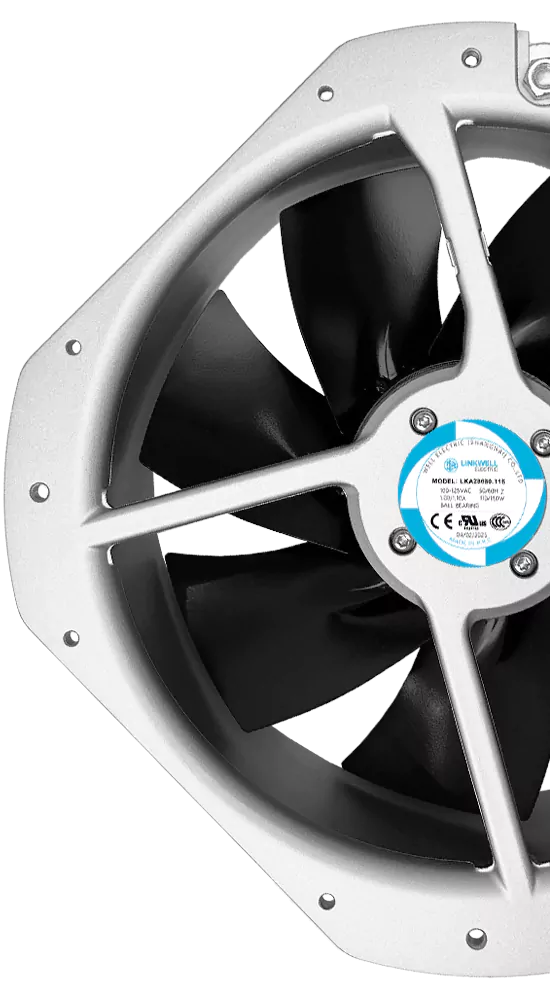
You know how crucial it is to keep your industrial centrifugal fans running smoothly. If you skip regular checks, you risk heat buildup, toxic gases, or even dust explosions. Following a 5-step troubleshooting guide for centrifugal blower fans protects both equipment and people. Trust fanacdc’s quality and always follow safety measures.
Key Takeaways
- Regularly check for airflow obstructions to prevent overheating and maintain efficiency. Clear blockages like dust or small objects to ensure smooth operation.
- Inspect and clean the inlet and outlet of your centrifugal fan often. Keeping these areas clear supports optimal airflow and prevents system failures.
- Verify electrical connections and check voltage levels to avoid performance drops. Loose wires or incorrect voltage can lead to overheating and inefficiency.
5-Step Troubleshooting Guide for Centrifugal Blower Fans
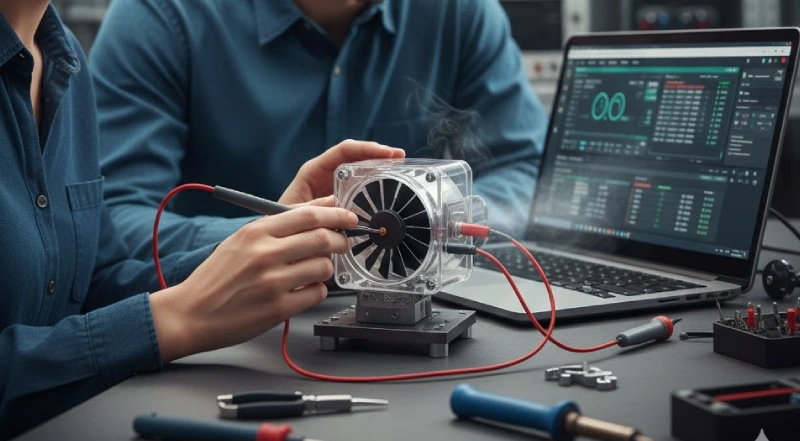
A systematic approach to troubleshooting keeps your industrial centrifugal fans running at their best. You want to avoid downtime and keep your operations safe. That’s why fanacdc’s centrifugal fan stands out as a high-performance solution for demanding environments. When you follow proven troubleshooting methods, you boost efficiency and extend the life of your equipment.
Check for Airflow Obstructions
Start your troubleshooting by looking for anything that blocks airflow. Airflow and ventilation problems often begin with simple blockages. Dust, lint, or even small objects can get stuck in the ducts. These blockages raise static pressure and force your centrifugal fan to work harder. That can lead to overheating, mechanical strain, and reduced operational efficiency. If you notice insufficient airflow or a drop in performance, check for debris right away. Regular centrifugal fan maintenance helps prevent these issues and keeps your airflow needs covered.
Tip: Always wear safety goggles and gloves when inspecting your fan. Make sure you follow all safety guidelines and never tamper with safety switches or guards.
Inspect and Clean Inlet/Outlet
Next, inspect the inlet and outlet for any signs of buildup. Good centrifugal fan maintenance means checking these areas often. Clean away dust or foreign objects to restore optimal performance. Poor airflow and ventilation can cause your system to overheat or fail. By keeping the inlet and outlet clear, you support both efficiency and safety. Regular maintenance strategies like these help you avoid bigger issues down the line and keep your industrial centrifugal fans working smoothly.
Remember, proper centrifugal fan maintenance and troubleshooting strategies are key to reliable performance and long-term efficiency.
Troubleshooting Motor Load and Power Supply
Verify Electrical Connections
When you face performance issues with your centrifugal blower fan, start with a careful inspection of the electrical connections. Loose wires or poor contacts can cause drops in airflow and even lead to overheating. Always turn off the power before you begin any inspection. Look for signs of wear, corrosion, or burnt marks on terminals. Secure all connections tightly to maintain efficiency and prevent unexpected shutdowns.
You should also check the voltage supplied to your centrifugal fan. Using the right voltage keeps your fan running at peak performance and protects it from damage. Here’s a quick reference for standard voltage ranges in industrial centrifugal blower fans:
| Voltage Range |
|---|
| 115V |
| 230V |
| 400V |
If the voltage falls outside these ranges, you might see reduced airflow or even overheating of the fan motor. Regular inspection of your power supply helps you catch these issues early.
Assess Motor Overload
Motor overload is a common cause of performance drops in centrifugal fans. When the motor works too hard, it can overheat and reduce efficiency. You might notice strange noises, vibration, or a sudden decrease in airflow. These are signs that the motor is under stress.
To prevent overheating, check the motor’s load during maintenance. If you spot any warning signs, stop the fan and let it cool down. Overheating can damage internal parts and shorten the life of your centrifugal fan. Regular inspection and maintenance keep your system running smoothly and help you avoid costly repairs. By staying alert to these issues, you protect both performance and efficiency.
Performance Check: Bearings and Lubrication
Listen for Noise or Vibration
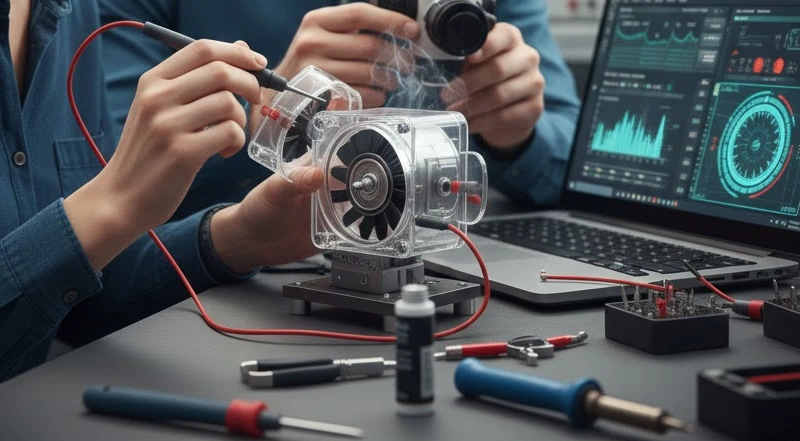
You want your industrial centrifugal fans to deliver top performance every day. Strange noises or extra vibration often signal trouble with the bearings. When you hear a grinding sound or feel the fan shaking, you might have bearing issues. Higher vibration levels and rapidly rising temperatures can mean the bearing rings are about to fail. If you ignore these signs, you risk complete fan failure and a drop in airflow. Sometimes, metal-on-metal contact happens because of poor lubrication, which can damage the shaft and housing. Always pay attention to these warning signs to keep your centrifugal fan running at optimal performance.
Tip: Use a handheld vibration meter to check for changes in vibration. This simple tool helps you spot problems before they get worse.
Inspect and Lubricate Bearings
Sealed bearings play a big role in the durability of fanacdc centrifugal fans. These bearings protect against dust, dirt, and moisture, which means less maintenance and a longer lifespan. This design works especially well in HVAC and other demanding environments where airflow and efficiency matter most.
When you inspect your centrifugal fan, look for signs of contamination or misalignment. Stick to a regular maintenance schedule for cleaning and lubrication. Many experts recommend lubricating bearings as often as twice a week. This routine helps prevent issues and keeps your airflow steady. Regular maintenance supports efficiency and ensures your industrial centrifugal fans always deliver optimal performance.
- Benefits of sealed bearings:
- Better protection from contaminants
- Longer lifespan
- Reduced maintenance needs
By focusing on cleaning and lubrication, you boost the performance and efficiency of your centrifugal blower fans. You also avoid costly repairs and keep your system running smoothly.
Industrial Centrifugal Fans: Impeller and Alignment
Inspect Impeller Condition
You want your industrial centrifugal fans to deliver reliable airflow and top performance every day. The impeller sits at the heart of your centrifugal fan. If it gets out of balance, you will notice problems fast. Excessive vibration, strange noises, and even reduced airflow can all point to impeller issues. These problems hurt efficiency and can lead to costly repairs.
Here’s a quick look at what happens when the impeller loses balance:
| Impact Type | Description |
|---|---|
| Excessive Vibration | Increased mechanical noise and cyclic forces on bearings and housing. |
| Noise | Rattling, buzzing, or humming that gets worse as speed increases. |
| Bearing Failure | Faster wear and early failure from extra radial forces. |
| Structural Damage | Cracks and loose fasteners in mounting structures over time. |
| Reduced Airflow Efficiency | Blades may stall more often, lowering pressure and airflow delivery. |
fanacdc’s aerodynamic impeller design helps you avoid these issues. Optimized blade engineering keeps airflow balanced and vibration low. Strong structural integrity supports continuous operation and stable airflow, even in tough conditions.
Check Alignment and Mounting
Proper alignment is key for optimal performance. If your centrifugal fan’s motor and impeller alignment is off, you get more friction and higher temperatures. This can break down lubricants and damage bearings. Misalignment also causes vibration, which can lead to equipment failure and lower efficiency.
During maintenance, always check the mounting and alignment. Tighten loose bolts and make sure everything lines up. This simple step keeps your centrifugal blower fans running smoothly and helps you avoid unexpected downtime. Regular maintenance and careful checks protect your airflow, efficiency, and overall performance.
Ensuring Optimal Performance: Drive and Environment
Review Belt Tension and Pulley Alignment
You want your industrial centrifugal fans to deliver consistent airflow and top efficiency. Start by checking the belt tension and pulley alignment. Loose belts or misaligned pulleys can cause vibration, noise, and even reduce the lifespan of your centrifugal blower fans. When pulleys don’t line up, you get extra wear and tear. Here’s what can happen if you skip this step:
- Misalignment leads to excessive vibration and operational failures.
- Weak foundations or worn pulleys increase vibration and shorten fan life.
- Poor maintenance routines allow misalignment to go unnoticed, causing more issues.
Set up a regular maintenance schedule for drive components. Clean blades and housing, lubricate bearings, and inspect belts and pulleys. Tighten fasteners and check for cracks. Keep records of your maintenance activities so you can spot problems early and keep your airflow steady.
Confirm Environmental Conditions
Your industrial centrifugal fans face tough environments every day. Corrosive fumes, high temperatures, and abrasive dust can all affect performance and efficiency. Take a look at how these factors impact your centrifugal fan:
| Environmental Factor | Impact on Performance |
|---|---|
| Corrosive fumes | Standard materials may corrode quickly. |
| High temperatures | Shortens bearing and motor life. |
| Abrasive dust | Causes erosion of fan components. |
| Air density | Hot or high-altitude environments lower fan performance. |
fanacdc’s centrifugal fans stand up to these challenges. Their reinforced designs protect against dust and moisture. Materials resist salt spray and corrosion. You get wide-temperature capability and extended lifespan components, which means reliable airflow and optimal performance even in harsh conditions.
Tip: Always monitor temperature and seals in your environment. Quick checks help you catch issues before they affect efficiency or airflow.
Regular maintenance and environmental checks keep your centrifugal fans running smoothly. You protect performance, boost efficiency, and avoid unexpected downtime.
FAQ
What are centrifugal blower fans used for?
Centrifugal blower fans are used in applications requiring high static pressure, such as electrical enclosures, HVAC systems, dust extraction, and industrial ventilation, where airflow must overcome resistance from filters, ducts, or compact equipment layouts.
How do centrifugal blower fans differ from axial fans?
Unlike axial fans that move air in a straight line, centrifugal blower fans redirect airflow at a 90-degree angle, allowing them to generate higher pressure and perform better in ducted or restricted airflow environments.
Which motor types are available for centrifugal blower fans?
Centrifugal blower fans are commonly available with AC, DC, or EC motors. AC motors suit standard industrial use, DC motors offer precise speed control, and EC motors provide energy-efficient operation with intelligent control capabilities.
How do I select the right centrifugal blower fan for my application?
Selection depends on required airflow, static pressure, noise limits, operating voltage, installation space, and environmental conditions. Evaluating system resistance and duty cycle ensures the blower delivers stable performance and long service life.
Are centrifugal blower fans suitable for continuous operation?
Yes, centrifugal blower fans are designed for continuous-duty operation when properly selected. Industrial-grade models feature durable bearings, efficient motor cooling, and balanced impellers to ensure reliability in long-term, high-demand applications.
Conclusion
You’ve seen how a step-by-step approach makes troubleshooting industrial centrifugal fans much easier. When you follow a systematic guide, you spot early signs of trouble and prevent overheating. You also extend the life of your equipment and keep your operations safe.
Here’s what regular maintenance can do for you:
- Catch cracks or corrosion in the fan housing before they become big problems.
- Find damaged or bent blades that could hurt performance.
- Keep belts and pulleys tight and in good shape.
- Clean the fan inlet and outlet so air flows freely.
- Make sure electrical connections stay tight and rust-free.
- Lubricate bearings for smooth, quiet operation.
- Use vibration checks to catch issues early.
When you stay proactive, you save money in the long run. Balancing your fan and keeping up with maintenance lowers your costs, prevents breakdowns, and boosts energy efficiency. You get more years out of your equipment and avoid expensive repairs.
Industry benchmarks show that airflow and static pressure matter most for performance. Always look for fans that meet ANSI/AMCA standards. These standards help you get the best efficiency from your industrial centrifugal fans.
If you want reliable performance and long-term savings, stick to regular maintenance and troubleshooting. If you ever feel unsure or face a tough problem, reach out to a professional or consider a high-quality solution like fanacdc’s centrifugal fans. You’ll keep your system running strong and your workplace safe.
You get the best results when you follow a clear troubleshooting guide and keep up with regular maintenance. High-quality centrifugal fans boost your plant’s efficiency in many ways:
| Benefit | Description |
|---|---|
| Efficient Airflow Management | Stable airflow supports your industrial processes. |
| Energy Consumption Reduction | Up to 85% efficiency lowers your costs. |
| Minimal Maintenance | Durable fans mean less downtime and more productivity. |
If you spot serious issues like cracked blades or bent shafts, call a professional. For reliable performance, choose fanacdc’s centrifugal fans.