You probably plug your devices in every day without thinking about it, but the standard household voltage in the United States is 120 volts at 60 Hz. Most homes rely on 120V outlets for everyday needs, while 240V is also supplied for high-power appliances. The usa voltage system started in the late 19th century, shaped by the War of Currents and later set by NEMA in the 1920s for safety and convenience.
| Year/Period | Event Description |
|---|---|
| Late 19th Century | The War of Currents between DC and AC systems occurs, with AC ultimately prevailing due to its efficiency in long-distance transmission. |
| 1920s | The National Electrical Manufacturers Association (NEMA) establishes 120V as the standard voltage, influenced by safety, convenience, and practicality. |
Knowing the us voltage is important if you want to use appliances safely, travel internationally, or work with industrial equipment. Most countries use higher voltages, but the standard household voltage here helps protect you from electrical hazards.
- The U.S. and Canada use a supply voltage of 120 volts ± 6%.
- Most of the world operates on 230V, which is more efficient for energy transmission.
Key Takeaways
- The standard household voltage in the U.S. is 120 volts at 60 Hz, which is safe for everyday appliances.
- For high-power appliances like dryers and ovens, 240 volts is used to ensure efficiency and performance.
- Always check the voltage and frequency of foreign devices before plugging them in to avoid damage.
- Using certified voltage adaptation products, like step down transformers, ensures safety and reliability for your appliances.
- Regular maintenance of electrical systems helps prevent hazards and extends the life of your equipment.
Understanding US Voltage Standards
120V and 240V Systems
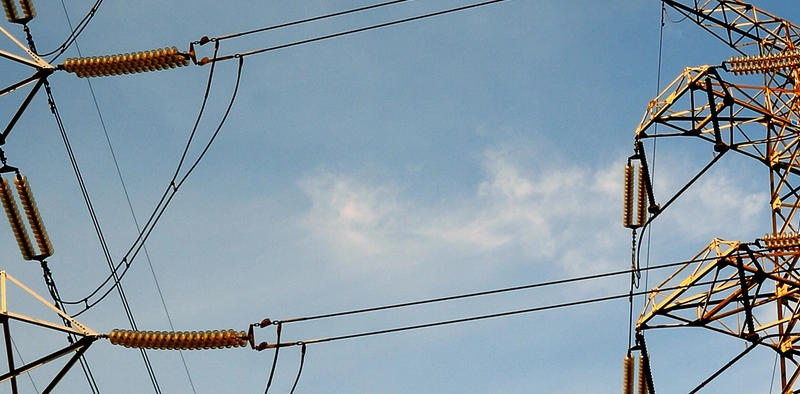
When you look at the electrical service in your home, you’ll notice two main voltage levels: 120V and 240V. The usa voltage system started with 120V because it was safer for everyday use. Thomas Edison and other early inventors wanted to reduce the risk of electrocution, especially in places like kitchens and bathrooms. Over time, the country kept this standard for most homes.
But why do you sometimes see 240 volts in the United States? The answer is simple. Some appliances need more power. Think about electric dryers, ovens, or air conditioners. These machines use a lot of energy, so they need a higher voltage to work efficiently. That’s where 240 volts comes in.
Let’s break down the main differences between these two systems:
| Aspect | 120V Systems | 240V Systems |
|---|---|---|
| Safety | Lower risk of damaging devices if plugged incorrectly; commonly used with low-power equipment and small AC fans | Higher risk of severe damage if misused; typically used with high-power AC fans and industrial centrifugal fans |
| Appliance Use | Powers small devices like lights, chargers, and compact cooling fans (AC axial fans, DC fans with adapters) | Required for larger appliances like dryers, HVAC systems, and high-capacity ventilation using AC or EC centrifugal fans |
| Efficiency | Less efficient for high-power devices; suitable for low to medium airflow fans (AC/DC fans) | More efficient for high-demand applications; ideal for large AC fans, EC fans, and centrifugal fans requiring higher airflow and pressure |
You use 120V for most lights, TVs, and phone chargers. You use 240V for big appliances that need more power. In industrial settings, 240V is common for heavy-duty machines and HVAC systems. This mix helps balance safety and efficiency in both homes and factories.
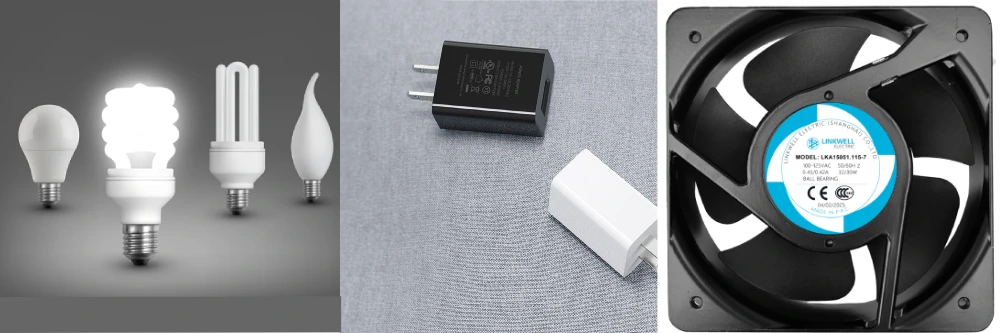
Here’s a quick look at where you’ll find each voltage:
Voltage Common Applications in Residential Settings Common Applications in Industrial Settings 120V Lighting, small appliances, bathroom/kitchen ventilation fans, compact AC axial fans, DC fans (via power supply) Not common, but used in control panels, telecom cabinets, and small enclosure cooling with AC or DC fans 240V Large appliances (dryers, ranges), central HVAC systems, whole-house ventilation fans Heavy-duty machinery, HVAC systems, large ventilation systems, industrial cooling using AC axial fans, EC fans, and centrifugal fans Tip: If you ever plan to upgrade your electrical service or add new appliances, check if you need a 120V or 240V outlet. This step keeps your home safe and your devices running smoothly.
Frequency and Outlet Types
The usa voltage system doesn’t just stop at voltage. Frequency matters, too. In the United States, the standard frequency is 60Hz. This means the electrical current changes direction 60 times per second. Most other countries use 50Hz. Why does this matter? If you bring a device from another country, it might not work right. Motors, fans, and clocks can run slower or even overheat if the frequency doesn’t match.
You’ll also notice that the outlets in the U.S. look different from those in other countries. The most common types are Type A and Type B. Type A has two flat slots. Type B has two flat slots and a round grounding pin for extra safety. These outlets are designed for the standard us voltage of 120V.
Here’s a quick comparison:
| Country/Region | Standard Outlet Types | Voltage (V) | Frequency (Hz) |
|---|---|---|---|
| United States | NEMA 5-15, NEMA 5-20 | 120 | 60 |
| Other Countries | Type C, E, G | 220-240 | 50-60 |
- In the U.S., you’ll find Type A and Type B outlets almost everywhere.
- Type A has two parallel flat slots.
- Type B adds a grounding hole for extra protection.
- Other countries use different outlets, which often support higher voltages.
Why do these standards matter for you? They keep your home safe and your appliances working as they should. Using the right electrical service prevents overheating and electrical fires. It also means you don’t have to worry about damaging your devices. If you travel or buy appliances from overseas, you’ll need adapters or transformers to match the us voltage and frequency. This step protects your electronics and keeps everything running smoothly.
Note: Always check the voltage and frequency before plugging in a new device. This habit can save you time, money, and stress.
Appliance Compatibility and Adaptation
Using Foreign Devices in the US
You might want to bring a favorite appliance from overseas or buy a cool gadget online. Before you plug it in, you need to check if it matches the usa voltage. Most foreign devices run on 220-240 volts, while the us voltage is 120 volts. This mismatch can cause big problems.
Here are some common challenges you’ll face:
- You run into compatibility issues with voltage standards.
- You need voltage converters to adapt appliances to local power.
- Plugging a 120V device into a 240 volts system can damage the appliance.
- High-wattage foreign appliances, like hair dryers or heaters, can overload circuits in your home.
- Older homes may not handle the extra strain from these devices.
- Using a U.S.-compatible version is often safer and more reliable.
If you use a simple plug adapter without checking voltage, your device can burn out or trigger safety mechanisms. Many people forget about frequency, too. Appliances built for 50Hz may not work right on the usa voltage system, which uses 60Hz. Motors and clocks can run slower or overheat.
Role of Step Down Transformers by Linkwell
You can solve these problems with a step down transformer. Linkwell’s step down transformers help you safely convert foreign appliances to work with us voltage. These transformers are built for both homes and industrial settings.
Here’s what makes Linkwell’s step down transformers stand out:
| Feature | Description |
|---|---|
| Certifications | ISO 9001 and CE for safety and quality |
| Windings | Heat-resistant copper for efficiency and reliability |
| Design | Compact for easy cabinet installation |
| Customization | Options for different voltages, frequencies, and power levels |
| Compatibility | Fits electrical cabinets in many countries, matching local needs |
You can use step down transformers for powering LED lights, doorbells, and HVAC systems at home. In factories, they run machinery, security systems, and communication devices. They make electricity usable by reducing high voltage to a safer level.
Low Voltage Transformers for Sensitive Equipment
Sensitive electronics need extra protection. Linkwell’s low voltage transformers keep your devices safe by regulating voltage and preventing surges. These transformers use stabilizers that monitor and adjust voltage output. Surge protectors inside divert excess current during spikes, so your equipment stays safe.
You’ll find low voltage transformers in homes for landscape lighting and pool equipment. In industrial settings, they power smart irrigation systems and communication devices. They help you avoid costly repairs and keep your electronics running smoothly.
Tip: Always check the voltage and frequency before plugging in a new device. Using the right transformer protects your appliances and keeps your home safe.
Safe Appliance Use and Electrical Protection
Preventing Hazards with Enclosure Heaters
You probably don’t think much about what happens inside your electrical panels, but moisture can cause big problems. Condensation builds up when temperatures swing or humidity rises. This moisture leads to corrosion, short circuits, and even electrical fires. That’s where enclosure heaters come in.
Linkwell’s enclosure heaters keep your electrical panels dry and safe. They maintain a stable temperature inside the enclosure, which stops condensation from forming. You get extra protection because these heaters feature a fully sealed IP65 rating. Dust and water stay out, so your sensitive electrical components last longer. Positive Temperature Coefficient (PTC) heating technology lets the heater self-regulate. It adjusts its heat output, so you don’t have to worry about overheating or wasted energy.
If you work in an industrial setting, you know how important it is to protect your equipment. Enclosure heaters help prevent costly downtime and keep your panels running smoothly. You can rely on them to safeguard your systems, especially when you use high-power devices like those running on 240 volts.
General Electrical Safety Tips
Electrical safety starts with simple habits. You can avoid most hazards by following a few basic rules.
- Don’t overload circuits. Plugging too many devices into one outlet can cause overheating and fire risks.
- Check cords and plugs for damage. Faulty appliances are a leading cause of electrical fires.
- Use extension cords wisely. Never chain multiple power strips or plug high-wattage devices into them.
- Give electric heaters enough clearance. Don’t install them in enclosed spaces without room to breathe.
- Keep energized lights away from insulation in attics. Insulation can catch fire if it gets too hot.
- Never leave cooking unattended on ranges. Stovetop fires are common and dangerous.
You should also schedule regular maintenance. Testing cables and inspecting panels helps you spot problems early. Routine checks extend the working life of your equipment and save money by preventing major repairs. Following safety standards keeps your home or workplace compliant and protects everyone.
Remember: Electrical failures cause thousands of fires each year. Staying alert and practicing good habits makes a big difference.
Conclusion
You’ve learned a lot about voltage in the United States. Now you know why 120V is the standard and when you might need 240 volts for bigger appliances. Understanding these basics helps you stay safe, protect your devices, and avoid costly mistakes.
When you choose voltage adaptation products, you want to make smart decisions. Here are the most important things to look for:
- Check the input and output voltage levels.
- Make sure the power capacity matches your needs.
- Think about the type of load you’ll connect.
- Always look for safety certifications.
Using certified products pays off in the long run. You get peace of mind because these products go through tough testing. They help prevent failures and keep your equipment running smoothly. Certified solutions also give you an edge if you work in a competitive industry.
Don’t forget about regular maintenance. If you test your cables and equipment often, you can catch problems early. This habit extends the life of your gear and saves you money by cutting down on surprise repairs. You also keep your workplace safer for everyone.
If you want to learn more about voltage adaptation or electrical safety, the Linkwell website has helpful resources. You’ll find tips on choosing the right cable fixing method, making sure your terminal blocks meet safety standards, and staying within current and voltage ratings. You can also read about insulation materials and barriers that protect against accidental contact.
Whether you’re setting up a new home, upgrading your business, or working with 240 volts in an industrial setting, you can trust Linkwell’s step down transformers, low voltage transformers, and enclosure heaters. These products help you adapt safely and efficiently. For custom solutions or expert advice, reach out to Linkwell’s team. You’ll get support every step of the way.
Stay curious, stay safe, and keep your electrical systems running strong!
You now understand why voltage standards matter for safety and efficiency. Linkwell’s step down transformers, enclosure heaters, and low voltage transformers help you adapt to different needs, including 240 volts for bigger appliances. If you want custom solutions, reach out to Linkwell or talk to a professional.
Visit Linkwell’s website for more tips and expert support. Stay safe and keep your electrical systems running strong!
FAQ
What happens if you plug a 220V device into a US outlet?
You risk damaging your device. US outlets supply 120V, not 220V. The appliance may not work or could burn out. Always check voltage before plugging in.
Do you need a special outlet for appliances that use 240 volts?
Yes, you do. Appliances like dryers and ovens require dedicated 240 volts outlets. These outlets look different from standard ones and need proper installation.
Can you use a step down transformer for all foreign devices?
You can use a step down transformer for many devices, but always check the wattage and frequency. Some appliances may still not work properly due to frequency differences.
Why does frequency matter for appliances?
Frequency affects how motors and clocks run. If you use a device built for 50Hz in the US, it may run slower or overheat. Always match frequency for best performance.
How do enclosure heaters protect your electrical panels?
Enclosure heaters keep moisture out. They maintain a steady temperature inside panels, preventing condensation and corrosion. This helps your electrical systems last longer.