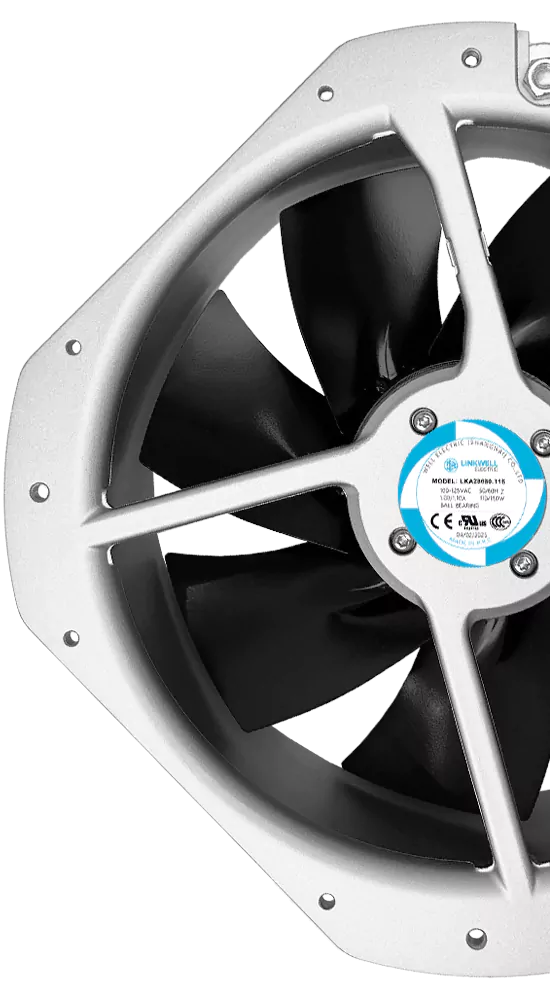
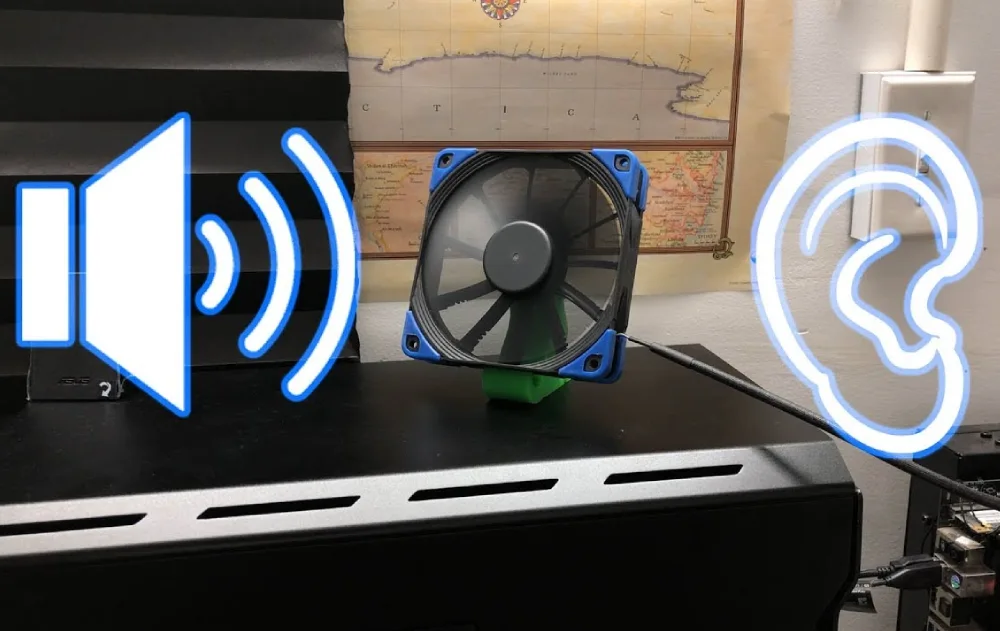
When you look at cooling fans, you might see a number followed by dBA. This number tells you how loud the fan sounds to the human ear. dBA stands for A-weighted decibels, which means it measures noise in a way that matches how people actually hear it.
If you work with electrical cabinets, HVAC, or industrial equipment, knowing what does dBA mean in cooling fans helps you choose the right product for your noise-sensitive projects. At fanacdc, we focus on AC, DC, EC, and centrifugal fans that deliver reliable performance with low noise. When you pay attention to dBA, you can:
- Make smarter design choices for low-noise environments
- Lower noise by selecting fans with better thermal management
- Ensure your equipment meets comfort and industry standards
Key Takeaways
- dBA measures how loud a fan sounds to the human ear, helping you choose quieter options for sensitive environments.
- Lower dBA ratings indicate quieter fans. DC and EC fans typically offer the best noise performance.
- Always check the dBA rating when selecting a fan. This ensures your equipment meets comfort and industry noise standards.
- Consider the fan’s application. AC fans are great for strong airflow, while DC and EC fans provide quiet operation and energy efficiency.
- Real-world noise levels can differ from spec sheets. Always assess how the fan will perform in your actual workspace.
What Does dBA Mean in Cooling Fans?
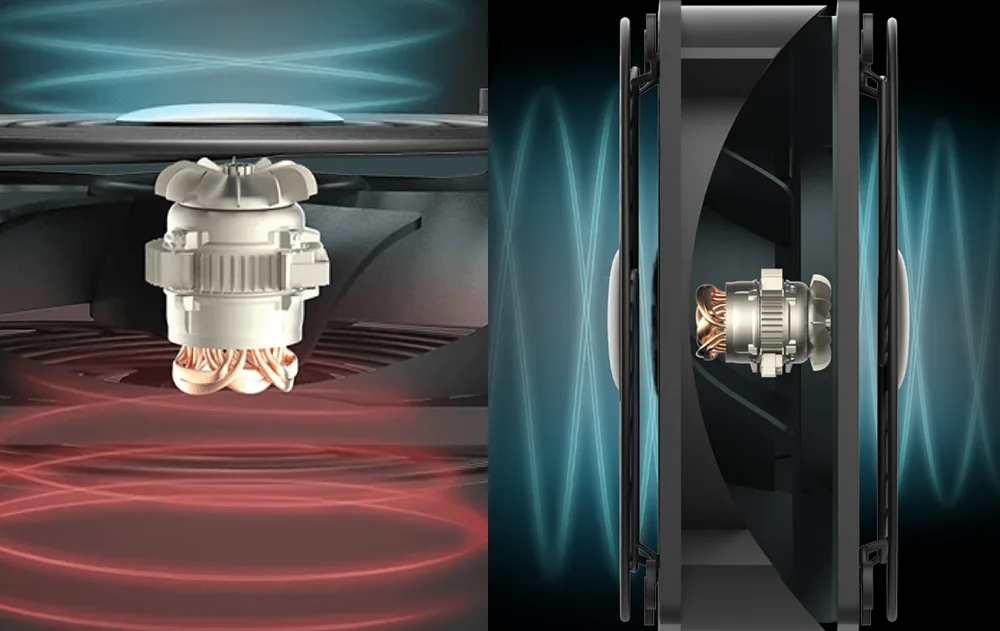
dBA and Fan Noise Measurement
When you see dBA on a cooling fan’s spec sheet, you’re looking at a measurement that tells you how loud the fan will sound to your ears. So, what does dba mean in cooling fans? It stands for A-weighted decibels. This unit shows how humans actually hear the noise, not just how loud it is in a lab. If you work with AC, DC, or EC fans, you’ll notice that dBA values help you compare which fan will be quieter in your electrical cabinet, HVAC system, or industrial setup.
Let’s break it down:
- dBA, or A-weighted decibels, reflects how the human ear perceives sound. A higher dBA means a noisier fan.
- Most fan manufacturers, including fanacdc, list the highest dBA value you’ll hear when the fan runs at full speed.
- For example, a typical AC fan from fanacdc might have a dBA rating of 45, while a DC fan could be as low as 32 dBA. EC fans often go even lower, making them perfect for noise-sensitive environments.
You’ll find that:
- A dBA level of 32 is where fan noise starts to become noticeable.
- A dBA level of 47 is much louder—think of it as the difference between a quiet office and a busy street.
Manufacturers use strict methods to measure these values:
- They report both dBA and octave-band spectra for a full picture of noise levels.
- They follow standards like AMCA and ISO to make sure the decibel rating is accurate.
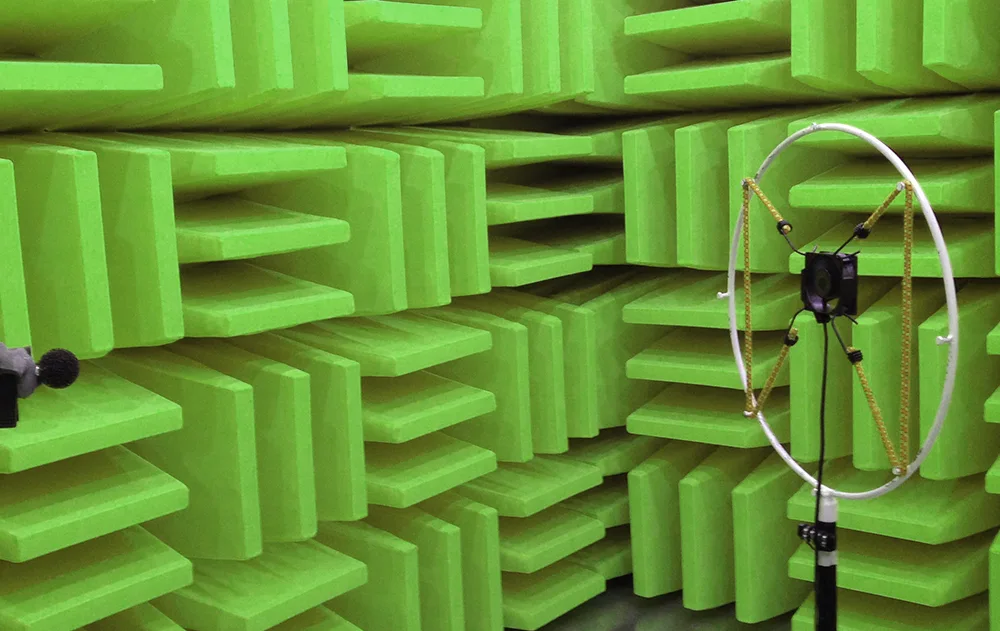
- They measure at set distances in controlled rooms, so you get a fair comparison.
If you want to see real examples, check out the AC Fan and DC Fan pages at fanacdc. You’ll see how each model’s dBA value helps you pick the right fan for your project.
dBA vs dB: Key Differences
You might wonder, what does dba mean in cooling fans compared to just dB? Here’s the key: dB is a basic unit for measuring sound, but it doesn’t consider how your ears work. dBA adds a filter that matches human hearing. This means dBA gives you a better idea of how loud a fan will actually feel in your workspace.
- dB measures all sound, no matter the frequency.
- dBA adjusts for the fact that people don’t hear very low or very high sounds as well as mid-range ones.
- When you compare fans, always look for the dBA value, not just the plain decibel number.
For example, two fans might both have a 50 dB rating, but one could have a 40 dBA rating because its noise is mostly in frequencies you can’t hear well. The dBA value is what matters for comfort and safety.
Why A-Weighting Matters
A-weighting is the secret sauce behind dBA. It filters out the parts of the sound that your ears don’t pick up well. This makes dBA the best way to compare fan noise in real-world settings, like control cabinets or HVAC systems.
Here’s a quick look at why A-weighting is important:
| Aspect | Description |
|---|---|
| Purpose | Used to assess daily or weekly noise exposure, reflecting human hearing sensitivity. |
| Frequency Response | Filters out very low and very high frequencies, mimicking how the human ear perceives sound. |
| Measurement Units | The resulting sound levels are expressed in dB(A), which indicates the A-weighted sound level. |
When you choose a fan for an electrical cabinet or an HVAC system, you want to know how it will sound to people nearby. That’s why you should always check the dBA value. This helps you meet noise ratings for comfort and safety, and it makes sure your equipment stays within industry standards.
If you want to learn more about how dBA affects your fan choices, you can explore the Industrial Cooling Fan solutions at fanacdc. You’ll find options for every application, from quiet office spaces to busy factories.
Fan Noise in Electrical Cabinets and HVAC
Industrial Noise Standards
You work in environments where fan noise matters. In control cabinets and data centers, dba ratings help you keep sound at safe levels. Industrial standards set limits for decibel output, so you need to choose fans that meet these rules. If you reduce fan speed from 80% to 50% RPM, you can lower noise by over 10 decibels. This change makes a big difference in busy data centers. You also save energy and keep the workspace comfortable. Many cities and industries have laws that limit air conditioner noise. These rules often set different maximum noise levels for day and night. Some standards are strict, while others give you more flexibility. If you break these rules, you might face fines or need to fix your equipment.
| Aspect | Details |
|---|---|
| Definition | Laws that limit allowable noise levels in different zoned areas (residential, commercial, industrial). |
| Time Variability | Maximum noise levels are typically higher during the day and lower at night. |
| Specificity | Some ordinances are vague, while others specify exact sound levels and times. |
| Enforcement | Violations are reported to law enforcement, which may issue fines and require corrective actions. |
Human Comfort and Air Conditioner Noise
You want your workspace to feel comfortable. High air conditioner noise can distract you and lower productivity. If you use fans with lower dba ratings, you create a quieter environment. Fanacdc offers solutions like brushless motors and aerodynamic blades. These features help reduce decibel output and vibration. You can also use vibration pads or secure mounting to cut down on noise levels. In offices and homes, air conditioner noise must stay below certain limits to meet comfort and legal standards.
Equipment Reliability
Fan noise does more than affect comfort. It can signal problems with your equipment. If you hear high decibel levels, your fan might be working too hard or wearing out. Intelligent fan speed control helps balance cooling and noise. This keeps your control cabinets and HVAC systems running smoothly. Active noise management protects staff and ensures your systems last longer. Fanacdc’s industrial-grade AC, DC, and EC fans give you reliable cooling with low dba ratings. You can explore more options for quiet and efficient cooling on the AC Fan, DC Fan, and Industrial Cooling Fan pages.
dBA Levels by Fan Type: AC, DC, EC, Centrifugal
AC Fans: Noise and Use Cases
You often see AC fans in control cabinets and industrial machines. These fans deliver strong airflow and help extend equipment life. Typical dBA ratings for AC fans range from 40 to 50 decibel. You might notice that AC fans work well in places where steady cooling matters more than ultra-low noise. In a data center, an AC cooling fan can keep temperatures stable, but you should check the dBA rating if you want a quieter workspace. AC fans are reliable and easy to install, making them a popular choice for many industrial setups.
DC Fans: Quiet Operation and Control
DC fans stand out for their quiet operation. You’ll find dBA ratings as low as 30 to 38 decibel. These fans use brushless motors and smart speed control, so you can adjust noise levels to fit your needs. DC fans work great in sensitive electronics and telecom equipment. If you need a cooling fan for a control cabinet where silence is key, DC fans are a smart pick. You can use PWM control to lower fan speed, which drops the decibel output and saves energy. This makes DC fans perfect for noise-sensitive environments.
EC Fans: Low dBA and Efficiency
EC fans combine low dBA ratings with high energy efficiency. You might see dBA values from 28 to 35 decibel. EC fans use electronic control to adjust speed based on temperature, so they run quietly when full power isn’t needed. These fans can cut energy use by up to 75%. If you manage an HVAC system or a data center, EC fans help you meet strict noise levels and reduce operating costs. Their smart control features make them ideal for places where both quiet and efficiency matter.
Centrifugal Fans: High Pressure, Noise Profile
Centrifugal fans deliver high static pressure, which is great for complex ductwork. You’ll notice that their dBA ratings are higher, usually between 50 and 60 decibel. These fans can be noisier because of turbulence inside the housing. If you need to push air through long ducts or filters, centrifugal fans get the job done. In noise-sensitive areas, you might want to use soundproofing or choose a lower-speed model. Centrifugal fans work best in industrial settings where pressure matters more than low noise.
Tip: Always check the dBA rating before choosing a fan for your application. Lower decibel levels mean a quieter environment, which is important for offices, labs, and control cabinets.
Here’s a quick comparison to help you decide:
| Fan Type | Typical dBA Range | Best Use Case | Advantages |
|---|---|---|---|
| AC Fan | 40-50 | Industrial, control cabinets | Strong airflow, long life |
| DC Fan | 30-38 | Sensitive electronics, telecom | Quiet, smart speed control |
| EC Fan | 28-35 | HVAC, data centers | Low dBA, energy efficient |
| Centrifugal Fan | 50-60 | Ducts, high resistance | High pressure, precise cooling |
You can explore more options for quiet and efficient cooling on the AC Fan, DC Fan, and Industrial Cooling Fan pages.
Selecting Fans by dBA and Performance
Balancing dBA, Airflow, and Speed
When you select a cooling fan, you face a classic challenge: how do you get enough airflow without making too much noise? The dba rating tells you how loud the fan will sound, but you also need to think about airflow and speed. If you increase fan speed, you boost airflow, but the decibel level rises quickly. In fact, fan noise increases with the fifth power of speed, so even a small speed drop can make a big difference in decibel output.
Running your fan at its most efficient point helps keep noise low. Any design choice that reduces efficiency—like sharp bends in ductwork or obstructions—can raise the decibel level. In HVAC systems, you often see noise levels between 45 and 65 decibels. The shape of the fan blades, the number of blades, and the materials all affect both airflow and noise.
In environments where noise levels are critical, such as medical devices and consumer electronics, the dba measure is equally relevant as CFM. This creates a dilemma for engineers: how to maximize airflow while minimizing noise.
DC and EC fans give you more control over speed. You can adjust their speed using voltage, PWM, or electronic controllers. This flexibility lets you fine-tune the balance between cooling and decibel output. AC fans usually have fixed speeds, so you have less control over noise.
Application-Based Recommendations
Choosing the right fan means thinking about your specific needs. Here’s a simple process to help you decide:
- Figure out how you will use the fan—will it cool a control cabinet, an HVAC system, or sensitive electronics?
- Check if the fan will run in an open space or a tight, restrictive area.
- Decide if you care more about performance or keeping the decibel level low.
- Look at the fan’s blade design, material, and number of blades, since these affect airflow and noise.
If you need quiet operation, consider DC or EC fans for their variable speed options. For steady, robust airflow in industrial settings, AC fans work well. Want more details? Visit the AC Fan, DC Fan, EC Fan, or Electrical Cabinet Cooling Solutions pages to explore your options.
Common dBA Rating Misunderstandings
Marketing vs Real-World Noise
You might notice that the decibel ratings on a fan’s spec sheet don’t always match what you hear in your workspace. This happens for a few reasons:
- Manufacturers sometimes test fans in ideal lab conditions, which can make the decibel number look better than it really is.
- The accuracy of ratings can vary from one brand to another.
- The way you install your fan, or the other equipment in your cabinet, can change how loud the fan actually sounds.
- Some marketing materials focus on the lowest possible decibel value, not the average noise you’ll experience.
When you compare fans, always think about how your real setup might affect noise levels. For example, a fan might sound quiet in a test room but seem much louder once you add other machines or panels nearby. At fanacdc, you get transparent and accurate noise data. The dba ratings you see reflect real-world use, not just perfect lab tests.
Measurement Conditions
You should know how brands measure decibel ratings. Most companies use special microphones and equipment that focus on the frequencies people hear best (between 250 and 5,000 Hz). This is called A-weighting. The test room is usually quiet, with little background noise. But your workspace might have other sounds, higher temperatures, or even echoes that change how you hear the fan.
- Background noise can raise the total decibel level, making it harder to notice small differences between fans.
- Higher temperatures can make noise feel more annoying, especially if you work in a warm room.
- The way you mount or position your fan can either dampen or amplify noise levels.
You want to pick a fan based on how it will perform in your real environment, not just in a silent lab. That’s why fanacdc provides honest decibel ratings and supports you with technical advice for your actual application. If you want to learn more about choosing the right fan for your setup, check out the AC Fan, DC Fan, or Electrical Cabinet Cooling Solutions pages.
Conclusion
You’ve learned a lot about cooling fan noise and what dBA means for your projects. Now, you know how to read noise ratings and why they matter for electrical cabinets, HVAC systems, and industrial setups. When you check a fan’s dBA value, you get a real sense of how loud it will sound in your workspace. This helps you create quieter, more comfortable environments for both people and equipment.
Choosing the right fan isn’t just about airflow or speed. You want a balance between cooling power and noise. AC fans give you strong, steady airflow for tough jobs. DC fans let you control speed and keep things quiet. EC fans offer smart, energy-saving performance with low noise. Centrifugal fans handle high pressure, but you should always check their noise profile if you care about sound levels.
Here’s a quick checklist for your next fan selection:
- Decide where you’ll use the fan—control cabinet, data center, or HVAC.
- Look at the dBA rating to compare noise levels.
- Think about airflow, speed, and energy use.
- Explore options like AC Fan, DC Fan, and Industrial Cooling Fan from fanacdc.
Tip: Don’t just trust marketing numbers. Check real-world ratings and ask for technical support if you need help.
You can count on fanacdc for reliable, low-noise cooling solutions. Our fans meet strict standards and work in all kinds of environments. If you want to learn more or need advice, visit our product pages or reach out for support. Make dBA part of your decision, and you’ll get the best results for your application.
Understanding dBA matters when you pick cooling fans for industrial, HVAC, or cabinet setups. Too much noise can make even a powerful fan a poor choice. With fanacdc’s AC, DC, EC, and centrifugal fans, you get quiet operation, lower energy costs, and long-lasting reliability. You also enjoy smooth, low-vibration performance and custom speed options.
The importance of dBA ratings in fan selection is highlighted in relation to noise levels, which can significantly impact user experience, especially in noise-sensitive environments. It is essential to balance noise levels with airflow and efficiency to ensure optimal performance without compromising comfort.
FAQ
What does dBA mean in cooling fans?
dBA stands for A-weighted decibels. This unit shows how loud a fan sounds to your ears. You can use dBA ratings to compare noise levels between different fans.
How do I choose a quiet fan for my electrical cabinet?
Look for fans with lower dBA ratings. DC and EC fans usually run quieter. You can check out DC Fan and Industrial Cooling Fan options for low-noise solutions.
Why do real-world fan noise levels differ from spec sheets?
Test labs use ideal conditions. Your workspace has other machines, walls, and airflow paths. These factors can make fans sound louder or quieter than the listed dBA value.
Can I reduce fan noise without losing cooling performance?
Yes! You can use speed control, smart thermostats, or better mounting. Try EC Fans for efficient, quiet operation. Layout changes also help lower noise.