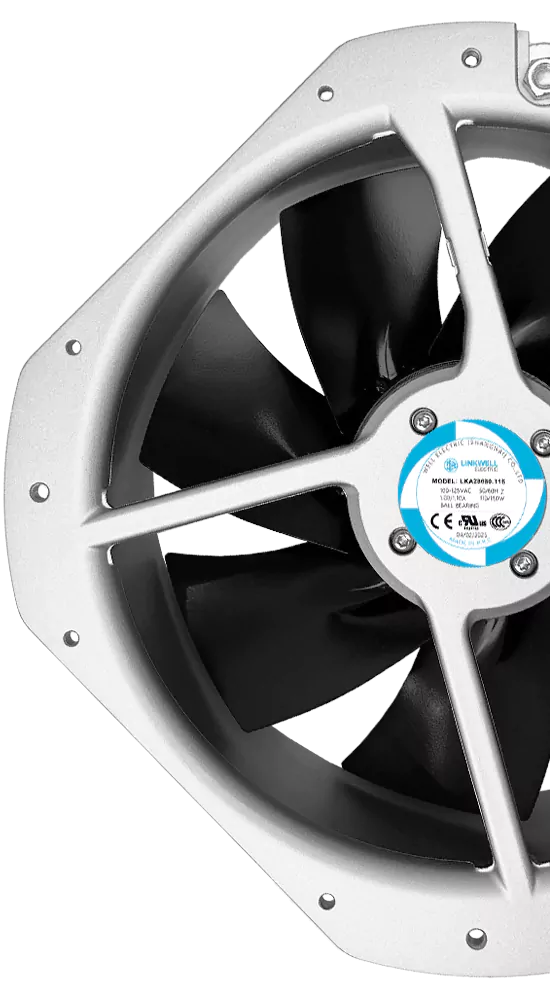
You might wonder what is a centrifugal fan. It’s a mechanical device that moves air or gas by spinning a wheel, pushing it outward to create strong airflow. You often find these fans in HVAC systems, hospitals, hotels, and commercial buildings because they deliver efficient, reliable ventilation. Check out the table below to see where they’re most used. When you choose a fan from fanacdc, you get proven quality and performance trusted by industry leaders.
| Application Sector | Market Share (%) | Notes |
|---|---|---|
| Commercial Applications | 30% | Significant demand for energy-efficient fans |
| Hospitality and Healthcare | 40% of Commercial | Rising demand in hotels and hospitals |
| Commercial Office Buildings | N/A | 22% increase in smart ventilation systems |
Key Takeaways
- Centrifugal fans move air efficiently by spinning a wheel, making them ideal for HVAC systems and industrial applications.
- Key components like the impeller and housing are crucial for fan performance; quality materials enhance durability and efficiency.
- These fans excel in high-pressure situations, making them suitable for complex duct systems and environments with resistance.
- Choosing the right fan involves considering airflow, pressure needs, and the specific environment to ensure optimal performance.
- Fanacdc offers reliable centrifugal fans with over 20 years of expertise, ensuring strong airflow and energy savings.
What Is a Centrifugal Fan?

Centrifugal Fan Definition
You might ask, what is a centrifugal fan? This question comes up a lot, especially if you work with ventilation or cooling systems. In simple terms, a centrifugal fan is a device that moves air or gas by spinning a wheel. The air enters the fan near the center, then the spinning motion pushes it outward at a right angle. This action creates a strong, steady flow of air.
A centrifugal fan (also referred to as a radial fan) is a type of fan that draws in air or other gaseous media in the direction of the motor axis (axial) and deflects it through 90°, before blowing it out again radially.
When you choose a fan from fanacdc, you get a product designed for stable airflow and high pressure. These fans work well in places where you need reliable air movement, like HVAC systems or industrial cooling. If you want to know what is a centrifugal fan, just remember: it’s a fan that changes the direction of airflow and delivers strong, steady performance.
Key Components and Design
Let’s break down what makes up a centrifugal fan. You’ll find several important parts that work together to create efficient airflow and top fan performance:
- The impeller (or wheel): This is the spinning part that moves the air.
- The housing: This covers the impeller and directs the airflow.
- The motor: This powers the impeller.
- The inlet and outlet: These guide the air into and out of the fan.
Materials matter a lot in fan design. Manufacturers use steel and aluminum for strength and durability. Some fans use plastics for lighter weight. In special cases, you’ll see stainless steel or even titanium, especially in food processing or harsh environments. Aluminum often forms the wheel and housing because it’s light and strong.
Here’s a quick look at how design choices affect fan performance:
| Aspect | Impact on Efficiency and Reliability |
|---|---|
| Aerodynamic Design | Enhances airflow, reduces turbulence, and minimizes energy loss for quieter operation. |
| Material Selection | Quality materials increase durability and reduce maintenance needs, ensuring stable performance. |
| Blade Configuration | Different blade types (forward-curved, backward-inclined, radial) affect air volume and pressure efficiency. |
Fanacdc’s centrifugal fans use aerodynamic impellers and high-quality materials. This means you get a fan that runs smoothly, lasts longer, and keeps your systems working at their best. If you care about fan performance, pay attention to these design details.
Main Functions
So, what is a centrifugal fan used for? You’ll find these fans in many places because they handle tough jobs. Their main functions include:
- HVAC Systems: They move air for heating, cooling, and ventilation.
- Dust Collection: They help filter air and remove dust from workspaces.
- Cooling Applications: They keep machines and electronics from overheating.
- Material Handling: They move powders and small items in factories.
- Fume Extraction: They remove harmful gases and keep air safe.
You can also see centrifugal fans in air drying, air recirculation, and even in pneumatic conveying systems. These fans stand out because they create high pressure and steady airflow, which is key for many industrial processes.
If you want to measure fan performance, look at these metrics:
| Metric | Description |
|---|---|
| Airflow | Measured in cubic feet per minute (CFM), showing how much air the fan moves. |
| Pressure | Measured in inches of water gauge (WG), showing the fan’s power to move air through resistance. |
| Efficiency | Shows how much air the fan moves compared to the energy it uses, helping you save on costs. |
When you pick a fanacdc centrifugal fan, you get a product that delivers on all these points. You get strong airflow, reliable fan performance, and a fan that stands up to tough conditions. Next time someone asks, what is a centrifugal fan, you’ll know it’s a powerful tool for moving air, keeping things cool, and making sure your systems run smoothly.
How Does a Centrifugal Fan Work?
If you’ve ever wondered how does a centrifugal fan work, you’re not alone. These fans might look simple, but their design packs a punch when it comes to performance. Let’s break down the process and see why they’re so effective in industrial and commercial settings.
Operating Principle
You can picture the operating principle of a centrifugal fan like a spinning wheel that grabs air and flings it outward. Here’s how the process works step by step:
- Air enters the fan through a central inlet.
- The impeller spins, creating centrifugal force.
- This force pushes the air from the center of the impeller to the outer edge.
- The fan’s housing then directs the air out through the discharge port, increasing both pressure and velocity.
This simple process is the secret behind the strong, steady airflow you get from a centrifugal fan. When you use a fanacdc centrifugal fan, you benefit from a design that maximizes fan performance and keeps your systems running smoothly.
High-Pressure Airflow Generation
You might ask, why do these fans generate higher pressure than other types? The answer lies in their design. Centrifugal fans move air perpendicular to the inlet, which lets them build up more static pressure. This makes them perfect for systems with lots of resistance, like long ducts or filters.
Here’s a quick comparison to help you see the difference:
| Feature | Centrifugal Fans | Axial Fans |
|---|---|---|
| Airflow Direction | Perpendicular to the inlet | Parallel to the inlet |
| Pressure Generation | Higher static pressure due to design | Lower static pressure |
| Ductwork Compatibility | Effective in complex duct systems | Less effective in complex ducts |
| Ideal Applications | Systems requiring high pressure and resistance handling | General airflow applications |
You can see that centrifugal fans stand out when you need high-pressure airflow and reliable fan performance in tough environments. The fanacdc centrifugal fan delivers static pressure up to 300 Pa, making it a top choice for demanding applications.
If you want to know more about the pressure ranges, check out this table:
| Fan Type | CFM Range | Static Pressure (w.c.) |
|---|---|---|
| High Temperature Fans | 100 CFM to >250,000 CFM | Up to 32” |
| Forward Curved Multiblade Fans | 100 CFM to >250,000 CFM | Up to 16” |
| Radial Blade Fans | 100 CFM to 45,000 CFM | Up to 34” |
| Backward Inclined Fans | 850 CFM to 45,280 CFM | Up to 8” |

With these numbers, you can see why fanacdc’s centrifugal fans are trusted for high-performance jobs.
Handling Air and Gas Mixtures
Centrifugal fans do more than just move air. You can use them to handle a mix of air and gases, which is important in places like chemical plants or factories. These fans keep the environment safe and efficient by moving, cleaning, or recirculating air.
Here’s how you might use a centrifugal fan in different situations:
| Application | Description |
|---|---|
| Ventilation | Removes dust, heat, and fumes, keeping the air fresh and safe. |
| Air Recirculation | Reuses hot air from processes, saving energy and boosting efficiency. |
| Material Handling | Moves powders or small items through air streams in factories. |
| Dust / Fume Extraction | Pulls out harmful pollutants, protecting workers and equipment. |
| Drying | Controls temperature and moisture, which is key in food and pharmaceutical industries. |
| Cooling | Keeps machines and processes from overheating, ensuring steady performance. |
When you choose a fanacdc centrifugal fan, you get a product that handles these tasks with ease, thanks to its strong fan performance and reliable construction.
Performance in Harsh Environments
You might worry about how a fan will hold up in tough conditions. Centrifugal fans from fanacdc are built to last, even in harsh or corrosive environments. The secret is in the materials and design.
Check out this table to see which materials work best for different environments:
| Material Type | Key Features | Suitability for Harsh Environments |
|---|---|---|
| Diecast Aluminum | Excellent thermal conductivity, high strength-to-weight ratio, corrosion resistance | Great for chemical plants, lightweight for transport |
| Stainless Steel 304 | Good corrosion resistance, general use | Works when aluminum isn’t enough |
| Stainless Steel 316 | Superior corrosion resistance, used in food and petrochemical industries | Essential for highly corrosive environments |
| Stainless Steel 316L | Lower carbon for even better corrosion resistance | Best for extreme food and pharmaceutical conditions |
Fanacdc uses these materials to make sure your fan keeps working, even when things get tough. The sealed bearings, flame-retardant housings, and high-quality construction all add up to long-lasting fan performance. You can count on your fan to deliver steady airflow and reliable results, no matter where you use it.
Tip: Always match the fan material to your environment for the best fan performance and longest service life.
Now you know how does a centrifugal fan work and why fanacdc’s products stand out. You get high-pressure airflow, safe handling of air and gas mixtures, and top fan performance in any environment.
Types of Centrifugal Fans
Forward-Curved and Backward-Curved Fans
When you look at centrifugal fans, you’ll notice two main blade designs: forward-curved and backward-curved. Each type brings unique performance benefits. Forward-curved fans push a lot of air at low pressure, making them a good fit for jobs where you need high flow but not much resistance. You often see these in residential ventilation or equipment cooling. Backward-curved fans, on the other hand, handle higher pressure and deliver better efficiency. They run quieter and last longer, which means less maintenance for you.
Here’s a quick comparison to help you choose the right fan for your needs:
| Characteristic | Forward-Curved Fans | Backward-Curved Fans |
|---|---|---|
| Performance Efficiency | 55% to 65% | Up to 85% |
| Noise Levels | Noisier | Quieter |
| Durability | Shorter lifespan | Longer lifespan |
| Airflow and Pressure Needs | High flow, low pressure | High pressure applications |
Tip: If you want a fan that balances performance and quiet operation, backward-curved models from fanacdc are a smart choice.
Inline Centrifugal Fans
Inline centrifugal fans fit right into ductwork, making them perfect for commercial spaces. You’ll find these fans in warehouses and office buildings, where they boost air circulation and improve indoor air quality. They remove stale air and bring in fresh air, all while maintaining steady performance. Fanacdc offers inline models that you can customize for your space, so you always get the right fit and performance.
Selection Factors (Pressure, Airflow, Environment, Speed, Noise)
Choosing the right centrifugal fan means thinking about several factors. Start by matching the fan type to your application. Measure the airflow and pressure you need. Think about the environment—dust, moisture, or chemicals can affect fan performance. Check the available space and consider noise levels, especially if you’re installing the fan in a quiet area. Fanacdc gives you plenty of options, from compact models to heavy-duty fans, so you can always find the right performance for your job.
Centrifugal vs Axial Fans
You might wonder about the difference between a centrifugal or axial fan. Centrifugal fans shine in high-pressure situations and deliver consistent performance, even when ductwork adds resistance. Axial fans move large volumes of air at low pressure, making them better for open spaces. Here’s a quick table to help you compare:
| Advantage | Centrifugal Fans | Axial Fans |
|---|---|---|
| Pressure Capability | High pressure | Moderate pressure |
| Efficiency at High Pressure | Greater efficiency | Lower efficiency |
| Airflow Consistency | Consistent across systems | Variable |
| Best Use | Ducted, resistant systems | Open, low-resistance |
Fanacdc’s expertise means you get a fan that matches your exact needs, whether you need high performance in a tough environment or quiet, efficient flow in a commercial building.
Centrifugal Fan Applications

HVAC Systems
You see centrifugal fans everywhere in HVAC systems. These fans keep your building comfortable by moving air through ducts and controlling temperature and humidity. When you use a high-quality fan, you get reliable performance and energy savings. Here’s why:
- The fan’s non-overloading power feature keeps the motor running efficiently, so you don’t waste energy.
- You can control the fan’s speed with a variable frequency drive, which means you only use as much power as you need. If you slow the fan to 80% speed, you use about half the power.
- The impeller design reduces turbulence, so more of your electricity turns into useful airflow.
With fanacdc, you get a fan that delivers steady performance and helps you save on energy bills. You also get a product that meets strict safety and quality standards.
Industrial Cooling and Ventilation
Factories and power plants rely on centrifugal fans for cooling and ventilation. You need a fan that can handle tough jobs, like removing fumes or cooling machinery. Here are some common uses:
- Moving air through HVAC systems in large buildings
- Ventilating manufacturing areas and cleanrooms
- Purifying air in dust collectors
- Handling bulk materials in pneumatic systems
- Cooling equipment in power generation
Fanacdc’s fans come with certifications like CE, UL, and RoHS, so you know they meet international standards for safety and performance.
| Region | Certification(s) |
|---|---|
| European Union | CE, RoHS |
| United States | UL, FCC |
| China | CCC |
Air Pollution Control
You want clean air in your workspace. Centrifugal fans play a big role in air pollution control. They help remove dust, fumes, and harmful gases from industrial processes. You’ll find these fans in:
- Acid, chlorine, and SO2 scrubbers
- Bag filters for dust collection
- Wet scrubbers for gas absorption
- Cyclones for separating particles
- ESP systems for exhaust and dedusting
These fans keep your air clean and your equipment running at peak performance.
Tip: A well-chosen fan improves air quality and protects your health.
Everyday Appliances
You might not notice, but centrifugal fans work behind the scenes in many appliances. Car washes use them to dry vehicles quickly. Commercial laundries rely on them to dry clothes and textiles. These fans make sure you get consistent performance and fast results.
Safety matters, too. Fans in household appliances include features like electrical insulation, blade guards, vibration dampening, and automatic shut-off. They meet strict safety standards, so you can trust their performance every day.
| Safety Feature | Description |
|---|---|
| Electrical Insulation | Prevents shocks and short-circuits |
| Blade Protection | Guards keep you safe from spinning blades |
| Vibration Dampening | Reduces noise and wear |
| Automatic Shut-off in Malfunction | Stops the fan if there’s a problem |
| Safety Certifications | Meets or exceeds industry standards |
No matter where you use them, centrifugal fans from fanacdc deliver reliable performance, strong airflow, and long-lasting value.
conclusion
You’ve learned a lot about centrifugal fans and their key applications. Now, you know what a centrifugal fan is, how it works, and why it stands out in so many industries. These fans move air with power and precision. You see them in HVAC systems, factories, pollution control, and even in everyday appliances. When you need strong airflow and reliable performance, a centrifugal fan is the answer.
Choosing the right fan can make a big difference in your project. You want a fan that lasts, runs efficiently, and meets safety standards. That’s where fanacdc comes in. With over 20 years of experience, fanacdc delivers cooling solutions you can trust. The brand’s centrifugal fans offer:
- High static pressure for tough jobs
- Durable materials for harsh environments
- Energy-saving designs for lower costs
- Certifications like CE, UL, and RoHS for peace of mind
Tip: Always match your fan to your application. Think about airflow, pressure, and the environment before you decide.
If you want a fan that keeps your systems running smoothly, fanacdc has you covered. The team supports you with technical advice, customization, and after-sales service. You get more than just a product—you get a partner in cooling innovation.
Ready to upgrade your air movement? Visit fanacdc’s centrifugal fan page to explore your options. Power your next project with confidence and let fanacdc help you achieve reliable, efficient airflow every time.
You now know that centrifugal fans play a vital role in drying, ventilation, and material handling. They help keep workplaces safe and efficient. Here’s why you should trust fanacdc for your next project:
- Over 20 years of engineering expertise and certified quality.
- Custom solutions for HVAC, dust collection, and more.
- Reliable performance, even in tough environments.
| Benefit | What You Get with fanacdc |
|---|---|
| High Pressure | Strong, steady airflow for any application |
| Versatile Applications | Fits many industrial and commercial needs |
| Efficient Design | Saves energy and reduces maintenance |
Choose fanacdc for cooling innovation you can count on.
FAQ
What is the main difference between a centrifugal fan and an axial fan?
You will notice that a centrifugal fan moves air at a right angle to the intake, creating higher pressure. An axial fan pushes air straight through. Choose a centrifugal fan when you need strong airflow in ducted or high-resistance systems.
How do I select the right fan for my application?
Start by checking your airflow and pressure needs. Think about the environment and available space. If you need help, reach out to a fan expert. The right fan will keep your system running smoothly and efficiently.
Can a centrifugal fan handle dusty or harsh environments?
Yes, you can use a centrifugal fan in tough conditions. Many models feature sealed bearings and durable materials. This design helps the fan resist dust, moisture, and chemicals, so you get reliable performance even in challenging settings.
How do I control the speed of my fan?
You can control the speed of your fan with a variable frequency drive. This device lets you adjust airflow and save energy. Slowing the fan reduces power use and noise, making your system more efficient and quieter.
What maintenance does a centrifugal fan require?
You should check your fan regularly for dust buildup and worn parts. Clean the blades and housing. Lubricate bearings if needed. Regular care helps your fan last longer and keeps performance at its best.