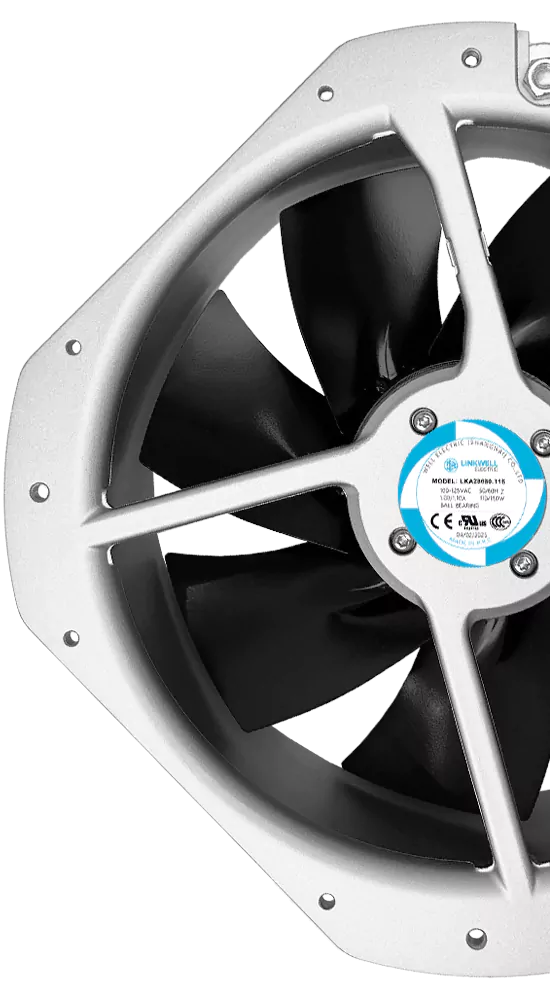
When you look for a safer and more efficient way to cool your equipment, a Low Voltage Fan stands out. You get a fan that runs on lower electrical power, which means less risk and more control. Voltage matters because it affects how safe and energy-friendly your setup is. With options from fanacdc, you can match the right fan to your needs, whether you care about saving energy or keeping your workspace safe.
Key Takeaways
- Low voltage fans operate at lower electrical power, making them safer and more energy-efficient for cooling equipment.
- The 12V DC fan is a popular choice due to its balance of power and safety, suitable for various applications like computers and industrial systems.
- DC fans provide precise speed control and quieter operation, helping to save energy and reduce noise in sensitive environments.
- Choosing low voltage fans can lower energy bills and improve air quality, creating a safer and more comfortable workspace.
- fanacdc offers a range of low voltage fan solutions, including custom options, ensuring reliable performance for diverse needs.
What Is a Low Voltage Fan
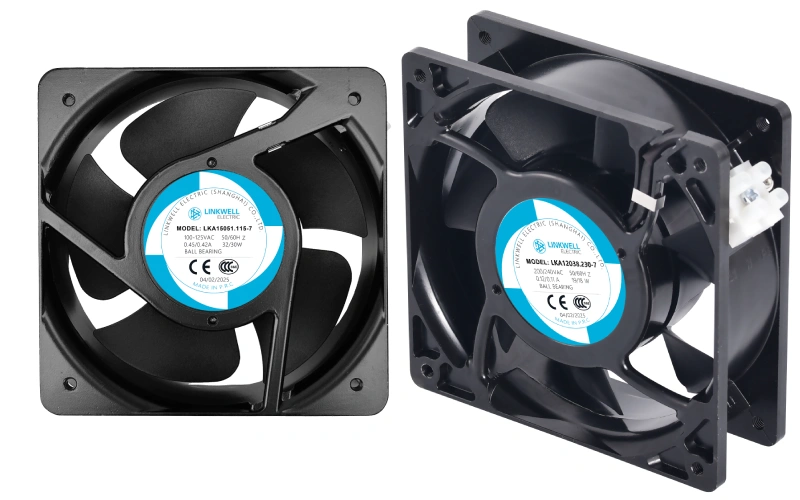
Definition and Key Features
When you hear the term low voltage fan, you might wonder what makes it different from other fans. A low voltage fan works at a lower electrical voltage than standard fans. This means you get a safer and more energy-efficient cooling solution for your equipment or workspace. Most people choose low voltage fans when they want to reduce electrical hazards and improve safety, especially in places where you need to handle the fan directly or install it in tight spaces.
Let’s look at how the industry defines voltage ranges:
| Voltage Type | Voltage Range |
|---|---|
| AC systems | 50V to 1000V |
| DC systems | 120V to 1500V |
A low voltage fan usually operates well below these maximums, often at 12V, 24V, or 48V. You’ll find that these fans are much safer to handle because they carry less current. This reduces the risk of electric shock during installation or maintenance. If you work in environments where safety matters—like schools, hospitals, or electronics labs—a low voltage fan is a smart choice.
Here’s a quick look at how safety compares:
| Feature | High Voltage | Low Voltage |
|---|---|---|
| Safety | Lower (hazards) | High (safer handling) |
Low voltage fans are popular because they offer enhanced safety. You don’t have to worry as much about electrical accidents. These fans are also easier to install and maintain, which saves you time and stress.
You’ll see low voltage fans in many applications:
- Electronics cooling (like computers and servers)
- Industrial automation systems
- Renewable energy setups
- Telecom equipment
fanacdc offers a wide range of low voltage fan solutions. Their DC Fan and EC Fans are great examples. DC Fans use brushless motors for quiet, efficient cooling. EC Fans combine AC and DC technology, giving you precise speed control and even more energy savings.
Common Voltages Like 12V DC Fan
You might notice that the 12v dc fan comes up a lot when people talk about low voltage fans. That’s because the 12v dc fan is one of the most common and versatile options out there. It’s used everywhere—from cooling your desktop computer to keeping industrial control panels at the right temperature.
Here are the most common voltage ratings for low voltage fans in electronics:
- 5V (used in small devices and gadgets)
- 12v dc fan (the most popular for computers, telecom, and industrial systems)
- 24V (found in larger equipment and automation systems)
Why do so many people choose the 12v dc fan? You get a perfect balance of power and safety. The 12v dc fan delivers strong airflow without the risks that come with higher voltages. It’s easy to connect to batteries, power supplies, or solar panels. You can use it in tight spaces or sensitive environments without worrying about overheating or electrical hazards.
If you need a reliable cooling solution, the 12v dc fan from fanacdc is a top pick. It’s trusted by manufacturers around the world for electronics, telecom, and industrial automation. You get quiet operation, smart speed control, and long service life. The 12v dc fan is also easy to customize for your project, whether you need a small fan for a circuit board or a larger one for a control cabinet.
Tip: When you choose a low voltage fan, always check the voltage rating and make sure it matches your power source. This helps you get the best performance and keeps your equipment safe.
Low Voltage Fan vs Standard Fan
Voltage and Power Differences
When you compare a low voltage fan to a standard fan, the first thing you notice is the difference in how much power they use and the voltage they require. Low voltage fans, especially dc fans, operate at voltages like 12V, 24V, or 48V. Standard fans, such as AC fans, usually run on higher voltages—think 110V or 220V. This difference matters for safety and energy use.
You get a safer experience with dc fans because the lower voltage means less risk of electric shock. You can handle installation and maintenance with more confidence. In places where safety is critical, like schools or electronics labs, dc fans are the go-to choice.
Let’s break down the efficiency levels you can expect:
| Characteristic | AC Fans | DC Fans (Low Voltage) |
|---|---|---|
| Efficiency Level | Lower (15%-50%) | Medium (~30% improvement) |
You see that dc fans offer a noticeable boost in efficiency. They use less power to move the same amount of air. Over time, this means you save on energy bills and reduce your carbon footprint.
Note: Lower voltage also means you can use dc fans in battery-powered or solar-powered systems. This opens up more options for portable or off-grid applications.
Operation and Efficiency of DC Fans
Dc fans stand out for their smart operation and energy savings. You get precise speed control with dc fans. You can adjust the speed to match your cooling needs, which helps you cut down on noise and power use. Dc fans let you fine-tune airflow, so you don’t waste energy when you don’t need maximum cooling.
Here’s what makes dc fans so efficient:
- Dc fans allow you to adjust speed through voltage regulation.
- You get more control over airflow and noise levels.
- You can fine-tune speeds for specific cooling needs.
Dc fans also run quieter than standard AC fans. The brushless motors in dc fans reduce friction and vibration, so you hear less noise. Take a look at this comparison:
| Fan Type | Noise Levels | Reason for Noise Levels |
|---|---|---|
| AC Fans | Higher | Motor vibrations and unstable operation due to alternating current. |
| DC Fans | Lower | Brushless motors and streamlined air circulation reduce noise emissions. |
You’ll notice the difference right away if you work in a quiet office or a lab. Dc fans keep things cool without adding extra background noise.
Dc fans also use less power while delivering strong airflow. You can run them at variable speeds without losing efficiency. This makes dc fans perfect for applications where energy savings matter most.
- Dc fans consume less power while providing equal or superior airflow.
- They can operate at variable speeds without significant energy loss.
Dc fans also last longer. The advanced technology in dc fans means less wear and tear. You spend less time and money on maintenance.
| Feature | AC Fans | DC Fans |
|---|---|---|
| Lifespan | Generally shorter lifespan | Longer lifespan due to advanced technology |
| Maintenance Requirements | More frequent replacements in precision systems | Less maintenance required |
| Heat Production | Higher heat production | Lower heat production |
| Durability | Durable in fixed-speed environments | Designed for extreme durability |
| MTBF | Varies, can be lower due to internal friction | Exceeds 50,000 continuous hours |
Applications for fanacdc Products
You might wonder where each type of fan works best. Dc fans shine in environments where you need precise control, quiet operation, and energy savings. You’ll find dc fans in:
- Electronics cooling (computers, servers, telecom equipment)
- Industrial automation systems
- Renewable energy setups
- Medical devices
If you need a fan for a control cabinet, data center, or sensitive electronics, dc fans from fanacdc are a smart pick. You get reliable performance, long service life, and easy integration with modern systems.
AC fans, on the other hand, excel in applications where you need strong, steady airflow and have access to standard AC power. You’ll see AC fans in industrial machinery, HVAC systems, and large-scale ventilation projects. They’re durable and cost-effective for environments where speed control isn’t as important.
When you look at costs, you’ll notice that dc fans may have a higher upfront price, but they pay off in the long run. Dc fans use less energy, last longer, and need less maintenance. This means you save money over time, especially in industrial or commercial settings.
Tip: If you want a cooling solution that balances safety, efficiency, and long-term value, dc fans from fanacdc are a great choice. You can customize them for your project and trust their performance in demanding environments.
How Low Voltage Fans Work
DC Motor and 12V DC Fan Operation
You might wonder how a 12V DC fan actually works. The secret lies in the DC motor inside the fan. Here’s what happens when you power up a 12V DC fan:
- The fan takes direct current and turns it into mechanical energy.
- Electric current flows through the motor and interacts with magnetic fields.
- This interaction makes the rotor spin, which creates airflow.
- The spinning blades push air, giving you the cooling effect you need.
This simple process is what makes a 12V DC fan so reliable. The design focuses on safety and efficiency. You get steady airflow without worrying about high voltage risks. The compact size of the DC motor means you can fit the fan into tight spaces, like inside computers or control panels. The fan handles overloads better than many traditional motors, so you get dependable airflow even when your equipment works hard.
Brushless DC motors have changed the game for low voltage fans. They use electronic commutation instead of brushes, which means less wear and tear. You get higher efficiency, less power loss, and longer fan life. These motors also allow for battery-powered and cordless designs, making your setup more flexible.
Airflow and Control in fanacdc DC Fans
You want more than just basic airflow—you want control. That’s where fanacdc DC fans stand out. They offer smart features that let you adjust airflow and monitor performance in real time. Take a look at the different control options:
| Type | Key Features & Control Method | Typical Use Cases |
|---|---|---|
| 2-Wire | Speed changes with average DC voltage | Basic cooling, fixed airflow |
| 3-Wire | Adds tachometer for speed feedback | Applications needing airflow monitoring |
| 4-Wire | PWM control for precise speed adjustment | PCs, servers, dynamic airflow needs |
You can pick the right fan for your project, whether you need simple airflow or advanced control. With features like PWM (Pulse Width Modulation), you can fine-tune the fan speed to match your cooling needs. Lowering the speed reduces noise and saves energy, but you still get enough airflow to keep things cool.
Fanacdc DC fans use brushless technology, which means you get efficient airflow with less power. The electronic controls make sure the fan delivers just the right amount of airflow, even as your system’s workload changes. This is perfect for places like data centers, where many fans run at once and energy savings matter.
Recent advances in low voltage fan design have made a big difference. You now get improved energy efficiency, better thermal management, and advanced features like IoT connectivity. These upgrades help you keep your equipment safe and your energy bills low.
Tip: If you want reliable airflow and smart control, choose a fanacdc DC fan. You’ll enjoy quiet operation, long life, and the flexibility to adjust airflow for any situation.
Benefits and Uses of Low Voltage Fans
Energy Efficiency and Safety
You want a cooling solution that saves energy and keeps your workspace safe. Low voltage fans deliver both. These cooling fans use less power, so you see lower energy bills and help the environment. Energy efficiency matters when you run equipment all day. You get strong airflow without wasting electricity.
Safety is another big advantage. Low voltage cooling fans reduce the risk of electric shock. You can install and maintain them with confidence. These fans also improve air quality. They remove hazardous fumes and airborne particles. You keep your equipment cool and prevent overheating. Good ventilation lowers the chance of workplace accidents and protects everyone.
Here are some benefits you notice with low voltage cooling fans:
- Improved air circulation for comfort and productivity
- Enhanced energy efficiency for cost savings
- Affordable cooling solutions for any budget
- Minimized humidity levels to prevent mold
- Versatile applications across many industries
Tip: You create a safer and more comfortable environment when you choose low voltage cooling fans.
Industrial and OEM Applications with fanacdc
You see low voltage cooling fans everywhere in industry. Companies trust fanacdc for reliable cooling fan solutions. These fans work in HVAC systems, electrical enclosures, telecommunications, and intelligent manufacturing equipment. You also find them in the medical industry, greenhouses, and new energy projects.
If you need a custom cooling fan for your project, fanacdc offers OEM and ODM services. You get fans designed for your exact needs. These cooling fans handle tough environments and keep your equipment running smoothly.
You want products that meet strict standards. fanacdc cooling fans hold certifications like UL, CE, and RoHS. These certifications mean your cooling fan is safe, reliable, and compliant with global regulations.
| Certification | Region | Purpose |
|---|---|---|
| UL | United States, Canada | Safety testing for fire, electrical shock, and mechanical hazards. |
| CE | European Union | Compliance with health, safety, and environmental standards. |
| RoHS | European Union | Restriction of hazardous substances in electronics. |
You get peace of mind knowing your cooling fan meets the highest standards. Whether you need cooling for electronics, automation, or energy systems, fanacdc has a solution for you.
Conclusion
You’ve learned what makes a low voltage fan stand out. You know how it works, why it’s safer, and where it fits best. If you want to save energy, protect your equipment, or keep your workspace safe, a low voltage fan is a smart choice. You get strong airflow without the risks of high voltage. You also enjoy quieter operation and longer service life.
Let’s recap the main points:
- Low voltage fans use less power and reduce electrical hazards.
- DC fans give you precise speed control and quieter cooling.
- AC fans work well in places with steady power and need strong airflow.
- fanacdc offers solutions for electronics, industrial automation, and custom projects.
If you need a cooling solution for your electronics, control cabinets, or industrial systems, you can trust fanacdc to deliver reliable performance. Their fans meet strict safety standards and offer options for OEM and demanding environments.
You might wonder which fan fits your needs. Think about your application. Do you need energy savings? Is safety your top concern? Are you working in a sensitive environment? You can reach out to fanacdc for advice or custom solutions. Their team helps you choose the right fan for your project.
Here’s a quick checklist to help you decide:
| Question | What to Look For |
|---|---|
| Is your equipment sensitive? | Low voltage DC fan |
| Do you need strong airflow? | AC fan |
| Want energy savings? | DC or EC fan |
| Need custom features? | fanacdc OEM solutions |
You’re ready to make a smart choice. Pick the fan that matches your needs and enjoy safer, more efficient cooling.
You’ve seen how a low voltage fan, especially a 12V DC model, gives you safer, quieter, and more energy-efficient cooling. Check out the table below to see why so many people choose these fans:
| Feature | Benefit |
|---|---|
| Low Voltage Operation | Safer to handle and install |
| Energy Efficiency | Saves power and money |
| Quiet Operation | Less noise for sensitive spaces |
| Long Lifespan | Needs less maintenance |
| Easy Integration | Fits into many systems |
Fanacdc offers custom solutions for any project. If you want the right fit, just reach out and get expert help.
FAQ
What makes low voltage fans safer than standard fans?
You get safer handling with low voltage fans. These fans use less electrical power, which lowers the risk of shock. You can install and maintain fans in tight spaces or sensitive environments without worry.
Where can you use low voltage fans?
You can use low voltage fans in electronics, telecom equipment, industrial automation, and renewable energy systems. These fans fit well in control cabinets, server racks, and medical devices. You see fans in schools, labs, and offices.
How do fans help save energy?
Fans use less power when you choose low voltage models. You get strong airflow without wasting electricity. These fans run efficiently, which means you save money on energy bills. You also help protect the environment.
Can you control the speed of fans easily?
You can adjust the speed of fans with smart features like PWM control. These fans let you fine-tune airflow for your needs. You get quieter operation and better energy savings. Fans with speed control work well in computers and data centers.
What certifications do fans from fanacdc have?
Fans from fanacdc meet UL, CE, and RoHS standards. You get fans that are safe, reliable, and compliant with global regulations. These certifications mean fans work well in demanding environments and protect your equipment.