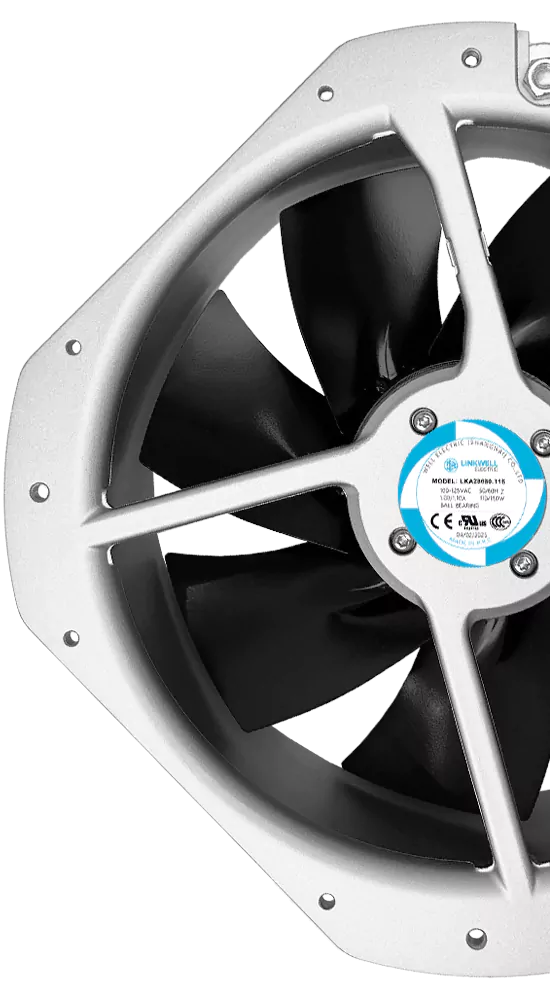
If you have ever wondered what is cfm, you are not alone. CFM stands for cubic feet per minute, which tells you how much air moves through a system in one minute. This number matters a lot for airflow measurement, especially in hvac, ventilation, and cooling. When you know the right cfm, you can pick a fan or system that keeps your indoor space comfortable and your equipment safe. For example, the right ventilation rate in hvac systems can bring billions of dollars in economic benefits each year, as shown in the table below.
| Ventilation Rate (cfm per person) | Estimated Annual Economic Benefits ($ billion) |
|---|---|
| 17 to 21 | 13 |
| 17 to 32 | 38 |
| Adding outdoor air economizers | 33 |
You will find that understanding cfm helps you match your needs with the right fanacdc solution, whether you want better comfort, energy savings, or reliable cooling for your hvac or industrial setup.
Key Takeaways
- CFM stands for cubic feet per minute and measures how much air moves in one minute. Understanding CFM helps you choose the right fan or HVAC system for comfort and efficiency.
- Calculating the right CFM for your space is easy. Measure your room, set your air change goal, and use a simple formula to find your needs.
- Proper CFM keeps indoor air fresh and healthy. It prevents issues like stuffy air, mold growth, and uneven temperatures, ensuring a comfortable environment.
- Choosing the right fan based on CFM ratings can save energy and reduce costs. Fans that match your CFM needs help maintain steady airflow and protect your equipment.
- Regular maintenance of your ventilation system is key. Clean filters and check for blockages to ensure optimal airflow and prevent common problems.
What Is CFM?

The Meaning of CFM
If you have ever asked yourself, “what is cfm,” you are not alone. CFM stands for cubic feet per minute. This simple measurement tells you how much air moves through a space or system in just one minute. When you see a fan or an HVAC unit rated by cfm, you know exactly how much air it can push or pull.
Think of cfm as the heartbeat of any ventilation or cooling system. It shows the volume of air that flows, which is key for keeping your indoor spaces comfortable and your equipment safe. In the world of HVAC, cfm is the number you look at first when you want to know if a system can handle your needs.
You can figure out cfm using a basic formula:
CFM = (Air Velocity in Feet per Minute) × (Cross-Sectional Area in Square Feet)
This formula helps you measure how much air moves through a duct, vent, or fan. You just need to know how fast the air is moving and the size of the opening. For example, if air moves at 300 feet per minute through a vent that is 2 square feet, the cfm is 600.
Here are a few things to remember about what is cfm:
- It measures the volume of air an HVAC system can move in one minute.
- It helps you compare different fans or systems quickly.
- It is the main number you need for airflow and ventilation planning.
Why CFM Matters in Airflow Measurement
You might wonder why everyone talks about cfm when it comes to airflow. The answer is simple: cfm tells you if your system can deliver enough air for comfort, safety, and efficiency. When you get the cfm right, you make sure your indoor air quality stays high and your HVAC systems work as they should.
Several factors affect how much cfm you need. Take a look at this table to see what can change your cfm requirements:
| Factor | Description |
|---|---|
| Room size and ceiling height | Bigger rooms need more airflow; high ceilings mean you need even more ventilation. |
| Air change rate (ACH) | Different spaces have unique ACH needs. Kitchens, for example, may need 7-20 air changes per hour. |
| Filters, Ducting and Fans | Filters can cut airflow by 15-20%. Duct design also changes cfm performance. |
| Heat from Lights or Appliances | Extra heat means you need more airflow, especially in kitchens or rooms with lots of equipment. |
When you understand what is cfm, you can see why it is the most crucial metric for airflow. It is not just about moving air. It is about making sure your indoor spaces feel right and your equipment does not overheat. If you do not have enough cfm, you might notice hot or cold spots, stuffy air, or even dust and mold growth. On the other hand, the right cfm keeps air moving, improves indoor air quality, and helps your HVAC systems run efficiently.
Here are some reasons why cfm matters so much:
- Proper cfm keeps your indoor air fresh and healthy.
- It helps your HVAC systems save energy by not working harder than they need to.
- The right cfm means even air distribution, so you do not get uncomfortable drafts or dead zones.
- Good cfm supports proper ventilation, which is key for safety and comfort.
Recent advances in fan technology, like better motor designs and smarter blades, help maintain strong cfm while using less energy and making less noise. These improvements mean you can get the airflow you need without wasting power or dealing with loud fans.
So, when you think about what is cfm, remember that it is the number that makes all the difference in airflow, ventilation, and comfort. If you want your indoor spaces to feel just right, always pay attention to cfm.
How to calculate the right CFM for your needs
Getting the right airflow starts with knowing how to calculate cfm for your space or equipment. You do not need to be an engineer to figure this out. You just need a few measurements and a simple formula.
Here’s a step-by-step way to find your home’s cfm requirements:
- Measure your space. Grab a tape measure and find the floor area (in square feet) and the average ceiling height (in feet).
- Set your air change goal. Decide how often you want the air to refresh. For most rooms, 2 CFM per square foot works for basic air exchange.
- Do the math. Use this formula to calculate cfm:
Required CFM = (Floor Area × Ceiling Height × Air Changes per Hour) ÷ 60For example, if your room is 200 sq ft with an 8 ft ceiling and you want 6 air changes per hour:Required CFM = (200 × 8 × 6) ÷ 60 = 160 CFM - Check a sizing chart. Match your number to a fan that meets or exceeds your calculated cfm.
Tip: Temperature and humidity can change your airflow needs. If you have lots of electronics, plants, or heat-producing lights, you may need more airflow to keep things cool and dry.
a simplified method for electronics& enclosure
When you work with electronics or small enclosures, you want to keep things cool without overdoing it. There’s a quick way for calculating cfm based on the heat your equipment gives off.
- Use this formula:
Q = 1.76 × W ÷ Tc- Q = airflow needed (CFM)
- W = heat produced (Watts)
- Tc = temperature rise allowed (°C)
- For example, if your enclosure releases 300 Watts and you want to keep the temperature rise under 10°C:
Q = 1.76 × 300 ÷ 10 = 52.8 CFM
Keep in mind, high humidity or extra heat from equipment means you should increase your airflow. Not enough cfm can lead to moisture buildup, which can cause mold or damage sensitive electronics. Always check your setup and adjust as needed to keep everything running smoothly.
CFM in action: real-world benchmarks and standards
benchmarks for critical industries
You might wonder how much airflow different industries need. The answer depends on the size of the space and the type of equipment. Here’s a quick look at typical cfm ranges for key sectors:
| Capacity Range | Application Areas |
|---|---|
| Below 15,000 CFM | Edge data centers, small enterprise facilities, healthcare, retail, telecommunications |
| 15,000–50,000 CFM | Medium to large enterprise data centers, colocation facilities |
| Above 50,000 CFM | Hyperscale data centers, large colocation facilities |
CFM standards play a big role in hvac, automotive, and electronics. The design of fans, including blade shape and the environment, can change cfm performance. You need to pick fans based on cfm ratings to get the best airflow and energy savings. This helps lower your operating costs and keeps your systems running smoothly.
for PC & server cooling
When you cool PCs and servers, you need to match the airflow to the heat your equipment makes. Here are some common guidelines:
- Most A/C units use about 400 cfm per ton.
- Server rooms often need around 350 cfm per ton.
- For equipment, a good rule is 150 cfm per kW.
- Computer fans usually move 40 to 80 cfm for quiet operation.
- Large server setups may need fans with over 10,000 cfm for strong ventilation.
Choosing the right cfm keeps your hardware cool and your indoor environment safe.
industrial automation: protecting electronics in control cabinets
In industrial automation, you want to keep electronics cool and safe. The airflow capacity of cooling fans, measured in cfm, is key for removing heat from sensitive parts. If you match the cfm to the thermal load, you prevent overheating. Always select fans that meet your system’s cfm needs for reliable operation.
new energy& harsh environments: cooling for wind farms & storage systems
Wind farms and energy storage systems face tough conditions. These setups often need cooling solutions with cfm from 200 up to over 1,000. Battery energy storage systems can generate a lot of heat, sometimes needing thousands of cfm to stay within safe temperatures. Strong airflow helps maintain performance and extends the life of your equipment.
medical & consumer devices balancing performance with quiet operation
Medical and consumer devices need proper ventilation, but they also must stay quiet and efficient. Here’s what you should look for:
| Factor | Description |
|---|---|
| Airflow Requirements | Calculate cfm based on room size and heat to ensure good cooling. |
| Noise Levels | Check decibel ratings; lower dB is important in hospitals and quiet spaces. |
| Energy Efficiency | Pick fans with low power use to keep performance high and energy bills low. |
You can see that cfm is not just a number. It is the key to proper ventilation, comfort, and safety in every industry. When you understand these benchmarks, you can choose the right hvac systems and fans for your needs.
You might wonder how to pick the right fan for your space or equipment. The answer starts with a few easy formulas. These help you figure out the airflow you need, whether you work in hvac, electronics, or industrial automation.
Here’s a quick table with the most common CFM formulas you’ll use:
| Formula | Description |
|---|---|
| CFM = (Room Volume × Air Changes per Hour) / 60 | Use this for general room ventilation. |
| CFM = BTU/hr / (1.08 × ΔT) | Great for sizing fans based on heat load. |
| CFM = Q / (1.1 × ΔT) | Handy for calculating airflow for a specific thermal effect. |
Let’s look at a real example. Suppose you have a control cabinet that needs to keep electronics cool. If your equipment gives off 500 watts of heat and you want the temperature to rise no more than 10°C, you can use the formula:
Q = 1.76 × W ÷ Tc
Q = 1.76 × 500 ÷ 10 = 88 CFM
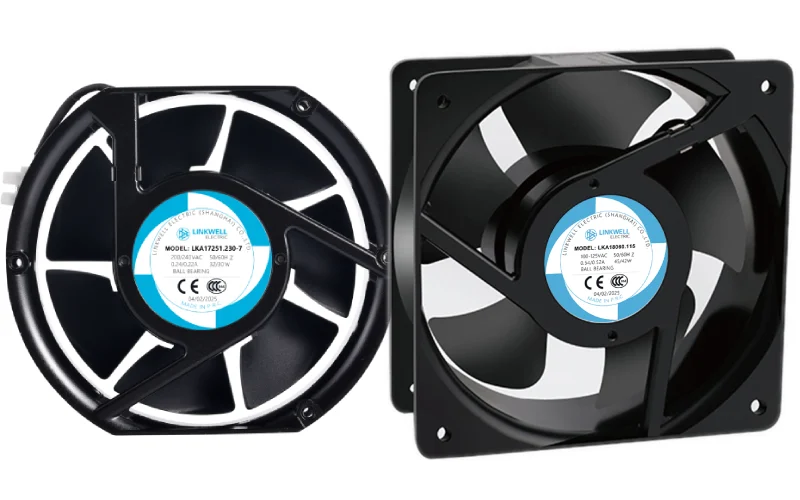
Now, you can check fanacdc’s DC Fan or Centrifugal Fan models. Many offer airflow from 80 to over 1,700 CFM, so you’ll find a perfect match for your needs.
Different industries have their own CFM benchmarks. In hvac, you might need 400 CFM per ton of cooling. For data centers, you could need fans that move 15,000 CFM or more. Medical devices often require quiet fans, like fanacdc’s EC Fans, which deliver strong airflow with low noise.
If you work in renewable energy or harsh environments, you’ll want a fan that handles high static pressure and tough conditions. fanacdc’s Centrifugal Fans are built for these jobs, offering stable airflow and long service life.
No matter your application, using the right formula and matching it with a fanacdc product helps you get the best performance and reliability.
CFM and Airflow Performance with fanacdc Fans
Impact on Comfort, Efficiency, and Equipment
Getting the proper cfm in your space does more than just move air. It keeps your indoor environment comfortable, protects your equipment, and saves you money. When you size your hvac systems correctly, you enjoy steady temperatures and balanced humidity. This means you feel comfortable all year round.
If you pick a fan with too much cfm, your hvac might cycle on and off too quickly. This wastes energy and can even wear out your equipment faster. If you choose too little cfm, you might notice stuffy air, uneven temperatures, or even mold growth. Here’s what happens when you get the proper cfm:
- You keep indoor temperatures and humidity at healthy levels.
- You avoid high utility bills from oversized hvac systems.
- You improve air quality and prevent mold.
- You protect your electronics and machinery from overheating.
Tip: Always check your airflow needs before buying a new fan. The right cfm makes a big difference in comfort and efficiency.
Choosing the Right fanacdc Fan for Your CFM Needs
You want a fan that matches your cfm requirements and fits your application. fanacdc offers a full range of solutions for every need, from small enclosures to large industrial spaces. Here’s how you can pick the best fanacdc product:
- For residential spaces, look for fans with cfm ratings around 2,000 or more.
- Hydroponics setups need fans that clear stale air and bring in fresh air. Calculate your cfm based on the size of your setup.
- Commercial buildings often need fans with cfm ratings over 10,000 for strong ventilation.
- Industrial sites may require fans with cfm ratings above 20,000 to keep air moving in large areas.
When you select a fan, consider these factors:
- Rotations per minute (RPM) – Higher RPM means more airflow.
- Blade size – Bigger blades move more air.
- Blade pitch – The angle affects how much air the fan moves.
If you feel unsure about your airflow needs, fanacdc can help. Our experts know how to match the right fan to your hvac systems, ensuring you get the proper cfm for comfort, safety, and equipment protection. Choosing the wrong cfm can lead to hidden problems like high energy bills, poor ventilation, or equipment failure. Trust fanacdc to guide you to the best solution for your industry.
Common CFM Problems and Solutions
Signs of Incorrect CFM
You might notice something feels off with your cooling or ventilation system, but you’re not sure what’s wrong. Many common problems come from incorrect CFM. Here’s a quick table to help you spot the signs:
| Sign | Description |
|---|---|
| Hot/Cold Spots | Big temperature differences between rooms mean uneven airflow. |
| Pressure Consistency | Strange noises or doors closing by themselves point to pressure imbalances. |
| Weak Air | Low air coming from vents shows your system isn’t moving enough air. |
| Warm Air During Cooling | If you feel warm air when you expect cool, airflow might be blocked or too low. |
You might also hear more noise than usual or see condensation around vents. Sometimes, doors slam shut or drafts appear out of nowhere. These are all clues that your airflow needs attention.
Optimizing CFM with fanacdc Solutions
You can fix most airflow issues with a few simple steps. Start by checking for blocked vents, dirty filters, or old equipment. Here’s what you can do to improve cfm and keep your system running smoothly:
- Inspect your system regularly. Look for dust, debris, or anything blocking the airflow.
- Clean fan blades and filters. This helps air move freely and keeps energy bills down.
- Lubricate moving parts and check bearings for smooth operation.
- Tighten belts and check alignment to prevent extra strain on your fan.
- Check pulleys and dampers every month. Make sure nothing is stuck or loose.
- Once a year, inspect wiring and ductwork for leaks or damage.
If you want a long-lasting solution, consider upgrading to a fanacdc fan. Our AC, DC, EC, and centrifugal fans are designed for strong, stable airflow and easy maintenance. You can choose models with high static pressure for tough jobs or quiet fans for sensitive spaces. Our team can help you pick the right product and even customize a solution for your unique needs.
Tip: Regular maintenance and the right fanacdc product can boost your ventilation and protect your equipment for years.
CFM vs. RPM and Static Pressure
Key Differences Explained
You might see CFM, RPM, and static pressure listed on fan specs and wonder what they all mean. Each one tells you something different about how a fan works. Let’s break it down with a simple table:
| Measurement Type | Description |
|---|---|
| CFM (Cubic Feet per Minute) | Shows how much air moves in a minute. This is the airflow volume. |
| RPM (Revolutions Per Minute) | Tells you how fast the fan spins. Speed can change how much air the fan moves. |
| Static Pressure | Measures the force the air pushes with. This matters when air has to move through filters or ducts. |
Think of CFM as the amount of air, RPM as the speed, and static pressure as the strength to push air through obstacles. You need all three to understand how a fan will perform in your setup.
When to Focus on Each Metric
You don’t always need to look at every number. Here’s when each one matters most:
- CFM: Pick this when you want to know how much air you need for cooling or ventilation. If you want fresh air in a room or need to cool electronics, start here.
- RPM: Check this if you care about noise or want to control fan speed. Higher RPM usually means more noise, but also more airflow.
- Static Pressure: Focus on this when air must move through tight spaces, filters, or long ducts. High static pressure fans work best in these cases.
Tip: If you have a simple open space, CFM is your main concern. If your system has lots of filters or twists and turns, static pressure becomes more important.
Choosing the right fan means looking at all three numbers. You get the best results when you match the fan’s strengths to your real needs.
Conclusion
You’ve made it to the end, and now you know why CFM matters so much for airflow measurement. When you understand CFM, you can make smart choices for your home, office, or industrial setup. You don’t have to guess if your fan or ventilation system will do the job. You can check the numbers, compare options, and pick what works best for your needs.
Let’s recap the main takeaways:
- CFM helps you optimize airflow in any environment.
- It plays a big role when you select ventilation equipment and want proper air circulation.
- Knowing your CFM needs leads to better indoor air quality and supports your well-being.
If you get the CFM right, you enjoy steady temperatures, fresh air, and lower energy bills. You also protect your equipment from overheating and avoid problems like mold or stuffy rooms. When you ignore CFM, you might run into hot spots, noisy fans, or even system failures.
Remember: The right CFM keeps your space comfortable, efficient, and safe.
You don’t have to figure this out alone. fanacdc offers a wide range of high-performance fans—AC, DC, EC, and centrifugal—that match every airflow challenge. Whether you need quiet cooling for medical devices or powerful ventilation for industrial automation, you’ll find a solution that fits.
If you’re unsure about your airflow needs, reach out to the experts at fanacdc. They can help you calculate the right CFM, choose the best fan, and even customize a solution for your unique project. With the right knowledge and the right partner, you can achieve optimal airflow and peace of mind.
You now see why understanding CFM matters for airflow and system performance. When you choose the right CFM, you get better comfort, lower energy bills, and longer equipment life. fanacdc fans make this easy:
- DC fans save up to 70% energy and offer smart speed control.
- AC fans run nonstop in tough places, keeping airflow steady.
If you need expert help, fanacdc offers custom solutions for any project:
| Feature | Description |
|---|---|
| Customization Options | Size, mounting, voltage, and speed fit your exact needs |
| Performance Fit | Matches airflow and static pressure for your application |
| Application | Works in compact or high-pressure systems |
Let fanacdc help you get the airflow you need.
FAQ
What does CFM mean when choosing a fan?
CFM stands for cubic feet per minute. It tells you how much air a fan moves in one minute. You can use this number to compare fans and pick the right one for your space or equipment.
How do I know if my system has enough CFM?
You might notice even temperatures, fresh air, and no hot spots. If you feel stuffy air or see condensation, your system may need more CFM. Always check your fan’s rating and match it to your room or equipment size.
Can I use a higher CFM fan than recommended?
You can, but it is not always better. Too much airflow can cause drafts, noise, or uneven cooling. Try to match the CFM to your needs for the best comfort and efficiency.
What makes fanacdc fans a good choice for airflow needs?
fanacdc fans offer strong airflow, energy savings, and quiet operation. You can find AC, DC, EC, and centrifugal models for any application. The team can help you pick or customize the perfect fan for your project.