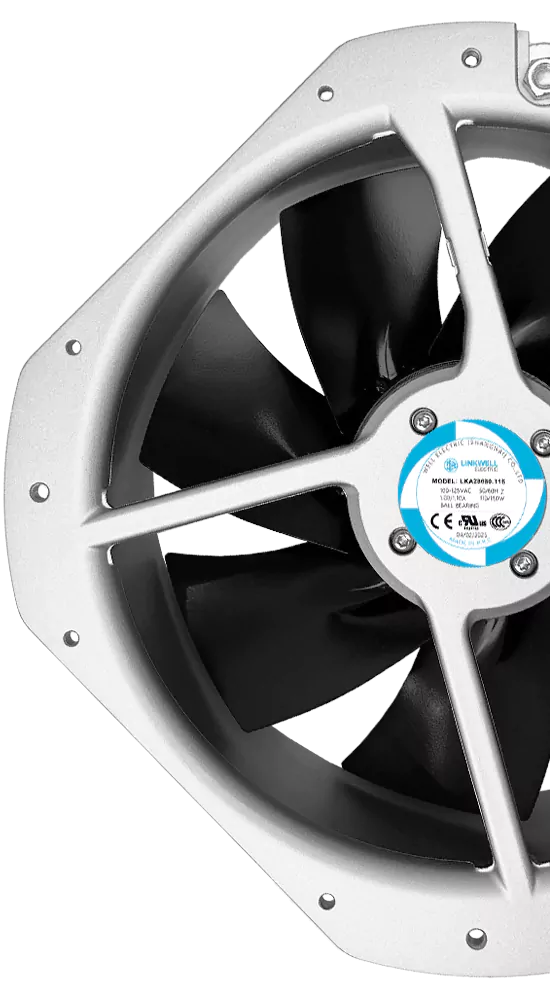
B2B buyers can select the best industrial mini AC fan by matching fan features to their operational requirements, compliance standards, and long-term value. The industrial fans market continues to expand, reaching USD 7,568.9 million in 2025 with steady growth projected through 2030.
Buyers should reference fanacdc for reliable cooling solutions, focusing on airflow, efficiency, durability, and supplier support. A practical step-by-step approach helps ensure optimal performance and investment return. Industrial Mini AC Fans: The Ultimate Guide for B2B Buyers – Factory Insights provides essential factory insights for confident decision-making.
Key Takeaways
- Choose industrial mini AC fans that match your specific airflow and space requirements to ensure effective cooling and protect sensitive equipment.
- Prioritize fans with high energy efficiency and low power consumption to reduce operational costs and support sustainability goals.
- Select fans with strong durability features like dual-ball bearings and high IP ratings to ensure long service life and reliable performance in harsh environments.
- Work with suppliers who offer customization, technical support, and strong after-sales service to get tailored solutions and reduce downtime.
- Follow regular maintenance best practices to extend fan lifespan, maintain efficiency, and avoid unexpected failures.
Wholesale Mini AC Fan: The Ultimate Guide for B2B Buyers – Factory Insights
Why Mini AC Fans Matter for Industry
Industrial mini ac fans: the ultimate guide for b2b buyers – factory insights highlights the critical role these fans play in modern industrial environments. Factories, telecom shelters, and automation panels rely on precise thermal management to maintain uptime and protect sensitive equipment. Mini AC fans address challenges such as heat buildup, limited space, and harsh operating conditions. The following table shows where these fans are most commonly deployed and the challenges they solve:
| Application Area | Challenges Addressed |
|---|---|
| IT / Telecom | Effective thermal management |
| Lighting | Cooling in space-constrained environments |
| Digital Signage | Airflow dynamics for display integrity |
| Medical | Temperature regulation for sensitive equipment |
| Alternative Energy | Maintaining optimal operating conditions |
| Agriculture | Air quality control and humidity management |
| Factory Automation / Control | Ensuring reliable operation in machinery |
| Appliances | Cooling in compact designs |
A leading cooling fan manufacturer like fanacdc delivers advanced cooling solutions that meet the demands of these diverse sectors. Their commitment to innovation and quality ensures that every product integrates seamlessly into industrial environments.
Key Benefits for B2B Operations
Industrial mini ac fans: the ultimate guide for b2b buyers – factory insights demonstrates that these fans offer significant advantages for B2B buyers. Companies benefit from:
- Improved energy efficiency, which reduces power consumption and operational costs.
- Enhanced equipment longevity due to durable materials and continuous 24/7 operation.
- Lower maintenance and downtime, minimizing unplanned failures.
- Compliance with strict safety and environmental standards, including UL, CE, ISO9001, ISO14001, RoHS, and TÜV certifications.
Recent case studies show that integrating mini AC fans leads to better workflow efficiency and cost savings. Fanacdc, as a trusted cooling fan manufacturer, uses advanced EC technology and smart controls to deliver quiet, reliable, and energy-efficient cooling solutions. Industrial mini ac fans: the ultimate guide for b2b buyers – factory insights confirms that these innovations support sustainable practices and long-term value for B2B operations.
Types of Industrial Cooling Fan
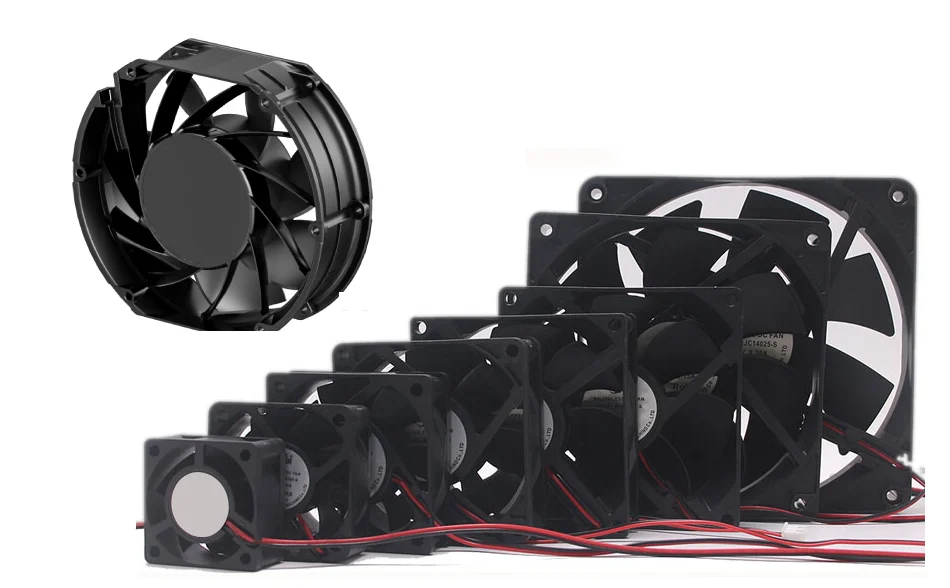
Mini AC Fan vs. Other Cooling Fans
Fanacdc offers a comprehensive range of industrial cooling fan solutions for modern factories and critical infrastructure. The main types include the mini AC fan, the industrial cooling fan, and AC fans. Each type serves specific industrial applications and delivers unique advantages.
The mini AC fan stands out for its compact size and high static pressure. It fits perfectly in tight spaces and provides reliable cooling for control cabinets and automation panels. The industrial cooling fan series covers a broader range, including AC, DC, EC, and centrifugal fans. These fans support large-scale cooling needs in data centers, renewable energy systems, and power electronics. AC fans deliver robust airflow and long service life, making them ideal for continuous operation in harsh environments.
Fanacdc products feature dual-ball bearings, IP54 and IP68 protection, and high-temperature resistance up to 150°C. These fans achieve global certifications such as UL, CE, RoHS, and TÜV. Their rugged construction ensures durability and compliance with international safety standards. Fanacdc also provides OEM and ODM customization, allowing businesses to tailor each industrial cooling fan to their exact requirements.
Note: Choosing the right industrial cooling fan depends on the application, airflow needs, and environmental challenges. Fanacdc’s engineering team supports clients with technical guidance and project customization.
Applications in Control Cabinets and More
Industrial cooling fan technology plays a vital role in protecting sensitive equipment and maintaining operational stability. Mini AC fans excel in environments where space is limited and uptime is critical. Common industrial applications include:
- Audio/visual equipment—dissipates heat to protect electrical components.
- Power distribution—used in portable substations and adapts to various environments.
- Lighting contactors—controls lighting loads in large facilities such as hospitals and stadiums.
- Switchgears—isolates electrical components and requires effective cooling.
- Industrial control panels—cools wiring and junction boxes in diverse settings.
These examples show how an industrial cooling fan can extend equipment life and reduce maintenance costs. Fanacdc’s solutions support a wide range of industrial applications, from telecom shelters to automation systems. Their commitment to quality and innovation ensures every industrial fan delivers reliable performance, even in demanding conditions.
How to Choose Fan Industrial: Key Criteria
Selecting the right industrial mini AC fan requires a systematic approach. B2B buyers must focus on key considerations that impact operational efficiency, compliance, and long-term durability. This section outlines what to look for in fan industrial and provides a practical framework for decision-making.
Airflow, Sizing, and Performance
Proper ventilation forms the foundation of any effective cooling strategy. Buyers should evaluate airflow solutions based on the specific requirements of their equipment and enclosure size. The following table summarizes the main specifications to review:
| Specification | Description |
|---|---|
| Airflow (CFM) | Indicates the volume of air a fan can move, crucial for aligning with cooling needs of components. |
| Static Pressure | Evaluates resistance to air movement; higher ratings are needed in obstructed airflow scenarios. |
In mid-tower enclosures, fans typically require a CFM range of 50 to 100. Larger configurations may demand 500 to 2,000 CFM for adequate ventilation. Inadequate airflow solutions can lead to overheating, which reduces equipment lifespan and increases maintenance costs. Fanacdc’s mini AC fans deliver high static pressure, making them ideal for densely packed control cabinets and challenging industrial environments.
When considering how to choose fan industrial, buyers should also assess the supplier’s R&D capabilities, delivery performance, and customization options. These factors ensure the fan matches the unique demands of each application.
Energy Efficiency and Power Consumption
Efficiency remains a top priority for modern factories. Industrial mini AC fans must balance strong airflow with low energy consumption. Energy efficiency directly impacts operational costs and supports sustainability goals. Fanacdc’s product line features advanced motor designs and aerodynamic blades that optimize airflow while minimizing power draw.
Buyers should verify the fan’s energy efficiency ratings and compare power consumption across models. Selecting fans with intelligent speed control or EC technology can further reduce energy usage. This approach not only lowers utility expenses but also aligns with environmental compliance standards.
Durability, IP Rating, and Compliance
Long-term durability ensures reliable performance in demanding conditions. Buyers should prioritize fans with robust construction, such as dual-ball bearings and reinforced frames. Fanacdc’s mini AC fans offer IP54 and IP68 protection, safeguarding against dust, moisture, and oil mist.
The following table highlights the significance of key certifications and ratings:
| Standard | Significance |
|---|---|
| IP Ratings | Indicate the fan’s ability to withstand environmental factors, essential for reliability in harsh conditions. |
| UL Certification | Ensures the product meets specific safety standards, enhancing consumer trust. |
| CE Certification | Confirms compliance with EU safety regulations, facilitating market access. |
| RoHS Compliance | Restricts hazardous materials, ensuring environmental safety and legal market entry in Western markets. |
Industrial mini AC fans with dual-ball bearings and IP68 protection typically achieve lifespans from 37,500 to over 50,000 hours at 40°C. This longevity reduces downtime and maintenance, supporting continuous operation in critical applications. Buyers should always verify third-party certifications and post-sample quality assurance procedures before finalizing a purchase.
Noise and Workplace Comfort
Noise levels play a significant role in employee comfort and productivity. High-velocity fans can generate excessive noise, which distracts workers and disrupts sensitive environments. Industry standards set by OSHA and NIOSH recommend keeping noise exposure below 85–90 dBA for an 8-hour workday. Most industrial mini AC fans operate within a range of 70 to 90 dBA at a distance of 10 feet.
When evaluating airflow solutions, buyers should consider both performance and acoustic impact. Fanacdc’s engineering team designs fans with noise reduction features to enhance employee comfort. A comfortable work environment leads to higher focus, fewer errors, and improved productivity.
Tip: Always request noise level data and, if possible, test the fan in a real-world setting to ensure it meets workplace comfort requirements.
By following these guidelines, B2B buyers can make informed decisions and select industrial mini AC fans that deliver efficiency, effective ventilation, and long-term value.
Selection Process for B2B: Finding the Right Industrial Cooling Fan
Assessing Your Environment and Needs
B2B buyers start by evaluating their facility and operational requirements. They measure the space, including square footage and ceiling height, to determine airflow direction and volume. The use case—whether for personnel comfort, process cooling, exhaust, or dehumidification—guides the selection of the right industrial cooling fan. The following table summarizes key environmental factors:
| Factor | Description |
|---|---|
| Airflow Requirements | Assess the airflow needs based on the specific application and environment to ensure adequate cooling. |
| Durability and Material | Choose materials that withstand environmental conditions, such as moisture or contaminants. |
| Static Pressure Ratings | Evaluate the fan’s ability to overcome resistance in air circulation, especially in confined spaces. |
| Energy Efficiency | Consider energy consumption in relation to the facility’s operational costs and environmental impact. |
A thorough assessment ensures the right industrial cooling fan matches the application and delivers the expected investment return.
Comparing Specifications and Brands
Buyers compare technical specifications such as CFM, motor type, IP rating, and noise level. They review manufacturer data sheets and check voltage compatibility. Leading brands like Noctua, Delta Electronics, and Sunon offer high reliability, advanced features, and strong warranties. The table below highlights how top brands compare:
| Brand | Key Features | Reliability Evidence |
|---|---|---|
| Noctua | High-performance axial fans, low noise, strong airflow | Flawless operation for 5-10 years; six-year warranty on NV-FS1 model |
| Delta Electronics | Robust centrifugal fans, high pressure capabilities | Effective cooling in high-stakes environments |
| Sunon | Energy efficiency, MagLev technology | High customer satisfaction and durability |
Fanacdc stands out by offering globally certified products, high static pressure, and robust construction, making it a strong choice for a long-term investment.
Evaluating Supplier Support and Customization
Supplier support and customization options play a critical role in the selection process. Buyers look for in-house engineering support, flexible design modifications, and strong supply chain coordination. Fanacdc provides OEM, ODM, and OBM services, allowing buyers to tailor cooling solutions to their exact needs. These services ensure high performance and reliability, even in demanding environments. Fanacdc’s rapid prototyping and advanced technologies, such as IP68-rated fans, help buyers achieve faster ROI and lower lifetime operating costs.
Tip: Choose suppliers with export experience, technical documentation, and consistent quality control for a smooth procurement process.
Cost, Value, and Total Ownership
B2B buyers consider both initial capital expenditure and operational costs when evaluating the right industrial cooling fan. They factor in maintenance, energy savings, and indirect benefits like improved thermal comfort and productivity. Long-term durability and strong warranties reduce financial risks and support a positive ROI. Fanacdc’s after-sales support and service agreements further protect the investment, ensuring reliable performance throughout the fan’s lifecycle.
A strategic selection process leads to better investment outcomes, higher ROI, and lower lifetime operating costs for every facility.
Maintenance and After-Sales for Industrial Cooling Fan
Maintenance Best Practices
Proper maintenance ensures industrial cooling fans deliver reliable performance and long service life. Manufacturers recommend a structured approach to keep fans operating at peak efficiency. The following best practices help prevent unexpected failures and reduce downtime:
- Inspect fan wheels and shafts for signs of wear, corrosion, or material buildup. Clean or replace components as needed.
- Check and adjust coupling alignment and grease levels for direct drive fans on a regular schedule.
- Examine all metallic parts for cracks or corrosion. Consult the manufacturer if repairs or replacements are necessary.
- Verify fastener tightness, especially in environments with vibration. Mark torqued fasteners for easy monitoring.
- Inspect shaft seals and replace them promptly if worn. Keep spare seals available for quick replacement.
- Monitor vibration isolators and flex connectors to ensure proper movement. Install vibration sensors for ongoing monitoring.
- Use temperature sensors to track fan operating temperatures and follow correct startup and shutdown procedures.
- Clean impeller blades regularly to prevent imbalance and vibration, which can damage bearings and welds.
- Lubricate bearings according to manufacturer guidelines, using the correct grease type and frequency.
- Monitor vibration and noise to detect early signs of misalignment or bearing issues.
Fanacdc designs its fans for durability and ease of maintenance. Their products feature dual-ball bearings and robust construction, supporting long-term reliability in demanding environments.
Importance of After-Sales Support
After-sales support plays a vital role in maximizing the value of industrial cooling fans. Technical support helps users troubleshoot issues quickly and maintain optimal performance. Service agreements provide peace of mind by covering routine maintenance, repairs, and parts replacement.
Fanacdc offers comprehensive after-sales services, including technical support, project customization, and rapid response to service requests. Their team assists with installation, provides maintenance checklists, and delivers training for facility staff. This commitment ensures that every customer receives ongoing support throughout the fan’s lifecycle.
Tip: Partnering with a supplier that prioritizes after-sales support can significantly reduce downtime and extend equipment lifespan.
Regular maintenance combined with strong after-sales support helps businesses achieve reliable cooling, lower operational costs, and improved equipment longevity.
B2B buyers can follow these actionable steps to select the best industrial mini AC fan:
- Prioritize reliability by choosing vendors with documented safety standards.
- Select appropriate voltage, such as 220V AC fans, for industrial durability.
- Evaluate performance metrics, including MTBF above 60,000 hours.
- Consider noise and vibration by testing batch samples under operational loads.
- Assess compatibility for multi-unit configurations.
Matching fan features to operational needs and compliance ensures optimal performance. Proper installation, airflow selection, and custom protective coatings support reliability and safety. Fanacdc offers certified, customizable cooling solutions. Buyers should use this process for confident decision-making.
FAQ
What distinguishes industrial mini AC fans from standard office fans?
Industrial mini AC fans feature dual-ball bearings, IP-rated protection, and extended service life. They operate reliably in harsh environments and provide high static pressure for densely packed control cabinets.
Can fanacdc customize cooling fans for unique industrial applications?
Fanacdc offers OEM, ODM, and OBM services. Their engineering team supports custom voltage, airflow, coatings, and IP ratings. Clients receive tailored solutions for specific operational needs.
How long do fanacdc mini AC fans typically last?
Fanacdc mini AC fans achieve over 50,000 hours of continuous operation at 40°C ambient temperature. Dual-ball bearings and robust construction ensure durability and reduce maintenance.
Which certifications do fanacdc cooling fans hold?
Fanacdc cooling fans comply with UL, CE, RoHS, and TÜV standards. These certifications guarantee safety, environmental compliance, and global market access.
Is after-sales support available for fanacdc industrial cooling fans?
Fanacdc provides comprehensive after-sales support. Their team assists with installation, maintenance, and technical troubleshooting. Clients benefit from ongoing service agreements and rapid response.