You might think cooling is all you need for your electrical enclosures, but that’s not true for 2026. Both heating and cooling play a big role in keeping your equipment safe. Many people believe that adding more fans or bigger cooling systems solves every problem. That’s a common mistake. Cold weather can be just as risky as heat, leading to condensation and damage inside your enclosure. If you want to avoid these issues, you need to understand Why You Should Use Heating/cooling in Electrical Enclosures and make sure you have a smart plan.
Key Takeaways
- Both heating and cooling are essential for protecting electrical enclosures. Neglecting either can lead to equipment damage and safety hazards.
- Condensation can cause serious issues like corrosion and short circuits. Control temperature to prevent moisture buildup inside enclosures.
- Implementing a thermal management plan extends the lifespan of your equipment. Proper temperature control reduces the risk of failures and costly repairs.
- Regularly assess your enclosure’s needs and choose the right heating and cooling solutions. This ensures optimal performance and compliance with safety standards.
- Use smart controls like thermostats to maintain ideal conditions. Automation helps prevent issues and enhances the reliability of your systems.
Why You Should Use Heating and Cooling in Electrical Enclosures
Risks of Overheating and Low Temperatures
You might think that only high temperatures cause trouble for your electrical equipment, but low temperatures can be just as dangerous. When you ignore why you should use heating/cooling in electrical enclosures, you put your systems at risk. Overheating can lead to equipment malfunctions, fire hazards, and even total system failure. If you let your enclosure get too cold, you can face moisture buildup and frozen components.
Here are some of the main risks you face if you skip proper heating and cooling:
- Overheating can cause malfunctions in your electrical systems.
- Excessive heat increases the risk of fire hazards.
- Without temperature monitoring, you can damage equipment and create safety issues.
- Low temperatures can lead to condensation and moisture problems.
You need to keep your enclosure at the right temperature all year. That’s why you should use heating/cooling in electrical enclosures, not just cooling or heating alone.
Condensation Hazards in Enclosures
Condensation is a silent enemy inside your enclosure. When warm air meets a cold surface, water droplets form. This moisture can corrode metal parts, damage sensitive electronics, and even cause short circuits. If you don’t control both heating and cooling, condensation can sneak in and ruin your investment.
Let’s look at the main causes of condensation:
| Cause | Explanation |
|---|---|
| Environmental Conditions | Changes in temperature during the day and night can lead to condensation, especially in humid areas. |
| Rapid Temperature Changes | Sudden drops in temperature can cause condensation, particularly when heat-generating equipment is turned off. |
| Lack of Ventilation | Trapped air with moisture cannot escape, leading to increased humidity and higher chances of condensation. |
| Equipment Aging | Over time, seals and gaskets can degrade, allowing moisture to enter the enclosure. |
| Installation Problems | Incorrect sealing of entry points can allow humid air to enter, contributing to condensation issues. |
| Other Unknown Issues | The breathing effect of enclosures can draw in humid air, exacerbating condensation problems. |
You might notice condensation more often if you live in a humid area or if your enclosure faces rapid temperature swings. Lack of ventilation makes things worse. If you want to avoid costly repairs and downtime, you need to understand why you should use heating/cooling in electrical enclosures.
Tip: Always check for signs of moisture inside your enclosure, especially after big weather changes.
Impact on Equipment Reliability
When you manage both heating and cooling, you protect your equipment and extend its life. Ignoring why you should use heating/cooling in electrical enclosures can shorten the lifespan of your most important components. High temperatures can cause failed circuitry and trip overcurrent protection. Low temperatures can lead to moisture buildup, which is just as dangerous.
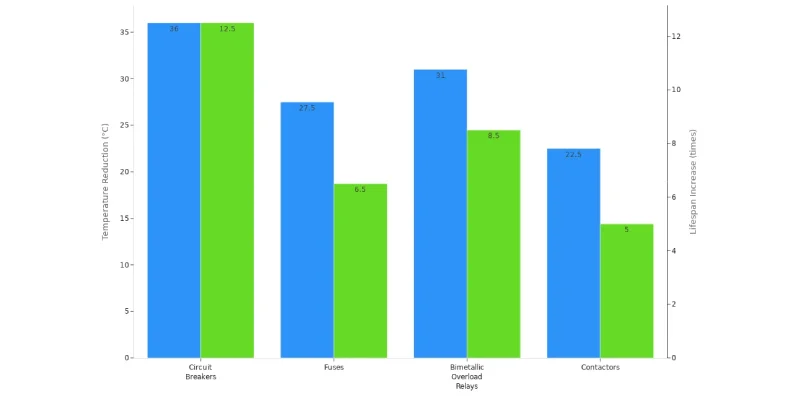
Recent studies show that dual heating and cooling can make a huge difference:
| Component Type | Temperature Reduction (°C) | Lifespan Increase (times) |
|---|---|---|
| Circuit Breakers | 36 | 12.5 |
| Fuses | 27.5 | 6.5 |
| Bimetallic Overload Relays | 31 | 8.5 |
| Contactors | 22.5 | 5 |
If you want your equipment to last, you need to keep it at the right temperature. That’s why you should use heating/cooling in electrical enclosures. You’ll avoid enclosure overheating, prevent condensation, and keep your systems running smoothly.
Enclosures Heating
In enclosure heating applications, especially for electrical cabinets, control panels, and outdoor equipment, maintaining a stable internal temperature is essential to prevent condensation, corrosion, and component failure.
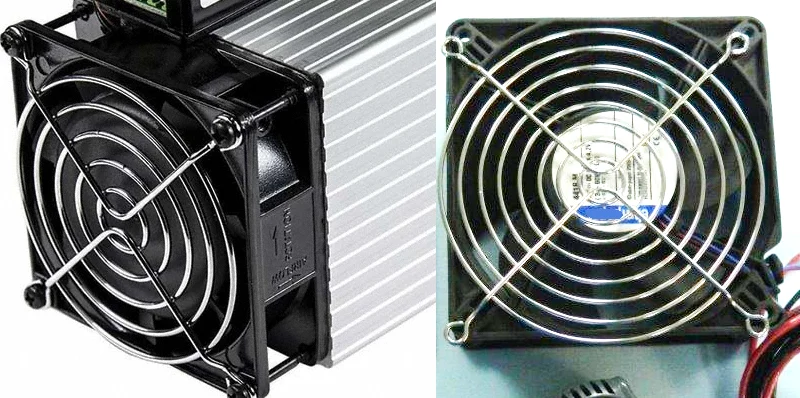
While heating elements such as PTC heaters generate the required warmth, airflow plays an equally important role in ensuring that heat is distributed evenly throughout the enclosure.
Without proper air circulation, heat can accumulate in one area while leaving other sections vulnerable to moisture and cold spots. This is why fan-assisted heaters are widely used, combining reliable heating with controlled airflow.
By integrating high-quality fans, systems can achieve faster temperature stabilization, improved energy efficiency, and more consistent protection of sensitive components in demanding industrial environments.
Benefits of a Thermal Management Plan for Enclosures
Reliability and Longevity of Components
You want your enclosures to last as long as possible. A thermal management plan helps you achieve that goal. Temperature control is key. If you let the temperature rise by just 10 degrees Celsius, the lifespan of your equipment can drop by half. That’s a big risk for component failure. You can avoid this by using proper thermal management. When you keep your enclosures cool and dry, you reduce the chance of breakdowns. You also extend the service life of every part inside. Good thermal management means fewer repairs and less downtime. You get more reliability from your systems.
Safety, Compliance, and Cost Savings
Safety matters in every facility. A thermal management plan protects you from fire hazards and harmful emissions. You also meet strict compliance standards. Enclosures must handle threats like dust, moisture, corrosion, and temperature extremes. NEMA and IP ratings help you choose the right enclosure for your environment. Material choice affects how long your enclosure lasts. In cold climates, passive insulation is not enough. You need active heating for proper temperature control. Here’s how thermal management saves money and keeps you safe:
- Prevents overheating and costly repairs
- Reduces maintenance cycles and expenses
- Lowers the risk of component failure
- Meets OSHA and EPA standards
| Benefit | Description |
|---|---|
| Reducing Energy Consumption | Proper insulation minimizes heat loss, lowering energy bills and enhancing system efficiency. |
| Preventing Equipment Failures | Insulation acts as a thermal buffer, reducing the risk of unplanned shutdowns and costly repairs. |
| Extending Equipment Lifespan | Insulation reduces thermal cycling, protecting equipment and prolonging its service life. |
| Improving Workplace Safety | Insulation lowers surface temperatures, reducing the risk of burns and heat-related injuries. |
| Regulatory Compliance | Insulation helps meet safety and efficiency standards set by organizations like OSHA and EPA. |
Enhanced Performance with fanacdc Industrial Cooling Fan
You need a cooling solution that fits your thermal management plan. fanacdc offers industrial cooling fans that deliver stable airflow and reliable temperature control. These fans help you manage thermal conditions in enclosures. You can choose from AC, DC, EC, or centrifugal fans. Each fan is engineered for durability and performance. With fanacdc, you get a cooling solution that reduces component failure and boosts reliability. You also benefit from customization options for your specific needs. fanacdc’s cooling fans support your thermal management plan and help you maintain optimal thermal conditions. You protect your equipment, save money, and keep your enclosures running smoothly.
How to Choose Enclosure Cooling and Heating Solutions in 2026
Assessing Your Enclosure’s Needs
You want your enclosures to work reliably, so you need to start with a solid plan. First, look at the total heat load inside your enclosure. Think about how much heat your equipment produces and how much heat comes from the environment. Check the location of your enclosure—outdoor units face more temperature swings than indoor ones. You should also consider the IP or NEMA rating, since these ratings affect how much airflow you can allow.
Here’s a quick checklist to help you decide if you need heating, cooling, or both:
- Does your enclosure operate in cold climates or outdoors?
- Do you see condensation or moisture inside?
- Is your equipment sensitive to temperature changes?
- Does your enclosure house high-value electronics?
If you answer “yes” to any of these, you need a thermal management plan that includes both heating and enclosure cooling systems.
Tip: Use an online enclosure cooling calculator to estimate your cooling needs. This tool helps you pick the right enclosure cooling systems for your setup.
Selecting the Right Cooling Fan: fanacdc Solutions
Choosing the right enclosure cooling fan matters. You want a fan that matches your heat load, fits your enclosure, and meets your airflow needs. fanacdc offers a range of industrial cooling fans, including AC, DC, EC, and centrifugal models. Each type works best for different enclosure cooling systems. For example, DC fans give you precise speed control, while EC fans save energy.
When you select a fan, look at these factors:
| Factor | Why It Matters |
|---|---|
| Heat Load | Ensures the fan can handle your enclosure’s needs |
| Ambient Temperature | Fans must work in your actual environment |
| Space for Airflow | Proper airflow prevents hot spots |
| IP/NEMA Rating | Protects against dust and moisture |
fanacdc can help you customize enclosure cooling systems for your unique requirements. You get reliable cooling and longer equipment life.
Integrating Heating, Cooling, and Controls
You can boost the performance of your enclosure cooling systems by adding smart controls. Thermostats and humidity controllers keep your enclosure at the right temperature and humidity. These devices prevent mold, reduce energy use, and extend the life of your equipment. You should always calculate your heat load before you install enclosure cooling systems. Separate high-heat components if possible, and document your thermal design for future reference.
Here’s a simple step-by-step guide for integration:
- Calculate your enclosure’s heat load.
- Choose enclosure cooling systems with enough capacity.
- Add heating if you face cold weather or condensation.
- Install thermostats and humidity controllers for automation.
- Review and update your thermal management plan regularly.
With the right enclosure cooling systems and controls, you protect your enclosures and keep everything running smoothly—even in 2026.
You need both heating and cooling to protect your electrical enclosures. Without a solid plan, you risk condensation, temperature extremes, and loss of safety. Equipment failure, downtime, and fire hazards threaten safety and cost you money. Reviewing your enclosure conditions improves safety and reliability. Consulting experts boosts safety and helps you avoid costly mistakes. fanacdc Industrial Cooling Fan solutions support safety and extend the life of your equipment. Take action now to ensure safety and keep your systems running strong.
FAQ
What happens if I skip cooling systems in my electrical enclosures?
You risk downtime due to overheating. Without cooling systems, your enclosure can trap heat. This leads to equipment failure, unscheduled downtime, and higher costs. You want to keep your electrical enclosures safe and your critical equipment running.
How do cooling systems help with improved safety and lower costs?
Cooling systems keep enclosure temperature stable. This means less risk of fire or electrical hazards. You also avoid expensive repairs. Effective cooling protects your equipment and reduces maintenance costs. You get improved safety and peace of mind.
Why do I need enclosure temperature controls for my electrical enclosures?
Enclosure temperature controls let you set the right temperature for your enclosure. These controls help cooling systems work better. You avoid condensation, protect electrical equipment, and prevent downtime. Your enclosure stays reliable in every season.
Can cooling systems prevent failure in critical equipment?
Yes! Cooling systems remove heat from your enclosure. This protects critical equipment from overheating. You avoid failure and keep your electrical systems working. You also reduce downtime and save on repair costs.
How often should I check my enclosure and cooling systems?
You should check your enclosure and cooling systems every month. Look for dust, blocked airflow, or signs of wear. Regular checks help you spot problems early. This keeps your electrical enclosures and equipment safe and avoids unscheduled downtime.