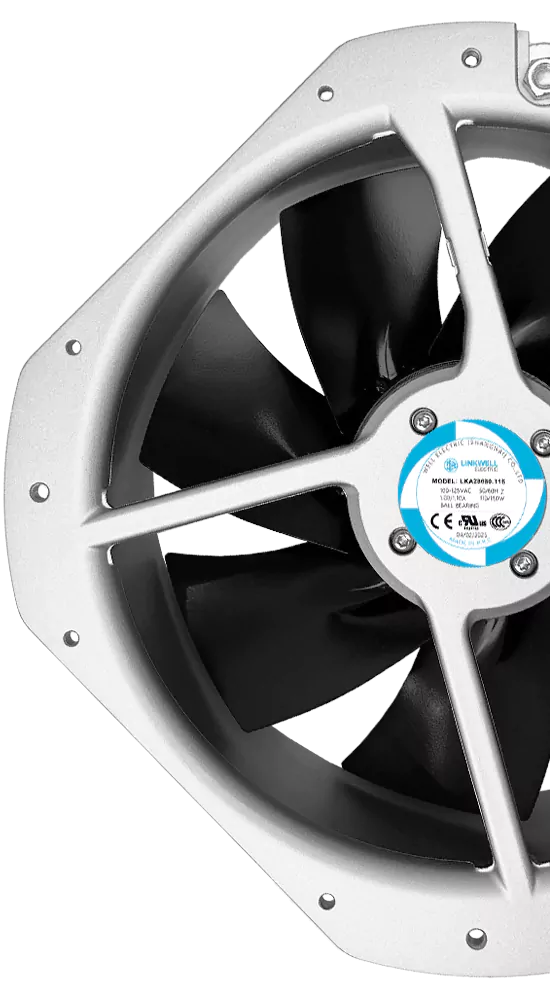
Choosing the right fish tank cooling fan depends on your aquarium’s size, setup, and temperature requirements. You need to match the fan to your tank for efficient temperature regulation and healthy aquatic life. For example:
- Fans work best for small to medium tanks with mild overheating.
- Chillers suit larger tanks or enclosed systems with poor airflow. Stable water temperature keeps your fish and plants healthy. fanacdc offers trusted cooling solutions designed for reliable performance, making it easier for you to keep your aquarium at the right temperature.
Key Takeaways
- Match the cooling fan to your aquarium size for effective temperature control. Small tanks need gentle airflow, while larger tanks may require more powerful fans.
- Know the ideal temperature range for your fish species. Choose a fan with features like thermostats to maintain stable conditions and prevent stress.
- Position your fan to blow air across the water surface. This increases evaporation and cooling, helping to keep your fish comfortable.
- Select a fan that operates quietly, especially for living spaces. Look for models rated below 35 decibels to ensure a peaceful environment.
- Regular maintenance is key. Clean fan blades weekly and check for any wear to ensure your cooling system works efficiently.
Key Factors for Choosing a Fish Tank Cooling Fan
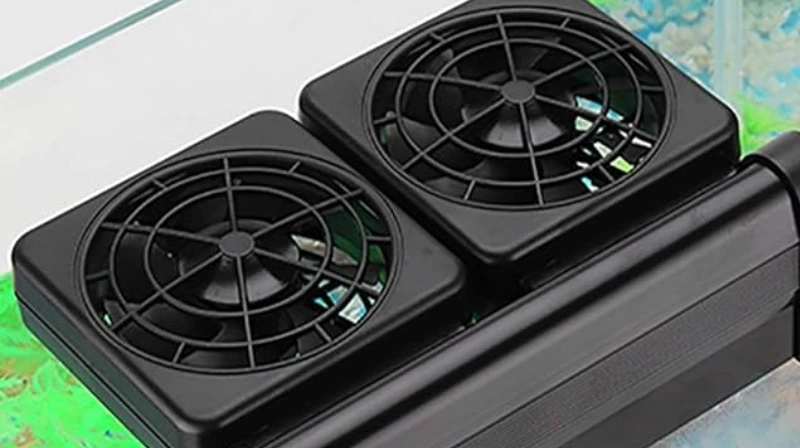
Tank Size and Water Volume
You need to match the size and power of your fish tank cooling fan to your aquarium’s water volume. Larger tanks hold more water, which helps keep temperatures stable and reduces how often you need to refill or adjust your setup. Smaller tanks heat up and cool down faster, so you must monitor them more closely. If you use a fan with a small tank, check the water level often because evaporation happens quickly. For bigger tanks, a larger fan or multiple fans can provide better airflow and cooling efficiency.
Tip: Air coolers with larger water reservoirs are more power-efficient and can help lower your electricity bills.
Temperature Control Needs
Different fish species need specific temperature ranges to stay healthy. For example, goldfish prefer cooler water, while discus fish need warmer conditions. You should know the ideal temperature for your aquarium’s inhabitants and choose a fan that helps maintain that range. Many modern fans offer features like thermostats or automatic controllers, which turn the fan on or off based on the water temperature. This helps prevent sudden temperature swings and keeps your fish comfortable.
| Fish Species | Preferred Temperature Range (°F) |
|---|---|
| Goldfish | 65 – 72 |
| Ricefish | 64 – 71 |
| White Cloud Mountain Minnows | 58 – 72 |
| Discus fish | 82 – 86 |
| Rams | 78 – 85 |
| Apistogrammas | 72 – 84 |
| Betta Splendens | 78 – 81 |
| German Blue Rams | 80 – 84 |
| African Cichlids | 76 – 82 |
| Corydoras Catfish | 72 – 78 |
Tropical fish usually thrive between 75°F and 80°F. Discus fish need higher temperatures, while guppies and mollies do best around 76°F.
Setup and Location Considerations
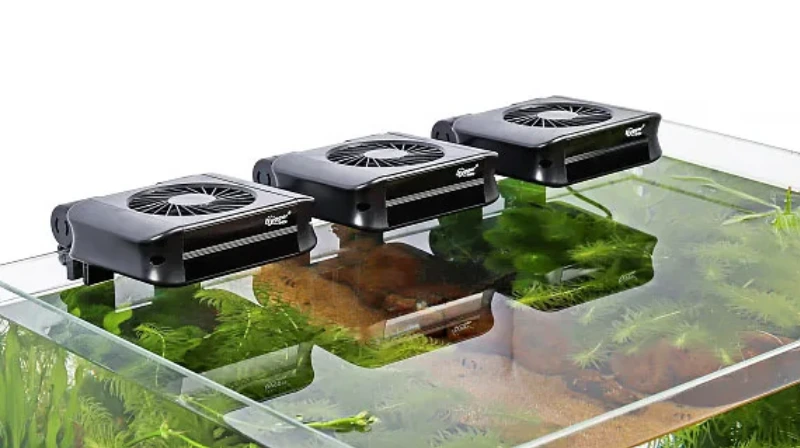
Where you place your aquarium and fan affects how well your cooling system works. Position your fan so it blows air across the water surface. This increases evaporation, which cools the water by removing heat. Removing the aquarium hood or glass lid can make this method even more effective, sometimes lowering the temperature by 5 to 7 degrees. If your aquarium sits in a room with good insulation, you may not need as much cooling. In areas with extreme seasonal changes, you should plan for extra cooling during hot months. Installing an exhaust fan in the room can also help manage air circulation.
Note: The placement of your fan is key. Blowing air directly across the water surface speeds up evaporation and helps your fish tank cooling fan work more efficiently.
Quiet Operation and Durability
You want a fan that runs quietly, especially if your aquarium is in a living space or bedroom. Look for fans rated below 35 decibels for indoor use. Some high-quality fans operate as quietly as 25 decibels, which is barely noticeable. Durability is also important. Choose a fan built with strong materials and a long service life. For example, fanacdc’s cooling fans are engineered to last up to 70,000 hours and use flame-retardant materials for extra safety. Advanced engineering and noise reduction features make these fans quieter and more reliable than many other brands. Fanacdc’s commitment to international standards ensures you get a product that performs well and lasts a long time.
| Feature | Importance | Selection Tips |
|---|---|---|
| Thermal Regulation | High | Choose models with thermostats or controllers for automatic temperature control |
| Airflow Capacity | High | Higher CFM for large tanks; aim for 1–2 air changes per hour over the surface |
| Power Consumption | Medium | Opt for fans under 10W; use timers or controllers to reduce runtime |
| Noise Output | Medium-High | Select fans rated below 35 dB for indoor use |
| Mounting Flexibility | Medium | Clip-on or magnetic mounts offer easy installation and adjustment |
Fanacdc’s expertise in engineering and quality control means you can trust their fish tank cooling fan to deliver quiet, reliable performance for years.
Why Cooling Fans Matter for Aquarium Health
Effects of High Temperatures
You need to watch for rising water temperatures in your aquarium. Fish rely on their environment to control their body temperature. When heat builds up, several problems can occur:
- Rising water temperatures increase fish metabolism and oxygen use, which leads to stress.
- Warm water holds less oxygen, making it harder for fish to breathe.
- Fish become more vulnerable to disease as their immune systems weaken.
- Extreme heat can damage organs or even cause suffocation.
- Beneficial bacteria that keep your tank healthy may die off above 90°F, causing dangerous spikes in ammonia and nitrite.
- High temperatures disrupt fish behavior, including feeding and swimming. You may notice fish gasping at the surface or acting sluggish.
Rising water temperatures can also speed up the aging process in fish and reduce their ability to escape predators or find food. You must act quickly when you see these signs.
Stable Water Conditions
Stable water temperature is essential for the health and longevity of your aquarium inhabitants.
Stable water temperature is crucial for the health and longevity of aquarium inhabitants as it affects their metabolic processes, immune response, and overall well-being. Fluctuations in temperature can lead to stress, compromised immune systems, and increased susceptibility to diseases.
Fish are ectothermic, so their body temperature and metabolism depend on the water. Sudden temperature changes can cause lethargy, slow digestion, and a higher risk of infection. Rising water temperatures can also accelerate aging and cause fish to gasp for air at the surface. Cooling your tank helps prevent overheating, improves oxygen exchange, and protects sensitive species like shrimp and aquatic plants. You keep your aquarium stable and healthy by maintaining the right temperature.
Evaporative Cooling Benefits
Using a cooling fan provides a simple and effective way to manage rising water temperatures. Evaporative cooling can lower water temperature by 2°F to 5°F (1°C to 3°C). The effectiveness depends on factors like humidity, airflow, water surface area, and the difference between room and tank temperatures. Fans work best when you direct airflow across the water surface. This method increases evaporation, which removes heat from the tank. You will notice the most benefit during hot weather or in rooms with poor ventilation. By using a fan, you can avoid dangerous temperature changes and keep your fish comfortable even during periods of rising water temperatures.
Types of Cooling Fans for Aquariums
Aquarium-Specific Cooling Fans
You can choose from several types of cooling fans for your aquarium. Aquarium-specific fans stand out because they are designed for safety and long-term use in wet environments. These fans often have sealed motor housings and corrosion-resistant parts. They also include safety features like grounded plugs and UL or ETL certification. You get stable performance and quiet operation, which helps keep your fish stress-free.
| Feature | Aquarium-Specific Fans | General-Purpose Fans |
|---|---|---|
| IP Rating | Minimum IPX4 for freshwater, IPX5 for reefs | Often lack IP-rated protection |
| Material Resistance | Sealed motor housings, corrosion-resistant | Plastic housings degrade quickly |
| Continuous Operation | Designed for humid environments | Short-term, ambient operation |
| Safety Features | Grounded plug, UL/ETL certification | Higher electrocution risk |
| Performance Stability | Whisper-quiet, thermostatic control | Fixed-speed, erratic temperature swings |
You should avoid using general-purpose fans. Many reef keepers report that these fans fail quickly or even cause electrical problems. Aquarium-specific fans give you peace of mind and better protection for your aquatic pets.
Tip: For small tanks, nano chillers and fans offer compact solutions that fit tight spaces and provide gentle cooling.
fanacdc Industrial Cooling Fan Overview
You can rely on fanacdc industrial cooling fans for robust and reliable performance. These fans use advanced engineering to deliver stable airflow and efficient heat removal. The fans feature IP-rated protection, which means they resist moisture and dust. You can use them for continuous operation without worrying about breakdowns. The fans also have long service lives, reaching up to 70,000 hours. This makes them a smart choice for both home aquariums and demanding setups.
Fanacdc cooling fans are easy to install and require little maintenance. You can select from different sizes and mounting options to match your tank. The fans use high-quality materials that resist corrosion and wear. You get a product that lasts and keeps your aquarium safe from heat stress.
- Cost-effective: These fans use less energy than chillers.
- Simple installation: You can set them up quickly.
- Energy-efficient: They help you save on electricity bills.
fanacdc DC Fan Features
Fanacdc DC fans offer quiet and energy-saving performance. You can use them in sensitive environments, such as bedrooms or offices, without disturbing noise. The fans operate at 30-38 dBA, which is quieter than most general-purpose fans. They also provide smart speed control, so you can adjust airflow based on your aquarium’s needs.
- Real-world dBA ratings help you choose the right fan for your space.
- The brushless motor design reduces wear and extends service life.
- You get precise control over cooling, which protects your fish from sudden heat spikes.
Fanacdc DC fans stand out for their durability and reliability. You can trust them to keep your aquarium cool and your aquatic life healthy.
Step-by-Step Guide to Selecting Cooling Fans
Measure Your Aquarium
Start by measuring your aquarium’s length, width, and height. Calculate the total water volume in gallons or liters. This number helps you choose a fan with the right airflow capacity. A small tank heats up quickly and needs less airflow. A large tank holds heat longer and may need a stronger fan or multiple units. Always check your tank’s shape and any covers or lids that could affect airflow.
Choose the Right Fan Type
Select a fan that matches your aquarium’s needs. For most home tanks, a fish tank cooling fan offers an effective way to chill the water without complex equipment. DC fans work well for quiet spaces and provide energy savings. Industrial cooling fans suit larger or high-demand setups. Look for features like adjustable speed, moisture resistance, and long service life. Consider the tank’s location and the type of aquatic life you keep.
Installation Tips
Proper installation ensures your fan works safely and efficiently. Follow these best practices:
- Securely mount the fan on the tank lid or canopy edge to direct airflow just above the water surface.
- Position the fan to create a cross-breeze across the entire water surface for maximum evaporation.
- Clean fan blades weekly to prevent dust buildup and maintain efficiency.
- Lubricate the fan’s bearings every 6–12 months for smooth operation.
- Inspect blades and screws monthly to catch damage or looseness early.
- Check cords and connectors regularly to avoid electrical hazards.
- Monitor water temperature changes to track cooling performance.
Tip: Always unplug the fan before cleaning or maintenance.
Common Mistakes to Avoid
Avoid placing the fan too far from the water surface. This reduces cooling power. Do not ignore regular cleaning, as dust can block airflow. Never overload your tank with too many fans, which can cause rapid evaporation and stress aquatic life. Skipping electrical checks may lead to safety risks. Always match the fan’s size and power to your tank’s needs for the best results.
Recommendations for Different Tank Sizes
Small Tanks
If you have a small aquarium, you need a fan that provides gentle airflow and fits compact spaces. Small tanks lose water quickly through evaporation, so you should check water levels often. You can choose from several models designed for tanks under 20 gallons. The table below shows two popular options:
| Fan Model | Price | Rating |
|---|---|---|
| Aquawind Eco Chic Aquarium Fan | $149.99 | 85% (4 Reviews) |
| Aquarium Chiller Cooling Fan | From $49.99 | 53% (8 Reviews) |
These fans help you manage heat buildup and keep your fish comfortable. Look for fans with adjustable speed and quiet operation. You can also use a clip-on design for easy installation.
Medium Tanks
Medium tanks, usually between 20 and 55 gallons, need a fan with higher airflow. You should select a model that covers the entire water surface. Fans with multiple speed settings work well for these tanks. You can use a fanacdc DC fan for reliable cooling and quiet performance. These fans help you control heat during warm months and keep water conditions stable. Always monitor the temperature and adjust the fan as needed.
Large Tanks
Large aquariums, over 55 gallons, require powerful cooling solutions. You should consider using industrial-grade fans or multiple units for even airflow. A fanacdc industrial cooling fan provides strong airflow and long service life. These fans handle high water volumes and help you prevent dangerous heat spikes. Place the fans to cover as much surface area as possible. Regularly check the temperature to ensure your system works efficiently.
Special Setups
Special setups, such as reef tanks or tanks with sensitive species, need precise temperature control. You can use fans with smart controllers or thermostats for automatic adjustments. Fanacdc offers customizable solutions for unique tank designs. For tanks with high lighting or enclosed hoods, you may need extra cooling to manage heat from equipment. Always match the fan type to your setup for the best results.
Quick Checklist for Choosing a Fish Tank Cooling Fan
You want to make the right choice for your aquarium. Use this checklist to guide your decision:
- Measure your tank
Find the length, width, and height. Calculate the water volume in gallons or liters. - Know your fish’s temperature needs
Check the ideal temperature range for your fish and plants. Write it down for easy reference. - Check your room conditions
Look at the room’s average temperature and humidity. Notice if sunlight or equipment heats the tank. - Pick the right fan type
Choose between DC fans for quiet, energy-saving operation or industrial fans for large tanks. - Look for safety features
Select fans with moisture resistance, sealed motors, and certified plugs. - Consider noise level
Read the decibel rating. Pick fans under 35 dB for bedrooms or living rooms. - Review installation options
Decide if you want clip-on, magnetic, or fixed-mount fans. - Plan for maintenance
Choose fans with easy-to-clean blades and long service life. - Set a budget
Compare prices and features. Remember, quality fans save money over time.
Tip: Always check the fan’s airflow rating (CFM). Match it to your tank size for the best cooling effect.
| Step | What to Check | Why It Matters |
|---|---|---|
| Tank Size | Gallons or liters | Ensures proper airflow |
| Temperature Range | Fish and plant needs | Keeps aquatic life healthy |
| Fan Type | DC, AC, or industrial | Matches your setup |
| Noise Level | Decibel rating | Maintains a quiet environment |
| Safety | Moisture resistance, certifications | Prevents hazards |
You can use this checklist before you buy. It helps you avoid mistakes and keeps your aquarium safe and comfortable. For reliable cooling, consider fanacdc fans. They offer quiet, durable, and energy-efficient solutions for every tank size.
You can choose the best fish tank cooling fan by measuring your tank, knowing your fish’s needs, and matching the fan type and size to your setup. Always review your aquarium’s temperature and room conditions before you buy. Use the checklist to avoid mistakes. For reliable cooling, consider fanacdc. Their fans offer quiet, durable, and energy-efficient solutions for every aquarium.
FAQ
How often should you run your fish tank cooling fan?
You should run your cooling fan when the water temperature rises above your fish’s safe range. Use a thermometer to check daily. Many fans have automatic controllers that turn on and off as needed.
Can you use a regular household fan for your aquarium?
You should avoid regular household fans. They lack moisture protection and can cause safety risks. Aquarium-specific fans, like those from fanacdc, offer sealed motors and better durability for wet environments.
How do you reduce noise from your fish tank cooling fan?
- Choose a fan with a low decibel rating.
- Place the fan on a stable surface.
- Clean the blades regularly.
- Fanacdc DC fans use noise reduction technology for quiet operation.
What maintenance does a fish tank cooling fan need?
You should clean the fan blades every week. Check for dust and debris. Inspect the power cord and mounting clips monthly. Lubricate moving parts if needed. Regular care helps your fan last longer.