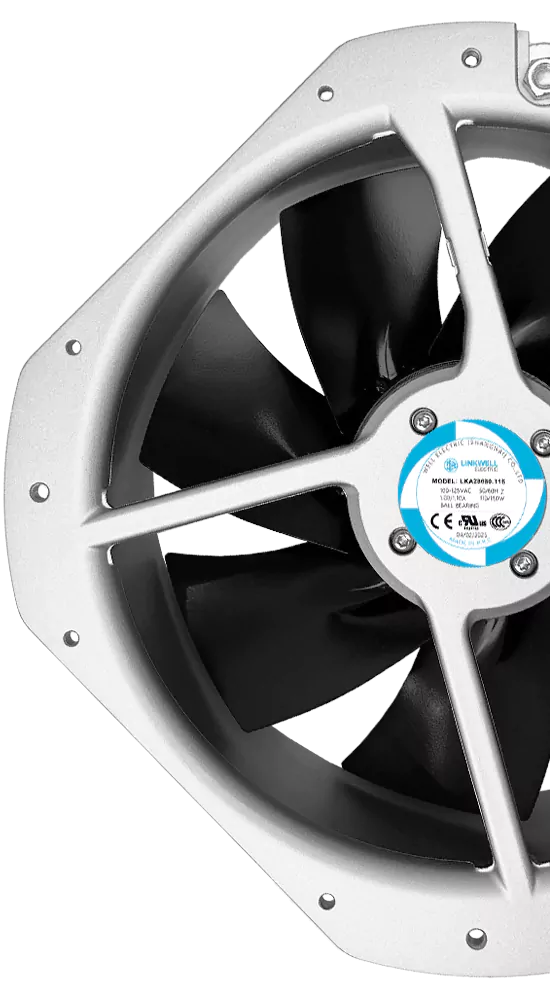
Metal fans deliver superior airflow and quieter operation in heavy-duty industrial environments. They dominate the market because they handle harsh conditions and last longer, especially where hot gases need venting. Plastic fans attract more attention in residential and light commercial spaces.
They cost less and consume less energy, making them popular for efficiency and affordability. The Metal Fan vs Plastic Fan debate matters when choosing the best cooling solution. fanacdc offers both metal and plastic blade options in its Industrial Cooling Fan, AC Fans, and DC Fan lines, helping industries find the right fit.
Key Takeaways
- Metal fans provide strong airflow and durability, making them ideal for harsh industrial environments.
- Plastic fans are lightweight, quieter, and more affordable, making them suitable for residential and light commercial use.
- Consider the specific needs of your environment, such as temperature and noise level, when choosing between metal and plastic fans.
- fanacdc offers customizable fan solutions to meet unique industry requirements, ensuring optimal performance.
- Regular maintenance is essential for both fan types; metal fans need rust checks, while plastic fans should be inspected for cracks.
Metal Fan vs Plastic Fan: Key Differences
Material Properties and Impact
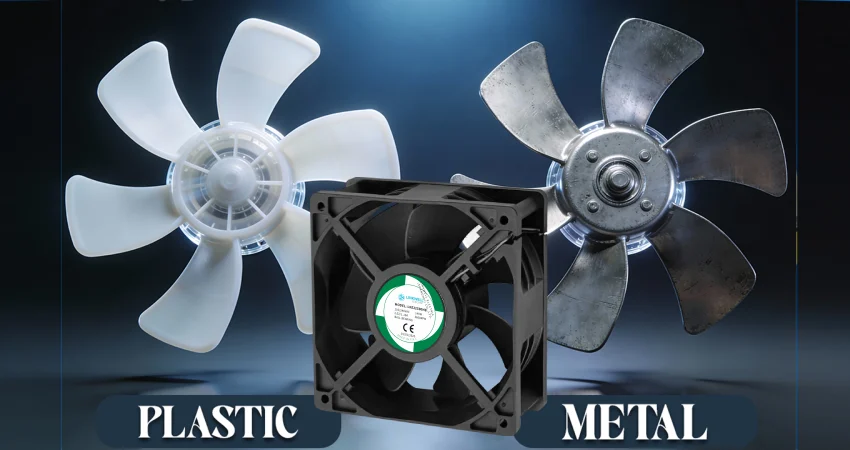
When comparing metal fan vs plastic fan, the first thing people notice is the difference in materials. Metal fans use steel or aluminum. These metals give fans strength and help them last longer in tough environments. Plastic fans use high-grade polymers like ABS or polycarbonate. This makes them lighter and easier to install.
Here’s a quick look at how each type stacks up:
| Feature | Metal Fans | Plastic Fans |
|---|---|---|
| Durability | Superior durability, ideal for high-temperature environments | Lightweight, suitable for moderate conditions |
| Temperature Resistance | Stands up to extreme temperatures and humidity | Shorter lifespan in harsh environments |
| Airflow Efficiency | Generates robust airflow, maintains shape at high RPMs | Optimizes airflow for moderate cooling needs |
| Noise Level | Can be loud due to vibration at higher speeds | Quieter operation, less vibration |
| Weight | Heavier, enhances stability | Lighter, easier installation |
| Cost | Generally more expensive, but durable | Lower initial cost, but may require more maintenance |
Plastic fans resist corrosion and work well in humid spaces. However, they can warp if the temperature gets too high. Metal fans handle heat and stress better, but they need coatings to prevent rust in damp areas. Some people think metal blades are always stronger, but modern plastic blades can be just as efficient and quiet.
Plastic is a popular choice for fan housings because it’s lightweight, inexpensive, and easy to mold into different shapes. It’s also resistant to corrosion, which makes it a good option for use in humid or corrosive environments. However, plastic isn’t as strong as some other materials, so it may not be the best choice for high-pressure applications or in areas where the fan is likely to be bumped or knocked around.
Application Scenarios in Industry
The metal fan vs plastic fan debate often comes down to where the fan will be used. Metal fans show up in commercial kitchens, industrial plants, server rooms, and places with harsh conditions. They handle heat, vibration, and heavy use. Plastic fans fit best in residential bathrooms, kitchens, small offices, and projects where cost matters most.
- Metal fans work well in:
- Industrial spaces
- Server rooms
- Commercial kitchens
- Corrosive or high-temperature environments
- Plastic fans are great for:
- Residential bathrooms and kitchens
- Small commercial offices
- Budget-friendly projects
fanacdc offers both types in their Industrial Cooling Fan, AC Fans, and DC Fan lines. This gives every industry a choice that matches their needs. When choosing between metal fan vs plastic fan, think about the environment, temperature, and how much stress the fan will face.
Airflow and Cooling Efficiency Comparison
Airflow Performance Factors
When people talk about fans, they often focus on how much air the fan can move. Airflow is the key to keeping machines cool and safe. Metal fans usually deliver robust airflow because their blades stay stiff even at high speeds. Plastic fans can also move a lot of air, but their blades might bend if the fan runs too fast or gets too hot.
The performance of fans made from metal versus plastic can be influenced by factors such as blade shape, material rigidity, motor efficiency, and airflow resistance. The propeller is the core of the fan, consisting of the blades, which are working surfaces of aerodynamics that provide kinetic energy to the air. The most decisive aspects of determining a fan’s airflow, pressure, and acoustic signature are its shape, quantity, and material. Additionally, the frame or casing, which encloses the impeller and motor, plays a crucial role in transforming the velocity of air into static pressure and reducing vibration.
Other things can affect airflow, too:
- The design of the fan housing affects airflow resistance.
- The presence of filters or obstructions can increase resistance.
- The length and diameter of ductwork also contribute to airflow resistance.
The design of the fan blades matters a lot. The angle and shape of the blades help create low-pressure areas that pull air through the fan. Lightweight materials let the blades spin faster, which helps move air in bigger spaces. The type of motor, whether AC or DC, also changes how much energy the fan uses and how much noise it makes.
fanacdc Industrial Cooling Fan Solutions
fanacdc builds fans that focus on both airflow and cooling efficiency. Their AC Fans use aerodynamic blade designs and high-efficiency motors. These features help the fans push more air while using less power. The AC Fans work well in industrial machines, control panels, and telecom systems. They keep equipment cool and prevent overheating.
The DC Fan models from fanacdc use brushless motors and smart blade shapes. These fans offer strong airflow with less noise. They also use less energy, which saves money over time. DC Fans come with features like speed control and real-time monitoring. This means users can adjust the fan to match the cooling needs of their equipment.
Recent advances in fan technology have made a big difference in airflow and noise performance. Here’s a look at some improvements:
| Advancement | Impact on Airflow and Noise Performance |
|---|---|
| Brushless DC Motors | Achieves energy savings of up to 70% and reduces operational noise |
| Pulse Width Modulation (PWM) | Enhances control over fan speed, optimizing airflow |
| Enhanced Impeller Designs | Improves performance levels from 25-45% to approximately 60% |
fanacdc uses these technologies in their fans. This helps them deliver better airflow and cooling efficiency for all kinds of industries. Whether a company needs a fan for a data center, a factory, or a telecom cabinet, fanacdc has a solution that fits.
Noise Level: Which Fan Runs Quieter?
Noise Generation in Metal and Plastic Fans
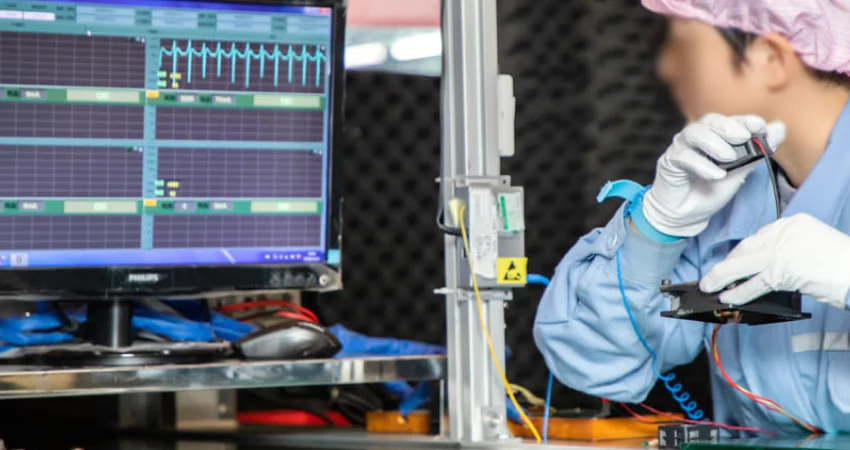
Noise levels matter a lot in industrial settings. Workers need to focus, and equipment should not cause distractions. The material of a fan blade plays a big role in how much sound a fan makes. Metal fans, especially those made from stainless steel, can create more noise because the heavier blades vibrate more. Aluminum blades, on the other hand, are lighter and can help reduce noise by cutting down on vibration. Plastic fans, especially those made from fiberglass-reinforced plastic or nylon, absorb vibrations better. This leads to quieter operation and minimal noise disturbance.
Here’s a quick look at how different materials influence noise:
| Material | Characteristics | Noise Influence |
|---|---|---|
| Aluminum | Lightweight, strong, corrosion-resistant | Can reduce noise due to lower weight and vibration |
| Stainless Steel | Durable, corrosion-resistant | May increase noise due to higher weight |
| Fiberglass-Reinforced Plastic | Lightweight, strong, corrosion-resistant | Reduces noise through vibration dampening |
| Carbon Fiber | Stiff, fatigue-resistant | Minimizes noise due to stiffness |
| Nylon | Impact-resistant, lightweight | Effective in noise reduction |
| Polypropylene | Durable, low cost | Generally low noise due to material properties |
Fan design also impacts noise levels. The shape and angle of the blades, the speed of rotation, and the type of motor all play a part. Fans with well-balanced blades and smooth surfaces tend to run more quietly. In many cases, plastic fans offer a clear advantage for environments where quiet operation is a top priority.
Noise Reduction Features in fanacdc Fans
fanacdc understands that many industries need fans with low noise levels. They use advanced noise reduction technologies in their AC and DC fan lines. For example, their fans feature biomimetic blade geometries. These blade shapes mimic patterns found in nature, like the wings of an owl, to help reduce turbulence and lower noise. The company also focuses on low acoustic performance, making their fans a great choice for sensitive areas such as control rooms or laboratories.
| Noise Reduction Technology | Description |
|---|---|
| Low acoustic performance | Ensures quiet operation for sensitive areas |
| Biomimetic blade geometries | Nature-inspired designs that help reduce turbulence and noise |
fanacdc’s DC fans with PWM (Pulse Width Modulation) control can reach noise levels as low as 20 dBA. This is much quieter than many non-PWM fans, which often exceed 30 dBA. Users often report higher comfort when using these fans because of their quiet operation. This makes fanacdc fans ideal for places where minimal noise disturbance is important, such as data centers, telecom cabinets, and medical equipment.
- PWM fans achieve noise levels as low as 20 dBA, making them ideal for noise-sensitive environments.
- Non-PWM fans often exceed 30 dBA, which can be distracting and uncomfortable.
- Users report higher comfort ratings when using PWM fans due to their quiet operation.
Choosing the right fan for your industry means thinking about more than just airflow. The noise level can affect worker comfort, equipment performance, and even safety. fanacdc’s focus on noise reduction ensures that their fans deliver both strong airflow and quiet operation, helping industries maintain a peaceful and productive environment.
Durability and Maintenance
Longevity and Reliability
When people choose a fan for industry, they want it to last. Metal fans often stand out for their longevity. They handle tough jobs, high temperatures, and heavy use without breaking down. Plastic fans can also last a long time, especially when made from high-quality polymers. The real difference comes from how each material reacts to stress and heat. Metal fans resist warping and cracking, even in harsh conditions. Plastic fans do well in moderate environments but may not last as long in extreme heat.
Fanacdc sets high standards for durability and longevity. They use brushless motors and strong materials in both metal and plastic fans. This design reduces wear and tear. Fans from fanacdc can run for thousands of hours with little trouble. Their products work across a wide voltage range and handle different environments. This means users can trust these fans to keep working, even when conditions change.
Maintenance Needs by Material
Maintenance is another big factor for industries. Metal fans need regular checks for rust or corrosion, especially in damp places. A quick wipe and a look at the blades can keep them running well. Plastic fans do not rust, so they need less attention in that area. However, users should check for cracks or signs of wear, especially if the fan runs hot.
Fanacdc’s fans make maintenance simple. Their brushless motors mean fewer moving parts that can break. Both metal and plastic models need only basic cleaning and inspection. This saves time and money for companies. With these features, fanacdc fans offer reliable performance and easy upkeep, no matter the material.
Decision Guide: Choosing for Your Industry
Industry and Environment Factors
Every industry faces unique challenges when it comes to air quality and cooling. Some environments deal with corrosive fumes, while others must handle high temperatures or heavy dust. Choosing the right exhaust fan means looking at the pros and cons of each material and matching them to your workplace.
Here’s a quick comparison to help with selection:
| Factor | FRP Fans | Metal Fans |
|---|---|---|
| Corrosion Resistance | Highly resistant, ideal for corrosive environments | Prone to rust, requires protective coatings |
| Durability and Maintenance | Low maintenance, withstands harsh conditions | Requires regular maintenance and recoating |
| Cost Considerations | Higher upfront cost, cost-effective long-term | Lower initial cost, higher long-term expenses |
| Weight and Installation | Lightweight, easier to install | Heavier, more complex installation |
| Thermal Resistance | Moderate performance in high temperatures | Excellent for high-temperature applications |
| Environmental Sustainability | Longer lifespan, reduces waste | Highly recyclable but less durable in corrosive environments |
Many industries rely on FRP fans for acid scrubbers, chlorine scrubbers, venturi scrubbers, and fume hood scrubbers. Metal fans often serve high-temperature processes and non-corrosive environments. Each application has its own set of pros and cons, so it pays to match the fan to the job.
Prioritizing Airflow, Noise, or Cost
When selecting a fan, companies need to decide what matters most: airflow, noise, or cost. Some industries put air quality first, especially where fumes or dust can harm workers or equipment. Others need quiet operation for offices or labs. Cost can also drive decisions, especially for large projects or frequent replacements.
Here’s a tip: List your top priorities before making a purchase. If air quality and durability matter most, metal fans might be the best fit. If noise and easy installation are key, plastic fans could be the answer. For those who want a custom solution, fanacdc offers a range of services to help industries make a well informed decision:
| Customization Aspect | Description |
|---|---|
| Airflow Performance | Solutions tailored to your airflow and air quality needs. |
| Housing Shape | Designs that fit your installation space and application. |
| Motor Configuration | Motors set up for your exact efficiency and performance targets. |
| Rapid Prototyping | Fast samples for testing and quick adjustments. |
| Engineering Support | Help from concept to production for precise compatibility. |
Fanacdc’s team works closely with clients to design fans that fit their unique requirements. They offer engineering support, rapid prototyping, and custom motor setups. This makes choosing the right exhaust fan easier, no matter the industry or environment.
Comparison Table: Metal vs Plastic Fans
Airflow, Noise, Durability, Cost Overview
Choosing the right fan can feel tricky. Many people want to see a clear side-by-side comparison before making a decision. The table below shows how metal and plastic fans stack up in the most important areas.
| Feature | Metal Fans | Plastic Fans |
|---|---|---|
| Airflow | Stronger and more stable airflow | Softer airflow |
| Noise Level | Higher noise due to weight | Quieter operation |
| Durability | More durable, resistant to damage | Prone to UV damage, less durable |
| Cost | More expensive, longer lifespan | More economical, frequent replacement |
A metal fan often delivers stronger airflow. This makes it a top pick for factories, server rooms, or any place where machines run hot. The blades on a metal fan stay stiff, even at high speeds. This helps the fan move air without losing power. A plastic fan, on the other hand, gives a softer airflow. It works well in offices, homes, or smaller spaces where gentle cooling is enough.
Noise is another big factor. A metal fan can sound louder because the blades are heavier. The extra weight can cause more vibration. A plastic fan usually runs quieter. The lighter blades absorb some of the vibration, so the fan makes less noise. This makes a plastic fan a good choice for places where people need to focus or rest.
Durability matters, too. A metal fan stands up to heat, bumps, and long hours of use. It resists damage and keeps working for years. A plastic fan can last a long time in the right setting, but it may not handle sun or rough treatment as well. UV rays can make plastic brittle over time.
Cost often tips the scale. A metal fan costs more at first, but it lasts longer. A plastic fan saves money up front. Some people choose a plastic fan for short-term projects or when they need to buy many fans at once.
A fan does more than just move air. It shapes comfort, safety, and even energy bills. Comparing each fan side by side helps everyone find the best fit for their needs.
Choosing between metal and plastic fans depends on what matters most. Metal fans deliver strong airflow and last longer in tough spaces. Plastic fans run quieter and fit well in places where looks and noise matter. Industry experts recommend plastic fans for homes and humid spots, while metal fans suit factories and large areas. fanacdc helps every industry find high-quality exhaust fans that match their needs. Their team offers advice and custom solutions for any environment.
| Fan Type | Recommended Use Cases |
|---|---|
| Plastic Fans | Homes, humid areas, quiet and budget-friendly spaces |
| Metal Fans | Factories, large spaces, high heat, long-term use |
Need help picking the right fan? fanacdc’s experts are ready to help with custom cooling solutions.
FAQ
What is the main difference between metal and plastic fans?
Metal fans use steel or aluminum for strength and durability. Plastic fans use polymers like ABS for lighter weight and easier installation. Each material fits different environments and needs.
Which fan type is better for quiet spaces?
Plastic fans usually run quieter. Their lightweight blades absorb vibration, which helps reduce noise. They work well in offices, homes, and places where silence matters.
Can fanacdc customize fans for special projects?
Yes! fanacdc offers custom solutions. They adjust airflow, housing shape, and motor setup to match unique requirements. Their team helps with design, prototyping, and support.
How long do fanacdc’s fans last?
fanacdc’s fans last thousands of hours. Their AC fans reach up to 50,000 hours. DC fans can run up to 70,000 hours. Regular cleaning helps extend their life.