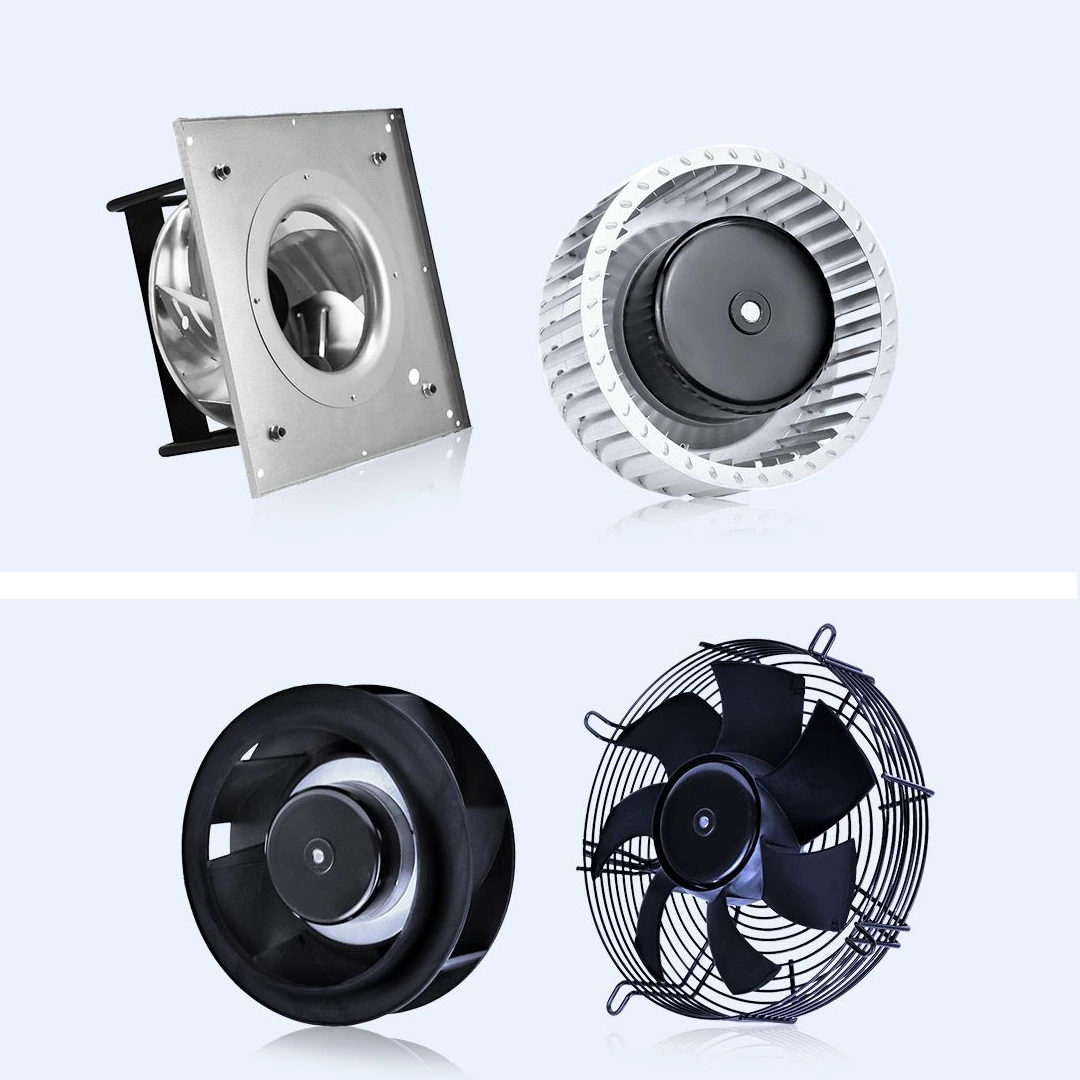
Complete guide to centrifugal fan classifications: by impeller, structure, performance, and inlet design. Understand key differences to select the right fan for industrial cooling, ventilation, and HVAC systems.
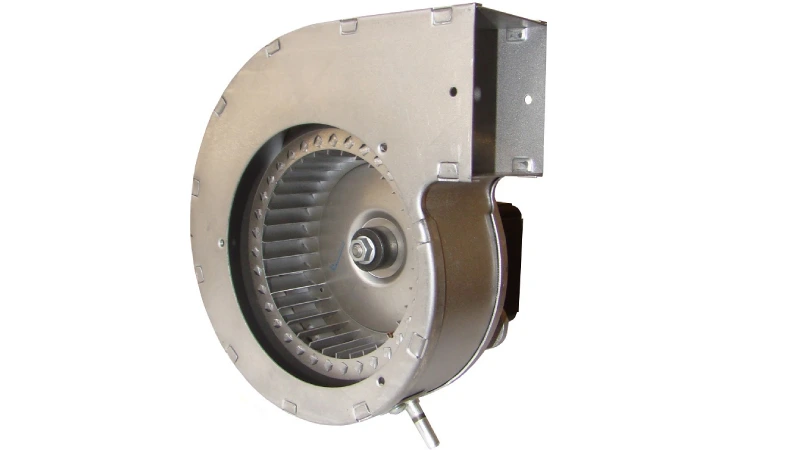
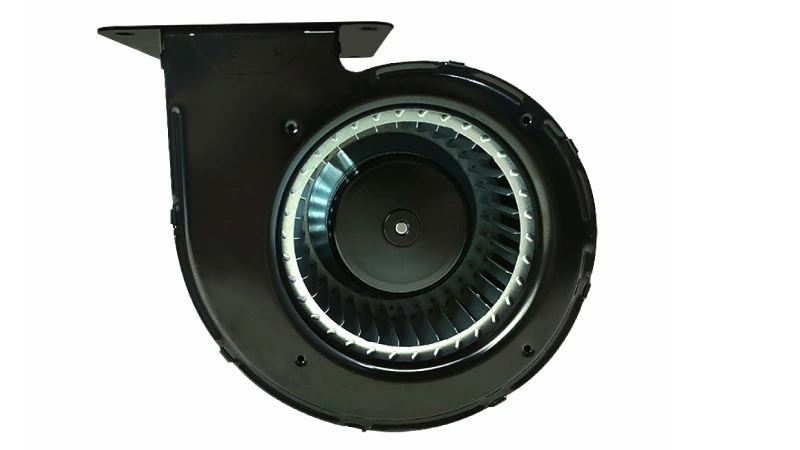
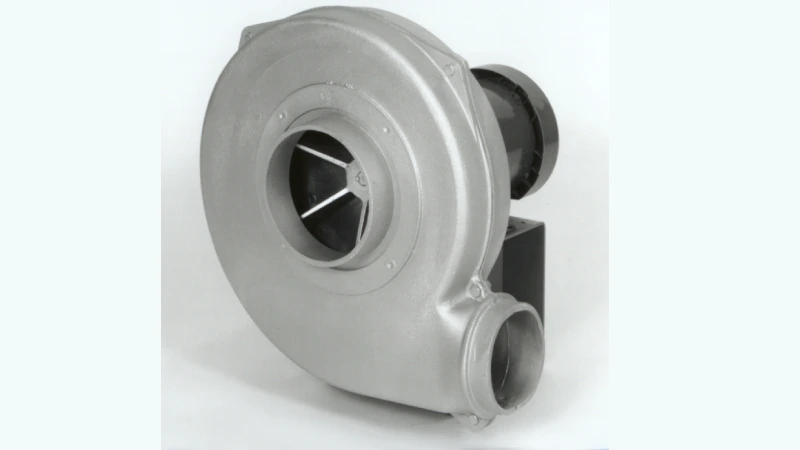
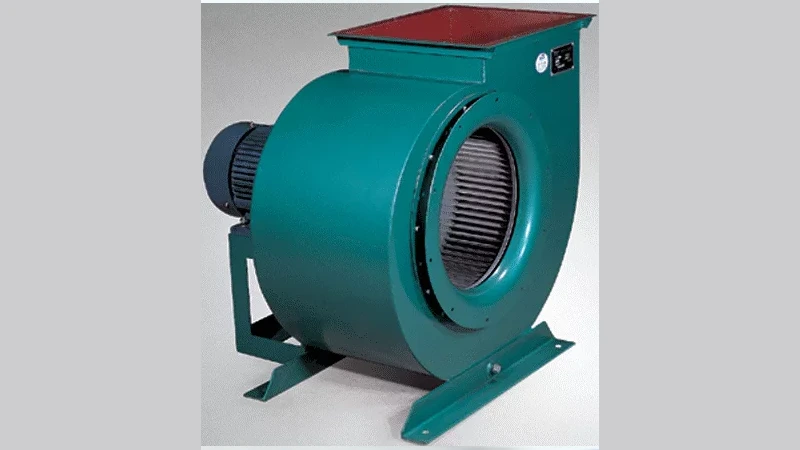
Centrifugal fans are classified by impeller design, structural configuration, inlet type, and performance features. Understanding these centrifugal fan types ensures optimal selection for pressure, airflow, and environmental demands.
What Are Centrifugal Fans?
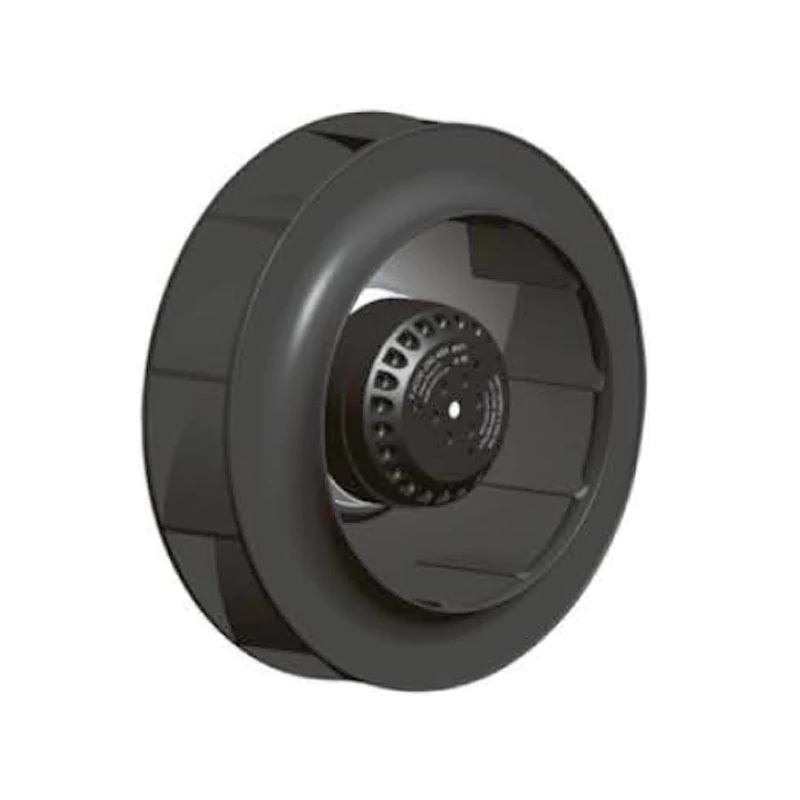
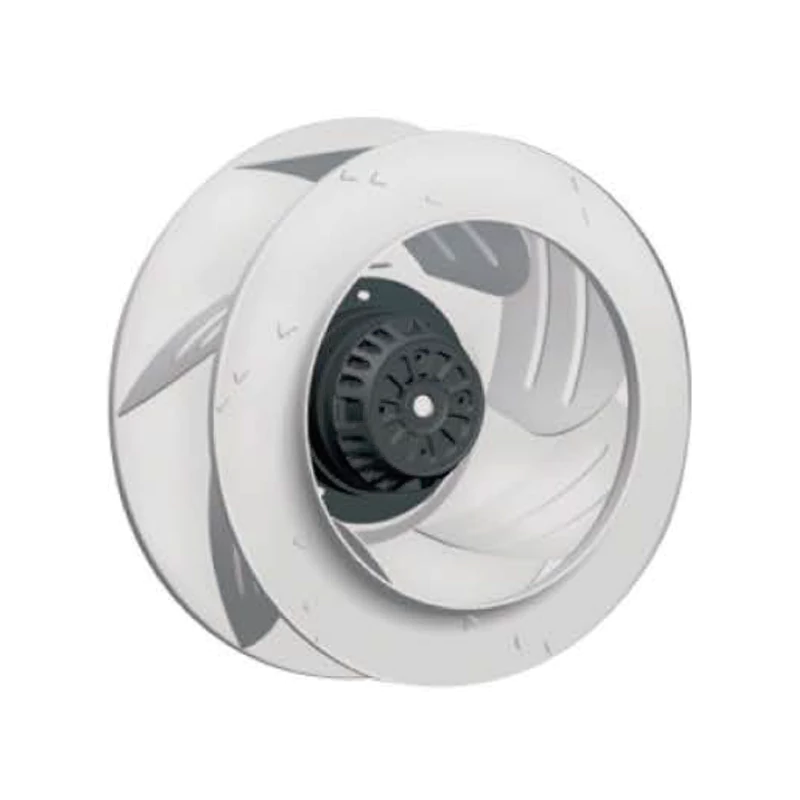
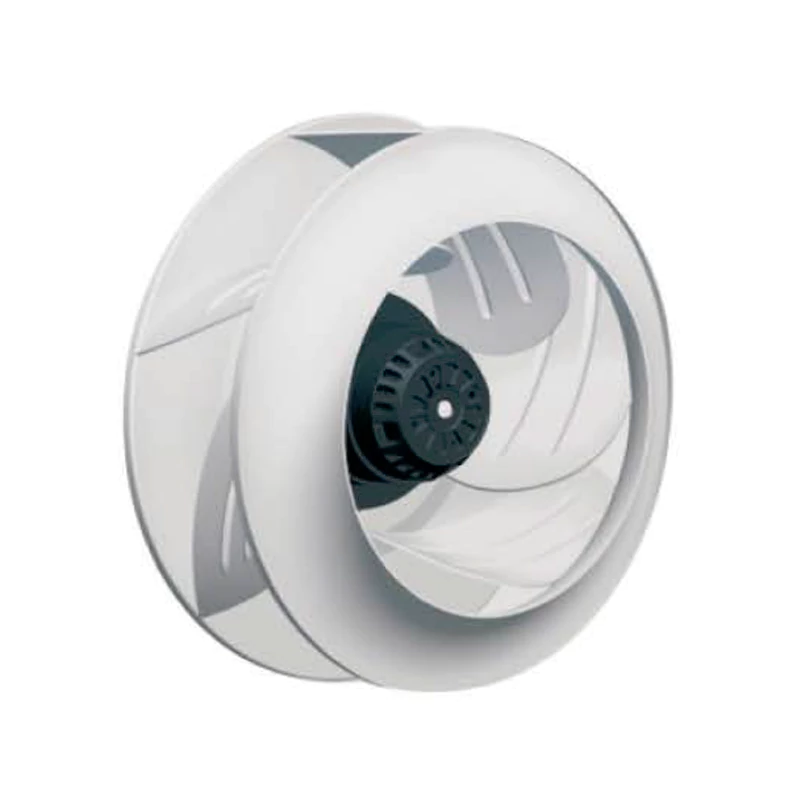
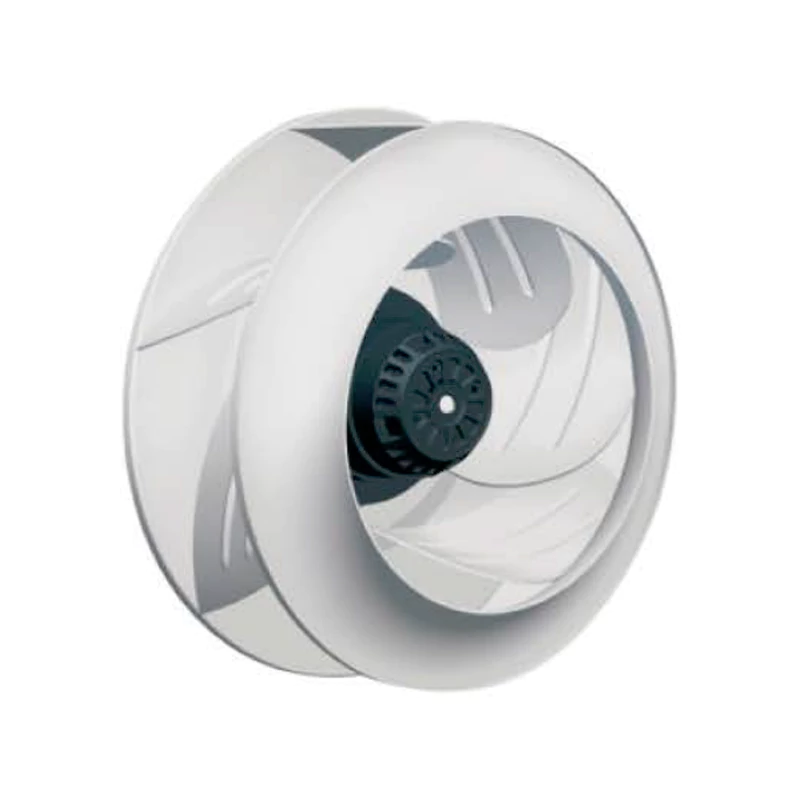
Centrifugal fans (radial fans) increase air pressure by rotating impeller, throwing air outward radially. Airflow direction changes 90° from inlet to outlet. Unlike axial fans (straight‑through airflow), centrifugal fans generate higher pressure, ideal for duct systems, industrial cooling, and cleanrooms.
Used in: HVAC, control cabinets, dust collection, data centers.
Quick comparison:
Centrifugal: radial discharge, high pressure
Axial: axial flow, high volume, low pressure
Main Types by Impeller Design
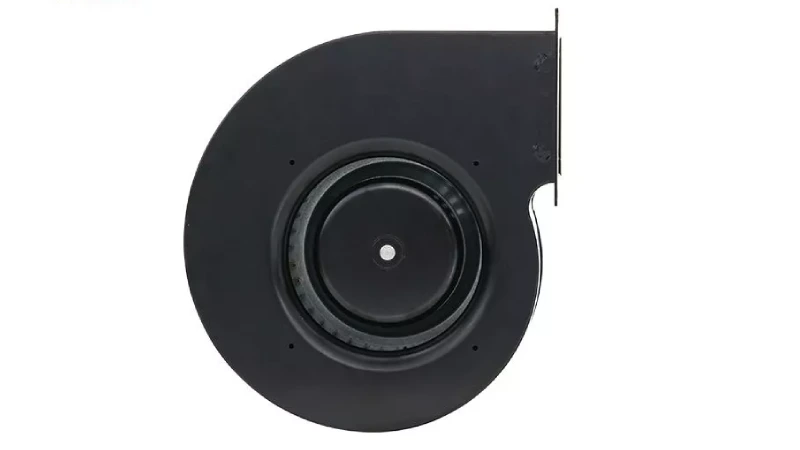
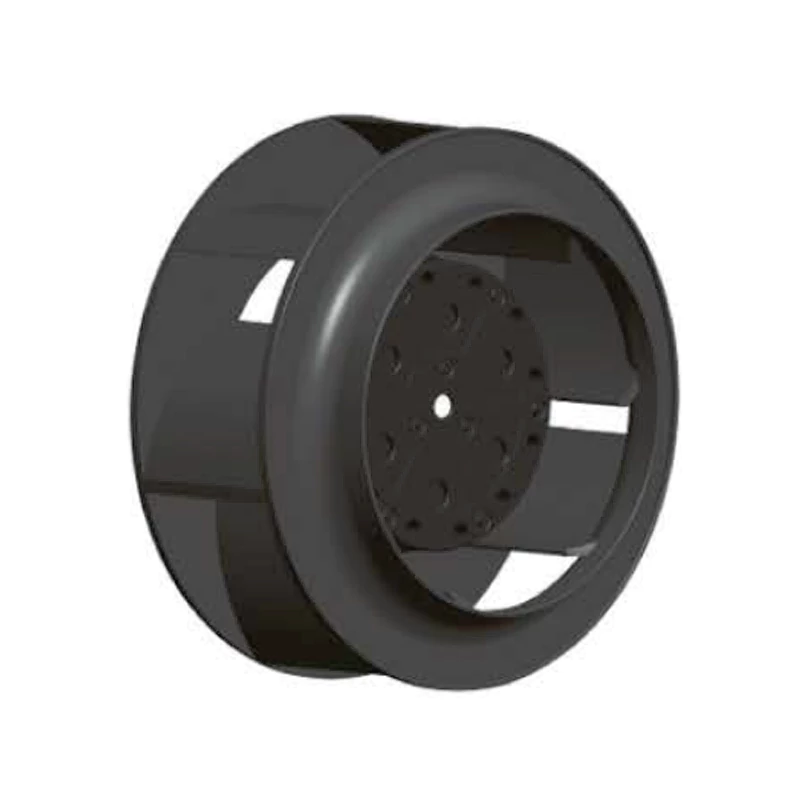
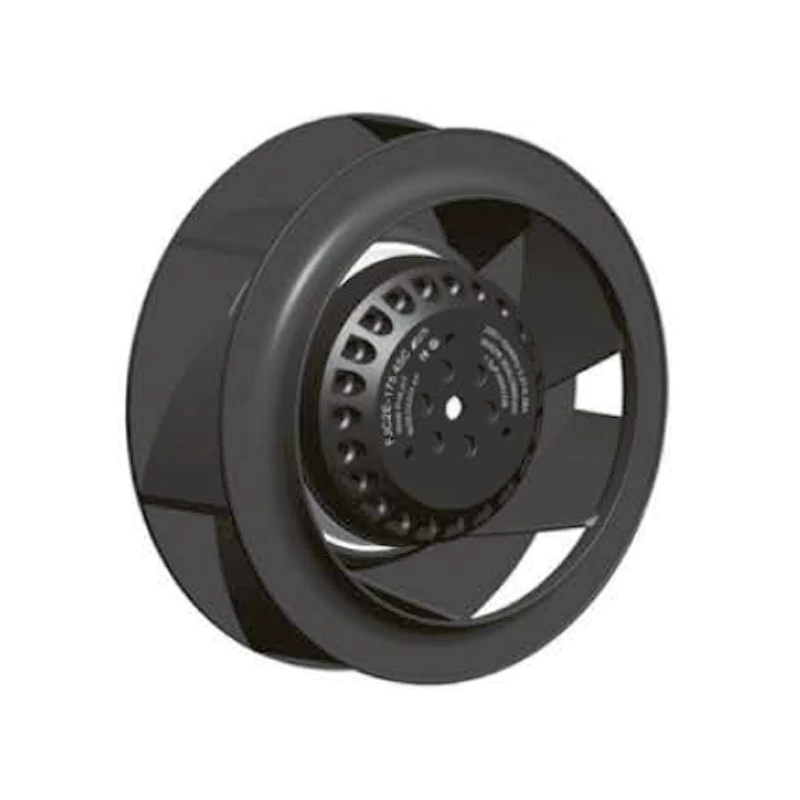
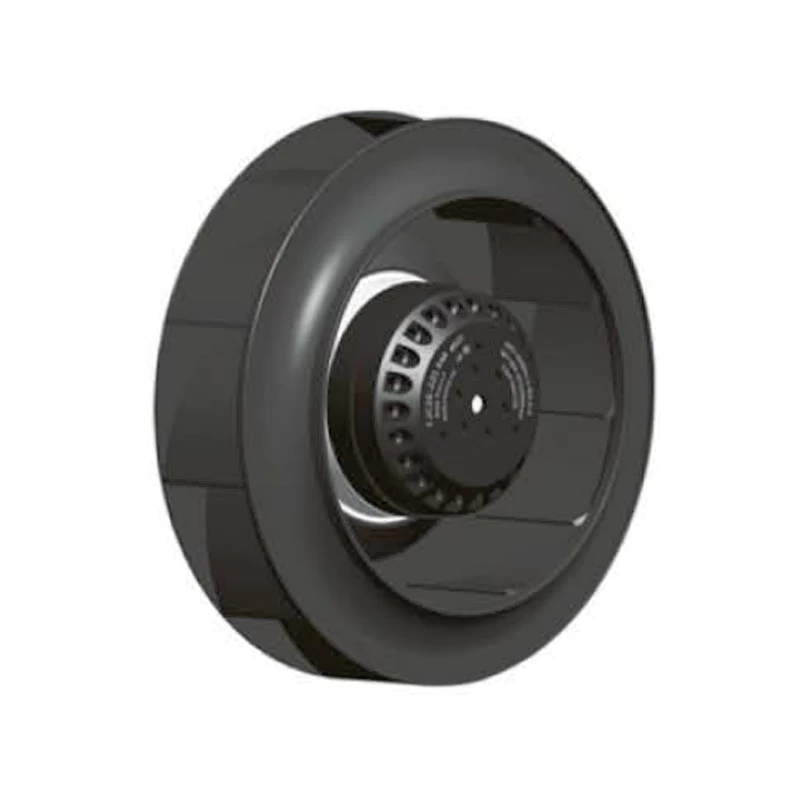
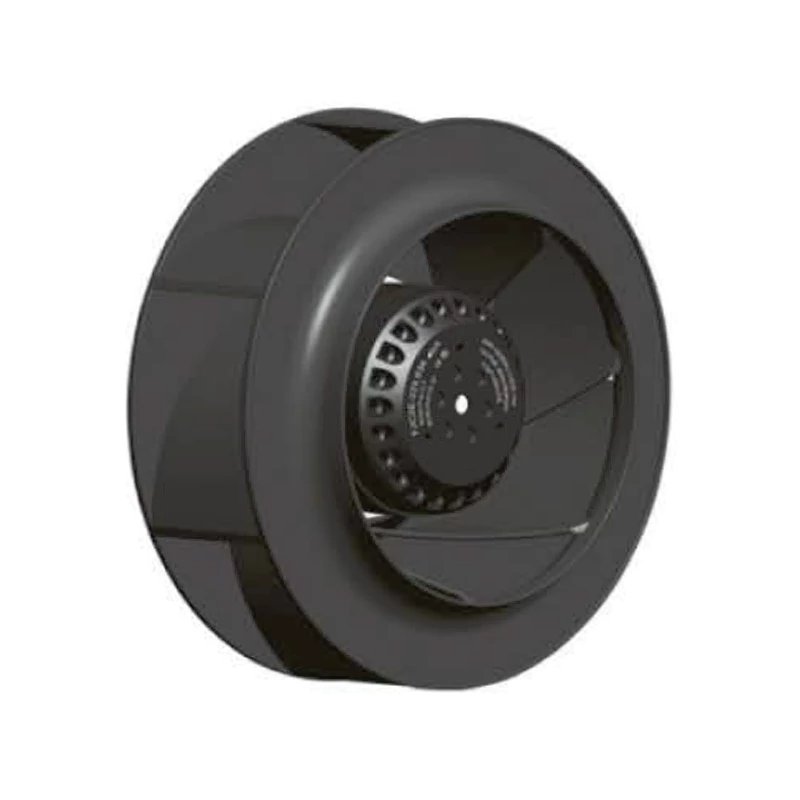
Backward Curved
High efficiency, low noise, energy saving. Ideal for clean air and continuous operation. LINKWELL offers sizes 133–355mm.
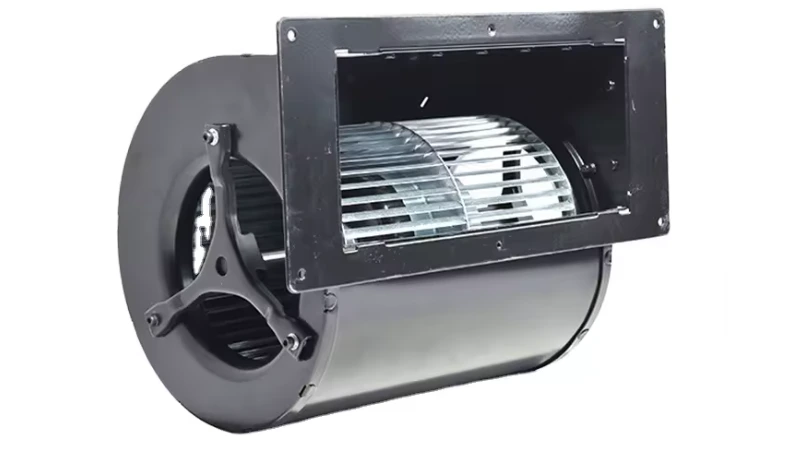
Forward Curved
High airflow, compact size. Common in HVAC and terminal units. Moderate pressure, lower cost.
Radial / Straight Blade
High pressure, handles dust/particles. Rugged design for industrial exhaust, material handling.
Airfoil
Highest efficiency, lowest energy consumption. Airfoil‑shaped blades for premium applications (clean air, large systems).
Types by Structure & Installation
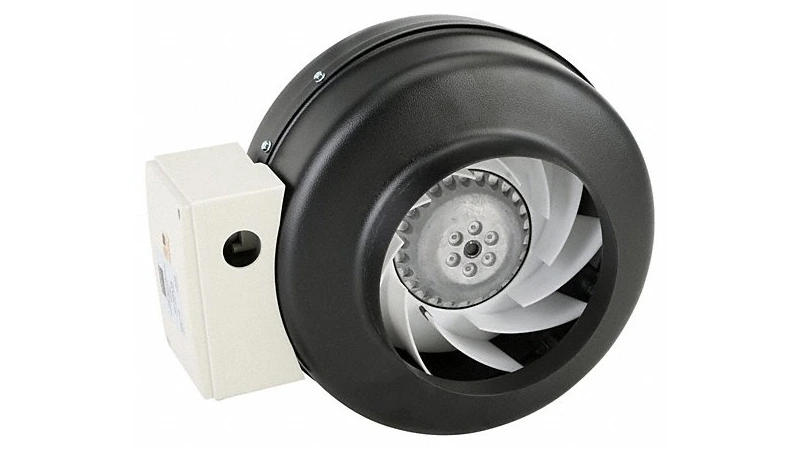
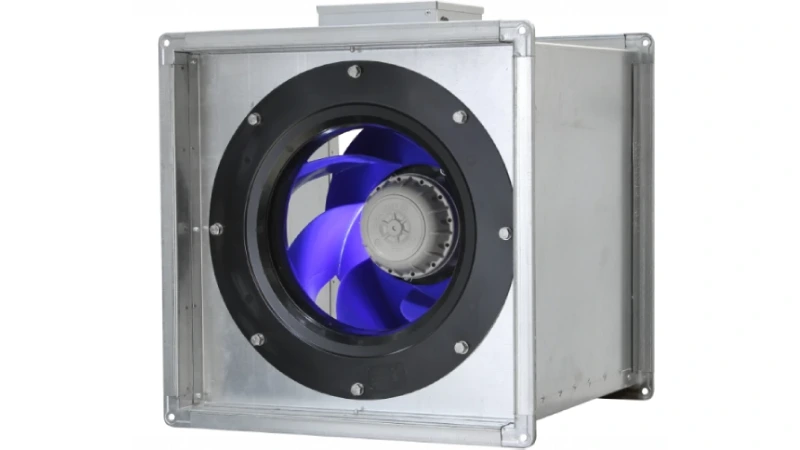
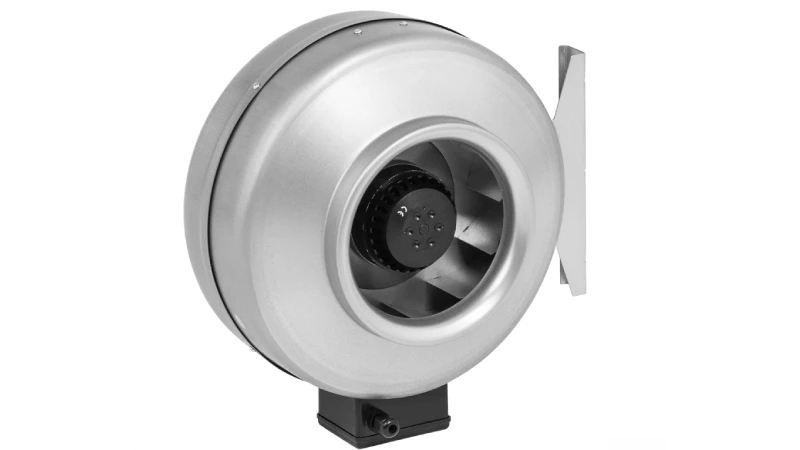
Inline
Duct mounting, compact. Inline centrifugal for space‑saving.
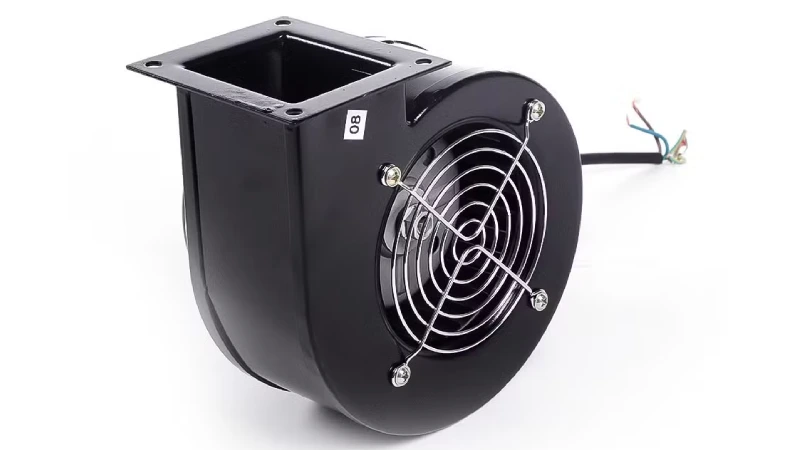
Cabinet / Box
Enclosed, low noise. For electrical cabinets, control panels.
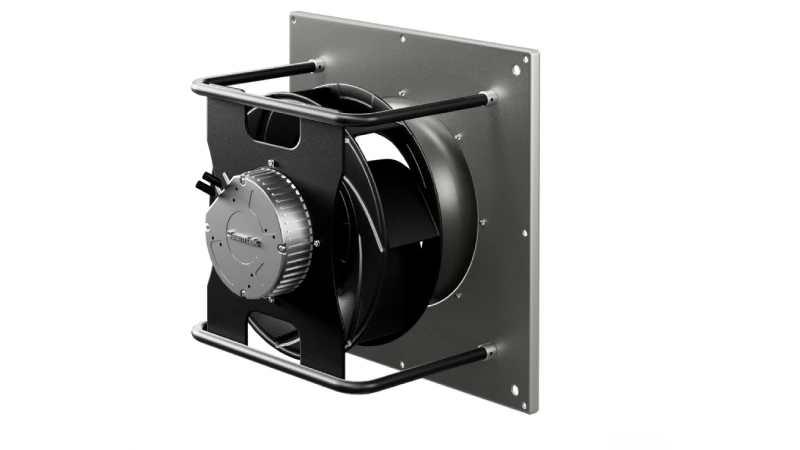
Plug / Plenum
No scroll housing, used in air handlers, data centers.
Centrifugal fans are generally classified based on impeller design, structure, and application. Common types include backward curved, forward curved, backward inclined, radial blade, airfoil, inline, and plenum fans. Each type is engineered for specific airflow, pressure, and efficiency requirements in industrial or commercial applications.
What is the difference between backward curved and forward curved centrifugal fans?
Backward curved centrifugal fans have blades curved opposite to rotation, offering high efficiency and moderate airflow under high pressure, ideal for HVAC or industrial systems. Forward curved fans, on the other hand, have blades that curve in the rotation direction, generating higher airflow at lower pressure, commonly used in ventilation systems.
What are inline centrifugal fans, and where are they used?
Inline centrifugal fans are designed to be mounted directly within a duct system, allowing airflow to pass straight through the fan along the duct line. They are compact, quiet, and widely used in air conditioning, ventilation, and small industrial systems where space is limited.
What are airfoil centrifugal fans, and why are they popular?
Airfoil centrifugal fans feature blades shaped like an airfoil, optimizing airflow and reducing turbulence, which increases efficiency while lowering noise. They are preferred in commercial HVAC systems, clean rooms, and high-efficiency industrial setups because they deliver consistent pressure with minimal energy consumption.
What is the difference between single inlet and double inlet centrifugal fans?
Single inlet fans draw air from one side of the impeller, suitable for small to medium airflow applications. Double inlet fans draw air from both sides, allowing higher airflow at the same fan size, making them ideal for industrial processes, large ducts, and high-capacity cooling systems.
What are high-pressure centrifugal fans used for?
High-pressure centrifugal fans are engineered to generate significant static pressure, enabling them to move air through long ducts, high-resistance filters, or specialized industrial equipment. They are commonly used in dust collection, chemical processing, and heavy-duty HVAC systems, where standard fans cannot maintain sufficient airflow.
Ready to Solve Your Cooling Challenge
WhatsApp us
Contact Us
Curious how LINKWELL’s cooling solutions can address your business challenges? Let’s connect and discuss your needs.