Power Your Ventilator with High-Efficiency EC & Centrifugal Fans for Continuous Operation
OEM solutions for ERV/HRV, duct fans, commercial ventilators, and industrial air systems. AC, DC, and EC centrifugal fans – engineered for 24/7 reliability, >85% motor efficiency, and smart control.
Your brand, your housing, your market. Our job: deliver the fan motor that makes your ventilator more efficient, quieter, and smarter than anything else on the shelf. With changing energy regulations (ErP, Energy Star), an inefficient fan will kill your product’s competitiveness. We give you the heart of a next‑gen ventilator.
20+ years as an OEM supplier for HVAC & ventilation brands
Full AC/DC/EC centrifugal lineup – static pressure up to 500Pa
Custom mounting, connectors, IP ratings, voltage (12V to 380V)
Proper Selection of Ventilator Fans
High static pressure (100–500 Pa)
Complete fan design, customization, testing, certification, and mass production delivered through a single, streamlined manufacturing partner.
One-stop product solution
Complete fan design, customization, testing, certification, and mass production delivered through a single, streamlined manufacturing partner.
Continuous operation reliability
Dual ball bearings, thermal protection, and Class F insulation ensure 70,000h MTBF at 40°C ambient – no unexpected downtime for your end customers.
Flat efficiency curve
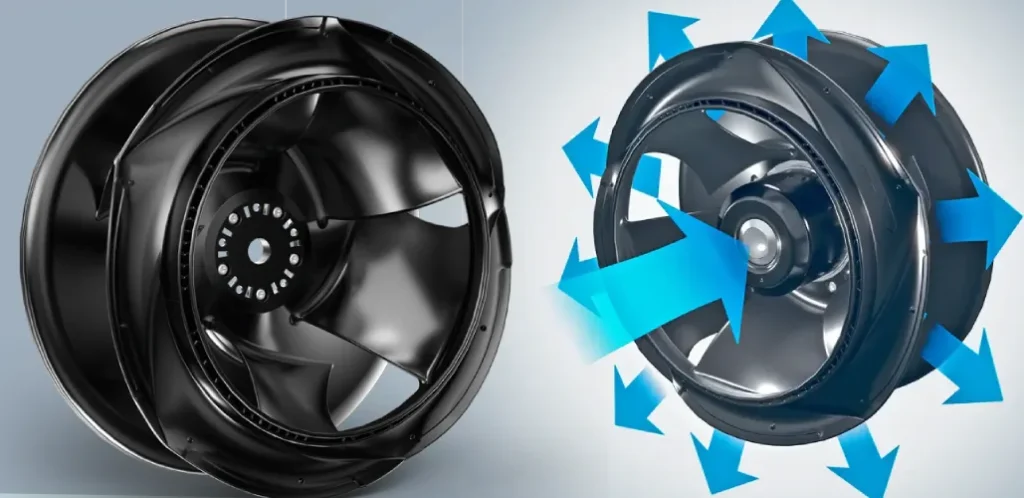
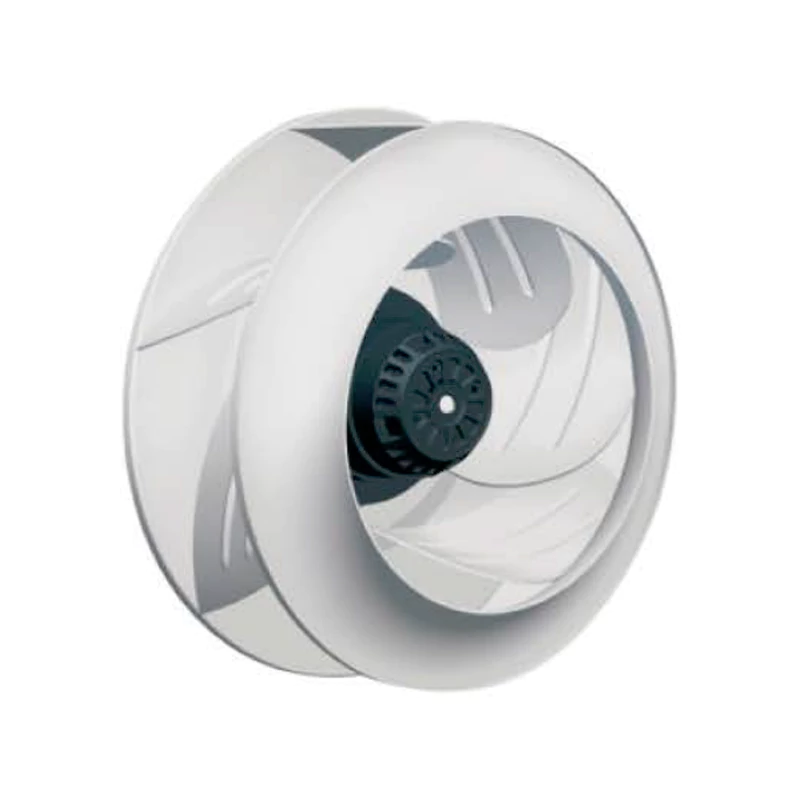
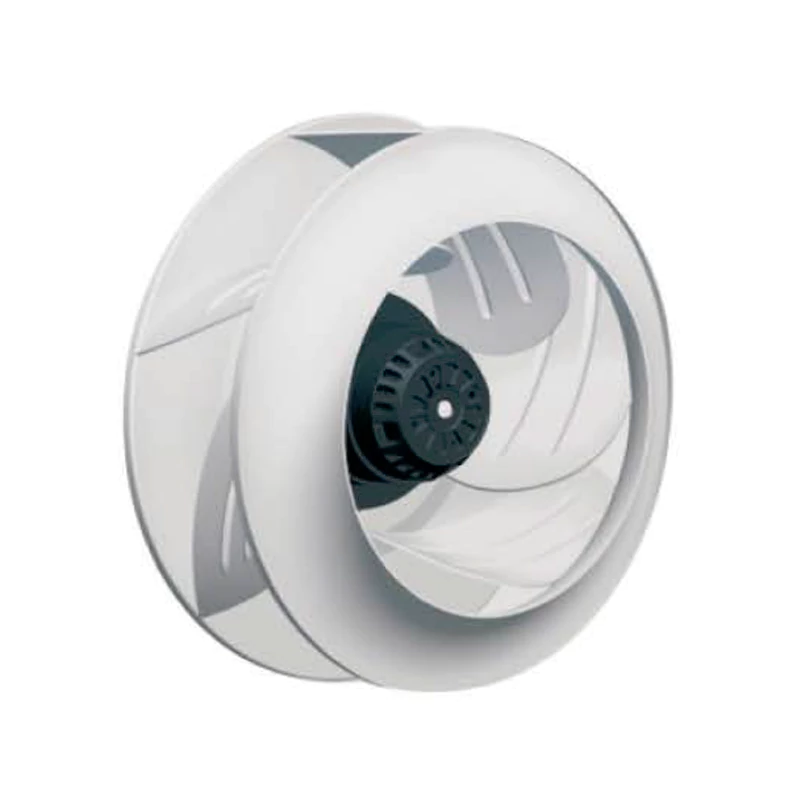
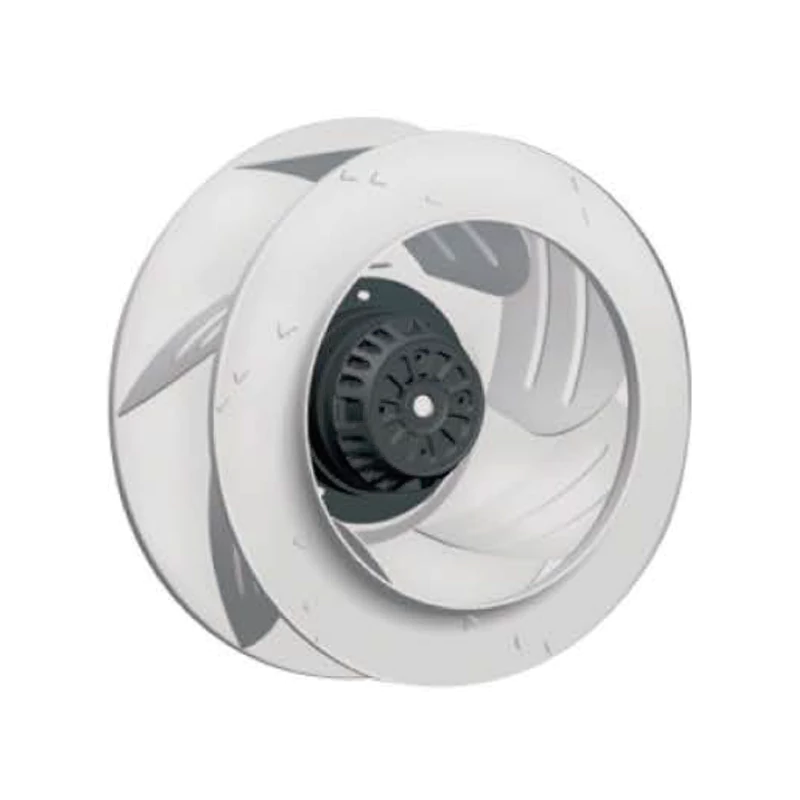
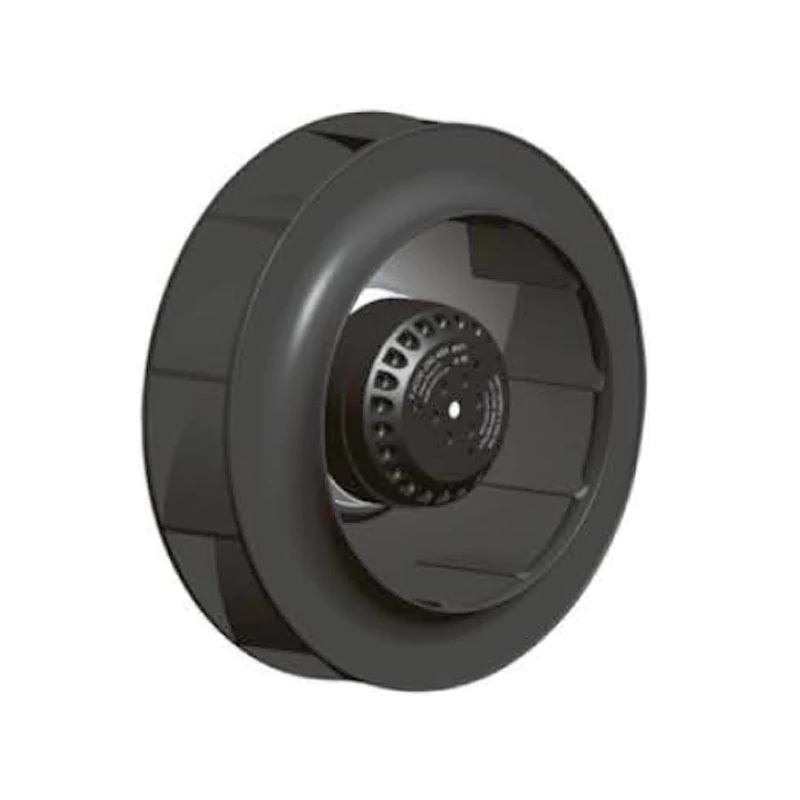
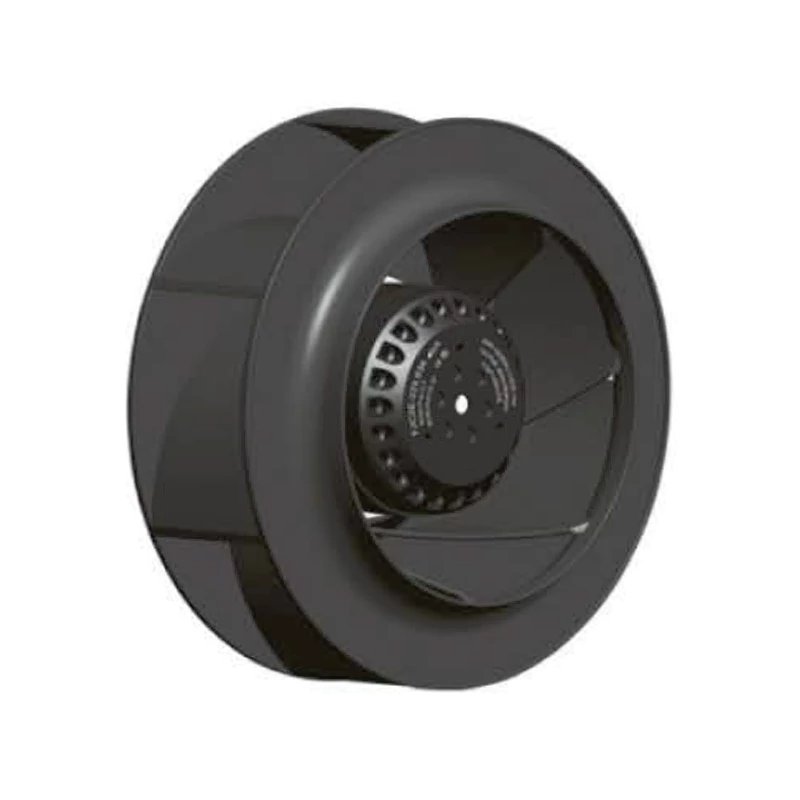
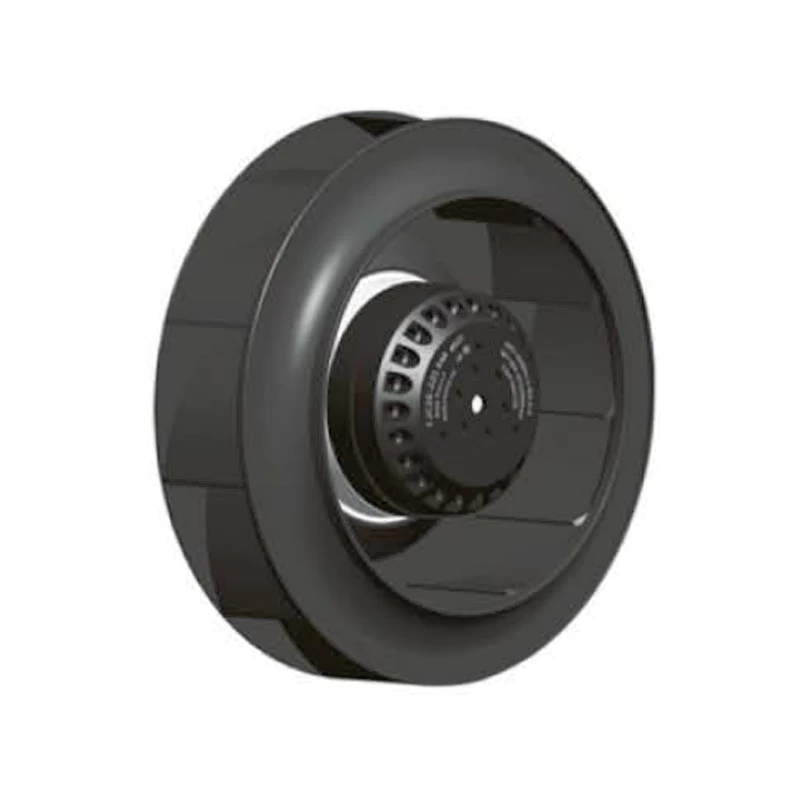
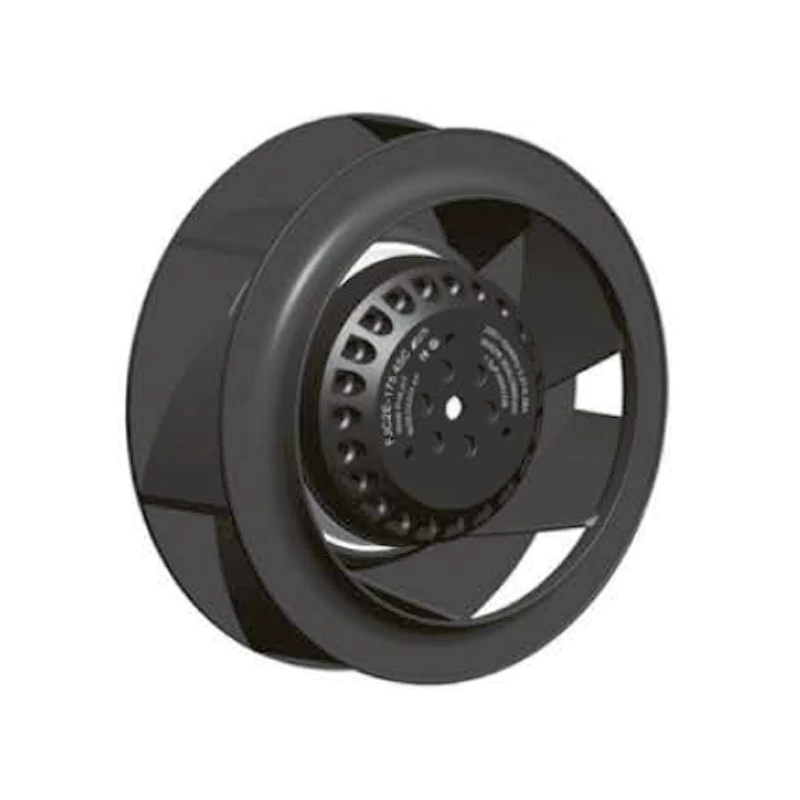
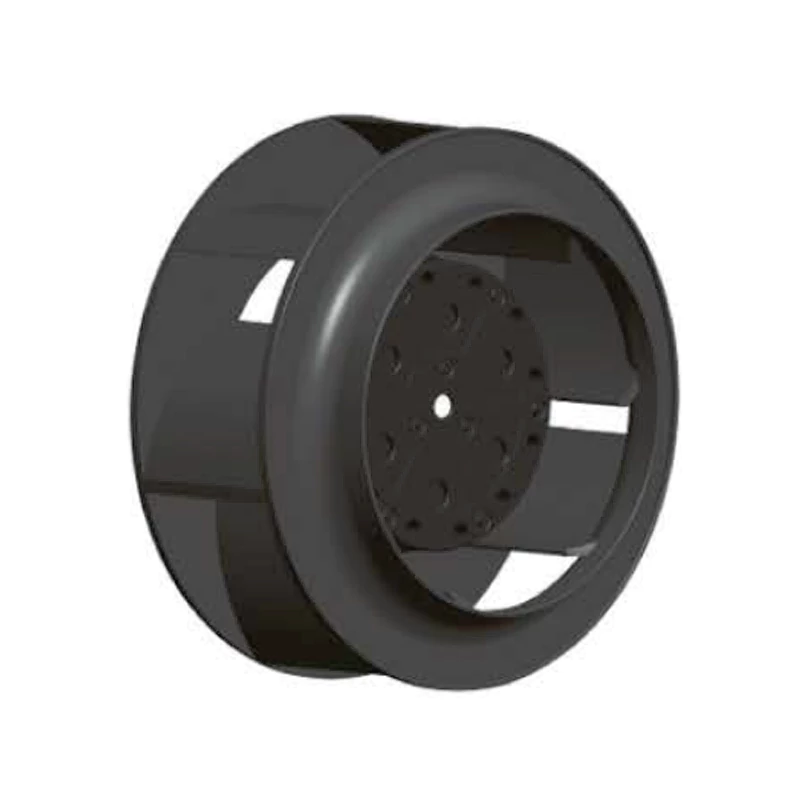
Backward-curved impellers maintain high efficiency across a wide operating range, ideal for variable air volume (VAV) ventilator systems.
How to select the right ventilator fan – 3 simple steps
Define your design envelope: target CFM (50~2000), max static pressure (Pa), noise limit (dB(A)), and housing size.
Share with our engineers: We run performance matching and recommend 2-3 centrifugal fan models (AC/DC/EC) with curve overlap.
Sample validation: You receive samples, integrate into your ventilator prototype, and measure real-world result.
Most ventilator OEMs find the optimal balance with EC backward-curved fans – highest efficiency and smart control ready.
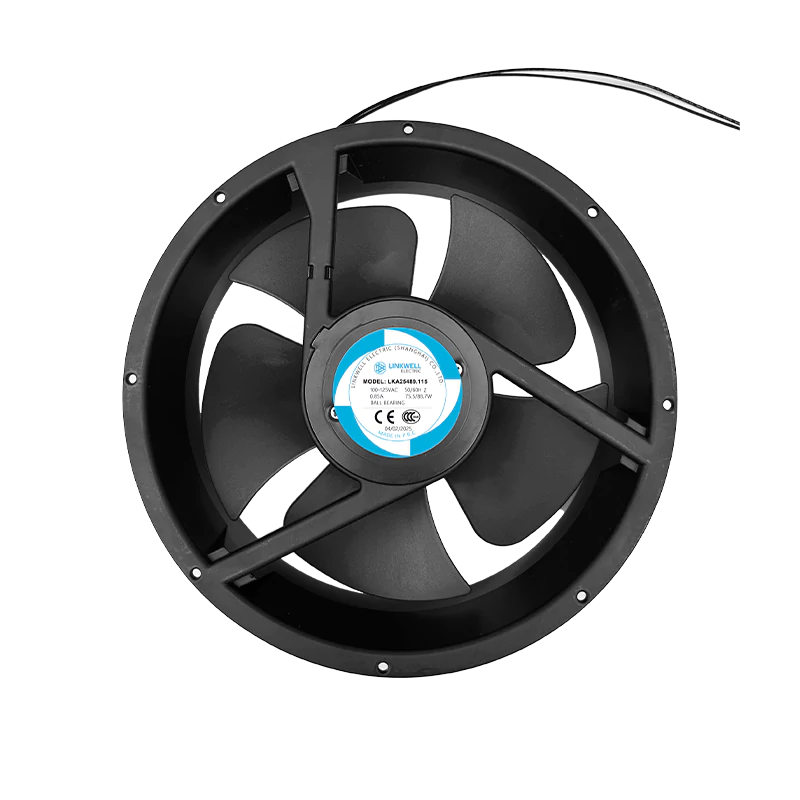
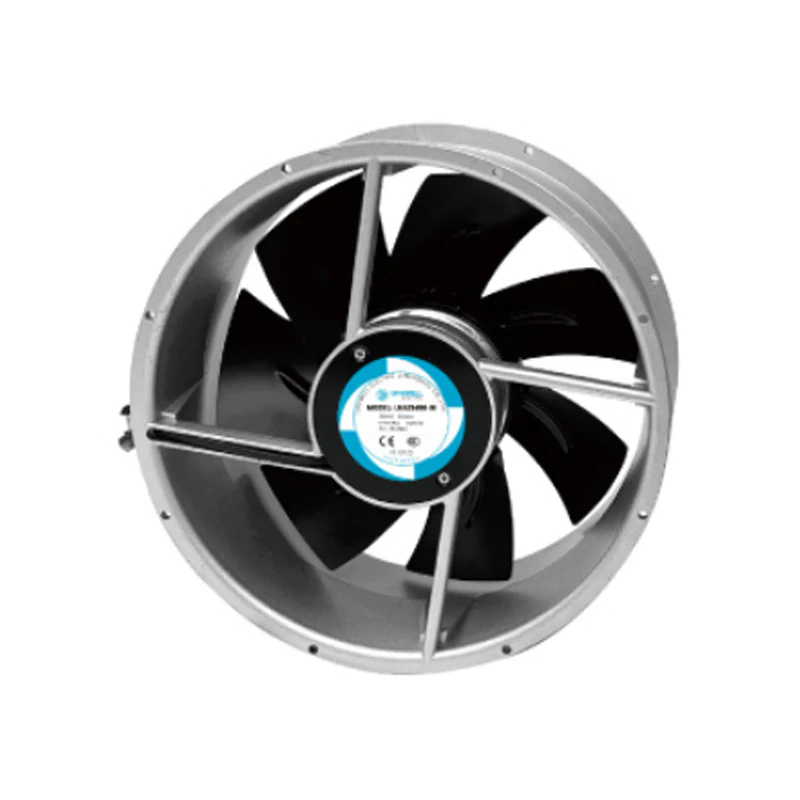
A 120v ac cooling fan is commonly used in HVAC and industrial systems where stable airflow is required under standard North American voltage conditions.
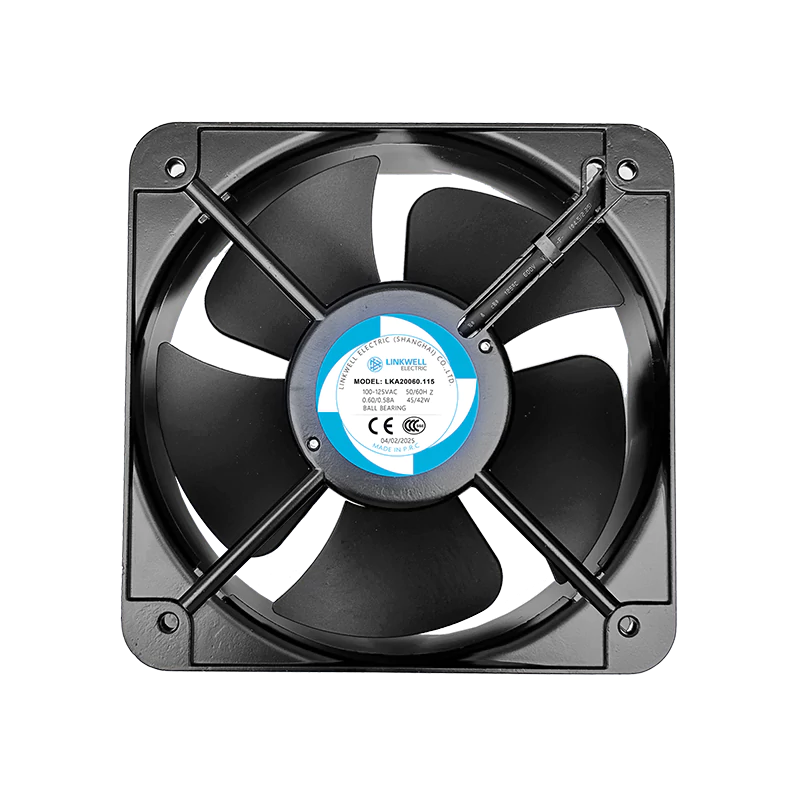
115v ac cooling fan
A 115v ac cooling fan is designed for equipment operating on legacy or specific regional power standards while maintaining reliable continuous cooling performance.
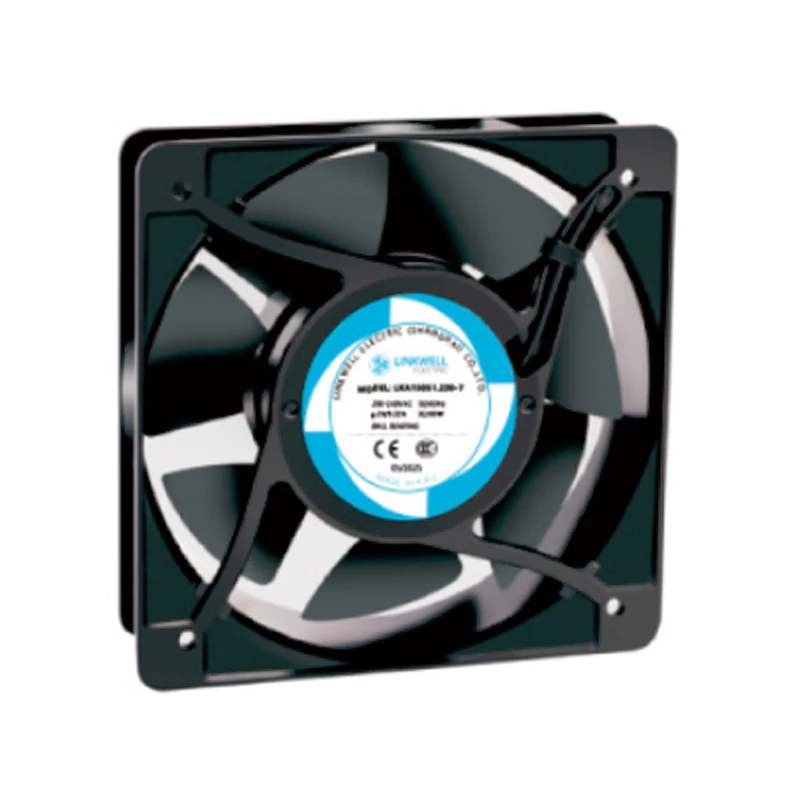
120mm ac cooling fan
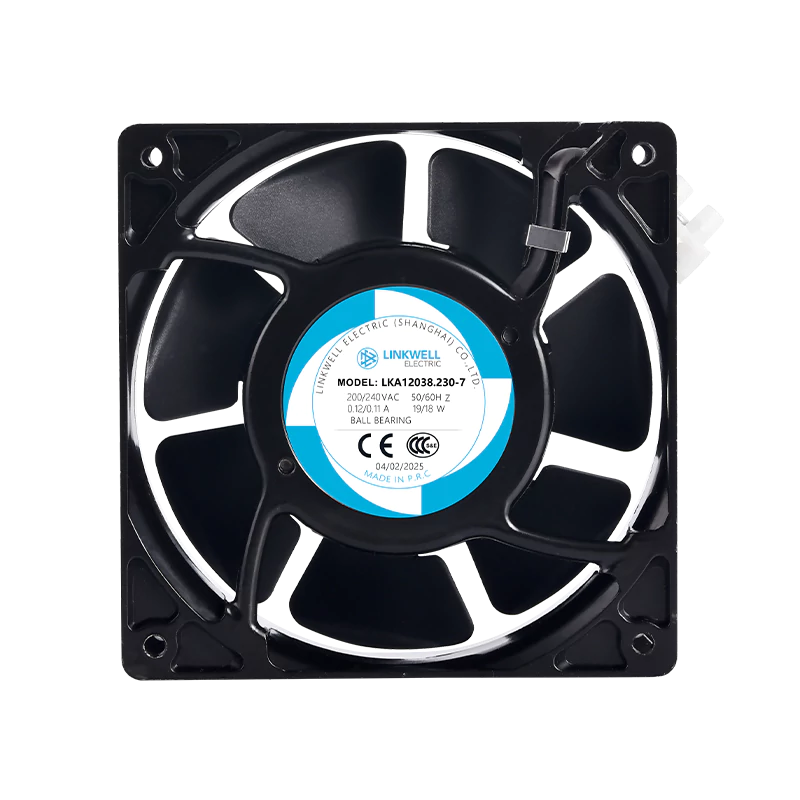
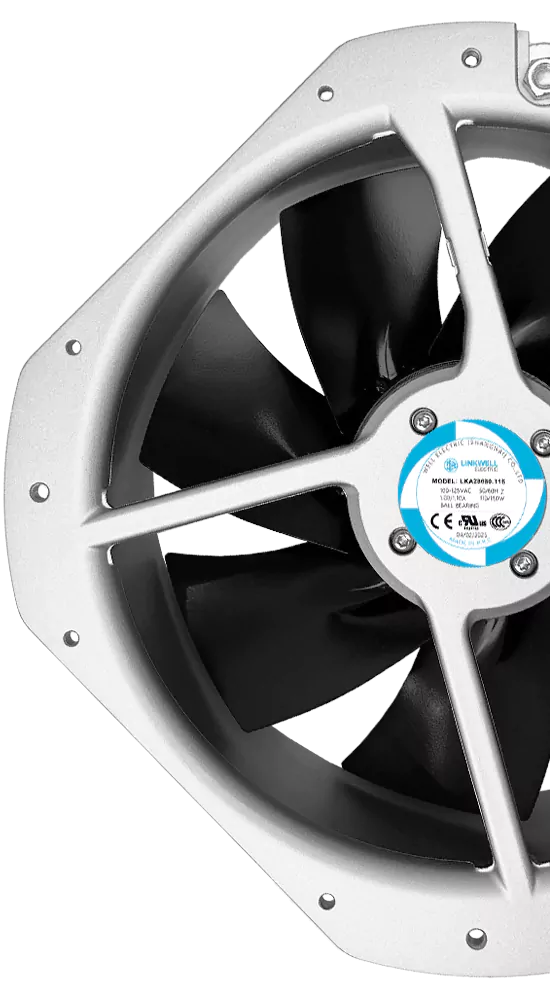
A 120mm ac cooling fan provides an efficient balance between airflow capacity and compact installation, making it suitable for electrical cabinets and control panels.
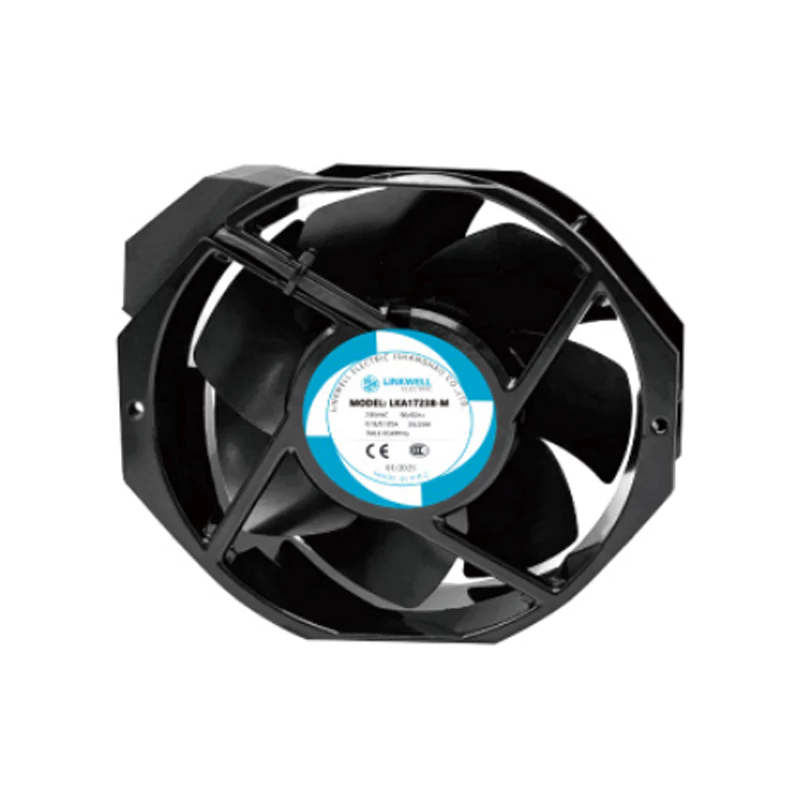
220v ac cooling fan
A 220v ac cooling fan is widely applied in industrial machinery and HVAC systems for global markets requiring higher voltage operation.
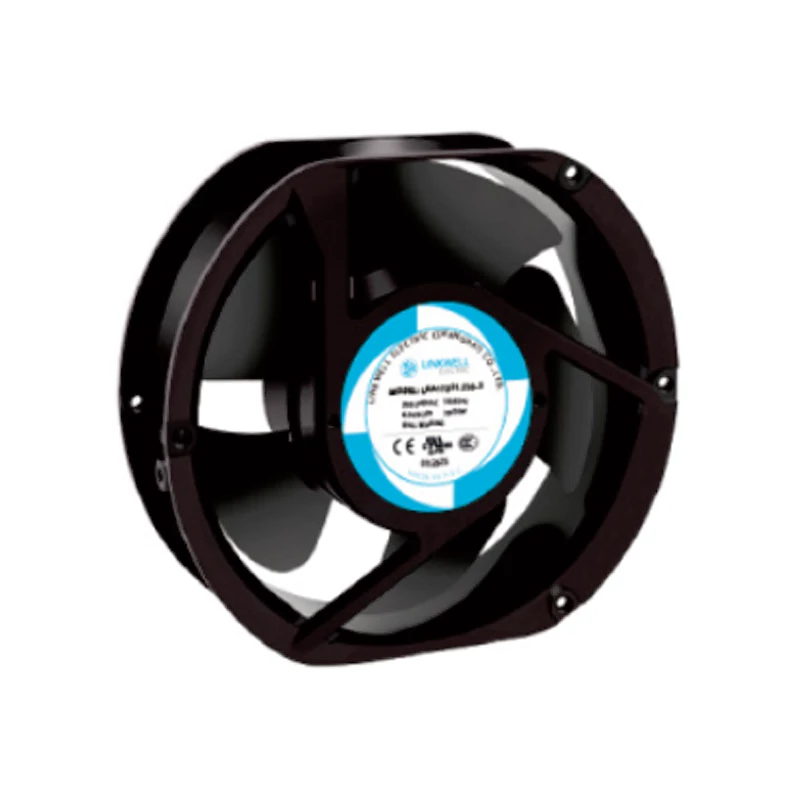
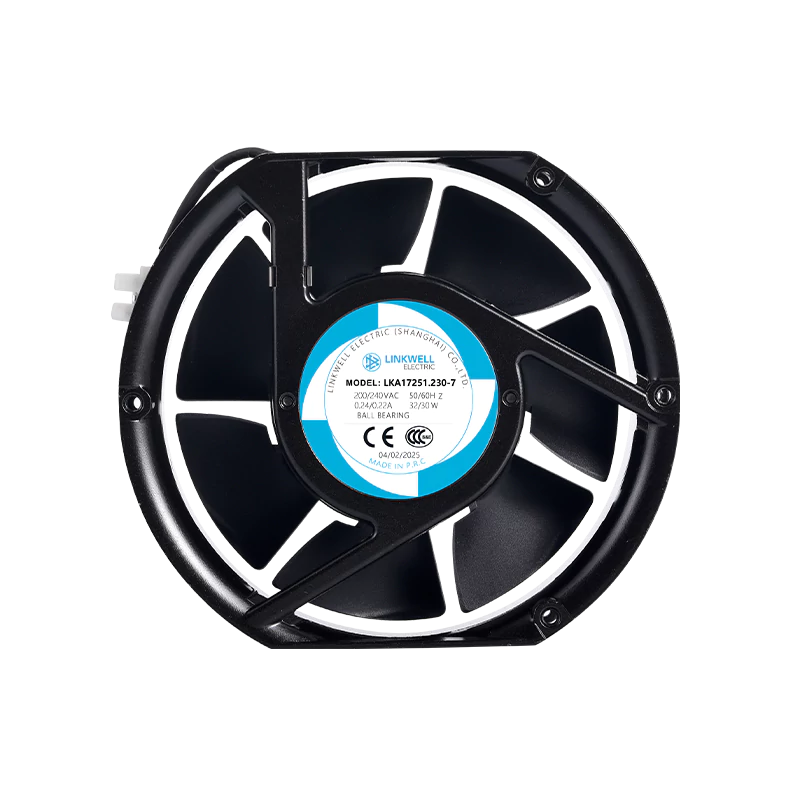
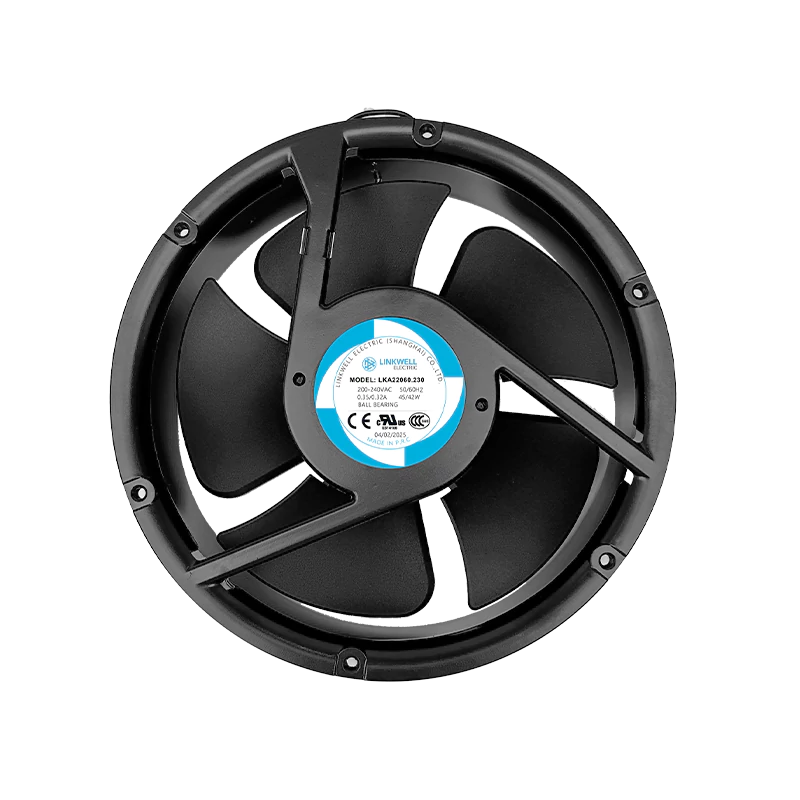
230v ac cooling fan
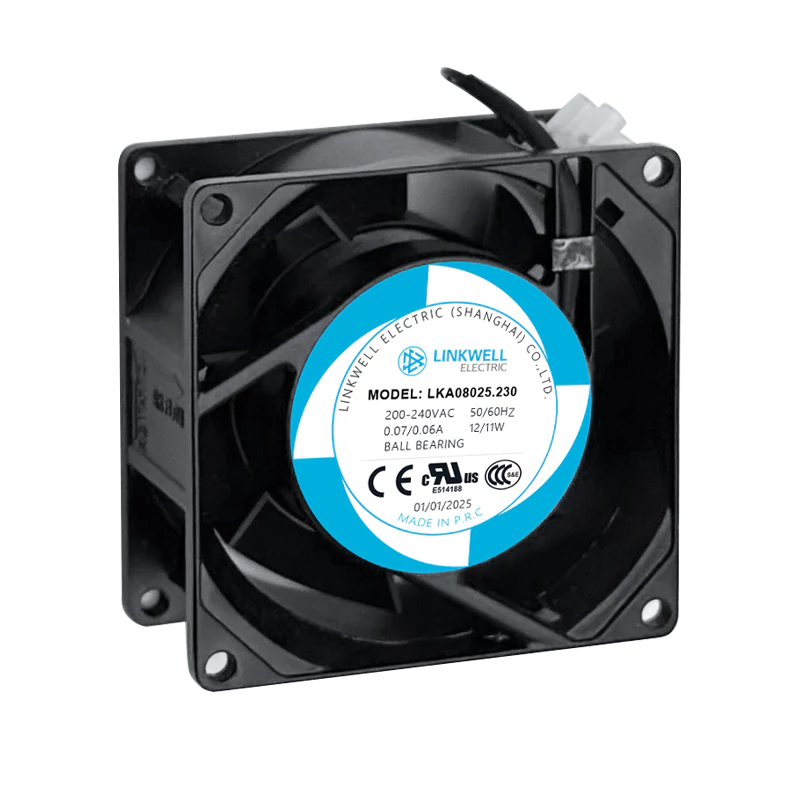
A 230v ac cooling fan is engineered for European power systems, delivering consistent airflow performance under 50Hz operating conditions.
24v ac cooling fan
A 24v ac cooling fan is typically used in specialized systems where low-voltage AC power is required for safe and stable cooling operation.
3 inch ac cooling fan
A 3 inch ac cooling fan is ideal for compact equipment and confined spaces where effective heat dissipation is needed without increasing system size.
4 inch ac cooling fan
A 4 inch ac cooling fan is commonly selected for applications requiring higher airflow capacity while maintaining a standardized mounting dimension.
Every fan validated: factory testing for 24/7 ventilator duty
We don’t guess. We test. Each batch and critical parameters are verified to eliminate field failures.
Air performance test
Actual P-Q curve (CFM vs. static pressure) within ±5% of datasheet – no overpromising. Samples tested on AMCA-style chamber.
Thermal & life test
7,000h continuous runtime at 40°C ambient to validate L10 bearing life. EC fans undergo 100% 2-hour burn‑in before shipping.
Control signal validation
0-10V / PWM / Modbus response from 0% to 100% – hysteresis, linearity, and start‑up behaviour are recorded.
IP & insulation test
100% HIPOT (1500VAC) and random IP44/IP54 verification. Optional IP56/IP68 for outdoor ventilator units.
FAQ of Ventilator Fans
Why is my equipment still overheating even though a fan is installed?
This is usually due to insufficient Static Pressure.
The Issue: Standard axial fans move a lot of air in open spaces but “stall” when they hit resistance (like dense wiring, filters, or narrow heatsinks).
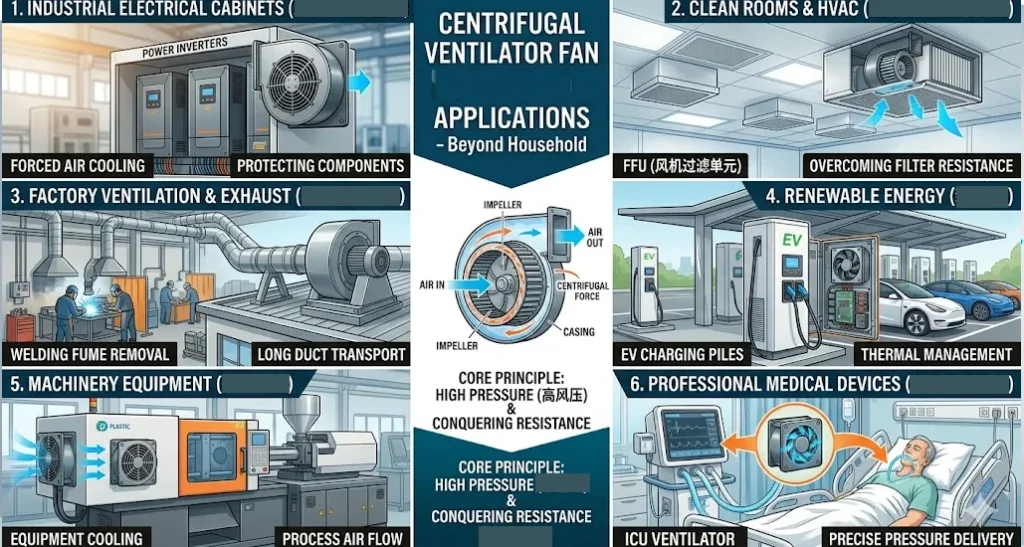
The Solution: You need a Centrifugal Fan. These are designed to “compress” the air and generate the pressure required to force airflow through tight spaces and overcome internal resistance.
When selecting a fan, should I prioritize Airflow (CFM) or Static Pressure?
It depends entirely on the System Resistance (Impedance).
Prioritize Airflow (m³/h or CFM): For open-space ventilation with no filters or ducting.
Prioritize Static Pressure (Pa or Inch $H_2O$): For industrial electrical cabinets, telecommunication enclosures, or systems with HEPA filters. In these cases, high airflow is useless if the fan cannot overcome the “backpressure” of the cabinet.
How can I reduce the noise of a Centrifugal Ventilator?
Industrial noise is often a mix of mechanical vibration and air turbulence.
Switch to EC Motors:EC (Electronically Commutated) fans are significantly quieter than AC fans, especially when running at partial speeds.
Optimize the Operating Point: Every fan has a “Performance Curve.” Noise is highest when the fan is struggling against too much resistance. Ensure your fan is sized so it operates in its high-efficiency window.
Vibration Dampening: Use rubber mounts or flexible gaskets between the fan housing and the equipment frame to prevent resonance.
What type of impeller should I choose for dusty environments?
Go with Backward Curved Impellers.
Unlike “Forward Curved” blades, backward curved blades are less prone to dust accumulation. This prevents the fan from becoming “unbalanced,” which would otherwise lead to bearing failure and excessive vibration in harsh industrial or factory environments.
What is the best installation practice for cabinet cooling?
For most industrial electrical cabinets, the “Exhaust” (Top-Mount) configuration is preferred.
By placing the centrifugal fan at the top to pull hot air out, you create negative pressure. This draws cool air in through bottom filters, ensuring a more uniform temperature distribution across all internal components.
Ready to Solve Your Cooling Challenge
WhatsApp us
Contact Us
Curious how LINKWELL’s cooling solutions can address your business challenges? Let’s connect and discuss your needs.